integrated dc motor
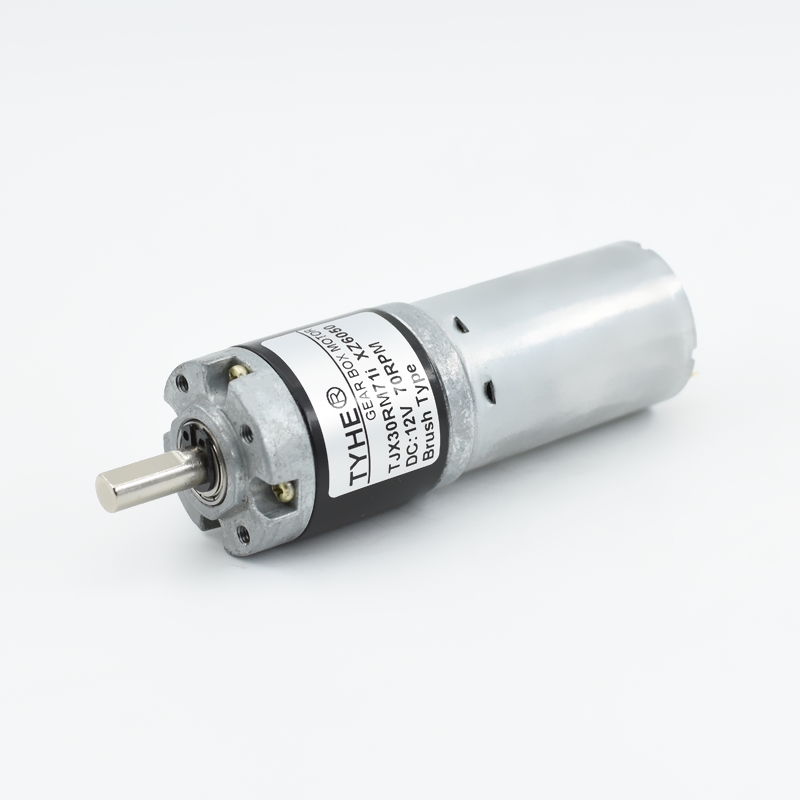
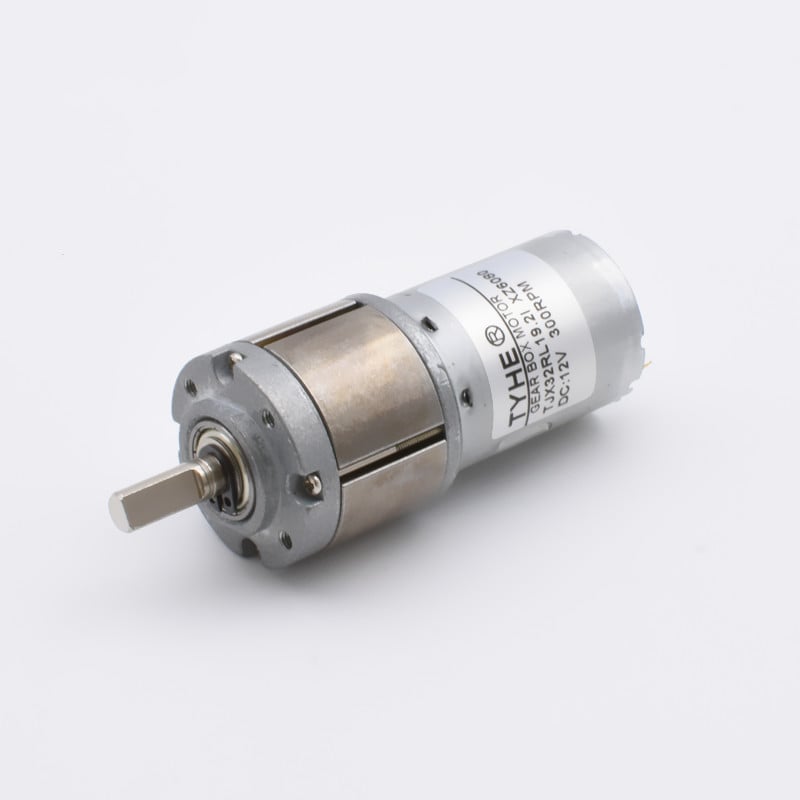
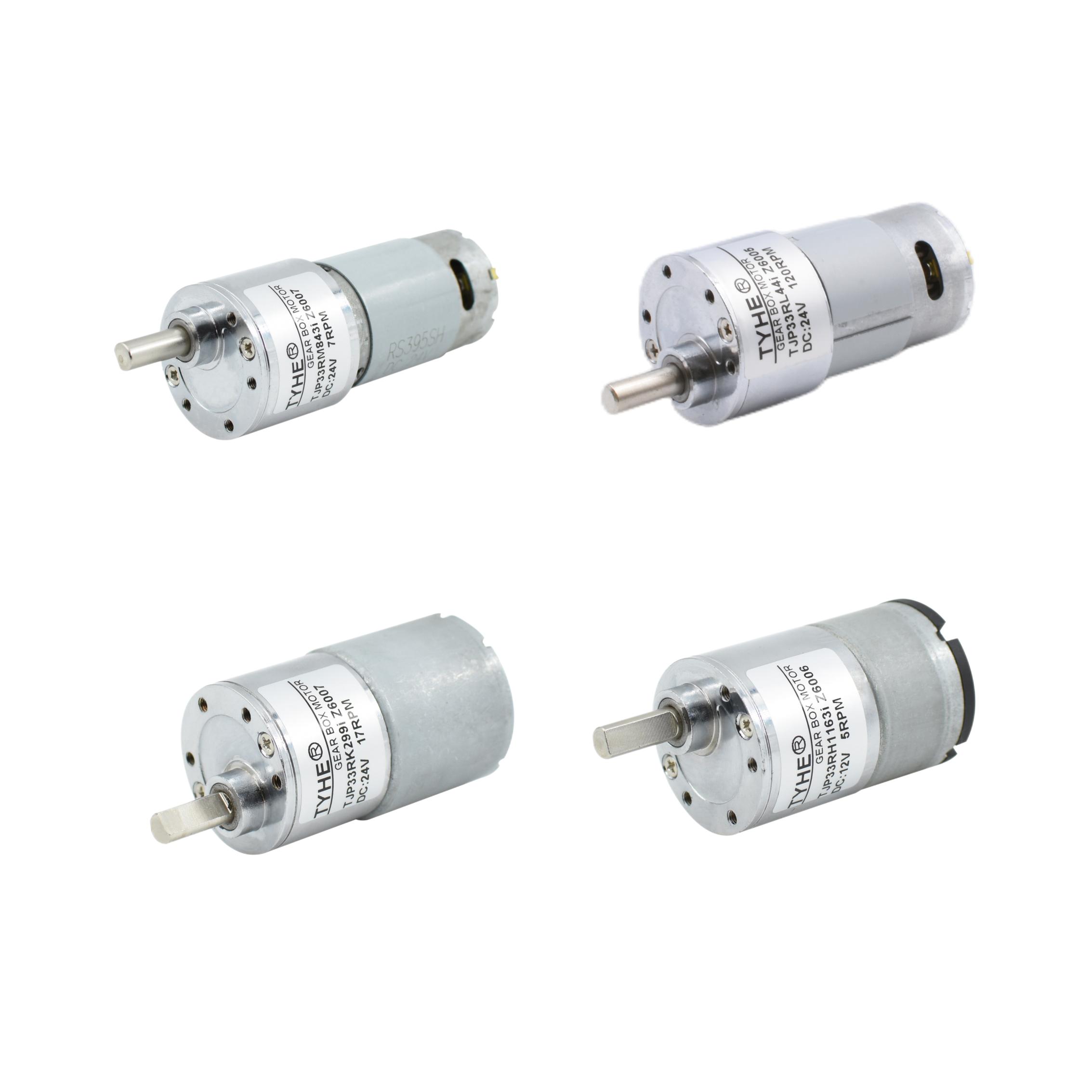
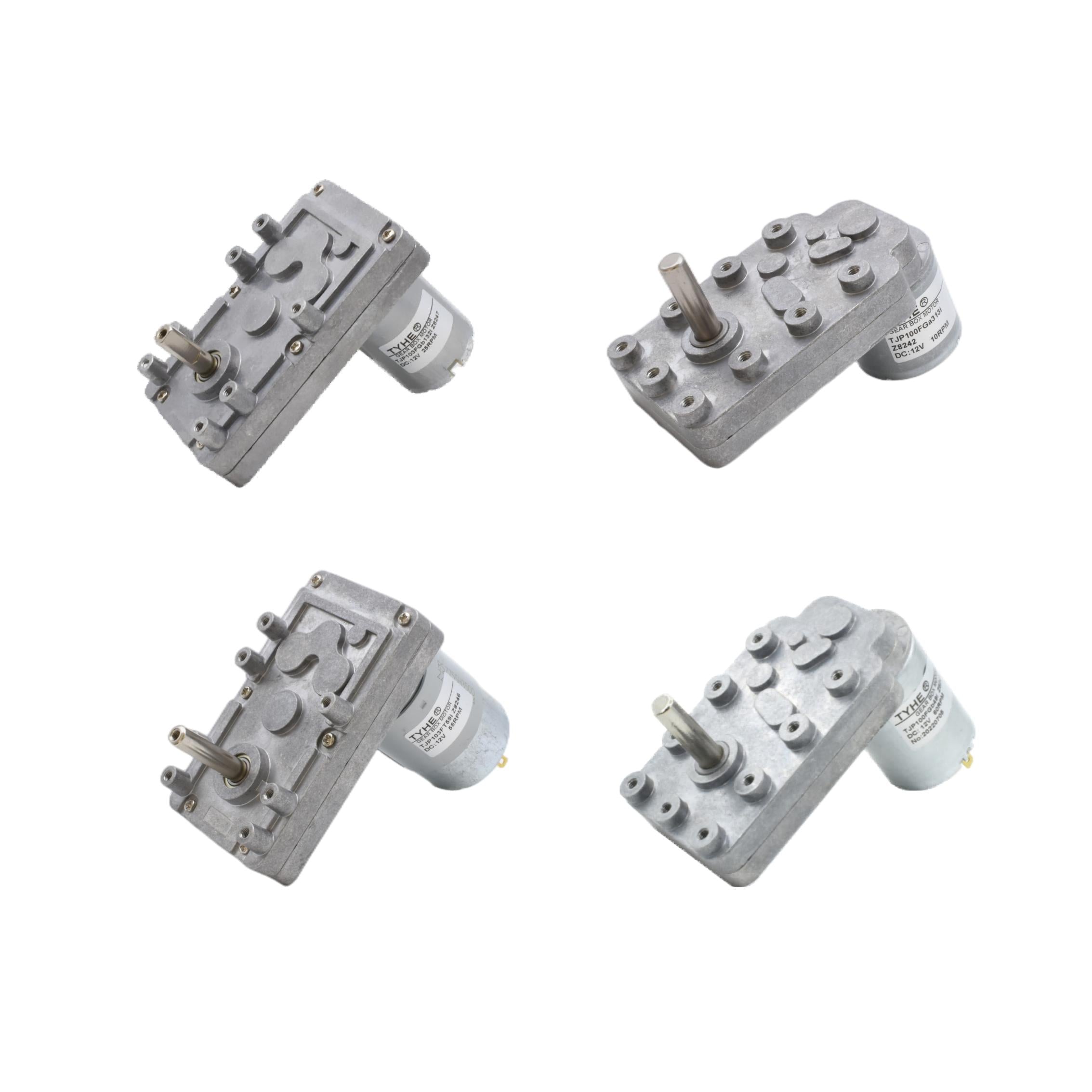
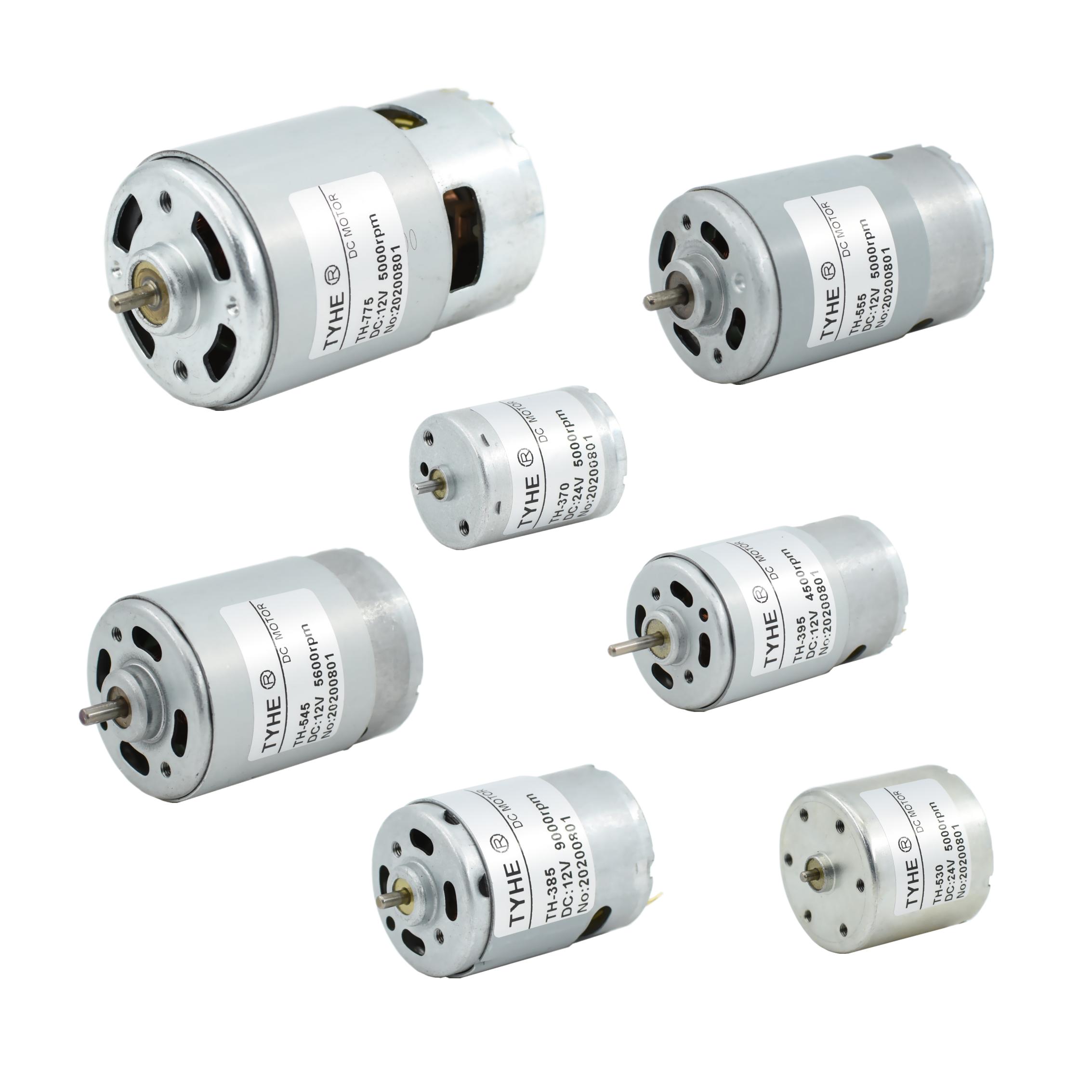
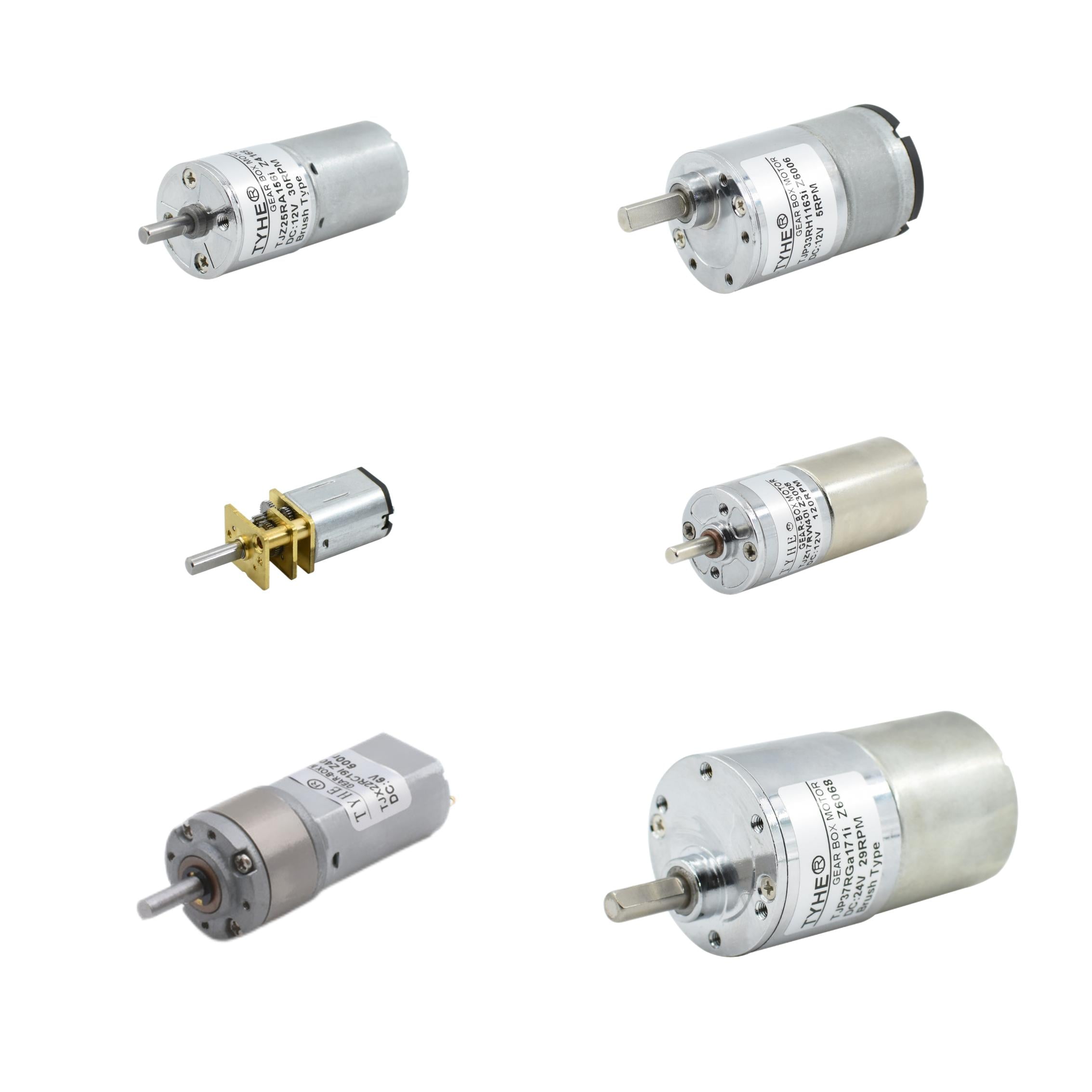
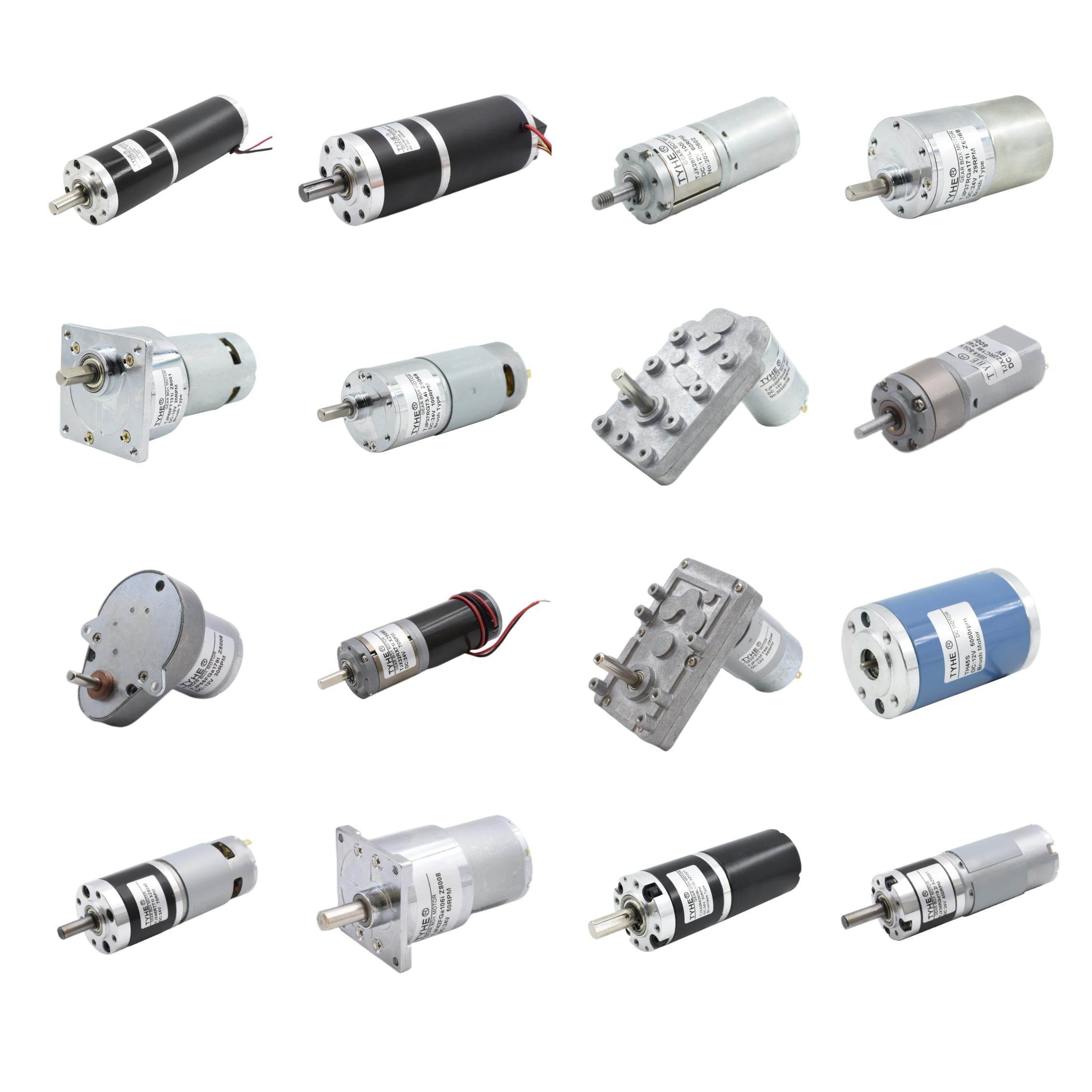
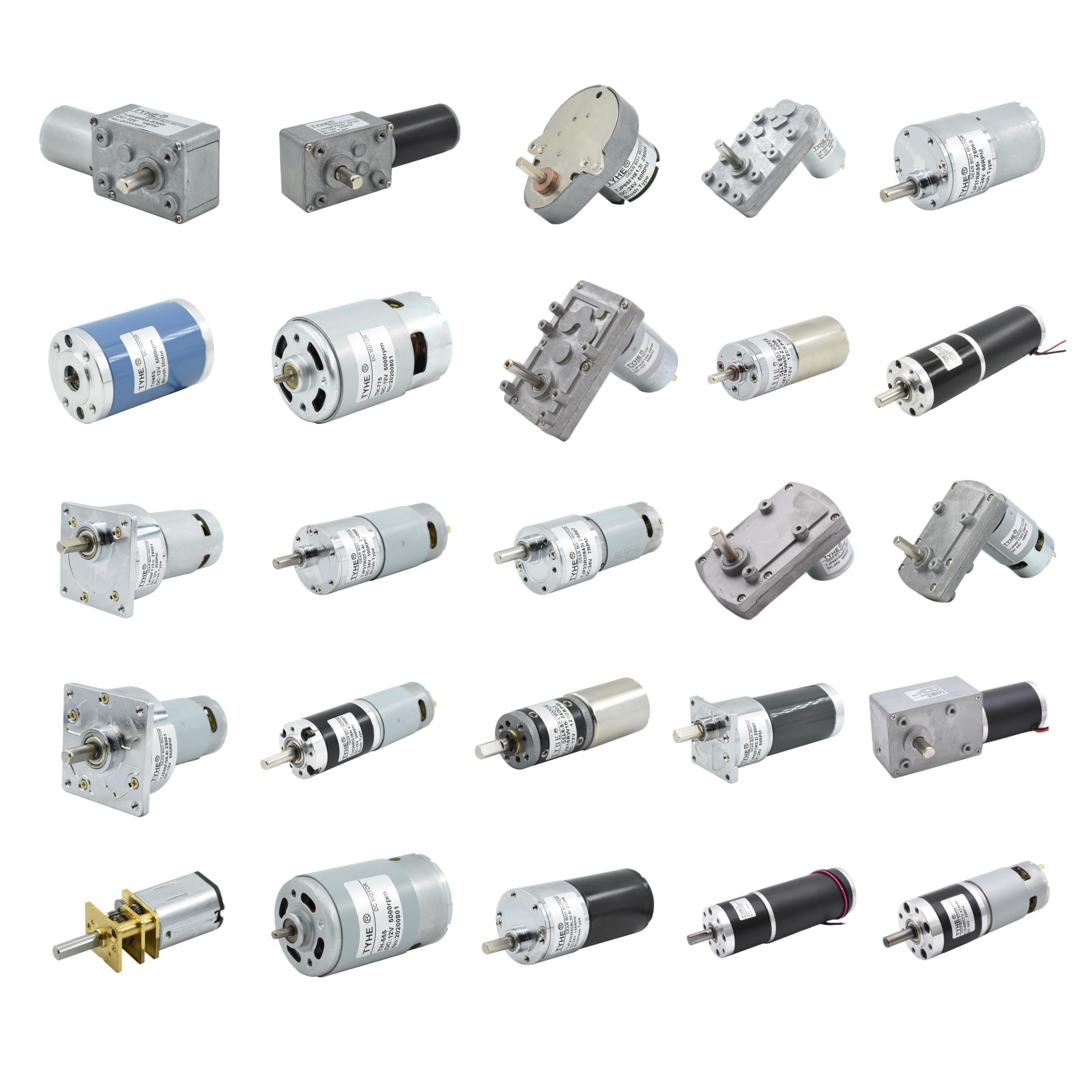
The integrated dc motor combines a direct-current motor, control electronics, feedback components, and often a gearbox in one ready-to-use unit. Instead of requiring separate parts and complex wiring, the integrated dc motor delivers controlled rotary motion from a compact package. This design helps equipment builders save space, reduce assembly time, and simplify system planning. An integrated dc motor can start, stop, reverse, and adjust speed when connected to a suitable power supply or controller. Many models also support position control, allowing machines to move an arm, belt, wheel, valve, or actuator to a chosen point. The integrated dc motor may include sensors that monitor speed, direction, temperature, or shaft position. These features improve response and help protect the motor during demanding cycles. A typical integrated dc motor uses permanent magnets, electronic switching, and a shaft designed for the required load. Some versions add reduction gears to increase torque and provide slower, smoother movement. Customers can select brushed or brushless designs, depending on service life, noise, maintenance, and control needs. The integrated dc motor suits battery-powered products because it offers efficient operation and straightforward voltage options. It also fits automated equipment where repeatable movement matters. Common uses include conveyors, laboratory instruments, medical devices, smart locks, pumps, fans, office equipment, robotics, and vehicle systems. Choosing an integrated dc motor involves checking voltage, speed, torque, duty cycle, dimensions, mounting, feedback, and environmental protection. With the correct specification, the integrated dc motor becomes a practical motion solution that reduces design risk while supporting reliable machine performance.

 EN