automotive screen rotation motor
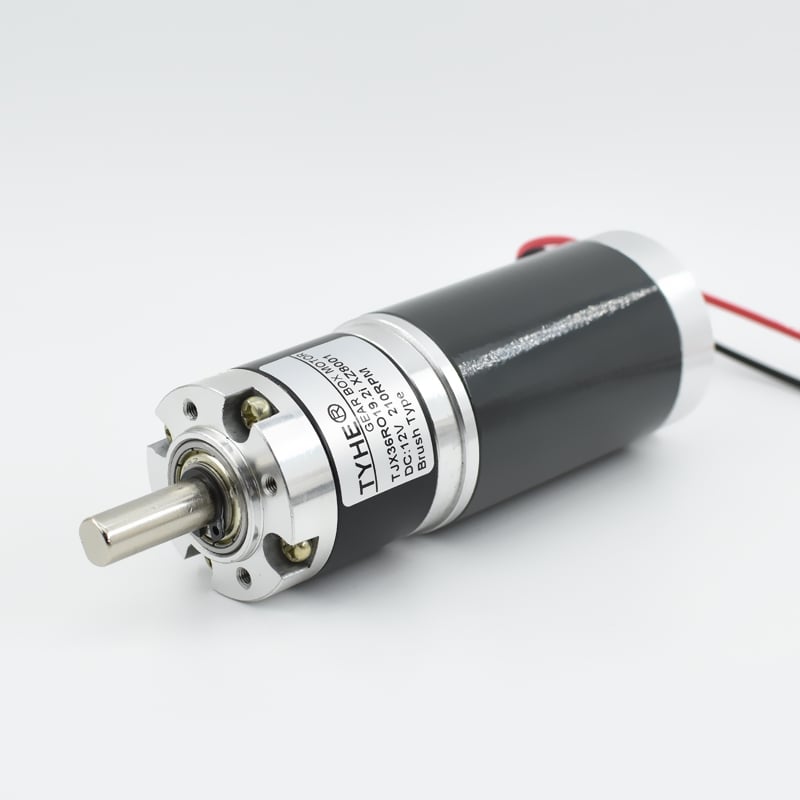
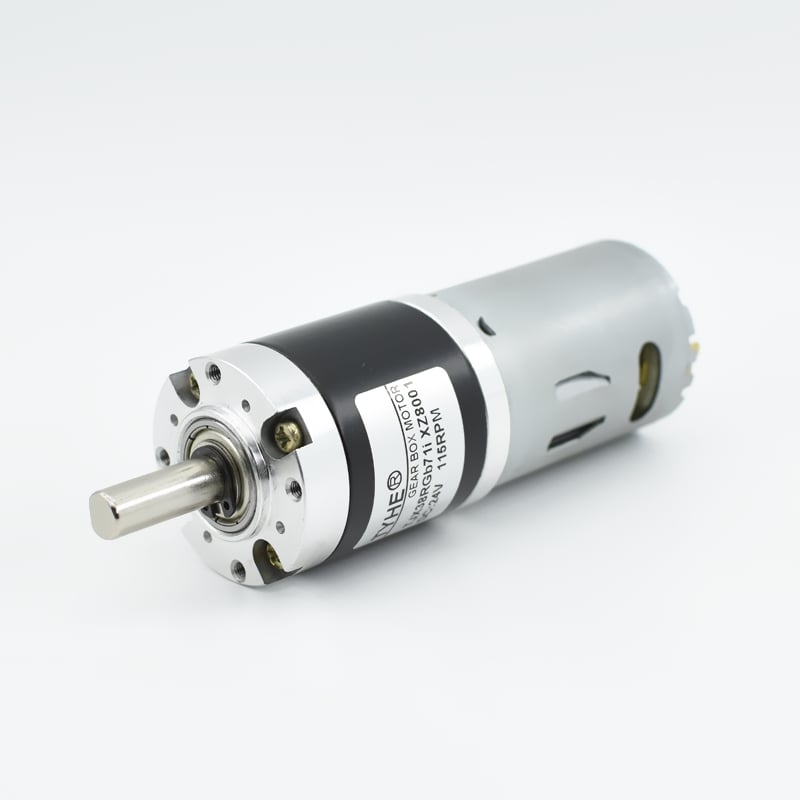
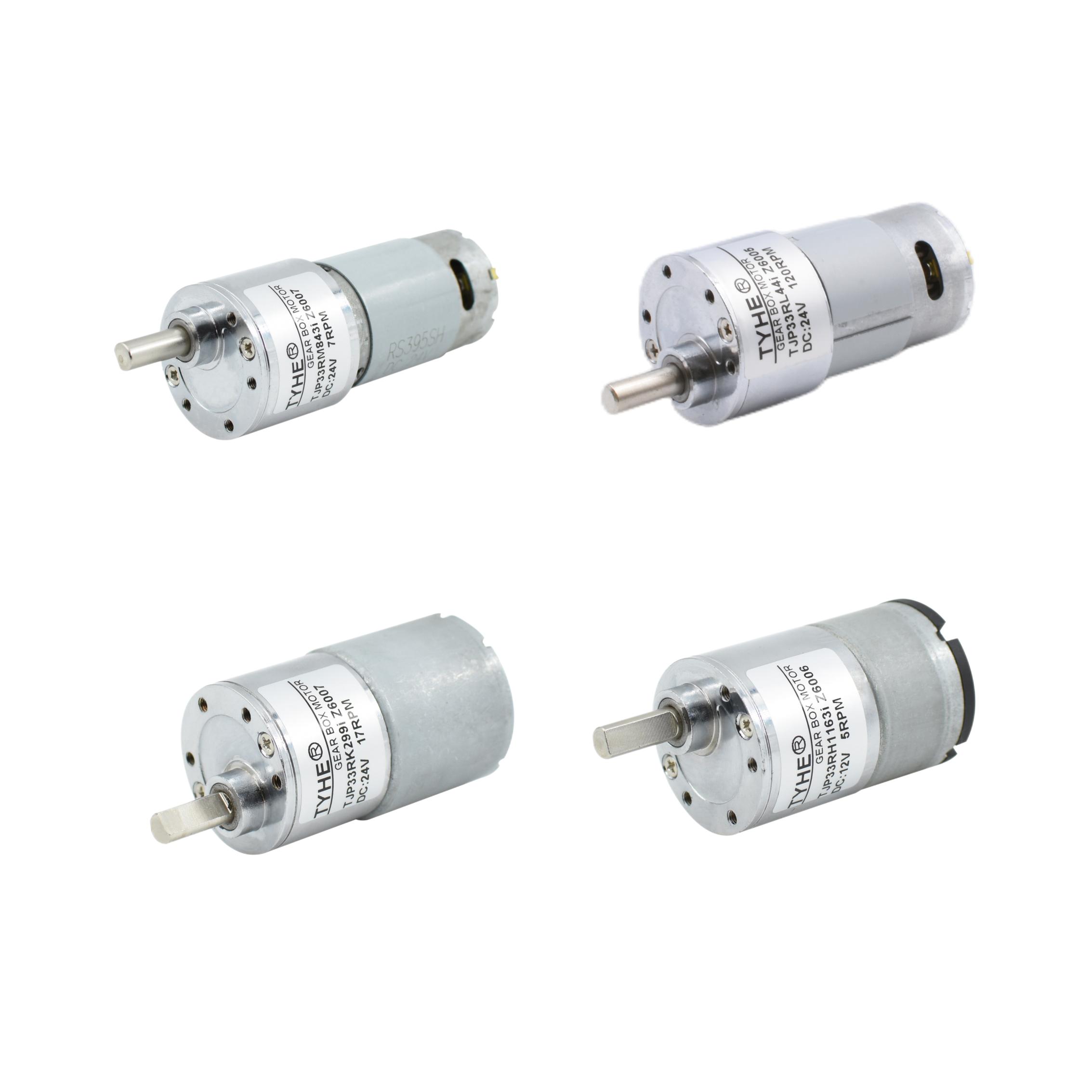
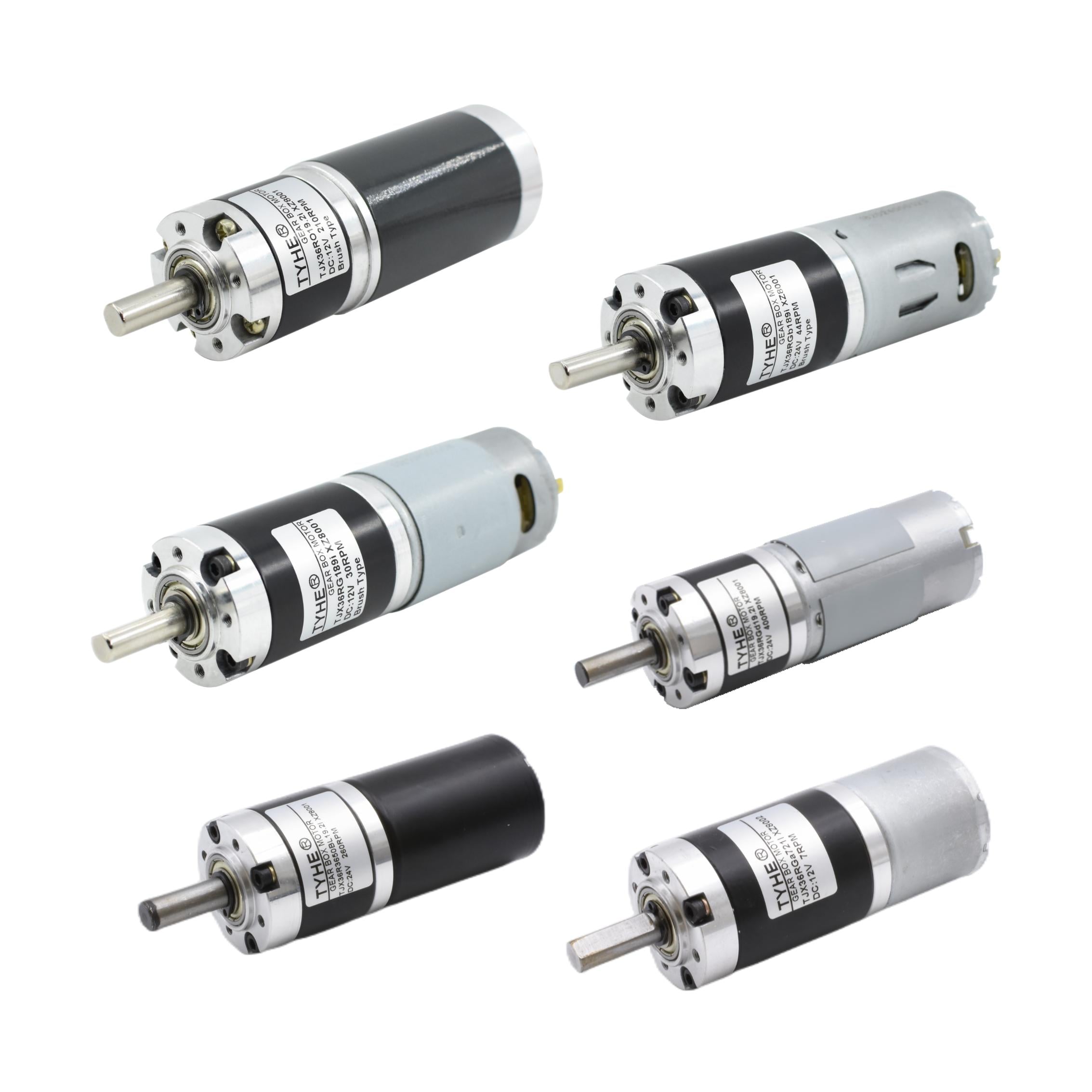
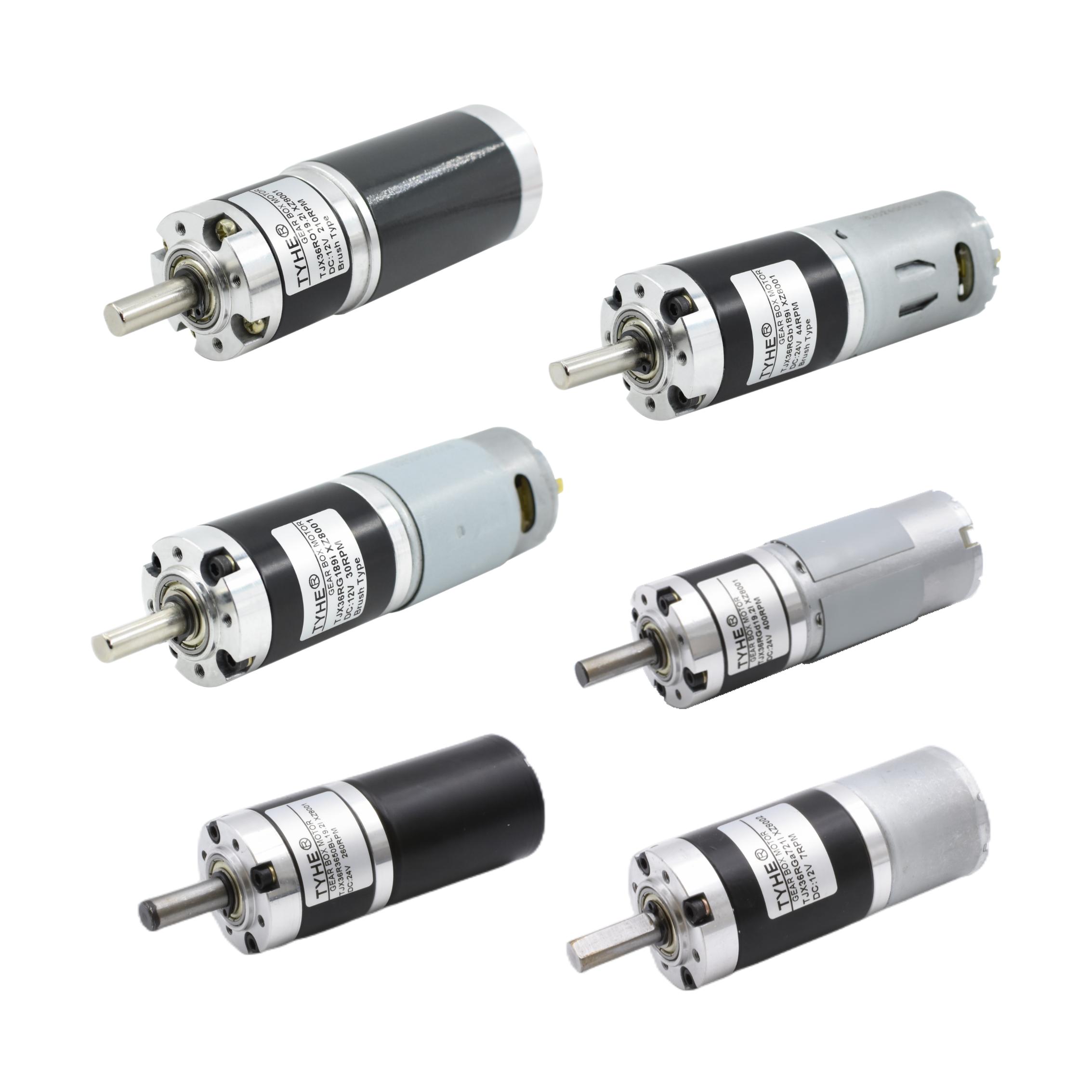
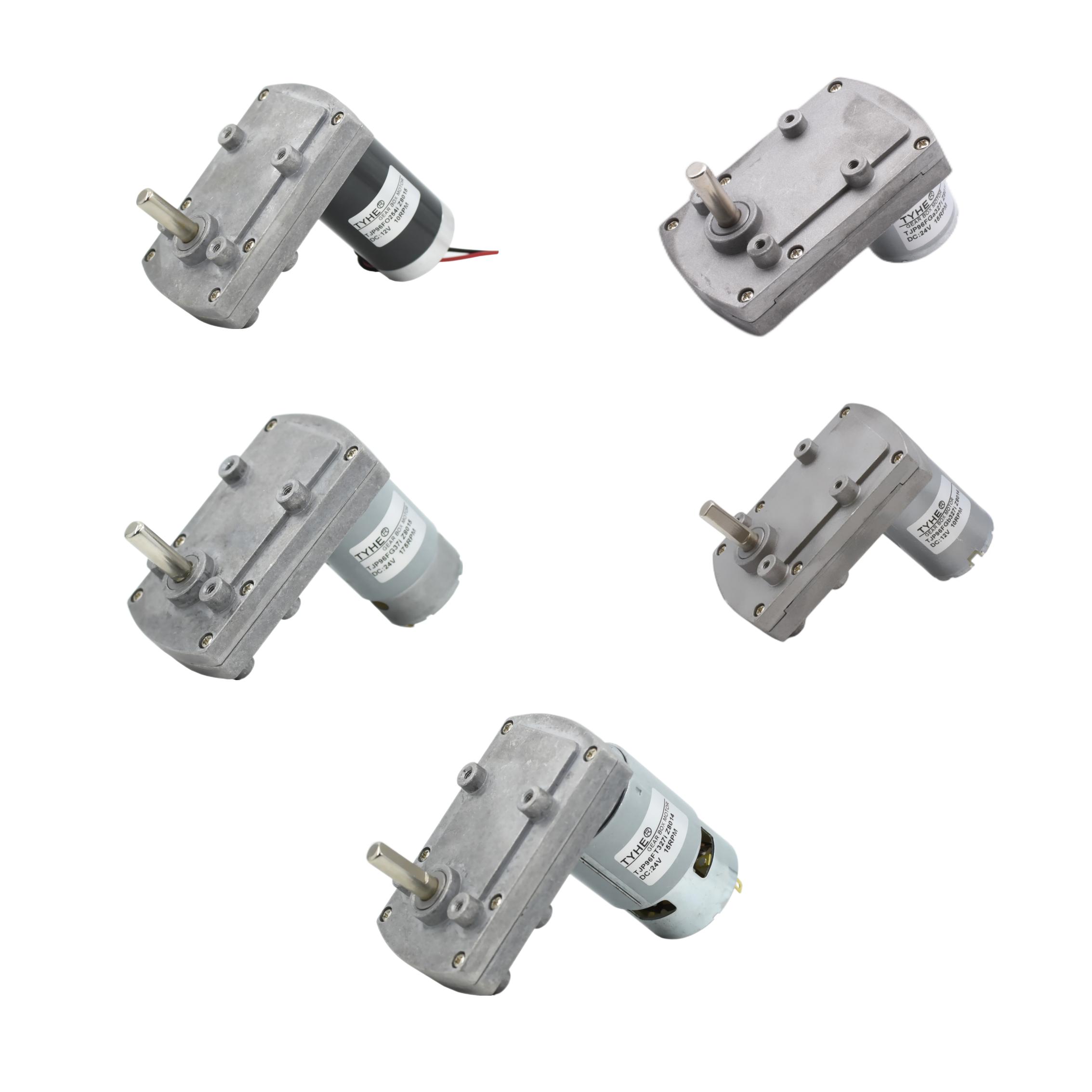
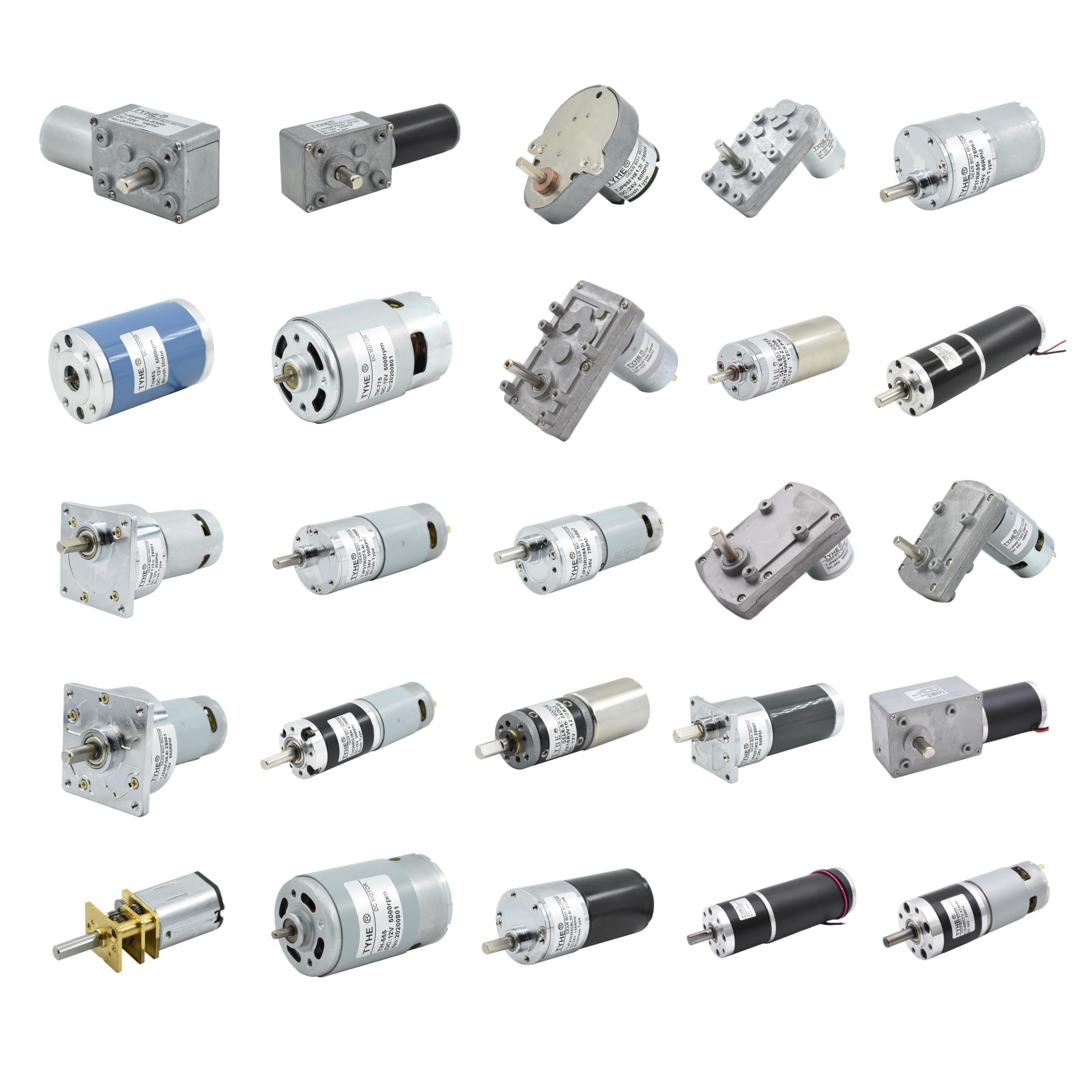
The automotive screen rotation motor is a compact drive unit that turns a vehicle display to a selected viewing angle. In a dashboard, center console, rear-seat entertainment system, or passenger information panel, the automotive screen rotation motor helps a screen move smoothly, stop accurately, and remain stable during travel. An automotive screen rotation motor can support horizontal rotation, vertical adjustment, or a combined movement when paired with suitable mechanical parts. The automotive screen rotation motor normally uses a small electric motor, reduction gears, position sensors, and a control circuit. This combination gives the automotive screen rotation motor enough torque to move a display while using limited cabin space. A well-designed automotive screen rotation motor also limits vibration and operating noise, which helps maintain a comfortable interior. The automotive screen rotation motor may receive commands from a touchscreen, physical switch, vehicle computer, or automatic program. Its controller can manage start, speed, direction, stopping, and return-to-home movement. For safety, the automotive screen rotation motor can include current protection, overload detection, travel limits, and obstruction response. These functions help prevent damage if a passenger touches the display or an object blocks its path. The automotive screen rotation motor suits infotainment screens, navigation displays, instrument panels, digital mirrors, and rear entertainment products. Manufacturers can choose different gear ratios, output shafts, mounting formats, and communication options to match a vehicle platform. In practical terms, the automotive screen rotation motor turns a fixed display into a flexible interface, improving visibility for drivers and passengers while supporting cleaner, more adaptable cockpit design.

 EN