Compacta Designis Ingentis Praestantia
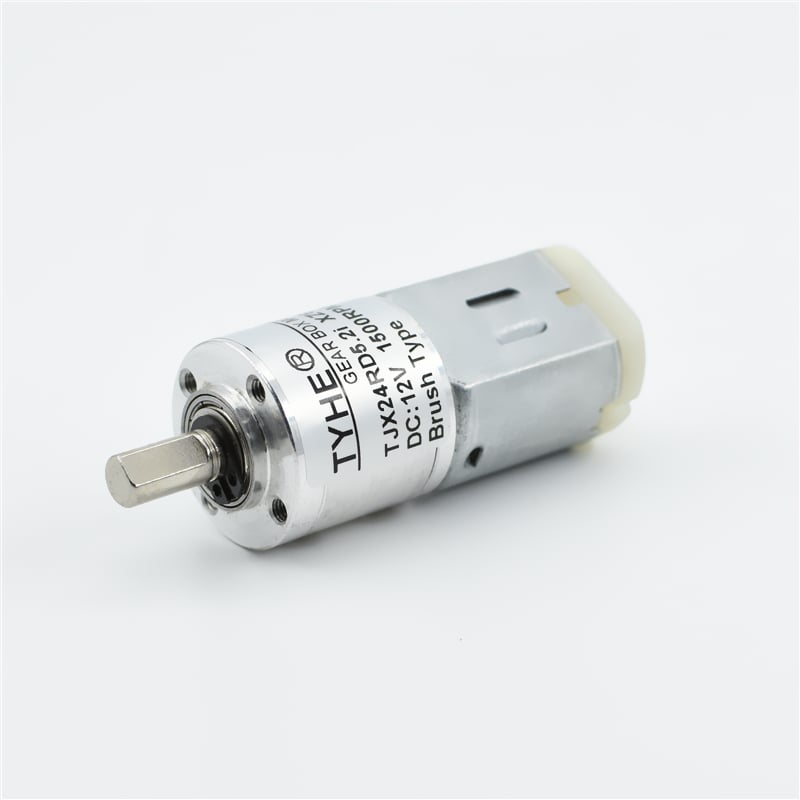
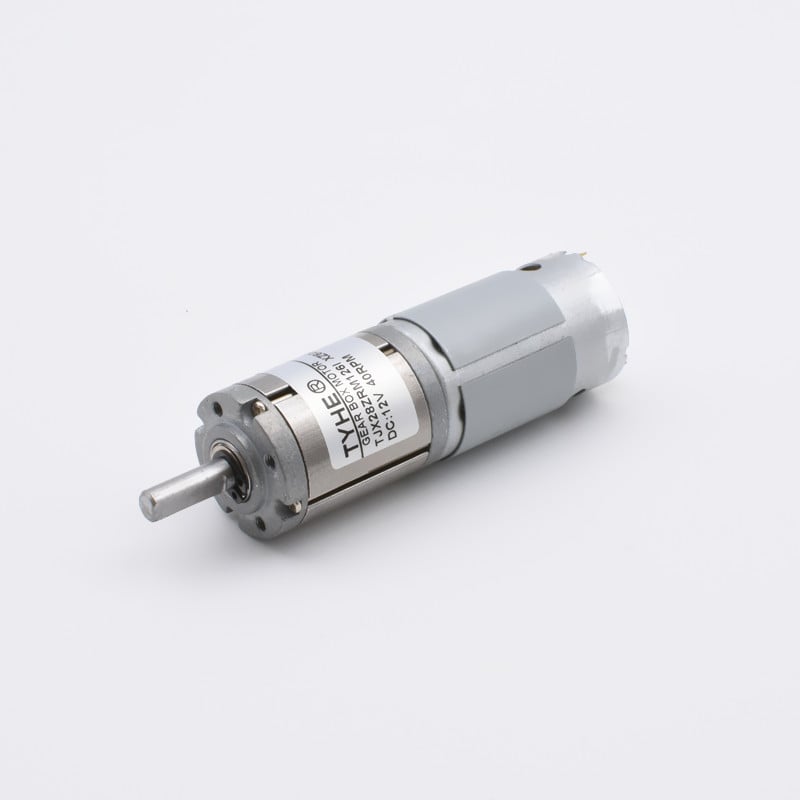
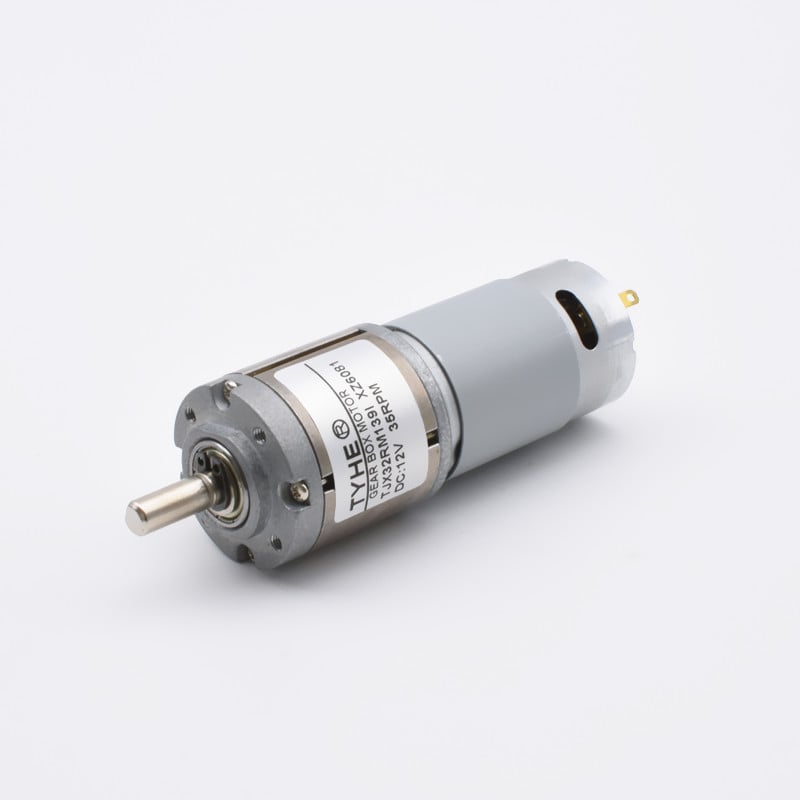
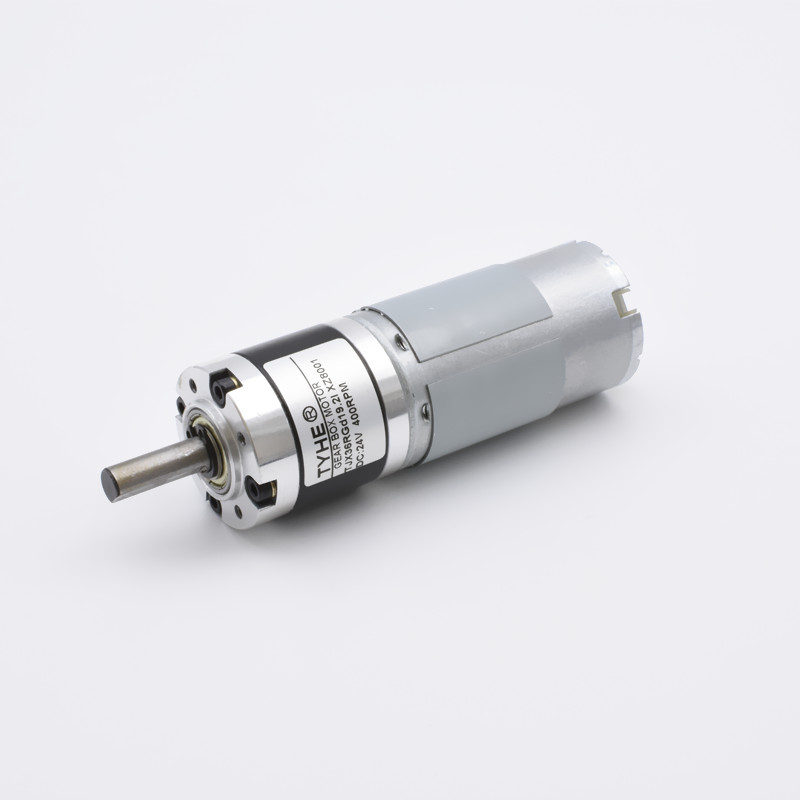
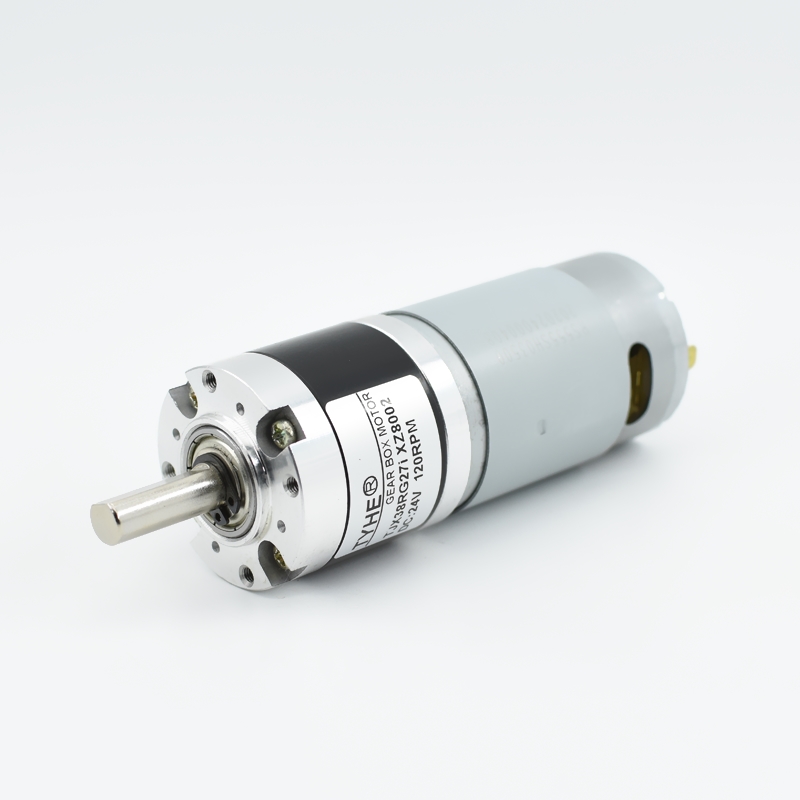
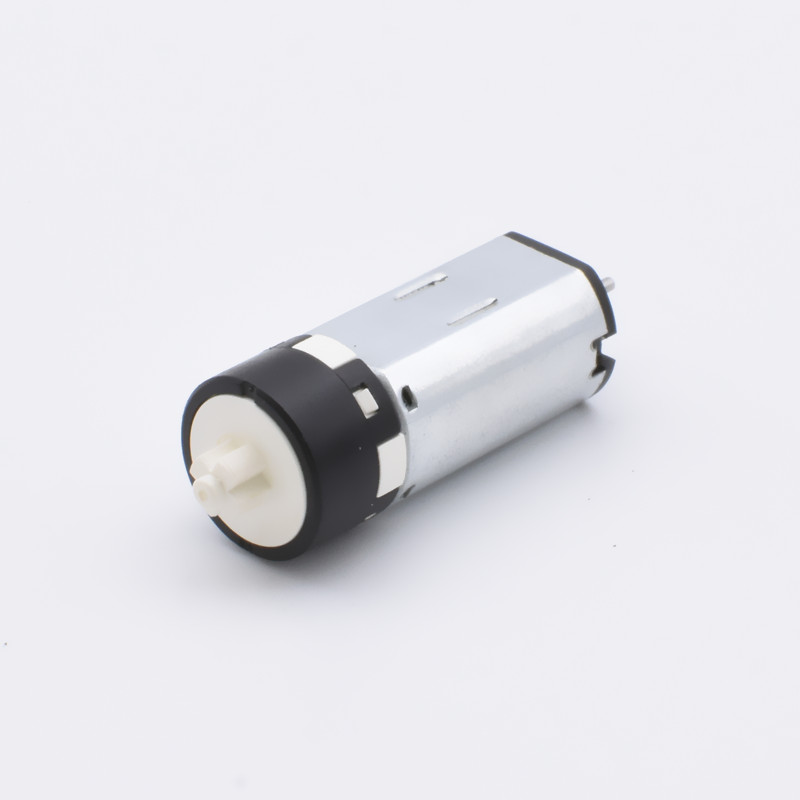
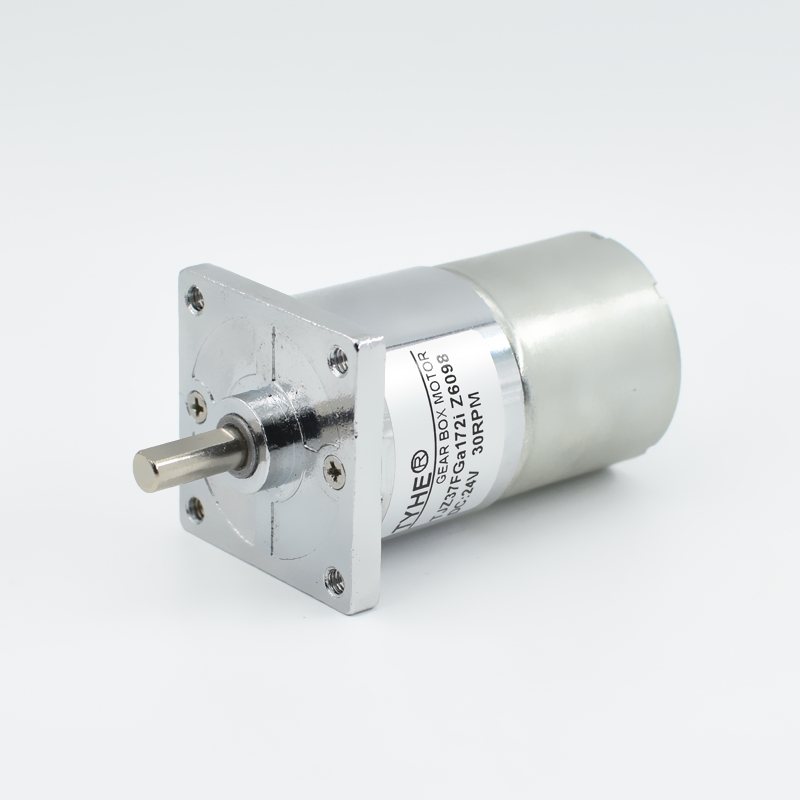
Microgradus passus est opus ingeniarii minuti, quod facultates altissimae motionis regendae feliciter in formam mirabiliter parvam concludit, sine ulla functionis vel fidibilitatis detrimento. Haec insignis minuendi magnitudinis consecutio ex novis rationibus designandi oritur, quae omne componentem in motore optimizant, scientiam materialem praecellentem et technicas fabricandi exactas utentes, ut densitas potentiae maximizetur dum dimensiones totales minimizentur. Philosophia compacta designi omnem constructionem microgradus passus regit, a selectione materialium magneticorum altius energici, quae maximum momentum per unitatem voluminis praebent, ad developmentum technicarum specialem inducturarum, quae factorem implendi cupri in spatiis coarctatis maximizant. Administratio thermica peculiarem habet attentionem in formis compactis, cum integris proprietatibus dissipandi calorem et materiis praecellentibus, quae calorem efficaciter ab elementis criticis auferunt, ut operatio stabilis servetur etiam cum in locis thermice difficilibus installatur. Emballatio mechanica usum facit machinandi exacti et technicarum adunandi praecellentium, ut tolerentiae angustae et constantia operationis consequantur, dum integritas structurae, quae ad operationem longam et fidam sub variis stressibus mechanicis et condicionibus ambientalibus requiritur, maneat. Optimo usui spatii extenditur ad electronicam impulsum dantem, quae componentes superficiales et tabulas circuituum multistratos includit, ut tota systematis extensio minuatur, simul sophisticae facultates regendi praebentes, quae solent esse cum maioribus systematibus regendi motorum associatae. Haec ratio compacta permittit designeris systematum ut implementent praecisionem motus in applicationibus, ubi limitatio spatii antea hanc functionem impossibilem reddiderat, novas aperiens possibilitates in instrumentis portabilibus, robotica minuta, et electricis consumptoribus, ubi unumquodque millimetrum cubicum valet. Minuenda magnitudo etiam in levigationem translatur, quae applicatis mobilibus prodest et systematibus, ubi optima massa effectum habet in performance totam, ut in systematibus positionis dronum, dispositivis medicis portabilibus, et instrumentis mensurationis manu tenendis. Scalabilitas fabricandi ex forma compacta proficit, quia minora componentia minus materiae primae postulant et processus productionis efficaciores permittunt, quod tandem in commodis pretiorum resultare potest quae per totam catenam suppeditationis extenduntur, dum normae qualitatis, quae ad applicationes praecisionis motus regendae sunt essentiales, manent.

 EN
EN