
 EN
EN
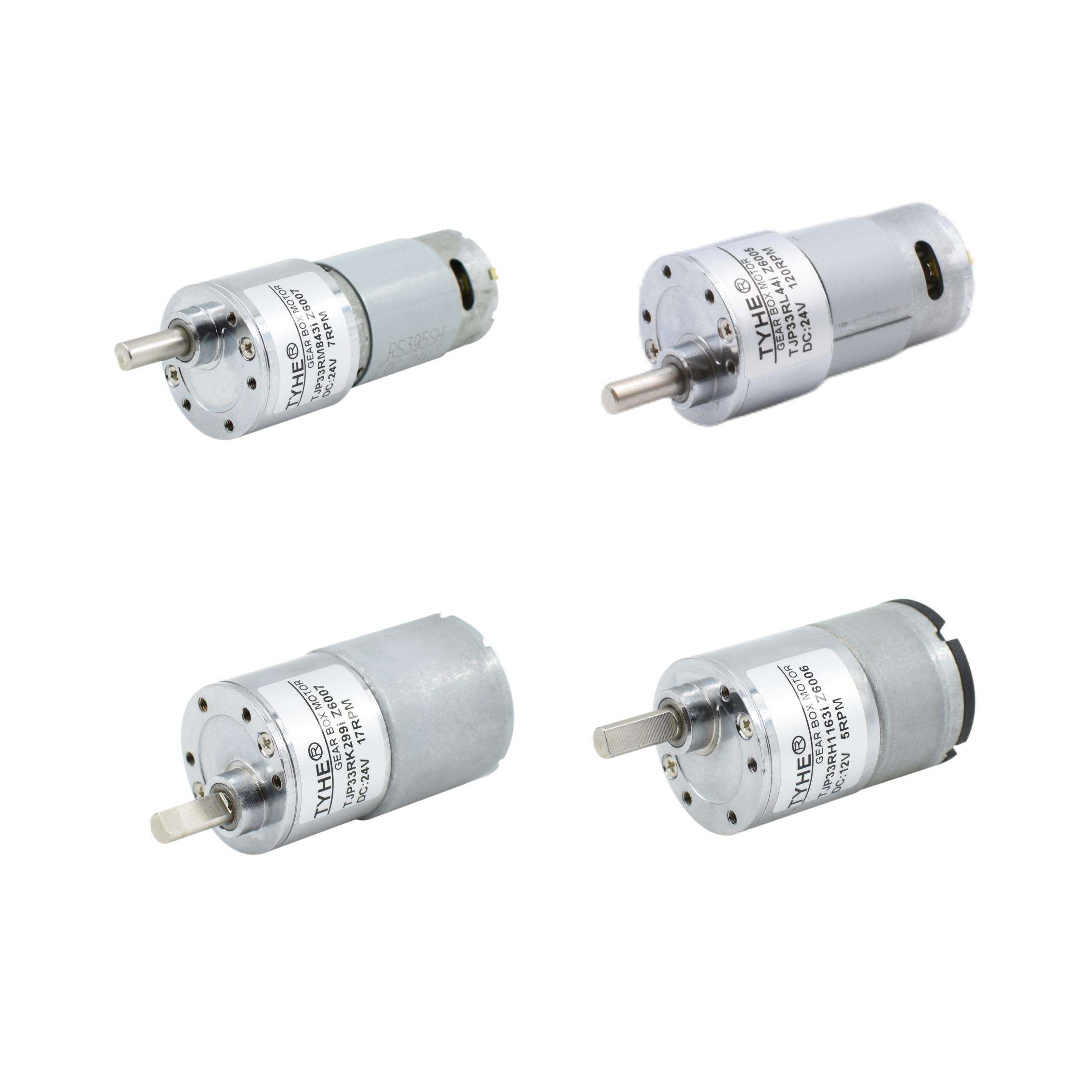
Selecting the right micro dc motor for your application is crucial for achieving optimal performance and reliability in today's competitive landscape. These compact powerhouses have become essential components in countless industries, from automotive systems to medical devices, robotics, and consumer electronics. Understanding the key factors that influence micro dc motor selection can mean the difference between project success and costly redesigns. Modern micro dc motor technology has evolved significantly, offering improved efficiency, longer lifespan, and enhanced control capabilities that meet the demanding requirements of precision applications.
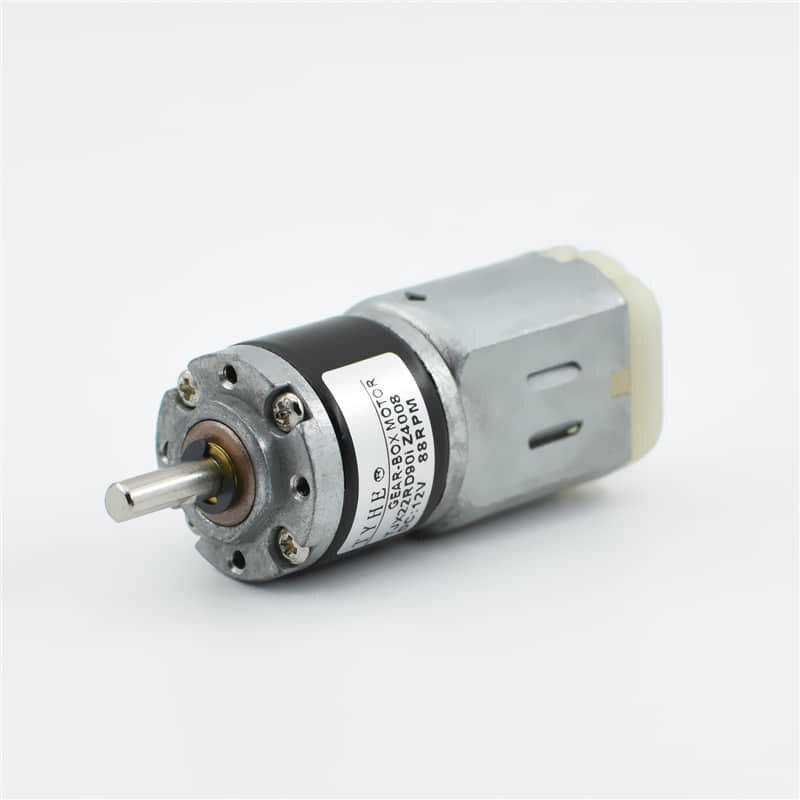
Understanding Micro DC Motor Fundamentals
Basic Operating Principles
A micro dc motor operates on the fundamental principle of electromagnetic induction, converting electrical energy into mechanical motion through the interaction between magnetic fields and current-carrying conductors. The basic construction includes a rotor with windings, permanent magnets or electromagnets creating the stator field, and a commutation system that reverses current direction to maintain continuous rotation. This design allows micro dc motor units to deliver precise speed control and consistent torque output across various operating conditions.
The commutation process in traditional brushed micro dc motor designs relies on carbon brushes making physical contact with the commutator segments on the rotor. This mechanical switching creates the necessary current reversal but introduces wear components that require periodic maintenance. Brushless micro dc motor variants eliminate this physical contact through electronic switching, resulting in longer operational life and reduced maintenance requirements, though at increased complexity and cost.
Key Performance Characteristics
Performance specifications define how well a micro dc motor will function in your specific application. Speed ratings typically range from a few hundred to several thousand revolutions per minute, with some high-speed variants exceeding 20,000 RPM. Torque output, measured in gram-centimeters or ounce-inches for micro applications, determines the motor's ability to overcome load resistance and maintain desired rotation speed under varying conditions.
Efficiency ratings directly impact power consumption and heat generation, critical factors in battery-powered applications or environments with strict thermal constraints. Modern micro dc motor designs achieve efficiency levels between 70-90%, with premium variants incorporating advanced magnetic materials and optimized winding configurations to maximize energy conversion. Voltage requirements typically range from 1.5V to 24V, allowing integration with standard power supply systems and battery configurations commonly used in portable devices.
Application-Specific Selection Criteria
Load Requirements Analysis
Determining the precise load characteristics your micro dc motor must handle forms the foundation of proper selection. Static loads require overcoming initial friction and maintaining position, while dynamic loads involve continuous movement against varying resistance forces. Calculate the maximum torque needed during startup conditions, as this often exceeds steady-state requirements by significant margins. Consider acceleration and deceleration phases, where additional torque may be required to change rotational speed within acceptable time frames.
Environmental factors significantly influence load calculations and micro dc motor selection. Temperature variations affect magnetic strength, winding resistance, and lubrication properties, potentially altering performance characteristics. Humidity, dust, and chemical exposure may require specialized housing or protection ratings. Vibration and shock conditions common in mobile applications demand robust construction and secure mounting solutions to maintain reliable operation throughout the product lifecycle.
Space and Mounting Constraints
Physical dimensions often drive micro dc motor selection in miniaturized applications where every millimeter matters. Standard diameter sizes range from 4mm to 38mm, with lengths varying proportionally to power output requirements. Consider not only the motor body dimensions but also shaft protrusion, terminal connections, and required clearances for airflow and maintenance access. Custom mounting solutions may be necessary to integrate the chosen micro dc motor seamlessly into your design envelope.
Weight considerations become critical in aerospace, automotive, and portable device applications where every gram affects overall system performance. Advanced materials and manufacturing techniques have enabled significant weight reduction in modern micro dc motor designs without compromising performance. Evaluate the trade-offs between weight, power output, and durability to find the optimal balance for your specific application requirements.
Power Supply and Control Considerations
Voltage and Current Requirements
Matching micro dc motor electrical specifications to available power sources ensures reliable operation and prevents component damage. Nominal voltage ratings indicate optimal operating conditions, while maximum voltage limits define safe operational boundaries. Operating below nominal voltage reduces available torque and speed, while excessive voltage can cause overheating and premature failure. Current consumption varies with load conditions, requiring power supply sizing to accommodate peak demand periods.
Starting current typically exceeds steady-state requirements by 3-5 times, necessitating power supply and control circuit design that can handle these transient conditions. Some micro dc motor applications benefit from soft-start circuits that gradually increase voltage to minimize inrush current and mechanical stress on the system. Battery-powered applications must carefully balance motor performance requirements with available capacity to achieve acceptable operating time between charges.
Speed Control Methods
Modern micro dc motor control techniques offer precise speed regulation through various electronic methods. Pulse width modulation remains the most common approach, varying the average voltage applied to the motor by rapidly switching power on and off. This method provides excellent efficiency and smooth speed control across the entire operating range. The micro dc motor responds linearly to PWM duty cycle changes, making control system design straightforward and predictable.
Advanced control systems incorporate feedback sensors to maintain precise speed regulation regardless of load variations. Encoders, Hall sensors, or back-EMF sensing techniques provide speed information to closed-loop control circuits. These systems automatically adjust power delivery to maintain setpoint speed, compensating for mechanical wear, temperature changes, and load fluctuations that would otherwise cause speed drift in open-loop systems.
Quality and Reliability Factors
Manufacturing Standards and Certifications
Quality standards ensure your micro dc motor selection meets industry requirements and regulatory compliance. ISO 9001 certification indicates comprehensive quality management systems throughout the manufacturing process. Industry-specific standards such as automotive IATF 16949 or medical device ISO 13485 provide additional assurance for critical applications. UL listing and CE marking demonstrate compliance with safety and electromagnetic compatibility requirements necessary for market acceptance.
Material specifications directly impact micro dc motor longevity and performance consistency. High-grade magnetic materials maintain strength over temperature and time, while precision-wound copper conductors minimize resistance and heat generation. Bearing selection affects operational life, with quality ball bearings providing thousands of hours of reliable service under proper operating conditions. Examine manufacturer specifications for expected life ratings under various load and environmental conditions.
Testing and Validation Protocols
Comprehensive testing protocols verify micro dc motor performance meets published specifications and application requirements. Life testing under accelerated conditions predicts long-term reliability and identifies potential failure modes before they occur in field applications. Temperature cycling, vibration testing, and moisture resistance evaluations ensure robust performance across expected environmental conditions.
Performance characterization testing documents actual speed-torque curves, efficiency mapping, and thermal characteristics under controlled conditions. This data enables accurate system modeling and performance prediction during the design phase. Quality manufacturers provide detailed test reports and performance curves that facilitate informed micro dc motor selection decisions.
Cost-Effectiveness and Total Ownership
Initial Purchase Considerations
Micro dc motor pricing reflects the complexity of design, quality of materials, and manufacturing volume efficiencies. Standard catalog items typically offer the best value for common applications, while custom solutions command premium pricing but deliver optimized performance for specific requirements. Consider total system costs including control electronics, mounting hardware, and integration complexity when evaluating options.
Volume pricing structures significantly impact per-unit costs, with substantial savings available for larger quantities. Forecast production volumes accurately to take advantage of volume breaks and negotiate favorable pricing terms. Some manufacturers offer design-in support and application engineering assistance that adds value beyond the basic micro dc motor component cost.
Long-term Operational Costs
Energy consumption over the product lifecycle often exceeds initial micro dc motor purchase costs, particularly in continuous-duty applications. Higher-efficiency motors justify premium pricing through reduced power consumption and extended battery life in portable applications. Calculate energy costs based on actual operating profiles, considering duty cycles, load variations, and local electricity rates to determine true cost-effectiveness.
Maintenance requirements and expected service life factor into total ownership costs. Brushed micro dc motor designs require periodic brush replacement, while brushless variants offer maintenance-free operation at higher initial cost. Failure rates and warranty coverage provide insight into manufacturer confidence and expected reliability levels.
Emerging Technologies and Future Considerations
Advanced Materials and Construction
Next-generation micro dc motor designs incorporate advanced materials that enhance performance while reducing size and weight. Rare-earth permanent magnets provide stronger magnetic fields in smaller packages, enabling higher power density and improved efficiency. Advanced winding techniques and insulation materials allow higher current density and better thermal management in compact form factors.
Integrated electronics within micro dc motor assemblies combine drive circuits, sensors, and communication interfaces in single packages. These smart motor solutions simplify system integration and enable advanced features such as position feedback, health monitoring, and networked control capabilities. Consider future expansion requirements and compatibility with emerging communication protocols when selecting micro dc motor solutions.
Environmental and Sustainability Trends
Environmental considerations increasingly influence micro dc motor selection decisions as manufacturers and end-users prioritize sustainability. Lead-free construction, recyclable materials, and reduced packaging waste align with corporate environmental policies. Energy efficiency improvements contribute to reduced carbon footprint over product lifecycles, supporting sustainability goals while reducing operational costs.
Regulatory trends toward improved energy efficiency and reduced environmental impact may affect future micro dc motor requirements. Stay informed about emerging standards and regulations that could influence design decisions. Choose manufacturers with demonstrated commitment to environmental responsibility and sustainable manufacturing practices.
FAQ
What is the typical lifespan of a micro dc motor
The lifespan of a micro dc motor varies significantly based on operating conditions, load requirements, and construction quality. Brushed versions typically provide 1,000 to 3,000 hours of continuous operation, while brushless designs can exceed 10,000 hours. Intermittent duty applications often achieve much longer service life due to reduced thermal stress and wear. Operating within specified voltage, current, and temperature limits maximizes longevity, while overloading or environmental extremes can significantly reduce expected life.
How do I determine the required torque for my application
Calculate required torque by analyzing all resistance forces the micro dc motor must overcome, including friction, inertia, and external loads. For rotational applications, measure or estimate the force needed to turn the mechanism by hand, then multiply by the radius of the drive element. Add safety margins of 25-50% to account for variations, wear, and startup conditions. Consider acceleration requirements, as changing speed requires additional torque proportional to the rotational inertia and desired acceleration rate.
Can micro dc motors operate in harsh environmental conditions
Many micro dc motor designs incorporate environmental protection features suitable for challenging operating conditions. Sealed constructions prevent moisture and dust ingress, while specialized materials resist chemical exposure and temperature extremes. IP ratings indicate the level of environmental protection, with IP67 providing protection against temporary immersion. For extreme conditions, custom sealing, specialized lubricants, and enhanced materials may be necessary to ensure reliable operation throughout the expected service life.
What are the advantages of brushless over brushed micro dc motor designs
Brushless micro dc motor designs offer several key advantages including longer operational life due to elimination of wearing brush contacts, higher efficiency through reduced friction losses, and quieter operation without brush noise. They provide better speed regulation and can operate at higher speeds without brush-related limitations. However, brushless motors require more complex electronic control circuits, resulting in higher initial costs. Choose brushless designs for applications requiring long life, high efficiency, or minimal maintenance access.
