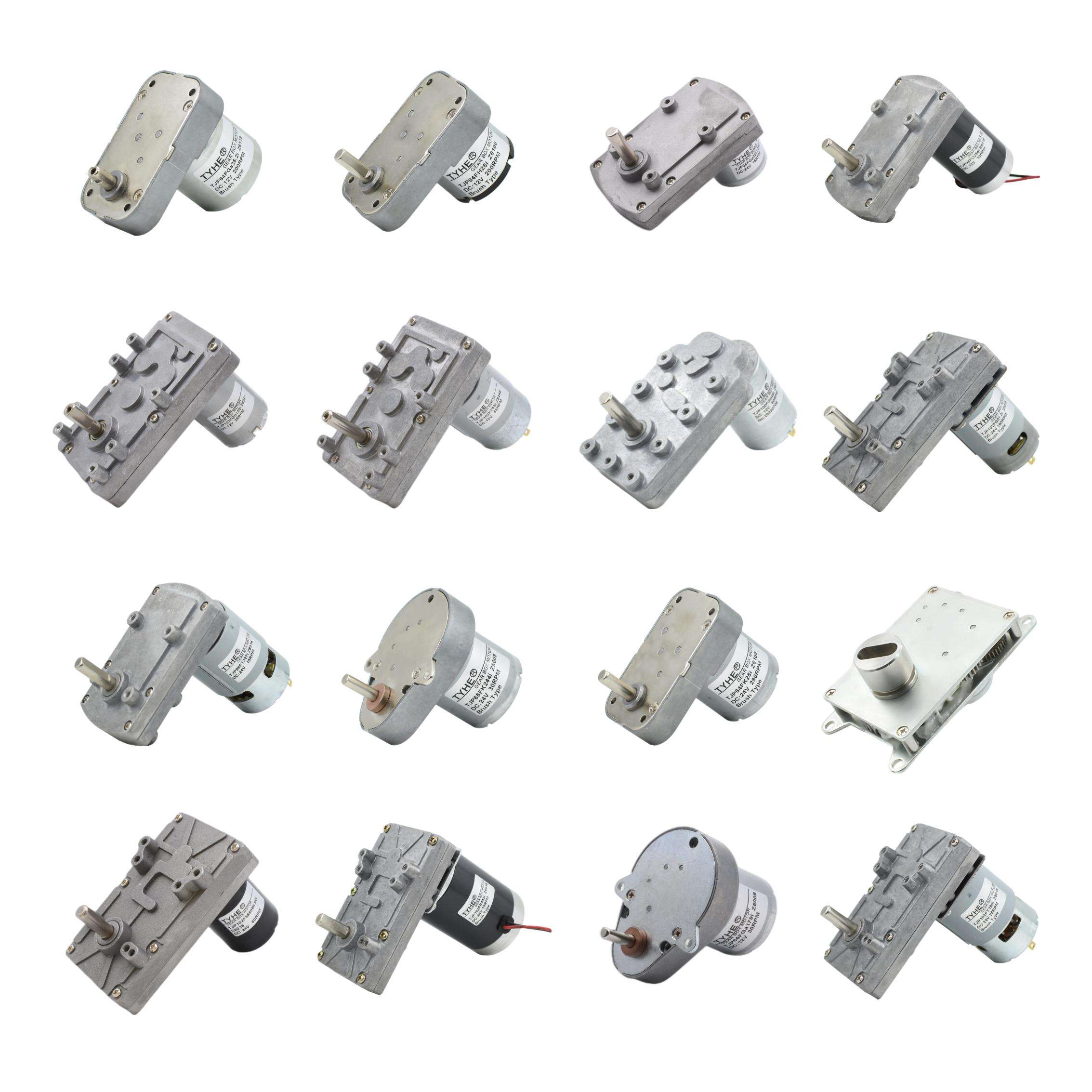
Գերազանց պտտման մոմենտի ամպլիֆիկացիայի տեխնոլոգիա
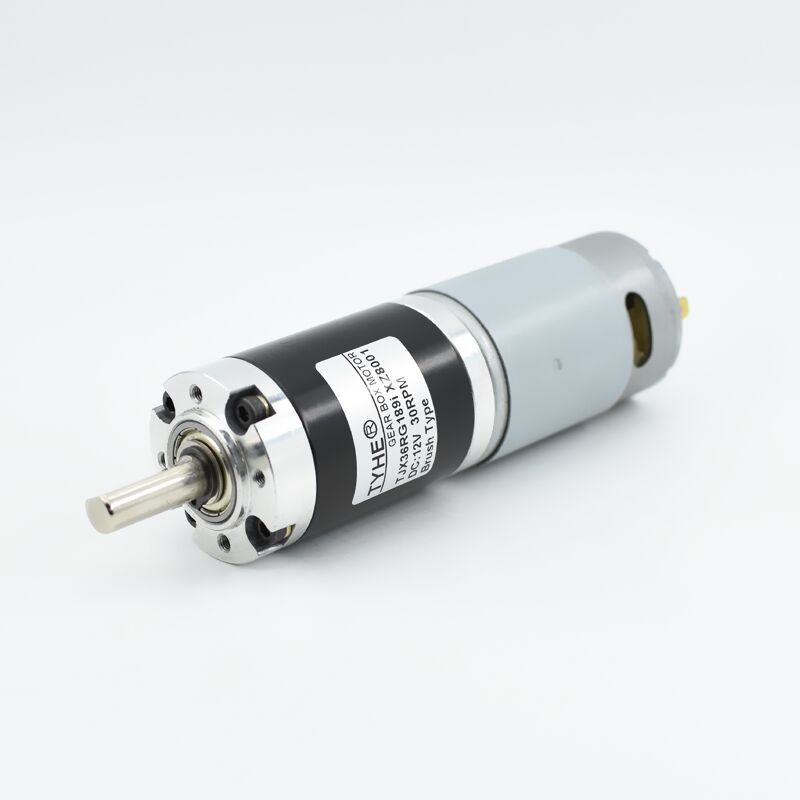
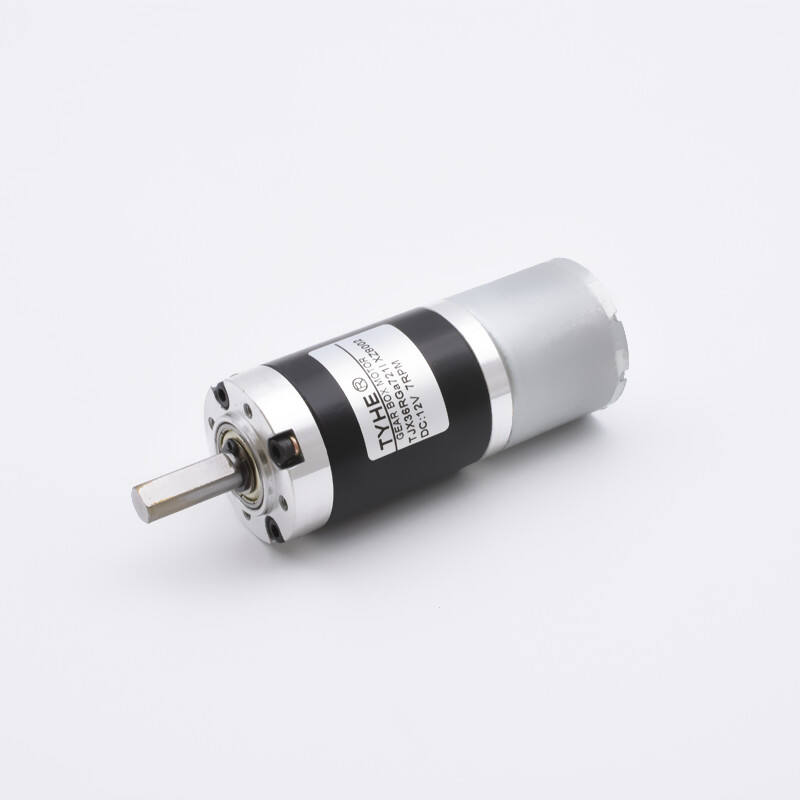
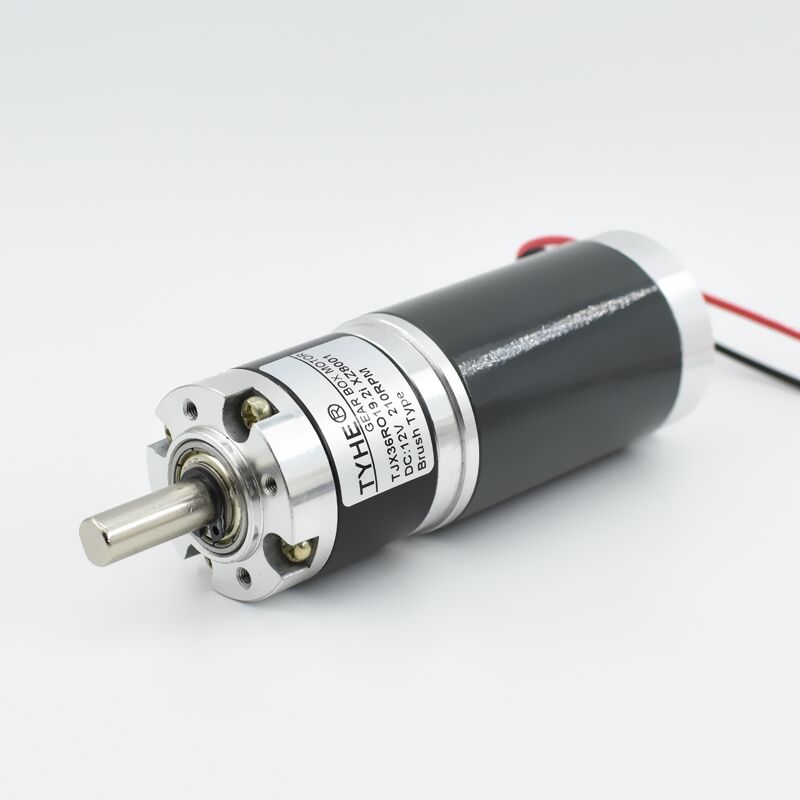
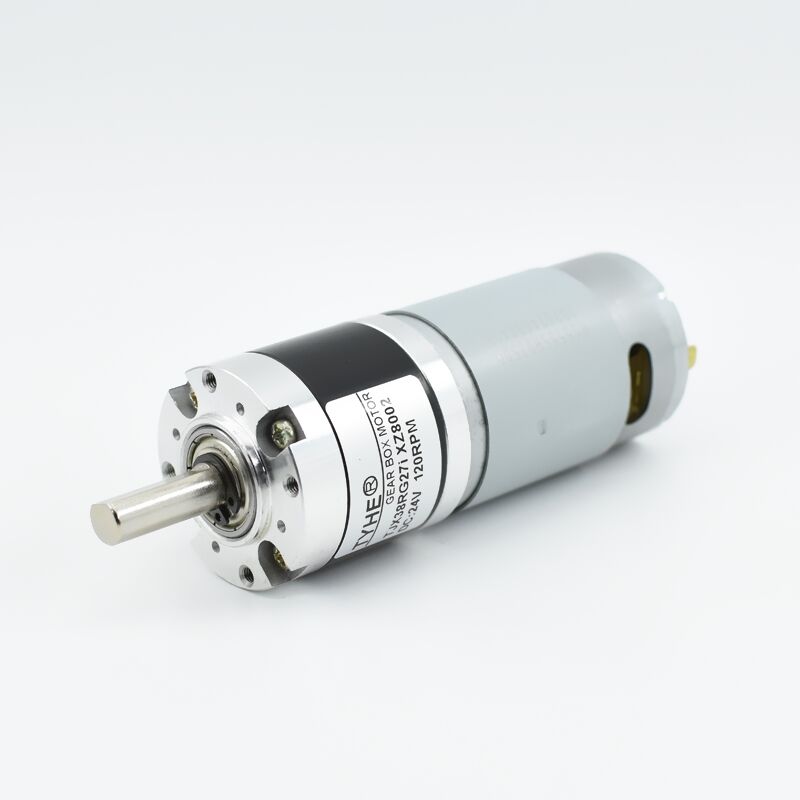
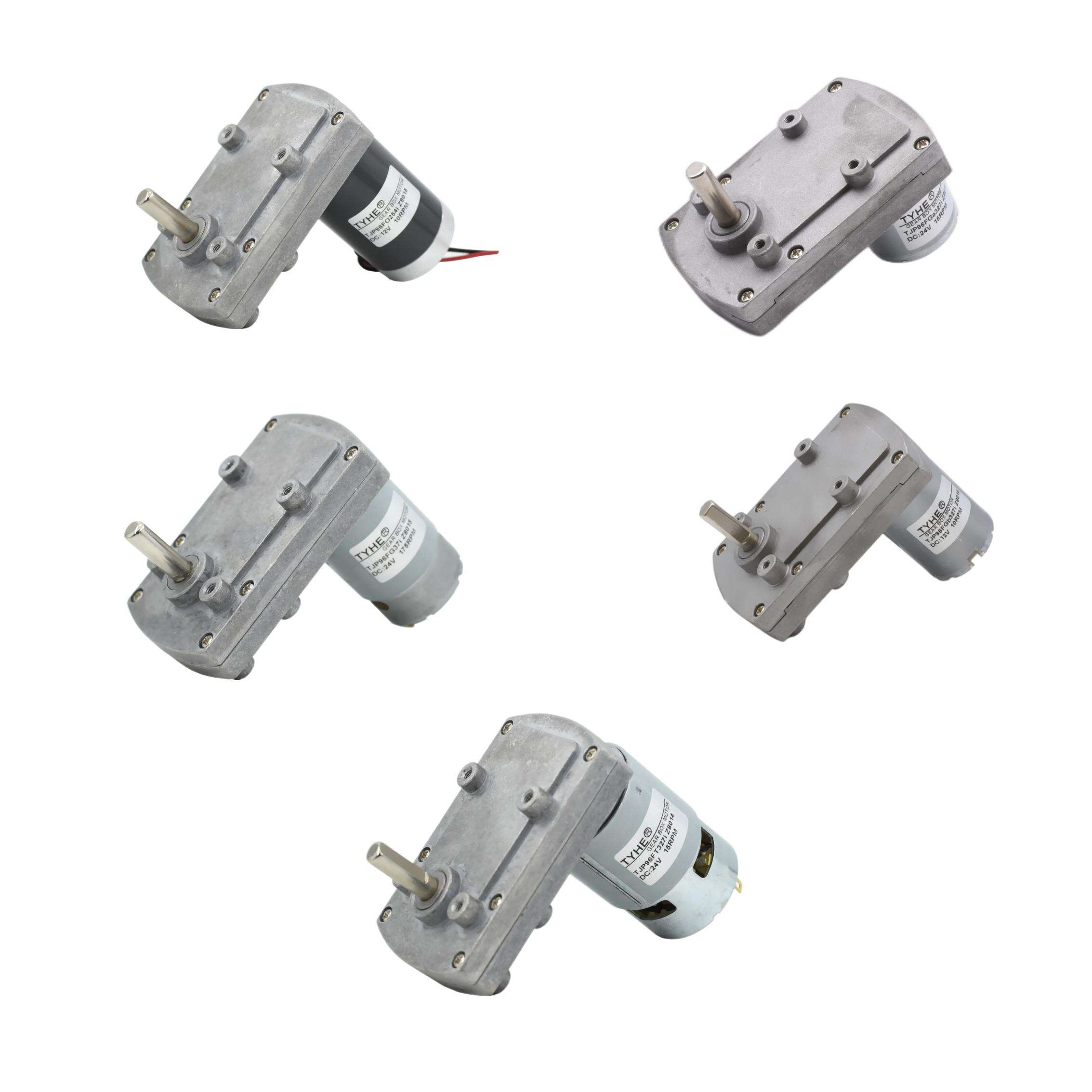
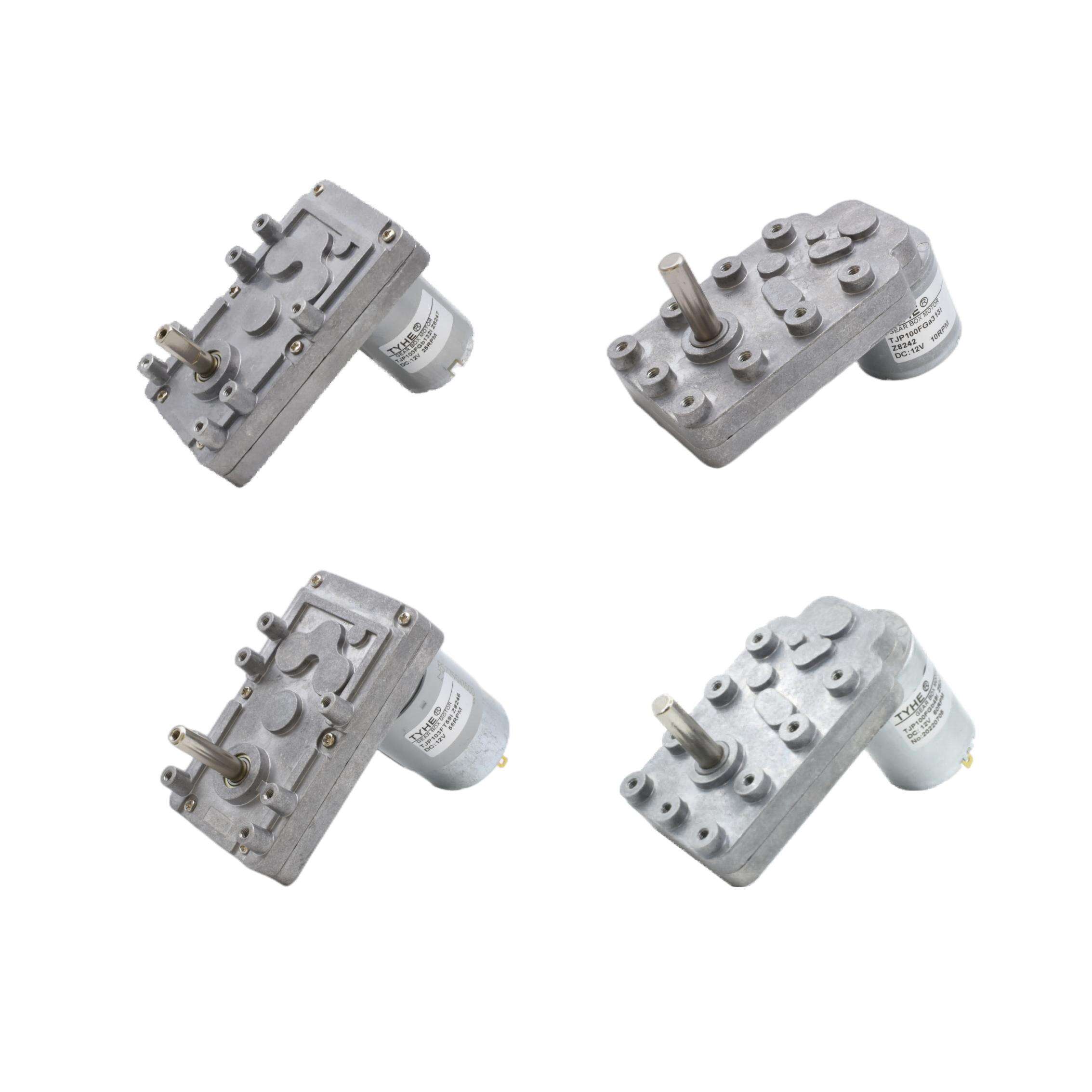
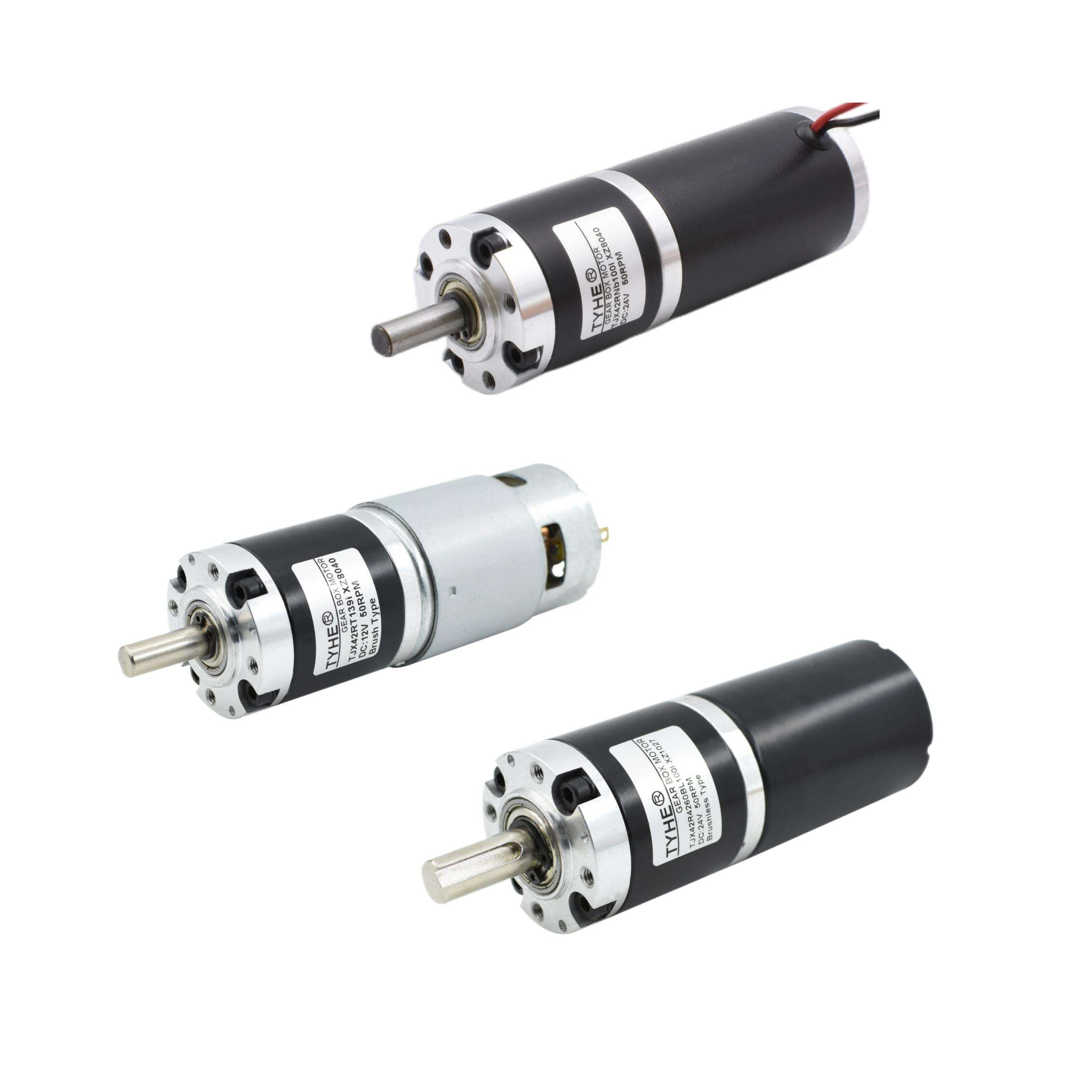
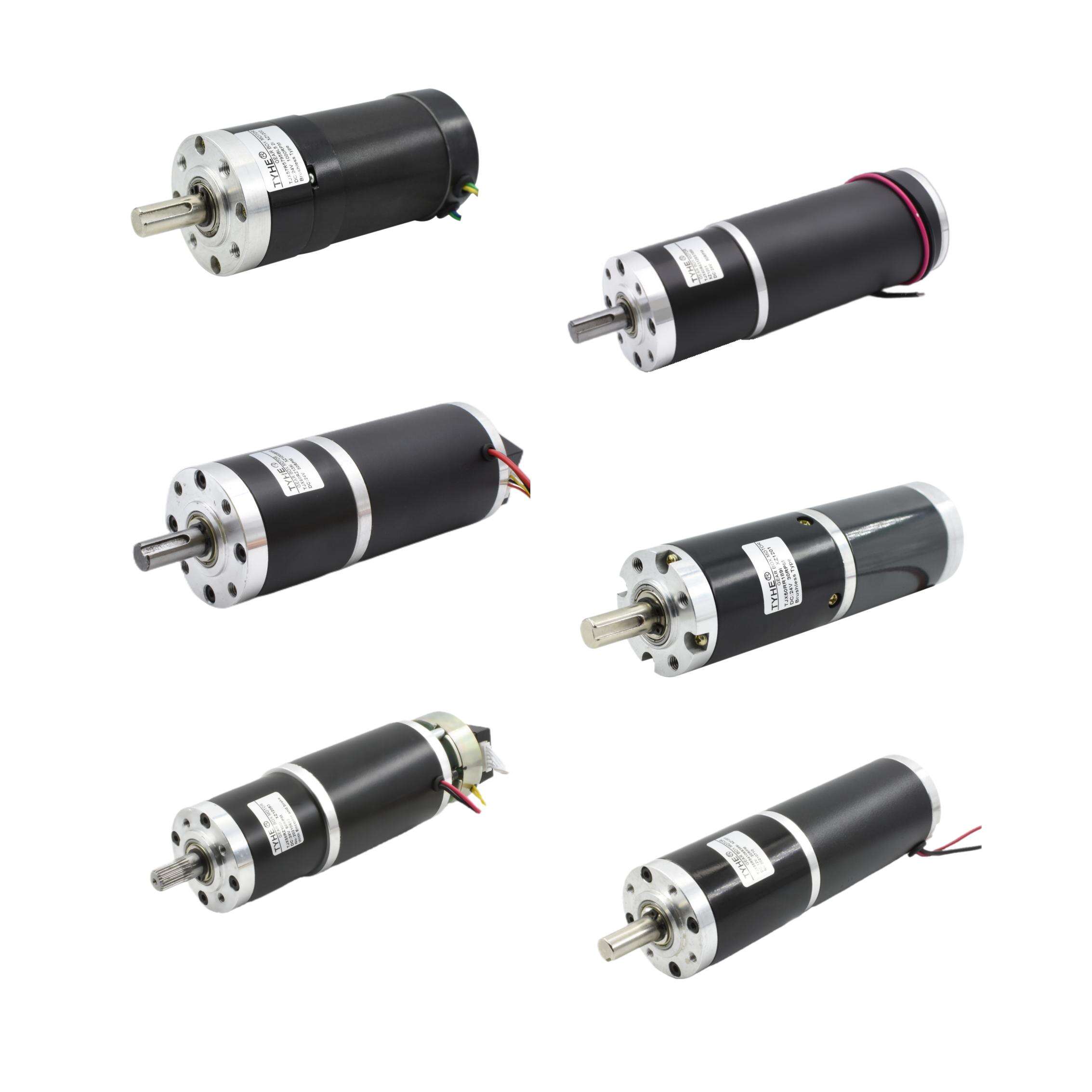
Մշտական հոսանքի փոխանցման մեխանիզմի ռեդուկտորը ներառում է առաջադեմ պտտող մոմենտի ուժեղացման տեխնոլոգիա, որը հիմնարար կերպով փոխակերպում է մեխանիկական համակարգերում հզորության մատակարարման եղանակը՝ օգտատերերին ապահովելով ուժի առաջացման և արագության կարգավորման աննախադեպ վերահսկողություն: Այս բարդ ինժեներական մոտեցումը օգտագործում է փոխանցումների ռեդուկտորի մշտական հոսանքի շարժիչի պատյանի ներսում գտնվող բազմաթիվ փոխանցումների փուլեր, որոնցից յուրաքանչյուրը ուշադիր հաշվարկված է՝ մուտքային պտտող մոմենտը բազմապատկելու համար, միաժամանակ համամասնորեն նվազեցնելով ելքային արագությունը՝ համաձայն ճշգրիտ մաթեմատիկական հարաբերակցությունների: Արդյունքը փոխանցումների ռեդուկտորի մշտական հոսանքի շարժիչ է, որը կարող է առաջացնել ելքային պտտող մոմենտ, որը կարող է տասը, քսան կամ նույնիսկ հարյուր անգամ ավելի մեծ լինել, քան միայն բազային շարժիչը կարող էր արտադրել: Այս պտտող մոմենտի բազմապատկումը տեղի է ունենում փոխանցումների ռեդուկտորի մշտական հոսանքի շարժիչի ներքին փոխանցումային համակարգի կողմից ստեղծված մեխանիկական առավելության միջոցով, որտեղ փոքր մուտքային փոխանցումները շարժում են ավելի մեծ ելքային փոխանցումներ ուշադիր կազմակերպված հաջորդականություններով: Այս պտտող մոմենտի ուժեղացման գործնական հետևանքները հսկայական են տարբեր ոլորտների օգտատերերի համար, քանի որ փոխանցումների ռեդուկտորի մշտական հոսանքի շարժիչը հնարավորություն է տալիս կիրառել այնպիսի ծրագրեր, որոնք այլապես կպահանջեին շատ ավելի մեծ, ավելի թանկ շարժիչային համակարգեր: Արտադրական սարքավորումները մեծապես օգտվում են փոխանցումների ռեդուկտորի մշտական հոսանքի շարժիչի՝ ծանր աշխատանքների, ինչպիսիք են նյութերի մշակումը, հավաքման գծի աշխատանքը և ճշգրիտ դիրքավորման համակարգերը, կայուն և հզոր աշխատանք ապահովելու ունակությունից: Փոխանցման մեխանիզմի կայուն հոսանքի շարժիչի պտտող մոմենտի ուժեղացման տեխնոլոգիան նաև ապահովում է հարթ, վերահսկվող արագացում և դանդաղեցում՝ կանխելով հանկարծակի ցնցումները կամ կտրուկ շարժումները, որոնք կարող են վնասել զգայուն սարքավորումները կամ վտանգել արտադրանքի որակը: Այս վերահսկվող հզորության մատակարարումը փոխանցումային կրճատող հաստատուն հոսանքի շարժիչը դարձնում է իդեալական այնպիսի կիրառությունների համար, որոնք պահանջում են նուրբ մշակում կամ նյութերի և բաղադրիչների ճշգրիտ մանիպուլյացիա: Բացի այդ, փոխանցումային կրճատող հաստատուն հոսանքի շարժիչի պտտող մոմենտի ուժեղացման հնարավորությունը թույլ է տալիս համակարգի նախագծողներին ընտրել ավելի փոքր, ավելի տնտեսող բազային շարժիչներ՝ միաժամանակ հասնելով ցանկալի կատարողականության մակարդակների, ինչը հանգեցնում է զգալի ծախսերի խնայողության և էներգաարդյունավետության բարելավման: Այս պտտող մոմենտի ուժեղացման համակարգի հուսալիությունը փոխանցումային կրճատող հաստատուն հոսանքի շարժիչի ներսում ապահովում է կայուն կատարողականություն երկարատև շահագործման ժամանակահատվածներում, դարձնելով այն հուսալի ընտրություն կարևոր կիրառությունների համար, որտեղ անսարքությունները կարող են հանգեցնել զգալի ծախսերի կամ արտադրության ուշացումների:

 EN
EN