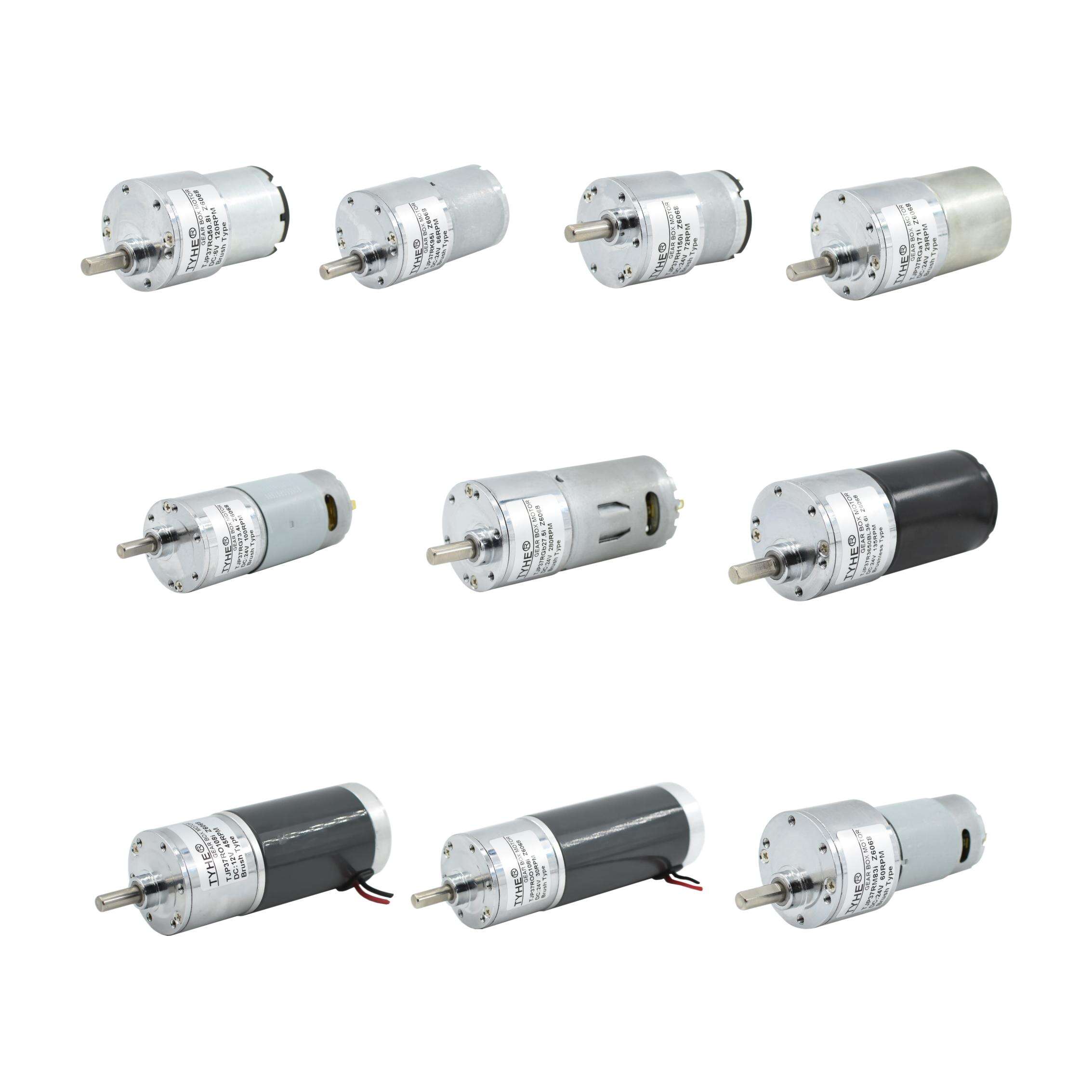
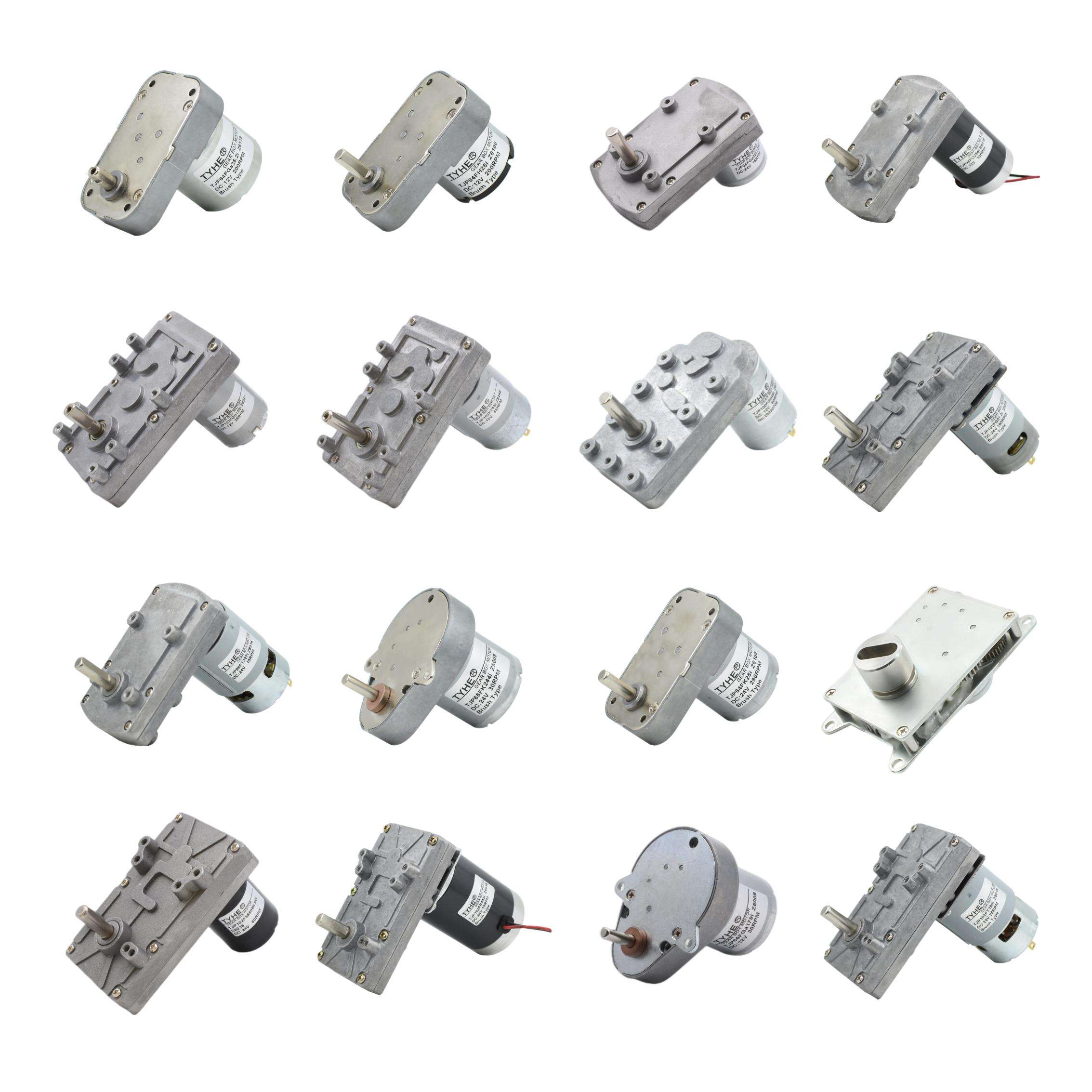
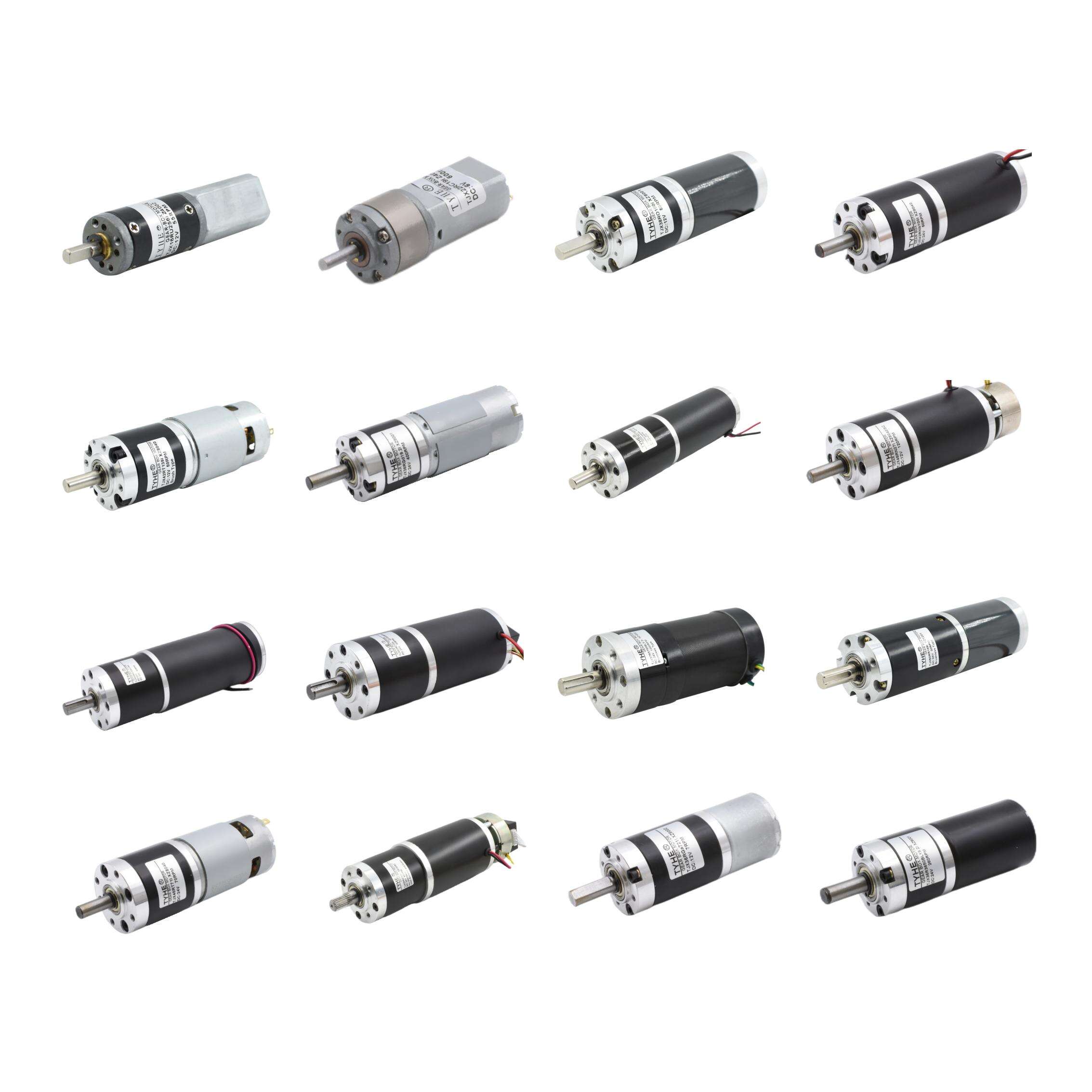
variable speed dc gear motor
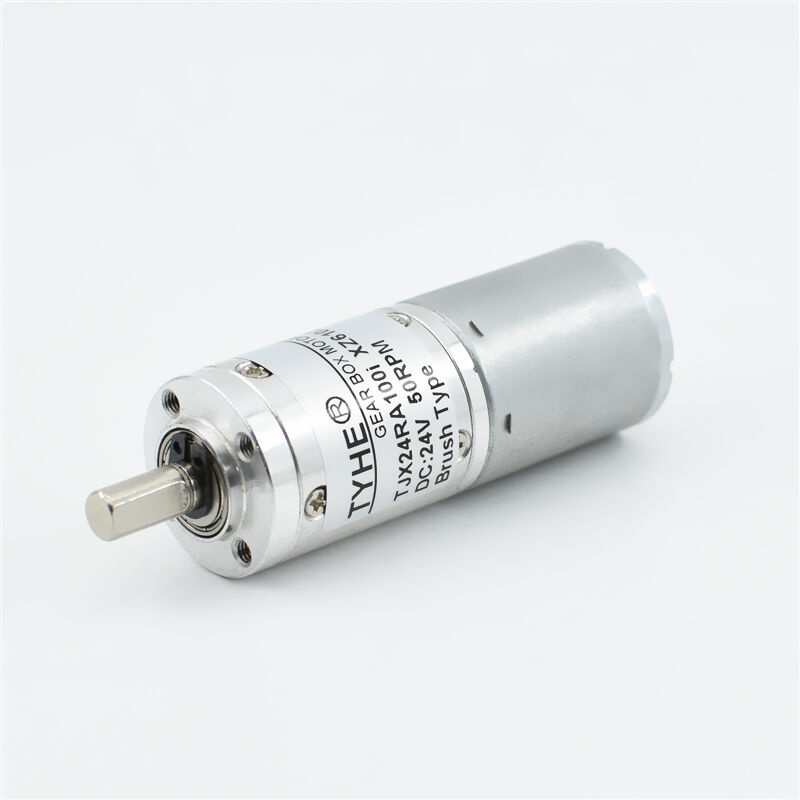
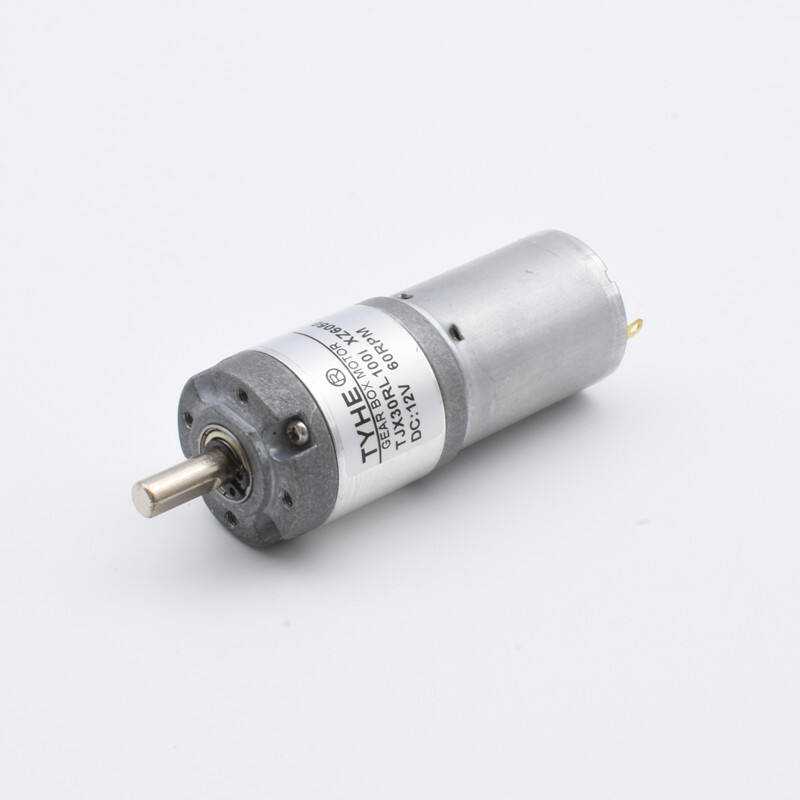
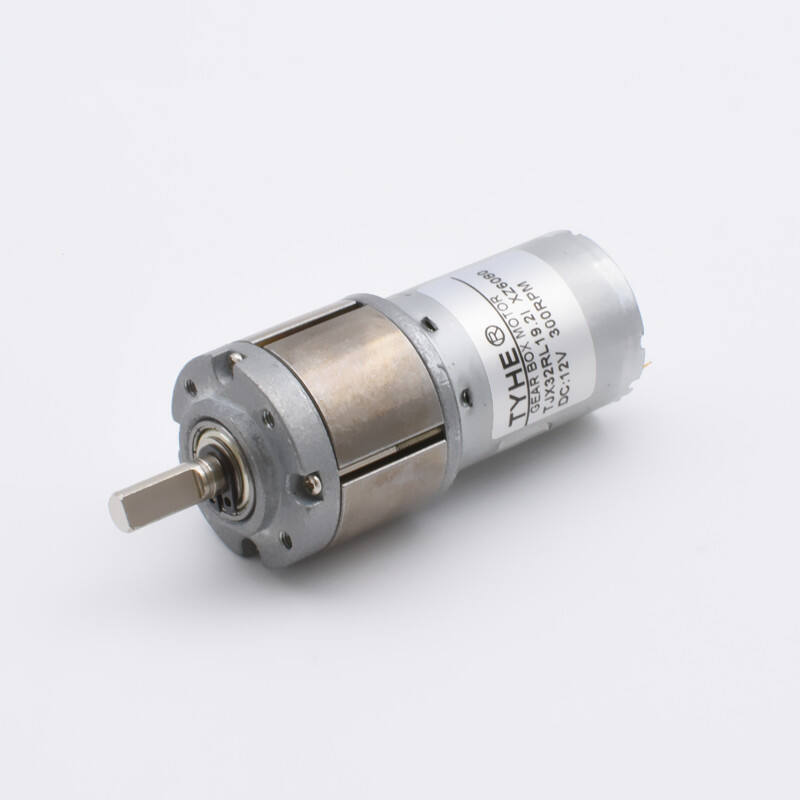
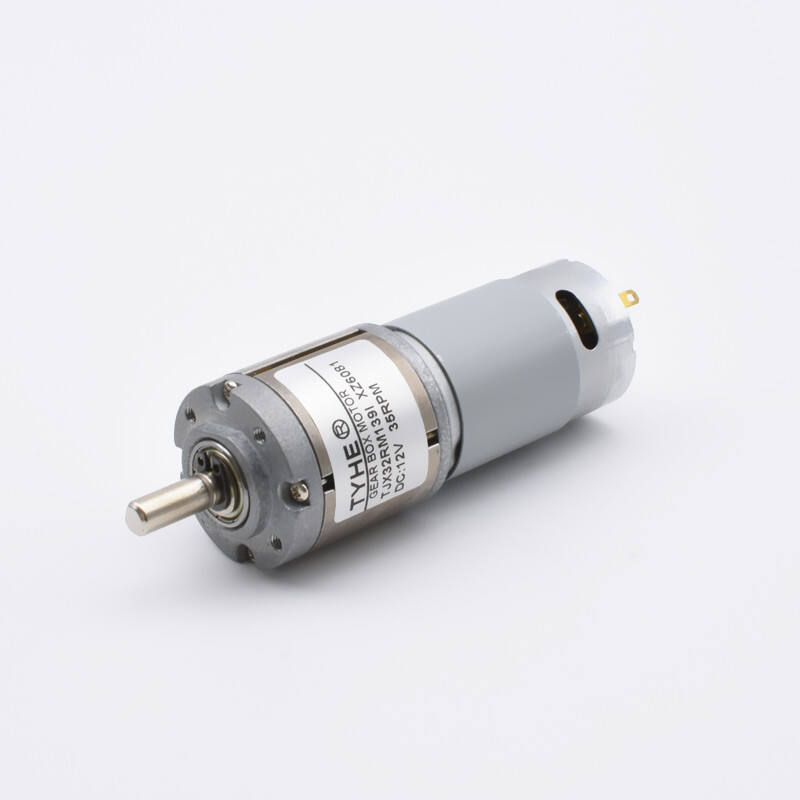
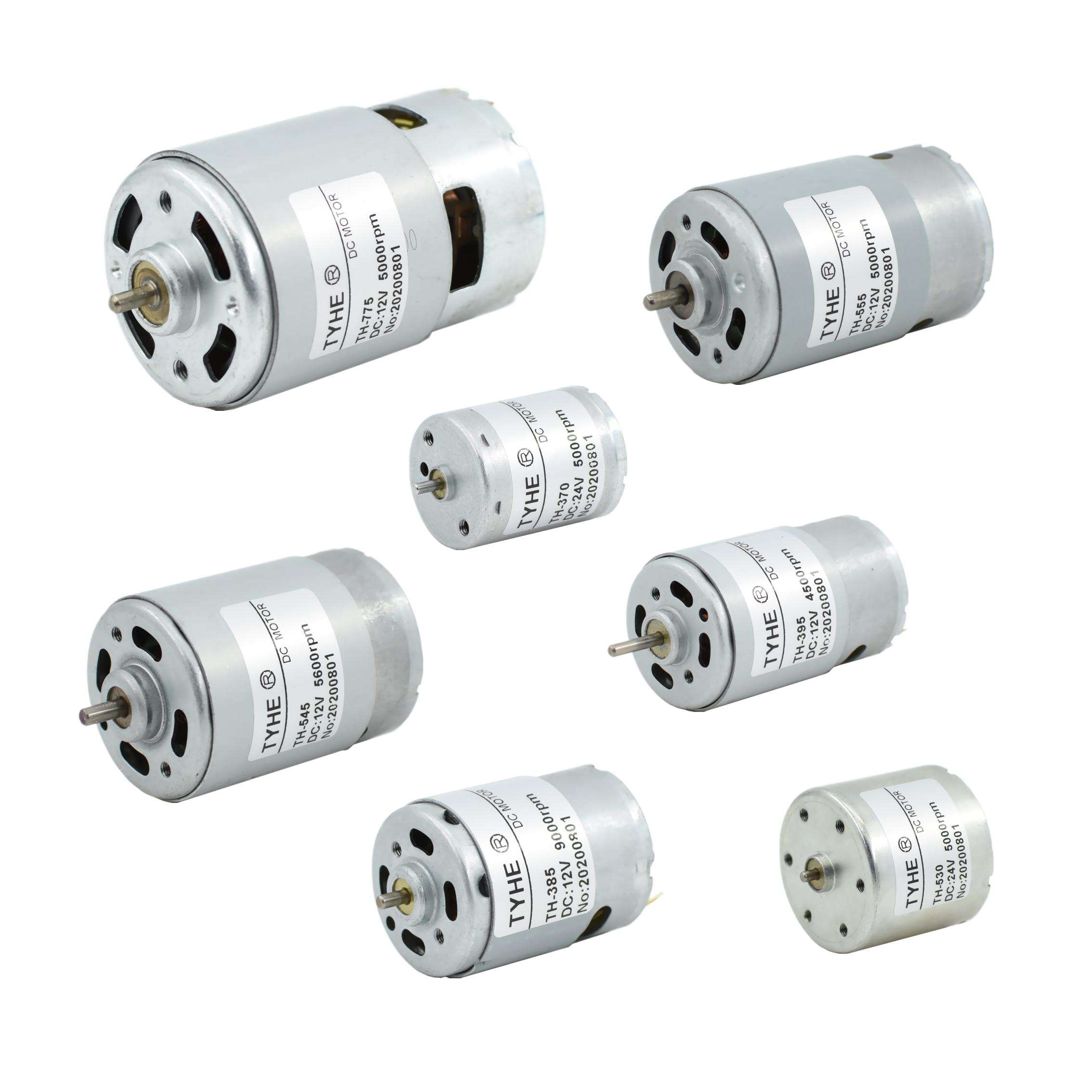
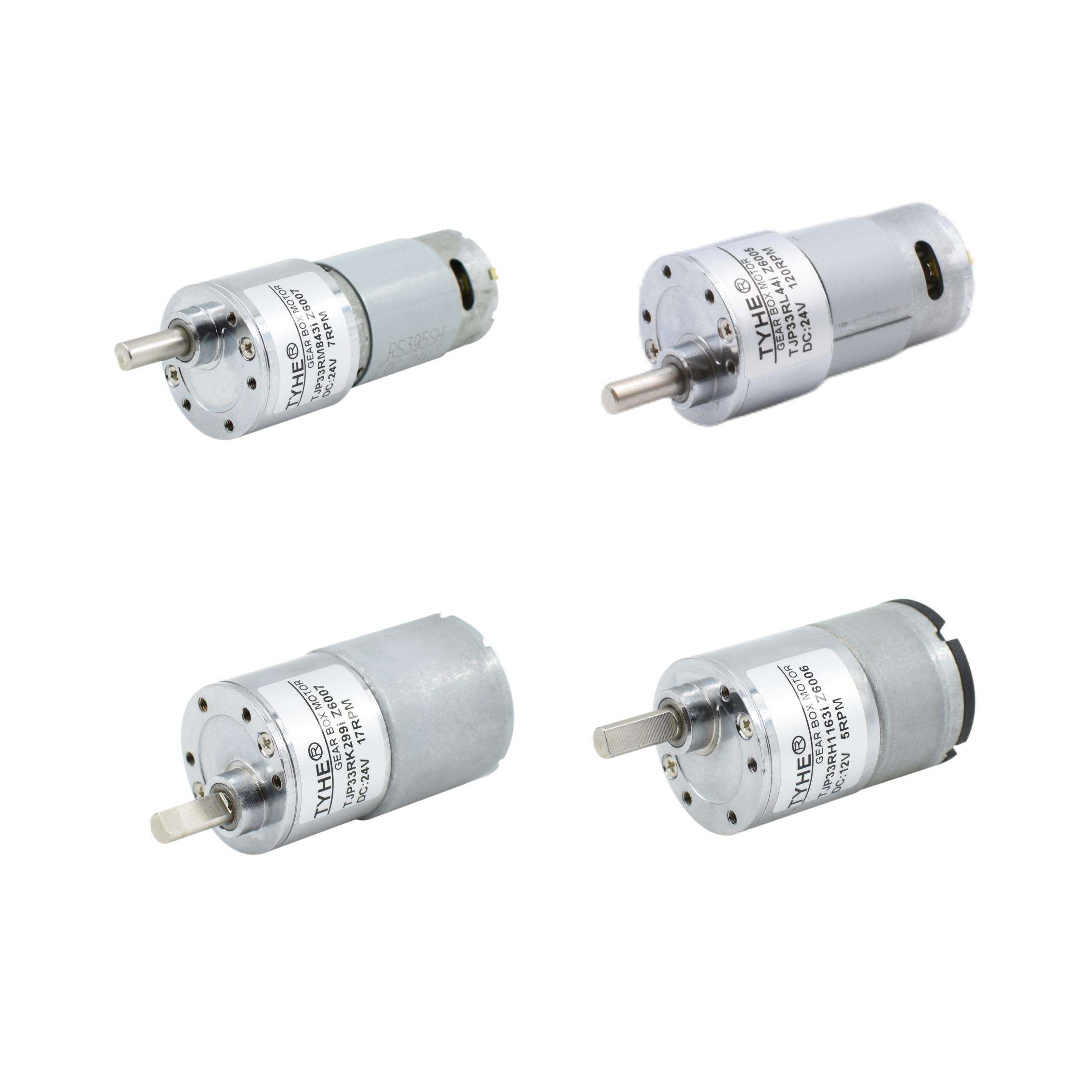
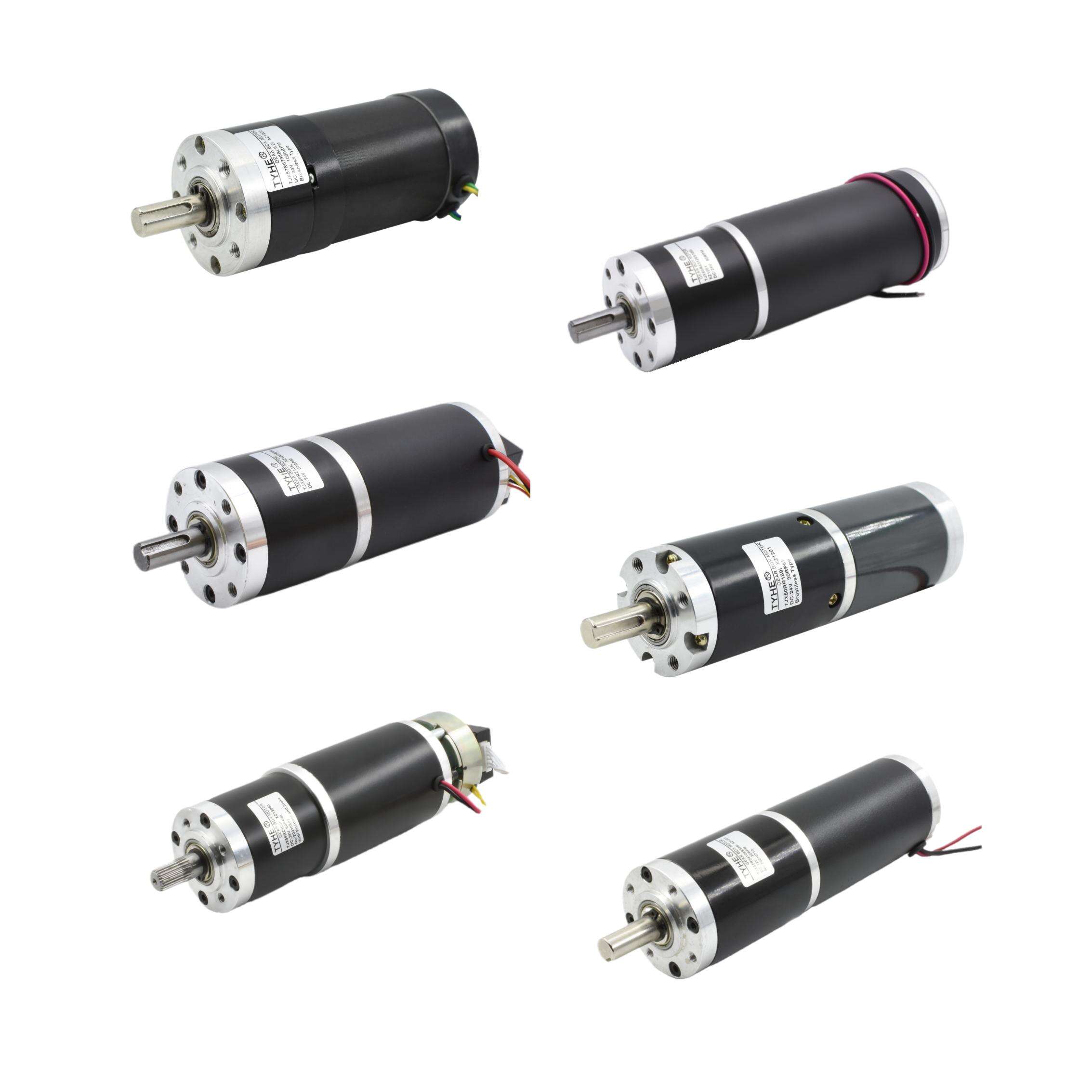
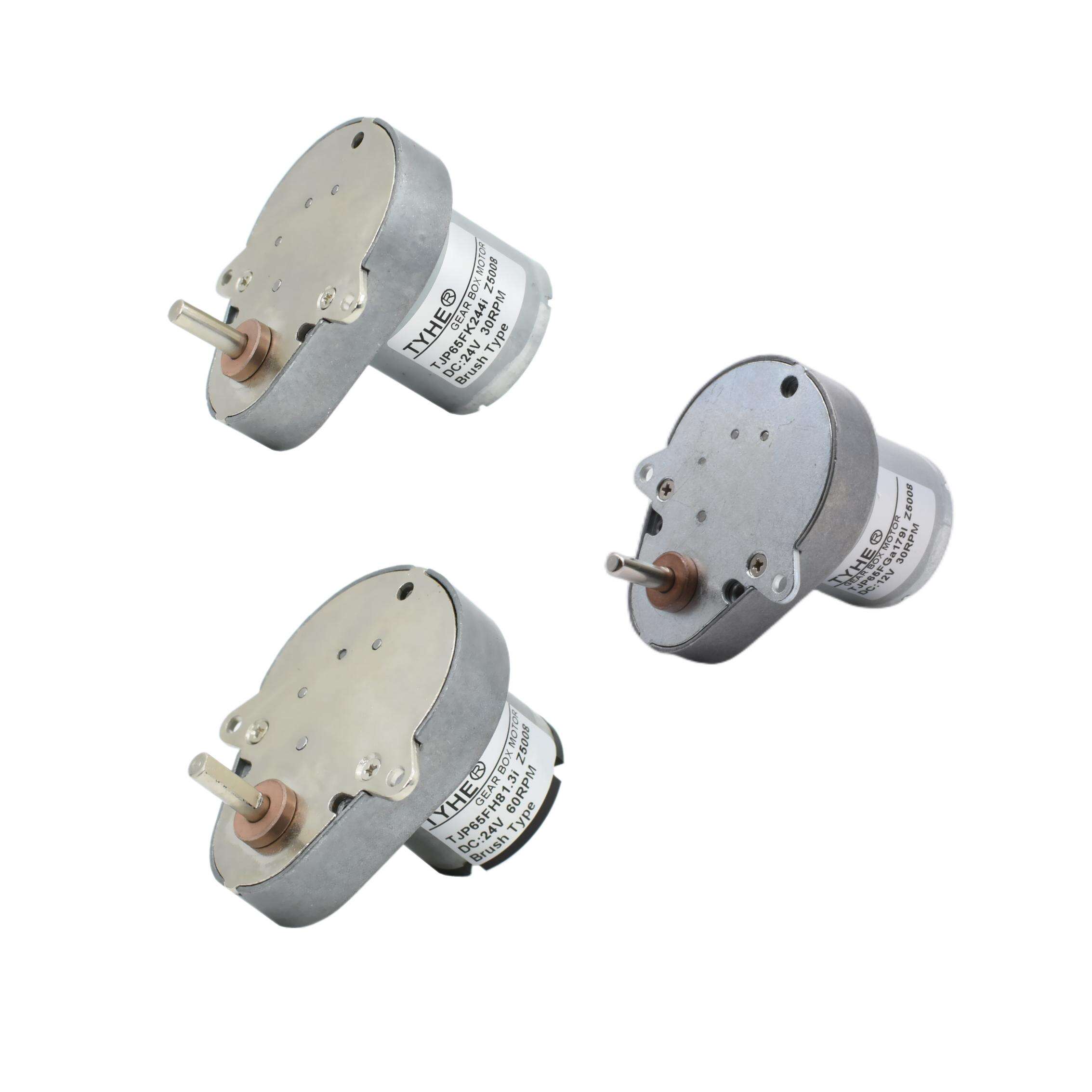
The variable speed dc gear motor represents a sophisticated mechanical solution that combines direct current motor technology with precision gear reduction systems to deliver controllable torque and speed output. This innovative motor system integrates a DC motor with a gear train mechanism, allowing operators to adjust rotational speed while maintaining consistent power delivery across various operational requirements. The primary function of a variable speed dc gear motor centers on converting electrical energy into mechanical motion with enhanced torque multiplication through its integrated gear system. The motor's core technology utilizes electromagnetic principles where direct current flows through windings to create magnetic fields that generate rotational force. The gear reduction component amplifies this torque while reducing output speed, creating a perfect balance between power and precision. Technological features include advanced speed control capabilities through voltage regulation, pulse width modulation systems, and electronic speed controllers that provide smooth acceleration and deceleration. Modern variable speed dc gear motors incorporate feedback systems such as encoders or tachometers to maintain precise speed control under varying load conditions. The gear mechanisms typically feature helical, spur, or planetary configurations, each offering specific advantages in terms of efficiency, noise reduction, and space utilization. Applications span numerous industries where precise motion control proves essential. Manufacturing automation relies heavily on these motors for conveyor systems, packaging equipment, and assembly line operations. Robotics applications utilize variable speed dc gear motors for joint articulation and positioning systems requiring accurate speed and torque control. Material handling equipment, including cranes, hoists, and lift systems, depends on these motors for safe and efficient load management. Automotive applications encompass window mechanisms, seat adjusters, and various auxiliary systems. The marine industry employs these motors in winches, steering systems, and deck machinery where reliability and precise control remain paramount for operational safety and efficiency.

 EN
EN