
 EN
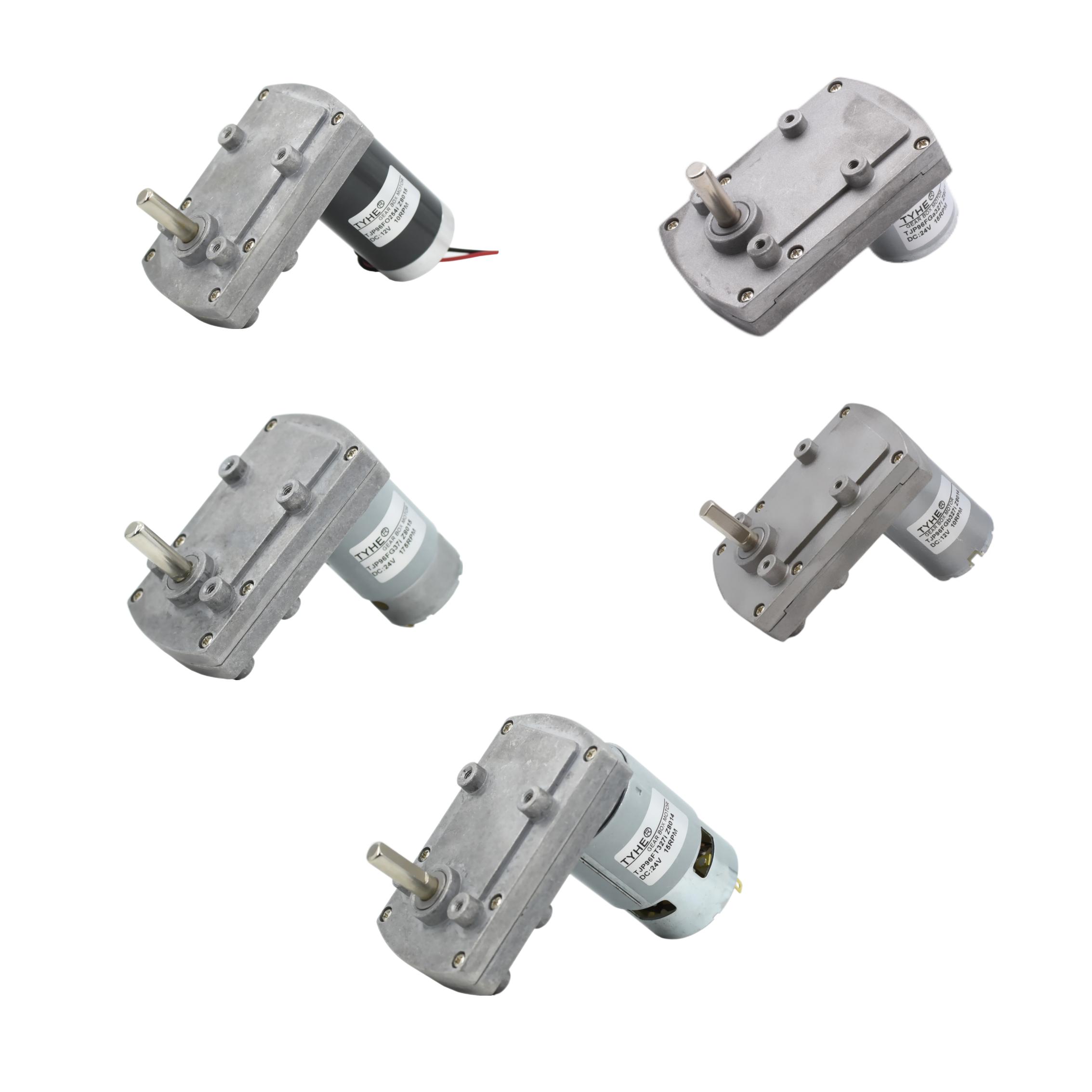
Modern surgical tools need compact, predictable movement that clinicians can control within a confined operating field. A micro dc motor helps provide that movement by converting electrical energy into rotation or, with suitable transmission, another useful motion. Its role is not simply to spin a shaft: the micro dc motor must work as part of a carefully engineered instrument, with attention to speed, torque, heat, noise, and sterilization. Understanding that role explains how these small drives support contemporary procedures.
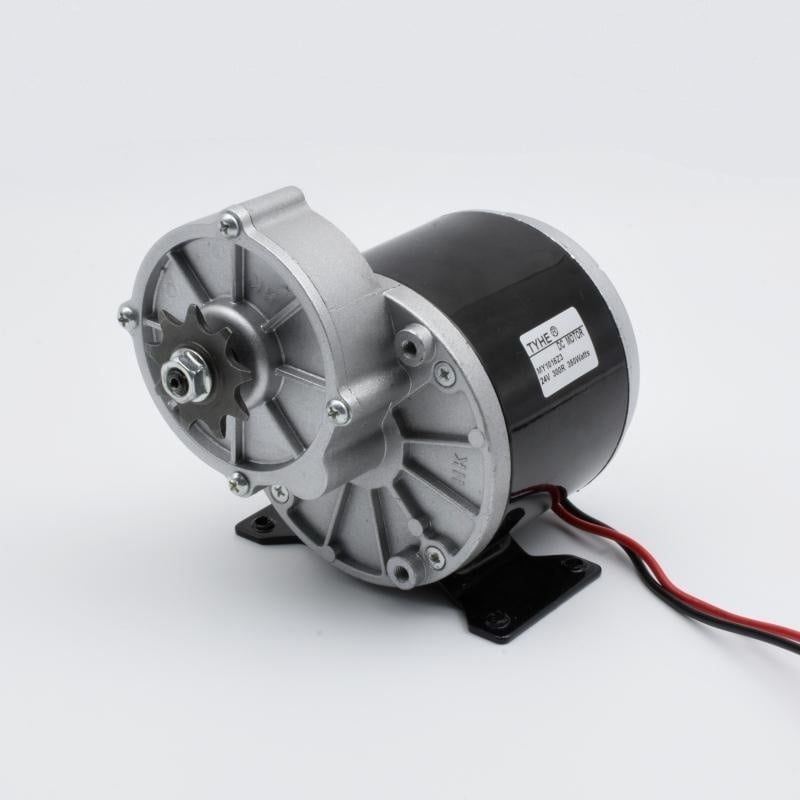
The motor usually operates within a system that includes a power source, control electronics, gearing or a direct drive, and the working end of the tool. In this arrangement, a micro dc motor can turn a blade, burr, drill, or other mechanism at a selected rate. The best design depends on the procedure and instrument, because each application sets different demands for precision, handling, and cleaning.
How electrical power becomes surgical motion
Compact drive and transmission
A direct-current supply creates electromagnetic forces inside the micro dc motor, causing its rotor and shaft to turn. The instrument designer then decides how that rotation reaches the working tip. A micro dc motor may connect directly to a mechanism, or drive gears that change speed and torque to suit the task. This compact conversion makes powered movement possible inside a handpiece without requiring a large external mechanism.
Transmission choices shape the feel and capability of the tool. Gearing can reduce output speed while increasing available torque, whereas a more direct arrangement can limit complexity and preserve a responsive feel. Engineers evaluate whether the micro dc motor can start reliably under load and maintain useful motion through expected operating conditions. Shaft alignment and coupling quality matter too, since unwanted vibration can affect both handling and component life.
Speed control and operator response
The surgeon needs the tool to respond consistently to a trigger, switch, or pedal. Control electronics regulate the power delivered to a micro dc motor, allowing the instrument to start, stop, or change speed in a controlled way. The chosen control method should suit the task rather than merely maximize rotation. In delicate work, gradual response may help the user make fine adjustments without abrupt motion at the tip.
Feedback and operating limits can make that response more predictable. Depending on the tool, sensing may track speed, current, or temperature and help the system react when load changes. The micro dc motor itself does not determine every aspect of control; circuit design, transmission, and user interface all contribute. Engineers therefore assess the complete drive system, including how quickly it responds when the instrument contacts tissue or encounters resistance.
Where powered motion supports surgical work
Rotary instruments for controlled tasks
Rotary surgical instruments use a motor-driven tip for tasks such as drilling, cutting, or removing material. A micro dc motor can provide the rotation required in a compact handpiece, while the selected bit and transmission define the working action. Instrument makers match operating speed and torque to the intended procedure. This avoids treating one drive configuration as suitable for every specialty or every tissue interaction.
In a powered drill or cutter, stable rotation can help the clinician maintain a deliberate working pace. The micro dc motor must tolerate changes in resistance as the tip engages and disengages, while the handpiece remains manageable in the user's grip. These requirements influence the motor's dimensions, output characteristics, and mounting. They also make evaluation with the actual instrument essential, rather than relying only on a motor's standalone specifications.
Handpieces and other powered mechanisms
A surgical handpiece brings the drive close to the point of use, so size and balance affect practical handling. Placing a micro dc motor inside the housing can support a compact layout, but the surrounding design still needs room for wiring, bearings, transmission, and protective features. Engineers consider how the instrument feels during extended use, how controls can be reached, and whether the motor's position affects maneuverability.
Not every surgical tool uses continuous rotation. A micro dc motor can also support mechanisms that convert rotary movement into reciprocating or oscillating motion, depending on the linkage. Such motion may be useful when the tool's working action requires repeated short strokes rather than a continuously turning tip. The designer must account for mechanical losses, vibration, and the forces that the linkage transfers back to the motor.
Engineering the motor into a dependable instrument
Managing heat, noise, and cleaning
Thermal behavior is an important design consideration because a micro dc motor dissipates heat as it operates. The instrument housing, duty cycle, applied load, and airflow all influence temperature. Engineers evaluate the complete assembly to understand heat transfer and avoid assuming that a small motor will remain cool simply because it is compact. The operating profile should reflect realistic use, including pauses and repeated activation.
Noise and vibration can also affect the experience of using a powered tool. A micro dc motor, its bearings, and its transmission may each contribute, so assessment should take place in the assembled handpiece. Medical instruments also need a cleaning and reprocessing strategy appropriate to their design. Seals, materials, and access for cleaning must be considered alongside the drive, since protective measures can influence dimensions and heat flow.
Selection, testing, and system validation
Motor selection begins with the tool's required output, available space, supply conditions, and expected duty cycle. Comparing a micro dc motor against these requirements is more useful than choosing by size alone. Engineers should review starting behavior, operating speed, load response, mounting, and compatibility with the intended control circuit. Clear application requirements help identify trade-offs early in development.
Testing should move from component checks to evaluation of the complete surgical tool. A micro dc motor may perform as expected on a bench yet behave differently when enclosed, coupled to a working tip, or operated through the final controls. Validation can examine performance across representative loads, repeated starts, and the planned use cycle. Documentation should capture the test conditions so results can inform design decisions and future production checks.
Reliability is a system property, not a motor label. Designers assess the micro dc motor together with wiring, connectors, bearings, gears, and the handpiece structure. They consider wear points, assembly tolerances, and how the device will be inspected and maintained. If the tool is intended for repeated clinical use, these choices must align with its reprocessing and service plan, as well as applicable quality and safety requirements.
Close collaboration among mechanical, electrical, and clinical teams helps keep motor decisions tied to actual use. A micro dc motor should be evaluated against the clinician's desired response and the instrument's physical constraints, not selected in isolation. Early prototypes can reveal grip, balance, and control issues before a design is fixed. That feedback supports a practical balance among compactness, output, thermal behavior, and the user's ability to guide the tool.
FAQ
What does a micro dc motor do in a surgical tool?
A micro dc motor converts electrical power into controlled mechanical movement. In a surgical instrument, it may rotate a working tip or drive a mechanism that produces another motion. The complete tool's control circuit and transmission determine how the motor responds in use.
How is the motor matched to a surgical handpiece?
Engineers define the required speed, torque, dimensions, supply, and duty cycle, then assess compatible drive options. They test the micro dc motor in the assembled instrument to account for loading, heat, handling, and control behavior.
Why test the complete instrument?
The handpiece, transmission, controls, and working tip all affect performance. Testing the full system shows how the micro dc motor behaves under representative conditions and helps reveal issues that component-only checks may miss.
