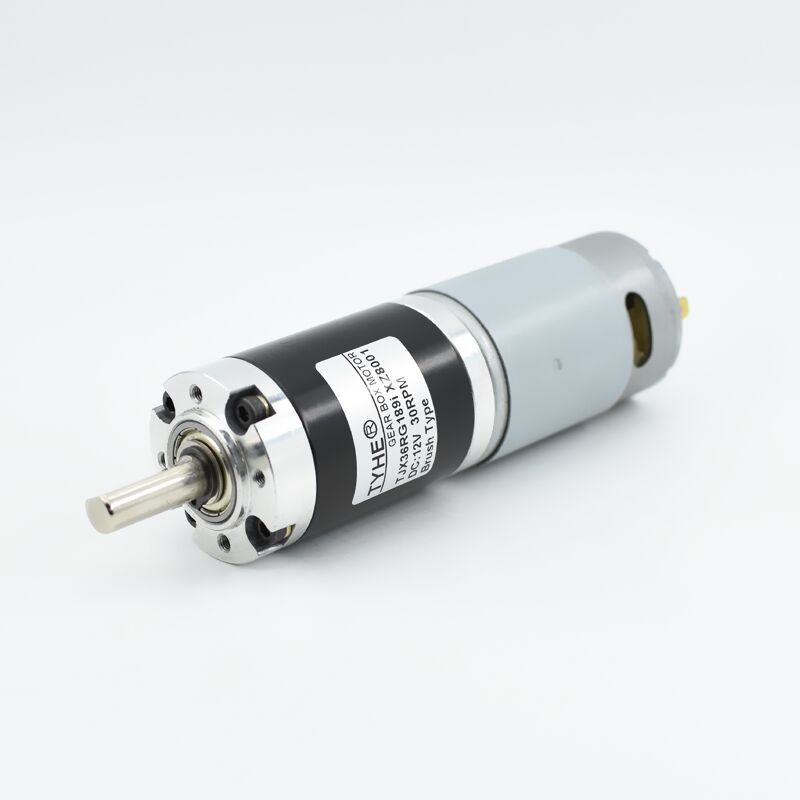
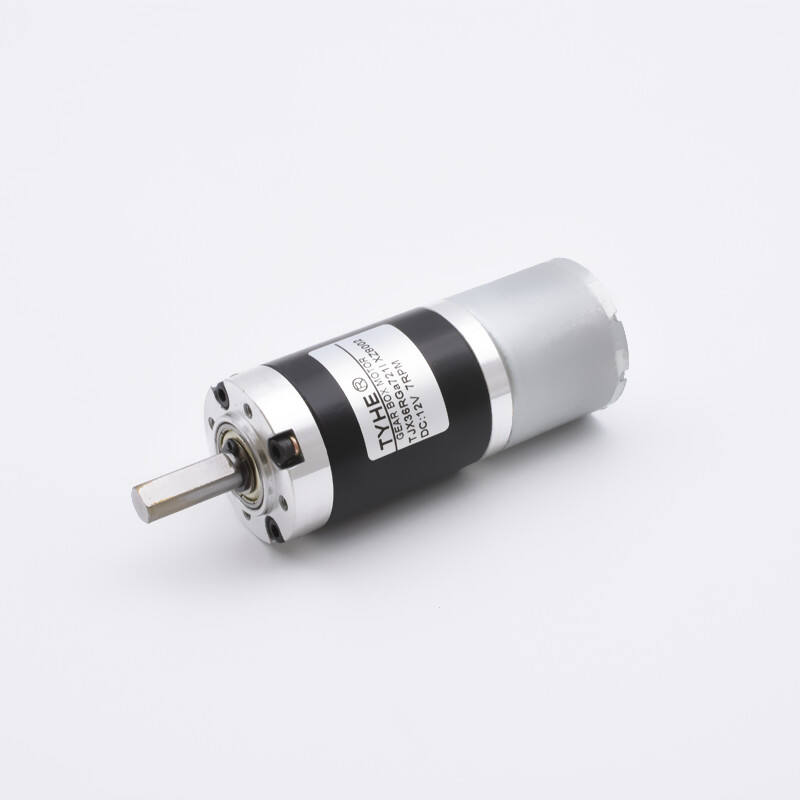
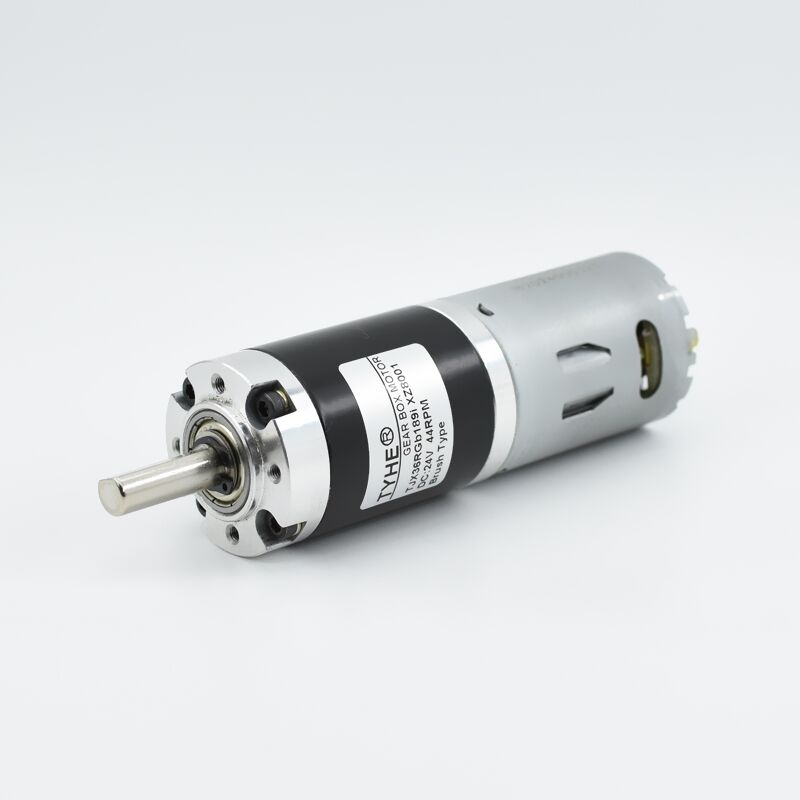
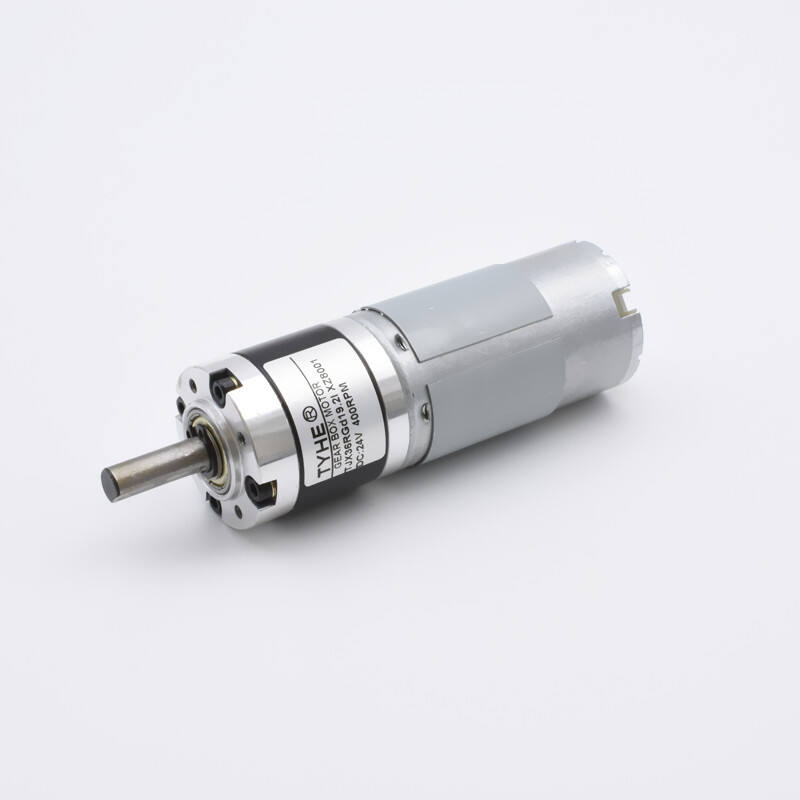
planetary gear motor
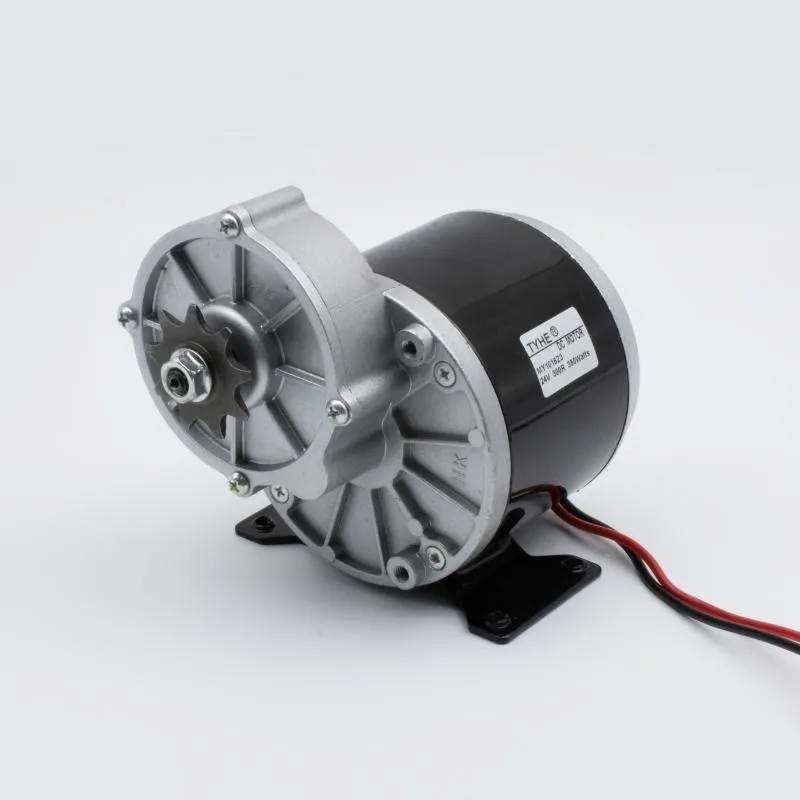
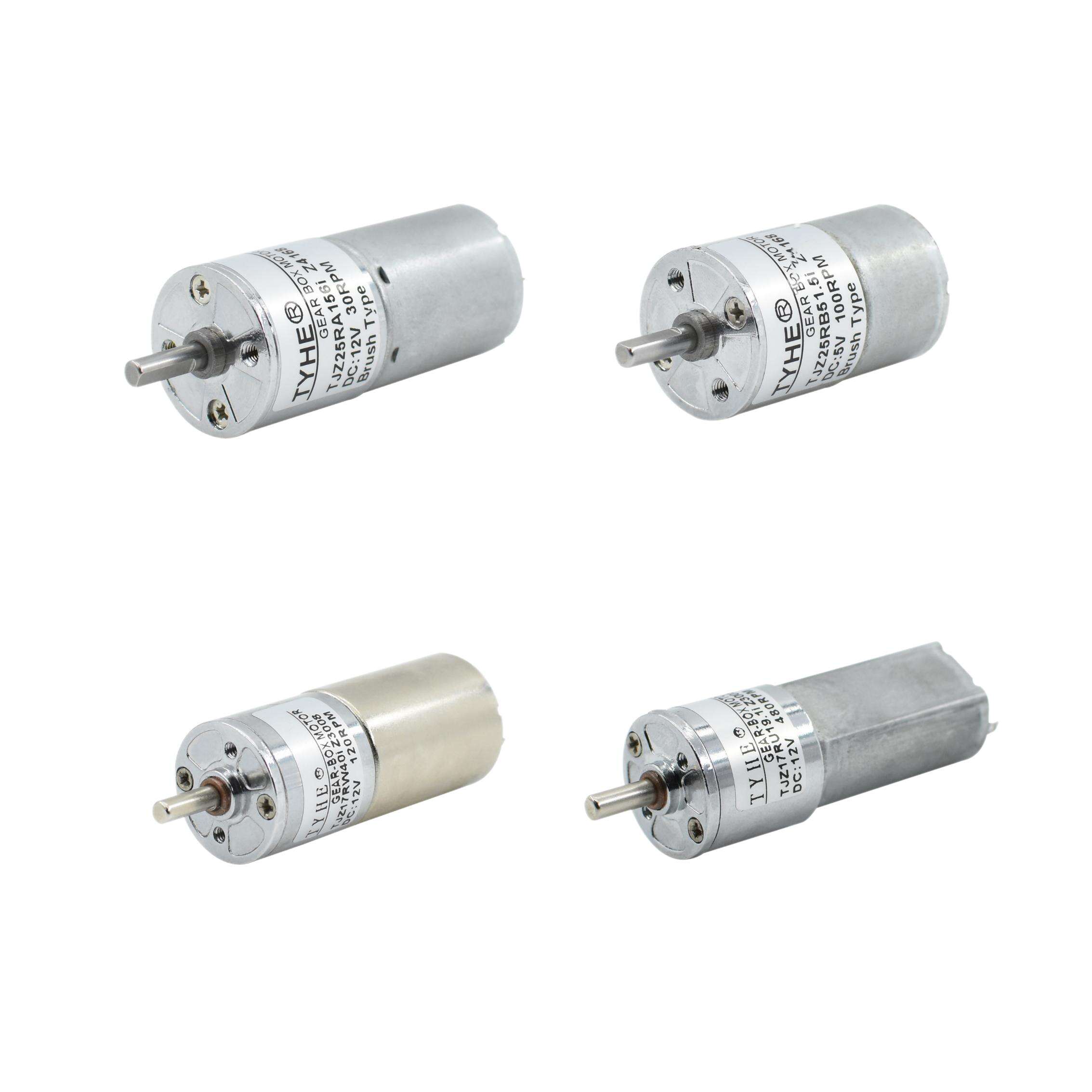
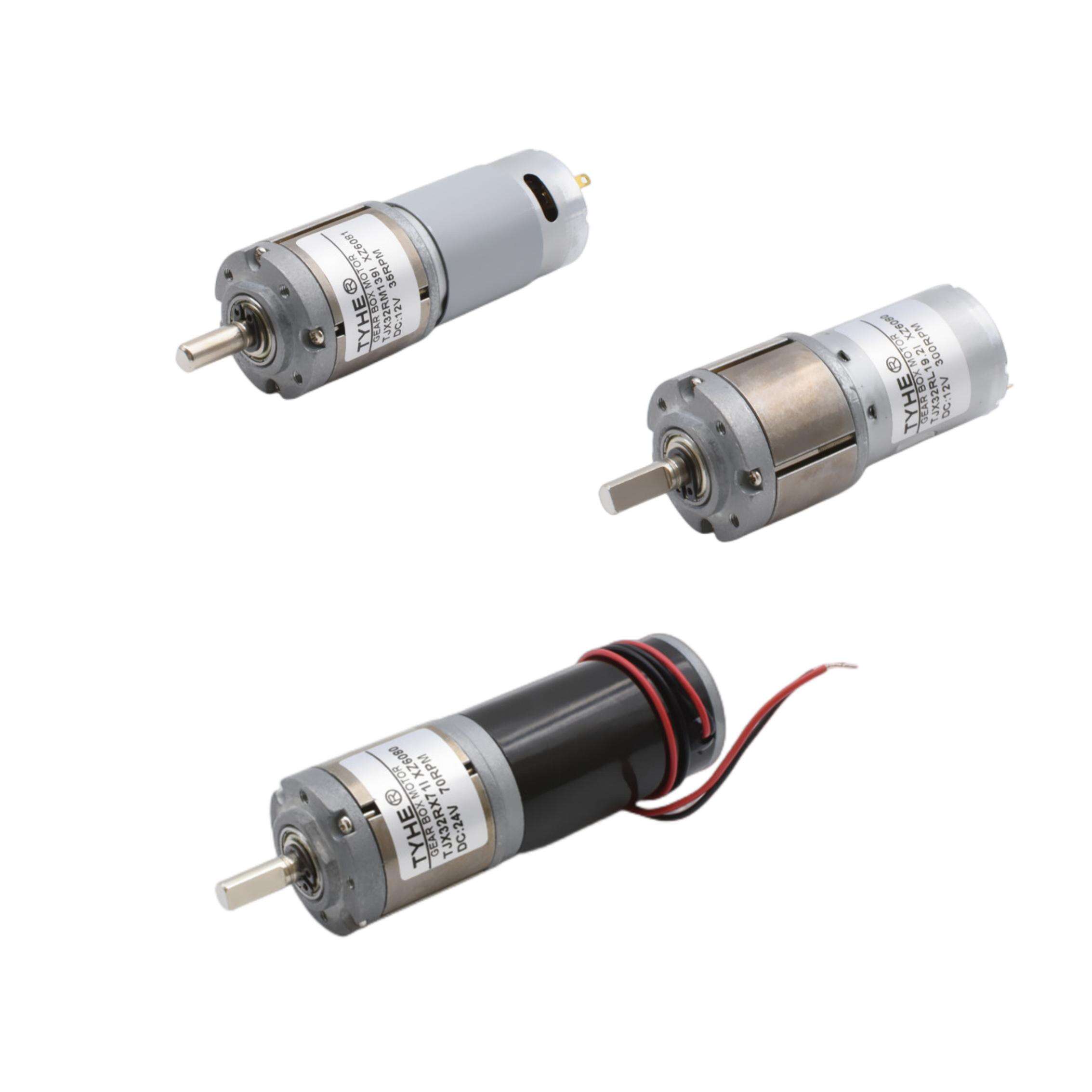
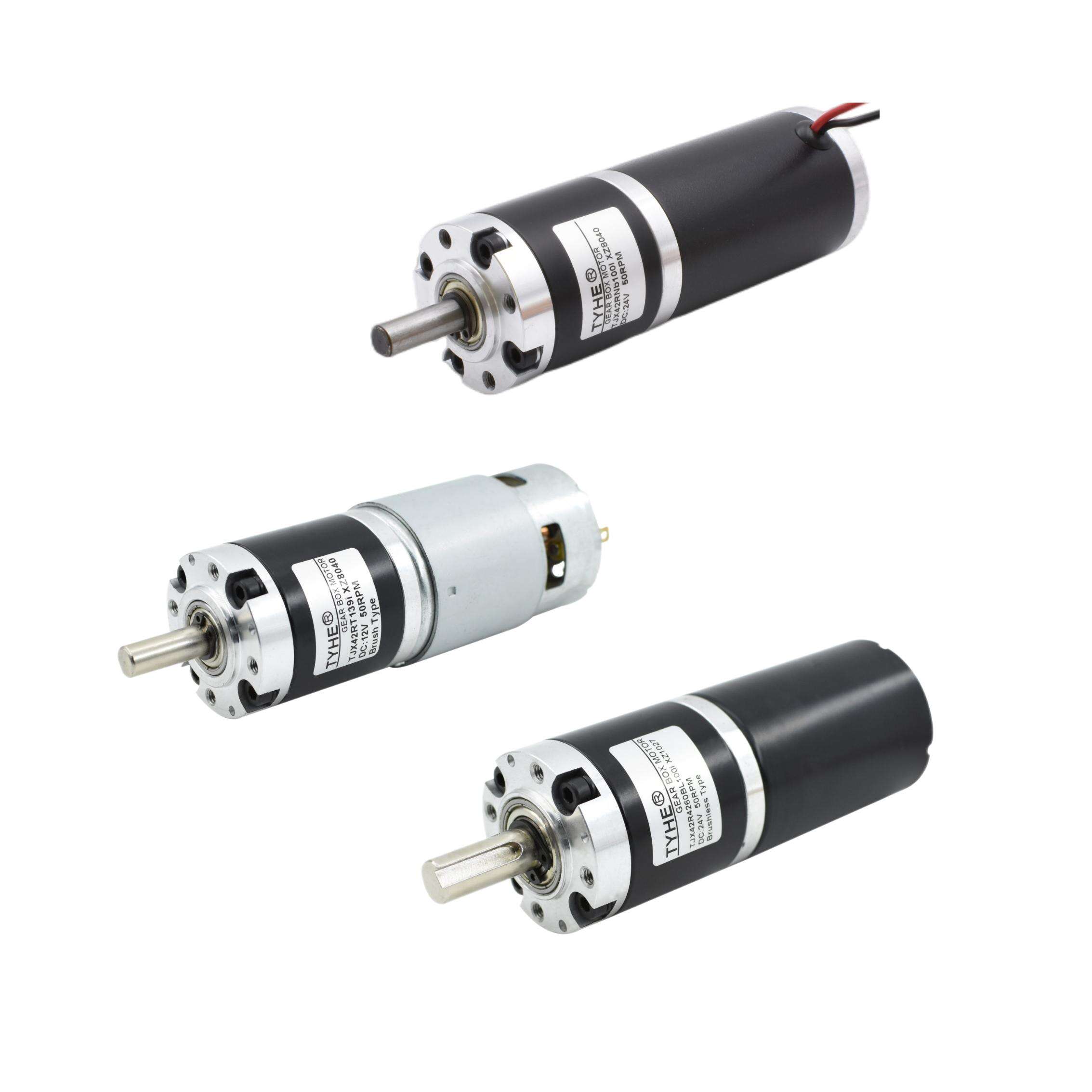
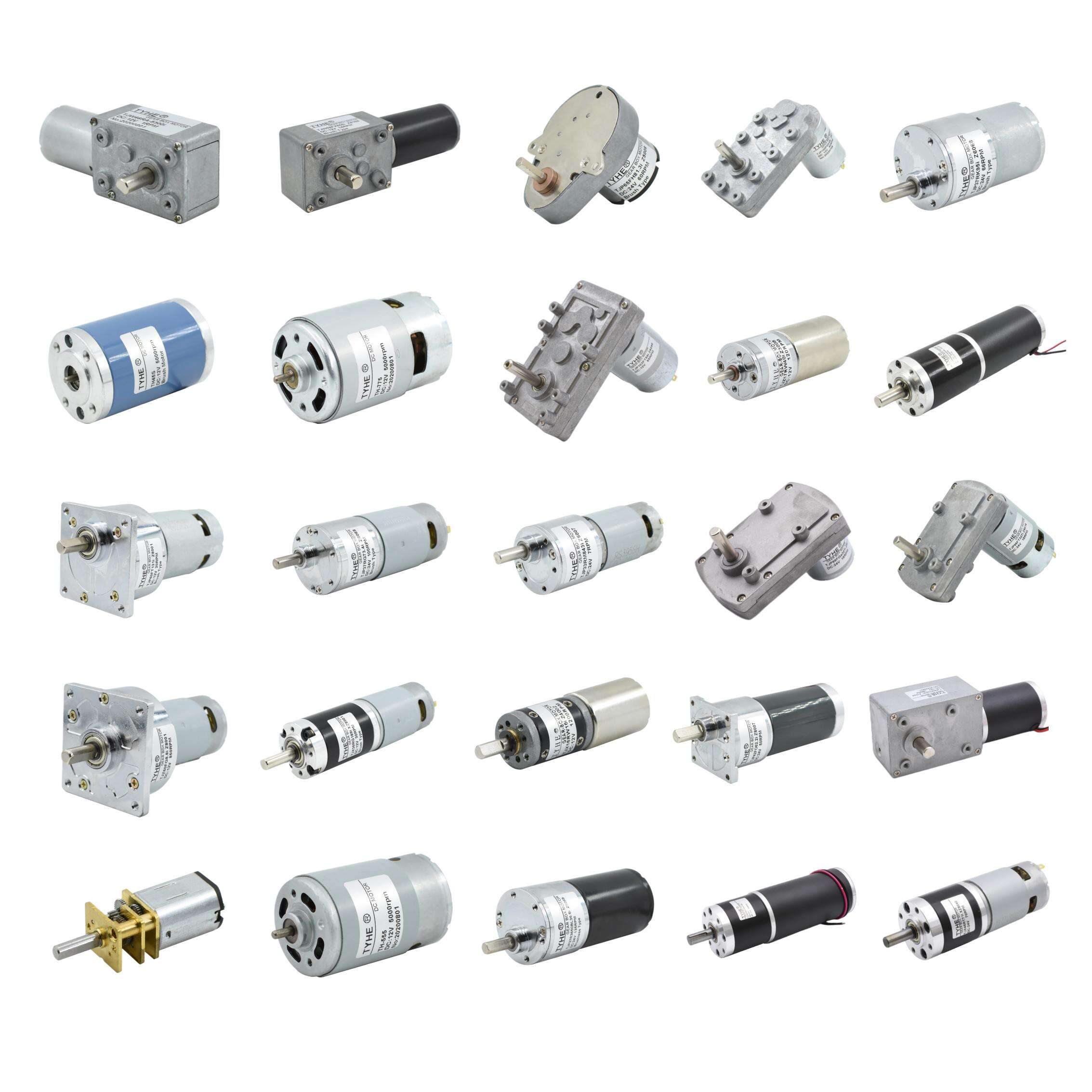
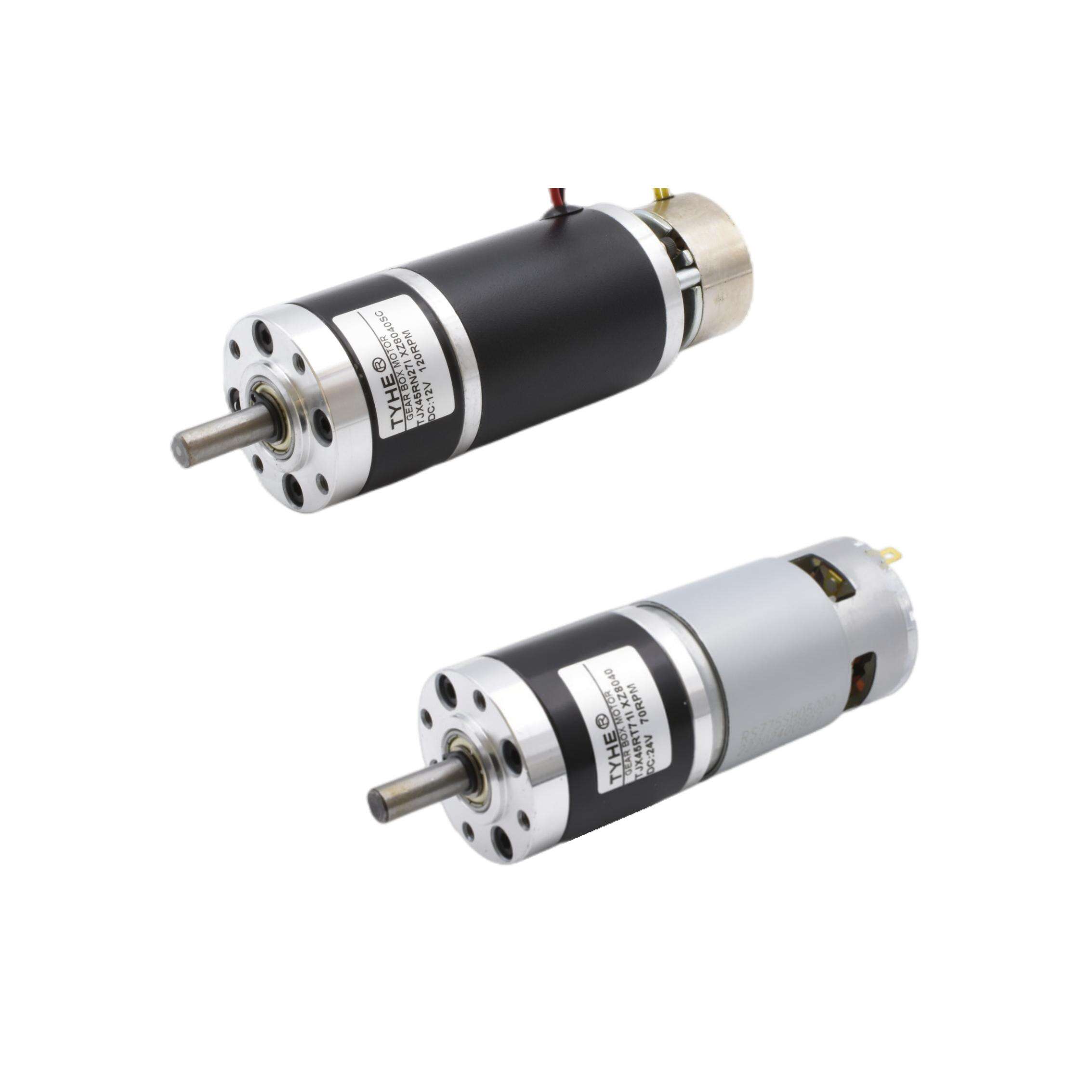
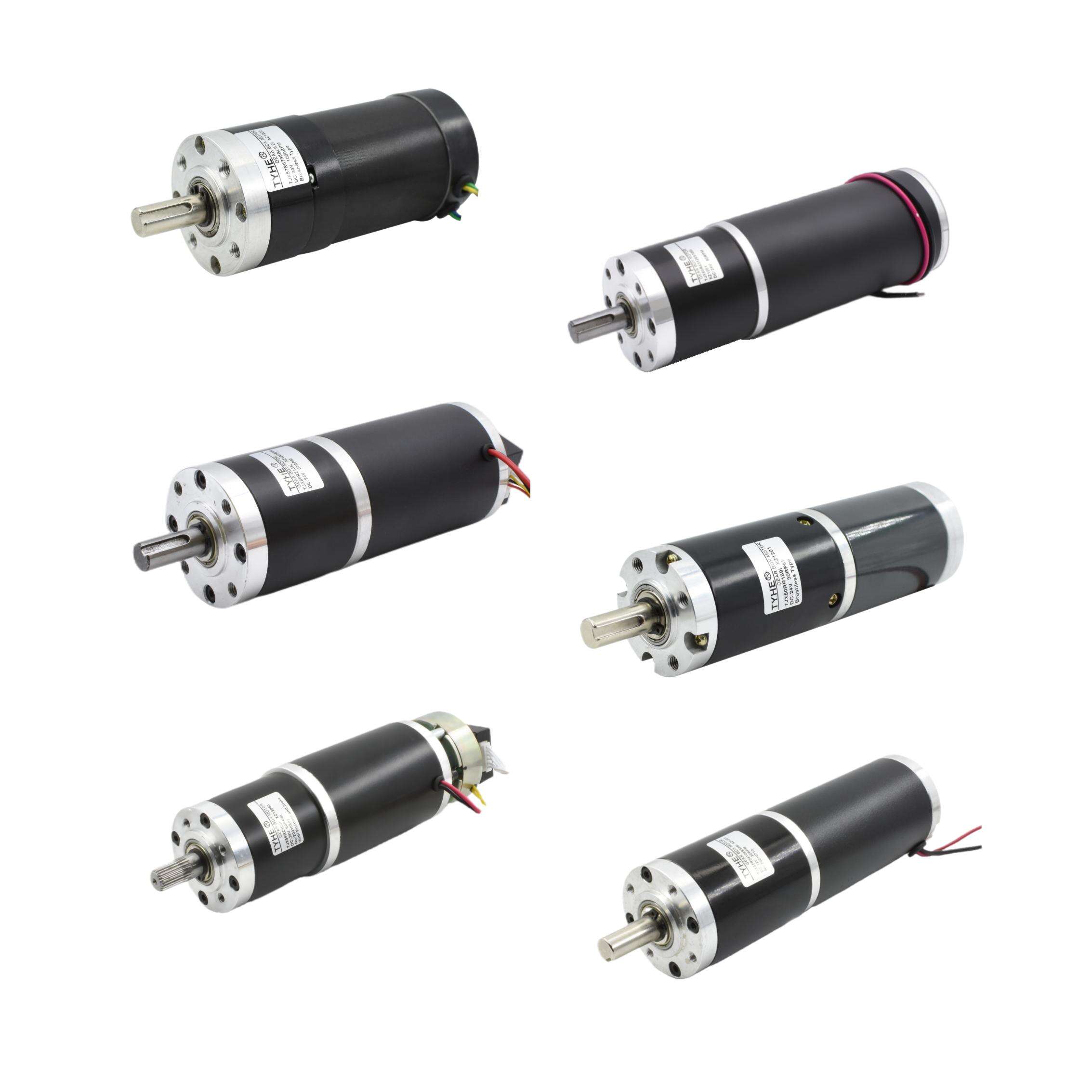
The planetary gear motor represents a sophisticated mechanical solution that combines the efficiency of planetary gearing systems with powerful motor technology to deliver exceptional performance across diverse industrial applications. This innovative drive system utilizes a unique configuration where multiple planet gears orbit around a central sun gear, all contained within an outer ring gear, creating a compact yet highly effective power transmission mechanism. The planetary gear motor excels in converting high-speed, low-torque input from the motor into low-speed, high-torque output, making it indispensable for applications requiring precise control and substantial force delivery. The technological architecture of the planetary gear motor incorporates multiple stages of reduction, allowing for remarkable torque multiplication while maintaining relatively small physical dimensions. Advanced materials and precision manufacturing processes ensure optimal gear meshing, reduced backlash, and enhanced durability throughout extended operational periods. The motor component typically features high-efficiency designs, including brushless DC motors, servo motors, or stepper motors, depending on specific application requirements. Temperature management systems, advanced bearing configurations, and sophisticated lubrication mechanisms contribute to the planetary gear motor's reliability and longevity. Modern planetary gear motor designs often integrate smart sensors and feedback systems, enabling precise position control, speed regulation, and real-time monitoring capabilities. These systems find extensive applications in robotics, automation equipment, conveyor systems, medical devices, aerospace mechanisms, and automotive components where space constraints, high torque requirements, and precise motion control are critical factors. The modular design philosophy allows for customization and scalability, enabling engineers to select appropriate gear ratios, motor types, and mounting configurations to meet specific operational demands while maintaining cost-effectiveness and performance optimization.

 EN
EN