Precise Speed Control and Smooth Operation
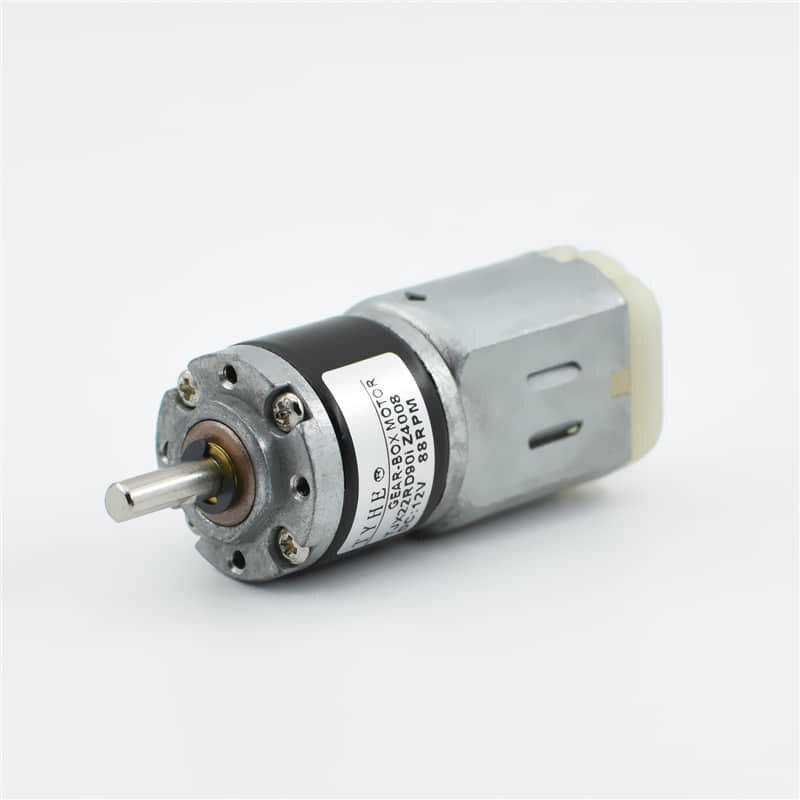
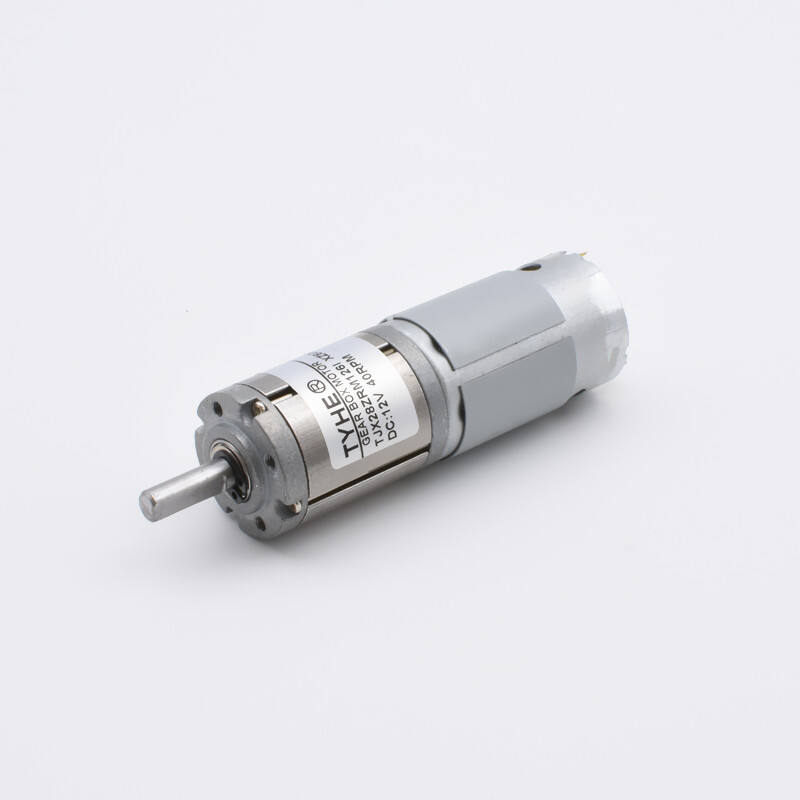
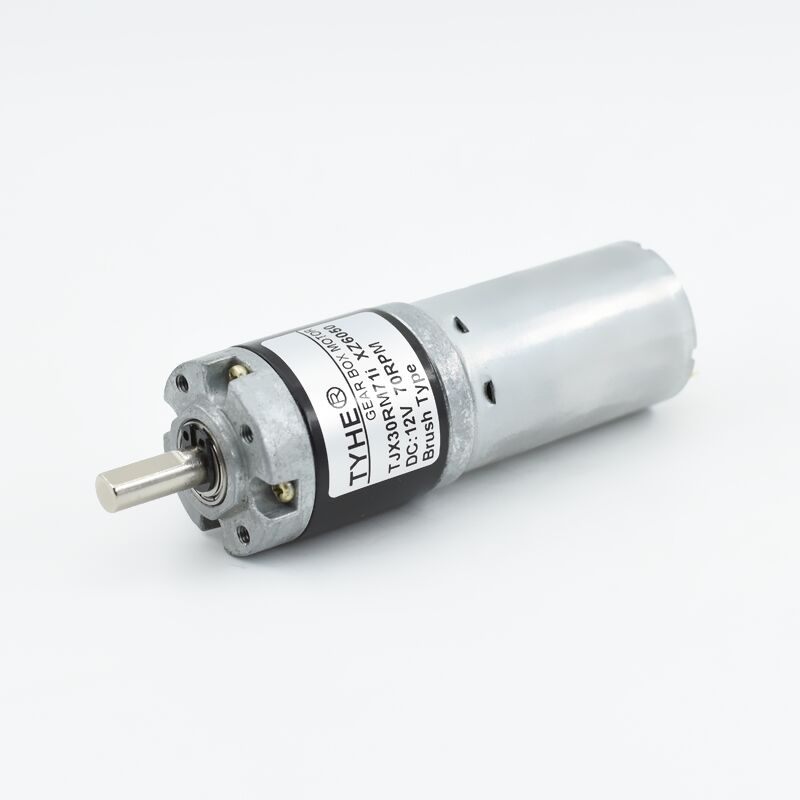
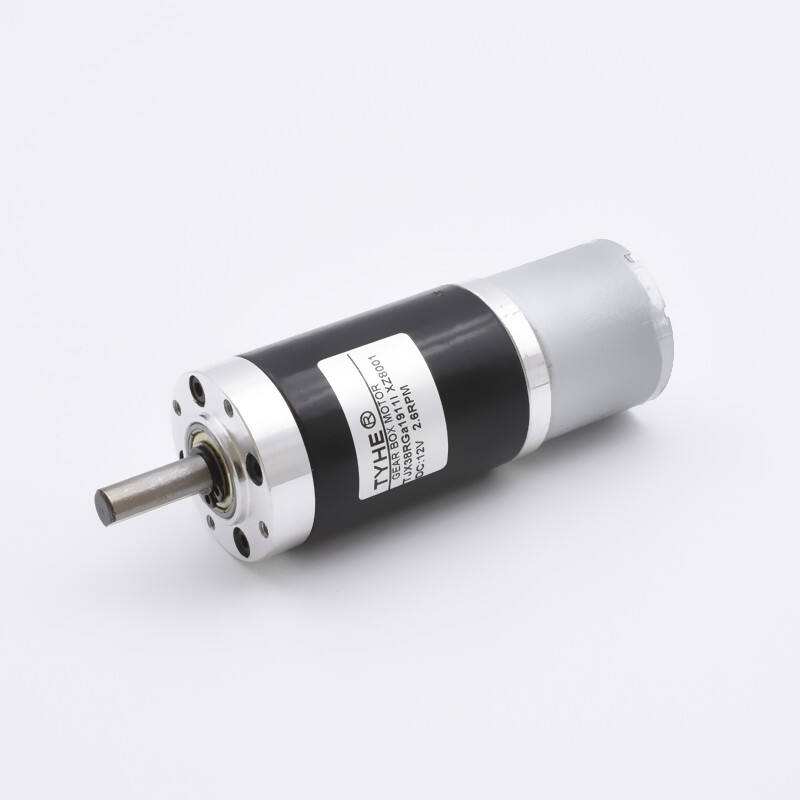
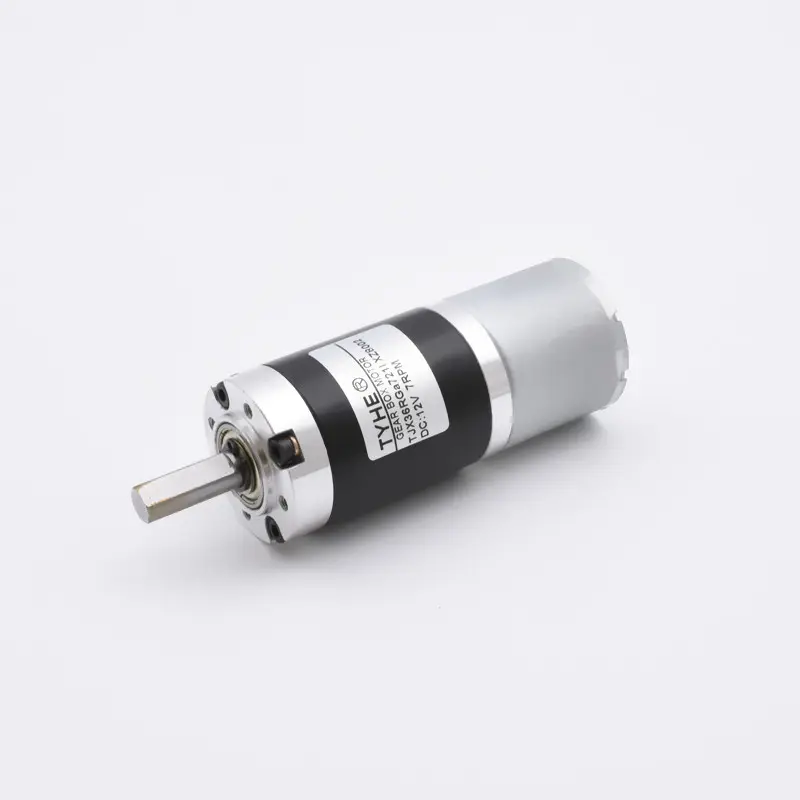
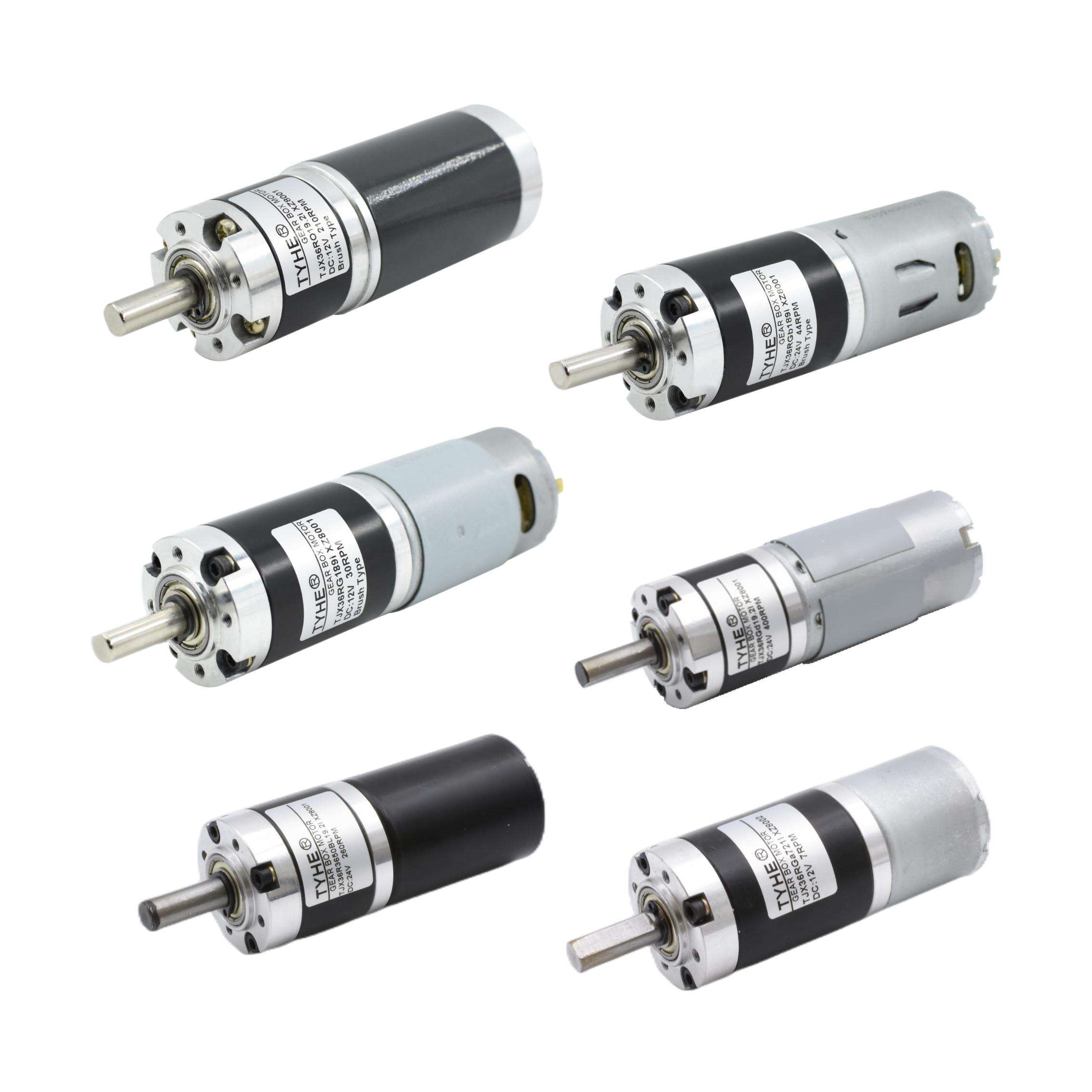
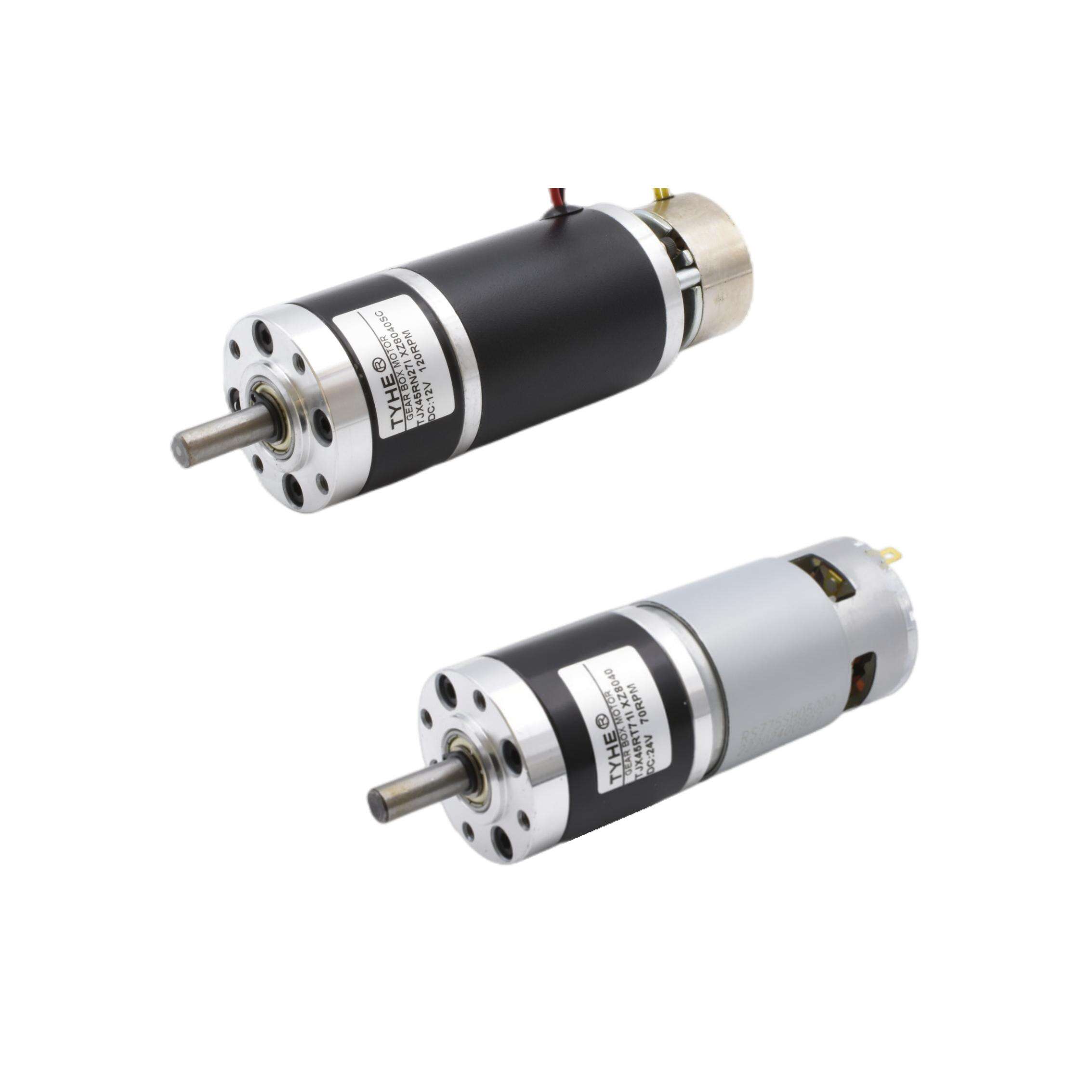
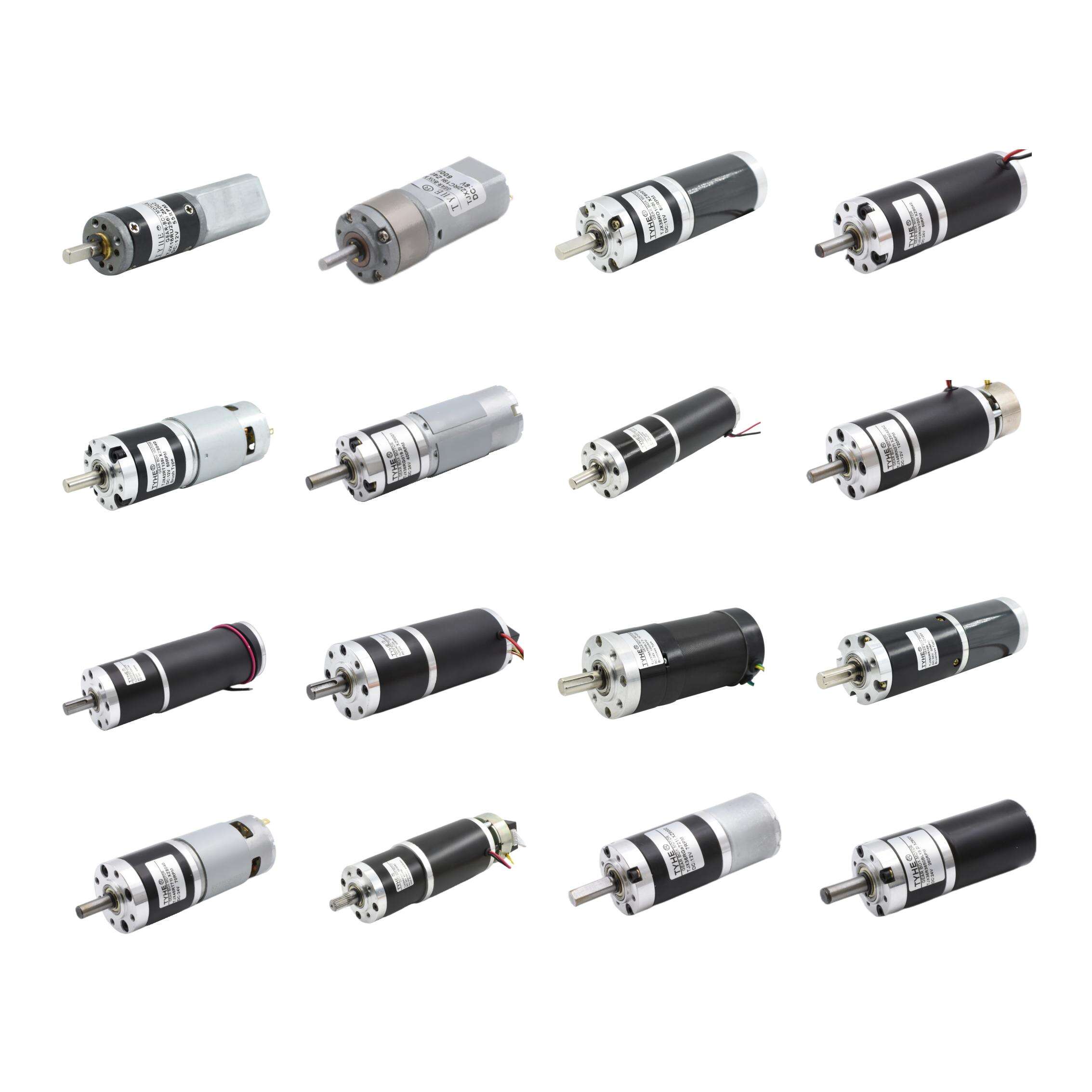
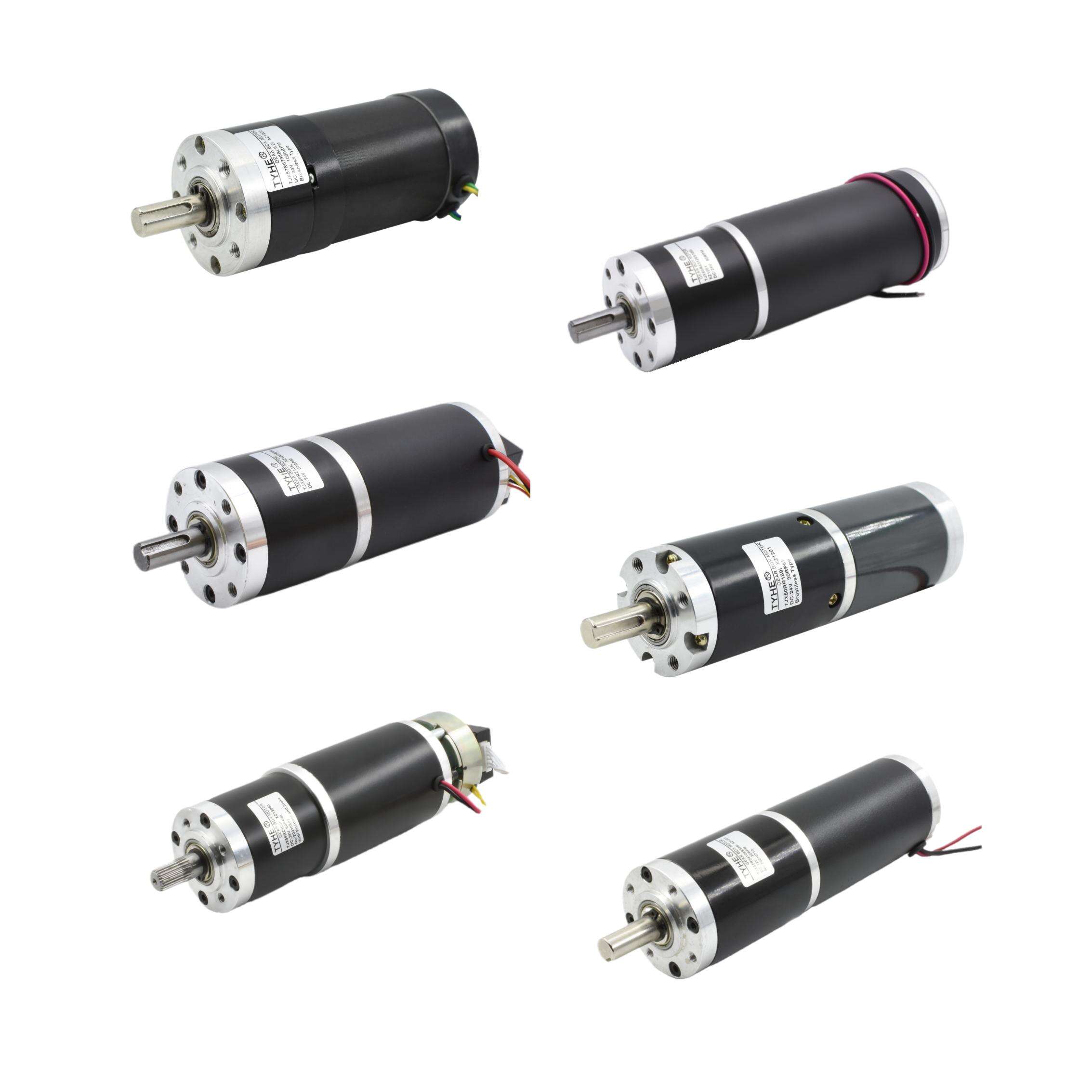
The small planetary gear motor excels in providing exceptionally precise speed control and remarkably smooth operation, characteristics that prove essential for applications demanding exact positioning, consistent velocity, or minimal vibration transmission. The planetary gear arrangement creates multiple simultaneous gear mesh points that naturally cancel vibrations and speed variations, resulting in output rotation that exhibits minimal ripple or irregularity even at very low speeds. This smooth operation stems from the balanced geometry of the planet gears, which rotate in perfect synchronization while orbiting the central sun gear, creating a mechanically balanced system that minimizes dynamic forces and resulting vibrations. Users benefit from this smoothness through improved product quality in manufacturing applications, reduced wear on downstream components, and enhanced user comfort in direct-contact applications like medical devices or consumer products. The precision speed control capability allows engineers to specify exact gear ratios that match application requirements without compromising performance or requiring additional speed control components. Quality small planetary gear motors maintain speed accuracy within fractions of a percent across varying load conditions, temperature ranges, and extended operating periods. This precision proves particularly valuable in applications requiring synchronization between multiple motors or exact positioning repeatability. The inherent mechanical advantage of the planetary gear system also provides excellent speed regulation under varying load conditions, maintaining consistent output speeds even when torque demands fluctuate significantly. Advanced motor designs incorporate feedback systems that enable closed-loop speed control with remarkable accuracy, often achieving positioning precision measured in arc-seconds or fractions of degrees. The smooth, precise operation reduces mechanical stress on connected equipment, extending the service life of entire systems while improving overall performance quality. Applications such as robotic positioning systems, medical imaging equipment, precision manufacturing tools, and optical positioning devices rely on this combination of smoothness and precision to achieve their performance specifications and maintain competitive advantages in their respective markets.

 EN
EN