industrial dc motor
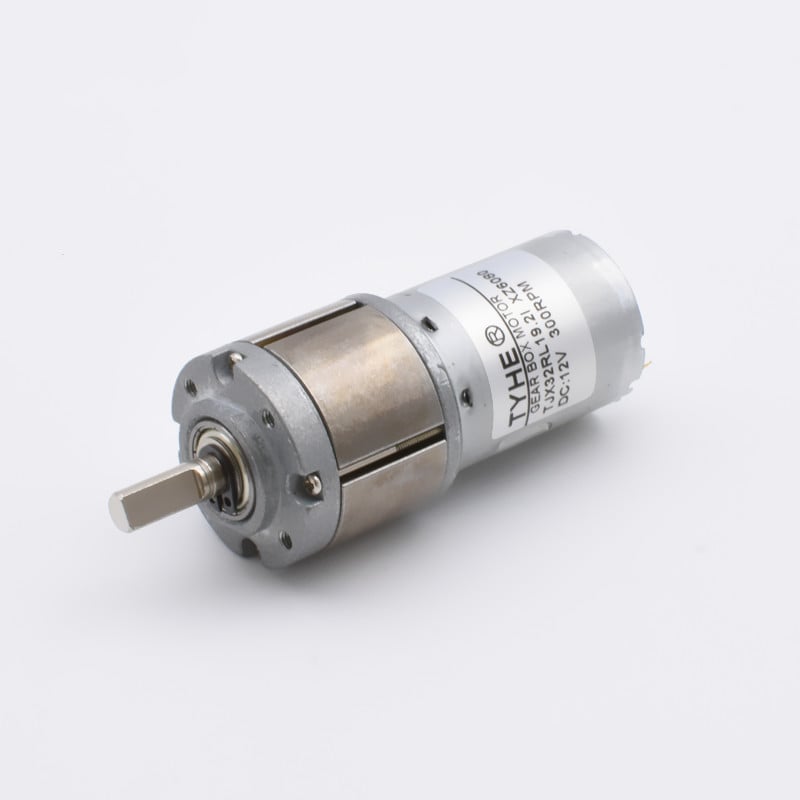
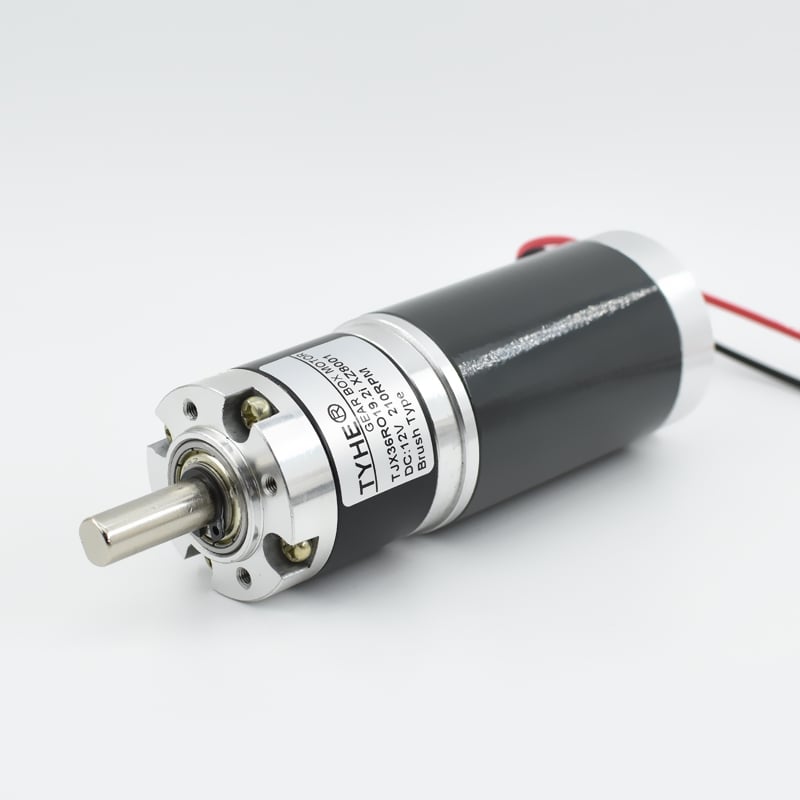
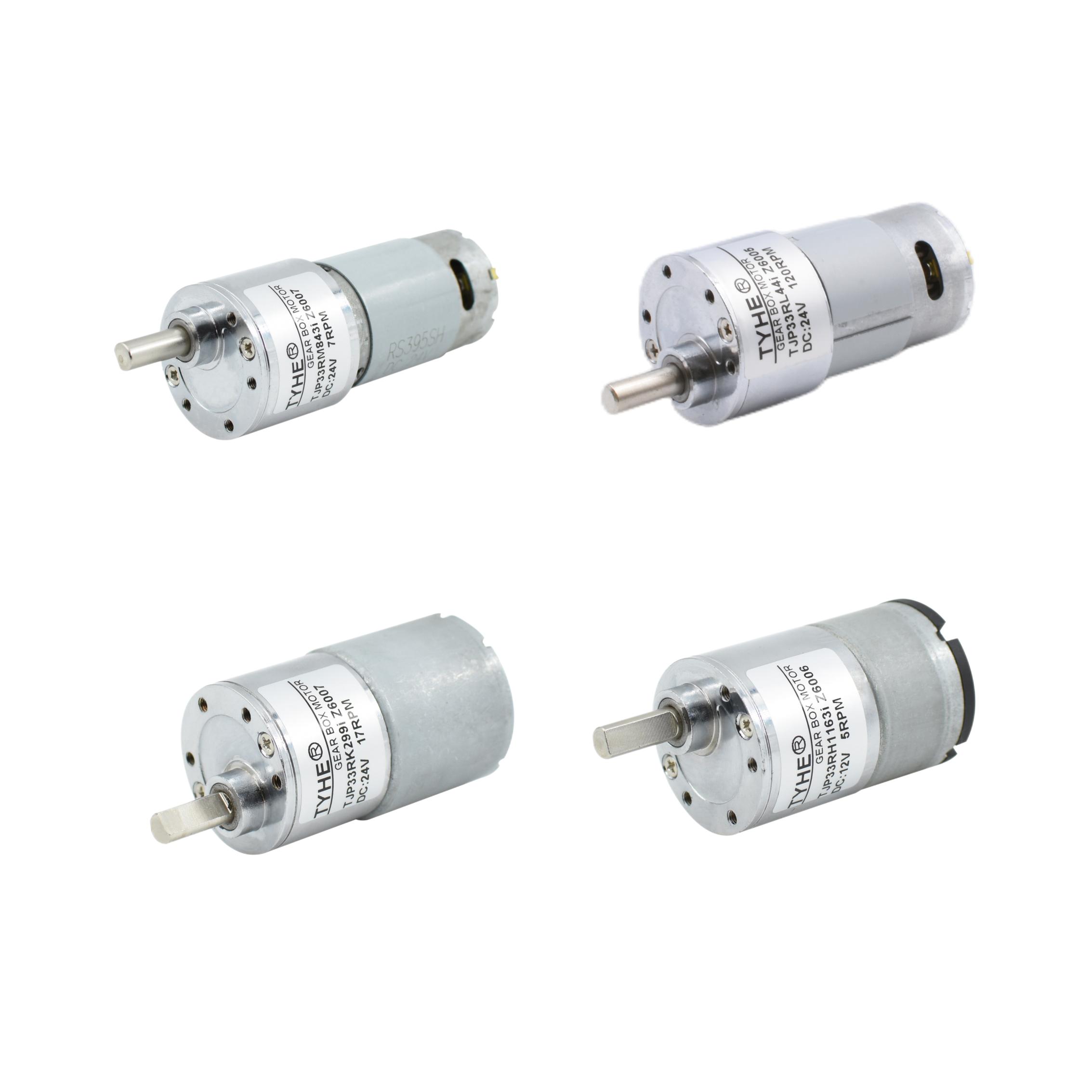
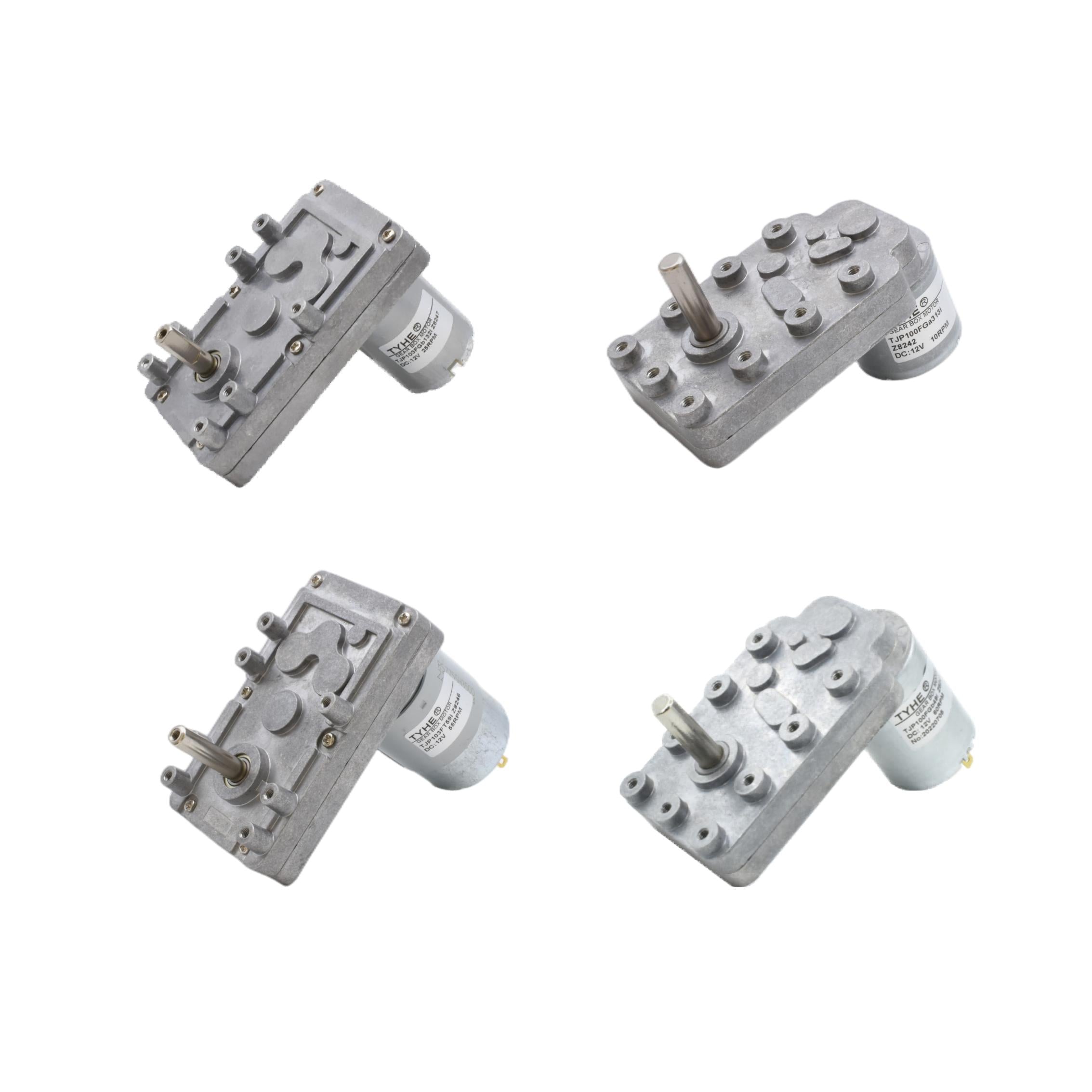
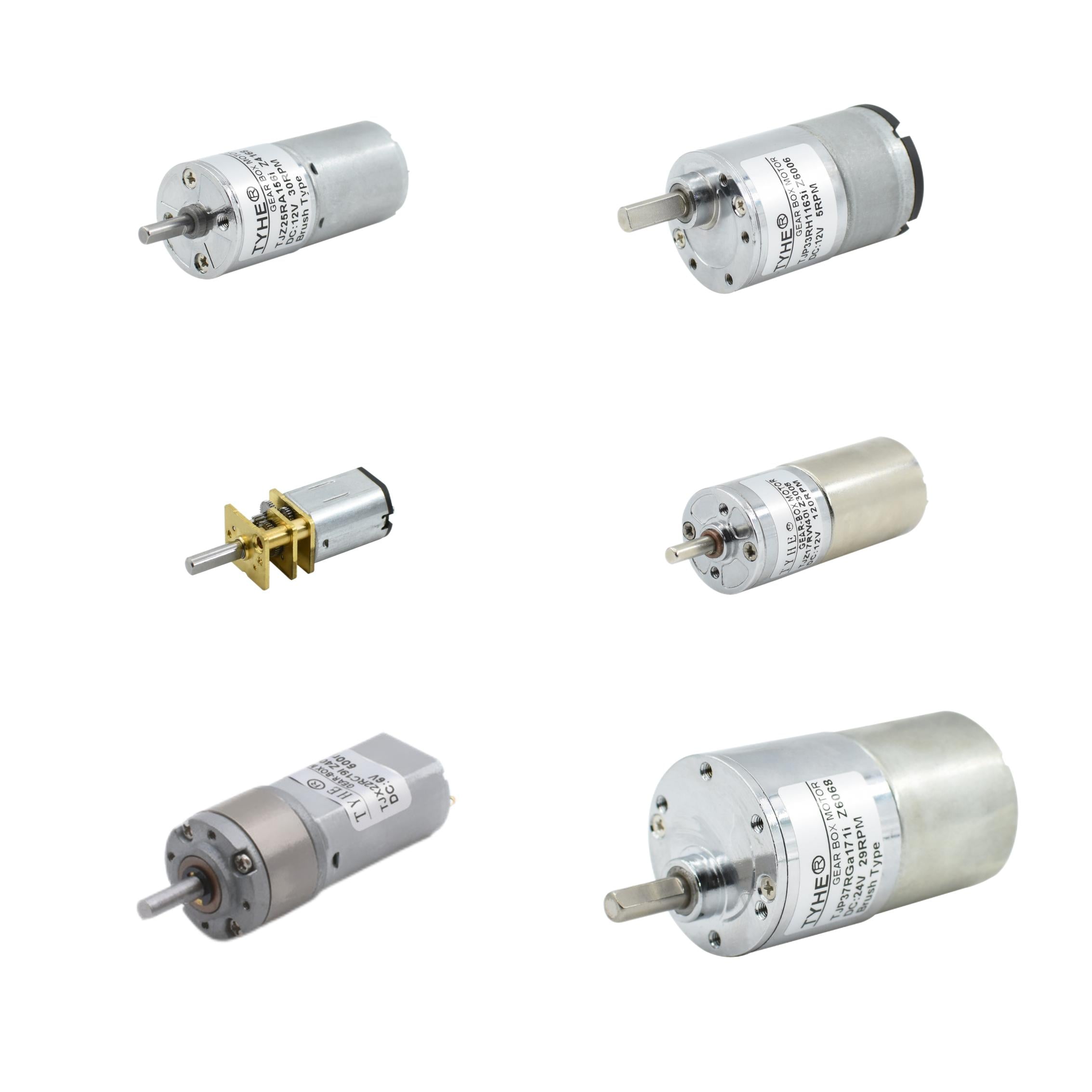
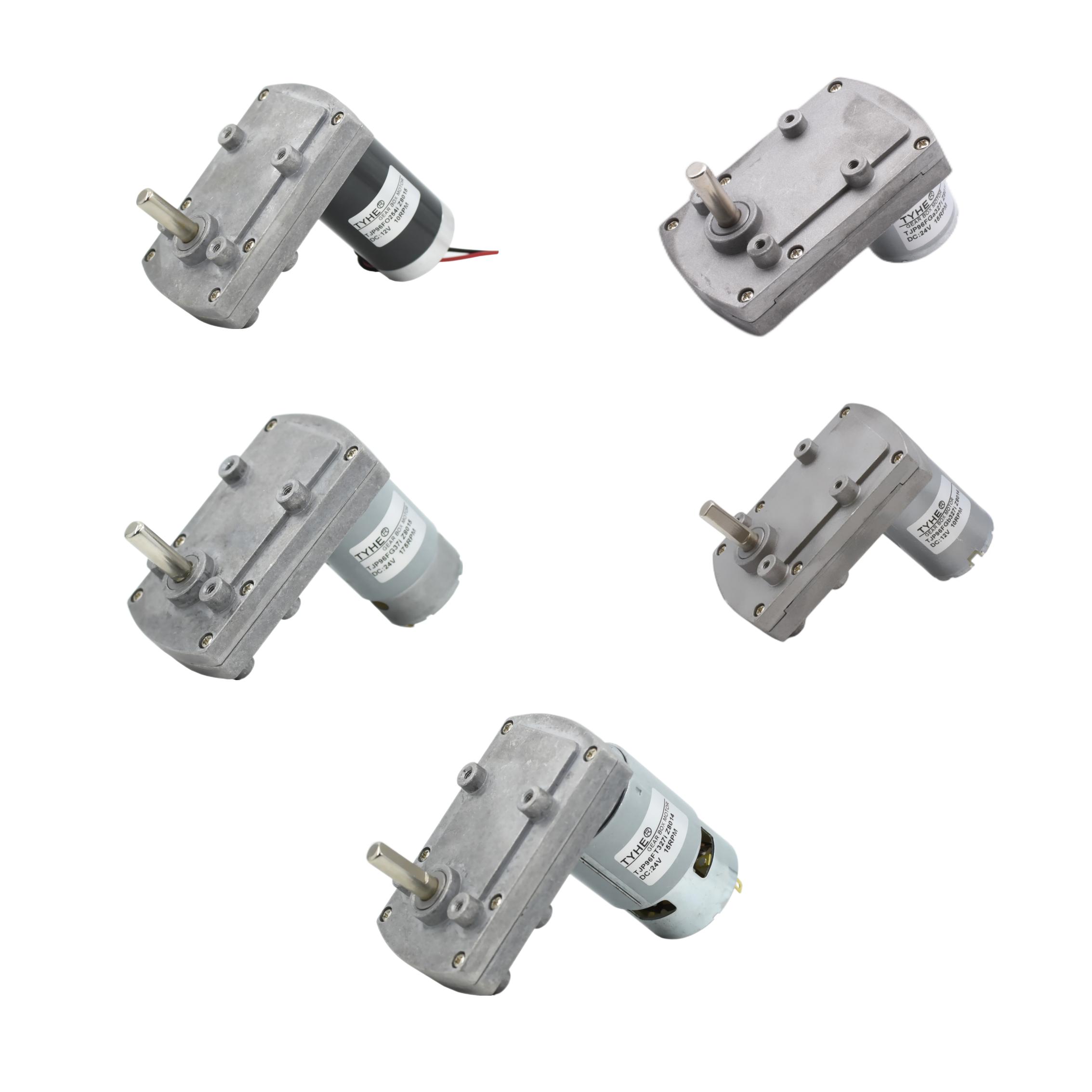
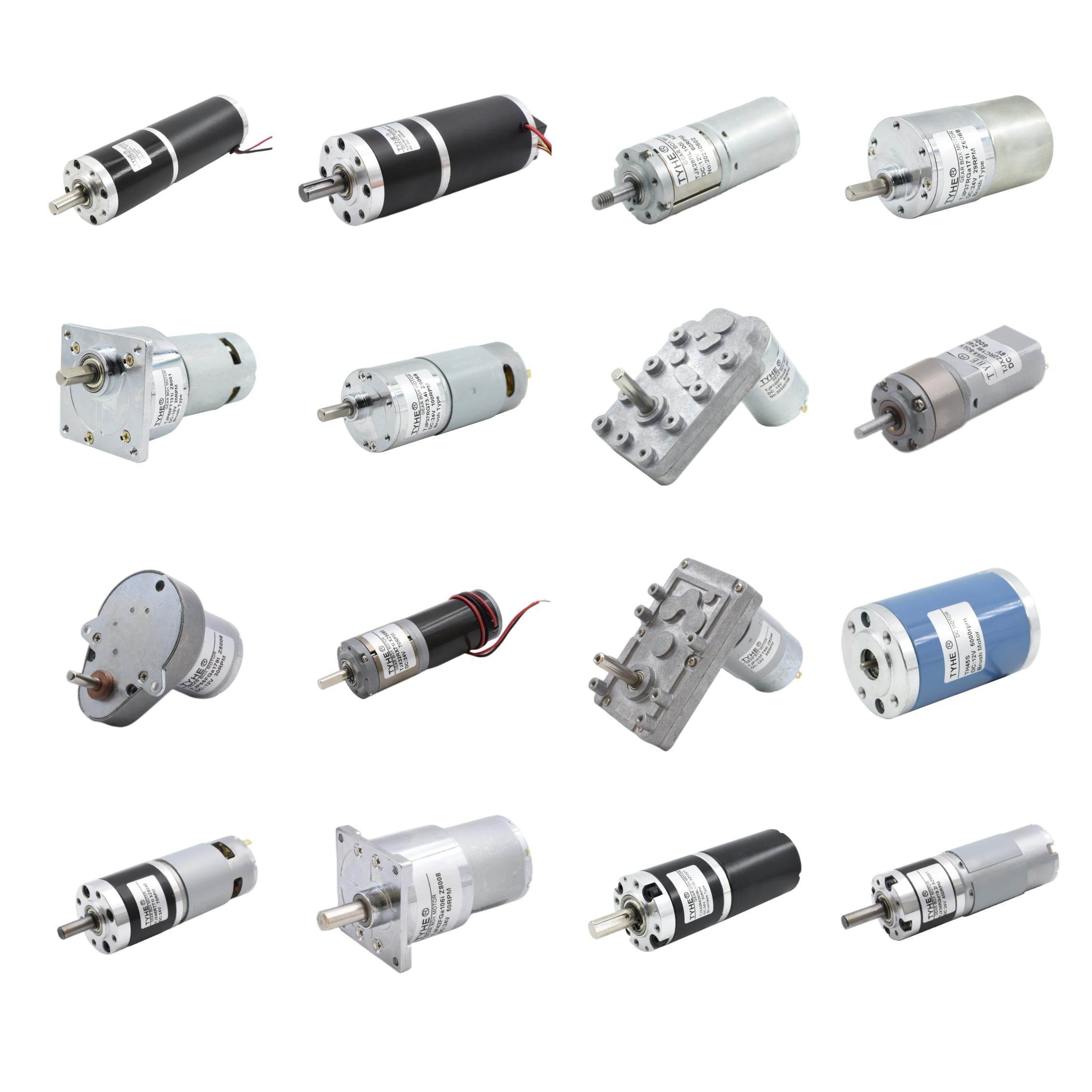
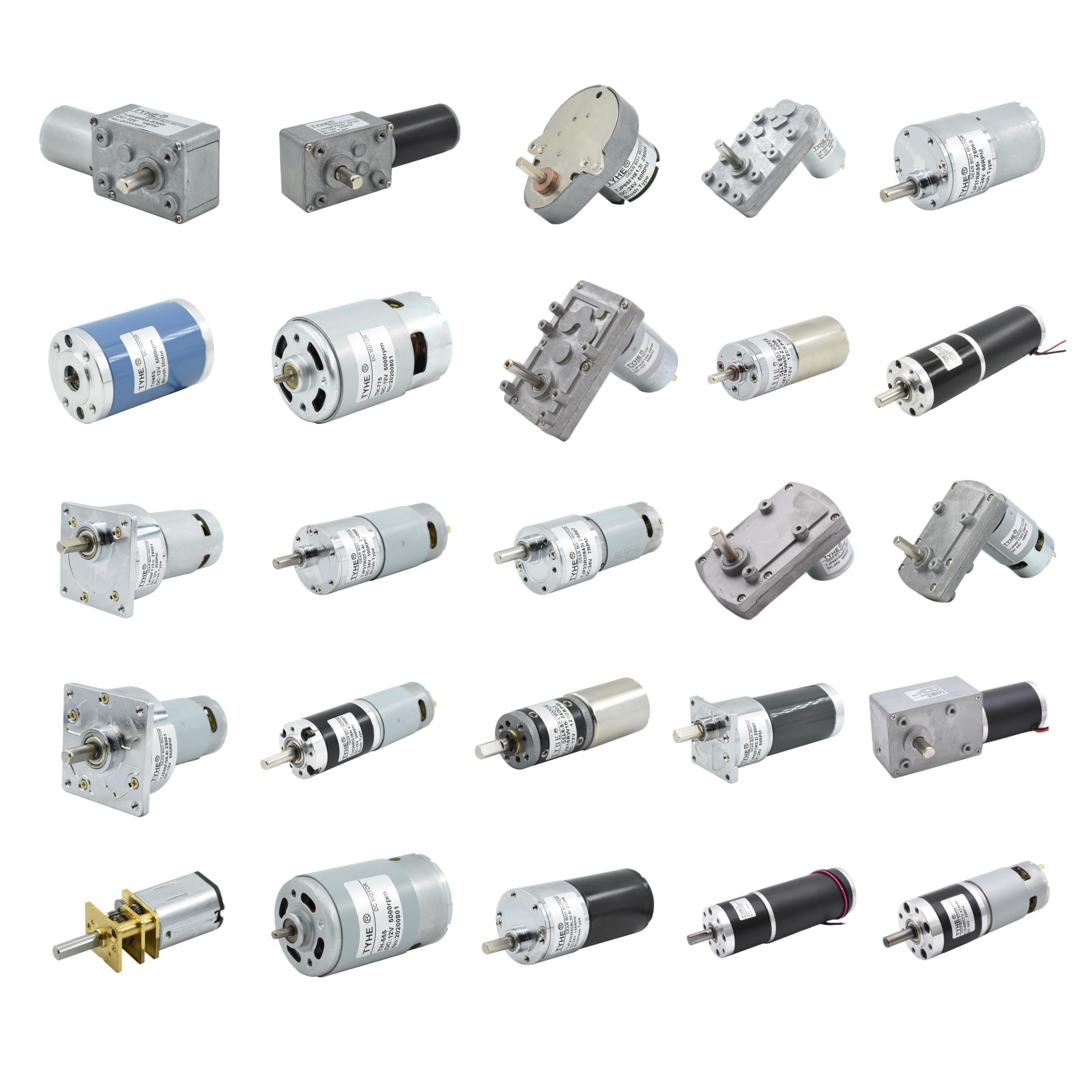
An industrial dc motor converts electrical energy into controlled mechanical motion for machines, production lines, and heavy-duty equipment. Unlike a basic consumer motor, an industrial dc motor is designed for steady operation, frequent starts, and demanding working conditions. It produces useful torque at low speed and allows operators to adjust speed smoothly, making it suitable for tasks that require accurate movement. An industrial dc motor commonly includes a stator, rotor, commutator, brushes, bearings, and a protective housing. These parts work together to create rotation and transfer power to connected equipment. The industrial dc motor can use permanent magnets or field windings, depending on the required power, control range, and operating environment. A drive or controller regulates voltage and current so the industrial dc motor can accelerate, slow down, reverse direction, or maintain a selected speed. Modern models may support digital control, encoder feedback, thermal protection, and overload monitoring. These features help the industrial dc motor deliver consistent output while reducing the risk of damage. Manufacturers use the industrial dc motor in conveyors, hoists, cranes, elevators, machine tools, printing systems, packaging equipment, and automated handling systems. The industrial dc motor also performs well where high starting torque matters, such as lifting or moving heavy loads. Buyers can select different frame sizes, power ratings, shaft designs, cooling methods, and enclosure levels. With proper sizing and maintenance, an industrial dc motor provides dependable motion, responsive control, and long service life for many industrial processes.

 EN