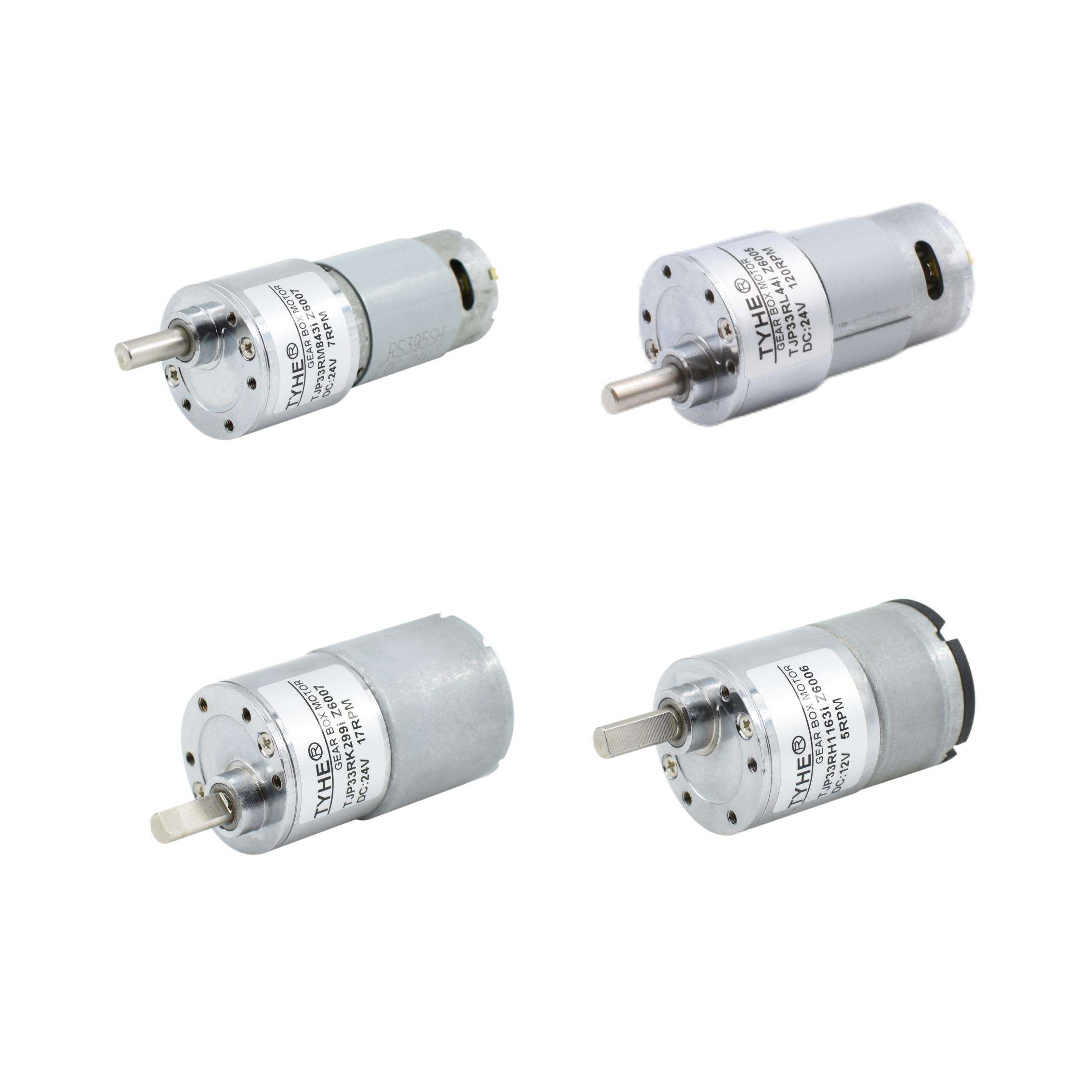
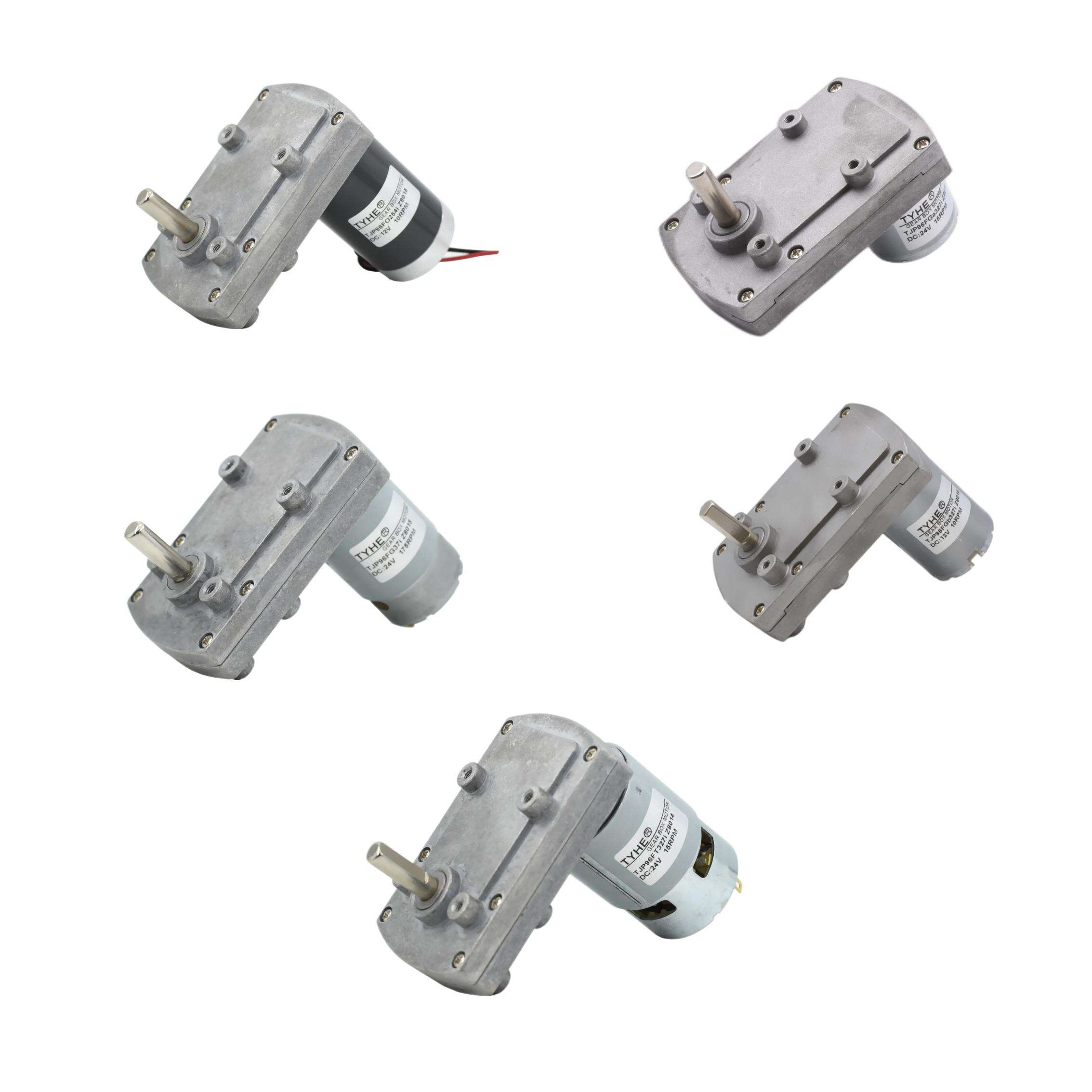
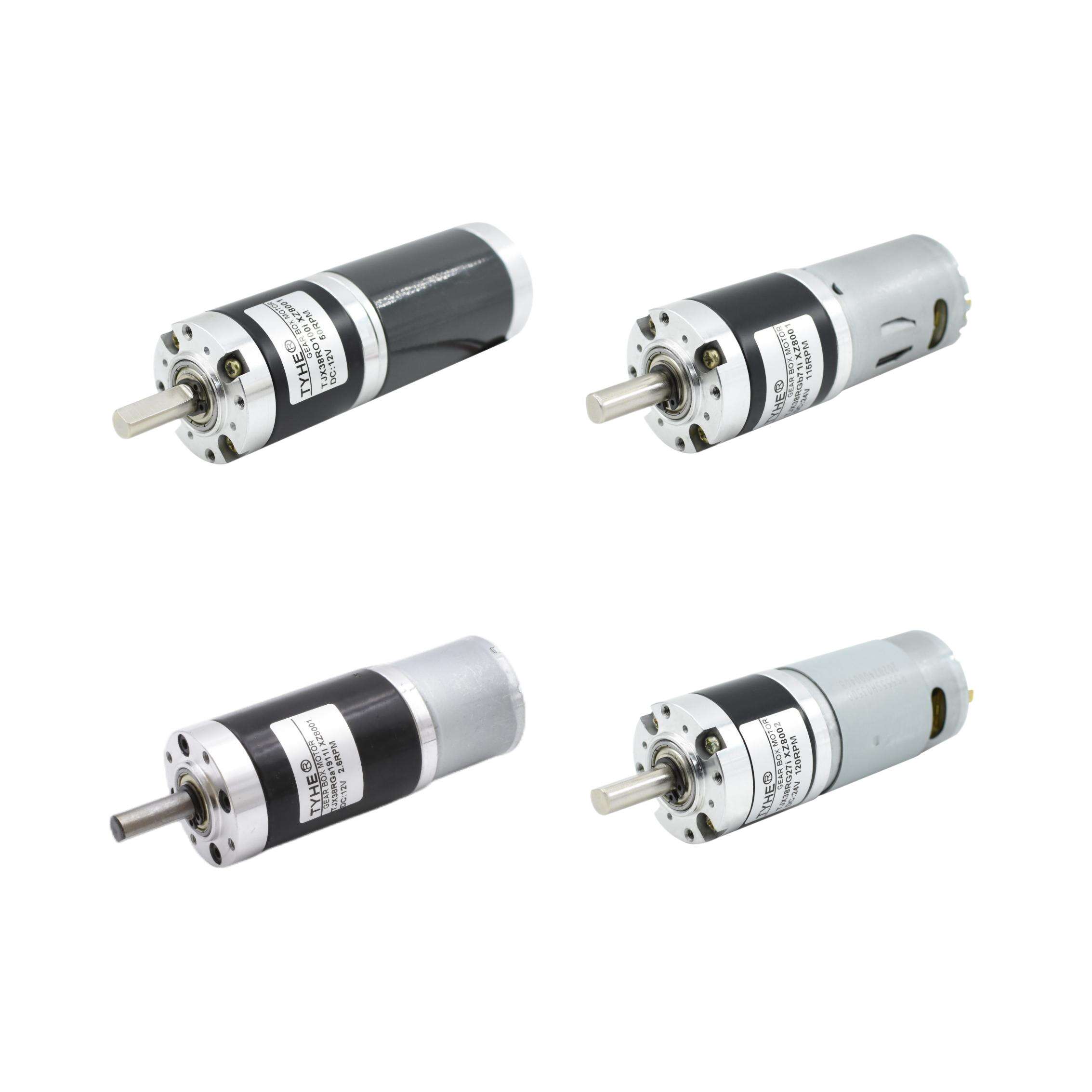
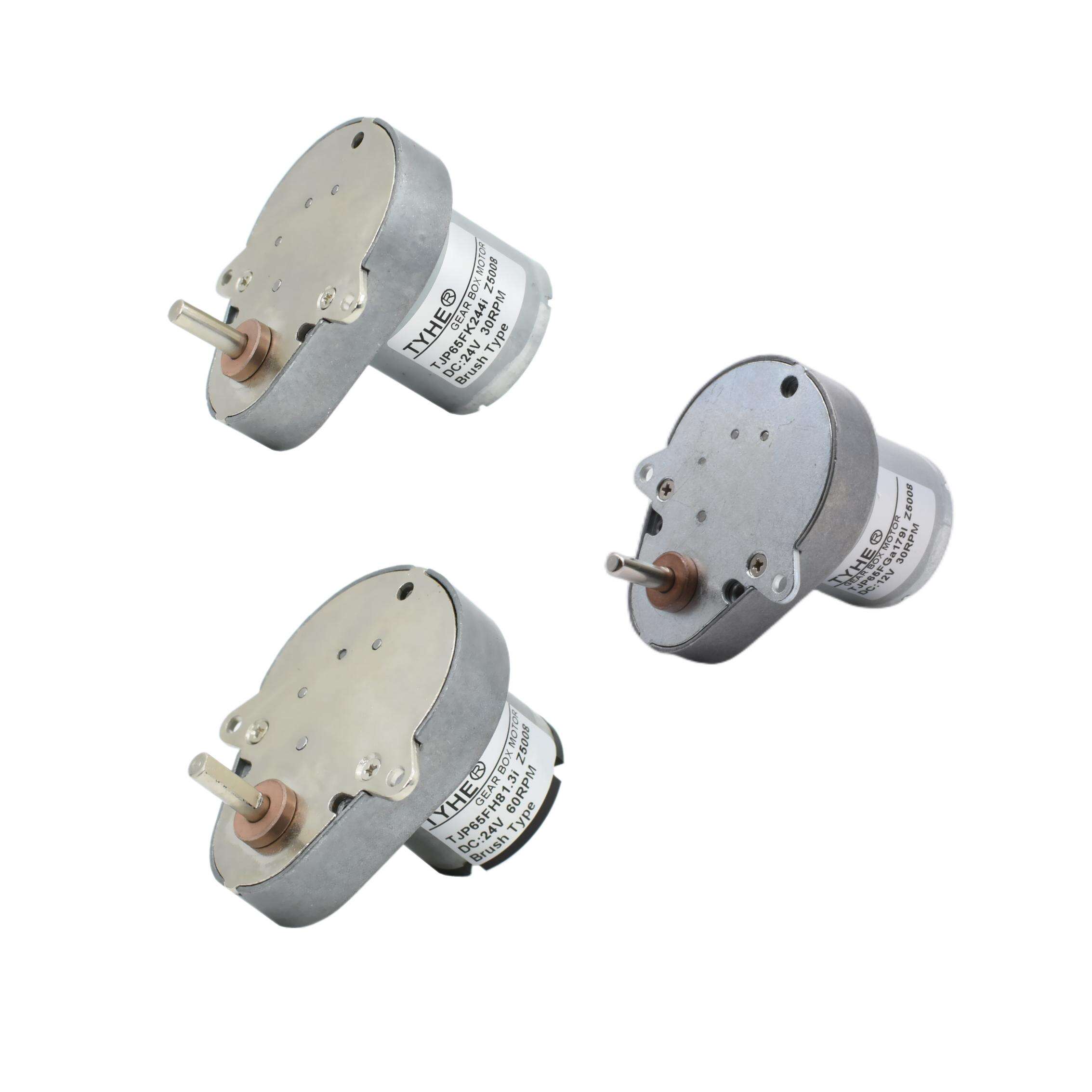
Exceptional Reliability and Maintenance-Free Operation
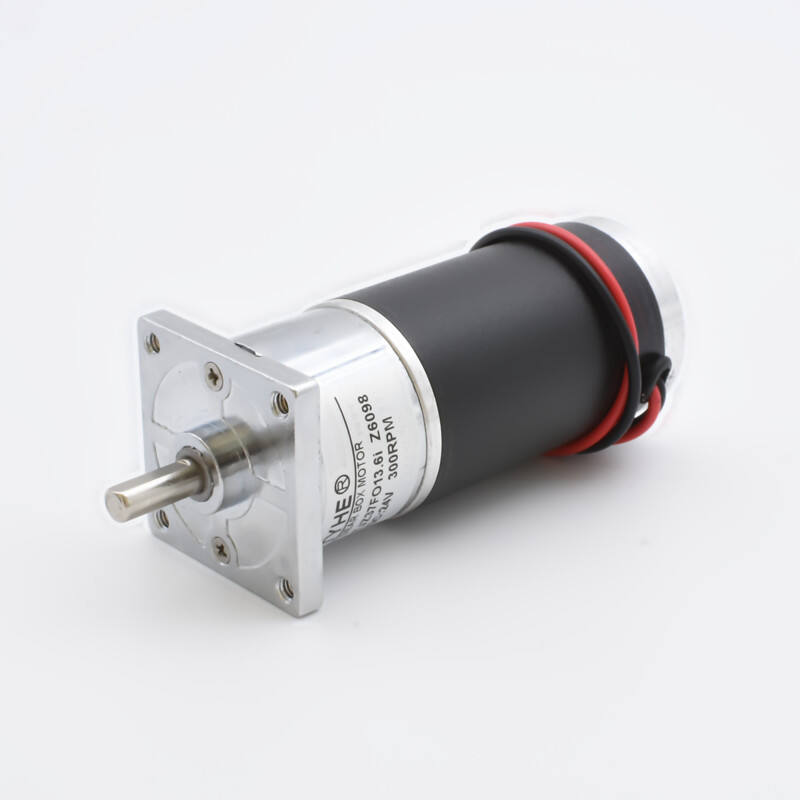
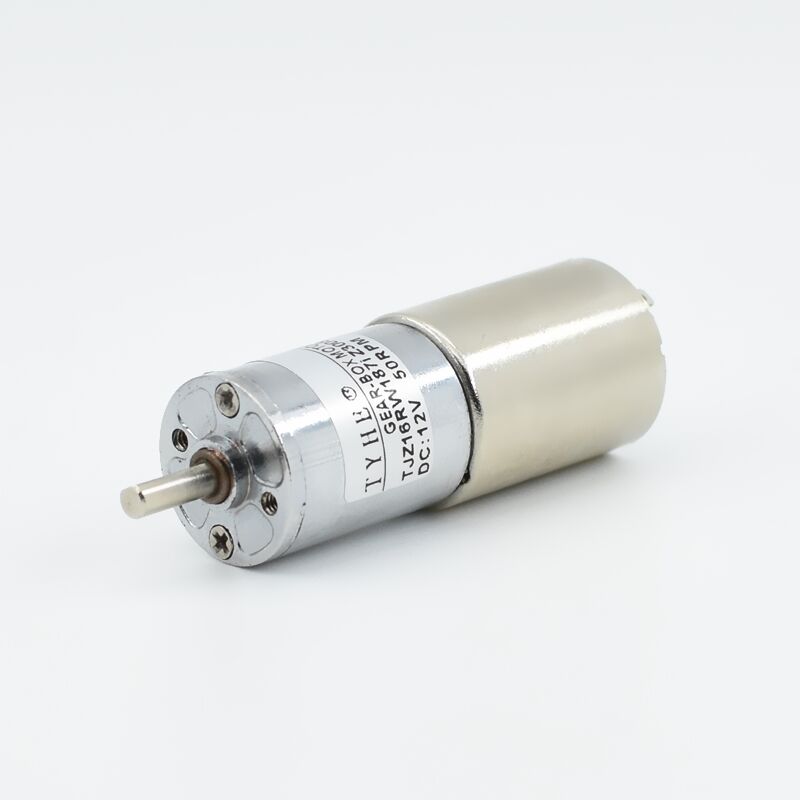
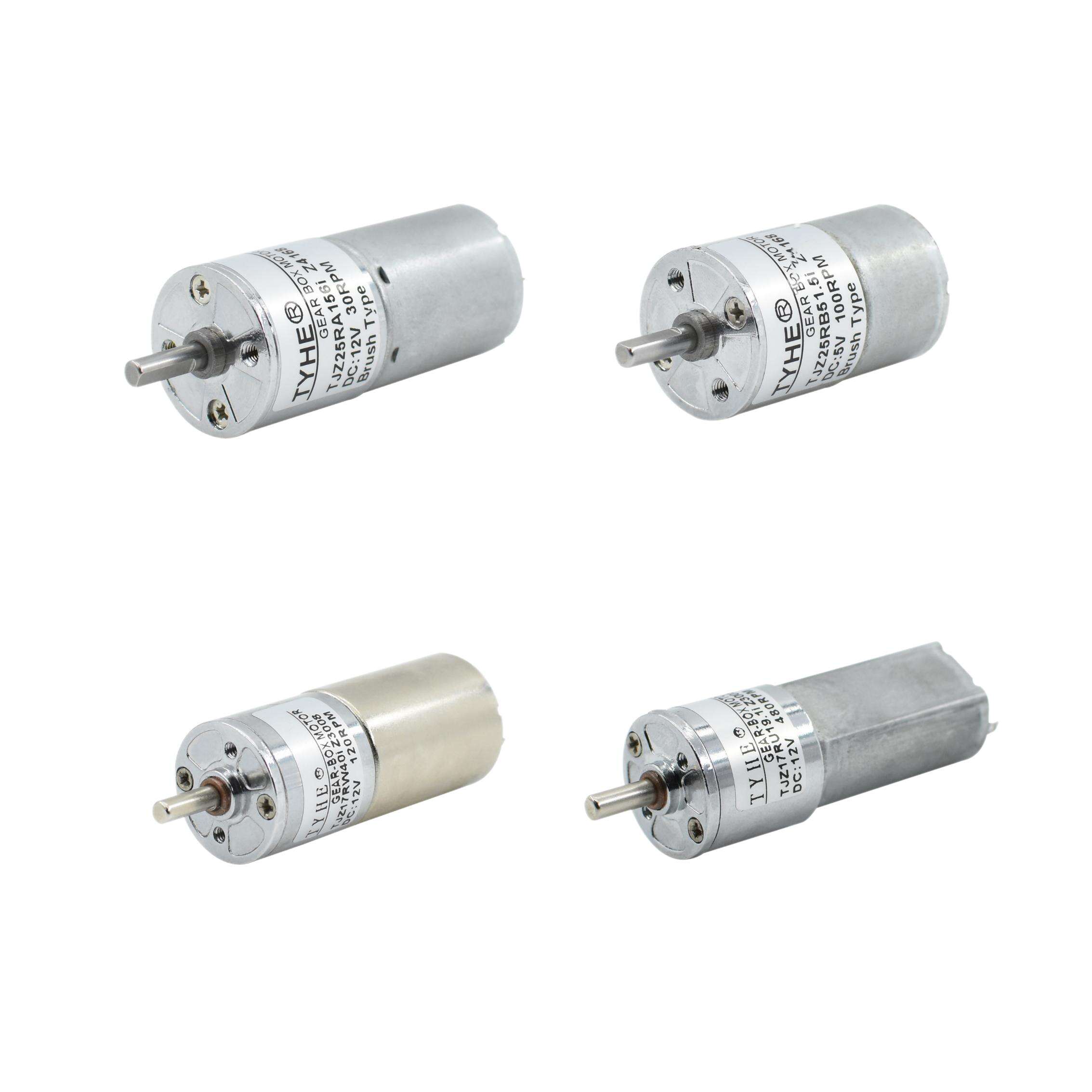
The brushless design of the electric stepper motor eliminates the primary wear mechanisms that plague conventional motor systems, delivering unprecedented reliability in demanding operational environments. Unlike brushed motors that require regular maintenance due to carbon brush degradation and commutator wear, the electric stepper motor operates through electromagnetic interactions that create no physical contact between moving parts. This fundamental design advantage translates into operational lifespans exceeding 10,000 hours of continuous service without performance degradation. Industrial automation systems benefit significantly from this reliability, as unplanned downtime costs can reach thousands of dollars per hour in high-volume manufacturing operations. The electric stepper motor enables continuous production schedules without mandatory maintenance windows that interrupt valuable production time. Environmental resilience further enhances the electric stepper motor's reliability profile across challenging operating conditions. Temperature variations, humidity fluctuations, and contamination exposure that would compromise other motor technologies have minimal impact on electric stepper motor performance. The sealed construction prevents ingress of dust, moisture, and chemical vapors that typically cause premature motor failures. This durability makes the electric stepper motor ideal for harsh industrial environments including chemical processing facilities, outdoor installations, and high-temperature manufacturing processes. Predictable performance characteristics allow maintenance teams to schedule interventions based on actual operational hours rather than arbitrary time intervals. This condition-based maintenance approach reduces overall maintenance costs while maximizing equipment availability. The electric stepper motor's consistent torque output and positioning accuracy remain stable throughout its operational life, ensuring that product quality standards maintain consistency from initial installation through end-of-life replacement. Quality control processes benefit from this predictability, as production parameters remain constant without requiring frequent recalibration or adjustment procedures. Long-term cost savings accumulate significantly when comparing electric stepper motor systems to alternative motion control solutions. Reduced maintenance requirements, extended operational lifespans, and consistent performance characteristics create favorable total cost of ownership calculations that justify initial investment decisions and support business case development for equipment upgrades.

 EN
EN