dc gearmotor with encoder
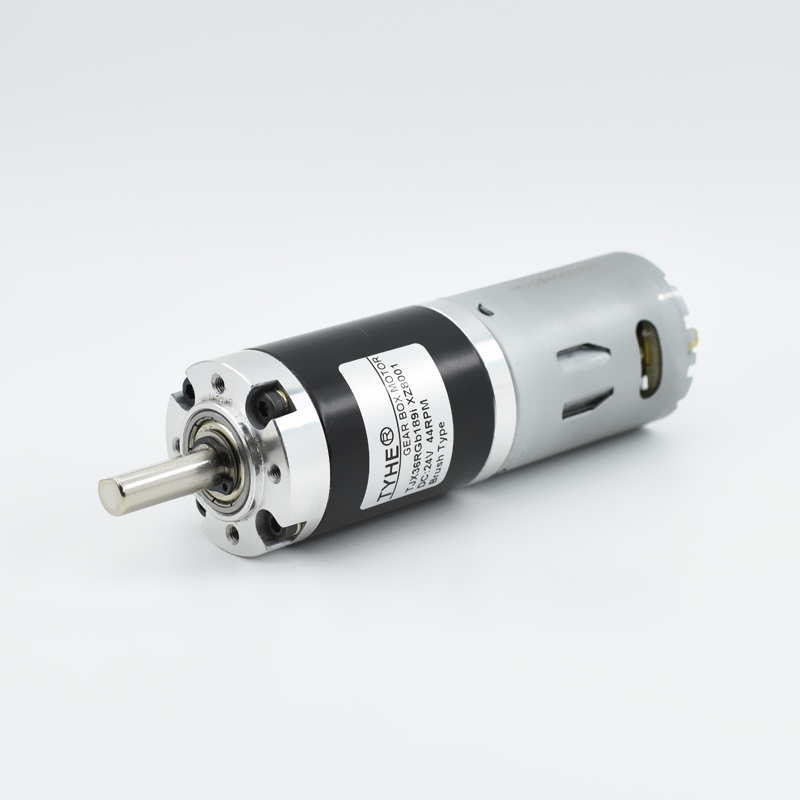
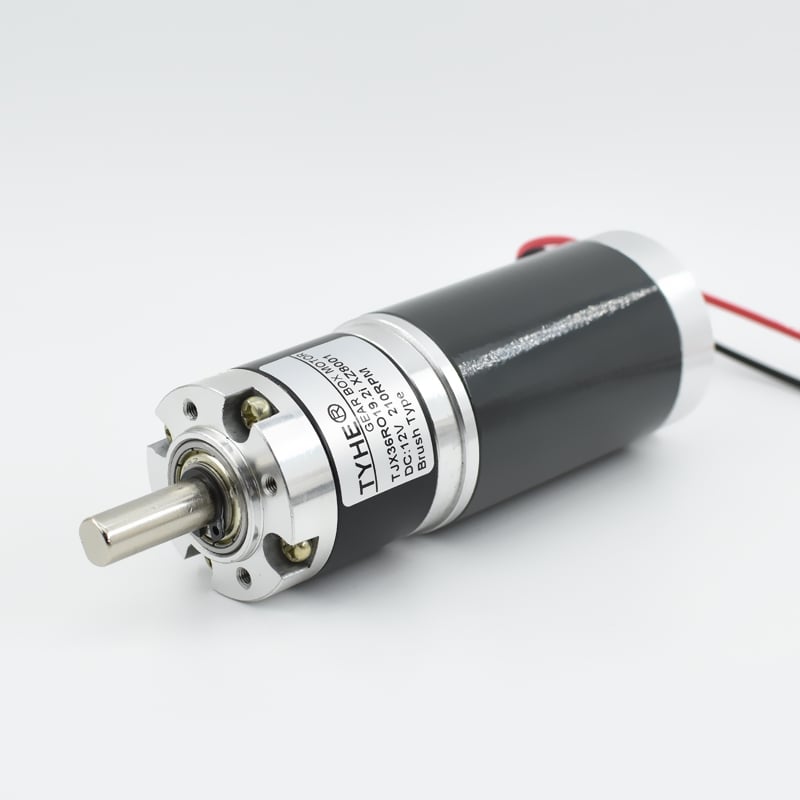
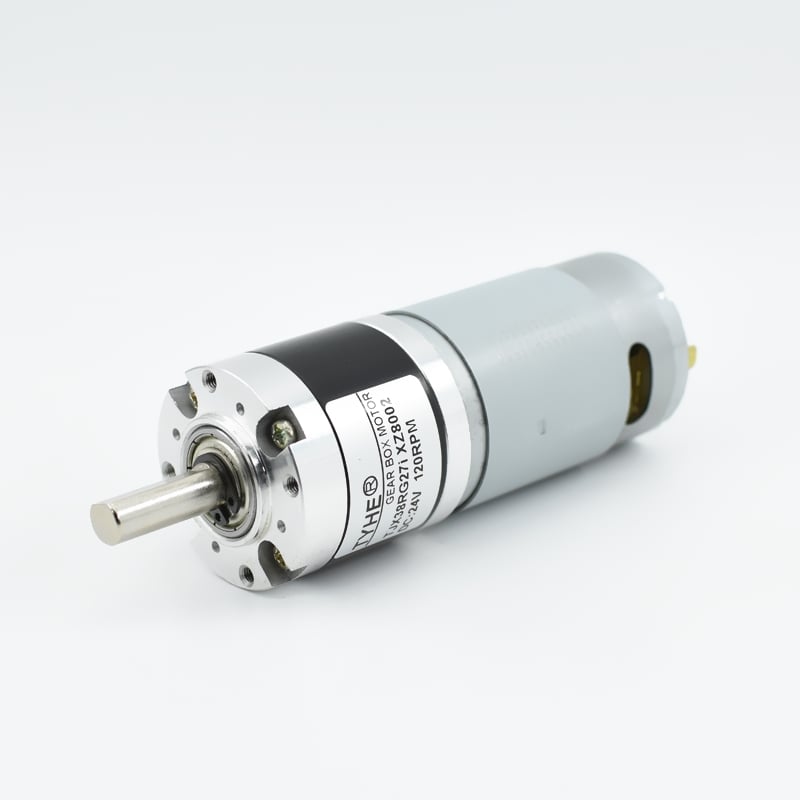
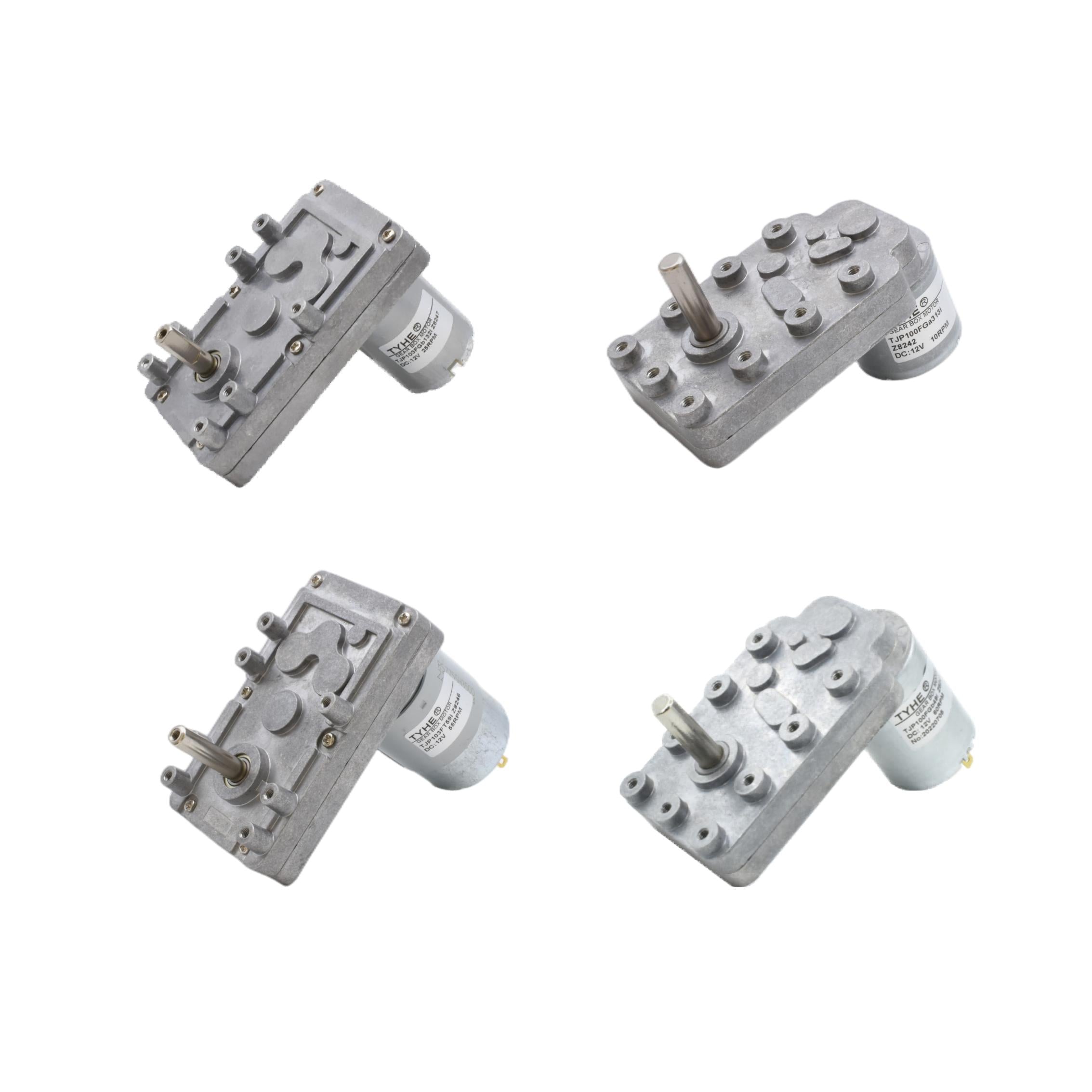
A dc gearmotor with encoder combines a direct current motor, a reduction gearbox, and a feedback sensor in one compact drive unit. The motor creates rotary motion, while the gearbox reduces speed and increases usable torque for controlled movement. The encoder reports shaft position, speed, and direction to a controller. This feedback allows a dc gearmotor with encoder to move more accurately than a standard geared motor operating without position feedback. Buyers can select a dc gearmotor with encoder when equipment needs repeatable travel, dependable starting, or controlled stopping. The motor typically runs from a low-voltage DC supply, making it suitable for battery-powered products, control panels, mobile machines, and embedded systems. Gear ratios can be chosen to match the required speed and load. The encoder may provide pulse signals, hall feedback, or another digital output for monitoring rotation. With suitable control software, a dc gearmotor with encoder can maintain speed, count revolutions, detect stalls, and correct motion errors. Its integrated design simplifies installation because the motor, gearbox, and sensor arrive as a matched assembly. A dc gearmotor with encoder also supports closed-loop control, where the controller compares actual movement with the target and adjusts power as needed. Common construction options include metal gears for demanding loads, sealed housings for dusty areas, and different shaft, mounting, and connector formats. Before purchase, users should compare voltage, rated torque, no-load speed, gear ratio, encoder resolution, shaft size, duty cycle, noise, and available space. Overall, a dc gearmotor with encoder offers practical motion control in a ready-to-integrate package.

 EN