compact dc motors
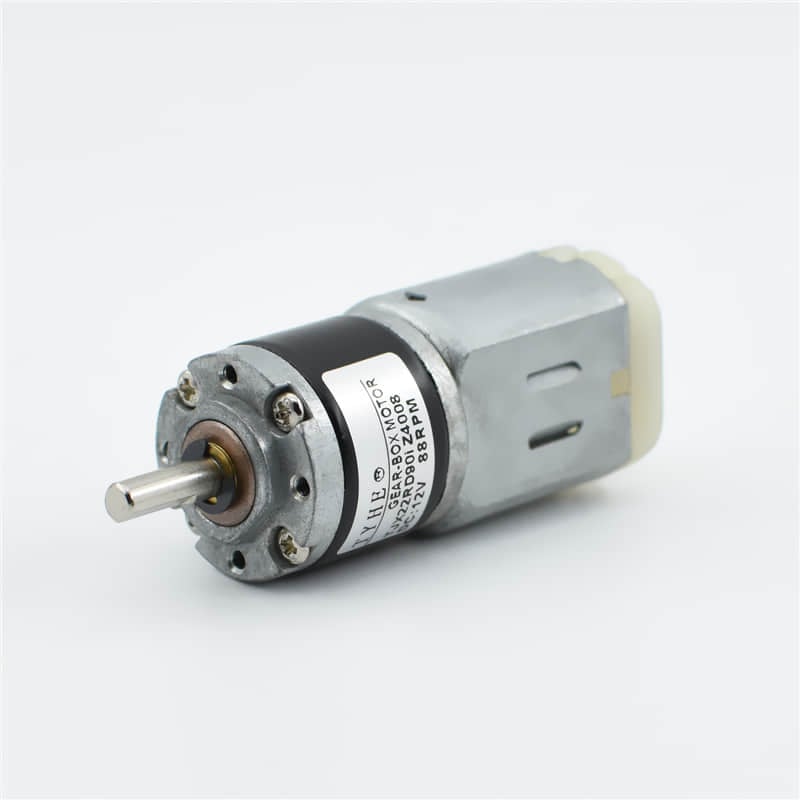
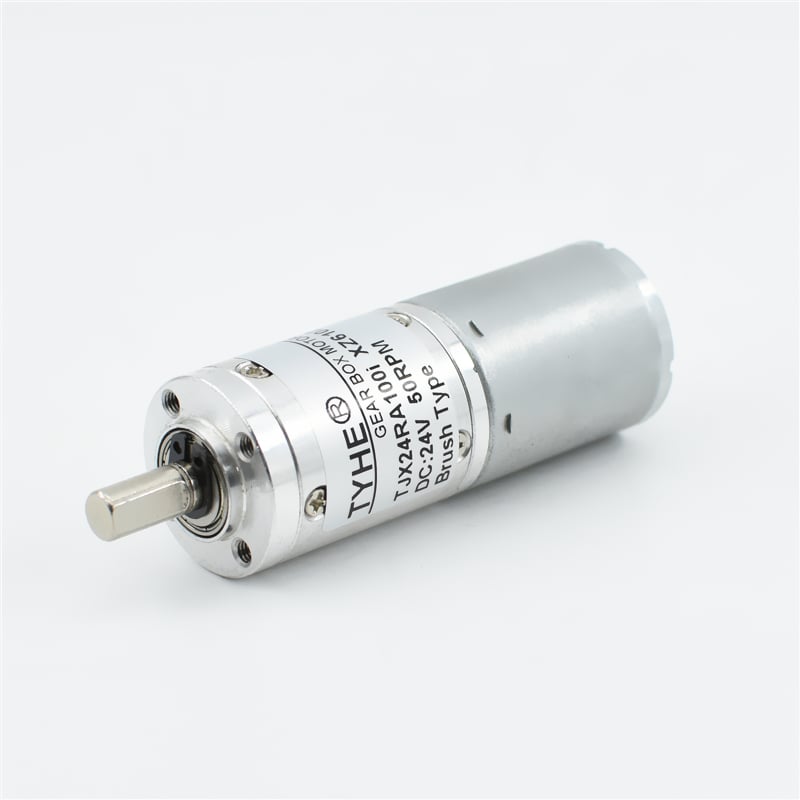
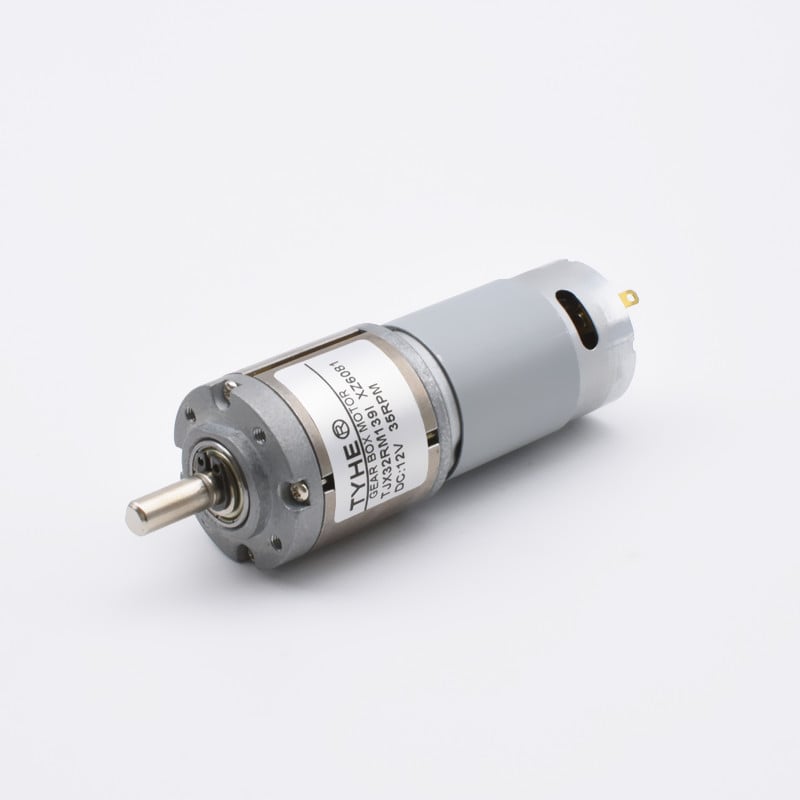
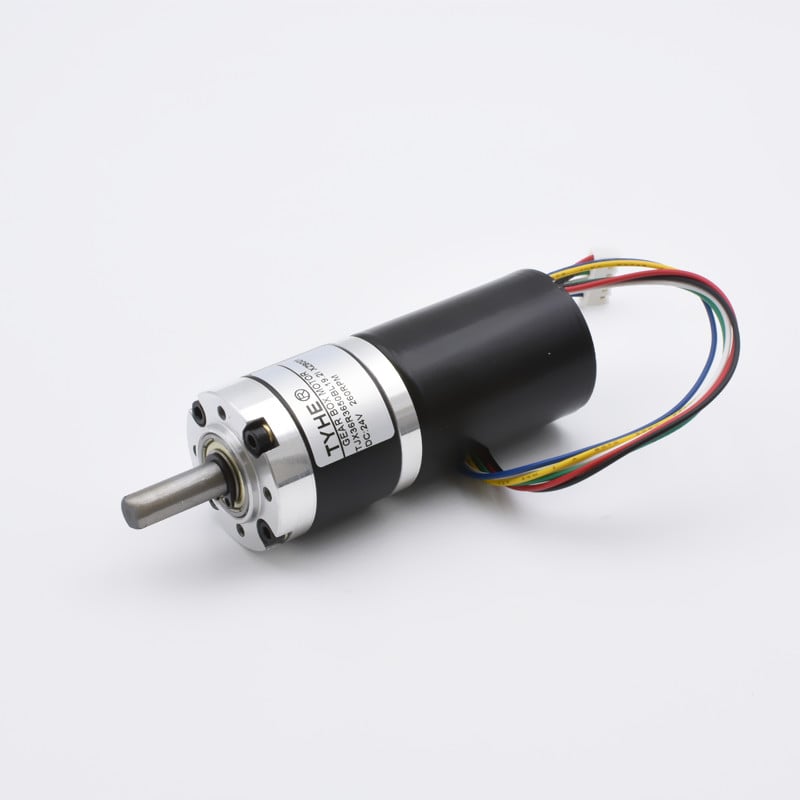
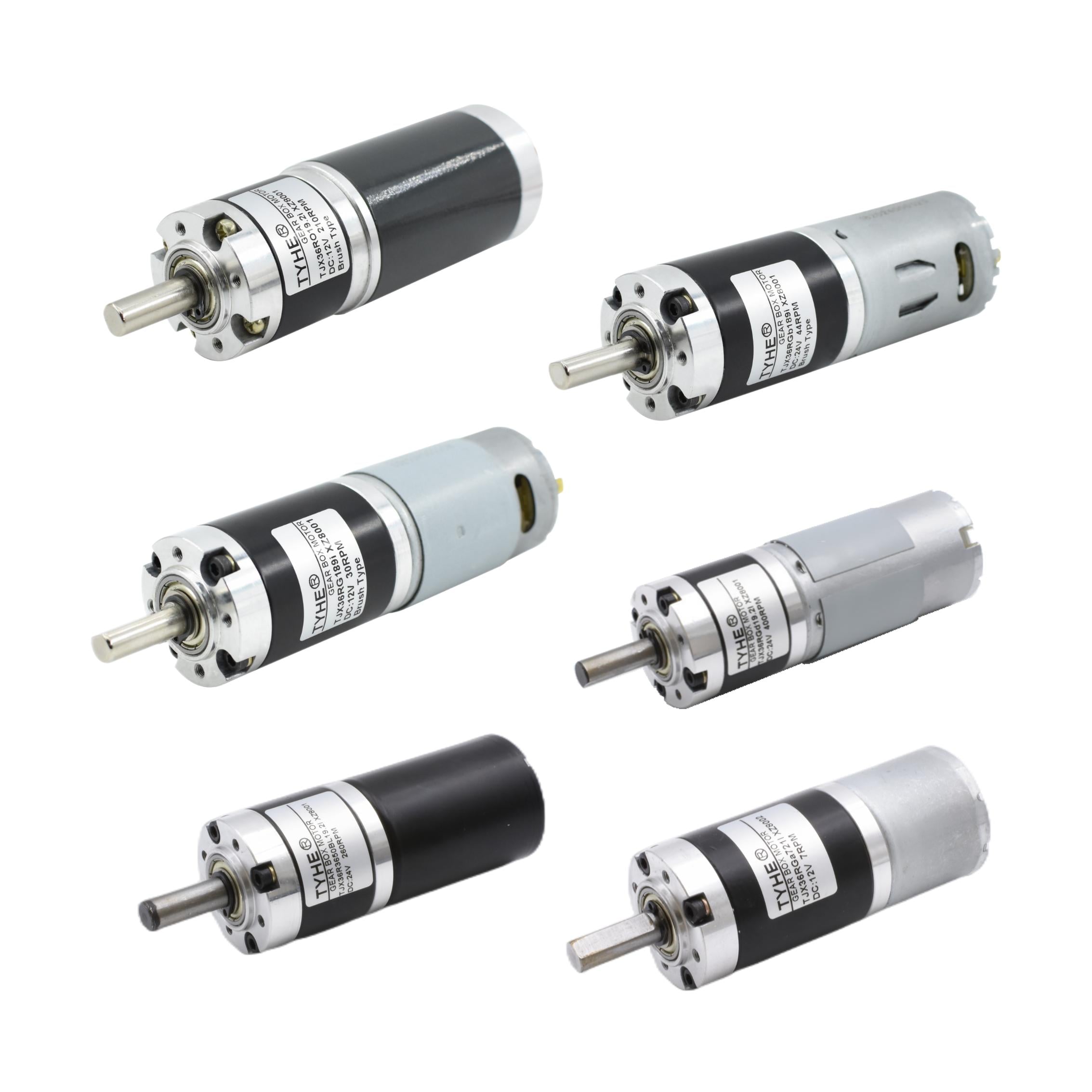
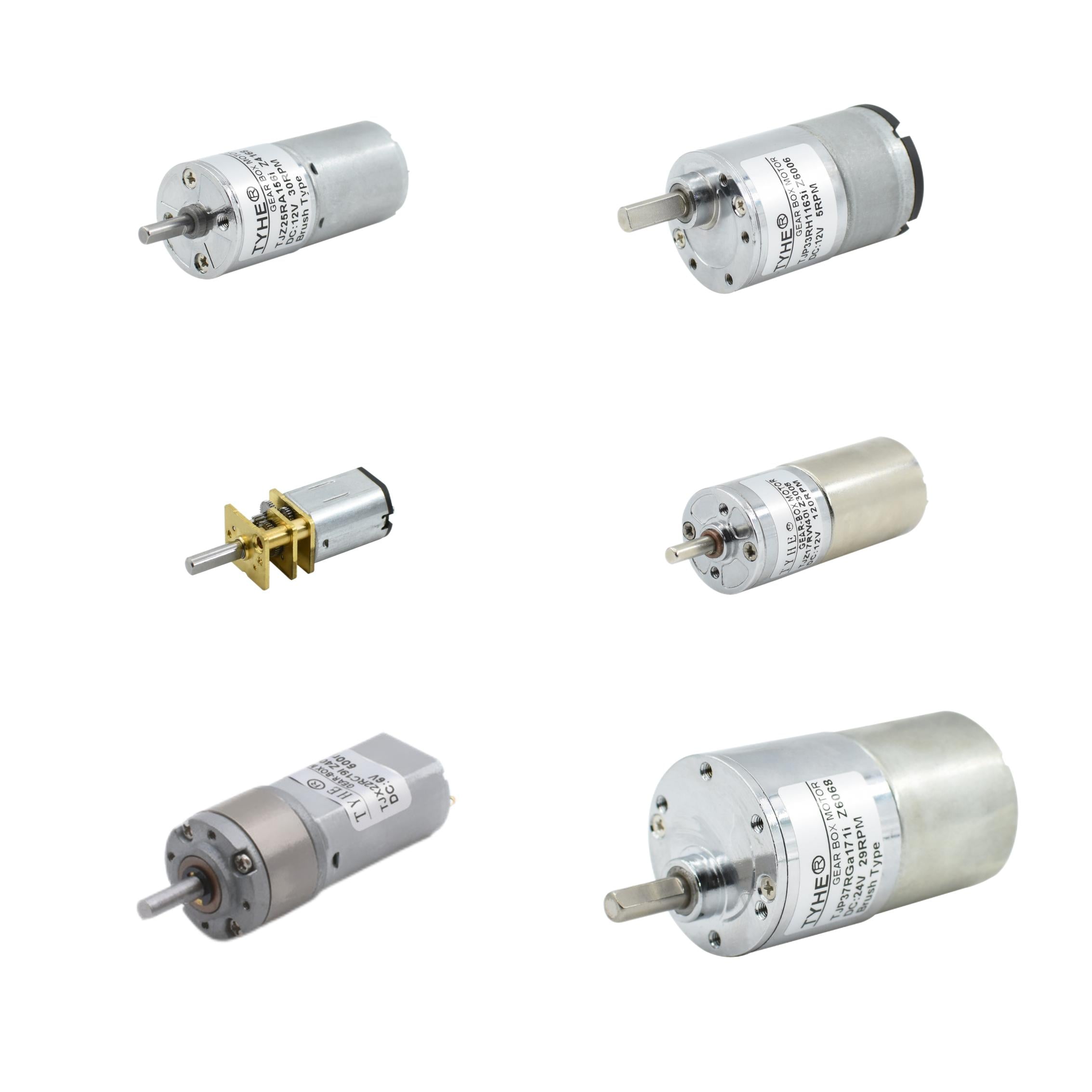
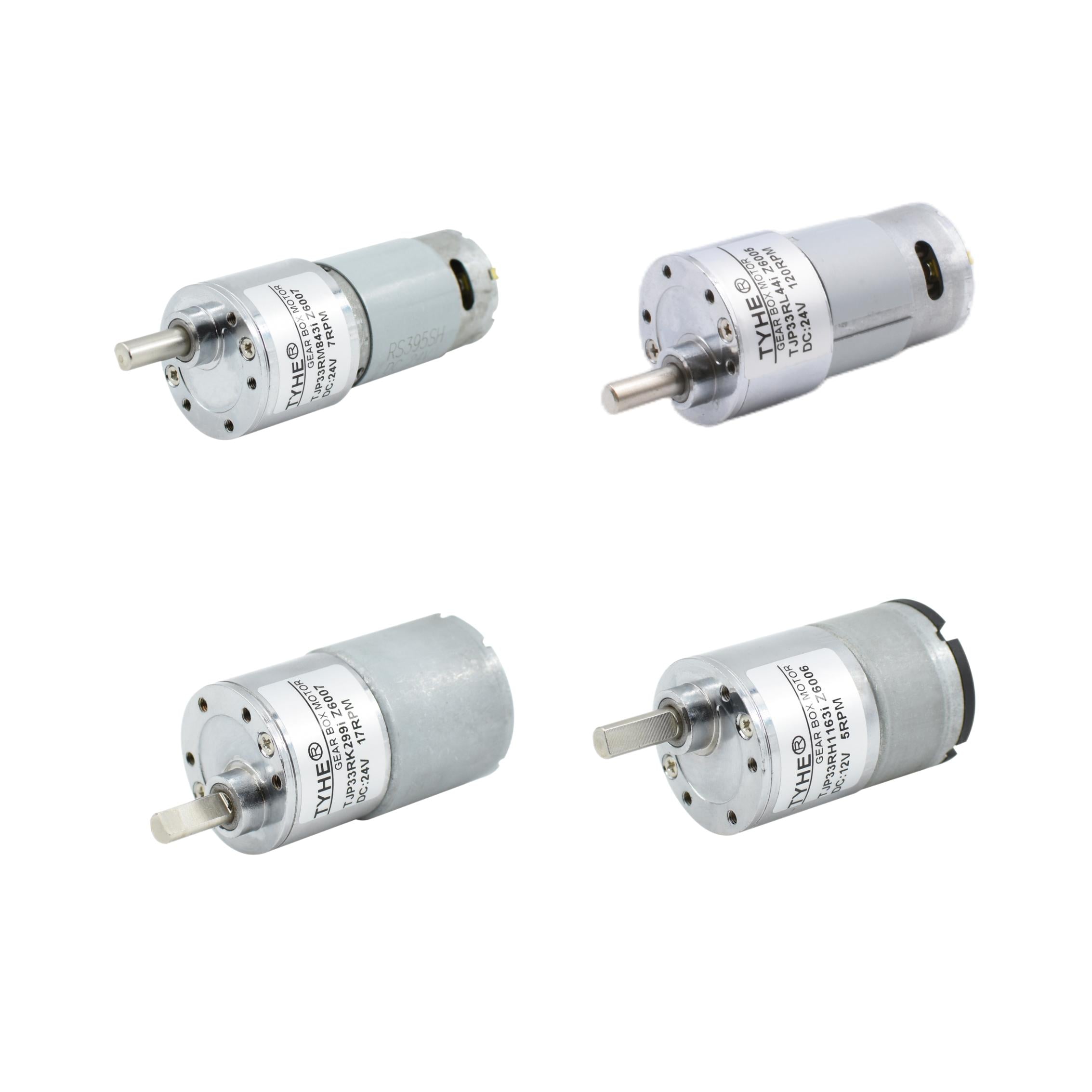
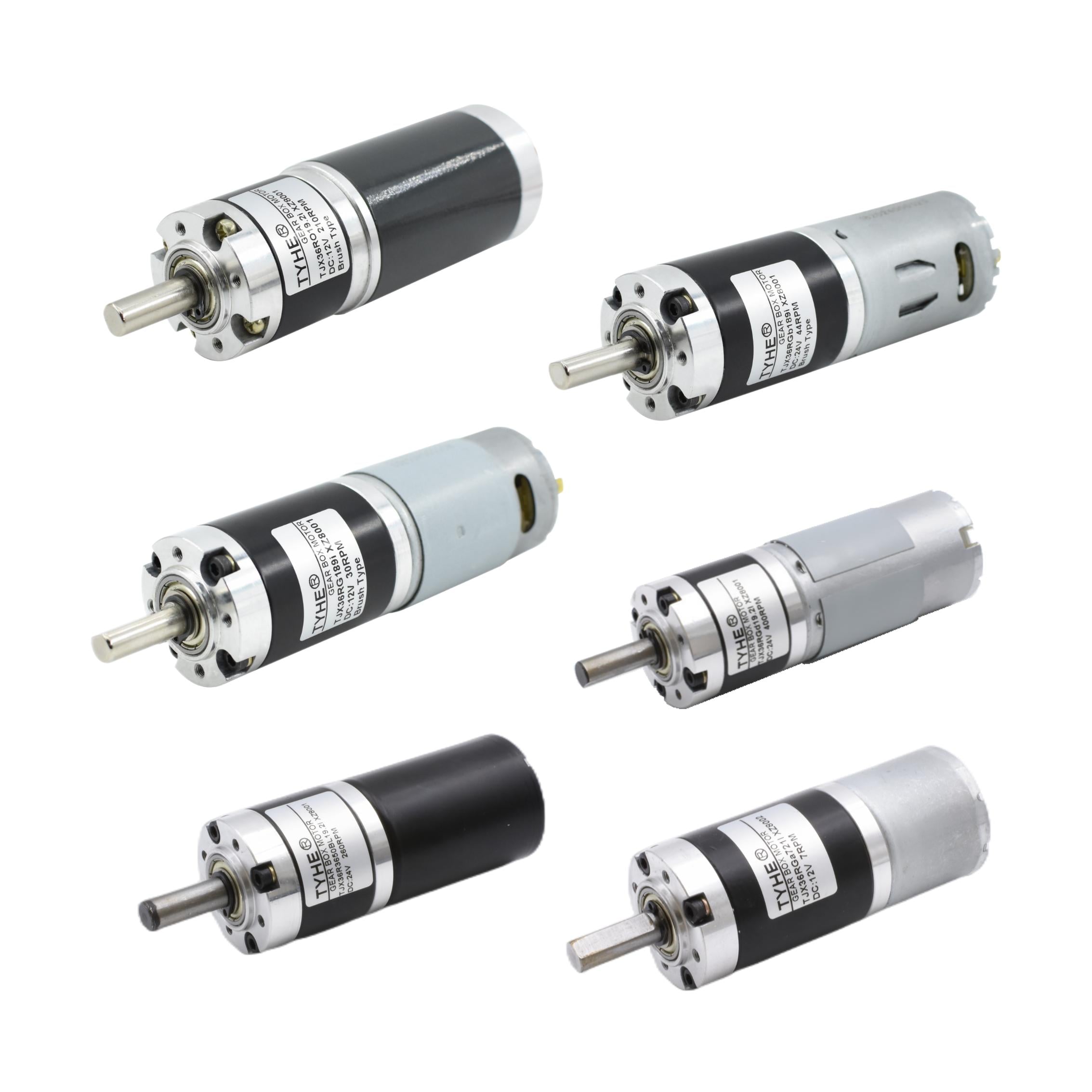
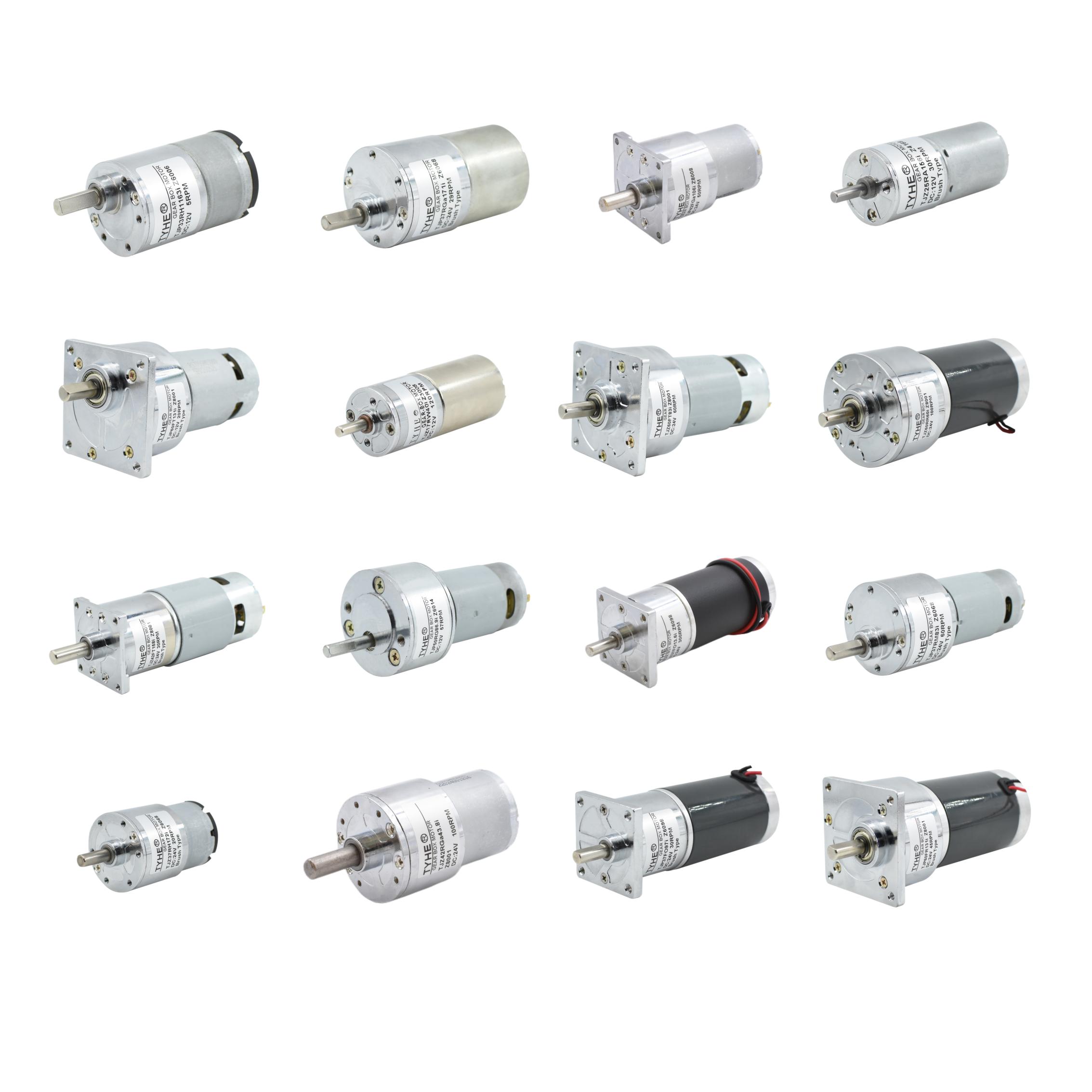
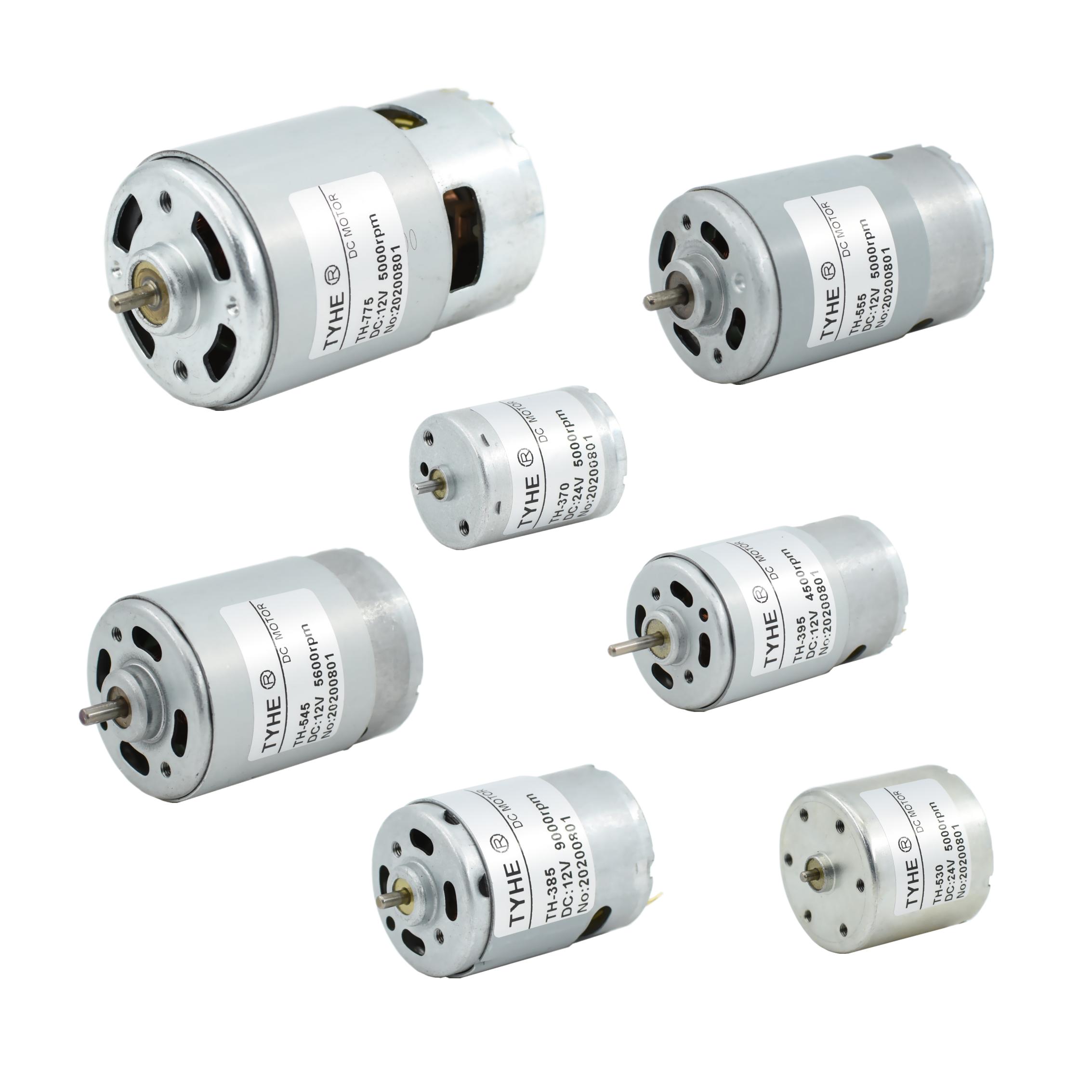
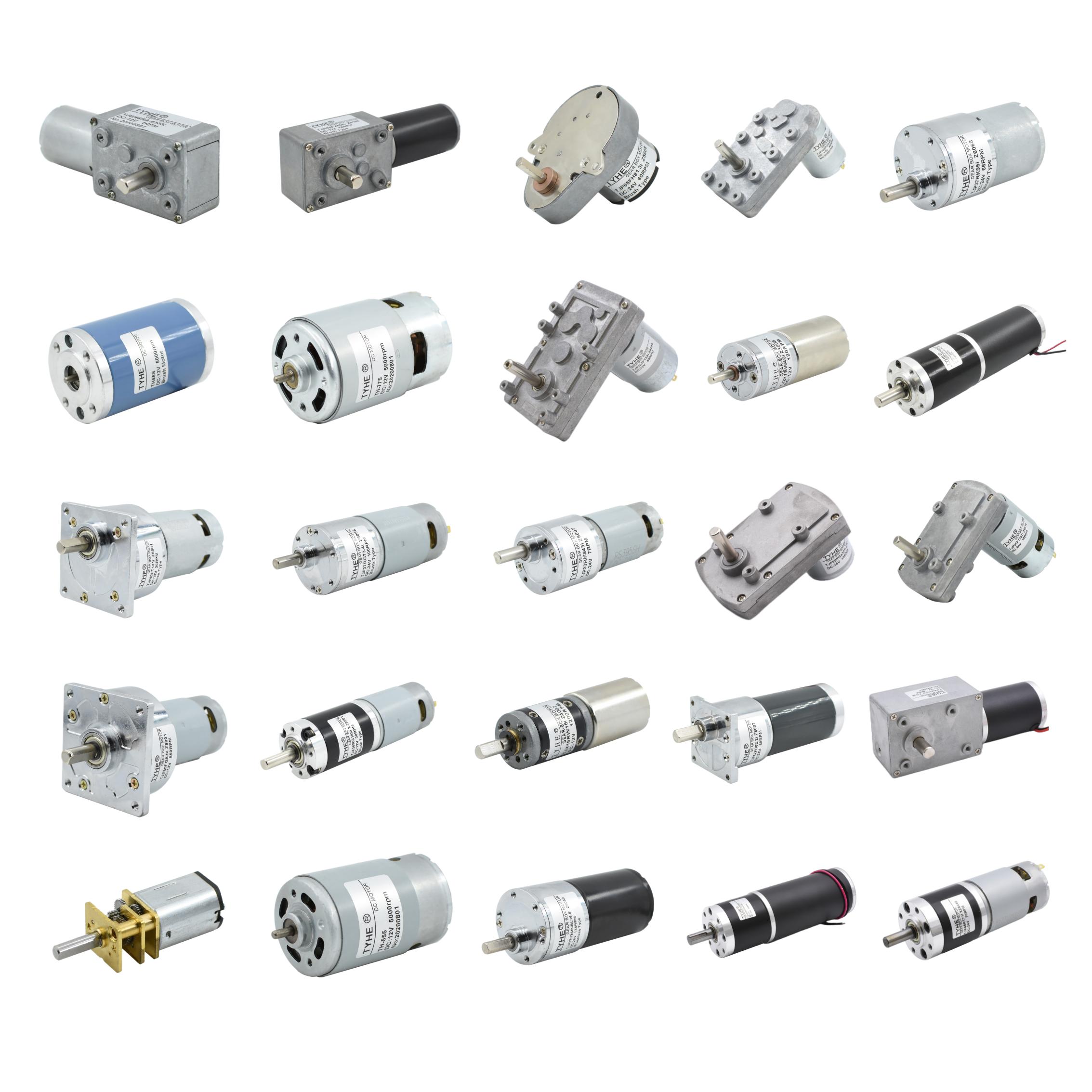
Compact dc motors are small electric motors that convert direct current into controlled rotary motion. They serve equipment that needs dependable movement without the size, weight, or power demand of a larger motor. Compact dc motors typically include a permanent magnet, rotating armature, commutator, brushes, and a protective housing. When voltage reaches the motor, magnetic forces turn the shaft. Changing voltage changes speed, while reversing polarity changes rotation direction. These simple controls make compact dc motors practical for automated products, portable devices, instruments, and light industrial machines. Many compact dc motors support continuous or intermittent operation, depending on their design, load, and cooling conditions. Engineers can select models with different voltage ratings, shaft styles, gear ratios, torque levels, and mounting patterns. Compact dc motors may also include an integrated gearbox when an application needs higher output torque and slower movement. Modern compact dc motors often offer improved brush materials, balanced rotors, sealed bearings, and efficient magnetic circuits. These features reduce vibration, extend service life, and support smoother operation. Some versions include encoders, limit controls, or electronic speed feedback for more accurate positioning. The main functions of compact dc motors include driving wheels, fans, pumps, rollers, valves, locks, and adjustment mechanisms. Their small footprint helps product designers save internal space and simplify assembly. Compact dc motors also suit battery-powered systems because they can deliver useful mechanical output from relatively low-voltage supplies. Before choosing a model, buyers should compare load, speed, torque, duty cycle, noise, operating environment, and available installation space. A correct match improves reliability and prevents early wear.

 EN