High Torque Low RPM DC Motor Guide

All Categories

high torque low rpm dc motor

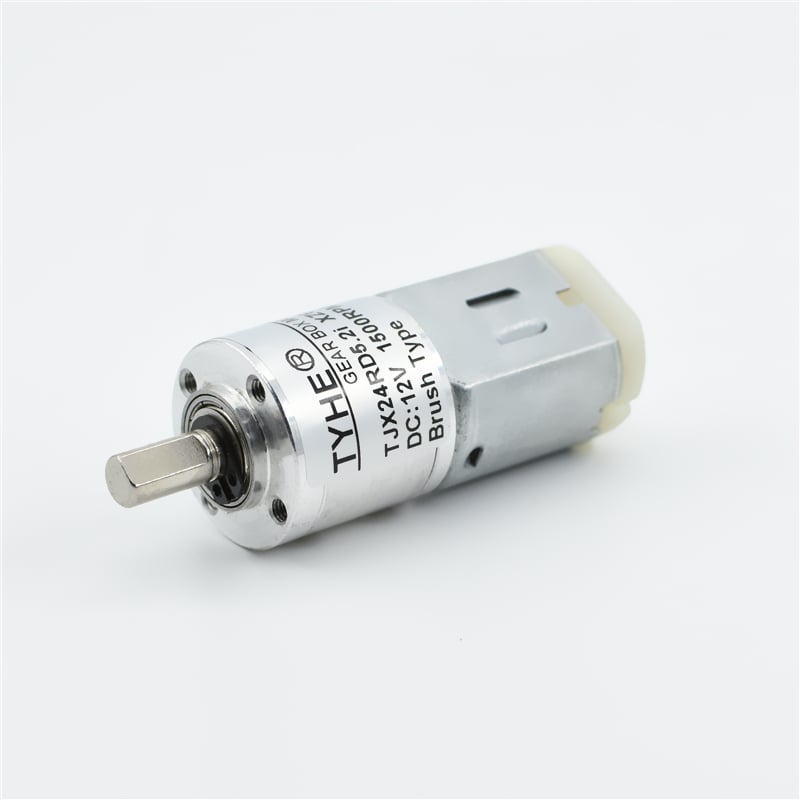
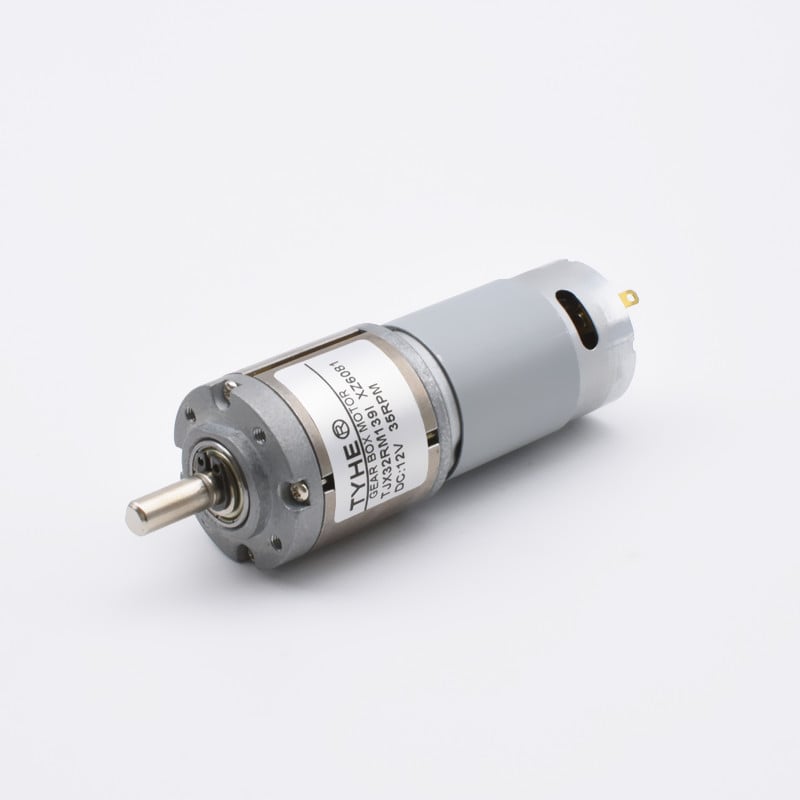
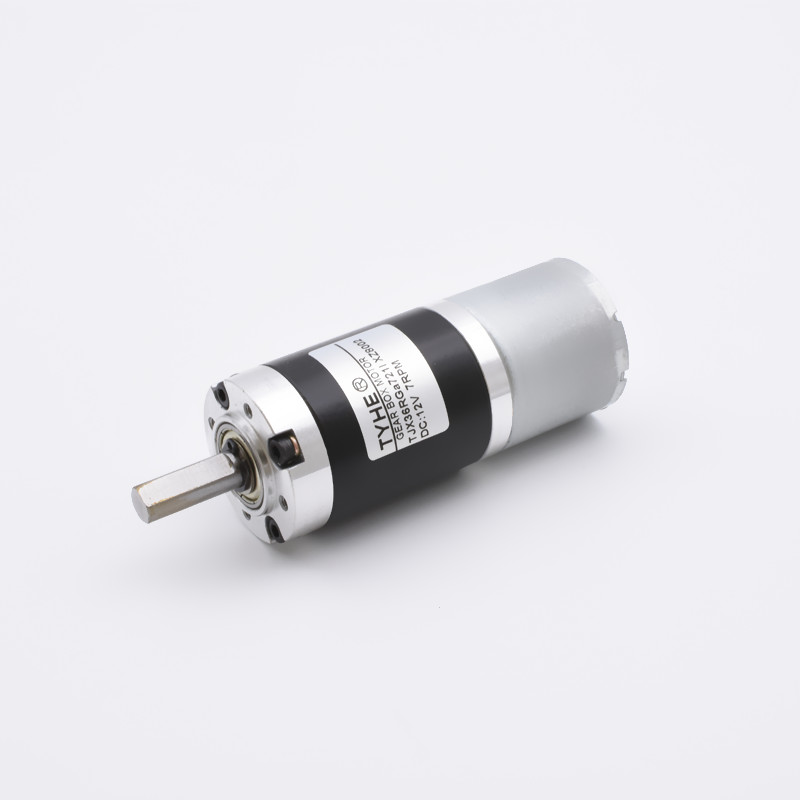
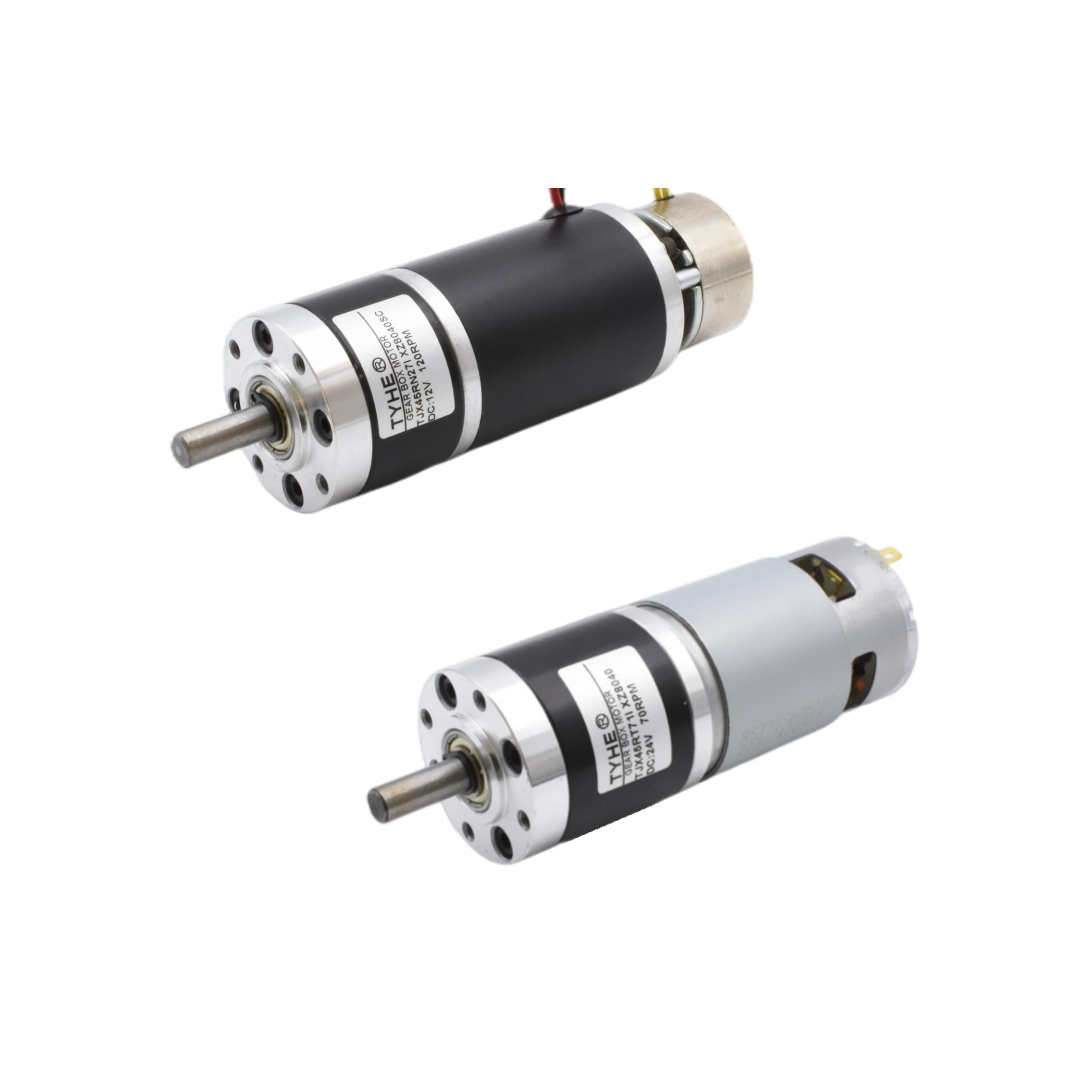
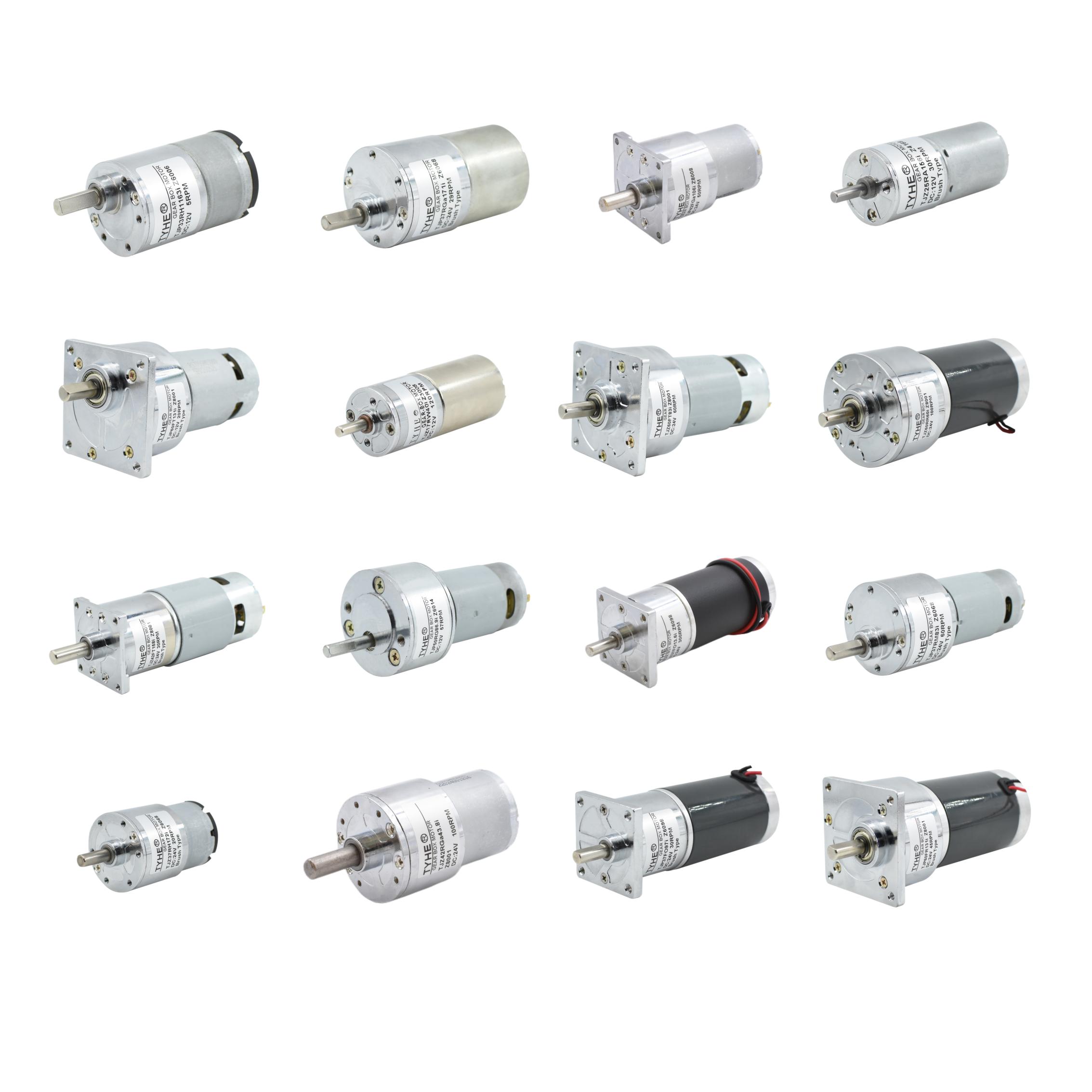
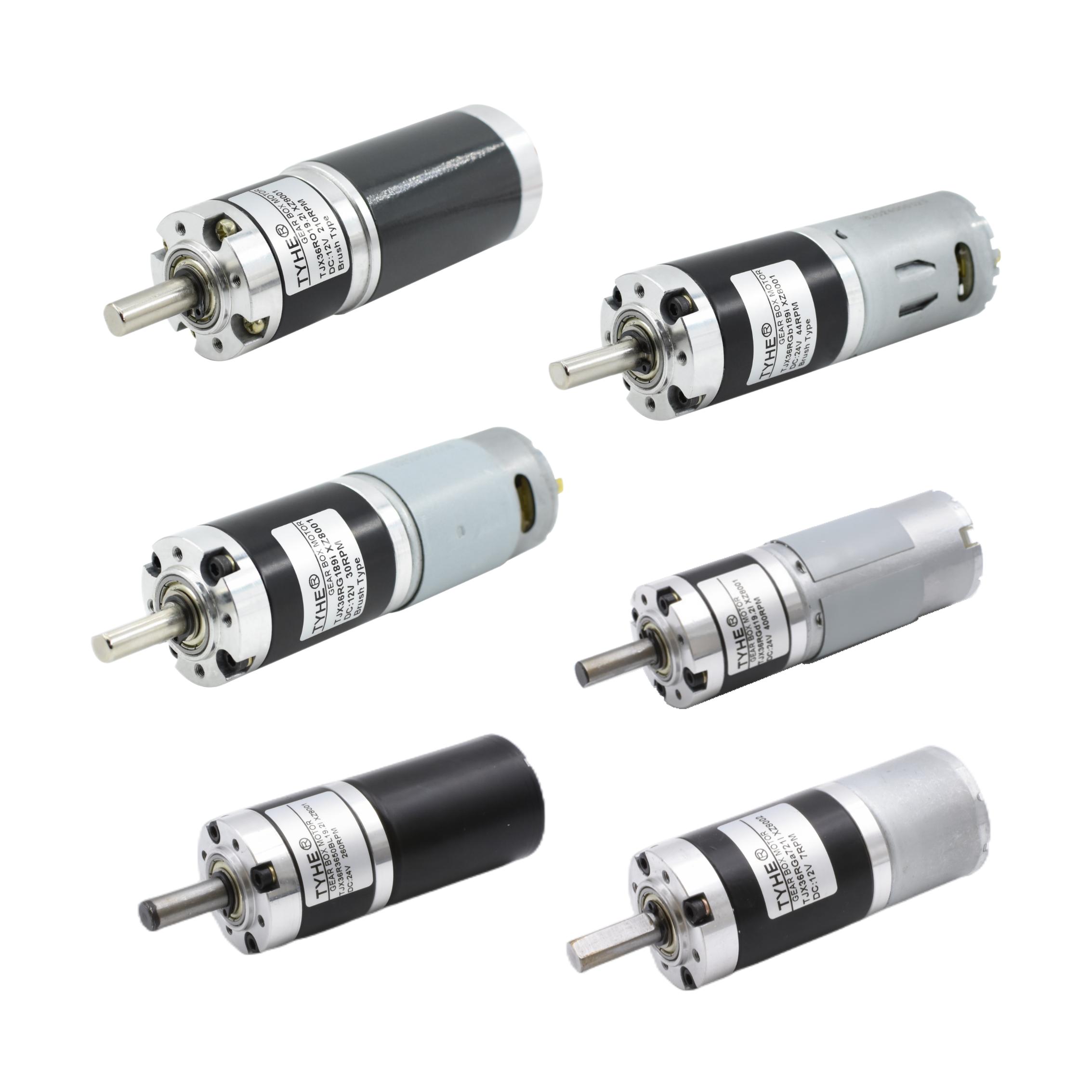
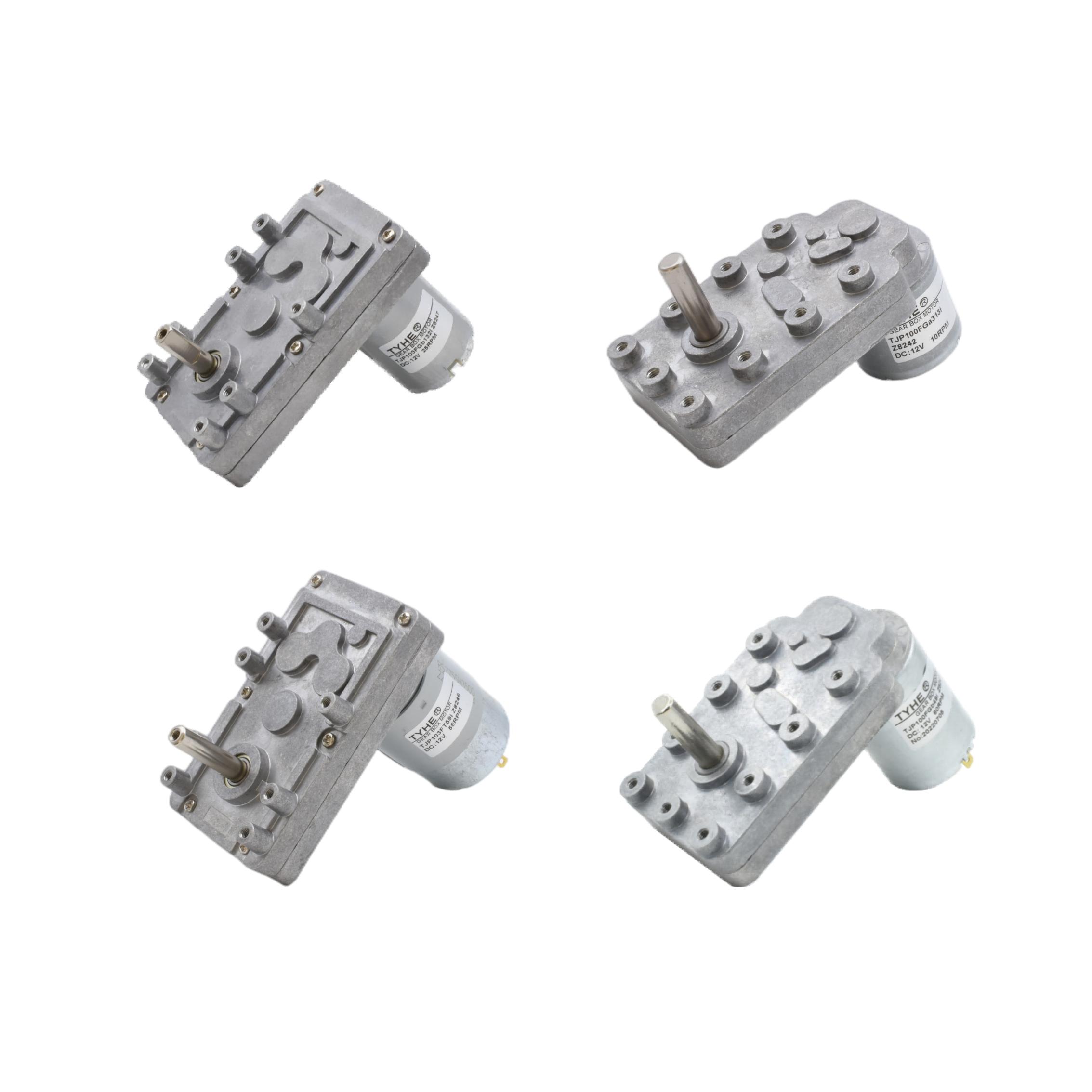
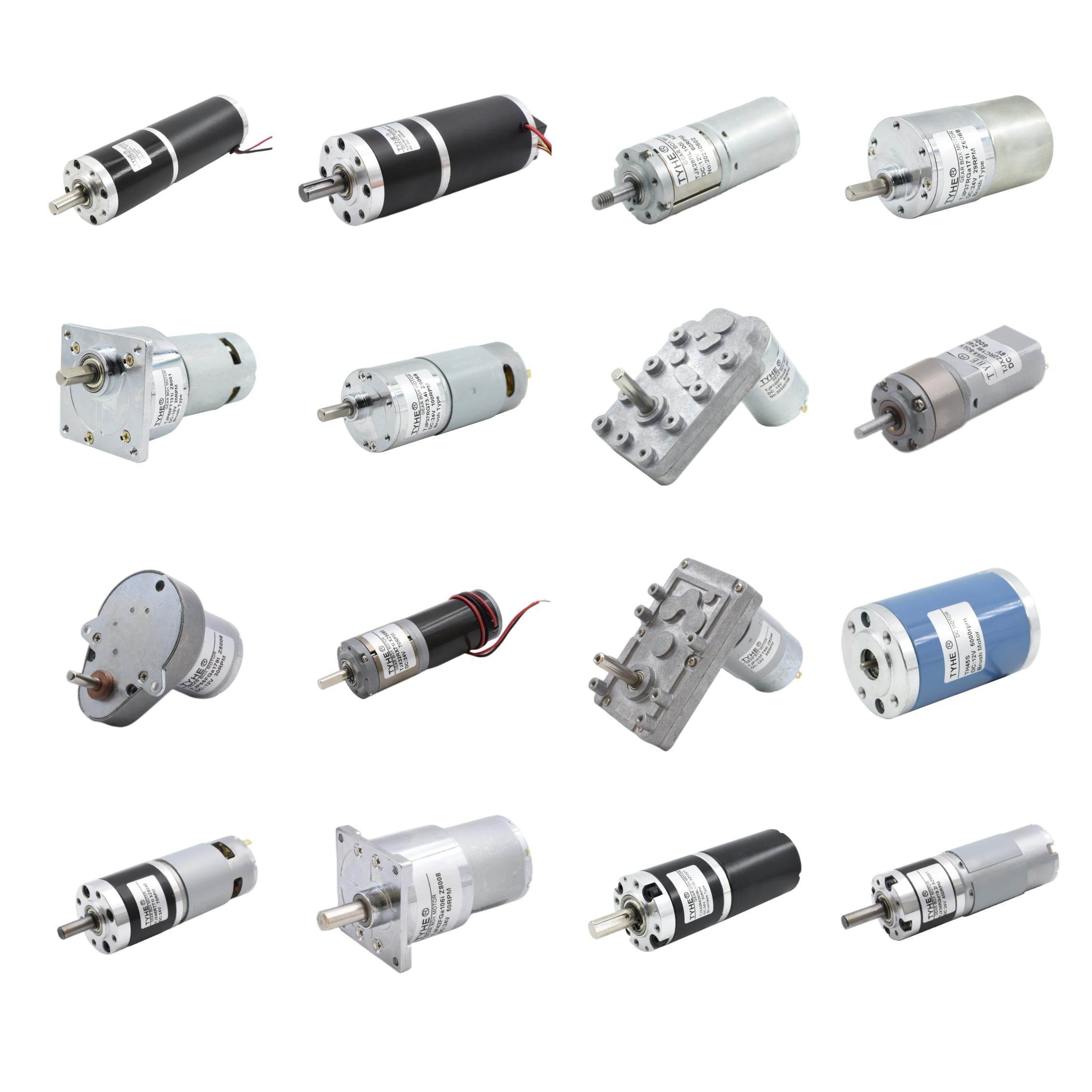
A high torque low rpm dc motor is designed to deliver strong turning force while operating at a controlled, relatively slow speed. This combination makes the high torque low rpm dc motor suitable for equipment that must move heavy loads, start under pressure, or maintain steady motion without sudden acceleration. Unlike a standard fast motor that may need extra gearing, the high torque low rpm dc motor can provide useful output directly through a compact drive system. The high torque low rpm dc motor converts direct current into mechanical rotation through a magnetic field created by permanent magnets or wound coils. An electronic controller can adjust speed, direction, acceleration, and stopping behavior. Many models include brushes for simple, economical operation, while brushless designs offer longer service life and lower maintenance. The high torque low rpm dc motor may also support feedback sensors, such as encoders or Hall sensors, for accurate position and speed control. A high torque low rpm dc motor can be supplied in different voltage, shaft, mounting, and enclosure options to suit specific equipment. Gearboxes, brakes, and thermal protection can further expand its operating range. The high torque low rpm dc motor is commonly selected for conveyors, lifting equipment, valves, gates, robotics, medical devices, automated tools, and battery-powered systems. When selecting a high torque low rpm dc motor, buyers should compare rated torque, starting torque, operating speed, voltage, current, duty cycle, shaft load, noise, and available control methods. Proper sizing helps the high torque low rpm dc motor work efficiently, avoid overheating, and deliver dependable movement over its expected service life.

New Product Releases

The main advantage of a high torque low rpm dc motor is its ability to move a load with less dependence on complex transmission parts. A high torque low rpm dc motor can start heavy mechanisms smoothly, reducing the risk of stalls and harsh impacts. This makes the high torque low rpm dc motor a practical choice for lifting, positioning, feeding, and rotating tasks where controlled force matters more than speed. The high torque low rpm dc motor also gives designers better control over movement. With a suitable driver, users can set gradual starts, slow stops, forward rotation, reverse rotation, and precise speed levels. This helps protect connected machinery and improves product handling. A high torque low rpm dc motor can reduce the need for a large external gearbox, which may save space, weight, assembly time, and maintenance effort. Its direct-current supply also fits batteries, solar systems, portable equipment, and low-voltage control panels. For buyers, the high torque low rpm dc motor offers flexible integration because manufacturers can provide different mounting patterns, shaft sizes, voltage ratings, and feedback options. Brushless versions can provide quiet operation and longer working life, while brushed versions often offer a lower initial purchase cost and simple control. The high torque low rpm dc motor suits intermittent and continuous duties when its thermal rating matches the application. Buyers should still check stall limits, heat removal, current demand, and peak load requirements before ordering. Choosing the high torque low rpm dc motor with adequate reserve torque can improve reliability and prevent costly replacement. The high torque low rpm dc motor is especially valuable where safe, repeatable motion and dependable load handling influence productivity. In short, this design gives customers practical force, manageable speed, easy control, and broad installation flexibility without adding unnecessary system complexity.

Tips And Tricks

The Future of Miniaturized DC Planetary Gear Motor Tech

21

Aug

The Future of Miniaturized DC Planetary Gear Motor Tech

The industrial landscape is undergoing a profound transformation driven by advances in miniaturized dc planetary gear motor technology. As manufacturers and engineers face mounting pressure to reduce equipment footprint while maintaining performance,...
View More
Small DC Motor Efficiency: Brushed vs Brushless Models

21

Aug

Small DC Motor Efficiency: Brushed vs Brushless Models

When selecting a small dc motor for your application, efficiency represents one of the most critical performance metrics to evaluate. A small dc motor powers everything from industrial automation equipment to consumer electronics, yet not all models ...
View More
The Impact of Backlash in Planetary Gear Motor Performance

21

Aug

The Impact of Backlash in Planetary Gear Motor Performance

Backlash represents one of the most critical performance variables in modern mechanical drive systems, and its impact on a planetary gear motor cannot be overstated. When backlash—the small gap between meshing gear teeth—exceeds design tolerances, a ...
View More
Micro DC Motor vs. Piezo Motors: A Comparison Guide

30

Oct

Micro DC Motor vs. Piezo Motors: A Comparison Guide

A micro dc motor and a piezo motor can both create controlled motion in compact equipment, but they work in fundamentally different ways. Comparing a micro dc motor with a piezo actuator means looking beyond size: one produces rotation, while the oth...
View More

Get a Free Quote

Our representative will contact you soon.
Email
Mobile/WhatsApp
Name
Company Name
Message
0/1000

high torque low rpm dc motor

Strong Starting Force for Heavy Loads

Strong Starting Force for Heavy Loads

A key selling point of the high torque low rpm dc motor is its ability to produce strong force from startup. The high torque low rpm dc motor can turn shafts, rollers, wheels, and lifting screws even when the connected load resists movement. This starting ability helps the high torque low rpm dc motor handle conveyors filled with material, powered gates, adjustable beds, and compact lifting platforms. It also reduces the need to oversize the entire drive system simply to overcome initial resistance. For equipment builders, the high torque low rpm dc motor provides a practical balance between compact size and useful output. For end users, strong starting force means fewer stalled cycles, smoother operation, and less manual assistance. Correct sizing remains important because a motor that repeatedly operates near its limit may build excess heat. With suitable current control and cooling, the high torque low rpm dc motor can deliver stable force across repeated operating cycles. This feature supports dependable automation while helping protect gears, couplings, and driven components from sudden shock.
Controlled Motion and Easy Speed Adjustment

Controlled Motion and Easy Speed Adjustment

The high torque low rpm dc motor gives users direct control over movement speed and direction. Because the high torque low rpm dc motor responds quickly to changes in voltage or controller commands, equipment can move slowly, stop smoothly, or reverse when required. This makes the high torque low rpm dc motor useful for positioning arms, valve actuators, feeders, camera mounts, and inspection mechanisms. A simple controller may suit basic forward and reverse operation, while a closed-loop controller can use an encoder to maintain speed or position under changing loads. The high torque low rpm dc motor therefore supports both economical machines and more advanced automated systems. Controlled movement can reduce product damage, operator risk, and mechanical shock. It can also improve repeatability when a machine must place, align, open, close, or dispense items consistently. Customers should match the motor with a driver that supports the required current and control signals. When properly configured, the high torque low rpm dc motor provides steady response, predictable movement, and useful flexibility across changing production conditions.
Flexible, Reliable Integration

Flexible, Reliable Integration

Another important benefit is the high torque low rpm dc motor's broad integration range. The high torque low rpm dc motor can operate from batteries, adapters, industrial power supplies, or embedded control systems, depending on its voltage rating. The high torque low rpm dc motor is available with different shafts, mounting styles, body sizes, connectors, and protection levels, allowing equipment designers to select a practical fit rather than redesign a complete assembly. Brushless options reduce brush wear and can support quieter, longer operation, while brushed models remain attractive for cost-sensitive products and simple controls. Feedback components can add accurate position information, and thermal protection can help guard against overload conditions. This flexibility makes the high torque low rpm dc motor suitable for mobile equipment, factory automation, healthcare products, agricultural machines, and consumer devices. Buyers can also choose from continuous-duty or intermittent-duty designs according to actual workload. Reviewing torque curves, current limits, environmental conditions, and service access before purchase helps prevent integration problems. The result is a dependable drive that supports easier installation, sensible maintenance, and longer equipment life.
High Torque Low RPM DC Motor Guide

Get a Free Quote

Our representative will contact you soon.
Email
Mobile/WhatsApp
Name
Company Name
Message
0/1000
High Torque Low RPM DC Motor Guide