 EN
EN
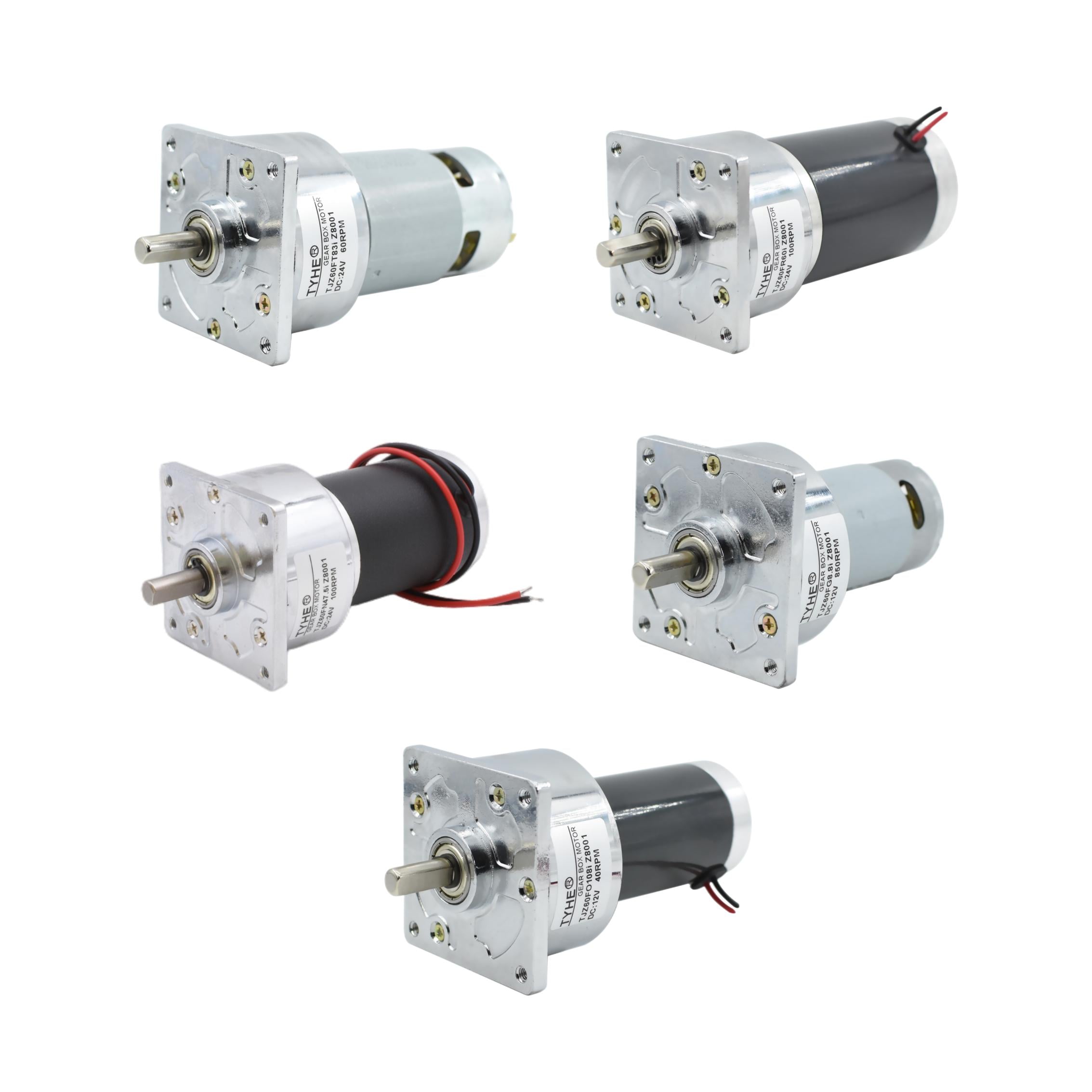
The brush dc motor is one of the most widely used motor types found inside everyday consumer products. Its relatively simple construction, low cost, and reliable torque output make it an appealing choice for product designers who need a motor that performs consistently without requiring complex control electronics. From personal care tools to home appliances, the brush dc motor continues to show up in products that millions of people use daily.
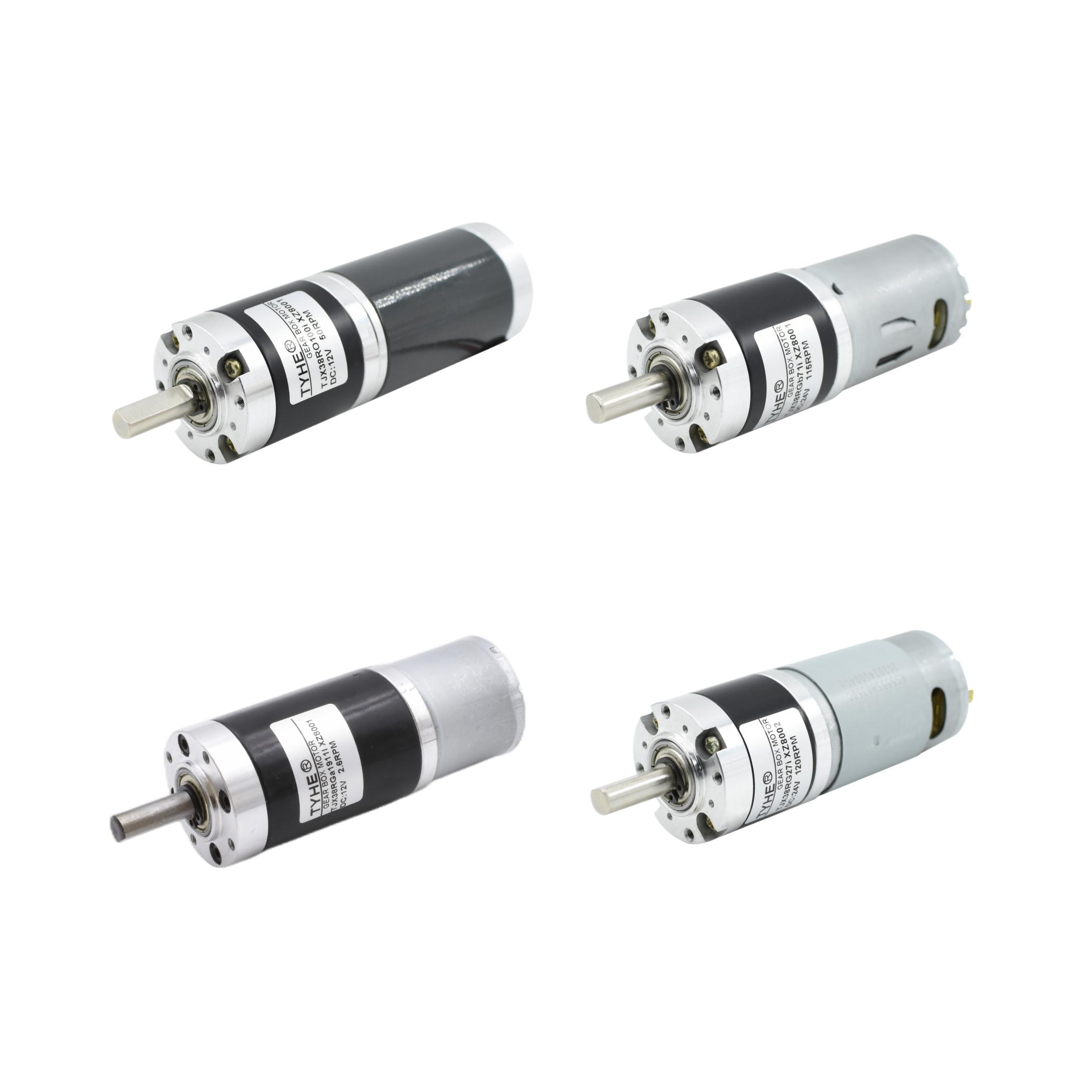
Understanding which consumer products rely on a brush dc motor helps buyers, engineers, and procurement specialists make smarter sourcing decisions. This article walks through the most common product categories where a brush dc motor is the preferred drive solution, explaining why each application benefits from this motor technology and what design characteristics make it such a dependable fit.
Personal Care and Grooming Devices
Electric Shavers and Beard Trimmers
The electric shaver is one of the clearest examples of a product that depends on a brush dc motor for its core function. A brush dc motor delivers the rapid rotational speed needed to drive cutting heads efficiently while running on a compact battery pack. The motor's ability to operate effectively at low voltage makes it ideal for handheld grooming devices where portability and power efficiency are both priorities. Many beard trimmers and body groomers on the market today still use a brush dc motor precisely because of its cost-to-performance ratio.
Hair Dryers and Styling Tools
Hair dryers have traditionally incorporated a brush dc motor to spin the internal fan that forces air through the heating element. Because a brush dc motor can spin at high RPM on a direct connection to mains or battery power, it suits airflow-dependent appliances well. Compact hair styling tools such as travel dryers and mini straighteners with built-in fans also rely on a brush dc motor to keep heat distribution consistent. The motor's low startup torque requirement in fan applications makes integration straightforward for product engineers.
Household Appliances and Cleaning Tools
Handheld Vacuum Cleaners
Cordless handheld vacuum cleaners are a major consumer segment where the brush dc motor plays a central role. A brush dc motor provides strong suction-driving rotational force directly from a lithium-ion battery pack without requiring an inverter or complex driver circuit. This simplicity translates into lower production costs and easier assembly, which is why handheld vac designs aimed at the budget and mid-range market continue to use a brush dc motor as their primary drive unit. The motor's compatibility with pulse-width modulation speed control also allows manufacturers to offer variable suction modes.
Electric Toothbrushes and Oral Care Devices
The electric toothbrush is arguably the most common personal health product built around a brush dc motor. In oscillating-head designs, a brush dc motor converts rotational motion into the back-and-forth movement that cleans teeth. Because the motor operates at a consistent speed within a sealed housing, it resists moisture ingress during normal use. Entry-level and mid-range electric toothbrushes favor a brush dc motor over ultrasonic alternatives due to significantly lower component costs. Oral irrigators and tongue cleaners in the same product category also frequently integrate a brush dc motor for water-pump actuation.
Toys, Hobby Products, and Portable Electronics
Remote-Controlled Cars and Hobby Vehicles
Remote-controlled cars represent one of the largest volume applications for a brush dc motor in the consumer toy segment. A brush dc motor offers the instant torque response and variable speed range that RC vehicle users expect during acceleration and directional changes. Because RC products are designed around rechargeable battery packs, a brush dc motor fits naturally into the power delivery architecture. Entry-level RC cars, trucks, and boats almost universally use a brush dc motor due to its low unit cost and easy replaceability, making it a long-standing favorite among hobbyists and toy manufacturers alike.
Portable Fans, Cameras, and Small Appliances
Portable desk fans designed for USB or battery operation almost always contain a brush dc motor to drive the blade assembly. The motor's linear speed-to-voltage relationship allows fan speed to be adjusted simply by varying input voltage, eliminating the need for dedicated speed controller chips. In older camcorder and camera designs, a brush dc motor was used to drive the tape transport mechanism and auto-focus gear trains. Small kitchen appliances such as handheld milk frothers, mini blenders, and battery-powered spice grinders continue to use a brush dc motor because it handles intermittent high-load cycles reliably at low cost. Even some personal massagers and vibration therapy devices use a brush dc motor with an eccentric weight to generate the vibration output users expect.
Across all these product categories, the brush dc motor earns its place through a combination of cost efficiency, design simplicity, and broad compatibility with low-voltage battery systems. Product teams selecting a brush dc motor benefit from a well-established global supply chain, a wide range of standard frame sizes, and decades of application data that reduce engineering risk. While brushless alternatives continue to gain ground in premium tiers, the brush dc motor remains the dominant choice for value-focused consumer product lines where total cost of ownership and ease of integration take priority over maximum lifespan.
FAQ
Why do so many consumer products still use a brush dc motor instead of a brushless motor?
A brush dc motor requires no external controller to operate, which reduces both component cost and circuit complexity. For consumer products sold at competitive price points, the savings from using a brush dc motor over a brushless design can be significant at scale. Brushless motors offer longer service life and higher efficiency, but a brush dc motor remains the preferred option when the expected product duty cycle is moderate and cost reduction is a design priority.
How long does a brush dc motor typically last in a consumer device?
The service life of a brush dc motor in a consumer product depends heavily on the duty cycle, operating speed, and load conditions. In light-duty applications such as electric toothbrushes or handheld fans, a brush dc motor can last several thousand hours of cumulative use. In higher-stress applications like RC vehicles or handheld vacuums, brush wear occurs faster, but the brush dc motor is typically designed to outlast the expected product lifecycle at normal usage rates.
Can a brush dc motor be used in products that operate near water or moisture?
A standard brush dc motor is not inherently waterproof, but many consumer product designs enclose the brush dc motor in a sealed housing to protect it from splashes and humidity. Electric toothbrushes are a practical example where a brush dc motor operates reliably in a wet environment due to the sealed motor chamber. For applications requiring full submersion or heavy moisture exposure, the brush dc motor housing must be specifically engineered with gaskets and sealed bearing systems to maintain performance and safety.
