
 EN
EN
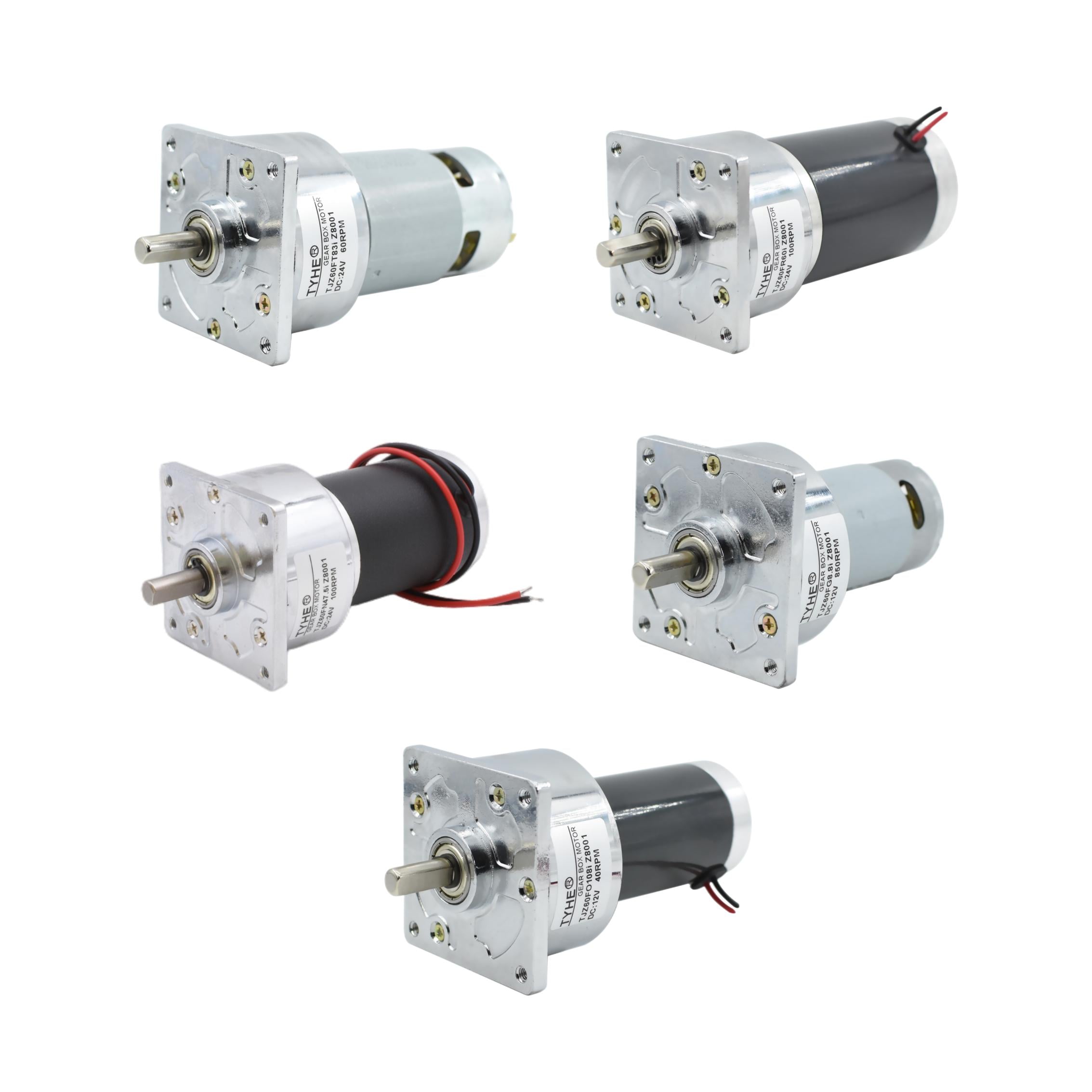
The brush dc motor remains one of the most widely used drive solutions in industrial and commercial equipment. Despite the growing adoption of brushless alternatives, the brush dc motor continues to offer simplicity, cost-effectiveness, and reliable torque output that many applications still depend on. To truly understand how a brush dc motor performs and ages over time, it is essential to understand commutation — the internal process that makes the motor turn in the first place.
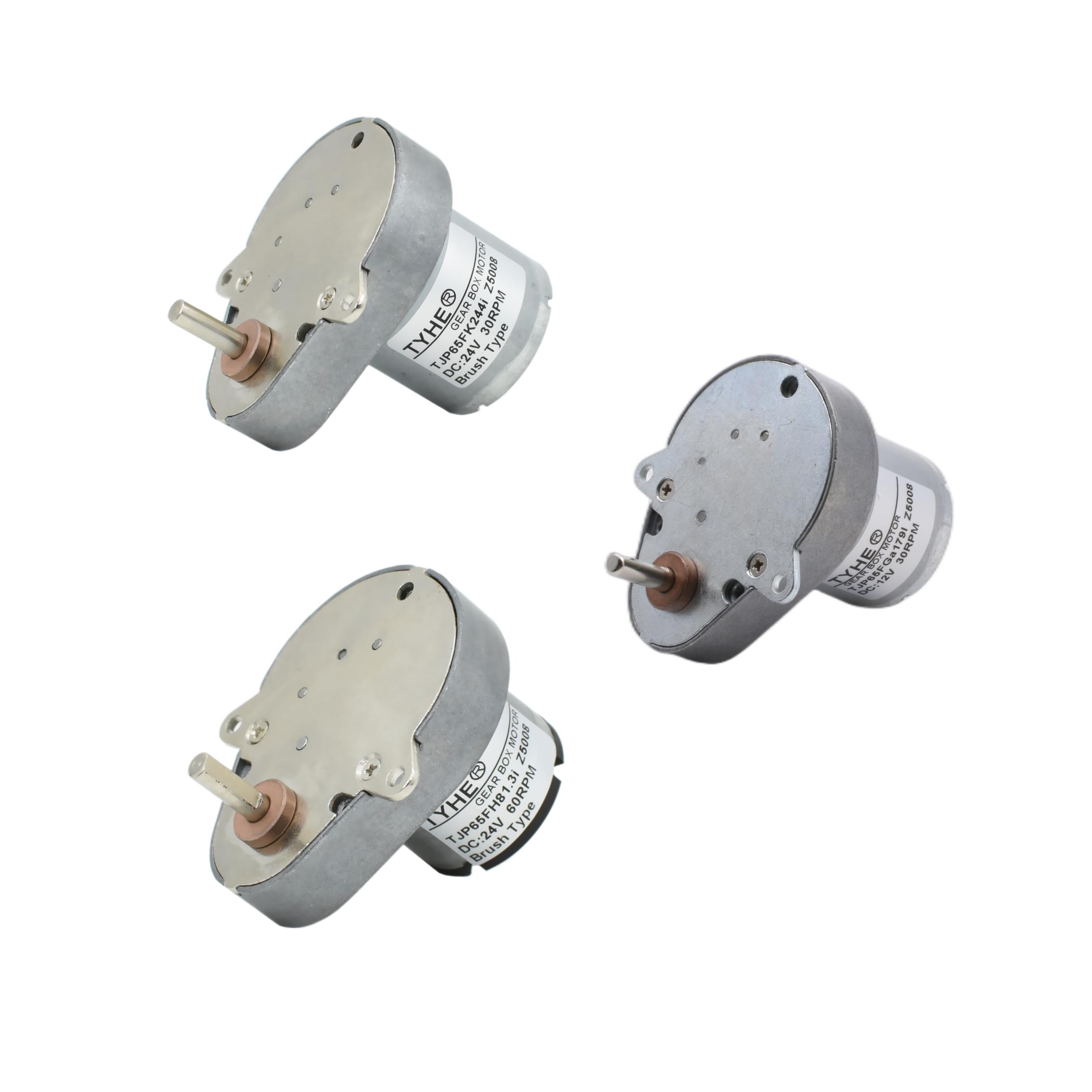
Commutation in a brush dc motor refers to the process of reversing the current direction in each armature winding as the rotor turns. This switching action is what sustains continuous rotation. Without effective commutation, a brush dc motor would stall or produce irregular torque. Understanding this mechanism helps engineers make smarter decisions about brush dc motor selection, usage conditions, and maintenance schedules.
The Mechanics of Brush DC Motor Commutation
How the Commutator and Brushes Work Together
At the heart of every brush dc motor is the commutator — a segmented cylindrical ring attached to the rotor shaft. As the rotor spins, stationary carbon brushes press against the commutator segments, creating electrical contact. This allows current to flow into the rotating armature windings in a controlled sequence. Each time a brush dc motor commutator segment passes under a brush, the current in that winding either begins or reverses, driving the magnetic field interaction that produces torque.
The brush dc motor relies on this mechanical switching to replace what an external electronic controller does in a brushless design. The brushes in a brush dc motor are typically made from carbon or graphite compounds, chosen for their self-lubricating properties and conductivity. The pressure and alignment of these brushes are critical factors in how well the brush dc motor commutates at various speeds and loads.
Armature Winding Sequence and Torque Continuity
In a brush dc motor, the armature contains multiple coil windings distributed around the rotor. These windings are connected to individual commutator segments. As the brush dc motor rotates, each winding takes its turn carrying current in the direction that sustains the rotational force. The more winding segments a brush dc motor has, the smoother its torque output will be, since there are more current transitions distributed across each rotation cycle.
A brush dc motor with few armature segments produces noticeable torque ripple, while a well-designed brush dc motor with many segments delivers much smoother mechanical output. This design consideration is especially relevant for precision applications where speed stability and positional accuracy are required from the brush dc motor.
Commutation Quality and Its Effect on Brush DC Motor Performance
Sparking, Heat, and Electrical Noise
Poor commutation in a brush dc motor leads to several performance problems. When the current transition between commutator segments is not clean, electrical arcing occurs at the brush contact point. This sparking in a brush dc motor generates heat, accelerates brush and commutator wear, and creates electromagnetic interference. In sensitive environments, the electrical noise produced by a poorly commutating brush dc motor can disrupt nearby electronics or control systems.
A brush dc motor operating under heavy load or at high speed is more prone to commutation arcing. Engineers often address this by selecting a brush dc motor with interpoles — small auxiliary poles placed between the main field poles to cancel the armature reaction field. This design feature significantly improves commutation quality and extends the service life of the brush dc motor under demanding operating conditions.
Brush Material and Contact Resistance
The brush material used in a brush dc motor directly influences how cleanly current is transferred during each commutation event. Harder brush grades offer longer life in a brush dc motor but may introduce higher contact resistance. Softer brush grades in a brush dc motor provide lower resistance and better contact but wear faster. Matching brush grade to the specific duty cycle of a brush dc motor is a technical decision that affects both performance and maintenance intervals.
Brush spring pressure is another tunable parameter in a brush dc motor. Too little pressure causes intermittent contact and increased sparking, while too much pressure in a brush dc motor accelerates mechanical wear on the commutator surface. Balancing these factors is part of properly specifying and maintaining a brush dc motor for any given application.
Maintaining and Extending Commutation Life in a Brush DC Motor
Inspection and Wear Monitoring
Regular inspection of the commutator surface is essential for keeping a brush dc motor in reliable operation. Over time, the commutator in a brush dc motor develops a thin oxide layer called a patina, which actually helps improve contact quality. However, if the commutator surface in a brush dc motor becomes grooved, pitted, or contaminated with debris, commutation degrades rapidly. Periodic visual inspection and light resurfacing help maintain the commutation efficiency of the brush dc motor.
Brush length is another key indicator in a brush dc motor maintenance routine. Once brushes wear below the minimum recommended length, contact pressure drops and commutation in the brush dc motor becomes inconsistent. Tracking brush wear intervals allows maintenance teams to replace brushes before commutation failure occurs in the brush dc motor.
Operating Conditions That Accelerate Wear
A brush dc motor operated continuously at maximum rated load will experience faster commutator and brush wear than one running at moderate loads. Humidity, dust, and chemical contaminants in the operating environment also reduce commutation quality in a brush dc motor. Enclosure selection plays a major role — a brush dc motor in a sealed or filtered enclosure maintains better commutation hygiene than one exposed to open industrial environments.
Thermal management also matters. A brush dc motor running hot will see accelerated oxidation on the commutator surface, degrading the contact film that supports clean commutation. Keeping a brush dc motor within its thermal rating through proper sizing and adequate ventilation is one of the most effective ways to preserve commutation quality over the long operational life of the brush dc motor.
FAQ
What causes excessive sparking in a brush dc motor?
Excessive sparking in a brush dc motor is typically caused by worn brushes, a damaged or uneven commutator surface, improper brush spring tension, or operating the brush dc motor beyond its rated load. Armature reaction at high loads can also disrupt the magnetic neutral zone, making commutation timing less accurate in the brush dc motor and increasing arc energy at each switching event.
How often should brushes be replaced in a brush dc motor?
Brush replacement intervals in a brush dc motor depend on the motor size, duty cycle, and operating environment. A brush dc motor used in light-duty applications may have brushes lasting thousands of hours, while a brush dc motor under continuous heavy load may require brush inspection every few hundred hours. Always follow the manufacturer guidance and monitor brush length and commutator condition regularly in your brush dc motor.
Can commutation problems in a brush dc motor be fixed without full disassembly?
Minor commutation issues in a brush dc motor can often be addressed without full disassembly. Light commutator resurfacing using a commutator stone while the brush dc motor runs at low speed can restore a smooth contact surface. Cleaning carbon dust from the brush dc motor housing and adjusting brush spring tension are also field-serviceable actions. However, if the commutator segments in the brush dc motor are deeply grooved or if brush wear is severe, a full service inspection is recommended.
