dc reduction motor
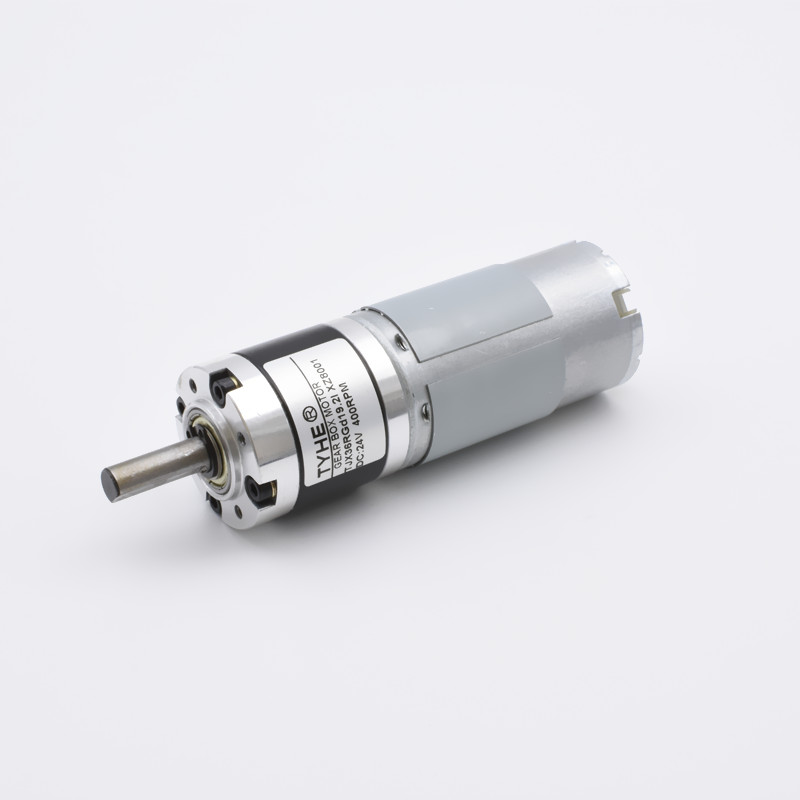
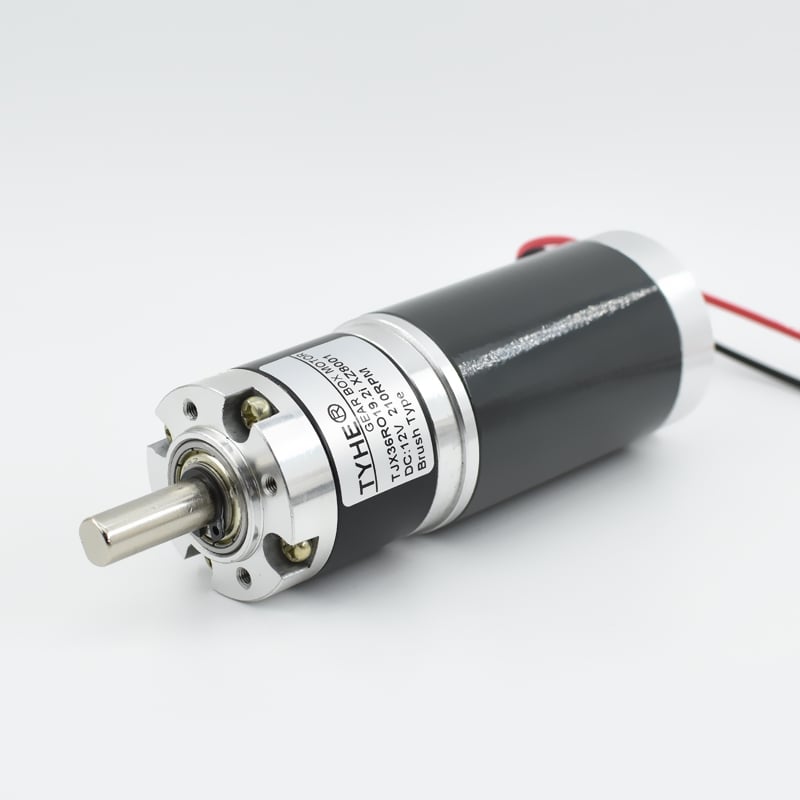
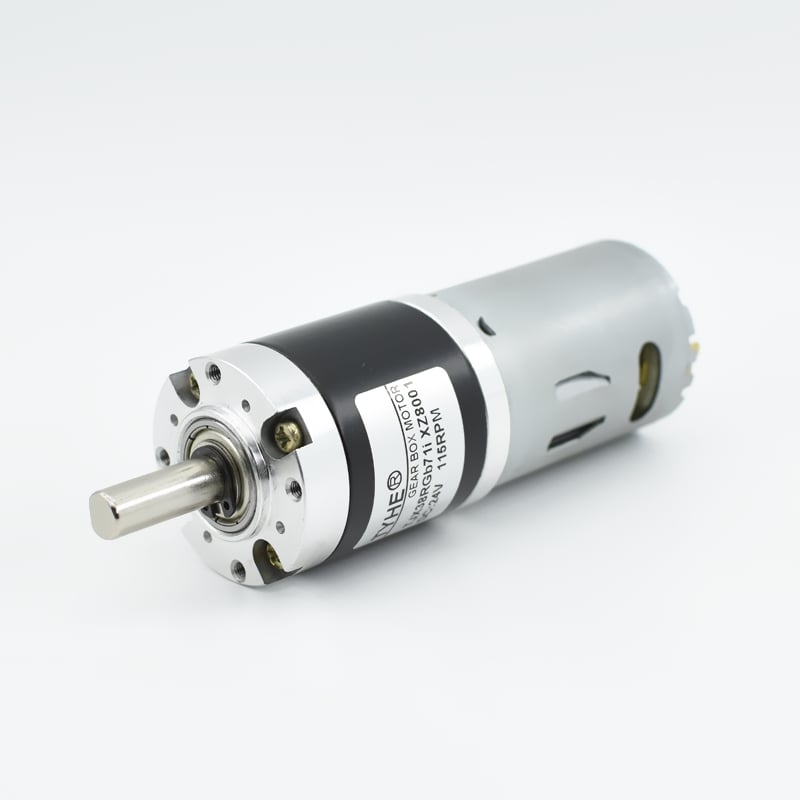
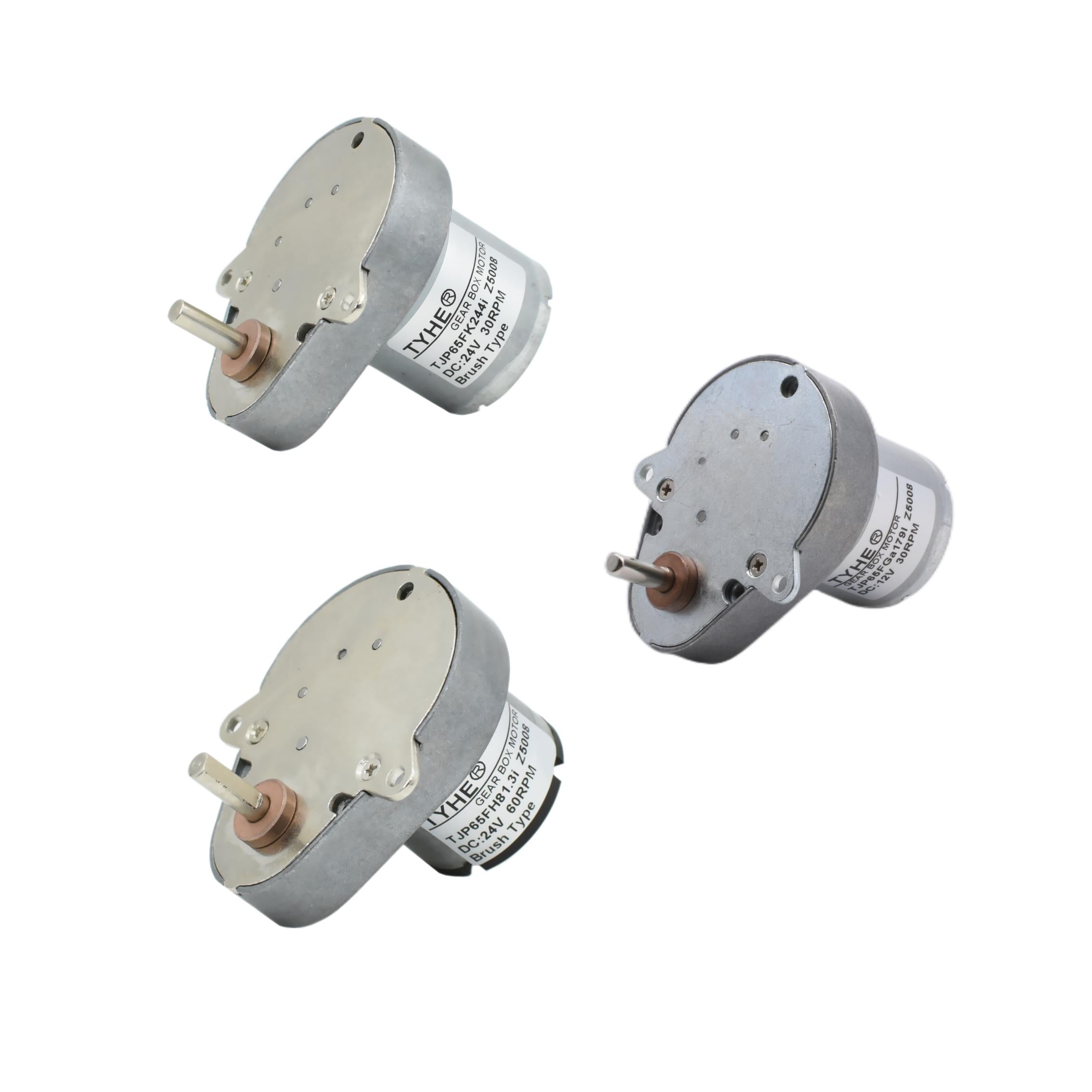
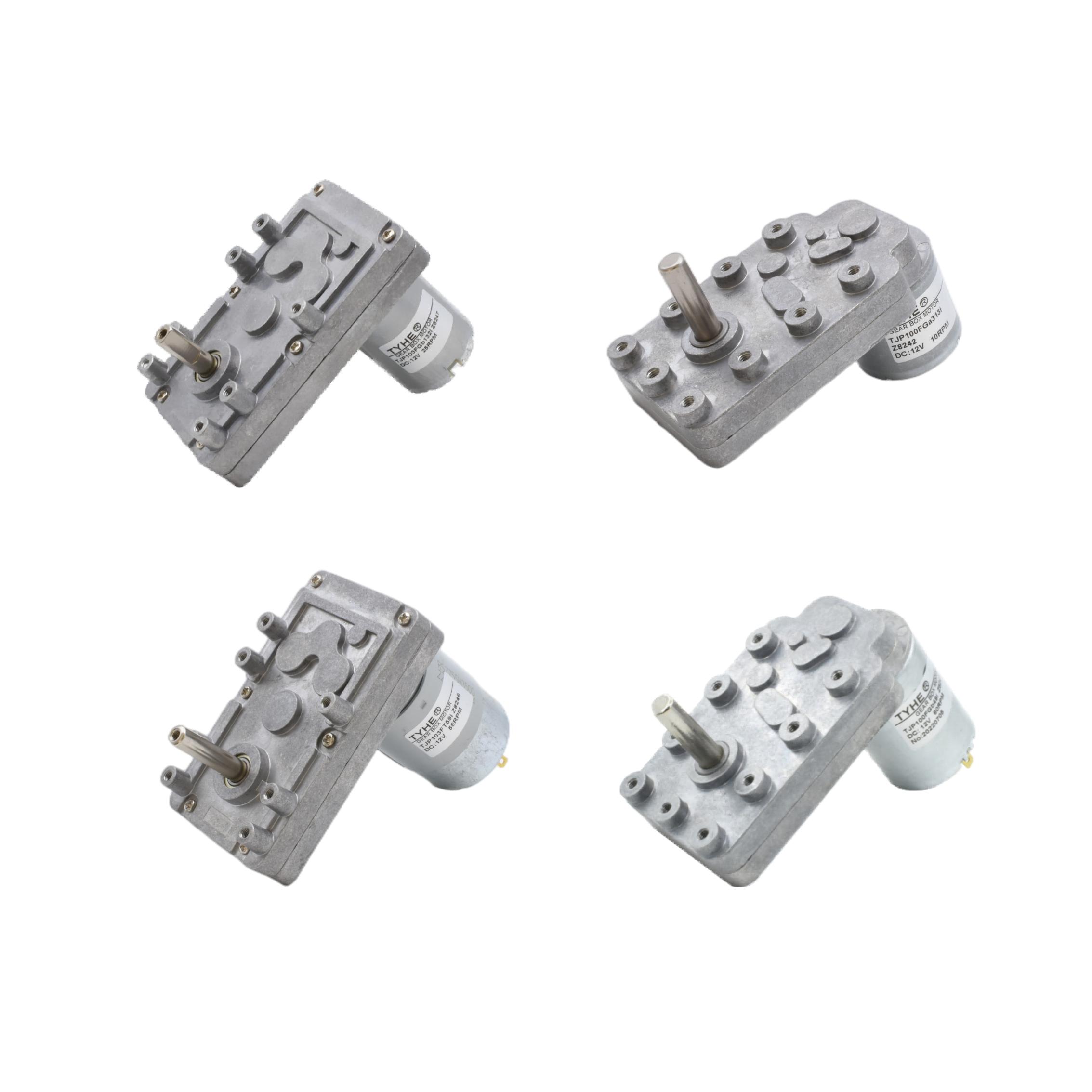
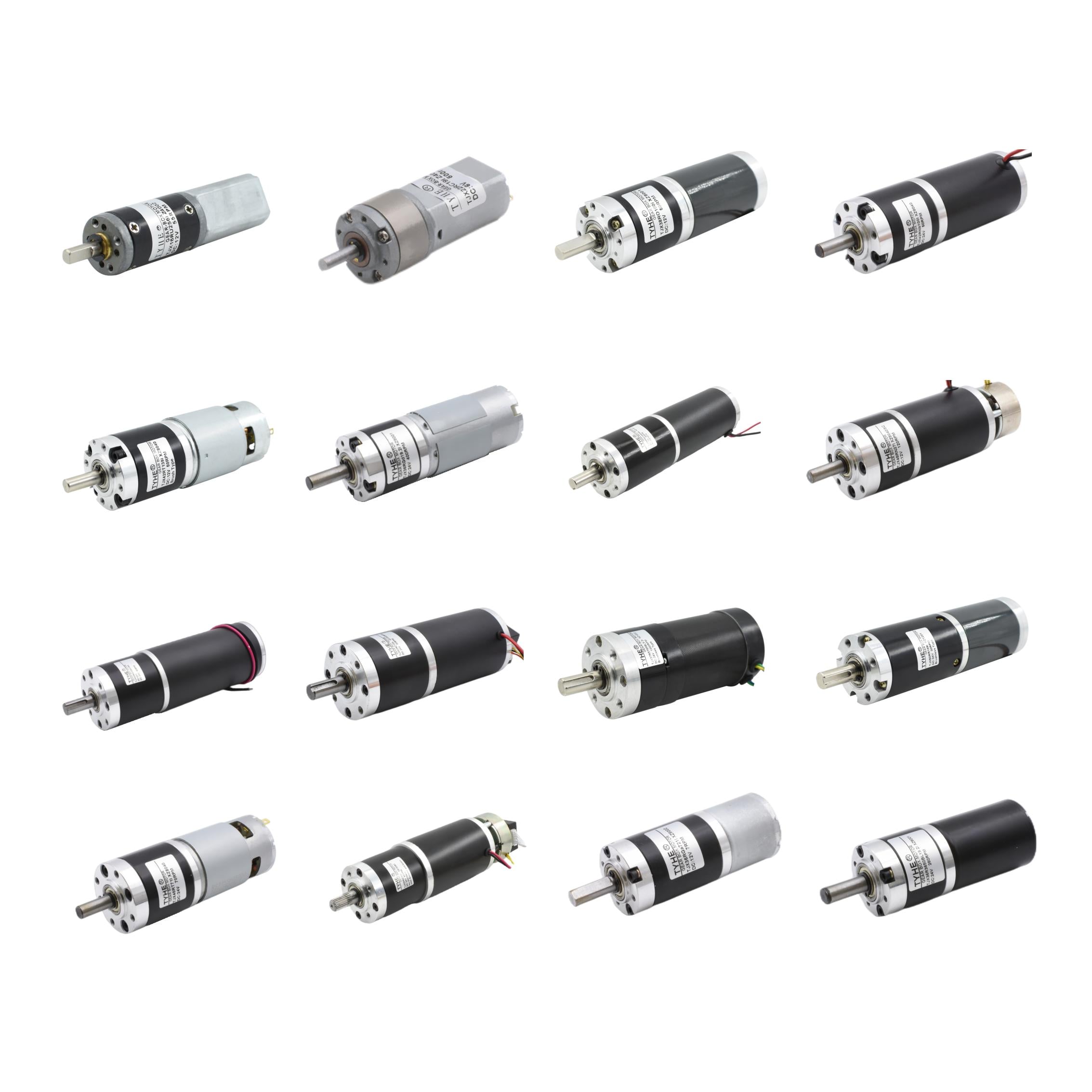
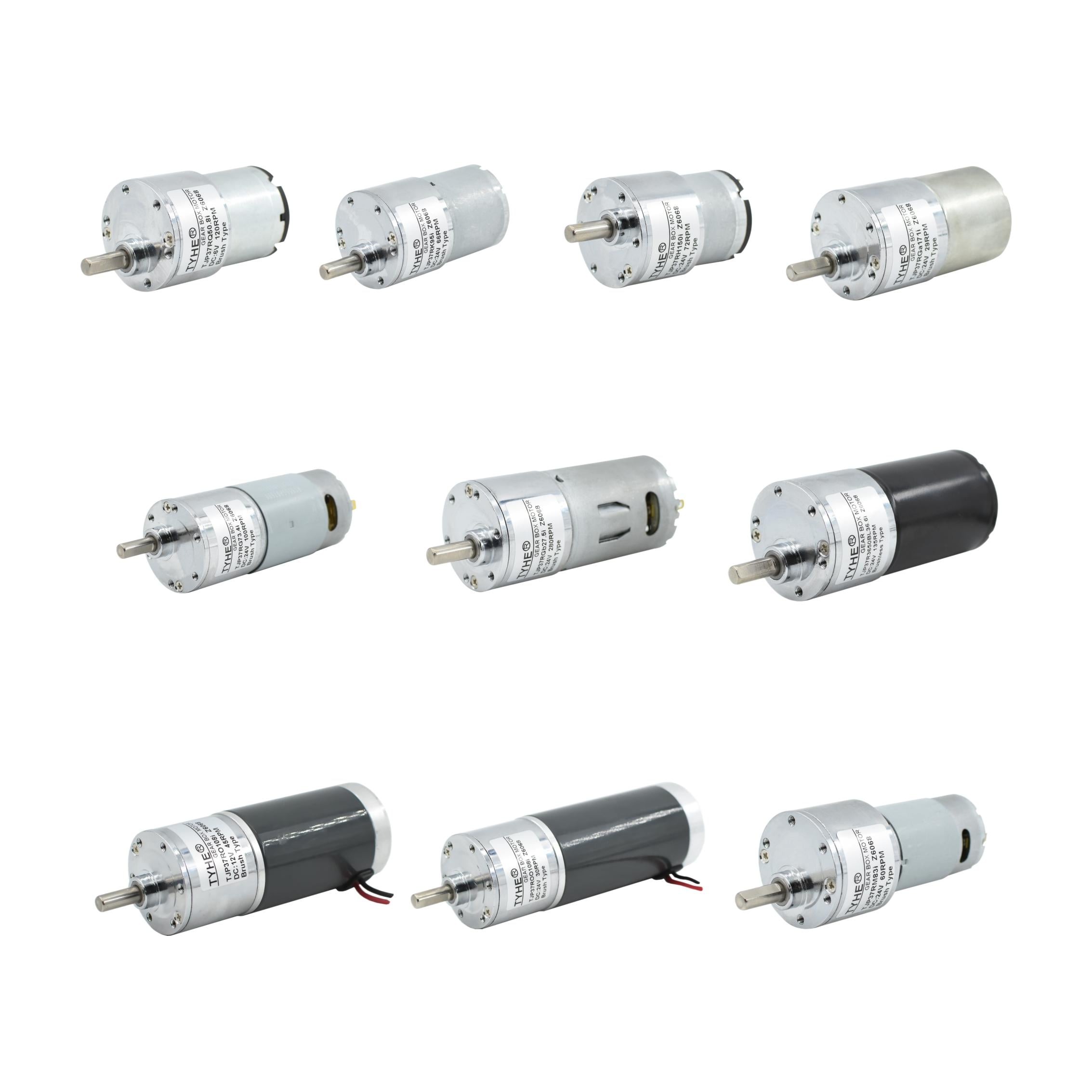
A dc reduction motor combines a direct-current motor with a gearbox to deliver controlled speed and useful turning force. At its core, a dc reduction motor converts electrical energy into rotary movement, then reduces output speed so the shaft can handle loads more steadily. This design makes the dc reduction motor a practical choice when equipment needs smooth starting, accurate movement, and dependable torque rather than high free-running speed. The gearbox increases mechanical advantage while the motor supplies continuous rotation. Many dc reduction motor models use permanent magnets, brushed or brushless construction, and compact metal or reinforced polymer gears. The dc reduction motor may also include an encoder, brake, thermal protection, or an integrated controller for improved operating control. A brushed version offers simple wiring and economical replacement, while a brushless version can provide longer service life and lower maintenance. Voltage, rated torque, gear ratio, shaft style, and duty cycle define how each unit performs. Because a dc reduction motor can run from common battery or low-voltage power sources, it suits portable and embedded equipment. Control options range from basic on-off switching to pulse-width speed control, direction reversal, and position feedback. A dc reduction motor can therefore support both simple mechanisms and automated systems. Depending on the ratio, it can move a load slowly with strong force or balance speed and torque for quicker cycles. For buyers, selecting a dc reduction motor means matching output torque, operating voltage, dimensions, noise level, and expected service life to the machine. Modern dc reduction motor designs focus on efficient transmission, stable bearings, sealed housings, and reliable heat management. Whether used in a small actuator or a production machine, the right dc reduction motor provides predictable motion in a compact package.

 EN