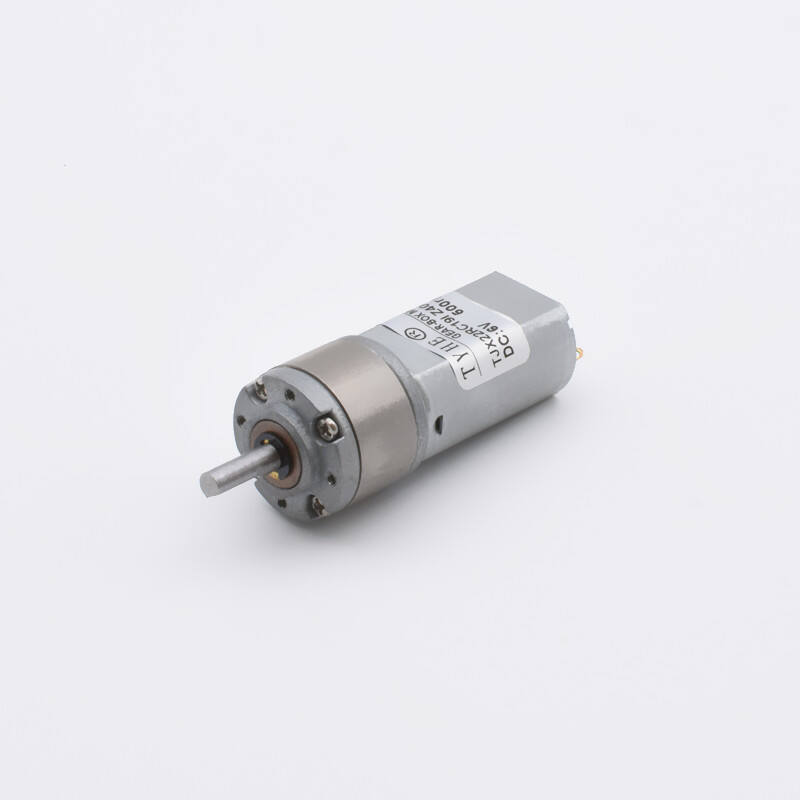
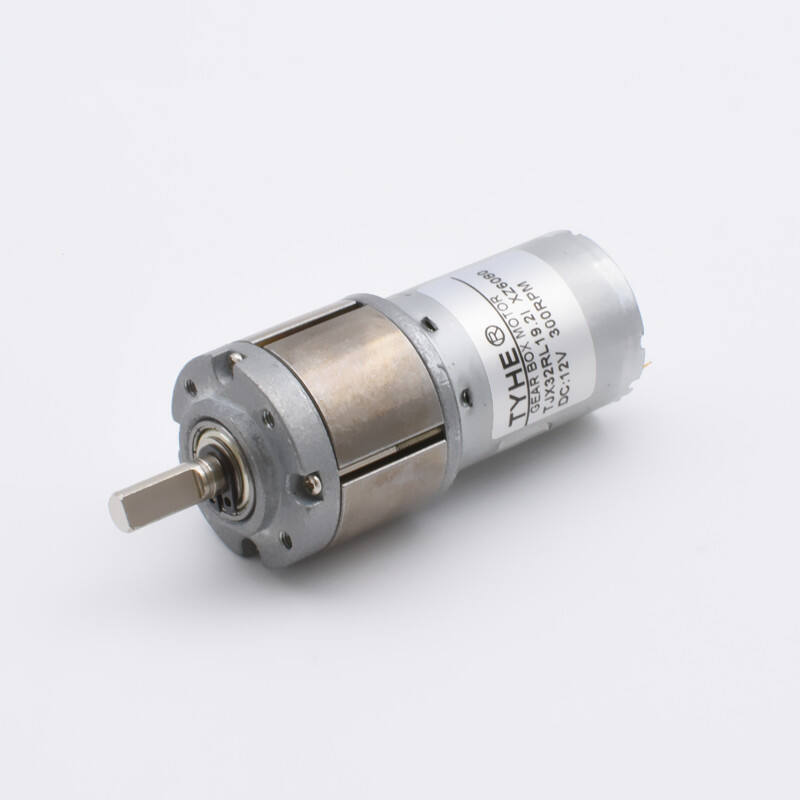
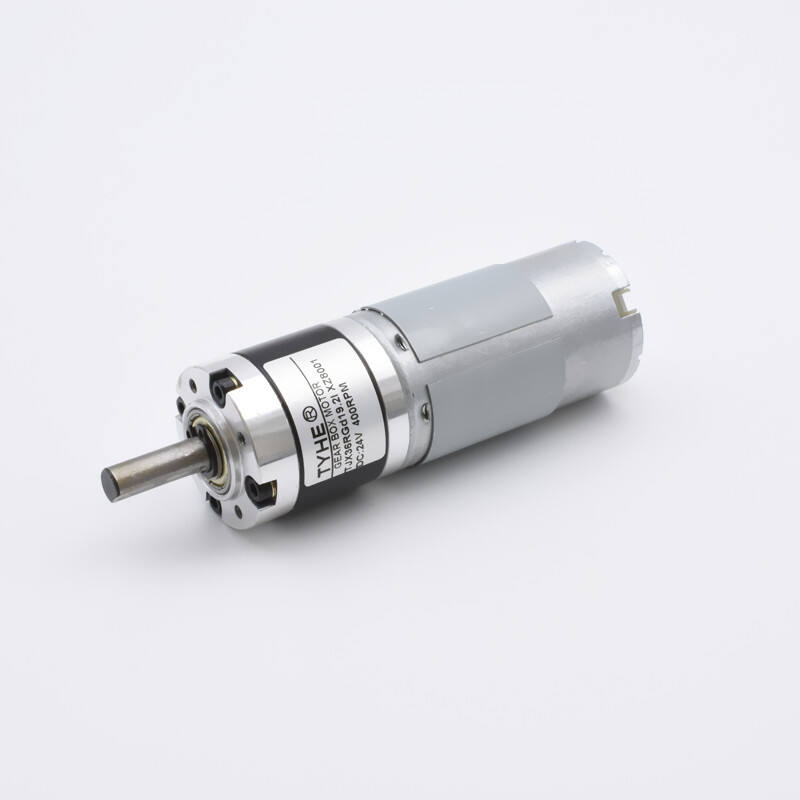
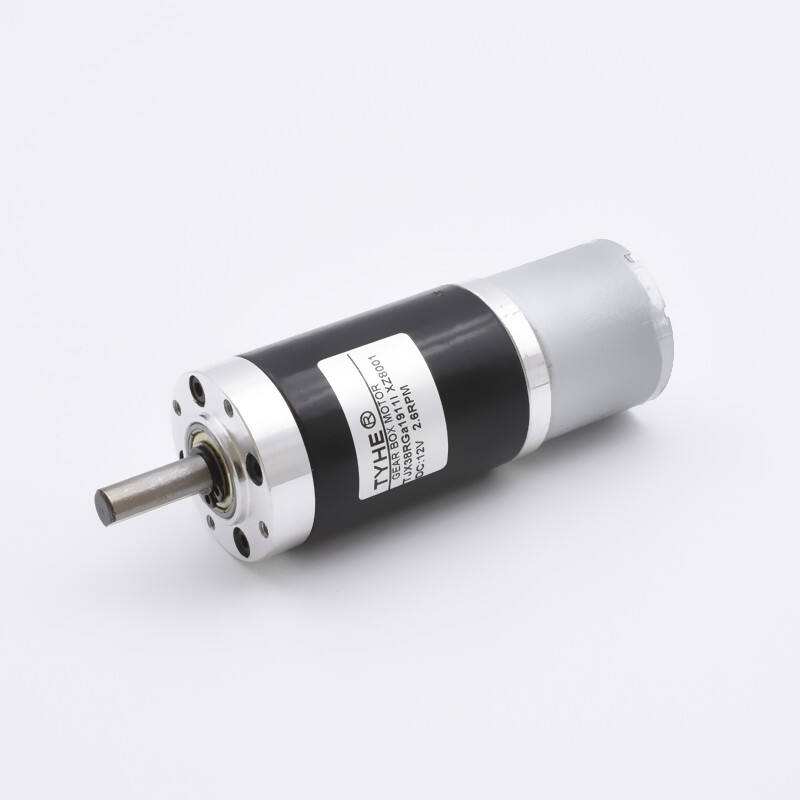
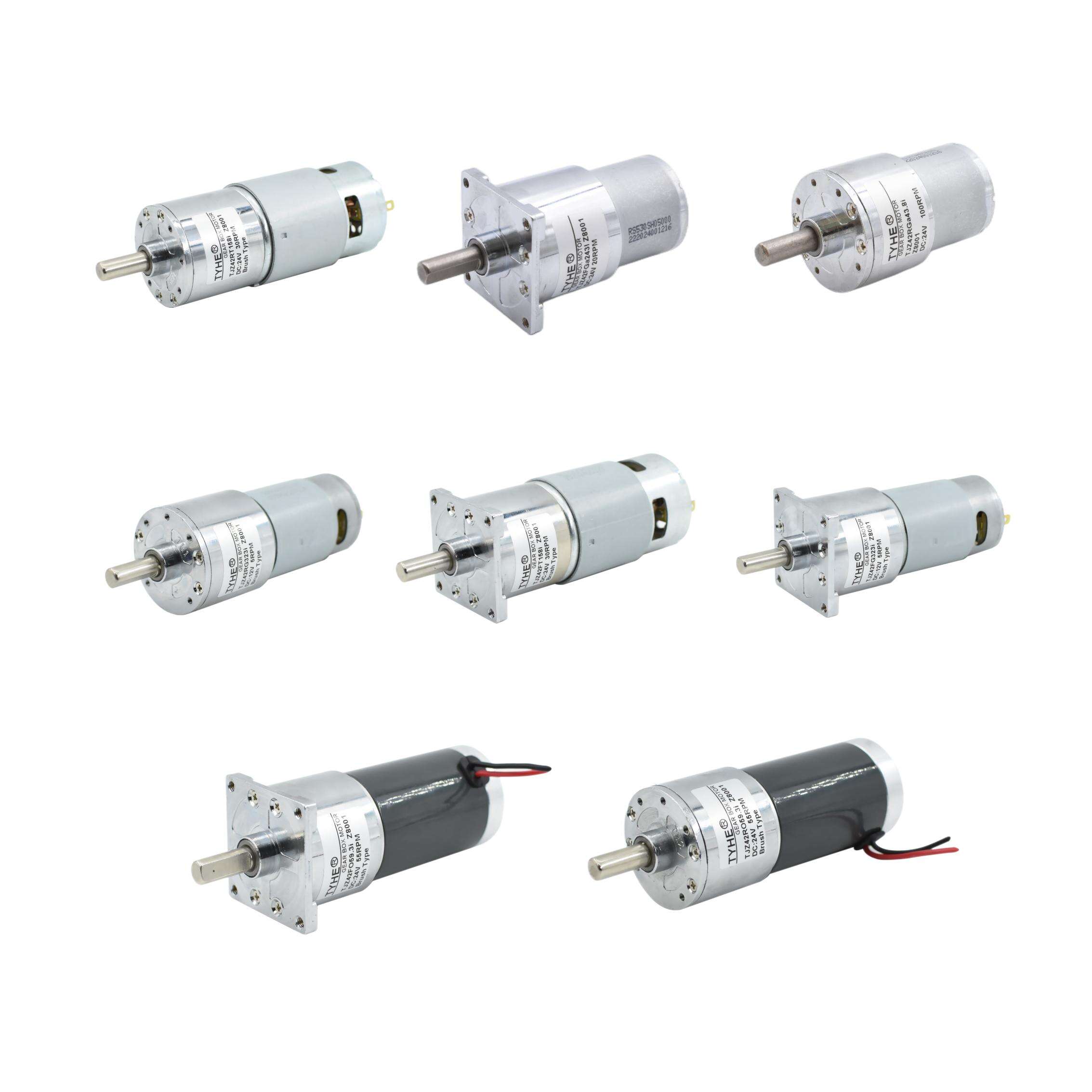
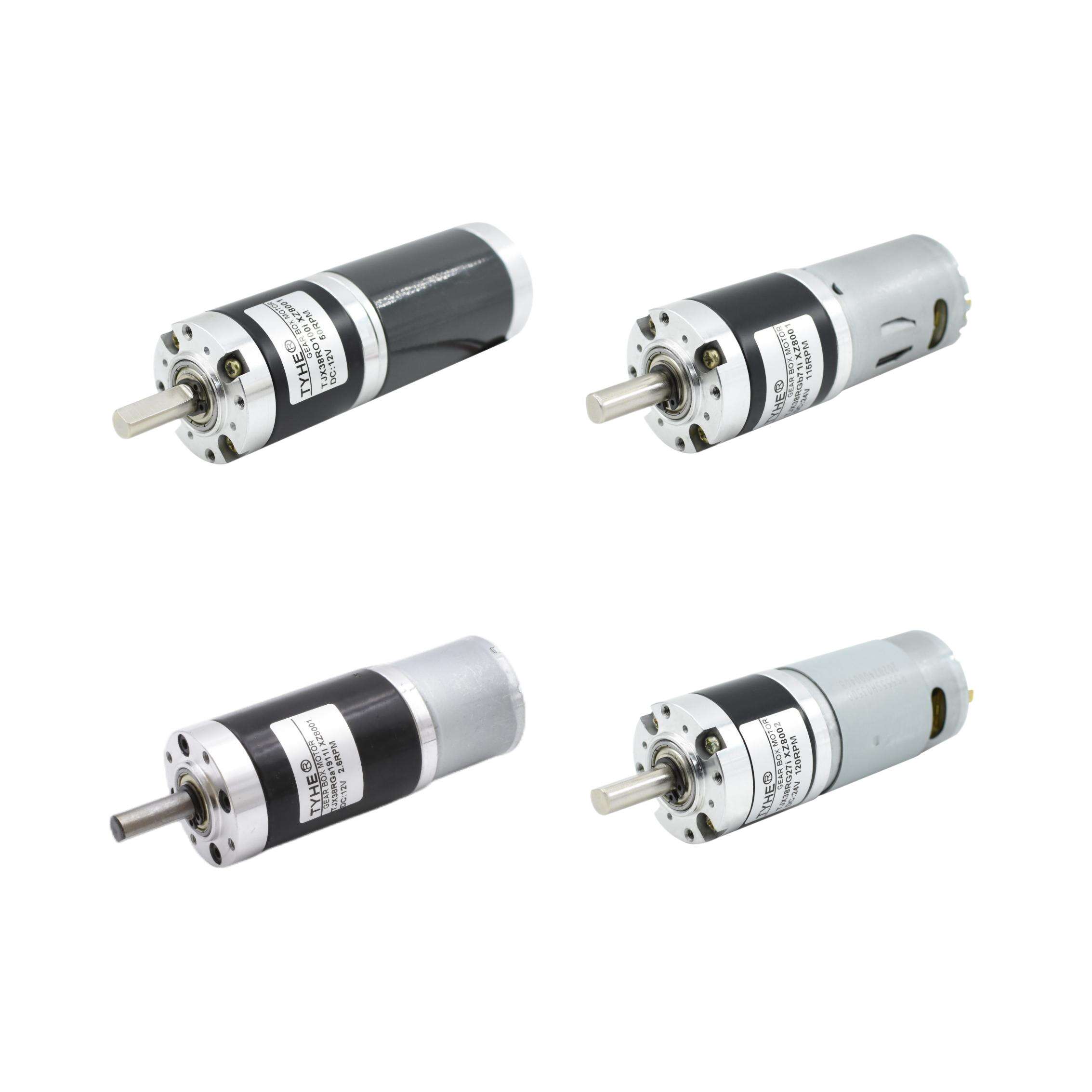
brushed gear motor
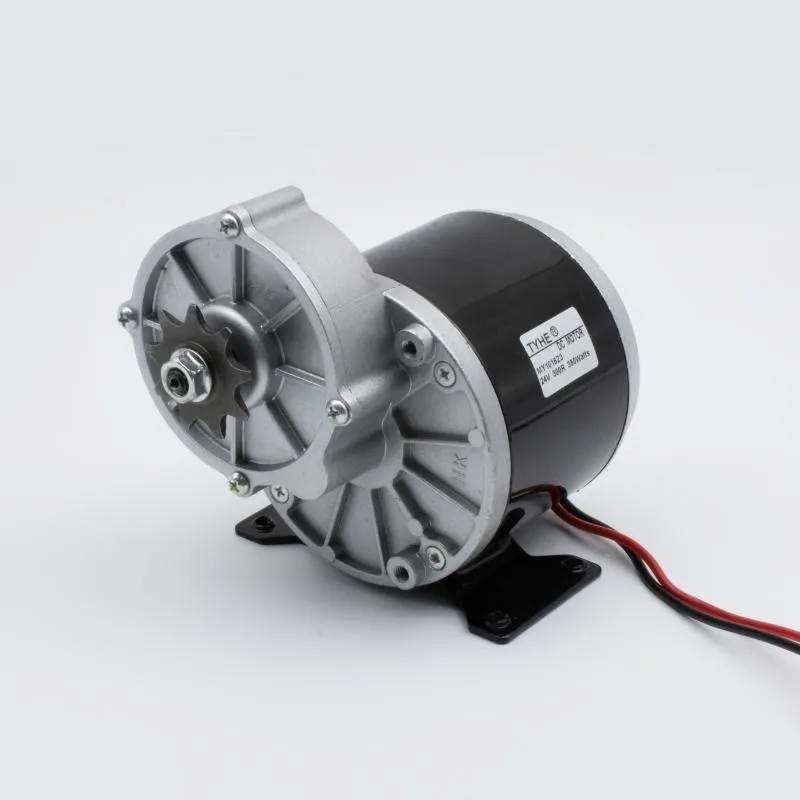
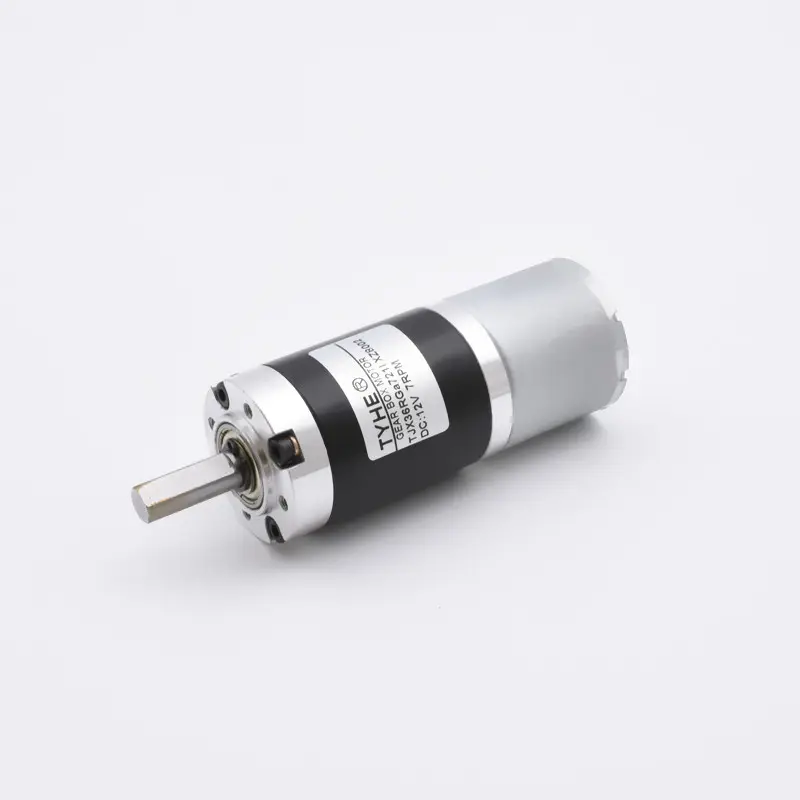
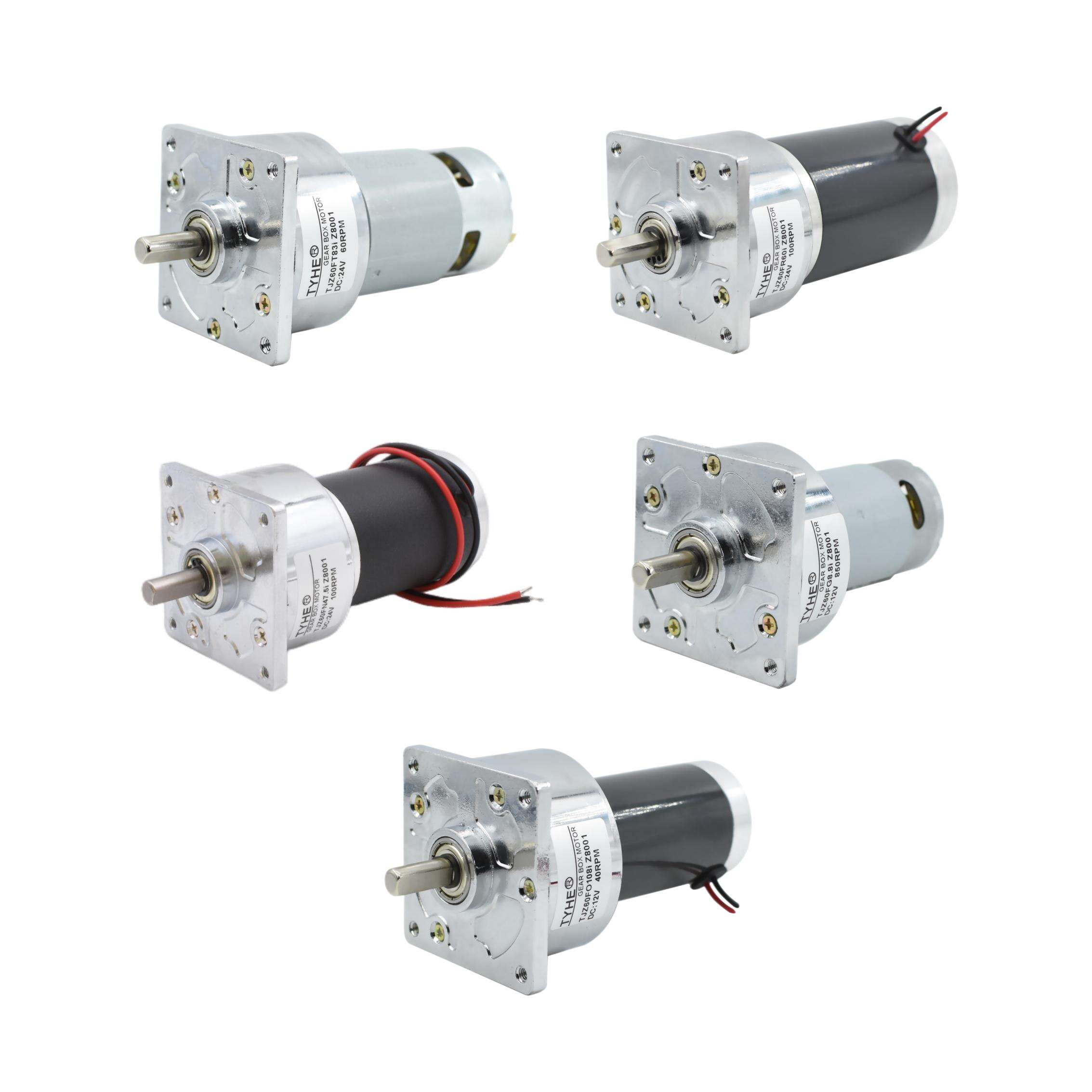
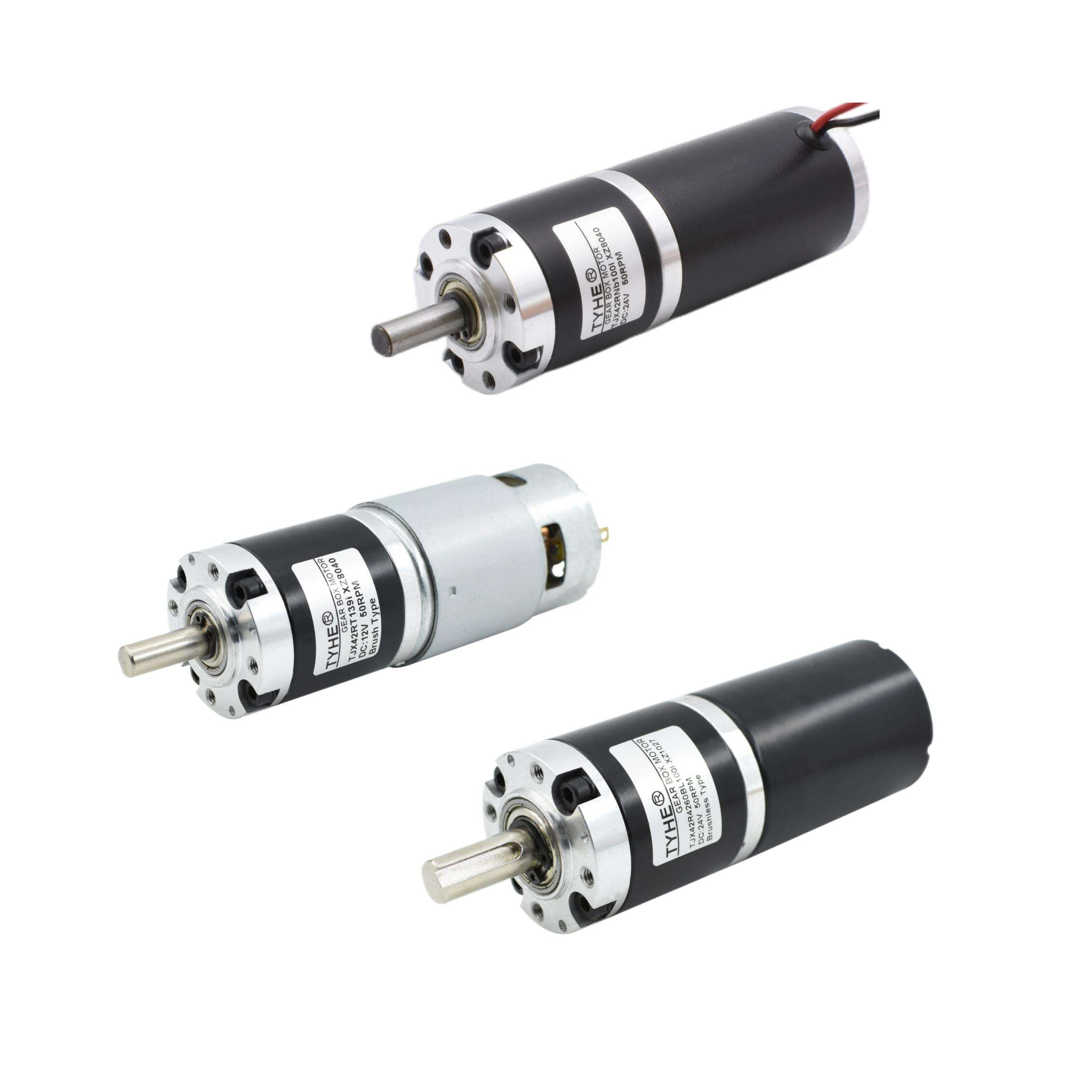
A brushed gear motor represents a sophisticated mechanical solution that combines the fundamental principles of brushed DC motor technology with precision gear reduction systems to deliver enhanced torque output and controlled speed performance. This integrated design creates a compact powerhouse capable of transforming high-speed, low-torque motor output into low-speed, high-torque mechanical force, making it an indispensable component across numerous industrial and commercial applications. The brushed gear motor operates through electromagnetic induction, where carbon brushes maintain continuous electrical contact with a rotating commutator, enabling seamless power transfer and directional control. The integrated gear system typically employs planetary, spur, or helical gear configurations to achieve specific reduction ratios, allowing users to customize performance characteristics according to their precise requirements. These motors excel in applications requiring consistent rotational force, precise positioning, and reliable operation under varying load conditions. The technological architecture of a brushed gear motor incorporates advanced materials and manufacturing processes to ensure durability and efficiency. The motor housing protects internal components from environmental factors while facilitating heat dissipation, crucial for maintaining optimal operating temperatures during extended use. Modern brushed gear motor designs feature improved brush materials that extend operational life and reduce maintenance requirements, while enhanced bearing systems minimize friction and wear. The gear reduction mechanism multiplies the motor's torque output while proportionally reducing rotational speed, creating an ideal balance for applications such as conveyor systems, automotive actuators, robotics, medical equipment, and industrial automation. This versatile technology serves sectors including manufacturing, healthcare, aerospace, automotive, and consumer electronics, where reliable mechanical motion control remains paramount for operational success and safety compliance.

 EN
EN