micro geared motor
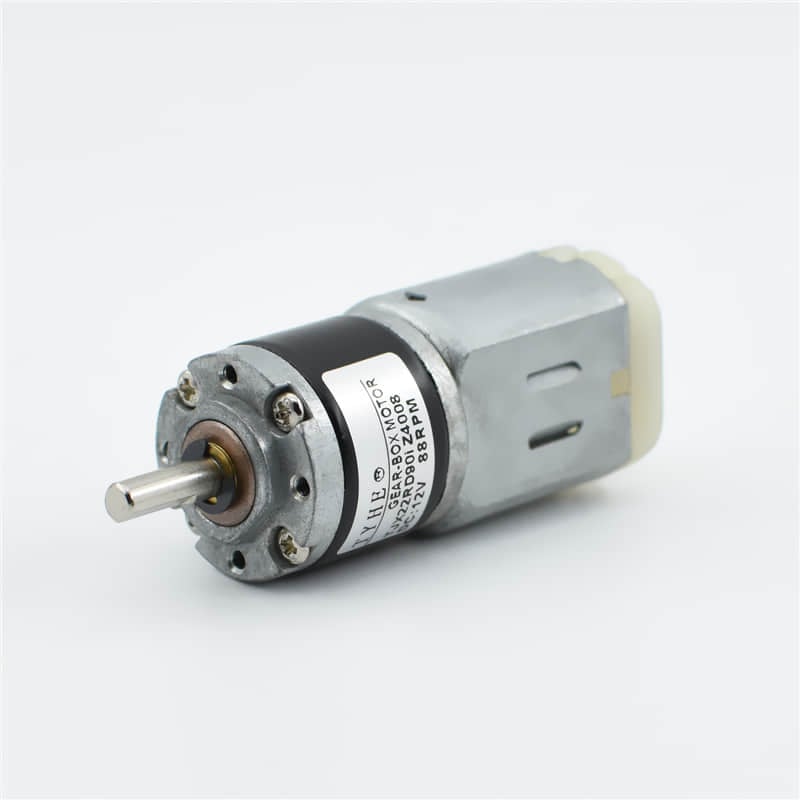
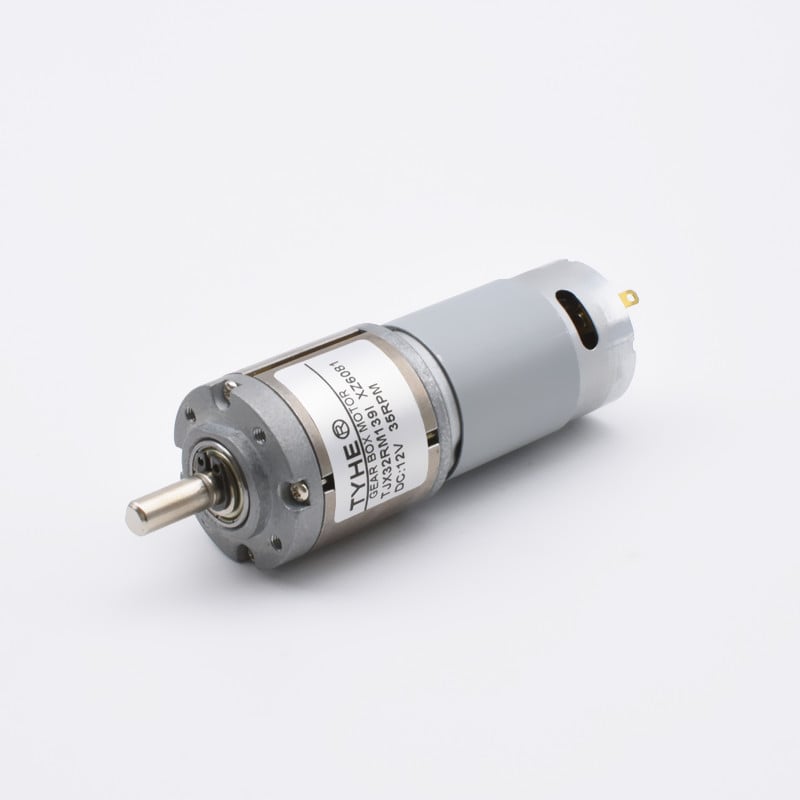
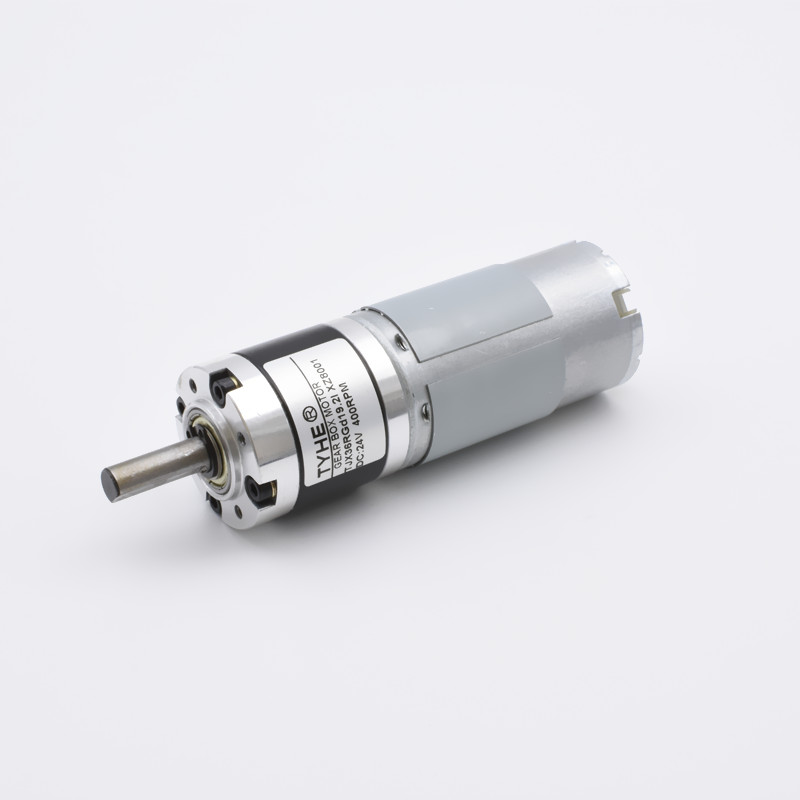
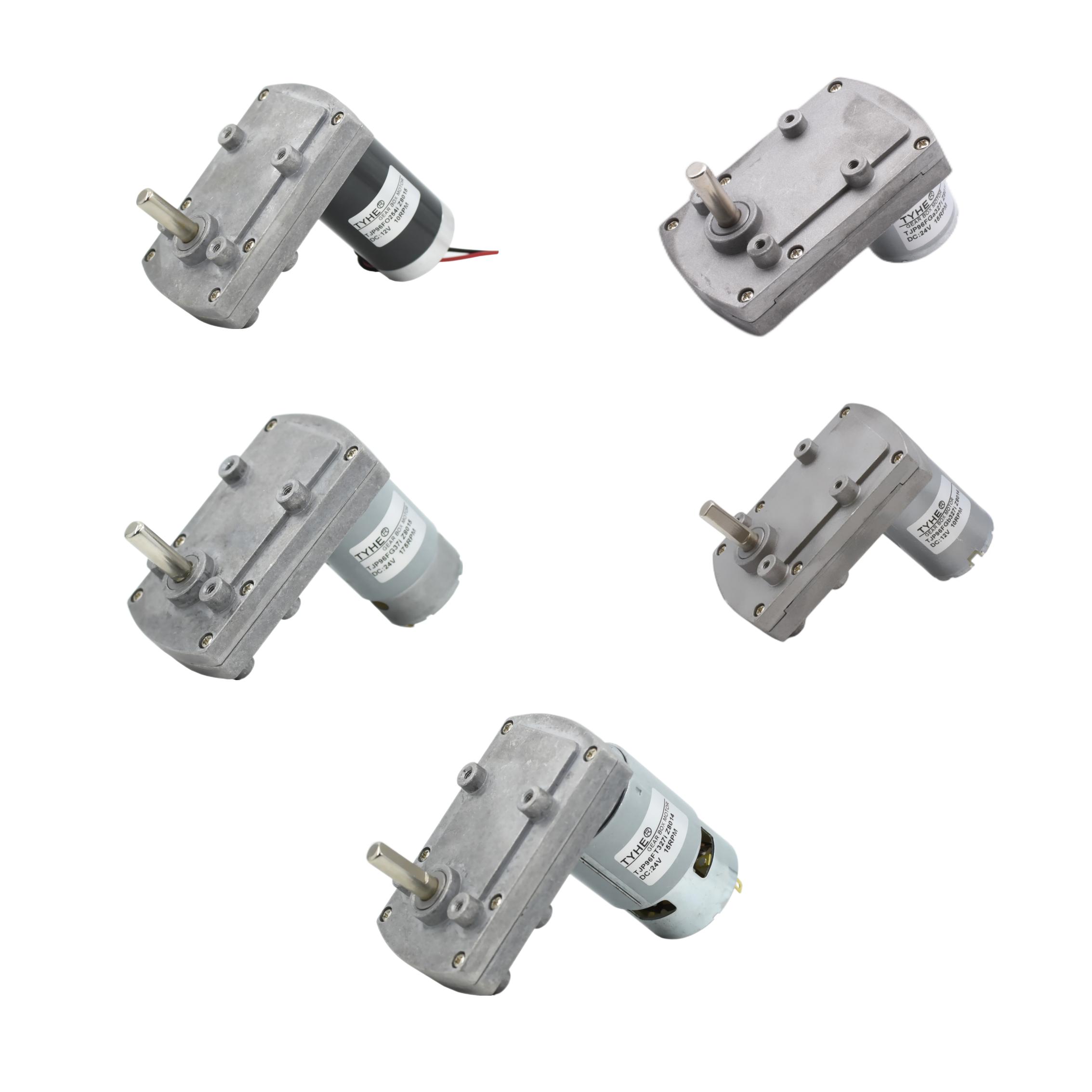
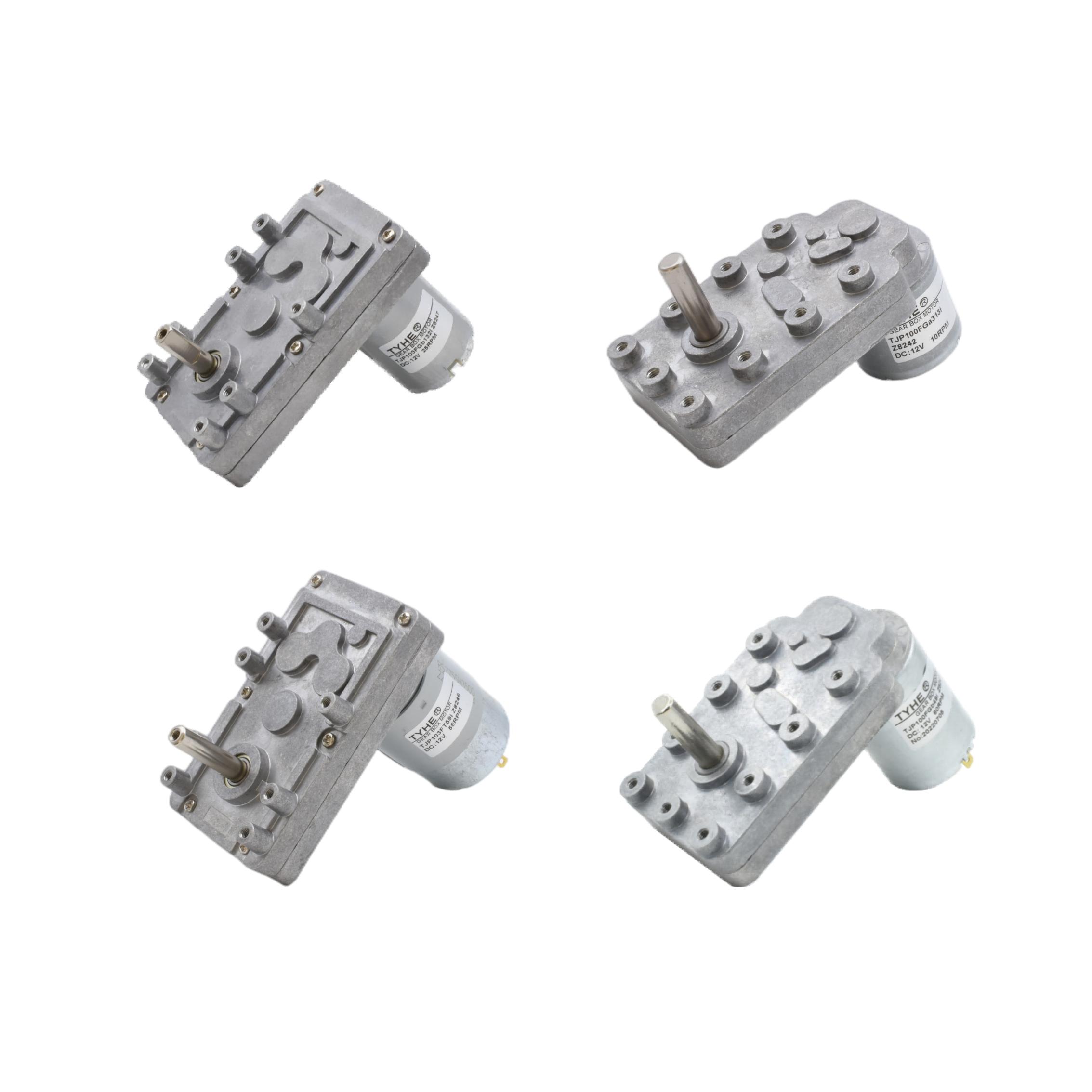
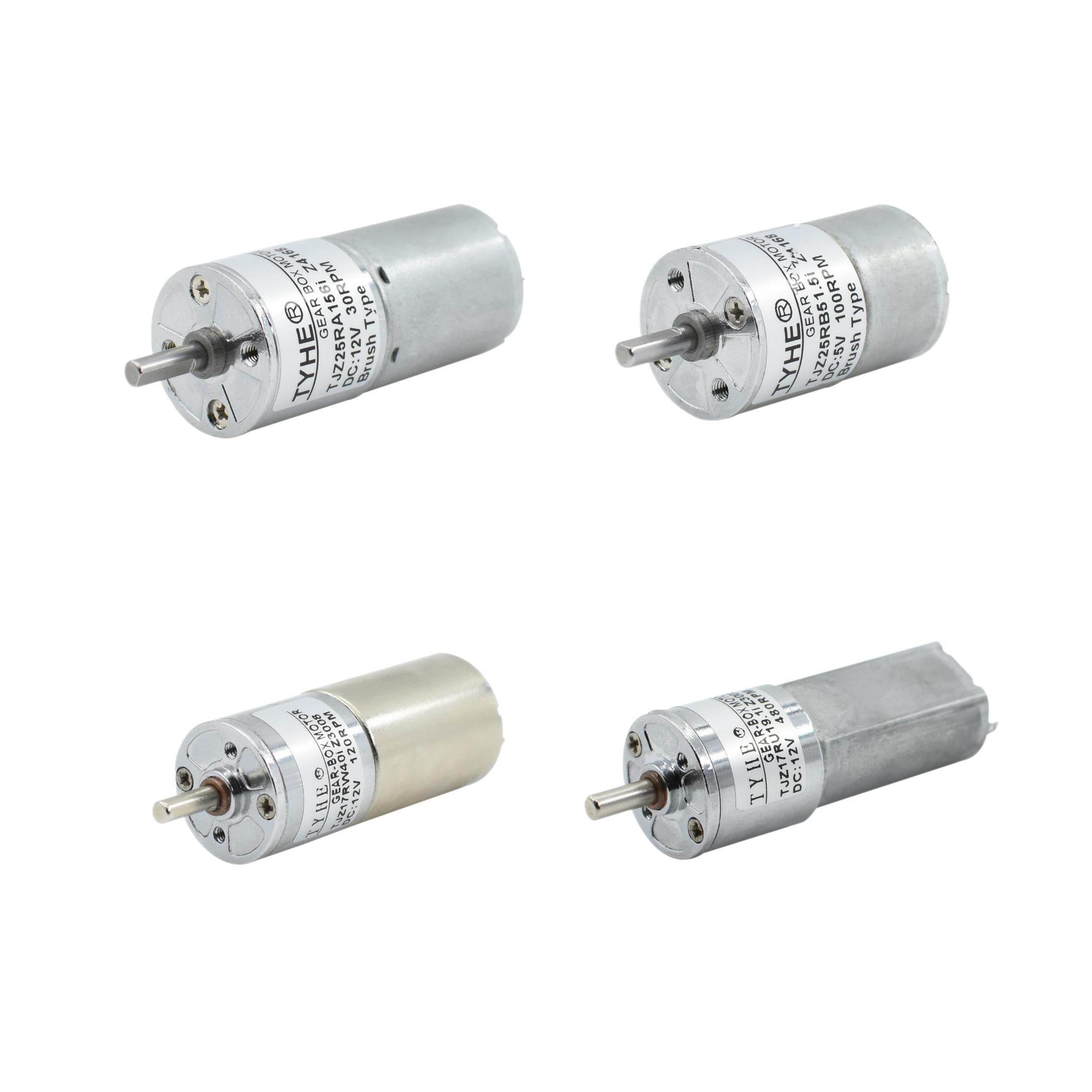
A micro geared motor combines a small electric motor with a gear system that reduces speed and increases usable torque. This design lets a micro geared motor move compact mechanisms with greater control than a motor used alone. Its main functions include driving wheels, lifting light loads, positioning parts, opening or closing small panels, and creating steady rotary motion in limited spaces. A micro geared motor can support clockwise, counterclockwise, or intermittent movement, depending on the control system and gear design.
The technology behind each micro geared motor may include brushed or brushless operation, metal or reinforced plastic gears, sealed bearings, precision shafts, and compact housings. Gear ratios determine output speed, torque, noise, and efficiency. Higher ratios provide stronger movement at a slower pace, while lower ratios support faster operation. A micro geared motor may also include an encoder, limit feedback, or a built-in gearbox for more accurate control.
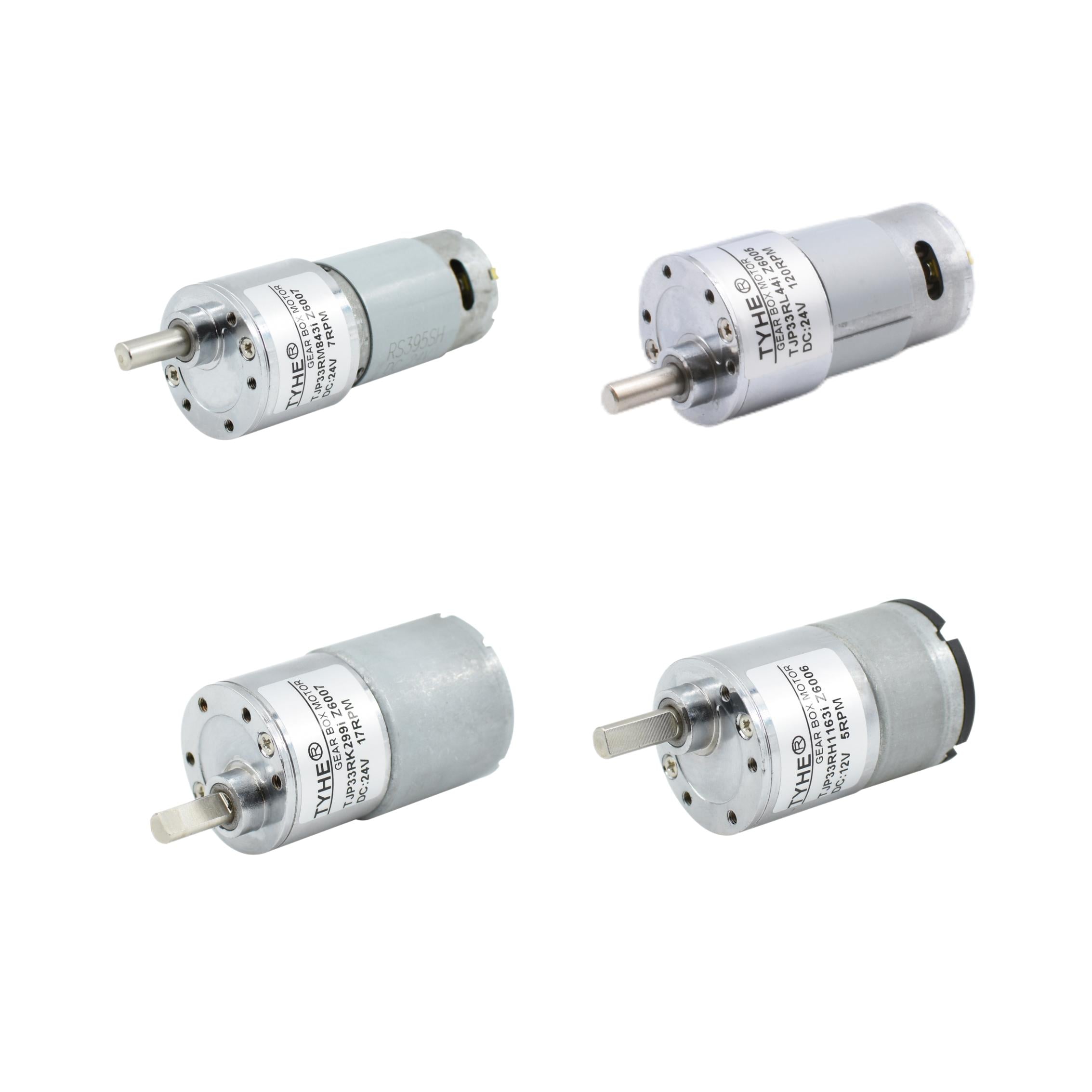
Size is a central benefit. A micro geared motor fits into handheld products, compact instruments, small robots, medical devices, and automated equipment where standard motors cannot fit. Low-voltage versions work well with batteries and embedded control boards. Designers can select a micro geared motor based on voltage, rated speed, stall torque, shaft style, gear ratio, duty cycle, and mounting pattern.
For buyers, a micro geared motor offers a practical way to achieve controlled motion without adding a large drive assembly. The micro geared motor supports repeatable movement, flexible installation, and efficient use of available space. When correctly matched to the load, the micro geared motor delivers dependable performance in both consumer and industrial products.

 EN