 EN

Smart Water Meter and Peristaltic Dosing Pump Motors: Precision Metering Drive
"Ten Years on One Battery · Repeatable to the Last Drop · Sealed Against Condensation" — Stepper and worm gear actuation for metering valves and dosing pumps
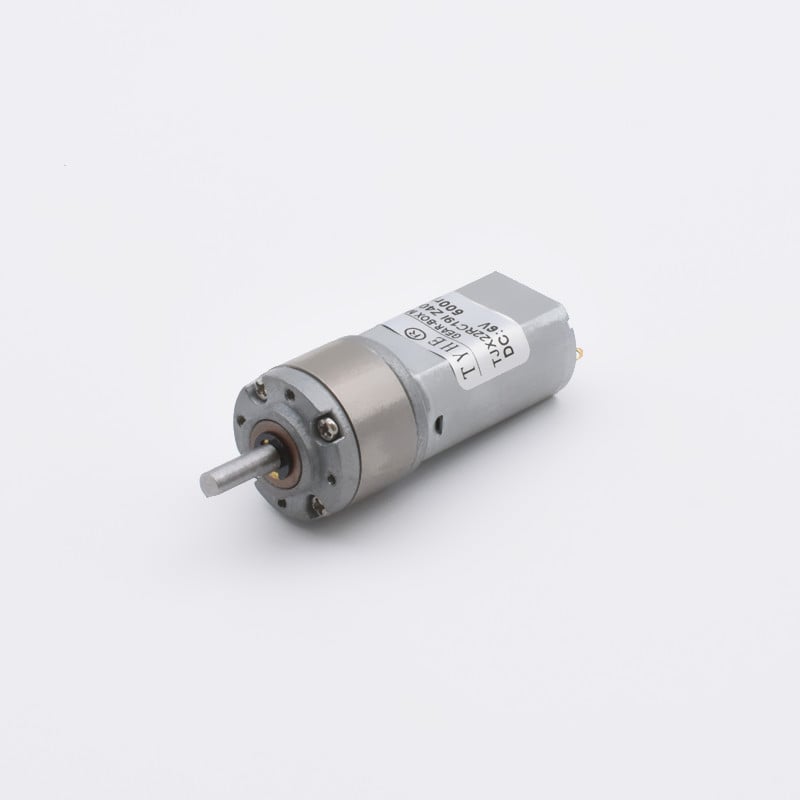
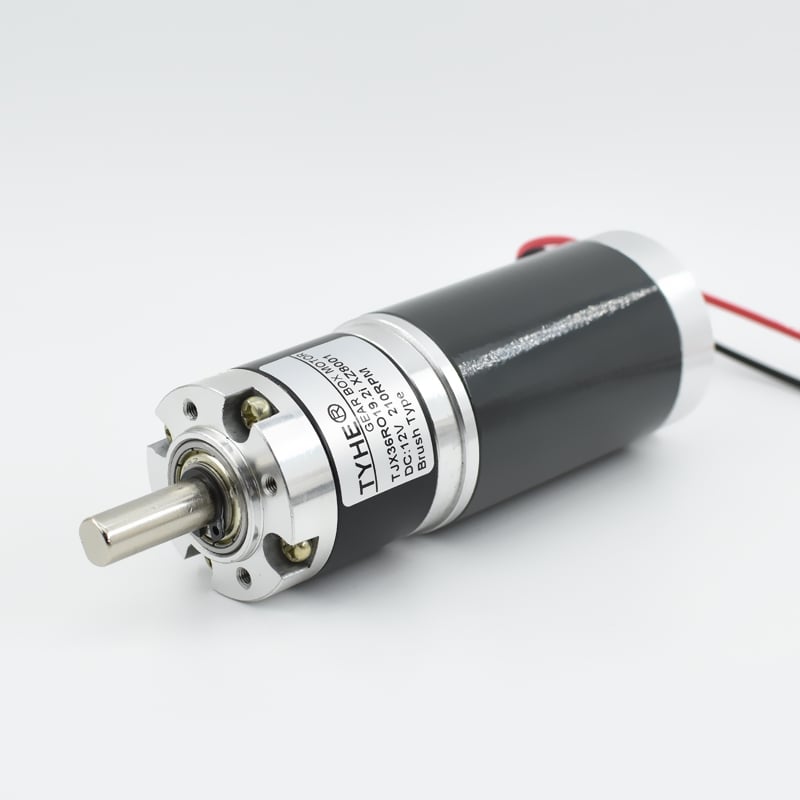
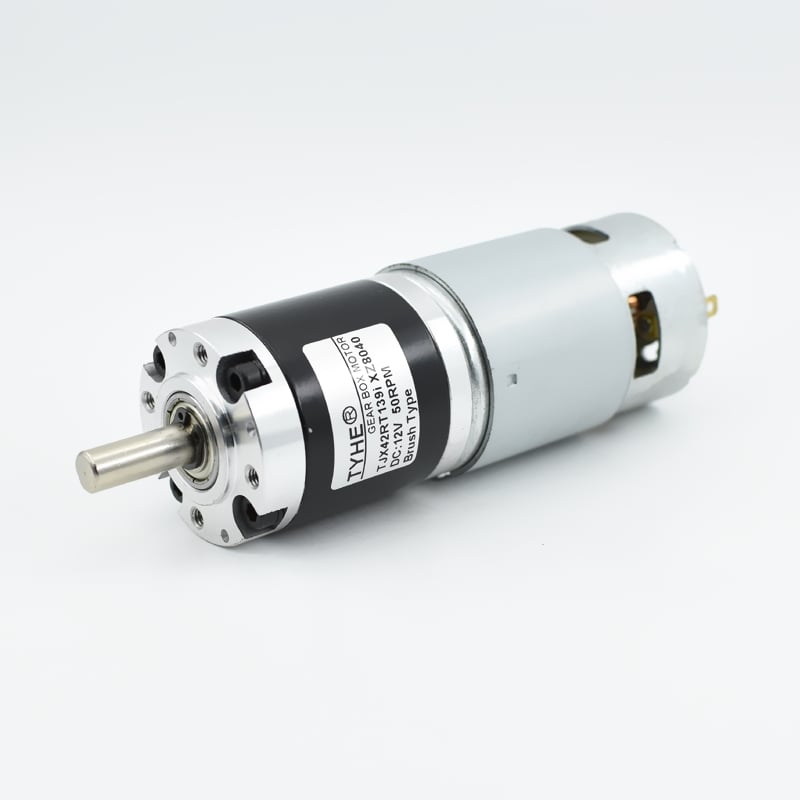
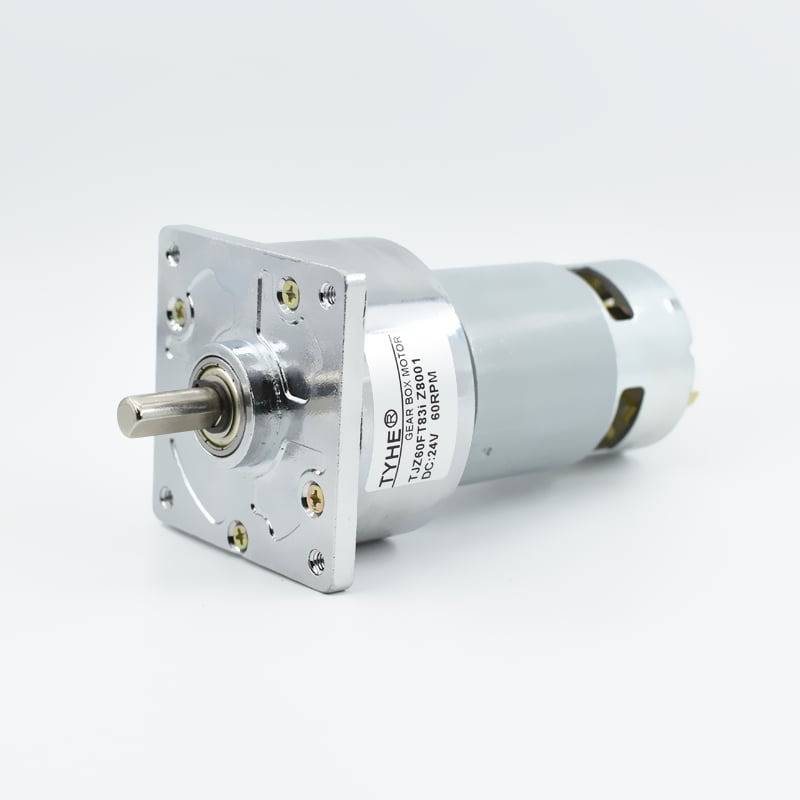
Motor types: DC stepper motor (precision positioning) / DC brushed motor + worm gear actuator (self-locking valve drive) / micro DC gear motor (peristaltic pump head)
Application case
Two device families dominate micro motor demand in the valves-and-meters category: motorized shut-off and control valves inside smart metering infrastructure, and peristaltic dosing pumps that must deliver a repeatable volume per revolution.
Sub-function |
Drive configuration |
Critical requirement |
Smart meter integral shut-off valve |
Micro DC gear motor + worm gear stage |
Self-locking hold, ultra-low standby current, high cycle life |
Motorized ball / gate valve actuator |
Worm gear actuator or stepper + reduction |
Full-stroke torque at low speed, position feedback |
Peristaltic dosing pump head |
Micro DC gear motor / stepper motor |
Speed stability, consistent torque, low pulsation |
Multi-channel dosing skids |
Stepper motor per channel |
Open-loop precise positioning without encoder drift |
Meter register / pointer drive |
Micro gear motor |
Micro-torque output, decades-long life |
Smart water metering was estimated at USD 5.13 billion in 2025 and is expected to grow at a 7.2% CAGR between 2026 and 2035 (Global Market Insights); a second forecast puts the segment at USD 6.06 billion in 2026 rising to USD 10.05 billion by 2031 at a 10.6% CAGR (MarketsandMarkets). Peristaltic pumps are estimated at USD 1.74 billion in 2025, heading to USD 3.02 billion by 2035 (Vantage Market Research) — driven by sterile fluid handling and dosing-accuracy mandates in regulated industries.
Industry pain points
1. Battery life is the whole product. Field-installed meter valves run on a primary lithium cell for up to a decade. Standby current in microamps and drive current during short valve strokes decide whether the meter survives its service interval. A motor with high no-load current fails the product even if it performs perfectly on the bench.
2. Torque at low speed with a stuck valve. Valves seize through scale and sediment. The actuator must break a stuck valve free without stalling, burning out or stripping gears — which means sizing for breakaway torque, not running torque.
3. Self-locking hold position. A shut-off valve must stay closed against line pressure with zero power. Worm gear stages hold mechanically; efficient but back-drivable stages require continuous holding current, which is fatal in a battery device.
4. Metering accuracy. For dosing pumps, output volume per revolution depends on speed stability and on backlash-free drive. Stepper motors give repeatable open-loop positioning; gear backlash and speed ripple translate directly into dosing error.
5. Condensation and immersion. Meter pits and pump rooms are wet. Motors need a defined IP code under IEC 60529, corrosion-resistant shafts and housings, and grease that will not wash out or migrate.
6. Maintenance-free life. Field devices cannot be lubricated or serviced. Life is set by brush wear (brushed), bearing wear and grease degradation — so life-test data at the real duty cycle is the only credible evidence.
7. Chemical compatibility. Dosing pumps handle chlorine, acids and flocculants. Motor materials and seals must resist splash and vapour exposure from the pumped media.
TYHE solution
TYHE Motor manufactures micro DC motors, planetary gear motors, worm gear motors and stepper motors — around 200 motor types and 2,000+ SKUs, diameters from roughly 16 mm to 106 mm, CE and RoHS certified under an ISO 9001-based quality management system, exported to 35+ countries across 50 industries. The company's valves-and-meters portfolio already includes gear motors for valve flowmeters and micro gearmotors for irrigation valve control.
For metering and dosing programs:
Self-locking worm gear actuators
- for shut-off valves, specified against breakaway torque and line pressure, holding position with zero current.
Stepper motors
- for dosing pumps and multi-channel skids where repeatable open-loop positioning removes encoder cost and drift.
Low-current specification:
- no-load current and drive current stated in the datasheet so battery life can be modelled before prototyping.
Sealing and material options
- with the IP code and corrosion requirement written into the drawing rather than left to a generic "waterproof" claim.
Life evidence:
- cycle-life and continuous-run testing at the customer's duty cycle, documented with conditions.
Program execution:
- dedicated sample line, design-to-mass-production in under 40 days, four assembly lines and 100+ production staff for volume, 24-hour after-sales response, and R&D cost refunded after mass production.
Data to prepare before the RFQ
1. Valve type, size and line pressure; breakaway and running torque
2. Stroke, stroke time and cycles per day / per year
3. Power source: battery chemistry and capacity, or supply voltage and current limit
4. Peristaltic pump: tube size, required flow rate, pressure head, accuracy tolerance
5. Fluid media and chemical exposure; cleaning or immersion regime
6. Required IP code and ambient temperature range
7. Target service life in years and any maintenance constraint
FAQ
Why use a worm gear motor for a smart meter valve?Because it self-locks: the valve stays in position against line pressure with zero holding current, which is essential when the device runs on a primary battery for years.
Stepper or DC gear motor for a dosing pump?Stepper for precise, repeatable volume per revolution and open-loop positioning; DC gear motor for continuous transfer duties where efficiency and cost matter more than indexing accuracy.
How is battery life estimated?From standby current multiplied by idle hours plus drive current multiplied by stroke duration and stroke frequency. Ask the supplier for both figures at your supply voltage.
What causes dosing inaccuracy?Speed ripple, gear backlash, tube wear and fluid viscosity changes. Motor-side fixes are low-backlash gearing and stable speed control; tube life is a consumable-management issue.
What IP rating do meter pit installations need?Define it from actual exposure — immersion risk in pits typically demands a higher liquid-ingress digit than indoor pump rooms. Specify the code, not an adjective, per IEC 60529.
Can these motors be used in potable water contact?Contact with potable water is governed by materials regulations in the destination market. Motors are usually isolated from the fluid path by the pump head or valve body; confirm wetted-part materials separately.
Bottom line
Metering and dosing applications reward three specifications above all: zero-current self-locking hold, documented standby and drive current, and life-test data at the real duty cycle. Get those into the drawing and the motor stops being the risk in a ten-year field device.
Contact TYHE Motor for valve and metering drive solutions: https://www.tyhemotors.com/contact-us