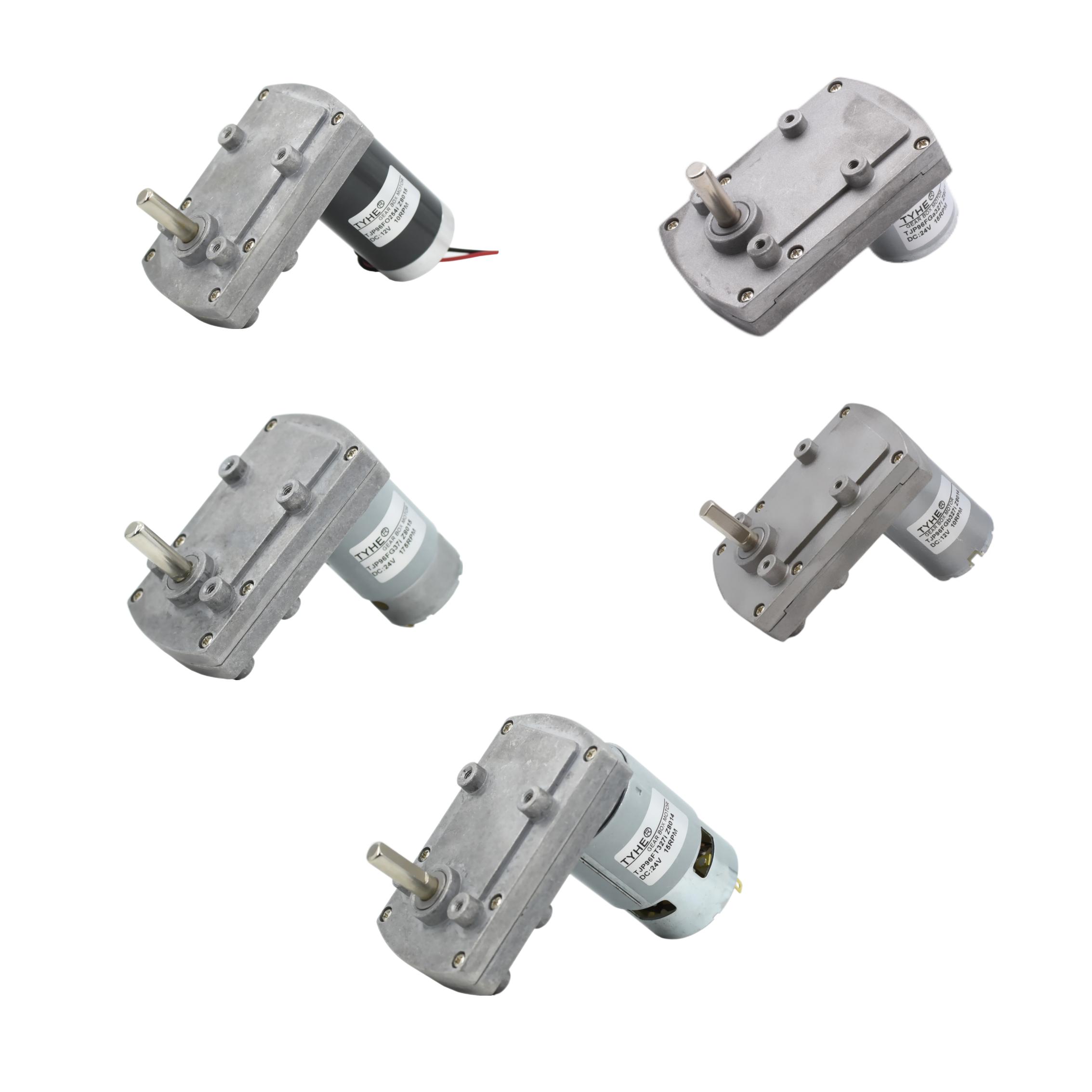
micro dc motor controller
A micro dc motor controller is a compact electronic unit that manages the speed, direction, torque, and starting behavior of a small direct current motor. It receives commands from a switch, sensor, computer, or embedded control board, then adjusts electrical power so the motor performs a specific task. A micro dc motor controller may support forward and reverse rotation, pulse width modulation speed control, soft start, braking, and overload protection. These functions help equipment move smoothly instead of starting suddenly or running at an uncontrolled speed. Most designs use efficient switching components that reduce heat and energy loss during operation. Depending on the model, a micro dc motor controller can handle brushed DC motors, low-voltage battery systems, or specialized miniature drive assemblies. Its compact size allows installation inside handheld products, medical instruments, robotics, toys, office devices, and automated mechanisms. Some versions include current sensing, stall detection, thermal protection, and feedback input for more accurate movement. A micro dc motor controller can also simplify product development because it combines essential drive functions in one ready-to-integrate module. Engineers can select a micro dc motor controller according to voltage range, continuous current, peak current, control signal, communication method, and mounting style. For buyers, the key purpose is simple: a micro dc motor controller gives a small motor controlled, repeatable, and protected performance while saving space in the final product. With the right ratings, this device supports reliable motion, quieter operation, longer motor life, and easier system integration.

 EN