
 EN
EN
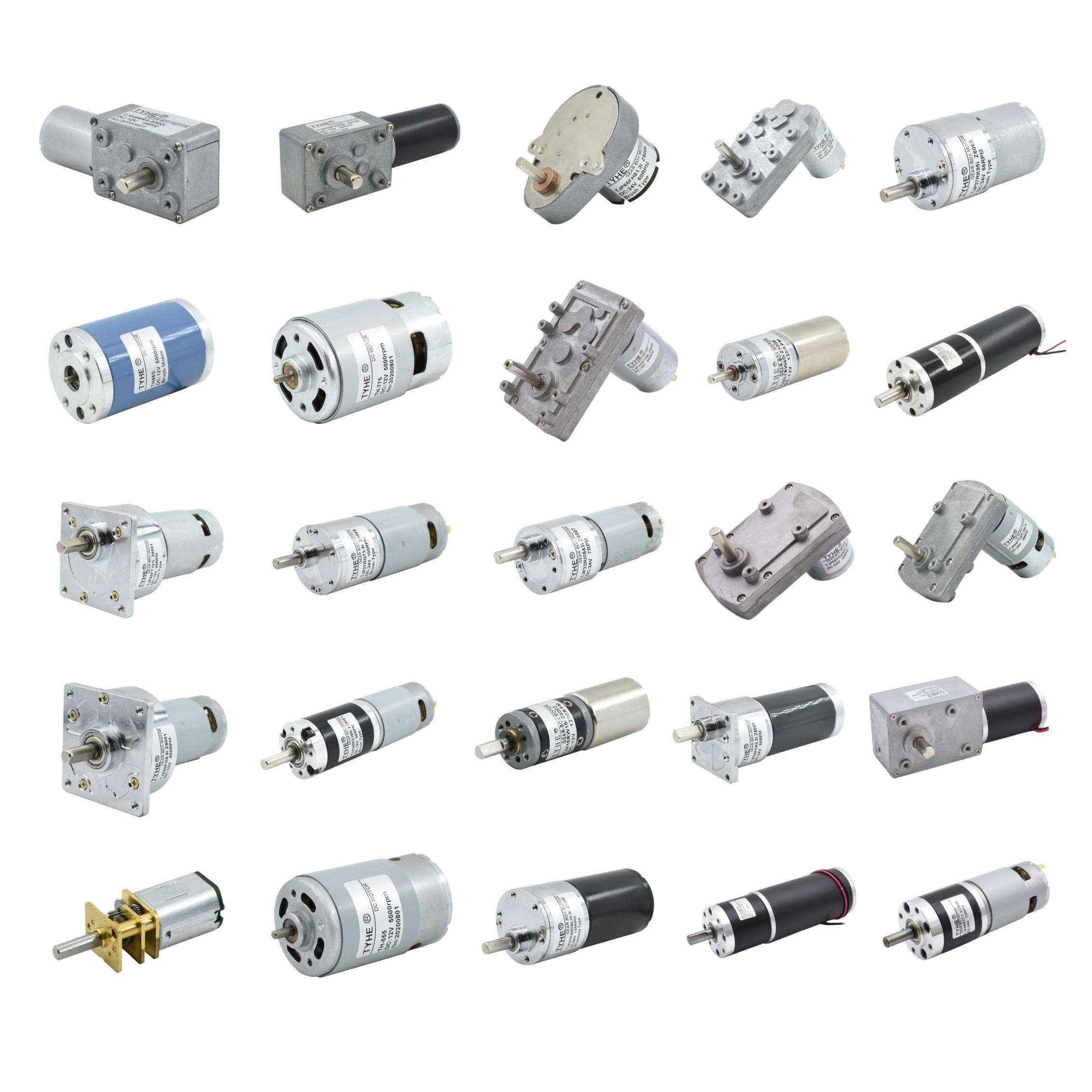
The magnetic field is the invisible engine behind every dc motor. Without a properly structured and controlled magnetic field, the fundamental conversion of electrical energy into mechanical rotation simply cannot occur. Understanding how this field is generated, shaped, and interacted with inside a dc motor is essential for engineers, technicians, and procurement professionals who rely on these machines in demanding industrial applications.
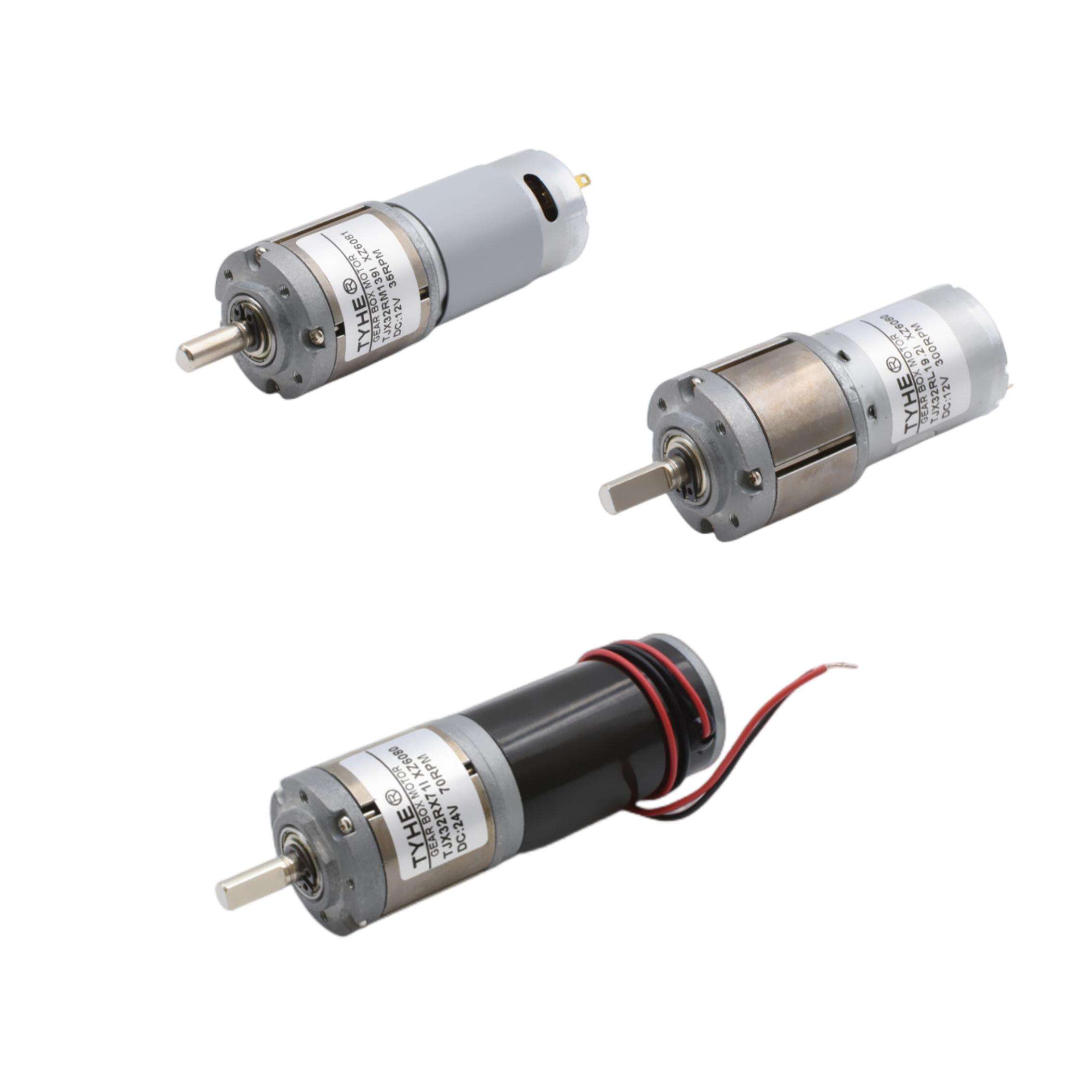
A dc motor operates on the principle that a current-carrying conductor placed within a magnetic field experiences a mechanical force. This interaction, governed by the Lorentz force law, is what drives the rotor to spin. The quality, uniformity, and strength of the magnetic field directly determine how efficiently and reliably a dc motor performs under load. Grasping these fundamentals helps teams make better decisions about motor selection, maintenance, and system design.
The Origin of the Magnetic Field in a DC Motor
Field Windings and Permanent Magnets
In a dc motor, the magnetic field in the stator can be produced in two primary ways: through field windings or through permanent magnets. Field windings are coils of wire wound around iron pole pieces inside the stator housing. When direct current flows through these windings, they generate a steady magnetic field that fills the air gap between the stator and the rotor. The strength of this field can be adjusted by varying the current supplied to the windings, which gives operators a degree of control over motor speed and torque.
Permanent magnet dc motors, on the other hand, use fixed magnets embedded in the stator to create the field. These designs are compact and efficient at smaller power ratings because they eliminate the energy loss associated with maintaining field winding current. However, the field strength in a permanent magnet dc motor cannot be adjusted externally, which limits flexibility in variable-speed applications. The choice between wound-field and permanent magnet configurations depends heavily on the operational demands of the application.
Both approaches produce the same fundamental result: a stationary magnetic field that the rotating armature conductors can interact with. The geometry of the pole pieces and the distribution of the magnetic flux are carefully engineered to maximize torque production and minimize losses within the dc motor.
The Role of the Iron Core in Shaping the Field
Iron is used extensively in the construction of a dc motor because of its high magnetic permeability. The stator poles, the rotor core, and the yoke that connects the poles are all made from laminated iron or steel. This material guides the magnetic flux along a low-reluctance path, concentrating the field in the air gap where it can do useful work on the armature conductors.
Lamination is critical in a dc motor because it reduces eddy current losses. When the magnetic field changes — even slightly due to armature reaction or commutation — it induces circulating currents in solid iron. By stacking thin insulated laminations rather than using a solid core, designers dramatically reduce these losses and improve overall efficiency. The lamination thickness is chosen based on the operating frequency and the acceptable level of core loss for the specific dc motor design.
The shape of the pole face is also engineered to produce a specific flux density distribution across the air gap. A uniform or slightly tapered distribution helps ensure smooth torque production and reduces the risk of localized saturation, which would distort the field and degrade dc motor performance.
How the Armature Interacts with the Magnetic Field
Current-Carrying Conductors and the Lorentz Force
The armature of a dc motor consists of a set of conductors wound into slots on the rotor core. When current flows through these conductors in the presence of the stator magnetic field, each conductor experiences a force according to the Lorentz force law: F equals I times L cross B, where I is the current, L is the conductor length, and B is the magnetic flux density. The direction of this force is perpendicular to both the conductor and the field, which produces a tangential force that creates rotational torque.
The commutator and brush assembly in a conventional dc motor play a critical role in maintaining the correct current direction in each armature conductor as the rotor turns. Without this switching action, the force on each conductor would reverse as it passed from one pole to the next, and the net torque would average to zero. The commutator ensures that conductors under the north pole always carry current in one direction and conductors under the south pole always carry current in the opposite direction, sustaining continuous unidirectional rotation.
The torque produced by a dc motor is directly proportional to both the armature current and the strength of the magnetic field. This relationship is one of the most important characteristics of dc motor behavior and is the basis for torque control strategies used in industrial drive systems.
Armature Reaction and Field Distortion
When the armature carries current, it generates its own magnetic field. This armature field interacts with the main stator field and distorts it, a phenomenon known as armature reaction. The result is that the effective magnetic neutral axis — the position where the field crosses zero — shifts from its geometric center. In a dc motor operating under heavy load, this shift can be significant enough to cause commutation problems, increased sparking at the brushes, and reduced efficiency.
Designers address armature reaction in several ways. Interpoles, also called commutating poles, are small auxiliary poles placed between the main poles of the dc motor. They carry a winding connected in series with the armature and generate a localized field that counteracts the armature field at the commutation zone. This restores clean commutation and protects the brushes and commutator from excessive wear.
Compensating windings embedded in the faces of the main poles provide a more complete solution for high-performance dc motor designs. These windings carry armature current and produce a field that directly opposes the armature reaction field across the entire pole face, maintaining a uniform air gap flux distribution even under rapidly changing load conditions.
Types of DC Motor Field Configurations and Their Magnetic Behavior
Series, Shunt, and Compound Wound Motors
The way the field winding is connected relative to the armature winding defines the electrical type of a dc motor and has a profound effect on its magnetic field behavior under varying load. In a series dc motor, the field winding is connected in series with the armature. This means the field current equals the armature current, so the magnetic field strengthens as load increases. The result is very high starting torque, but speed drops sharply with increasing load, making series dc motor designs suitable for traction and hoisting applications.
A shunt dc motor connects the field winding in parallel with the armature across the supply voltage. Because the field voltage is constant, the magnetic field remains nearly constant regardless of load changes. This gives the shunt dc motor relatively stable speed characteristics, making it well suited for machine tools, fans, and conveyors where consistent speed is important. The trade-off is lower starting torque compared to the series configuration.
Compound dc motor designs combine both series and shunt field windings. The cumulative compound dc motor adds the series field flux to the shunt field flux, providing higher starting torque than a pure shunt motor while maintaining better speed regulation than a pure series motor. The differential compound configuration subtracts the series flux, which can produce very flat speed-torque curves but risks instability under certain load conditions. Understanding these magnetic field interactions is essential when selecting the right dc motor type for a given application.
Brushless DC Motors and Electronic Field Control
Modern brushless dc motor designs replace the mechanical commutator with electronic switching. In a brushless dc motor, the permanent magnets are typically mounted on the rotor, and the stator carries the windings. An electronic controller switches current through the stator windings in a sequence that creates a rotating magnetic field, which the rotor magnets follow. This reversal of the traditional dc motor architecture eliminates brush wear and allows for much higher speeds and cleaner operation.
The magnetic field in a brushless dc motor is controlled with high precision by the drive electronics. Hall effect sensors or encoder feedback tells the controller the exact rotor position, allowing it to energize the correct stator phases at the right moment to maintain optimal torque production. This level of field control gives brushless dc motor systems superior efficiency and dynamic response compared to brush-type designs.
Despite the architectural differences, the fundamental physics remain the same. The interaction between the magnetic field and current-carrying conductors — whether in the stator or the rotor — is what produces torque in every type of dc motor. The evolution from wound-field brush motors to permanent magnet brushless designs represents a refinement of how that magnetic field is generated and managed, not a departure from the underlying electromagnetic principles.
Practical Implications of Magnetic Field Strength and Quality
Efficiency, Torque Density, and Thermal Management
The strength and uniformity of the magnetic field have a direct impact on the torque density of a dc motor. A stronger field allows the same torque to be produced with less armature current, which reduces resistive losses in the windings and improves overall efficiency. This is why high-performance dc motor designs invest heavily in optimizing the magnetic circuit, using high-grade electrical steel, precision-wound coils, and carefully profiled pole faces.
Thermal management is closely linked to magnetic field quality. Excessive armature reaction, core losses from poor lamination, or field weakening due to winding degradation all increase heat generation within the dc motor. Elevated temperatures accelerate insulation aging, reduce magnet strength in permanent magnet designs, and can ultimately lead to premature failure. Monitoring the thermal behavior of a dc motor in service provides indirect insight into the health of its magnetic circuit.
For applications requiring variable speed, field weakening is a deliberate technique used to extend the speed range of a dc motor beyond its base speed. By reducing the field current in a wound-field motor, the back-EMF decreases, allowing the motor to accelerate further on the same supply voltage. This technique requires careful management because operating with a weakened field increases armature current for the same torque, raising thermal stress on the armature windings.
Maintenance Considerations Related to the Magnetic Field
Maintaining the integrity of the magnetic field is a key aspect of dc motor service. For wound-field motors, periodic inspection of the field winding insulation resistance helps detect moisture ingress or thermal degradation before it causes a short circuit. A shorted turn in a field winding reduces the effective number of turns and weakens the magnetic field, leading to reduced torque output and potential speed instability in the dc motor.
In permanent magnet dc motor designs, the magnets can lose strength over time if exposed to excessive heat, mechanical shock, or demagnetizing currents. Technicians should be aware that operating a permanent magnet dc motor beyond its rated current for extended periods can partially demagnetize the rotor magnets, permanently reducing the motor's torque capability. Replacement of demagnetized magnets is possible but requires specialized equipment and expertise.
Brush condition and commutator surface quality also affect the magnetic field indirectly. Poor contact between brushes and the commutator increases armature circuit resistance and introduces current ripple, which creates fluctuating armature reaction fields. These fluctuations can cause vibration, noise, and accelerated wear in the dc motor. Regular inspection and timely replacement of brushes is a simple but effective way to preserve stable magnetic field conditions during operation.
FAQ
What creates the magnetic field in a dc motor?
The magnetic field in a dc motor is created either by field windings — coils of wire carrying direct current wound around iron pole pieces in the stator — or by permanent magnets fixed to the stator. Both methods produce a stationary magnetic field in the air gap that interacts with the current-carrying armature conductors to generate rotational torque. The choice between wound-field and permanent magnet designs depends on the power rating, speed control requirements, and operational environment of the application.
How does armature reaction affect the magnetic field in a dc motor?
Armature reaction occurs when the magnetic field produced by the armature current distorts the main stator field of the dc motor. This distortion shifts the magnetic neutral axis and can cause commutation problems, increased brush sparking, and reduced efficiency under heavy load. Interpoles and compensating windings are engineering solutions used in dc motor designs to counteract armature reaction and maintain stable field conditions across the operating range.
Can the magnetic field strength in a dc motor be adjusted?
In wound-field dc motor designs, the magnetic field strength can be adjusted by varying the current supplied to the field windings. Reducing field current weakens the field and allows the motor to run at higher speeds beyond its base speed rating, a technique known as field weakening. In permanent magnet dc motor designs, the field strength is fixed by the magnets and cannot be adjusted externally, which limits speed range flexibility but simplifies the drive system.
Why does the magnetic field matter when selecting a dc motor for an industrial application?
The magnetic field characteristics of a dc motor directly determine its torque output, speed regulation, efficiency, and dynamic response. A motor with a strong, well-distributed field will deliver higher torque density and better efficiency at the same current level. Understanding whether the application requires a constant field for stable speed, an adjustable field for variable speed operation, or a high-flux design for maximum starting torque helps engineers select the most appropriate dc motor configuration and avoid costly mismatches between motor capability and application demand.
