
 EN
EN
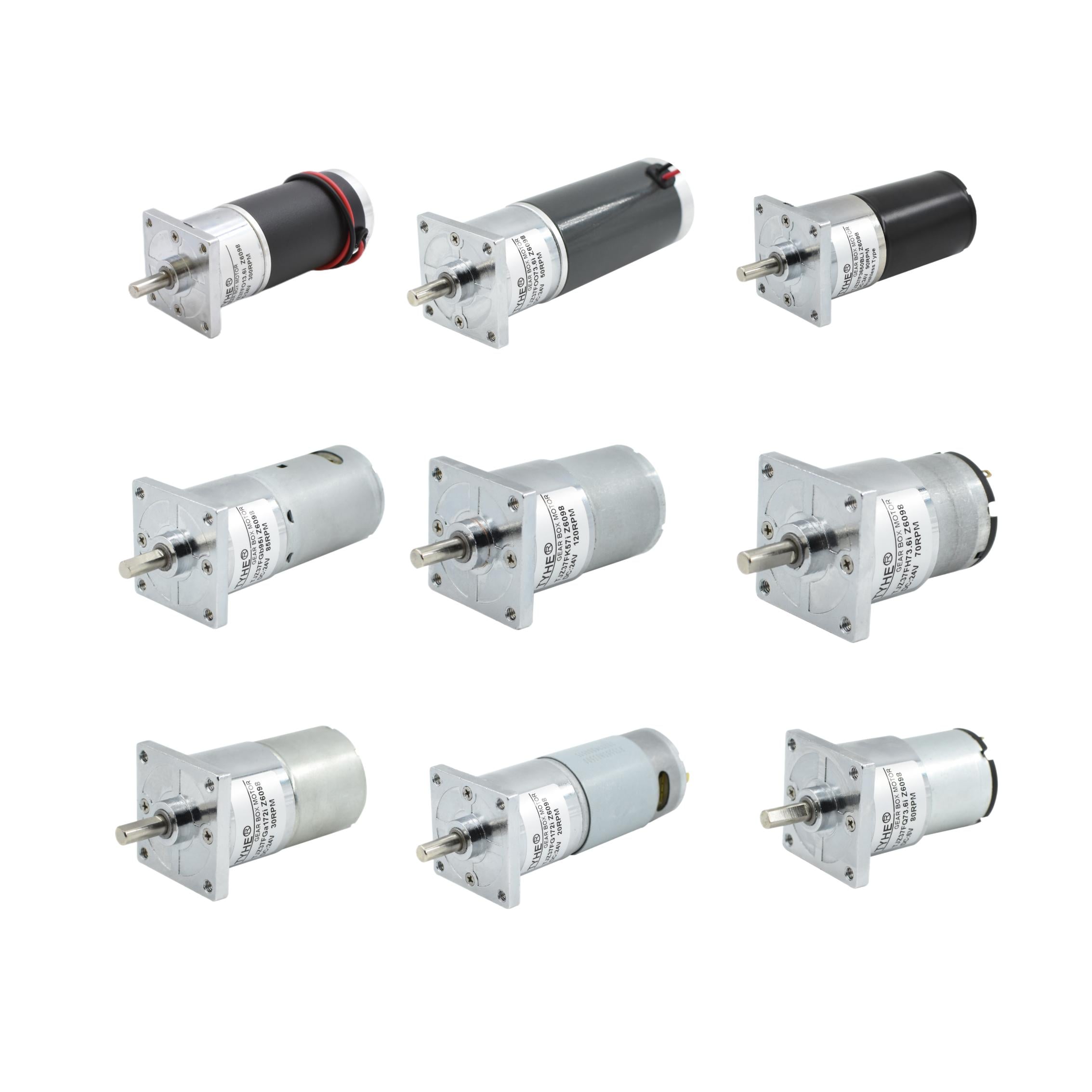
The 12v dc motor is one of the most widely used electromechanical components in the automotive industry. Its compact design, reliable torque output, and compatibility with standard vehicle electrical systems make the 12v dc motor an indispensable building block across dozens of vehicle functions. Whether in economy cars or commercial trucks, the 12v dc motor continues to prove its value at every level of vehicle engineering.
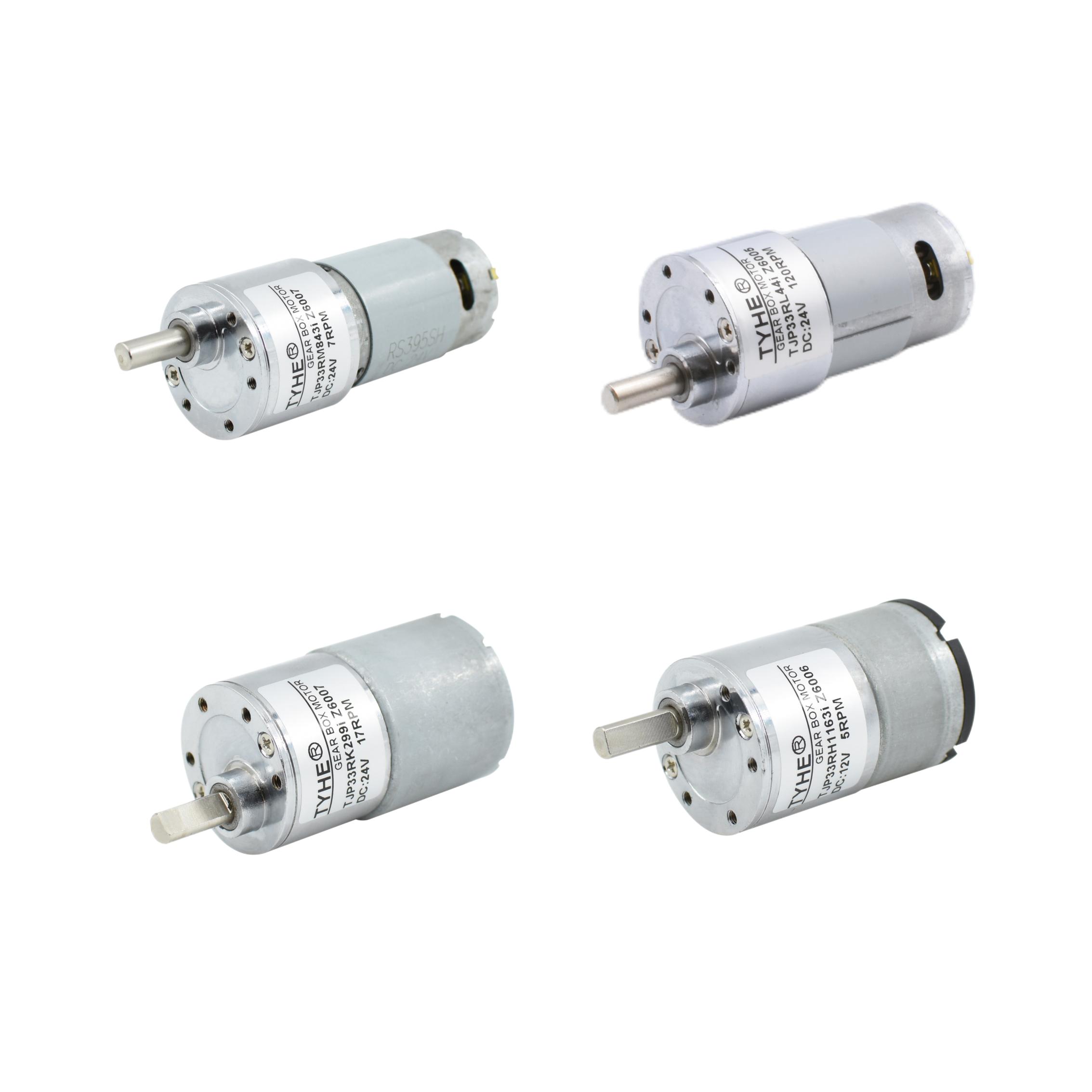
What makes the 12v dc motor particularly suited to automotive applications is its direct compatibility with the 12-volt electrical architecture found in virtually every passenger vehicle on the road today. This means the 12v dc motor can be integrated without additional voltage conversion hardware, reducing system complexity and cost. Engineers and designers consistently turn to the 12v dc motor because it offers an excellent balance of power density, controllability, and long service life under demanding operating conditions.
Core Automotive Applications of the 12V DC Motor
Window Regulators and Mirror Adjustment Systems
One of the most familiar uses of the 12v dc motor in everyday vehicles is inside power window regulators. Each powered window typically houses a dedicated 12v dc motor that drives a regulator mechanism, converting rotational force into the smooth vertical movement of the glass panel. The 12v dc motor in this role must deliver consistent torque while operating quietly and fitting within a confined door cavity. Similarly, power side mirrors rely on small 12v dc motor units to enable precise angular adjustment, providing driver convenience and improved road safety. The compact footprint of the 12v dc motor makes it ideal for these space-restricted installations where both size and reliability are critical.
Cooling Fans and HVAC Blower Units
Thermal management in modern vehicles depends heavily on the 12v dc motor. Radiator cooling fans, condenser fans for air conditioning systems, and cabin blower units all use the 12v dc motor to move air at variable speeds. In these roles, the 12v dc motor must handle continuous duty cycles, resist moisture and vibration, and respond quickly to electronic control signals. A well-engineered 12v dc motor in a cooling application can endure extreme temperature swings while maintaining consistent airflow performance. The flexibility of 12v dc motor speed control through pulse-width modulation allows the vehicle's electronic control unit to optimize energy consumption and thermal performance simultaneously.
Mechanical Actuation Roles Across the Vehicle
Seat Adjustment and Steering Column Controls
Modern vehicles increasingly offer motorized seat positioning, lumbar support, and steering column adjustment as standard comfort features. Each of these functions is driven by one or more 12v dc motor units working in tandem with gear reduction assemblies. The 12v dc motor provides the necessary torque to move heavy seat structures smoothly and quietly, meeting both ergonomic and noise standards. Because the 12v dc motor operates under intermittent loads rather than continuous duty in these applications, it can be sized efficiently, reducing weight and material costs. Designers rely on the precise torque characteristics of the 12v dc motor to ensure repeatable positioning accuracy across thousands of adjustment cycles throughout the vehicle's service life.
Fuel Pumps, Wipers, and Actuator Systems
The 12v dc motor plays a critical role in fuel delivery as well. In-tank fuel pump assemblies frequently use a 12v dc motor to pressurize fuel at a flow rate that matches engine demand. Windshield wiper systems represent another essential 12v dc motor application, where the motor drives a linkage assembly to sweep wiper blades across the glass at regulated intervals. Throttle body actuators, EGR valve controllers, and active grille shutter mechanisms are additional examples where the 12v dc motor provides fast, reliable linear or rotational actuation. These applications highlight how deeply embedded the 12v dc motor is within the safety and emissions management architecture of contemporary vehicles.
Why the 12V DC Motor Remains the Preferred Choice
Electrical Compatibility and System Integration
The 12v dc motor aligns naturally with the 12-volt lead-acid or AGM battery systems that power conventional internal combustion and mild-hybrid vehicles. This native compatibility eliminates the need for step-down converters or dedicated power supplies, simplifying wiring harness design and reducing system cost. The 12v dc motor is also straightforward to control using standard relays, MOSFETs, or H-bridge driver circuits, enabling both simple on-off operation and sophisticated variable-speed control. As vehicle electronics grow more complex, the 12v dc motor remains a dependable low-voltage actuator that integrates cleanly with CAN bus systems and body control modules. This broad compatibility is one of the most compelling reasons why the 12v dc motor has maintained its dominant position in automotive design for decades.
Durability, Serviceability, and Cost Efficiency
Automotive environments expose components to vibration, temperature extremes, humidity, and chemical exposure. The 12v dc motor is engineered to withstand these conditions through the use of sealed housings, high-temperature winding insulation, and corrosion-resistant brush or brushless commutation systems. Brushless variants of the 12v dc motor offer extended service life and reduced electromagnetic interference, making them increasingly popular in premium vehicle applications. From a cost perspective, the 12v dc motor benefits from mature manufacturing processes and widespread supplier availability, keeping per-unit costs competitive. For automotive OEMs and aftermarket parts suppliers, the 12v dc motor represents a proven solution that delivers strong performance at a predictable total cost of ownership.
FAQ
What is the typical lifespan of a 12v dc motor used in automotive applications?
The lifespan of a 12v dc motor in automotive use depends on the application and motor type. Brushed 12v dc motor units in intermittent-duty roles such as window regulators may last the vehicle's full service life, while brushless 12v dc motor designs used in cooling fans can exceed 10,000 hours of continuous operation under normal conditions.
Can a 12v dc motor be speed-controlled in automotive systems?
Yes, the 12v dc motor is highly compatible with speed control methods including pulse-width modulation, which is widely used in automotive HVAC blowers and cooling fan applications. The electronic control unit sends variable duty-cycle signals to the 12v dc motor driver circuit, enabling smooth and energy-efficient speed adjustment without mechanical throttling.
What distinguishes a brushless 12v dc motor from a brushed version in vehicles?
A brushless 12v dc motor replaces the carbon brush and commutator assembly with electronic commutation, eliminating friction wear and electrical arcing. This makes the brushless 12v dc motor more durable, quieter, and better suited for high-cycle or continuous-duty automotive applications, though it requires a more complex driver circuit compared to a standard brushed 12v dc motor.
