
 EN
EN
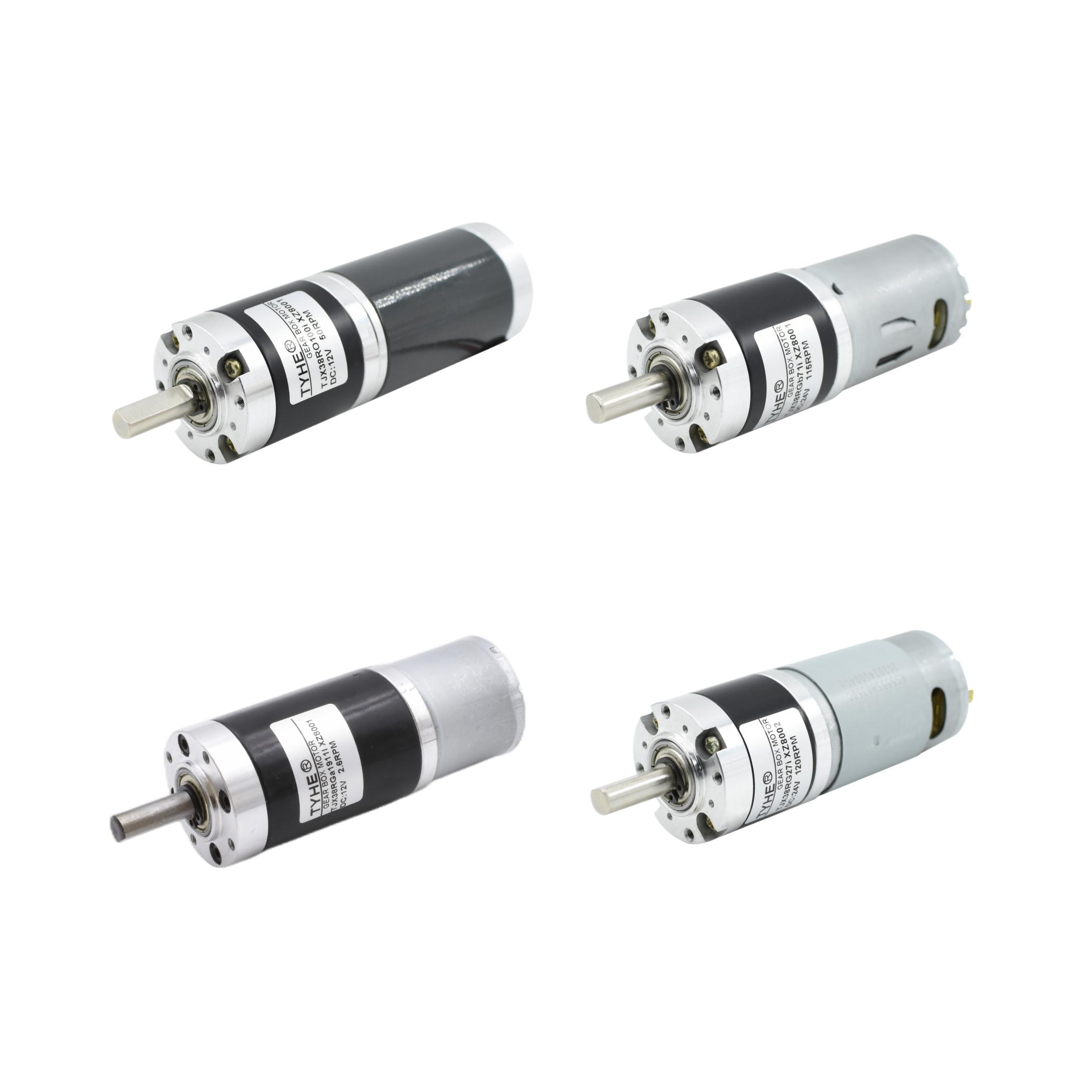
When evaluating motion control solutions for industrial or commercial equipment, understanding the true cost of a brush dc motor goes far beyond its initial purchase price. A brush dc motor is one of the most established and widely deployed motor technologies available, and its cost profile involves multiple layers that engineers and procurement teams must carefully assess before making a final decision. From upfront hardware expenditure to long-term operational expenses, every factor contributes to the total cost of ownership.
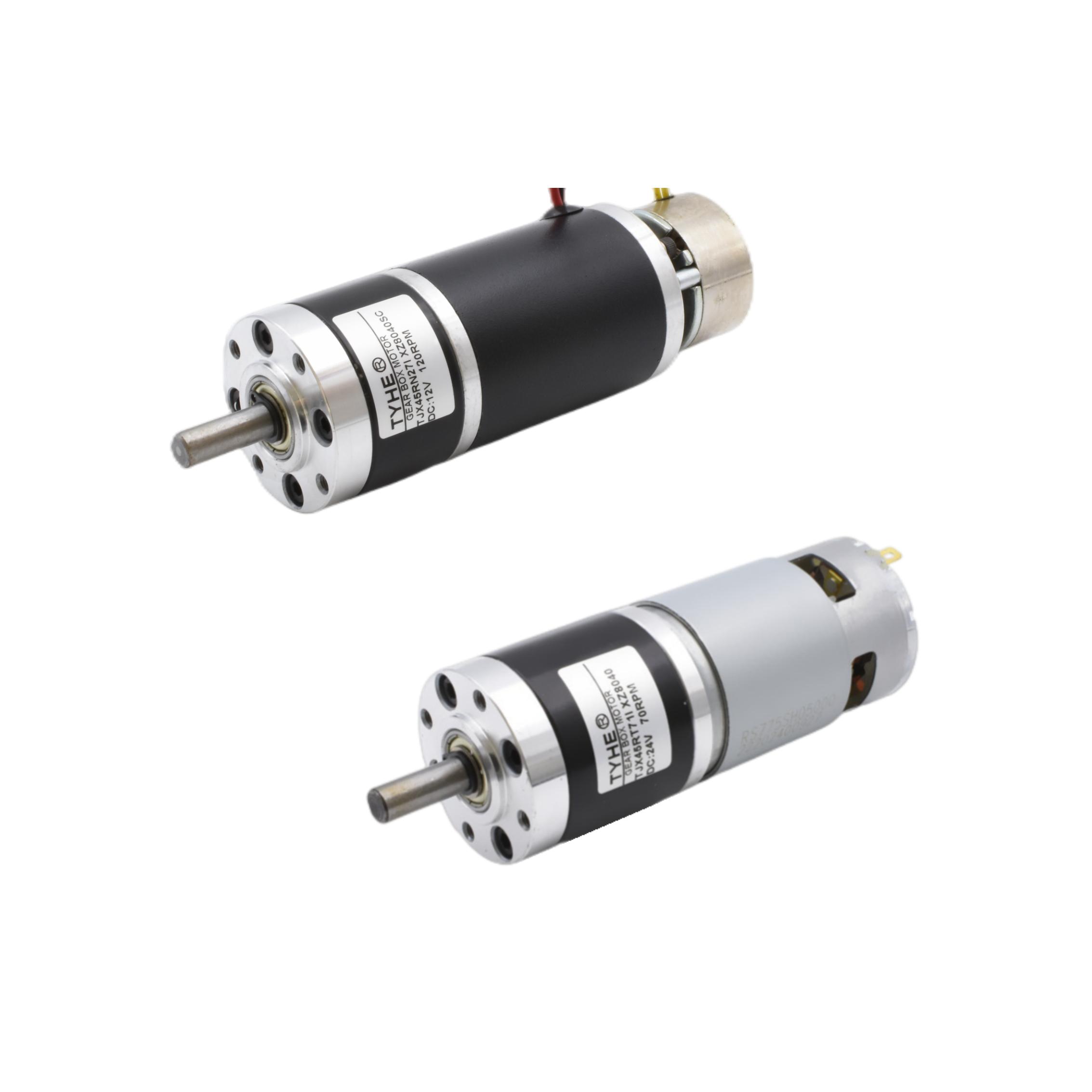
The brush dc motor remains a cost-effective and mechanically straightforward option across many applications. However, implementation costs vary significantly depending on motor size, load requirements, operating environment, and the level of control precision needed. A thorough cost analysis of a brush dc motor implementation ensures that businesses avoid unexpected expenditures and select the right motor for their specific operational demands. This article breaks down each major cost category to give decision-makers a clear financial picture.
Upfront Acquisition and Integration Costs
Purchase Price and Component Selection
The most visible cost associated with a brush dc motor is the unit price itself. A brush dc motor is generally priced lower than brushless or stepper motor alternatives of comparable power ratings, which makes it attractive for budget-sensitive projects. The brush dc motor market offers a wide range of configurations, from small fractional-horsepower units to larger industrial-grade models, with pricing scaling accordingly. Selecting the right brush dc motor specification at the outset prevents costly over-engineering or premature under-performance.
Beyond the motor unit, procurement teams must account for mounting hardware, shaft couplings, connectors, and protective enclosures. Each brush dc motor installation requires compatible drive electronics, typically a PWM speed controller or H-bridge driver, which adds to the upfront budget. In higher-volume applications, these ancillary components can collectively represent a meaningful portion of the total acquisition cost for each brush dc motor system.
System Integration and Engineering Labor
Integrating a brush dc motor into an existing or new machine requires engineering time for mechanical alignment, electrical wiring, and control system configuration. Because a brush dc motor uses a relatively simple speed control interface, integration labor is generally shorter compared to more complex motor types. Engineers familiar with brush dc motor characteristics can typically complete system integration faster, reducing labor hours and associated costs. This simplicity is one of the core financial advantages of choosing a brush dc motor for many applications.
Operational and Energy Costs Over Time
Power Consumption and Efficiency Considerations
A brush dc motor consumes electrical energy continuously during operation, and its efficiency directly affects ongoing energy costs. The brush dc motor delivers reliable torque across a wide speed range, but internal brush friction introduces minor energy losses that slightly reduce overall efficiency compared to brushless designs. For low-duty-cycle applications, this efficiency gap has minimal financial impact. However, in continuous or high-duty-cycle environments, the cumulative energy cost of operating a brush dc motor at reduced efficiency can become a measurable budget factor over months and years.
Engineers should calculate the expected operating hours and load profile when estimating energy costs for a brush dc motor deployment. Running a brush dc motor at or near its rated load and speed typically yields the best energy efficiency. Oversizing or undersizing a brush dc motor for a given load leads to inefficient operation and higher electricity consumption, ultimately increasing the total cost of the installation.
Thermal Management and Environmental Factors
A brush dc motor generates heat through both electrical resistance and brush-commutator friction. In demanding environments, adequate cooling and ventilation must be provided to prevent premature brush dc motor failure. The cost of thermal management solutions, such as heat sinks, cooling fans, or sealed enclosures, should be factored into the operational budget. Ignoring thermal requirements can significantly shorten the service life of a brush dc motor, converting a seemingly low-cost choice into a costly maintenance liability.
Maintenance, Replacement, and Lifecycle Costs
Brush Wear and Scheduled Maintenance
The defining maintenance requirement of a brush dc motor is periodic brush replacement. Brushes are wear components that gradually erode through contact with the commutator, and their replacement interval depends on operating speed, load, and environmental conditions. A well-designed brush dc motor can operate for thousands of hours before brush replacement is necessary, but this service requirement does add a recurring cost that a brushless motor would not incur. Procurement and maintenance teams should obtain brush replacement cost estimates when building a brush dc motor lifecycle budget.
Beyond brush wear, commutator cleaning and inspection are recommended at scheduled intervals. Dust, debris, and carbon deposits from brush wear can accumulate inside a brush dc motor and degrade commutation quality over time. Scheduled preventive maintenance for a brush dc motor is straightforward and typically requires only basic tools and trained technicians, keeping service labor costs manageable. Documenting brush dc motor maintenance history also helps predict replacement cycles with greater accuracy.
Total Lifecycle Value and Replacement Planning
A brush dc motor typically offers a lower total lifecycle cost in applications with moderate duty cycles and periodic maintenance access. The initial savings on a brush dc motor compared to more advanced alternatives often offset the cumulative brush and commutator maintenance costs over a realistic service period. For applications running continuously in harsh environments, organizations should weigh whether the brush dc motor lifecycle cost remains competitive or whether an alternative motor technology would deliver better long-term value. Replacement planning should account for lead times, spare inventory, and the potential downtime cost if a brush dc motor fails unexpectedly.
When a brush dc motor reaches the end of its service life, disposal and recycling costs should also be considered. Most brush dc motor components, including copper windings and steel laminations, are recyclable, which can partially offset end-of-life costs. Factoring in every stage from purchase to disposal gives a complete financial picture of what it truly costs to implement a brush dc motor in a production or commercial environment.
FAQ
What is the typical maintenance interval for a brush dc motor?
The maintenance interval for a brush dc motor depends on its operating conditions, but brush inspection is generally recommended every 500 to 2000 operating hours. High-speed or heavy-load applications will wear brushes faster, requiring more frequent service. Following the manufacturer guidelines for your specific brush dc motor model ensures the best balance between uptime and maintenance cost.
Is a brush dc motor more cost-effective than a brushless motor?
A brush dc motor typically has a lower upfront cost and simpler drive electronics than a brushless motor, making it more cost-effective for applications with moderate duty cycles and accessible maintenance. In continuous high-speed applications, the recurring brush replacement cost and slightly lower efficiency of a brush dc motor may reduce its long-term cost advantage. The best choice depends on your specific operating profile and total ownership budget.
How does operating environment affect brush dc motor costs?
A harsh operating environment, such as one with dust, moisture, or extreme temperatures, can accelerate brush and commutator wear in a brush dc motor, increasing maintenance frequency and overall costs. Investing in an appropriately rated enclosure or sealed brush dc motor variant for demanding environments can reduce long-term service expenses and extend the motor service life significantly.
