
 EN
EN
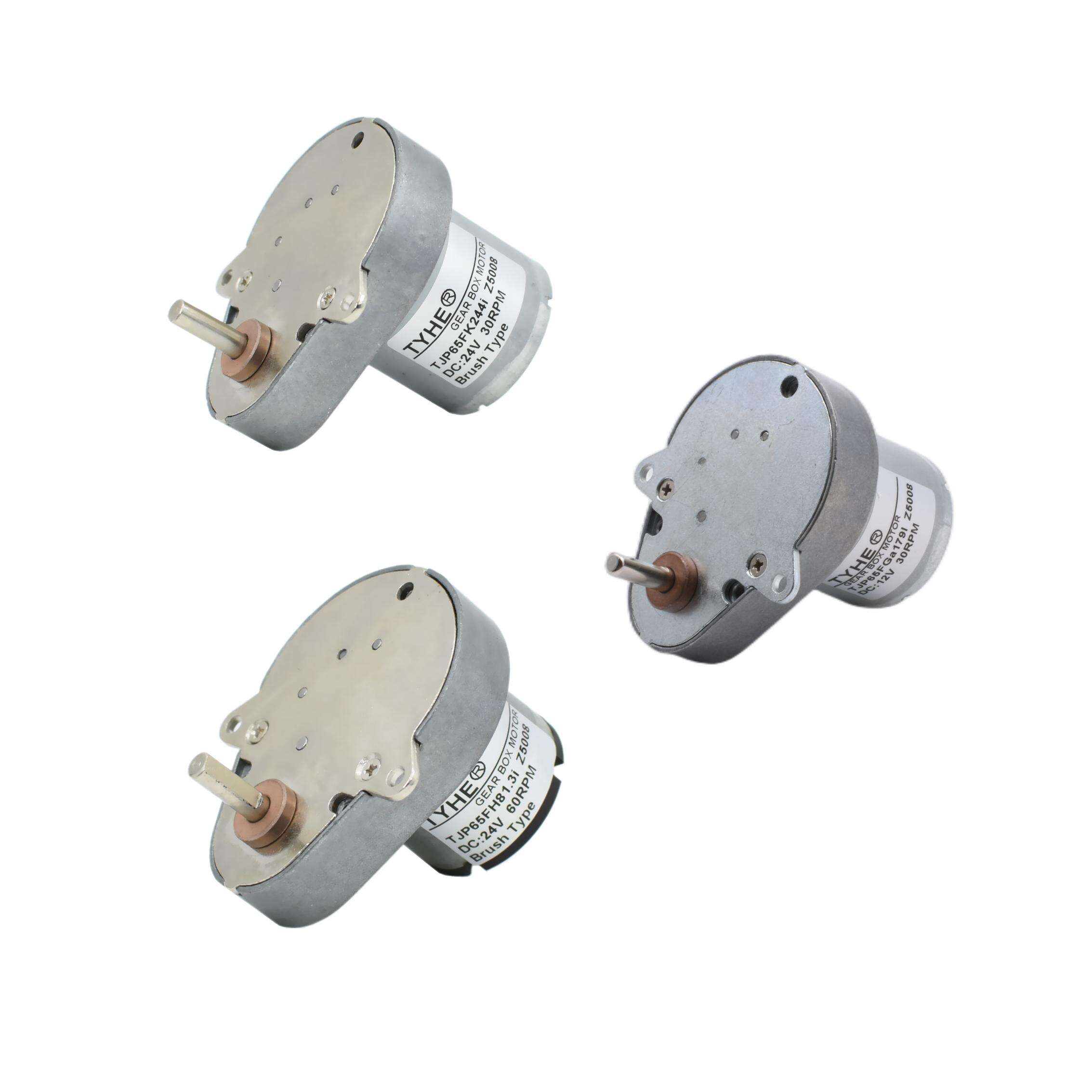
When selecting a motor for your industrial application, understanding the fundamental differences between brush dc motor technology and brushless alternatives becomes crucial for making an informed decision. The choice between these two motor types significantly impacts performance, maintenance requirements, and long-term operational costs. Modern manufacturing processes demand precision and reliability, making motor selection a critical factor in overall system efficiency. Both brush dc motor designs and brushless configurations offer unique advantages that suit different applications and operational requirements.
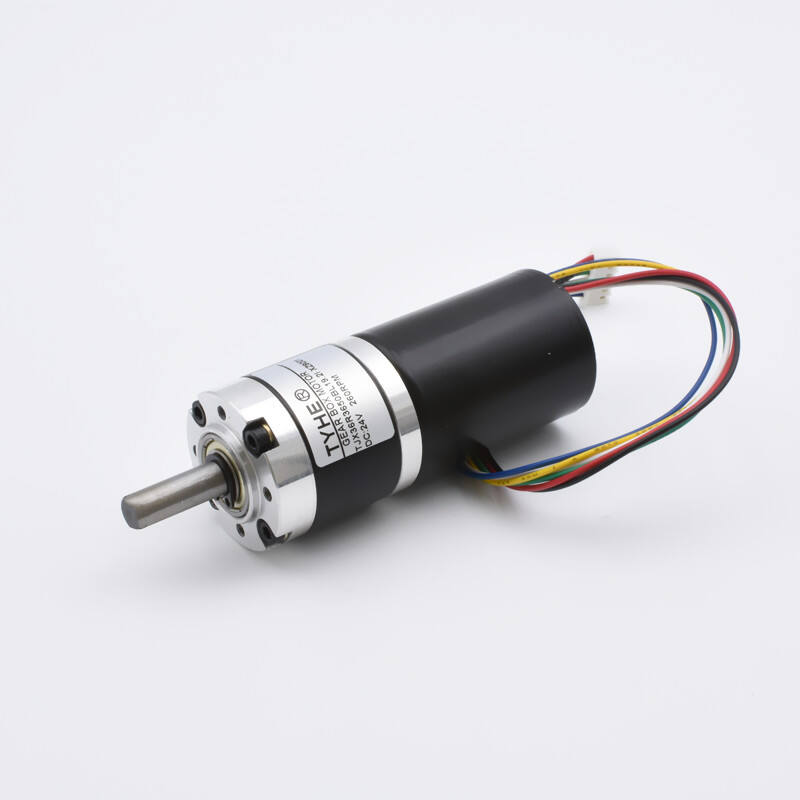
Understanding Brush DC Motor Technology
Basic Operating Principles
A brush dc motor operates through electromagnetic principles that have remained fundamentally unchanged for over a century. The motor consists of a rotor, commutator, carbon brushes, and permanent magnets or field windings that create the necessary magnetic field. Current flows through the carbon brushes into the rotor windings, generating torque through electromagnetic interaction. The commutator reverses current direction as the rotor rotates, maintaining consistent torque output throughout the rotation cycle.
The simplicity of brush dc motor control systems makes them particularly attractive for applications requiring straightforward speed regulation. Variable speed control can be achieved through simple voltage adjustment, making these motors ideal for cost-sensitive applications. The direct relationship between applied voltage and motor speed provides predictable performance characteristics that engineers can easily incorporate into system designs.
Construction and Components
The physical construction of a brush dc motor involves several key components working in harmony to produce rotational motion. Carbon brushes maintain electrical contact with the rotating commutator, transferring power from stationary components to the rotating armature. The armature contains copper windings that interact with magnetic fields to generate torque. Permanent magnets or electromagnetic field windings provide the stationary magnetic field necessary for motor operation.
Quality brush dc motor designs incorporate advanced materials and manufacturing techniques to enhance performance and longevity. Modern brush formulations utilize specialized carbon compounds that reduce wear and improve electrical conductivity. Armature construction employs precision winding techniques and high-grade copper conductors to maximize efficiency and minimize heat generation during operation.
Brushless Motor Technology Overview
Electronic Commutation Systems
Brushless motors eliminate physical brushes and commutators through sophisticated electronic switching systems that precisely control current flow to motor windings. Hall effect sensors or encoder feedback provides rotor position information to the electronic speed controller, enabling accurate timing of current switching. This electronic commutation approach eliminates the mechanical wear associated with traditional brush dc motor designs while providing superior speed regulation and efficiency.
Advanced brushless motor controllers incorporate microprocessors that optimize switching timing based on load conditions and operational requirements. These intelligent control systems can adjust commutation timing, current limiting, and acceleration profiles to maximize performance while protecting motor components from damage. The result is a motor system that delivers consistent performance across varying load conditions and environmental factors.
Sensor Technologies and Feedback Systems
Modern brushless motors utilize various sensor technologies to provide precise rotor position feedback essential for proper electronic commutation. Hall effect sensors offer a cost-effective solution for most applications, providing discrete position information that enables basic commutation timing. Optical encoders deliver higher resolution feedback for applications requiring precise positioning or smooth low-speed operation.
Sensorless brushless motor systems represent the latest advancement in motor control technology, eliminating external sensors through advanced algorithms that detect rotor position based on back-EMF measurements. These systems reduce component count and improve reliability while maintaining the performance advantages of brushless motor technology. The elimination of sensors also reduces system complexity and potential failure points in demanding industrial environments.
Performance Characteristics Comparison
Efficiency and Power Consumption
Efficiency differences between brush dc motor and brushless designs become particularly significant in continuous operation applications where energy costs represent a substantial portion of operational expenses. Brushless motors typically achieve efficiencies of 85-95%, while brush dc motor efficiency ranges from 75-80% due to brush friction and voltage drops across brush contacts. This efficiency advantage translates directly into reduced energy consumption and lower operational costs over the motor's lifetime.
The superior efficiency of brushless motors stems from the elimination of brush friction and the precise control of magnetic fields through electronic commutation. Unlike brush dc motor designs where brush positioning may not be optimal for all operating conditions, brushless motors maintain ideal commutation timing across the entire speed range. This optimization results in reduced heat generation, improved power factor, and enhanced overall system efficiency.
Speed and Torque Characteristics
Speed regulation capabilities differ significantly between brush dc motor and brushless technologies, with each offering distinct advantages for specific applications. Brush dc motor designs provide excellent low-speed torque characteristics and simple speed control through voltage adjustment. The linear relationship between voltage and speed makes brush dc motor systems predictable and easy to control using basic electronic circuits.
Brushless motors excel in applications requiring precise speed control and high-speed operation due to their electronic commutation systems and advanced feedback mechanisms. These motors can maintain constant torque across a wide speed range while delivering superior speed regulation accuracy. The absence of brush friction allows brushless motors to achieve higher speeds than comparable brush dc motor designs without mechanical limitations.
Maintenance Requirements and Reliability
Brush Replacement and Servicing
Maintenance requirements represent a crucial factor when comparing brush dc motor and brushless technologies, particularly in applications where downtime carries significant costs. Brush dc motor systems require periodic brush replacement as carbon brushes wear through normal operation and contact with the rotating commutator. Brush life depends on operating conditions, duty cycle, and environmental factors, typically ranging from hundreds to thousands of hours of operation.
Regular brush dc motor maintenance involves monitoring brush condition, checking commutator surface quality, and replacing brushes before excessive wear occurs. Proper maintenance scheduling prevents damage to commutator surfaces and ensures continued reliable operation. The accessibility of brush assemblies in most brush dc motor designs facilitates routine maintenance procedures, though this requirement adds to overall operational costs.
Long-term Reliability Factors
Long-term reliability characteristics favor brushless motor technology due to the absence of wearing mechanical contacts and the robust nature of electronic components. Brushless motors typically operate for tens of thousands of hours without maintenance, limited primarily by bearing wear rather than electrical component deterioration. This reliability advantage makes brushless motors particularly attractive for applications where maintenance access is difficult or downtime is costly.
Environmental factors significantly impact the reliability comparison between brush dc motor and brushless designs. Brush dc motor performance can be affected by dust, moisture, and temperature variations that influence brush contact quality and commutator condition. Brushless motors demonstrate superior performance in challenging environments due to their sealed construction and elimination of exposed electrical contacts.
Cost Considerations and Economic Analysis
Initial Investment Comparison
Initial purchase costs typically favor brush dc motor technology due to simpler construction and fewer electronic components required for basic operation. Brush dc motor systems can be implemented with minimal control electronics, making them cost-effective for applications where advanced features are not required. The established manufacturing base and widespread availability of brush dc motor components also contribute to competitive pricing in many market segments.
Brushless motor systems require more sophisticated control electronics and higher precision manufacturing processes, resulting in higher initial costs compared to equivalent brush dc motor alternatives. However, the price gap continues to narrow as brushless motor production volumes increase and control electronics become more standardized. The total system cost must include controllers, sensors, and installation requirements when making accurate cost comparisons.
Total Cost of Ownership Analysis
Total cost of ownership calculations often favor brushless motor technology despite higher initial costs, particularly in applications with extended operational requirements. Reduced maintenance costs, improved energy efficiency, and enhanced reliability contribute to lower lifetime costs for brushless systems. The elimination of brush replacement, reduced downtime, and lower energy consumption can offset initial cost differences in many industrial applications.
Brush dc motor systems may demonstrate lower total costs in applications with limited operating hours or where simplicity outweighs efficiency considerations. Short-duty applications or systems requiring infrequent operation may not justify the additional complexity and cost of brushless motor technology. Accurate cost analysis requires careful consideration of operational profiles, energy costs, and maintenance capabilities specific to each application.
Application Suitability and Selection Criteria
Industrial Applications
Industrial applications present diverse requirements that favor different motor technologies based on specific operational needs and environmental conditions. Brush dc motor systems excel in applications requiring simple control, high starting torque, and cost-effective implementation. Material handling equipment, conveyor systems, and basic automation applications often benefit from the straightforward operation and proven reliability of brush dc motor technology.
Precision manufacturing, robotics, and high-performance automation systems typically require the advanced capabilities of brushless motor technology. These applications benefit from precise speed control, high efficiency, and minimal maintenance requirements that brushless motors provide. The superior performance characteristics and reliability of brushless systems justify their higher costs in demanding industrial environments.
Environmental and Operational Factors
Environmental conditions significantly influence motor selection decisions, with each technology offering advantages in specific operating environments. Brush dc motor performance can be compromised in dusty or corrosive environments where contamination affects brush contact quality. However, these motors demonstrate excellent performance in clean, controlled environments where maintenance access is readily available.
Brushless motors provide superior performance in challenging environments due to their sealed construction and elimination of exposed electrical contacts. These motors operate effectively in dusty, humid, or temperature-variable conditions that would negatively impact brush dc motor performance. The robust nature of brushless motor design makes them ideal for outdoor applications, marine environments, and industrial processes with challenging operating conditions.
FAQ
What are the main advantages of brush dc motor technology over brushless alternatives
Brush dc motor technology offers several distinct advantages including lower initial costs, simpler control requirements, and excellent low-speed torque characteristics. These motors provide straightforward speed control through voltage adjustment and do not require sophisticated electronic controllers. The established manufacturing base ensures widespread availability and competitive pricing, making brush dc motor systems ideal for cost-sensitive applications where advanced features are not essential.
How does maintenance differ between brush dc motor and brushless motor systems
Brush dc motor systems require periodic brush replacement and commutator maintenance, typically involving scheduled downtime for inspection and component replacement. Maintenance frequency depends on operating conditions and duty cycles, generally ranging from hundreds to thousands of operating hours. Brushless motors eliminate these maintenance requirements due to the absence of wearing brushes and commutators, requiring only bearing lubrication and general cleanliness for long-term operation.
Which motor type provides better efficiency and why
Brushless motors demonstrate superior efficiency, typically achieving 85-95% compared to 75-80% for brush dc motor designs. This efficiency advantage results from the elimination of brush friction losses and voltage drops across brush contacts. Electronic commutation in brushless motors maintains optimal timing across all operating conditions, while brush dc motor efficiency varies with brush positioning and wear conditions throughout the motor's operational life.
What factors should guide the selection between brush dc motor and brushless motor technologies
Motor selection should consider initial costs, operational requirements, maintenance capabilities, and environmental conditions. Brush dc motor systems suit applications prioritizing low initial costs, simple control, and high starting torque with acceptable maintenance requirements. Brushless motors are preferred for applications requiring high efficiency, precise control, minimal maintenance, or operation in challenging environments where the superior performance characteristics justify higher initial investment costs.
Table of Contents
- Understanding Brush DC Motor Technology
- Brushless Motor Technology Overview
- Performance Characteristics Comparison
- Maintenance Requirements and Reliability
- Cost Considerations and Economic Analysis
- Application Suitability and Selection Criteria
-
FAQ
- What are the main advantages of brush dc motor technology over brushless alternatives
- How does maintenance differ between brush dc motor and brushless motor systems
- Which motor type provides better efficiency and why
- What factors should guide the selection between brush dc motor and brushless motor technologies
