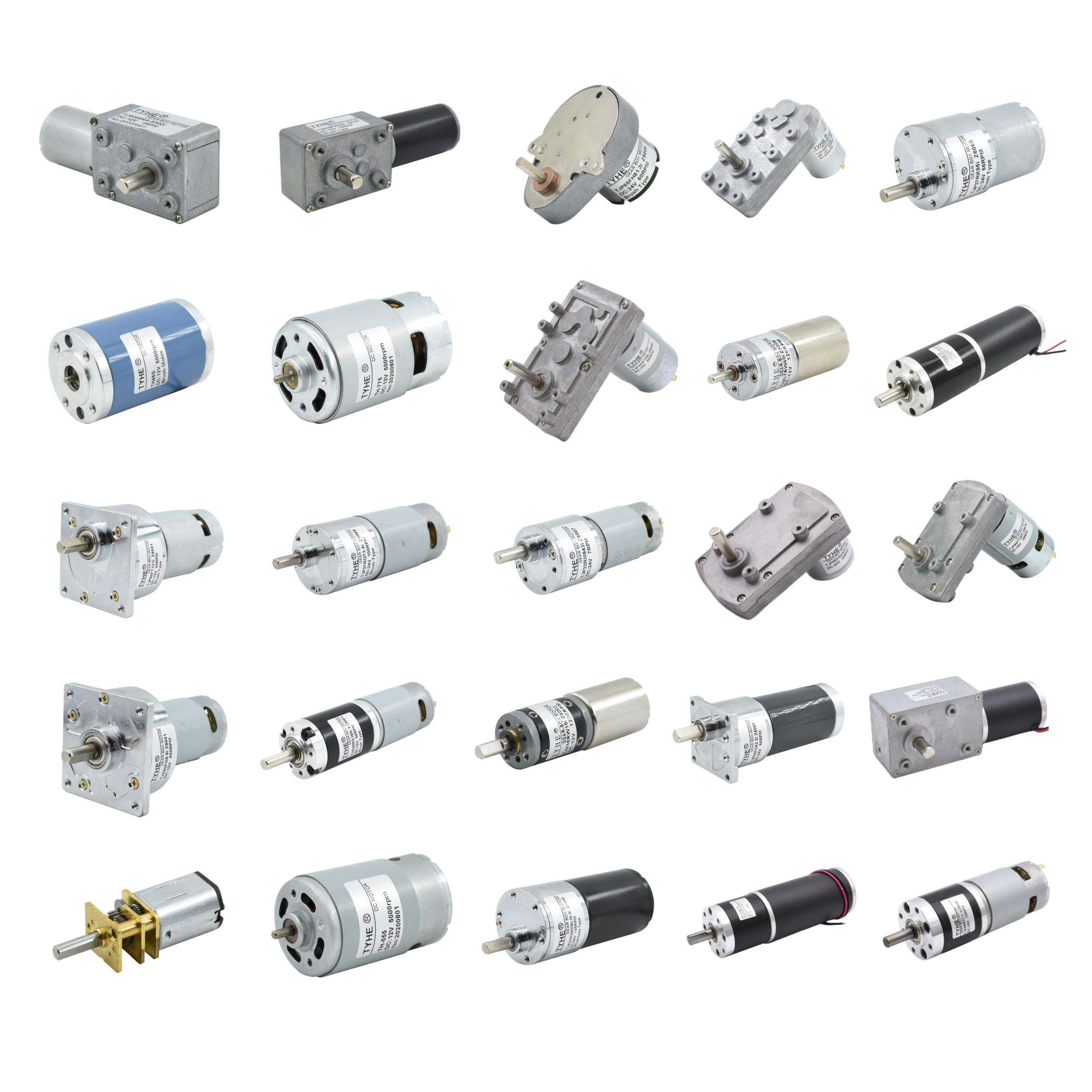
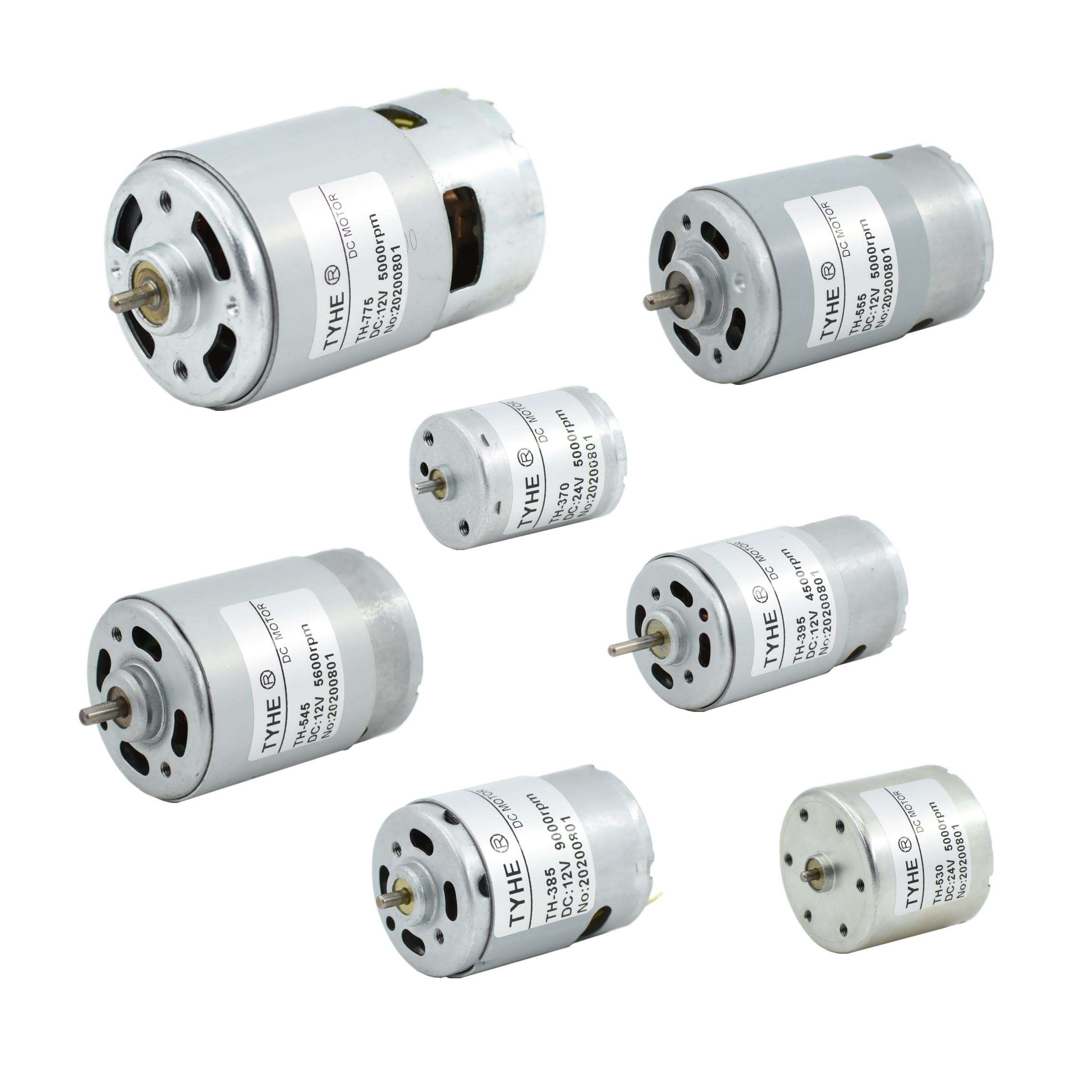
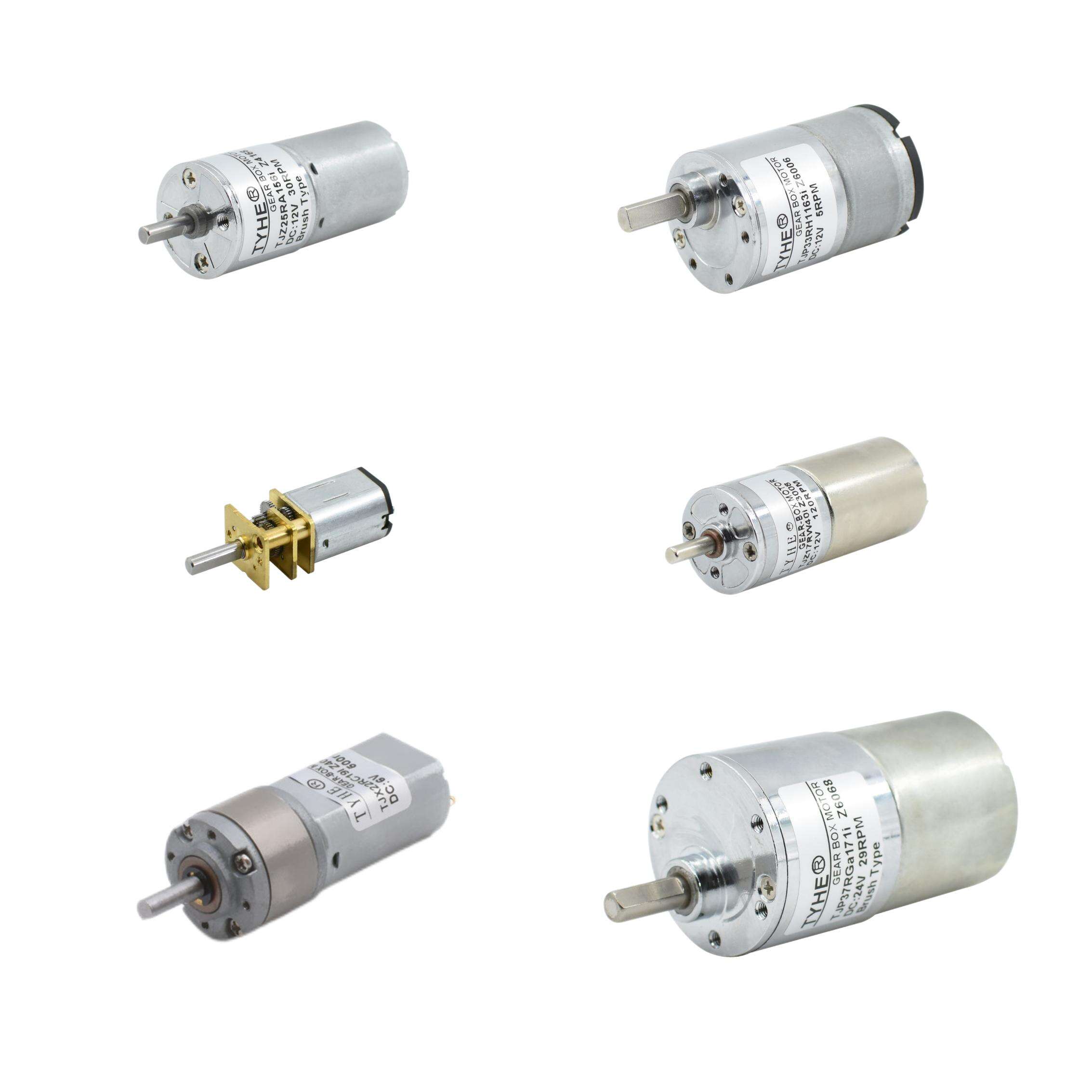
small dc stepper motor
The small dc stepper motor represents a revolutionary advancement in precision motion control technology, delivering exceptional accuracy and reliability in compact form factors. This sophisticated electromechanical device converts digital pulses into precise mechanical movements, making it an indispensable component across numerous industrial and commercial applications. Unlike conventional motors, the small dc stepper motor operates through a series of discrete steps, with each electrical pulse corresponding to a specific angular movement. This unique operational principle enables users to achieve exact positioning without requiring complex feedback systems or encoders. The motor's compact design makes it ideal for space-constrained environments while maintaining superior performance characteristics. Key technological features include high torque-to-size ratio, excellent holding torque capabilities, and remarkable positional accuracy that can reach sub-degree precision levels. The small dc stepper motor incorporates advanced magnetic circuit designs that optimize power efficiency while minimizing heat generation during operation. Modern variants feature enhanced coil configurations that provide smooth operation across wide speed ranges, from ultra-slow positioning movements to rapid indexing applications. The motor's construction typically includes precision-machined rotor assemblies, high-grade permanent magnets, and carefully wound stator coils that work together to deliver consistent performance. Applications span diverse industries including robotics, automation equipment, medical devices, 3D printers, CNC machines, camera systems, and laboratory instrumentation. In robotics applications, these motors enable precise joint movements and accurate end-effector positioning. Medical equipment manufacturers rely on small dc stepper motors for precise drug delivery systems, surgical robots, and diagnostic equipment positioning. The automotive industry utilizes these motors in climate control systems, seat adjustments, and mirror positioning mechanisms. Consumer electronics benefit from their quiet operation and precise control in devices such as digital cameras, printers, and home automation systems.

 EN
EN