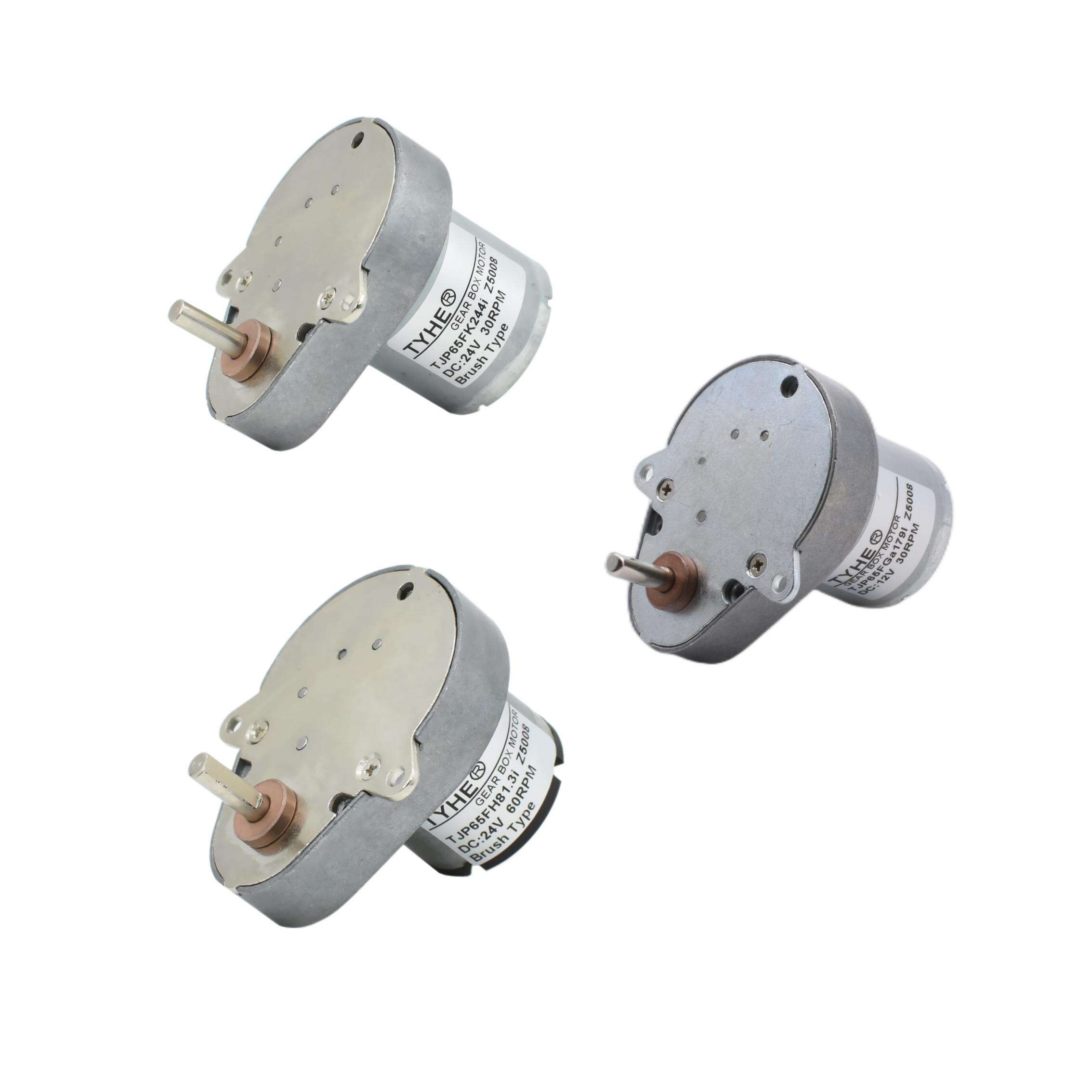
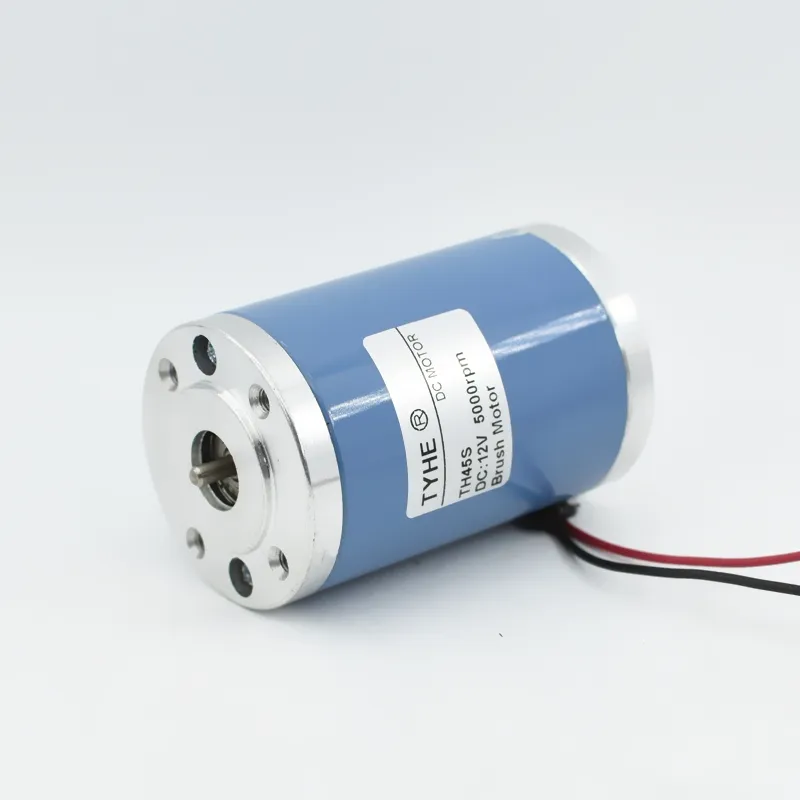
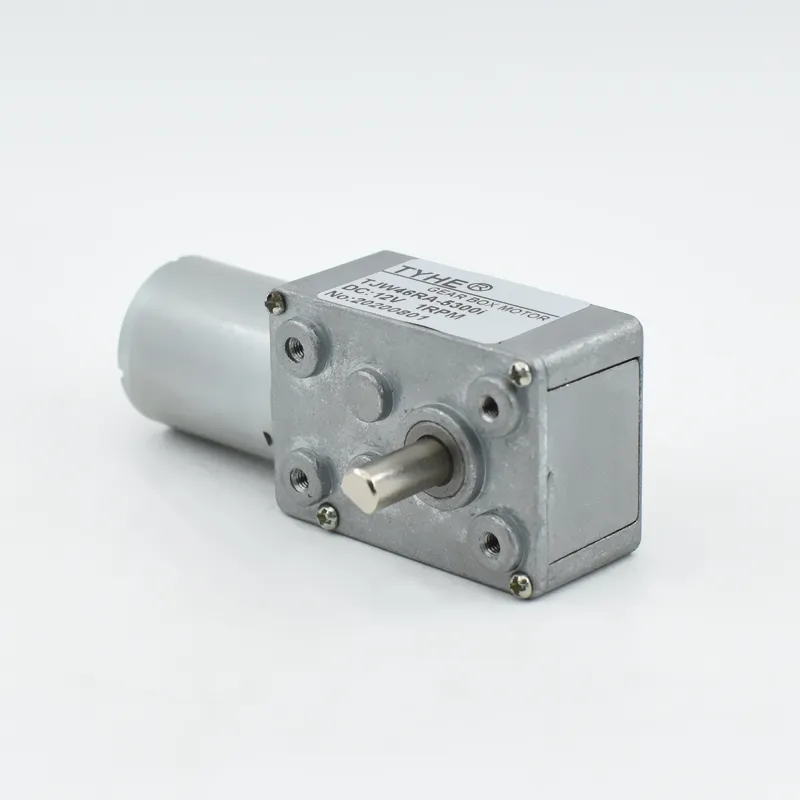
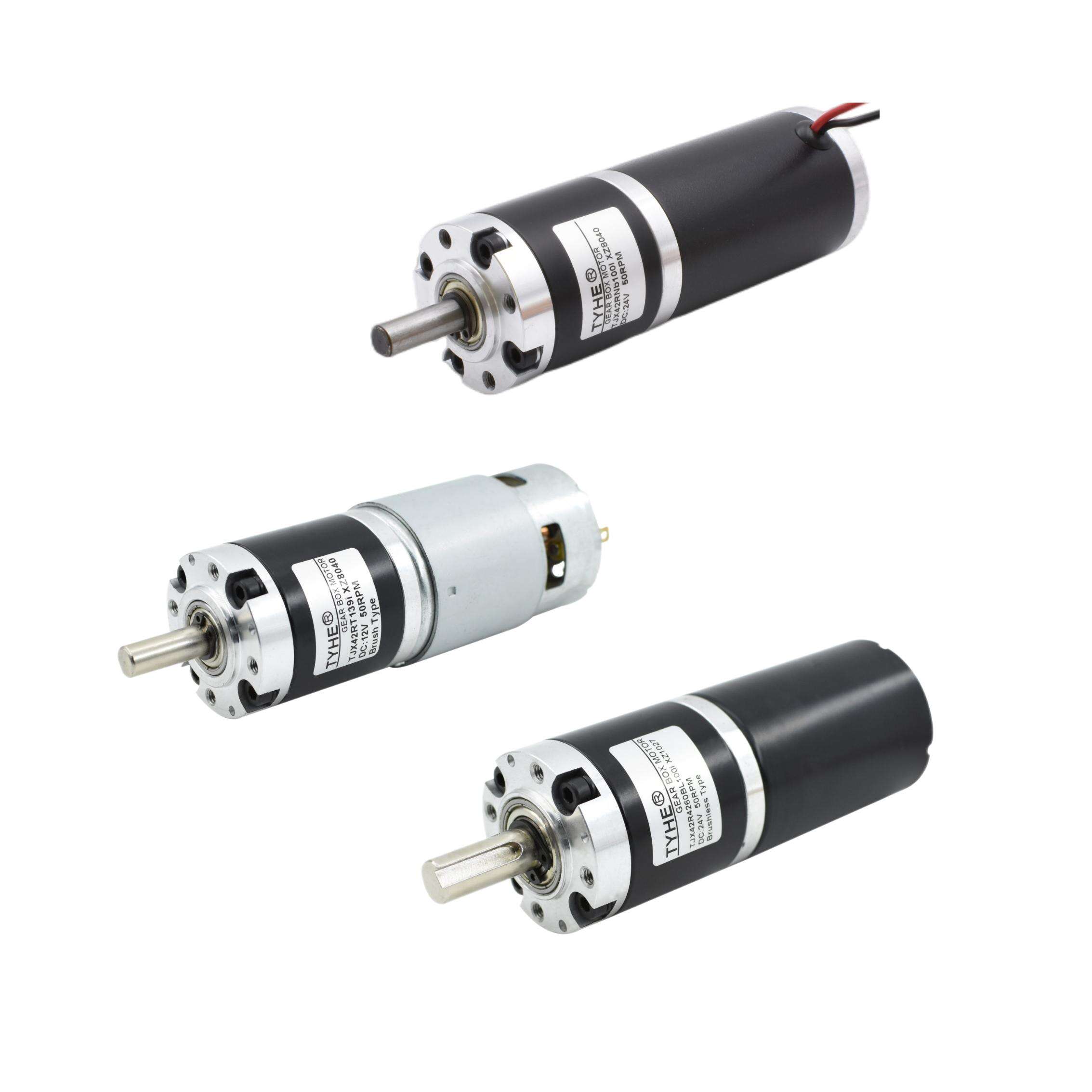
DC Stepper Motor Solutions: Precision Control, Superior Performance & Digital Integration

All Categories

dc stepper motor

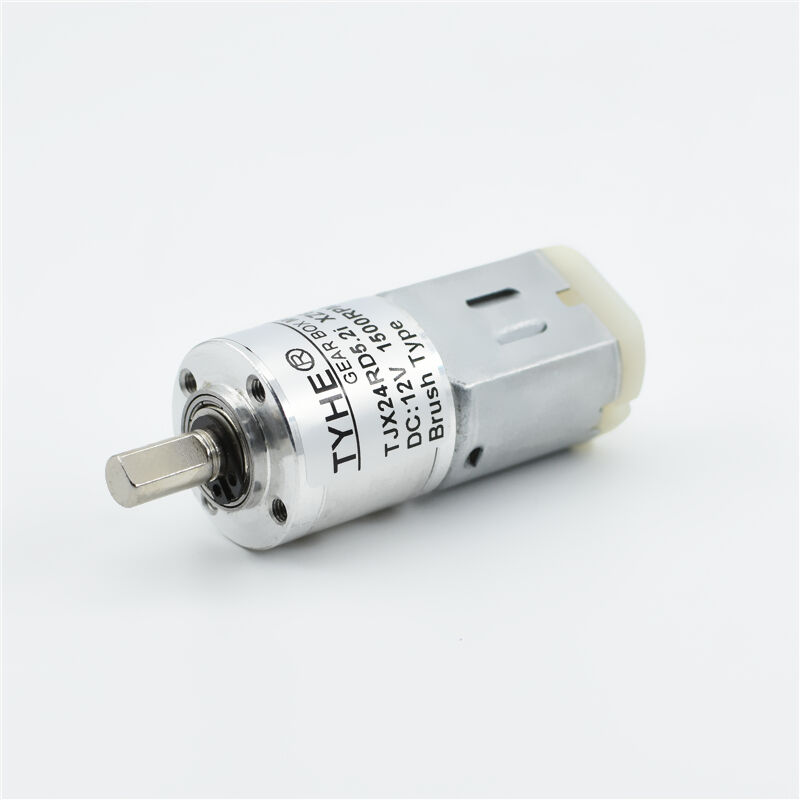
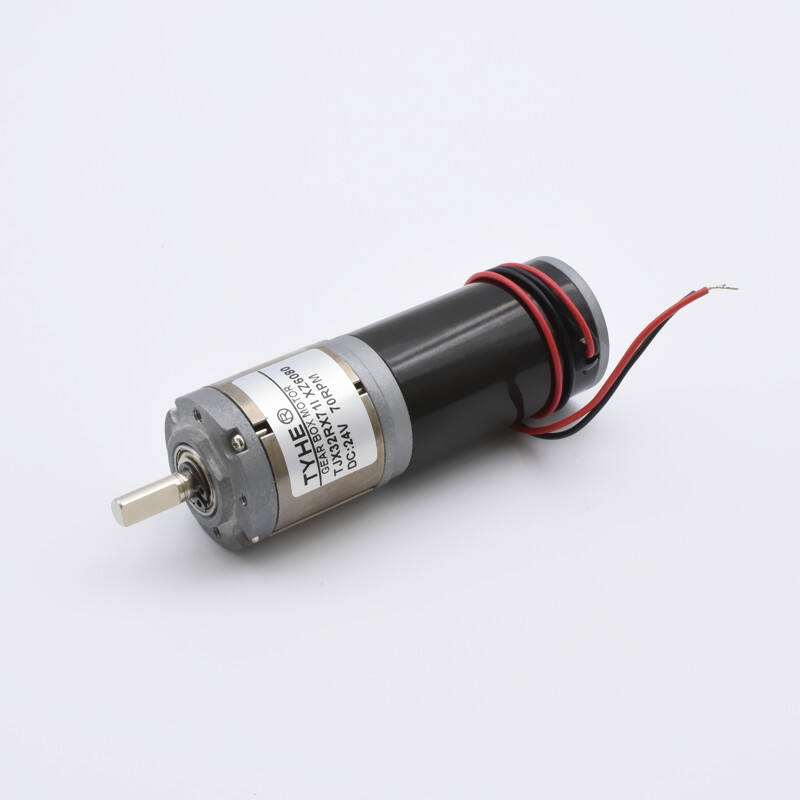
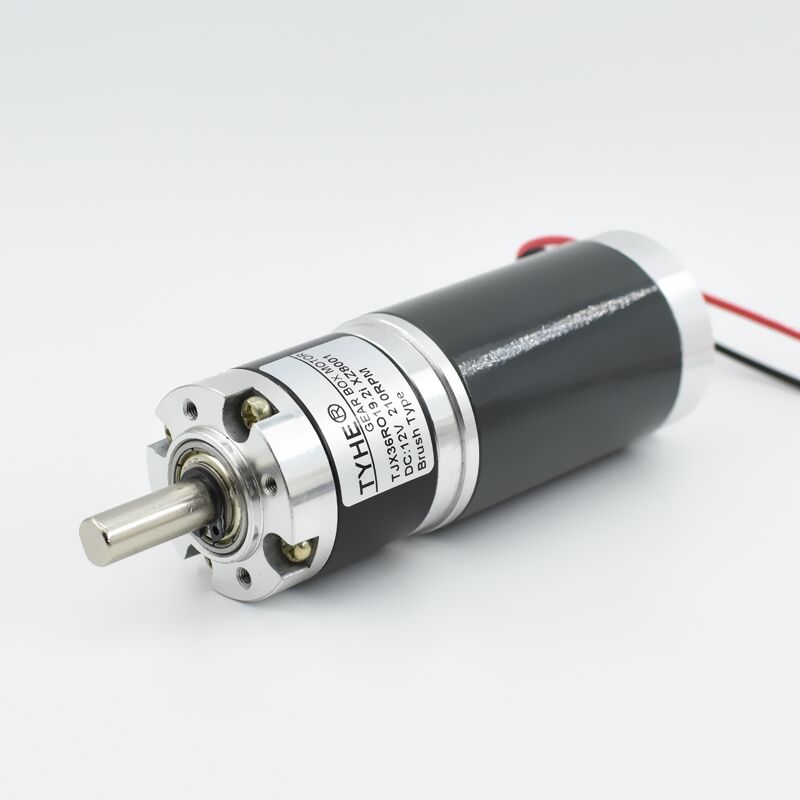
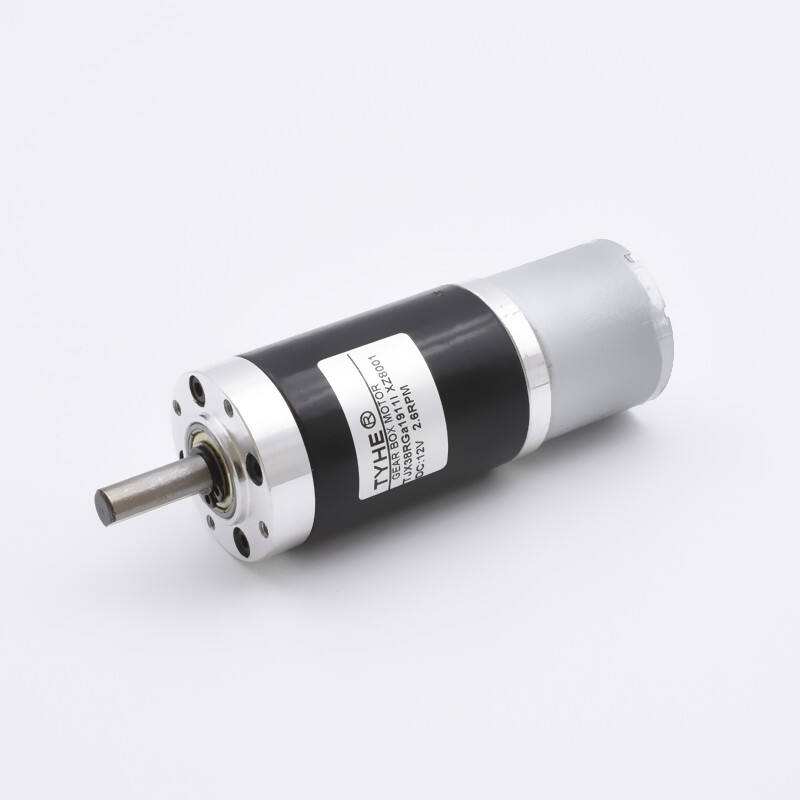
The dc stepper motor represents a revolutionary advancement in precision motion control technology, offering unparalleled accuracy and reliability for countless industrial and commercial applications. Unlike traditional motors that operate continuously, the dc stepper motor moves in discrete steps, allowing for precise positioning without the need for feedback systems. This unique characteristic makes the dc stepper motor an ideal choice for applications requiring exact positioning, controlled rotation, and repeatable movements. The motor operates by converting digital pulse signals into precise mechanical shaft rotation, with each pulse corresponding to a specific angular movement. This digital nature of the dc stepper motor enables seamless integration with computer-controlled systems and programmable logic controllers. The technological foundation of the dc stepper motor lies in its electromagnetic design, which utilizes multiple phases to create controlled magnetic fields that rotate the motor shaft in predetermined increments. Standard dc stepper motors typically move in steps ranging from 0.9 to 15 degrees per step, though micro-stepping techniques can achieve even finer resolution. The motor construction includes a permanent magnet rotor surrounded by electromagnet stators that are energized in sequence to produce rotation. This design ensures that the dc stepper motor maintains its position even when power is removed, providing excellent holding torque characteristics. The control electronics for a dc stepper motor are relatively simple compared to servo systems, requiring only a driver circuit that can sequence the electromagnetic phases correctly. Modern dc stepper motor systems often incorporate advanced features such as current regulation, micro-stepping capabilities, and thermal protection. These motors excel in applications where precise positioning is critical, including 3D printers, CNC machines, robotics, automated manufacturing equipment, and scientific instruments. The dc stepper motor offers exceptional value through its combination of precision, reliability, and cost-effectiveness, making it an essential component in modern automation and control systems.


Popular Products

The dc stepper motor delivers exceptional advantages that make it the preferred choice for precision motion control applications across diverse industries. One of the most significant benefits of the dc stepper motor is its inherent positioning accuracy without requiring expensive feedback systems. Traditional motors need encoders or resolvers to determine position, but the dc stepper motor achieves precise positioning through its step-by-step operation, dramatically reducing system complexity and cost. This open-loop control capability of the dc stepper motor eliminates the need for complex feedback circuits while maintaining excellent accuracy for most applications. The holding torque characteristic of the dc stepper motor provides another substantial advantage, as the motor naturally resists movement when stationary, maintaining position without continuous power consumption. This feature makes the dc stepper motor ideal for applications requiring position retention during power interruptions or emergency stops. The digital control interface of the dc stepper motor simplifies integration with modern automation systems, as it responds directly to digital pulse trains from microcontrollers and computers. This digital compatibility eliminates the need for digital-to-analog converters and complex signal conditioning circuits. Cost-effectiveness represents another major advantage of the dc stepper motor, as these motors typically cost significantly less than comparable servo motor systems while delivering adequate performance for many applications. The dc stepper motor also offers excellent repeatability, returning to the same position with high precision when given identical command sequences. Maintenance requirements for the dc stepper motor are minimal due to the absence of brushes in most designs, resulting in longer service life and reduced downtime. The wide speed range capability of the dc stepper motor allows operation from near-zero rpm to several thousand rpm, providing flexibility across various application requirements. Additionally, the dc stepper motor generates high torque at low speeds, making it perfect for direct-drive applications without requiring gear reduction systems. The compact form factor of most dc stepper motor designs enables integration into space-constrained applications while still delivering robust performance. Temperature stability of the dc stepper motor ensures consistent operation across wide environmental ranges, making it suitable for both indoor and outdoor applications.

Practical Tips

What Are the Key Applications of Brush DC Motors?

21

Oct

What Are the Key Applications of Brush DC Motors?

Introduction Brush DC motors represent one of the most established and versatile technologies in the electromechanical industry, continuing to play a crucial role across numerous applications despite the emergence of brushless alternatives. Thei...
View More
How to Improve the Efficiency and Lifespan of a Micro DC Motor?

21

Oct

How to Improve the Efficiency and Lifespan of a Micro DC Motor?

Introduction: The Critical Importance of Micro DC Motor Optimization Micro DC motors, typically defined as motors with diameters less than 38mm, have become indispensable components in modern technology applications. From precision medical devices t...
View More
How Will Material Innovations Shape the Future of Small DC Motors?

21

Oct

How Will Material Innovations Shape the Future of Small DC Motors?

Introduction: The Material Science Revolution in Motor Technology The evolution of small DC motors is undergoing a paradigm shift, driven primarily by breakthroughs in material science that promise to redefine the fundamental limits of electroma...
View More
Maintenance Tips for Your Planetary Gear Motor

15

Dec

Maintenance Tips for Your Planetary Gear Motor

Industrial applications across manufacturing, automation, and robotics rely heavily on efficient power transmission systems. Among the most critical components in these systems is the planetary gear motor, which combines compact design with exception...
View More

Get a Free Quote

Our representative will contact you soon.
Email
Name
Company Name
Message
0/1000

dc stepper motor

Exceptional Precision Control Without Feedback Systems

Exceptional Precision Control Without Feedback Systems

The dc stepper motor revolutionizes precision motion control by delivering exceptional accuracy without requiring expensive feedback systems that traditional motors depend upon. This remarkable capability stems from the fundamental operating principle of the dc stepper motor, which converts each digital pulse into a precise angular movement. Unlike servo motors that rely on encoders, resolvers, or other feedback devices to maintain position accuracy, the dc stepper motor achieves precise positioning through its inherent step-by-step operation mechanism. Each pulse sent to the dc stepper motor driver corresponds to a specific angular displacement, typically ranging from 1.8 degrees to 0.9 degrees per full step, with micro-stepping techniques enabling even finer resolution down to fractions of a degree. This open-loop control characteristic of the dc stepper motor significantly reduces system complexity and eliminates potential failure points associated with feedback sensors. The precision of a dc stepper motor remains consistent over time, as there are no mechanical components that can drift or require calibration like traditional feedback systems. Manufacturing tolerances and magnetic field uniformity ensure that each step of the dc stepper motor maintains the same angular displacement throughout the motor's operational life. This precision advantage makes the dc stepper motor particularly valuable in applications such as 3D printing, where layer positioning accuracy directly impacts print quality, and CNC machining, where tool positioning determines final part dimensions. The absence of feedback systems in dc stepper motor applications also eliminates noise susceptibility issues that can affect encoder signals in harsh industrial environments. Additionally, the digital nature of dc stepper motor control allows for easy integration with computer-controlled systems, programmable logic controllers, and microcontroller-based applications. The precision control capability of the dc stepper motor extends to velocity control as well, as the motor speed directly corresponds to the pulse frequency applied to the driver. This relationship enables smooth velocity transitions and precise speed regulation without complex control algorithms. The cumulative effect of these precision advantages makes the dc stepper motor an ideal solution for applications demanding accurate positioning while maintaining cost-effectiveness and system simplicity.
Superior Holding Torque and Power Efficiency

Superior Holding Torque and Power Efficiency

The dc stepper motor exhibits superior holding torque characteristics that provide exceptional position stability and power efficiency compared to conventional motor technologies. This unique feature of the dc stepper motor stems from its electromagnetic design, where the rotor naturally aligns with the energized stator poles, creating a strong magnetic lock that resists external forces attempting to move the shaft. When a dc stepper motor is stationary and energized, it can maintain its position against substantial external torques without consuming the continuous power required by traditional motors to maintain position. This holding torque capability of the dc stepper motor typically equals or exceeds the motor's running torque, ensuring reliable position retention under varying load conditions. The power efficiency advantage of the dc stepper motor becomes particularly evident during holding operations, where the motor consumes only the current necessary to maintain magnetic field strength rather than continuously fighting against load forces. Modern dc stepper motor drivers incorporate current reduction techniques that automatically decrease holding current after positioning moves are complete, further enhancing power efficiency while maintaining adequate holding torque. This intelligent current management in dc stepper motor systems can reduce power consumption by up to fifty percent during holding periods without compromising position stability. The superior holding torque of the dc stepper motor eliminates the need for mechanical brakes or locking mechanisms in many applications, simplifying system design and reducing maintenance requirements. This characteristic makes the dc stepper motor particularly valuable in vertical axis applications, where gravity constantly applies load to the motor shaft. The electromagnetic holding capability of the dc stepper motor remains effective even during power interruptions, as residual magnetism in the motor structure continues to provide some holding force. Applications such as valve positioning, antenna pointing systems, and precision fixtures benefit enormously from this holding torque advantage of the dc stepper motor. The consistent holding torque performance of the dc stepper motor across its entire operational temperature range ensures reliable operation in demanding environmental conditions. Furthermore, the holding torque characteristic of the dc stepper motor enables direct-drive applications without requiring additional mechanical holding devices, reducing system complexity and potential failure points while improving overall reliability and cost-effectiveness.
Seamless Digital Integration and Control Simplicity

Seamless Digital Integration and Control Simplicity

The dc stepper motor offers unparalleled advantages in digital integration and control simplicity that make it the ideal choice for modern automated systems and computer-controlled applications. The digital nature of dc stepper motor control eliminates the complex analog signal processing required by traditional motor systems, as the motor responds directly to digital pulse trains from microcontrollers, computers, and programmable logic controllers. This direct digital interface of the dc stepper motor enables seamless integration with modern automation systems without requiring expensive digital-to-analog converters or complex signal conditioning circuits. The control simplicity of the dc stepper motor extends to programming requirements, where basic motion control can be achieved with simple pulse generation routines that any microcontroller can execute efficiently. Unlike servo motor systems that require sophisticated control algorithms, PID tuning, and continuous feedback processing, the dc stepper motor operates reliably with straightforward step-and-direction signals. This control simplicity dramatically reduces software development time and complexity while minimizing the processing power required from control systems. The dc stepper motor driver circuits are considerably less complex than servo amplifiers, often requiring only basic switching circuits to sequence the motor phases correctly. Modern dc stepper motor drivers incorporate advanced features such as micro-stepping, current regulation, and thermal protection while maintaining the fundamental simplicity of digital pulse control. The standardized control interface of the dc stepper motor enables easy replacement and upgrades without requiring extensive system modifications or software changes. Communication protocols for dc stepper motor systems typically utilize simple digital interfaces such as step/direction signals, making them compatible with virtually any control system capable of generating digital outputs. The real-time response characteristics of the dc stepper motor to digital commands enable precise timing control and synchronization with other system components without complex coordination algorithms. Industrial communication networks readily accommodate dc stepper motor controllers through standard protocols such as Modbus, Ethernet/IP, and CANbus, facilitating integration into factory automation systems. The diagnostic capabilities of modern dc stepper motor systems provide valuable feedback about motor performance, load conditions, and potential issues through simple digital status signals. This integration simplicity of the dc stepper motor reduces commissioning time, simplifies troubleshooting procedures, and enables rapid system deployment across various applications from simple positioning tasks to complex multi-axis coordination systems.
DC Stepper Motor Solutions: Precision Control, Superior Performance & Digital Integration

Get a Free Quote

Our representative will contact you soon.
Email
Name
Company Name
Message
0/1000
DC Stepper Motor Solutions: Precision Control, Superior Performance & Digital Integration