
 EN
EN
Introduction
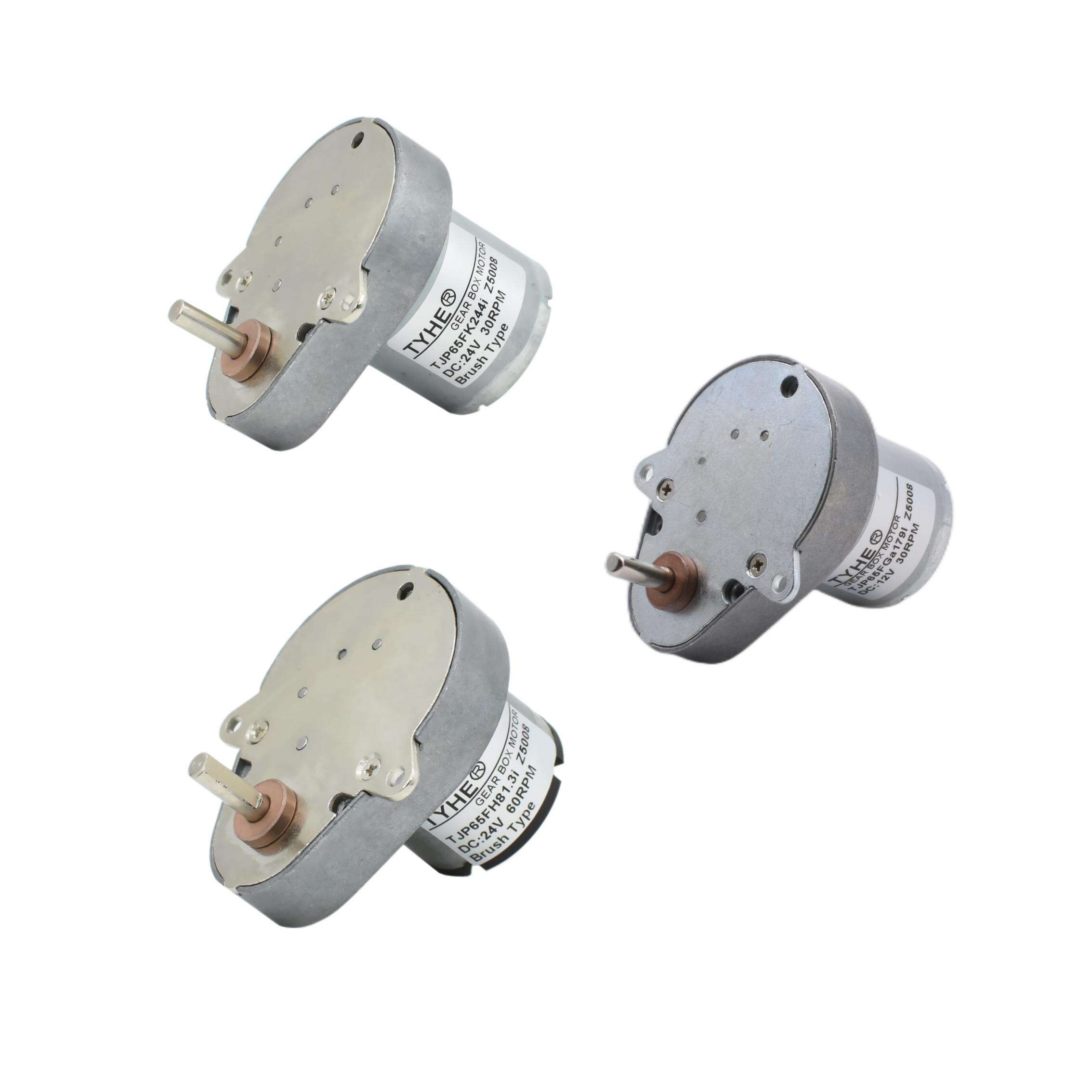
Brush DC motors represent one of the most established and versatile technologies in the electromechanical industry, continuing to play a crucial role across numerous applications despite the emergence of brushless alternatives. Their simplicity, cost-effectiveness, and excellent torque characteristics make them particularly suitable for various industrial, commercial, and consumer applications. According to recent market analysis, the global brushed DC motor market is projected to maintain significant growth, reaching approximately $25 billion by 2028, demonstrating their enduring relevance in an increasingly automated world. This comprehensive guide explores the fundamental principles, key advantages, and diverse applications of brush DC motors, providing valuable insights for engineers, designers, and procurement specialists seeking reliable motion solutions.
Fundamental Operating Principles and Construction
Basic Working Mechanism
Brush DC motors operate on the fundamental principle of electromagnetic induction, converting electrical energy into mechanical motion through the interaction between magnetic fields. The core components include:
Stator with permanent magnets creating a stationary magnetic field
Rotating armature containing wound copper coils
Commutator segments mounted on the rotor shaft
Carbon brushes maintaining sliding electrical contact
Electromechanical Process
When DC voltage is applied, current flows through the brushes to the commutator, then through the armature windings. This current creates a magnetic field that interacts with the permanent magnets' field, generating rotational force. The commutator systematically switches current direction in the armature windings, maintaining continuous rotation. This straightforward electromechanical conversion process contributes to the motor's reliability and predictable performance characteristics.
Key Advantages Driving Widespread Adoption
Cost-Effectiveness and Economic Benefits
Brush DC motors typically cost 30-50% less than equivalent brushless models, making them particularly attractive for price-sensitive applications. The economic advantages extend beyond initial purchase price to include:
Simplified drive electronics requiring minimal components
No need for complex control algorithms or programming
Reduced system integration costs
Lower maintenance costs for applications with intermittent duty cycles
Performance Characteristics
High starting torque capability (up to 300% of rated torque)
Linear speed-torque relationship for predictable performance
Excellent low-speed torque characteristics
Simple speed control through voltage regulation
Immediate torque availability without startup delays
Design and Implementation Benefits
Compact form factors for space-constrained applications
Straightforward installation and commissioning process
Compatibility with basic power supplies and batteries
Robust performance in various environmental conditions
Easy troubleshooting and repair capabilities
Industrial Applications and Use Cases
Manufacturing and Automation Systems
Brush DC motors serve critical functions in industrial automation, particularly where cost-effectiveness and reliability are paramount:
Conveyor systems for material handling and packaging lines
Positioning tables and linear actuators
Machine tool auxiliary drives and feed mechanisms
Industrial door and gate operators
Printing machinery and paper handling equipment
Specific Industrial Examples
In conveyor systems, brush DC motors provide the high starting torque needed to overcome static friction and move heavy loads. Their simple speed control allows operators to adjust conveyor velocity based on production requirements using basic voltage regulation methods. For industrial door operators, the motors' compact size and immediate torque delivery ensure reliable operation in demanding environments.
Automotive and Transportation Applications
Vehicle Systems and Components
The automotive industry extensively utilizes brush DC motors for various auxiliary systems:
Power window regulators and door lock actuators
Windshield wiper systems and washer pumps
Heating, ventilation, and air conditioning (HVAC) blowers
Seat adjustment mechanisms and mirror positioning
Fuel pumps and cooling fan drives
Performance in Automotive Environments
Brush DC motors excel in automotive applications due to their ability to operate effectively from standard vehicle electrical systems (12V or 24V DC). Their robust construction withstands automotive environmental challenges including temperature variations, vibration, and occasional moisture exposure. The instant torque availability ensures immediate operation of critical comfort and safety systems.
Consumer Electronics and Household Applications
Home Appliances and Comfort Systems
Brush DC motors power numerous household devices where reliability and cost considerations dominate:
Vacuum cleaners and floor care equipment
Kitchen appliances including mixers and blenders
Personal care devices like hair dryers and electric shavers
Home ventilation systems and exhaust fans
Automatic curtain openers and home automation systems
Consumer Product Advantages
In consumer applications, brush DC motors provide the optimal balance between performance and affordability. Their simple speed control enables multiple operating modes in appliances, while the durability ensures satisfactory product lifespan. The minimal electronic requirements contribute to compact product designs and reduced manufacturing costs.
Medical and Healthcare Equipment
Critical Medical Devices
Despite the healthcare industry's trend toward brushless motors for high-precision applications, brush DC motors maintain importance in specific medical equipment:
Hospital bed adjustment mechanisms
Infusion pumps and syringe drivers
Patient transfer equipment
Dental chair positioning systems
Laboratory automation equipment
Healthcare Application Considerations
In medical settings, brush DC motors offer reliable performance where extreme precision isn't the primary requirement. Their predictable failure modes and ease of maintenance facilitate quick servicing, minimizing equipment downtime. The absence of complex electronics reduces electromagnetic interference concerns with sensitive medical instrumentation.
Robotics and Precision Applications
Educational and Hobbyist Robotics
Brush DC motors remain popular in robotics development and education:
Mobile robot propulsion systems
Robotic arm joint actuators
Educational robotics kits and platforms
Research and prototype development
Competition robotics and maker projects
Robotics Performance Characteristics
The simplicity of control makes brush DC motors ideal for robotics education and prototyping. Students and hobbyists can easily interface them with microcontrollers using simple H-bridge circuits. The high torque-to-size ratio enables compact robot designs while providing sufficient power for mobility and manipulation tasks.
Commercial and Specialty Applications
Retail and Service Industries
Brush DC motors power various commercial equipment types:
Vending machine mechanisms
Point-of-sale equipment
Commercial cleaning machines
Food service equipment
Entertainment and amusement devices
Aerospace and Defense Applications
While brushless motors dominate modern aerospace applications, brush DC motors still serve in specific roles:
Aircraft actuator systems
Military vehicle systems
Ground support equipment
Navigation and targeting systems
Technical Considerations and Limitations
Maintenance Requirements
Brush DC motors require periodic maintenance that impacts their application suitability:
Brush replacement typically needed after 1,000-2,000 hours
Commutator cleaning and occasional resurfacing
Bearing lubrication and replacement
Regular inspection for wear and tear
Performance Limitations
Understanding these constraints is crucial for proper application selection:
Limited speed range compared to brushless alternatives
Acoustic noise from brush-commutator interface
Electromagnetic interference generation
Reduced efficiency at light loads
Heat management considerations
Selection Guidelines and Best Practices
When to Choose Brush DC Motors
Specific application characteristics justify selecting brush DC technology:
Cost-sensitive projects with constrained budgets
Applications requiring simple speed control
Environments where electronic complexity is undesirable
Systems needing high starting torque
Applications with intermittent duty cycles
Application-Specific Design Considerations
Proper brush material selection for current capacity
Adequate ventilation and heat dissipation
Appropriate voltage and current ratings
Environmental protection considerations
Maintenance accessibility planning
Future Trends and Market Position
Technology Evolution
Brush DC motors continue to evolve despite their mature status:
Improved brush materials extending service life
Enhanced permanent magnet materials
Better commutation systems reducing electrical noise
Advanced manufacturing techniques reducing costs
Market Position and Outlook
While brushless technologies continue advancing, brush DC motors maintain strong positions in specific segments:
Sustained demand in price-sensitive applications
Continued use in legacy systems and replacements
Growing educational and hobbyist markets
Specialized industrial applications
Conclusion
Brush DC motors remain indispensable components across numerous industries and applications, offering an optimal combination of simplicity, reliability, and cost-effectiveness. Their straightforward operation, excellent torque characteristics, and minimal control requirements ensure continued relevance in an increasingly complex technological landscape. Understanding their key applications, performance characteristics, and limitations enables engineers and designers to make informed decisions when selecting motion solutions.
From automotive systems to industrial automation, consumer products to medical devices, brush DC motors provide reliable performance where their specific advantages align with application requirements. While brushless technologies may offer superior performance in some areas, brush DC motors continue to deliver exceptional value in applications prioritizing cost-effectiveness, simplicity, and proven reliability. As technology progresses, these fundamental motion components will undoubtedly continue serving critical roles across the global industrial and consumer landscapes.
