Energy-Efficient 12V Operation
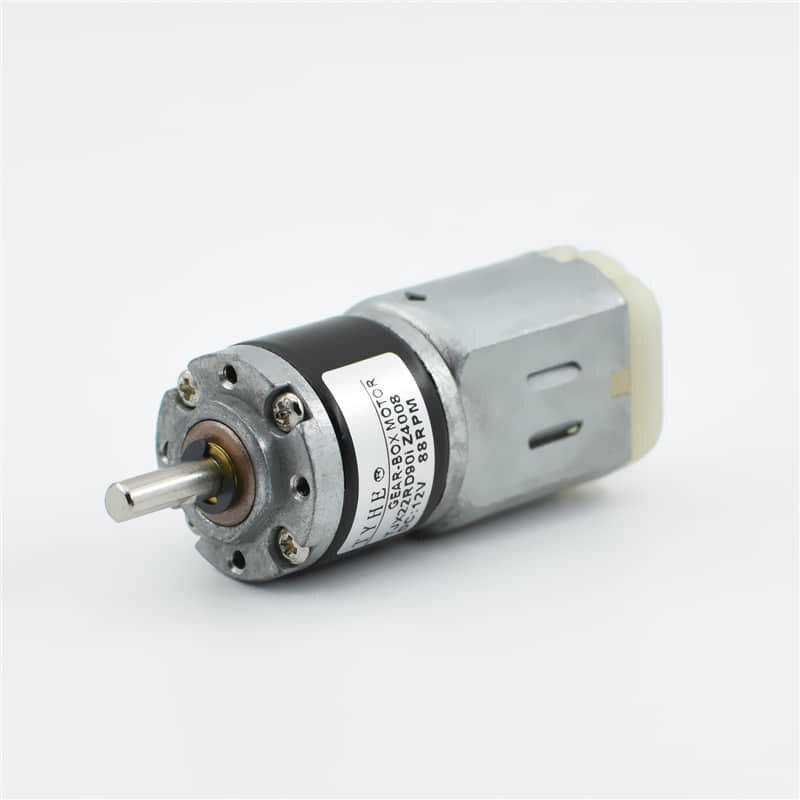
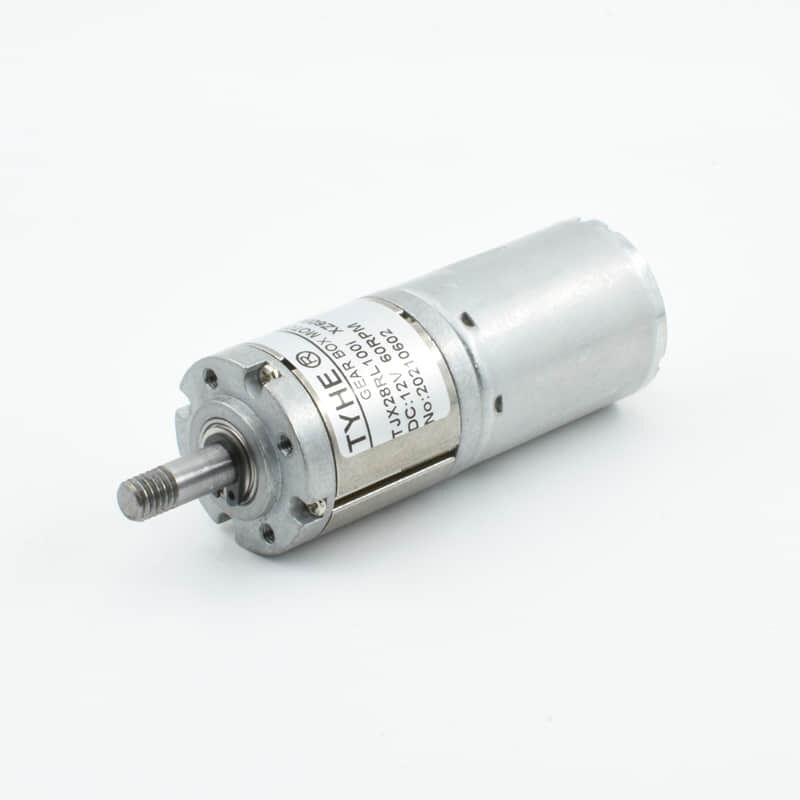
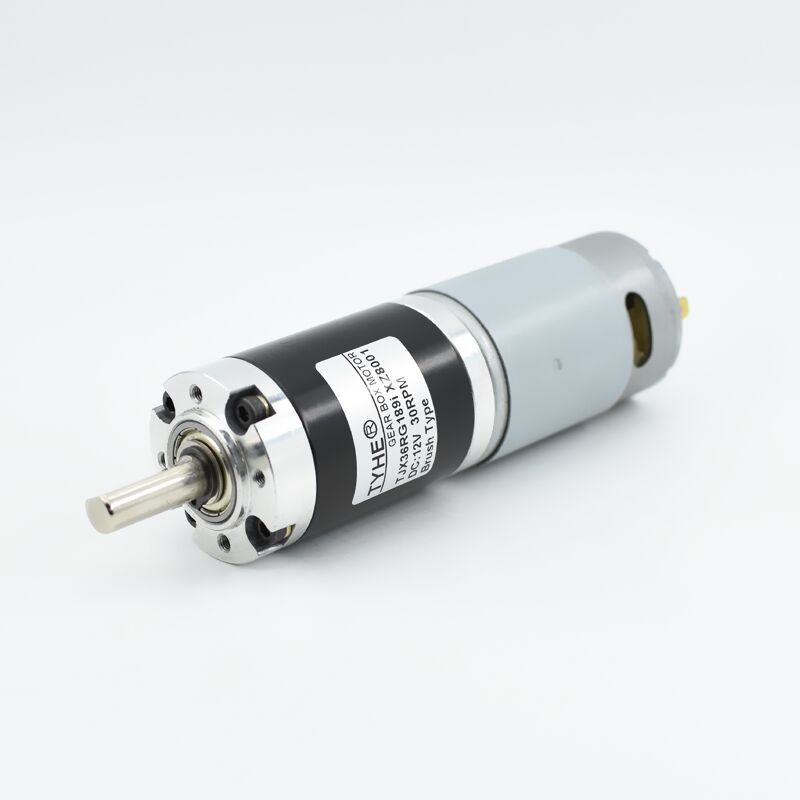
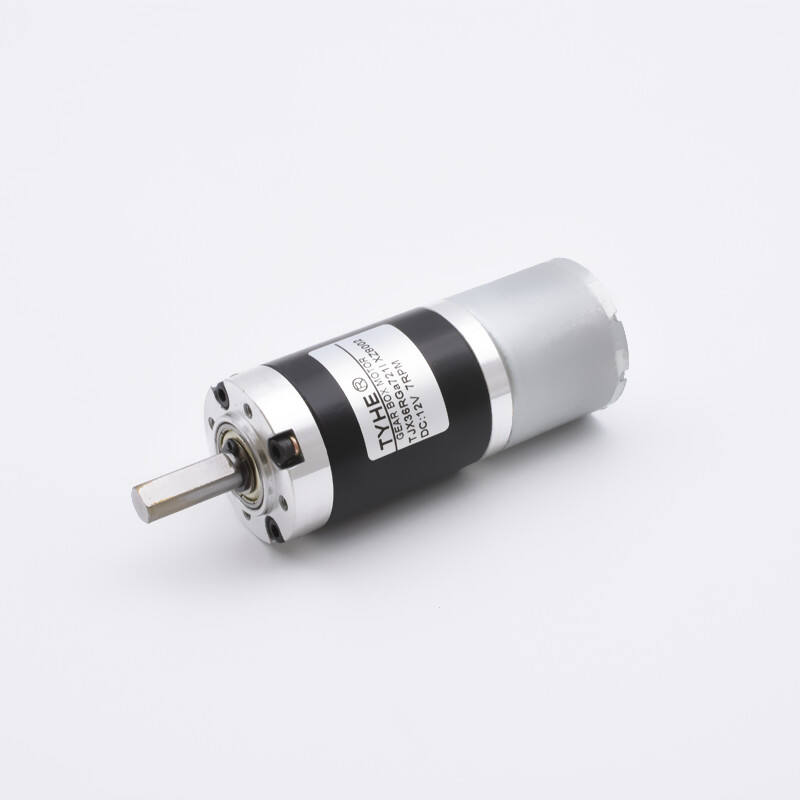
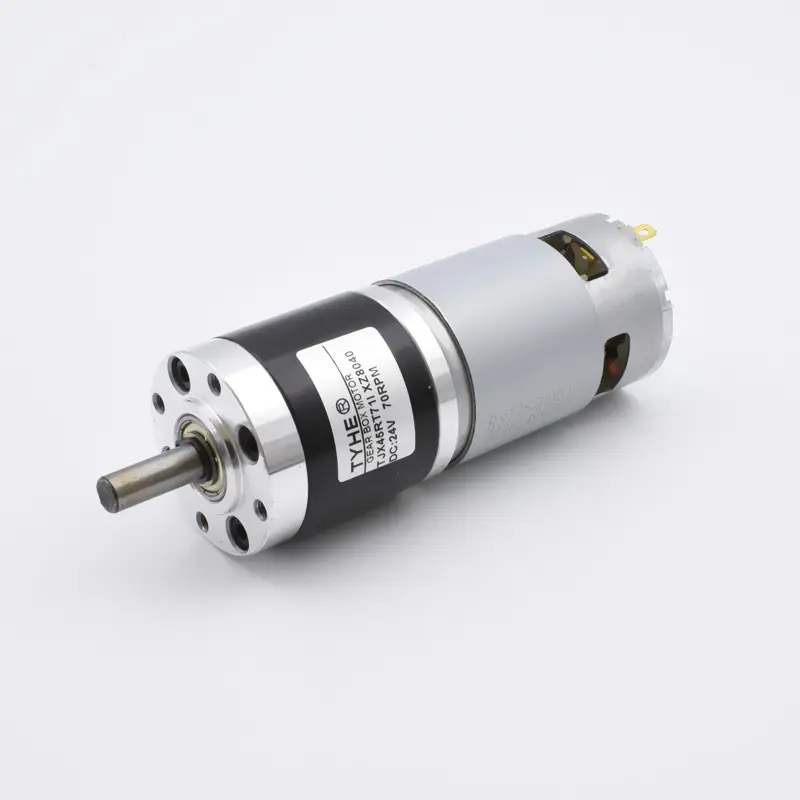
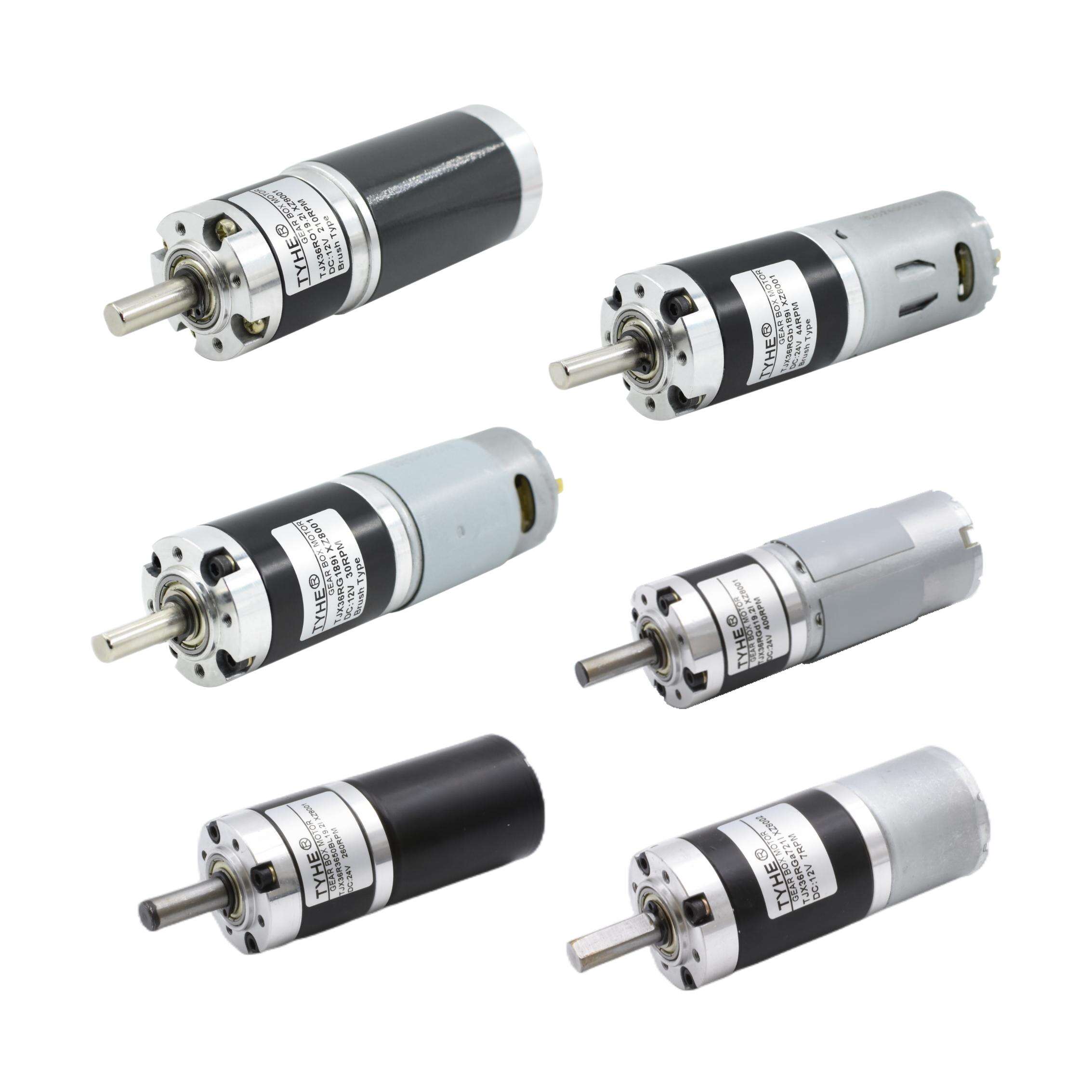
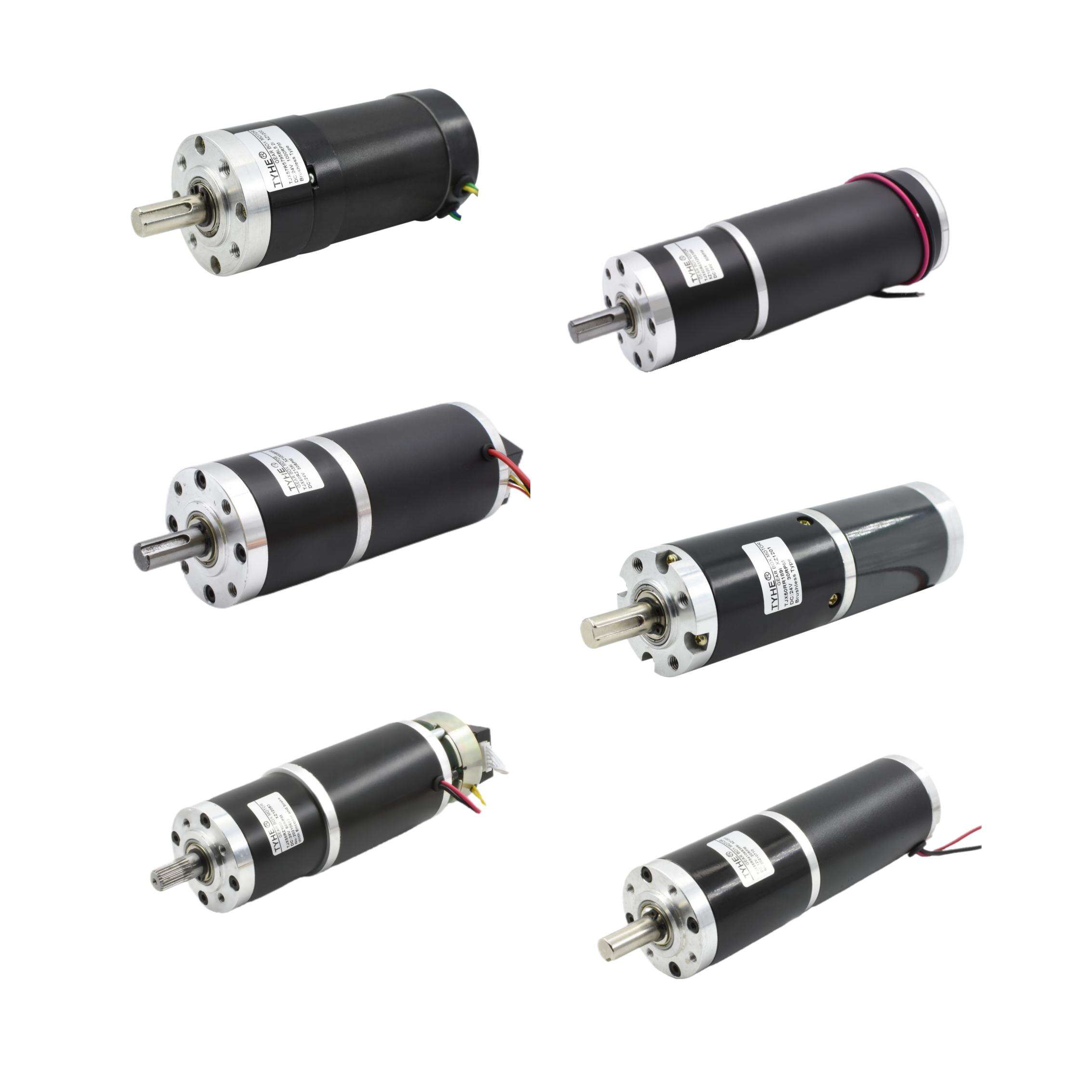
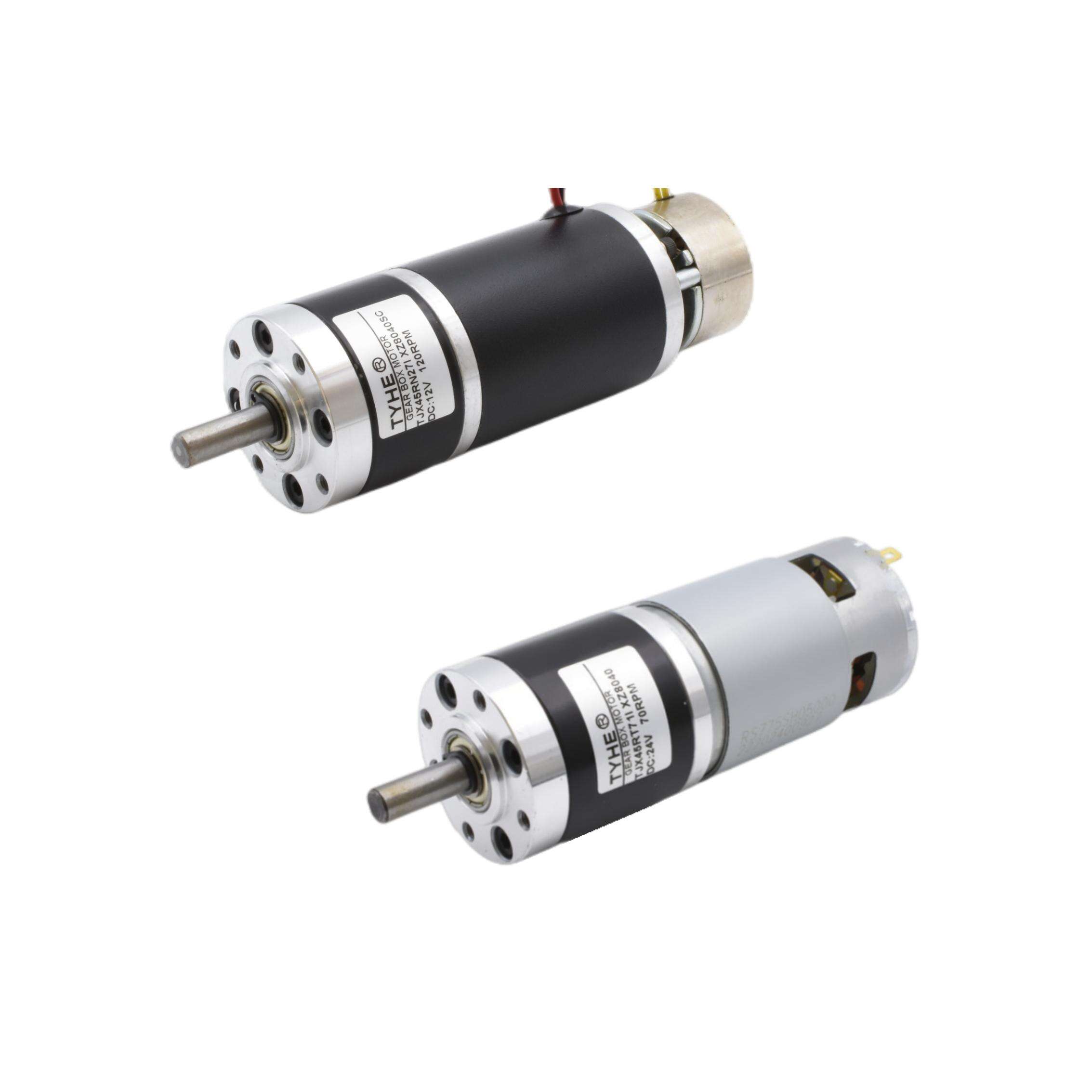
The dc planetary gear motor 12v is specifically engineered to maximize energy efficiency while operating on the widely-adopted 12-volt power standard, making it an ideal choice for battery-powered applications and systems requiring optimal power management. The 12-volt operating voltage represents the perfect balance between power availability and safety considerations, aligning with automotive electrical systems, renewable energy installations, and portable equipment designs. This standardization eliminates the need for complex voltage conversion circuits, reducing system costs and improving overall reliability. The motor's internal design optimizes magnetic flux utilization and minimizes resistive losses, achieving efficiency ratings that typically exceed 85 percent in most operating conditions. The dc planetary gear motor 12v incorporates advanced magnetic materials and precision winding techniques that reduce copper losses while maximizing torque production per amp of input current. The planetary gear system itself contributes to overall efficiency by minimizing friction losses through optimal gear tooth profiles and premium bearing selections. Load sharing among multiple planet gears reduces individual component stress, allowing the use of smaller, more efficient gear elements that collectively outperform single large gears. The motor's electronic commutation systems, where applicable, further enhance efficiency by eliminating brush friction losses and optimizing switching timing. Temperature management systems ensure that the dc planetary gear motor 12v maintains high efficiency across its entire operating temperature range, preventing thermal-induced losses that commonly affect other motor types. The combination of efficient motor design and optimized gearing translates to extended operating time in battery-powered applications, reduced heat generation, and lower overall energy consumption. These efficiency advantages make the dc planetary gear motor 12v particularly attractive for solar-powered systems, electric vehicles, and remote monitoring equipment where energy conservation directly impacts system performance and operational costs.

 EN
EN