Superior Torque Output Through Advanced Gear Engineering
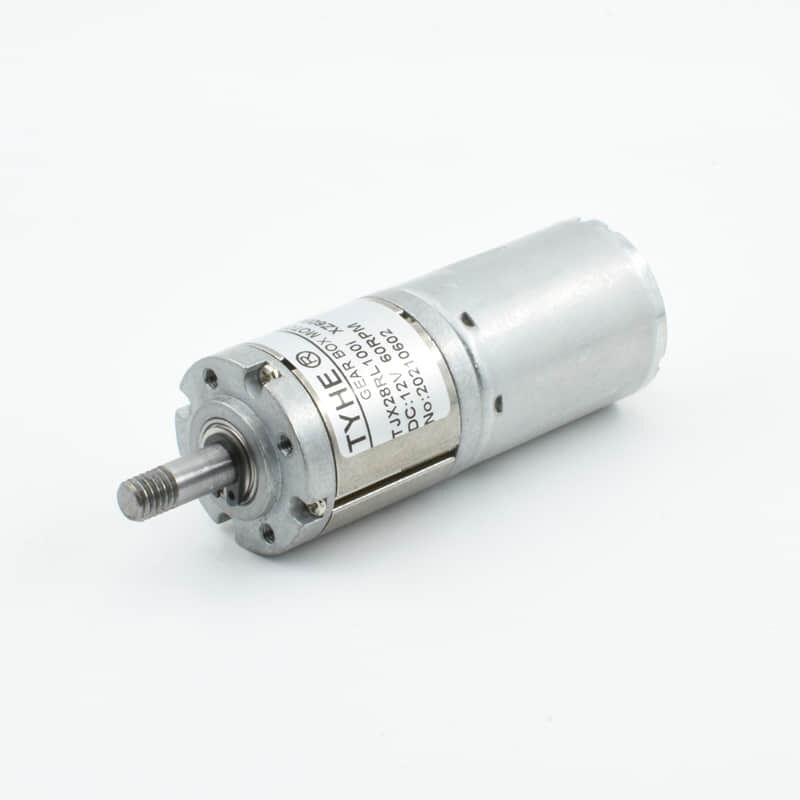
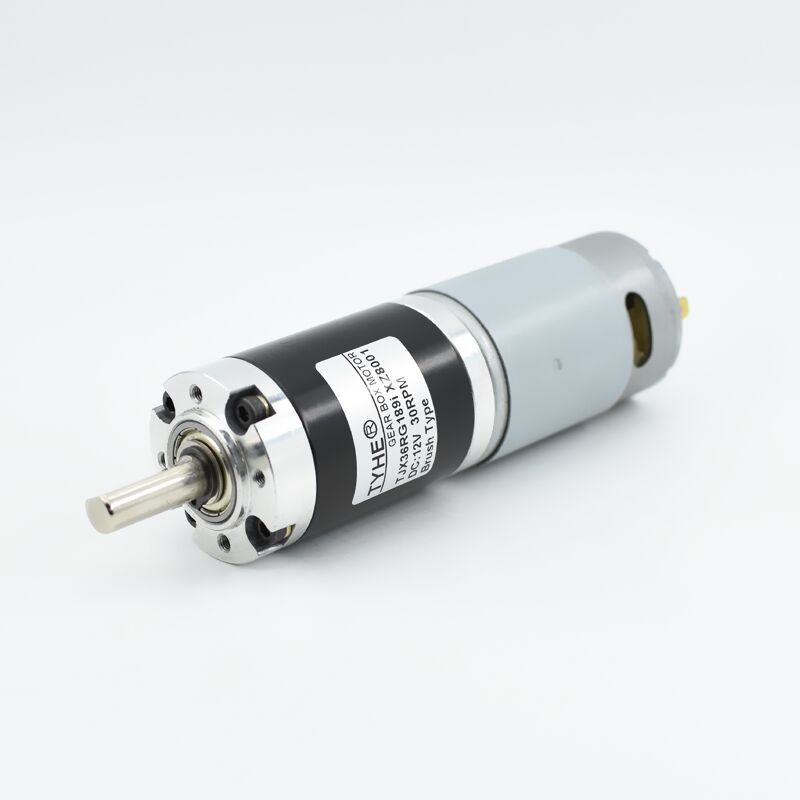
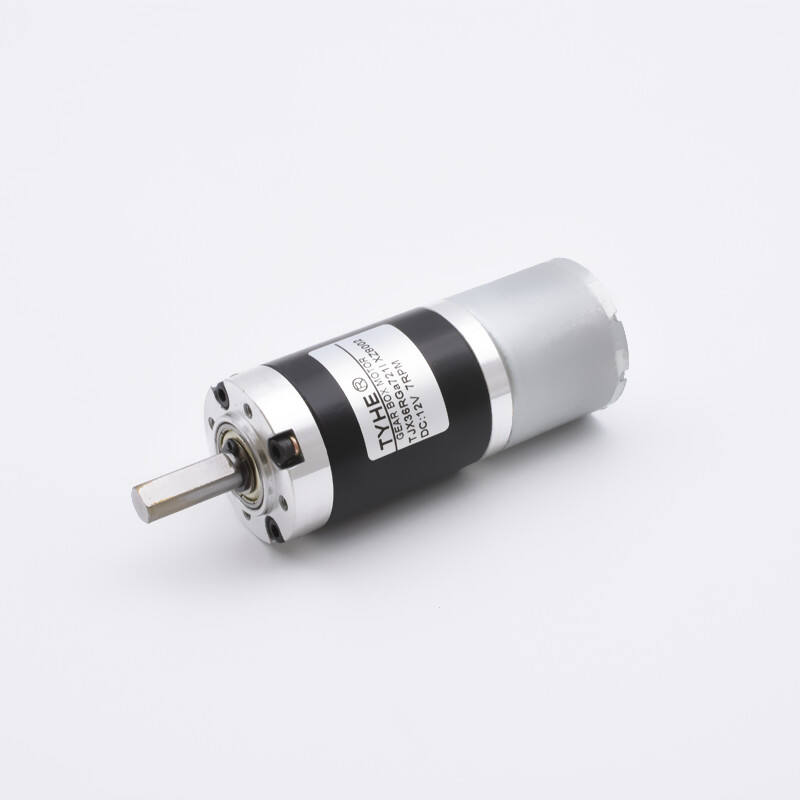
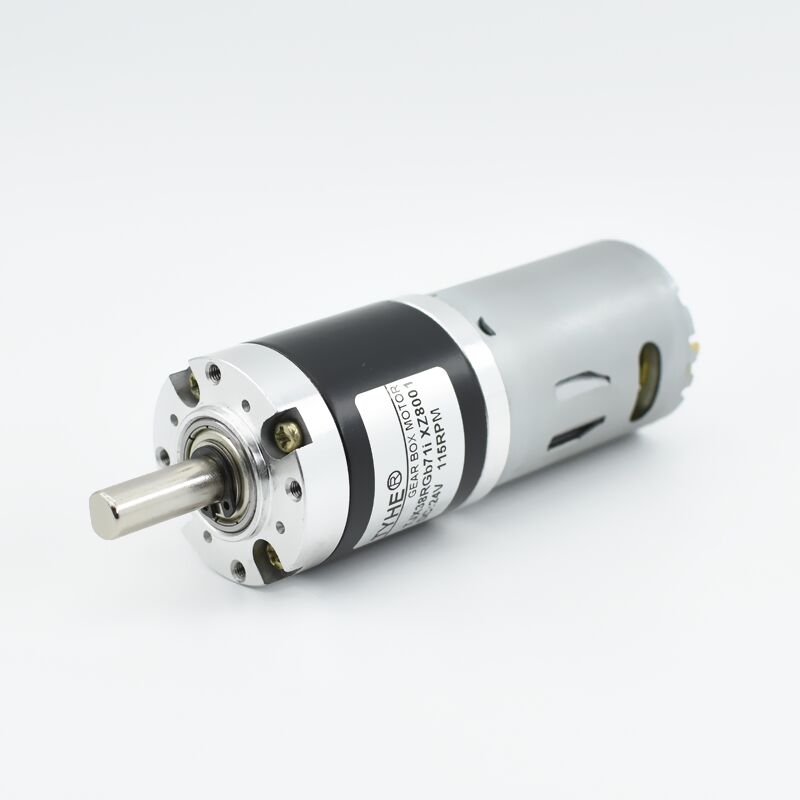
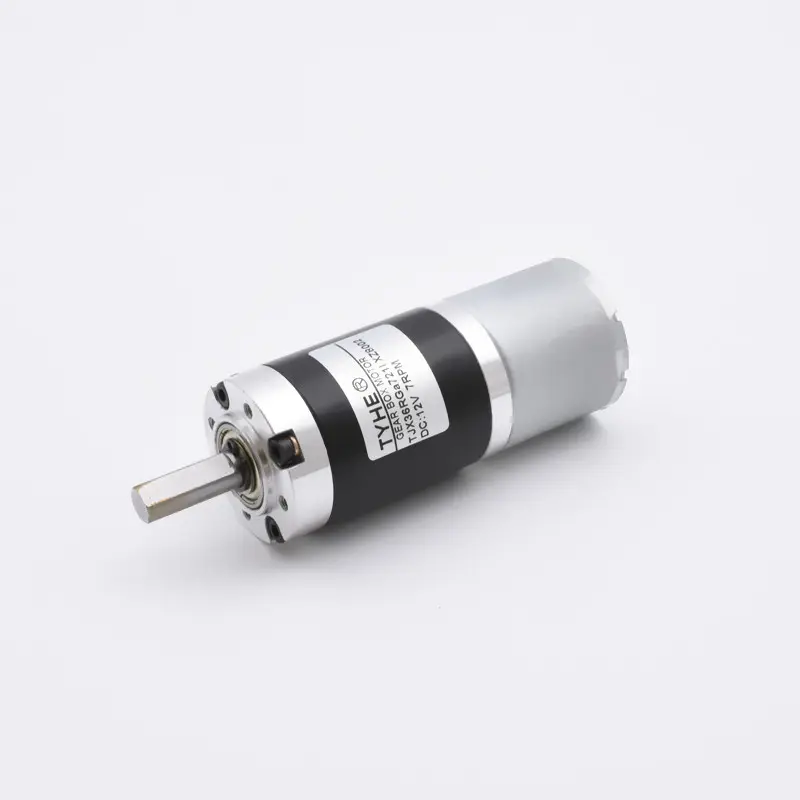
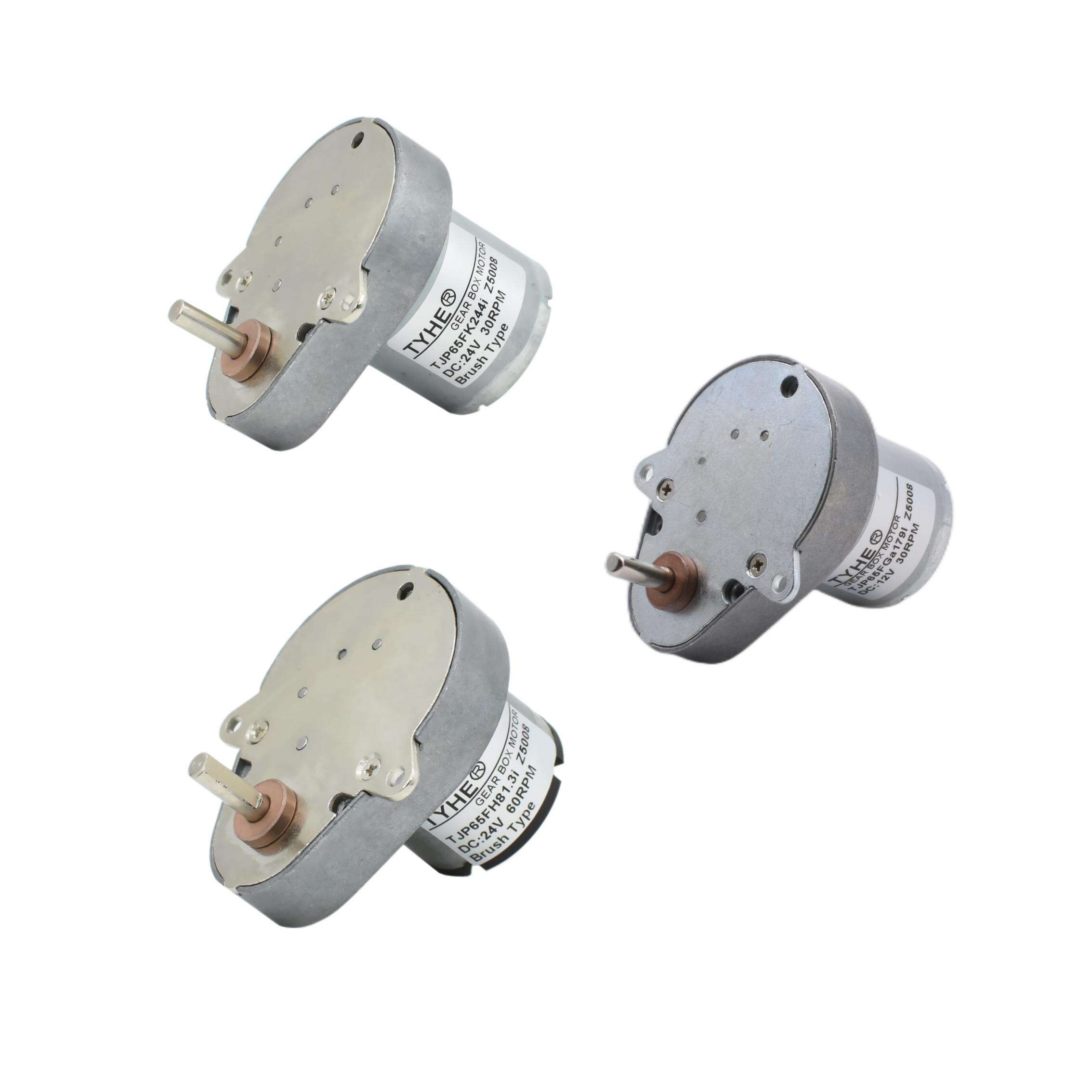
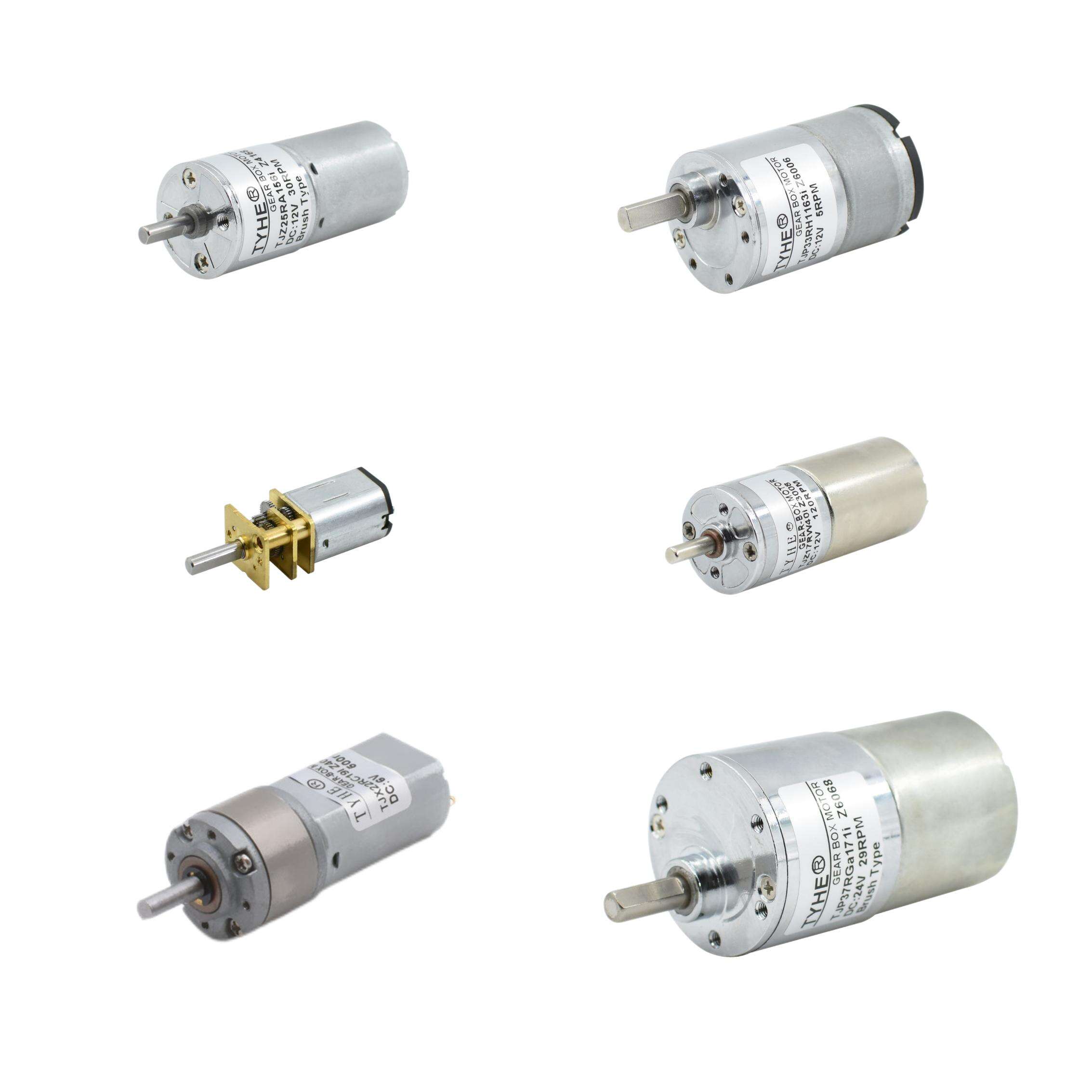
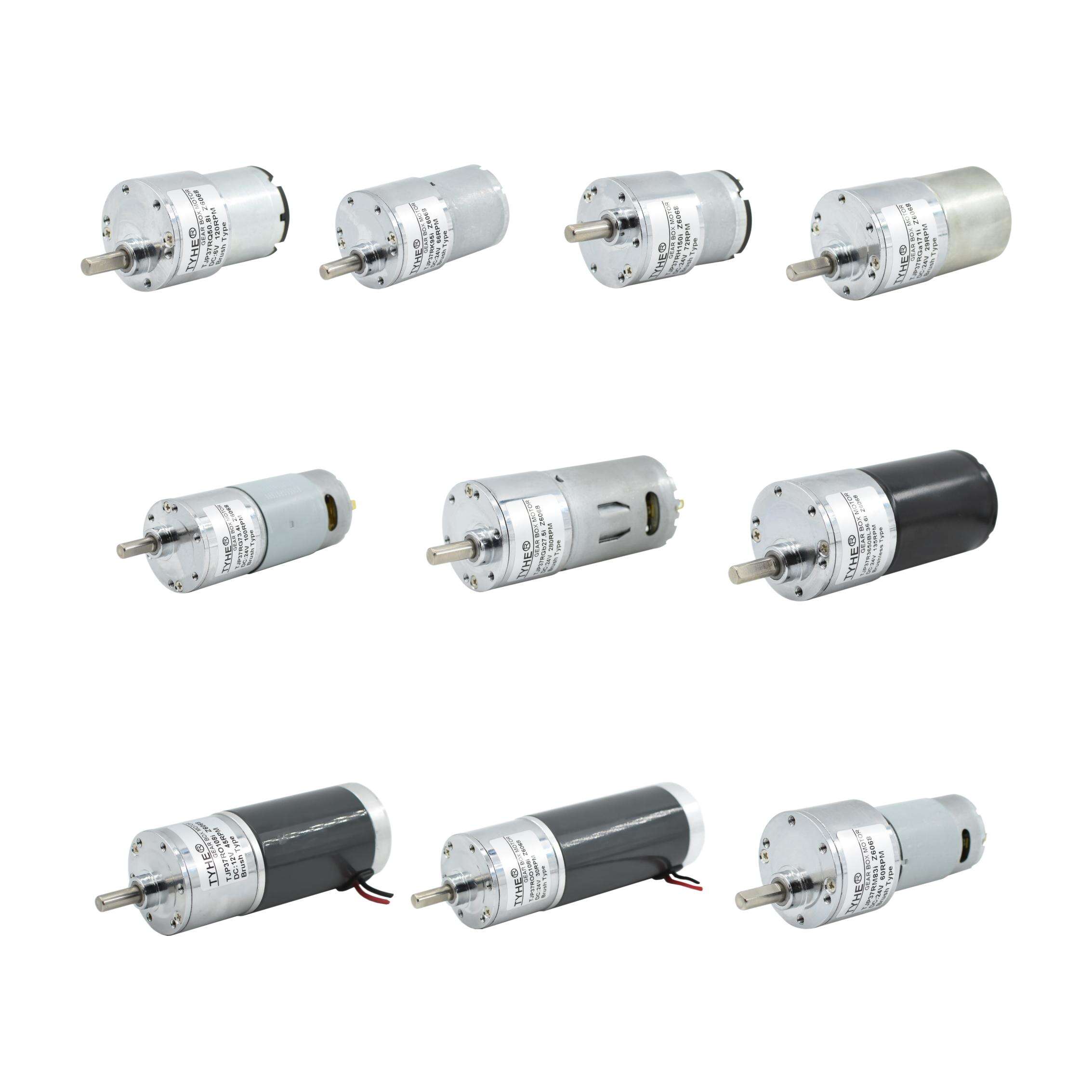
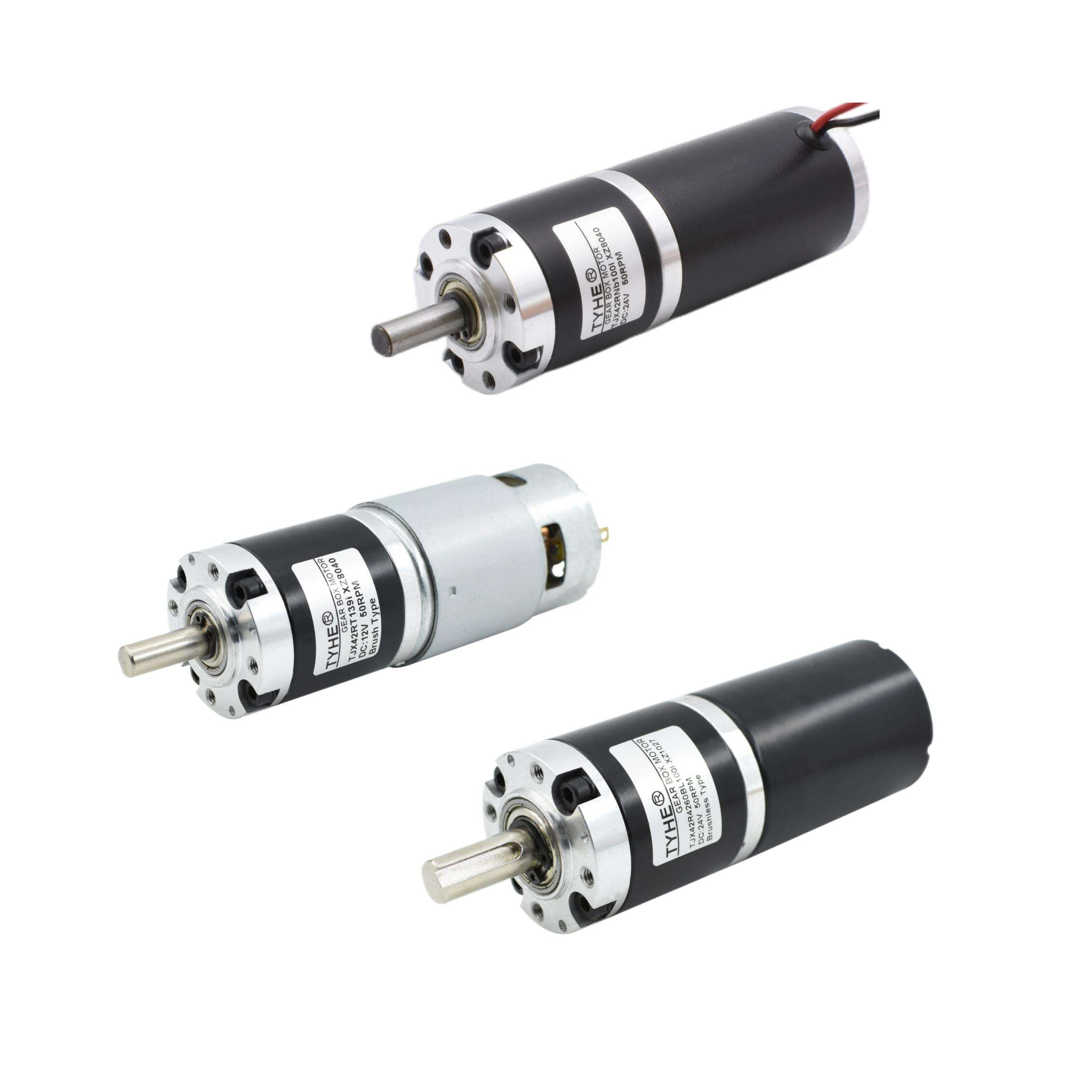
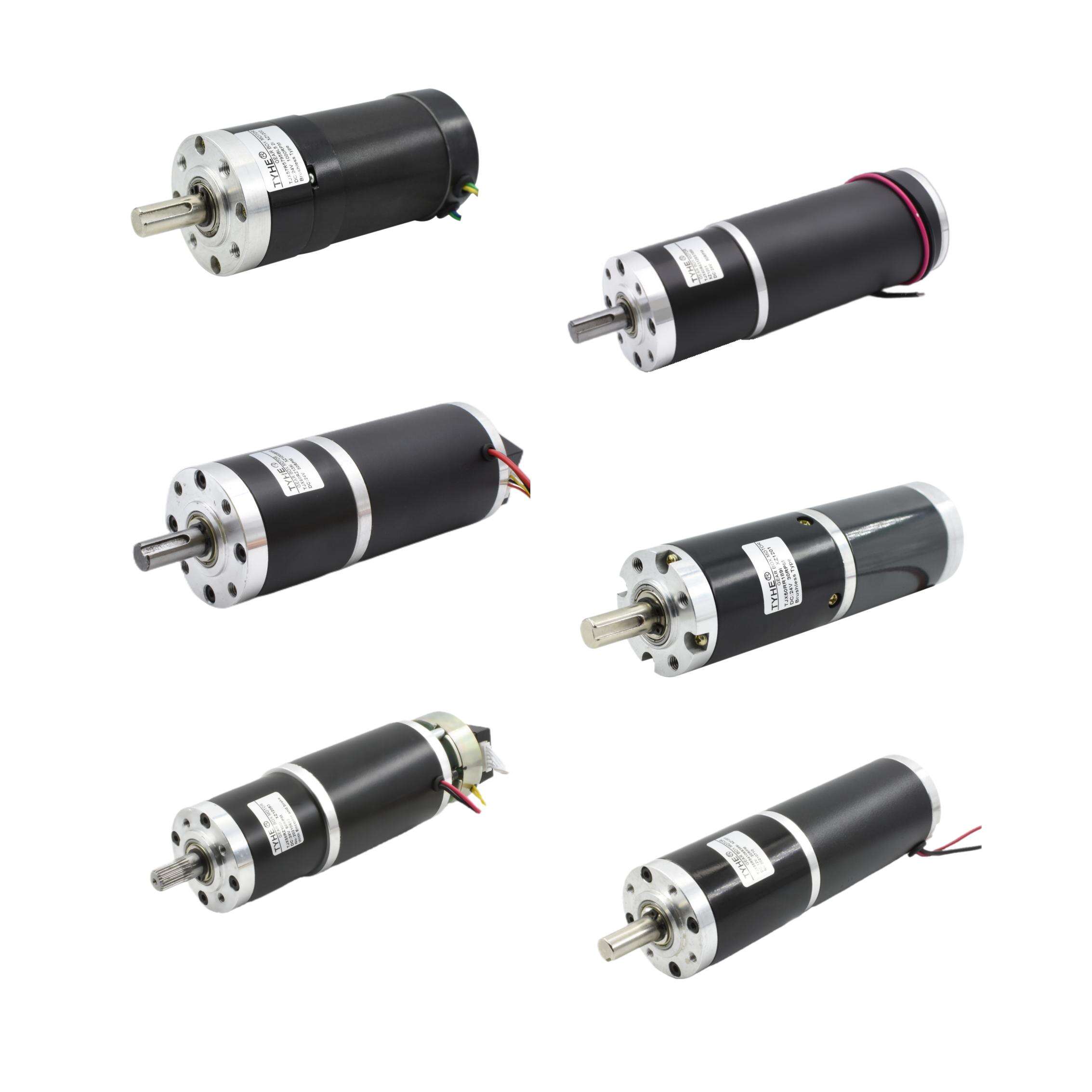
The exceptional torque multiplication capability of a 12v dc motor and gearbox system stems from sophisticated gear engineering that transforms high-speed, low-torque motor output into powerful, controlled rotational force. This fundamental advantage makes the 12v dc motor and gearbox combination indispensable for applications requiring substantial mechanical advantage without compromising precision or reliability. Modern gear reduction mechanisms employed in these systems typically achieve ratios ranging from 10:1 to over 1000:1, depending on specific application requirements. When a 12v dc motor and gearbox operates at high reduction ratios, the resulting torque output can exceed the base motor torque by the gear ratio factor, creating tremendous holding and driving capabilities within compact form factors. The gear engineering process involves precise manufacturing of gear teeth profiles, ensuring smooth power transmission while minimizing backlash and mechanical noise. High-quality 12v dc motor and gearbox units utilize hardened steel gears or advanced polymer composites that resist wear even under continuous heavy-duty operation. The gear train design carefully balances efficiency, durability, and compactness to deliver optimal performance characteristics. Planetary gear configurations, commonly found in premium 12v dc motor and gearbox systems, distribute load forces across multiple gear elements, reducing stress on individual components while maintaining excellent concentricity and smooth operation. This distributed loading approach enables higher torque capacity within smaller package dimensions compared to conventional gear arrangements. The practical implications of superior torque output prove significant across numerous applications. In automotive systems, a 12v dc motor and gearbox can easily operate power windows, adjust seats, or drive cooling fans against substantial resistance forces. Robotics applications benefit from the ability to manipulate heavy payloads or overcome friction in joint mechanisms without requiring larger, more power-hungry drive systems. Industrial automation scenarios utilize this torque advantage for valve actuation, conveyor drives, and positioning systems where reliable force generation remains critical for operational success.

 EN
EN