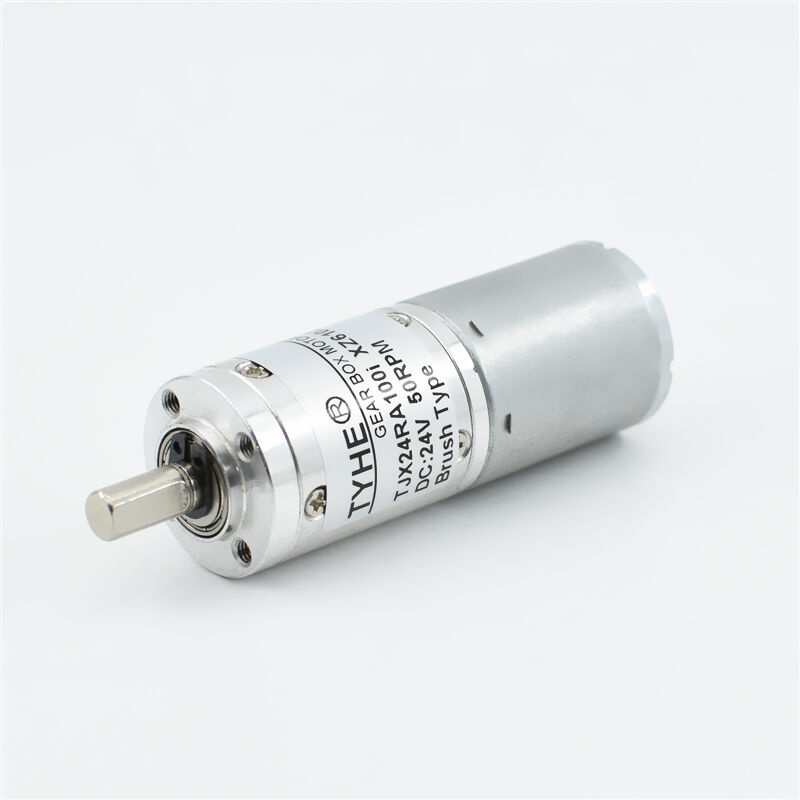
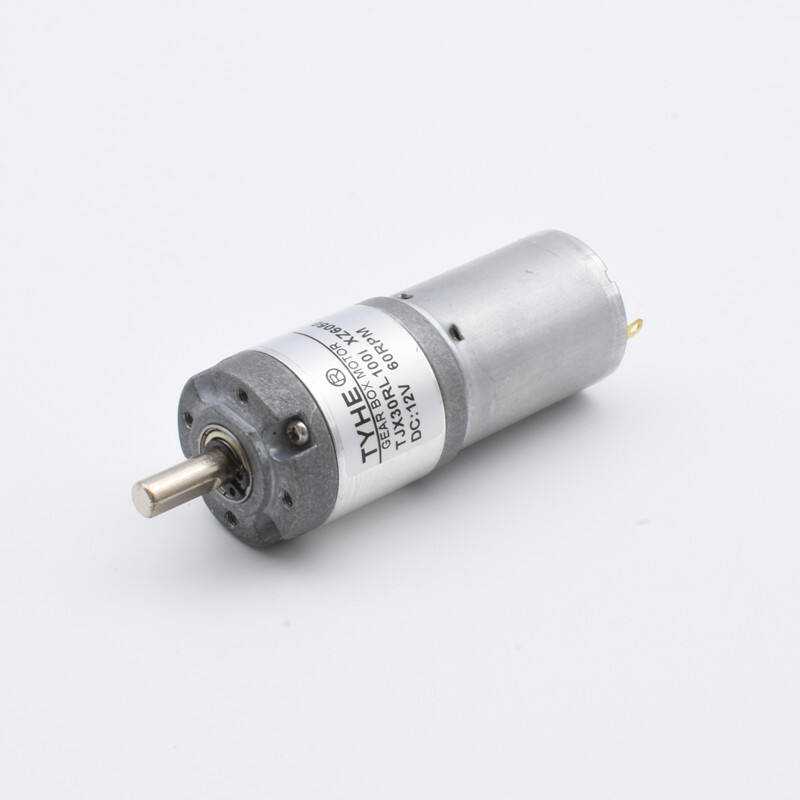
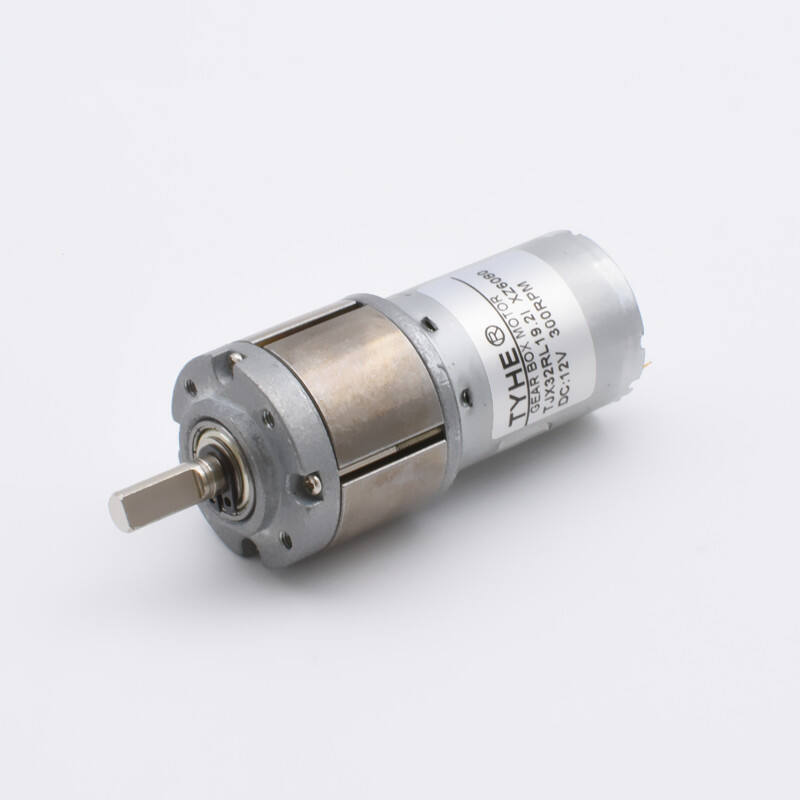
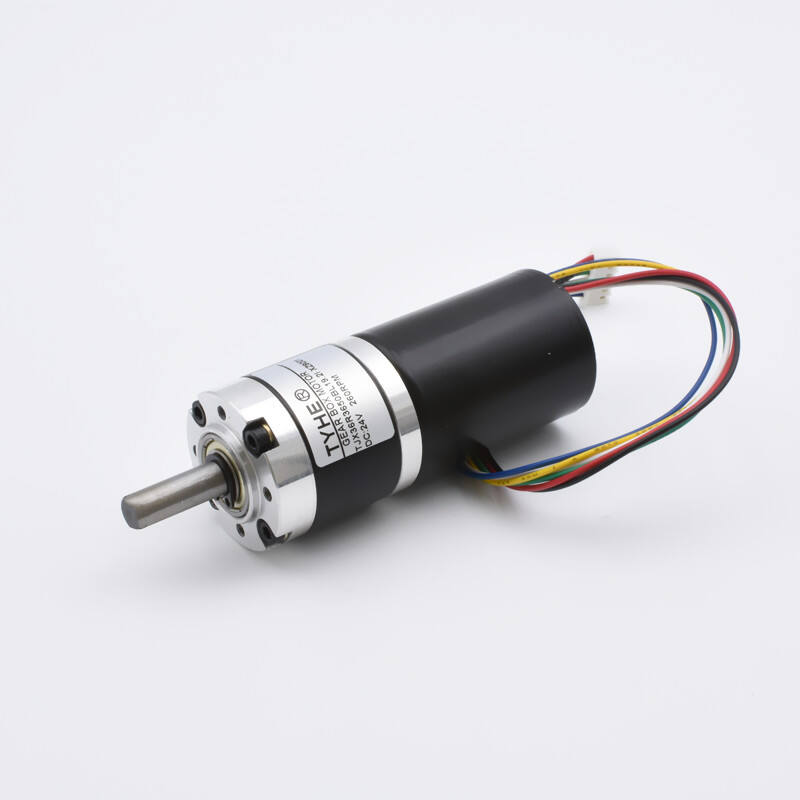
High Torque Output at Low Speed
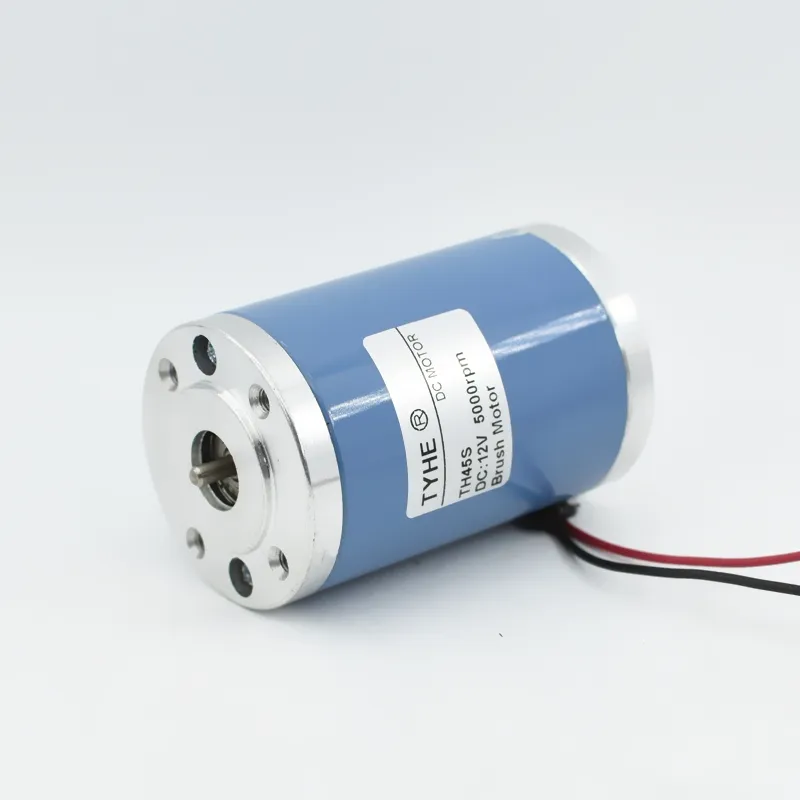
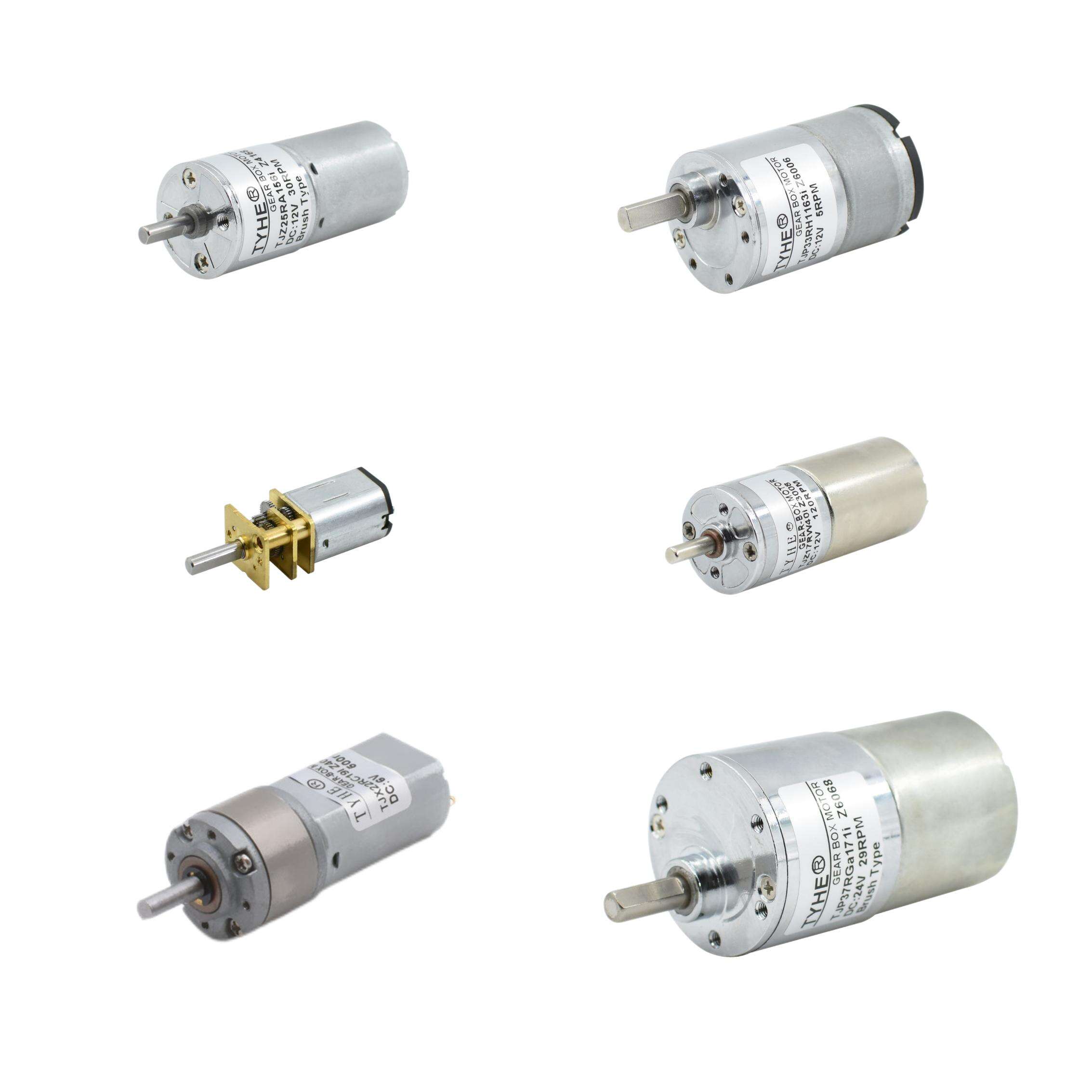
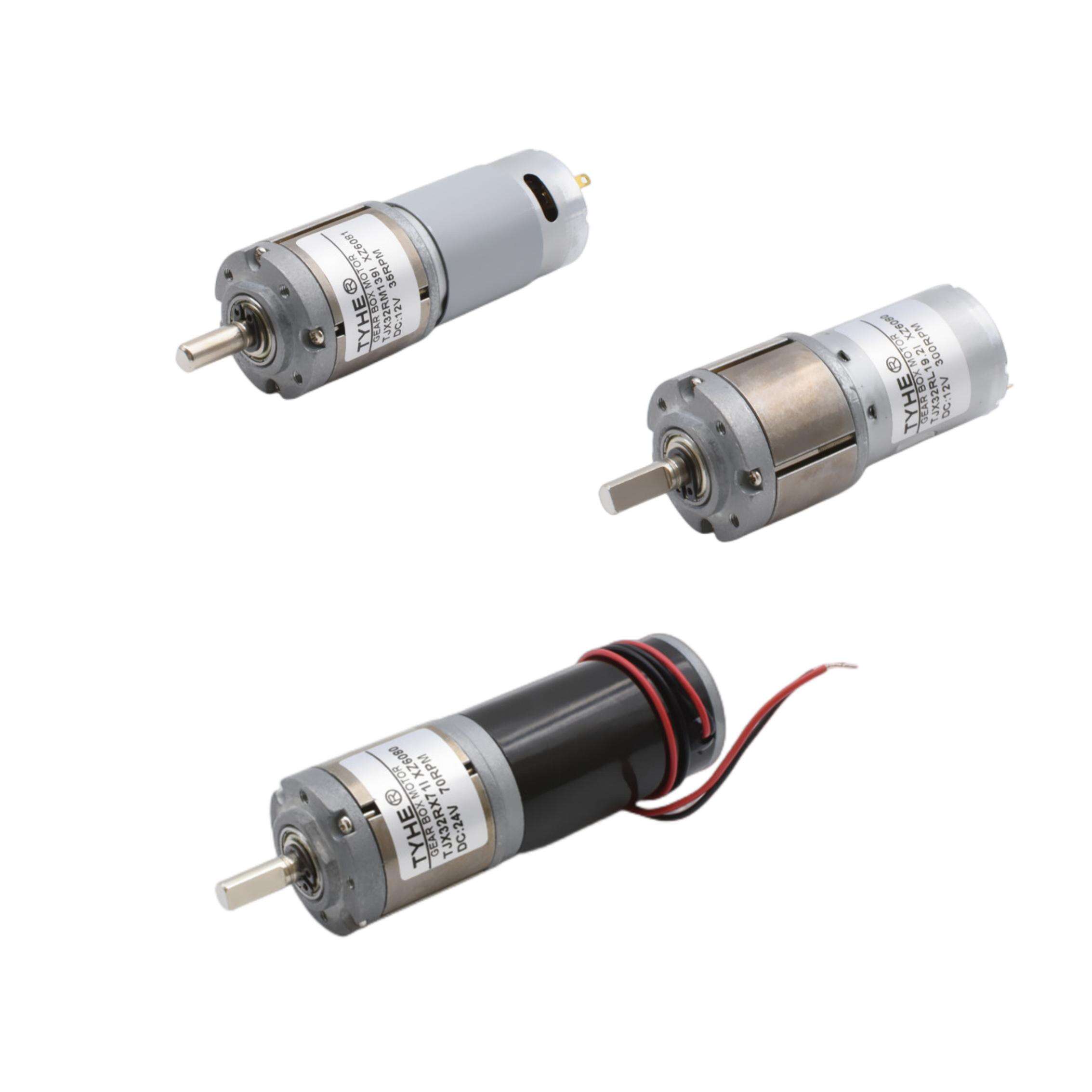
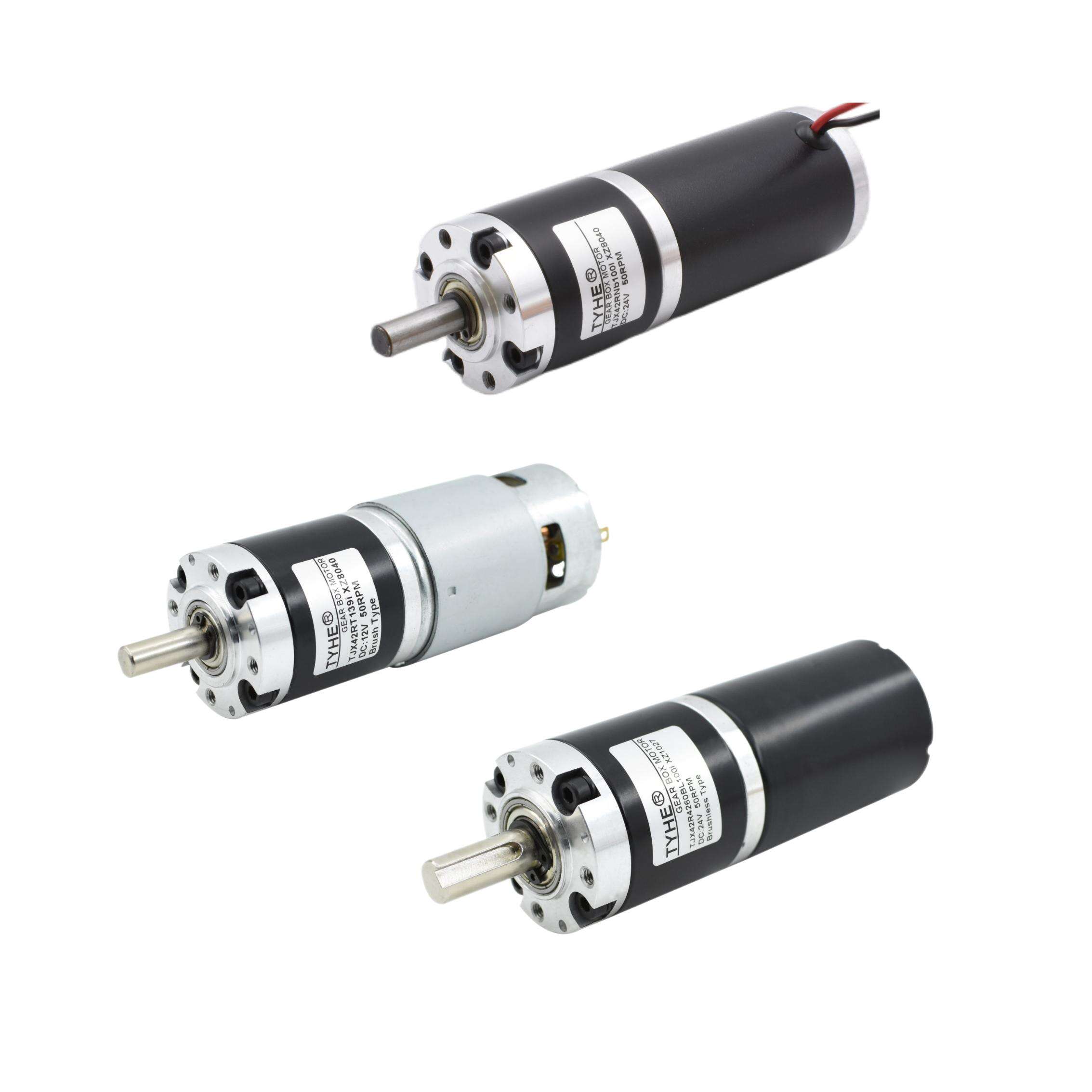
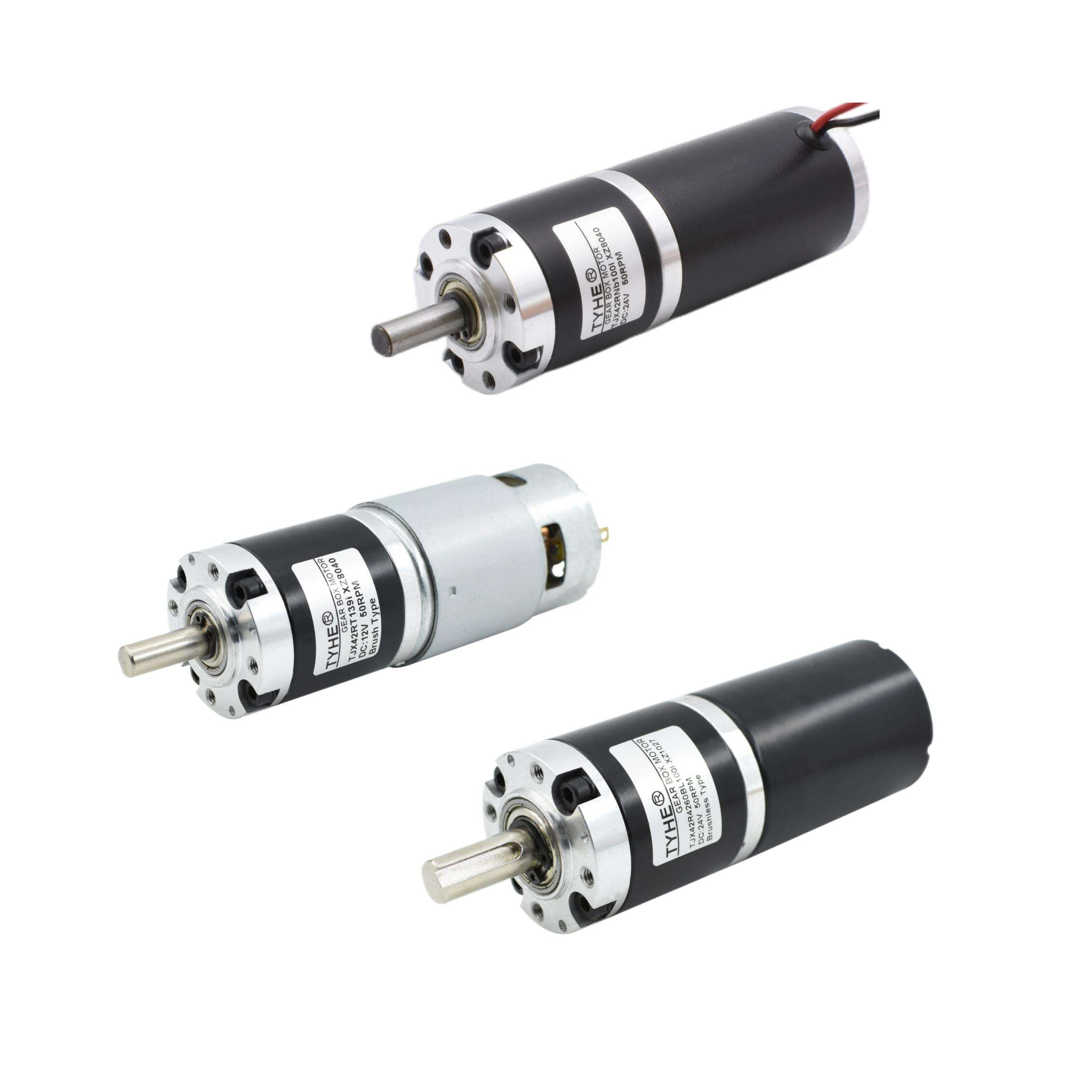
One of the most significant advantages of the 10rpm dc motor is its ability to generate substantial torque output despite its extremely low rotational speed. This characteristic makes it exceptionally valuable for applications requiring strong rotational force combined with precise speed control. The motor achieves this high torque through its internal gear reduction system that trades speed for mechanical advantage, multiplying the base motor's torque output to useful levels. Unlike high-speed motors that require external gear reducers, the 10rpm dc motor provides this torque multiplication internally, reducing system complexity and potential failure points. The motor's torque characteristics remain relatively flat across its operational range, meaning it can maintain consistent pulling or pushing force throughout complete rotations. This steady torque delivery proves essential for applications involving heavy loads, thick materials, or high-friction environments. The 10rpm dc motor can typically handle loads that would stall or struggle to move higher-speed alternatives, making it ideal for conveyor systems, material handling equipment, and positioning mechanisms. Starting torque capabilities often exceed running torque specifications, ensuring the motor can overcome initial static friction and begin movement even under challenging conditions. The motor's electromagnetic design optimizes torque production through careful selection of magnet materials and winding configurations. Permanent magnet construction provides consistent magnetic field strength that translates directly into reliable torque output without degradation over time. The 10rpm dc motor's torque characteristics make it particularly suitable for applications involving intermittent operation where the motor must frequently start and stop under load. Thermal management systems within quality motors prevent overheating during high-torque operation, maintaining performance and extending service life. The motor's ability to provide maximum torque from zero speed eliminates the need for clutches or other coupling mechanisms often required with high-speed alternatives. Users benefit from simplified system design and reduced maintenance requirements while gaining superior load-handling capabilities.

 EN
EN