
 EN
EN
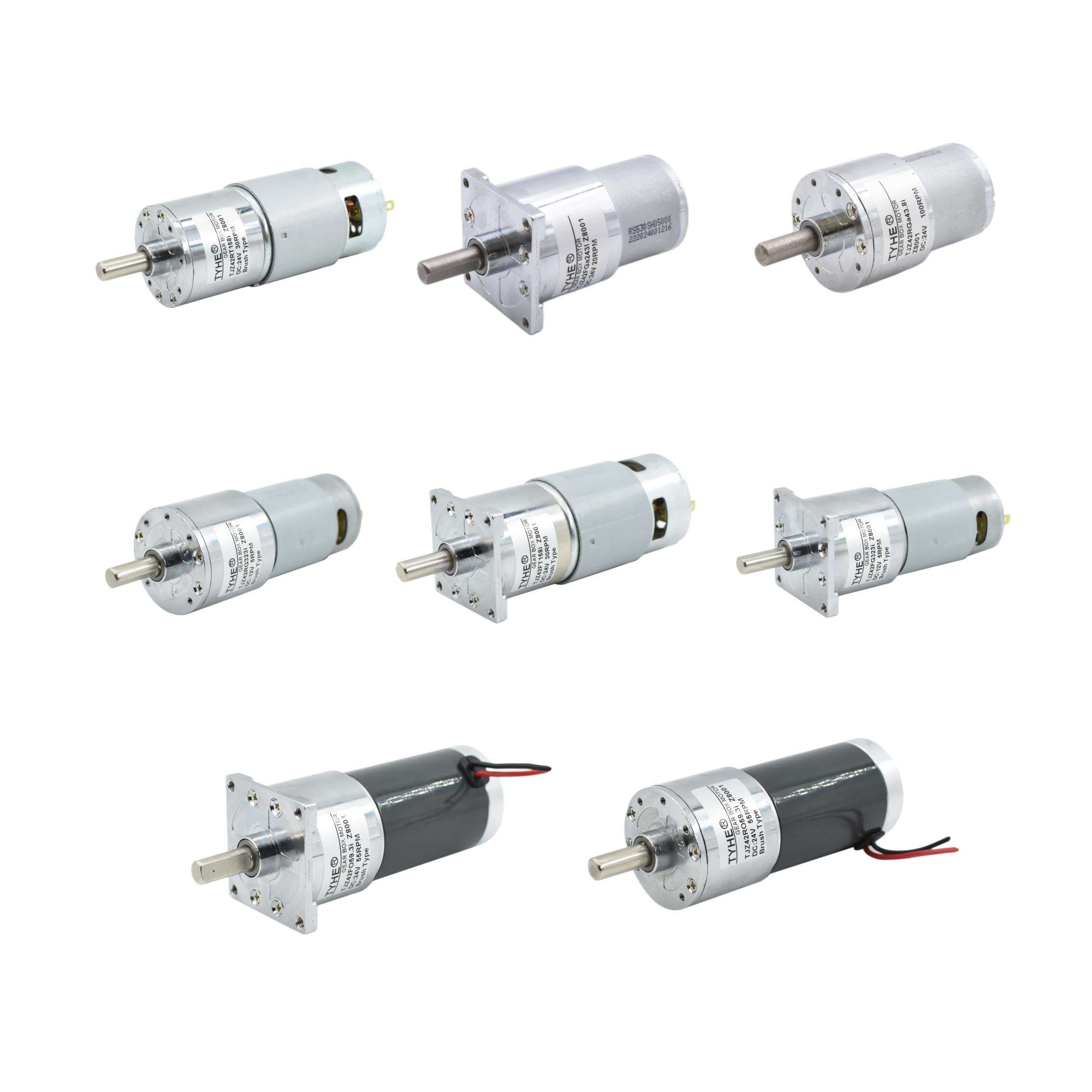
In the demanding world of engineering design and industrial automation, component selection defines project success or failure. While many engineers focus on microcontrollers, sensors, and software platforms, the mechanical power transmission system often determines whether a prototype becomes a reliable product. A high-quality dc gear motor represents far more than a simple actuator—it serves as the foundation for precision motion control, energy efficiency, and long-term operational reliability across countless applications from robotics to medical devices.
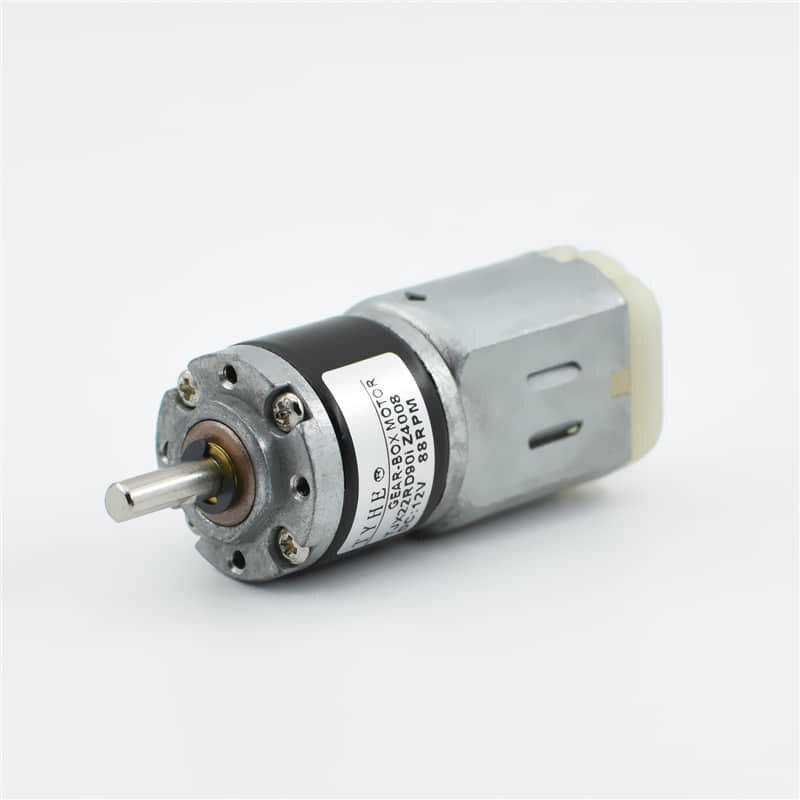
The choice to invest in premium motor technology directly impacts design iteration cycles, warranty costs, customer satisfaction, and competitive positioning. Engineers who understand why motor quality matters can make informed decisions that reduce total cost of ownership while enhancing product performance. This comprehensive analysis examines the technical, operational, and business reasons that make high-quality dc gear motor selection essential for engineering professionals across all disciplines and industries.
The Technical Foundation of Motion Control Excellence
Precision Torque Delivery Across Operating Ranges
High-quality dc gear motor systems deliver consistent torque output across their entire speed range, a characteristic that directly determines positioning accuracy and load-handling capability. Premium motors incorporate precision-ground gears with controlled backlash specifications, typically maintaining angular positioning errors below 0.5 degrees even under dynamic load conditions. This precision enables engineers to design systems with predictable motion profiles without requiring complex feedback compensation algorithms that increase system cost and complexity.
The gear train quality in superior motors utilizes hardened steel or engineered polymer materials selected for specific load profiles and environmental conditions. Engineers working with robotics, medical equipment, or industrial automation benefit from this consistency because it allows accurate force application in assembly operations, surgical instruments, and material handling systems. When torque delivery varies unpredictably, control systems must either operate with safety margins that waste energy and reduce throughput, or risk position errors that compromise product quality.
Temperature stability represents another critical aspect of precision torque delivery. Low-quality motors exhibit significant performance drift as internal temperatures rise during operation, while premium dc gear motor designs incorporate thermal management features including optimized winding configurations and heat dissipation pathways. Engineers designing continuous-duty applications particularly benefit from this thermal stability, as it eliminates the need for oversized motors or complex cooling systems that add cost and complexity to final products.
Electrical Efficiency and Energy Optimization
The electrical efficiency of a dc gear motor directly determines battery life in portable applications and operating costs in stationary systems. High-quality motors achieve efficiency ratings between seventy and eighty-five percent by minimizing resistive losses in windings, reducing magnetic hysteresis losses in core materials, and optimizing brush contact resistance in brushed designs. For battery-powered devices, this efficiency difference translates to thirty to fifty percent longer operating time compared to economy-grade alternatives, a distinction that often determines market competitiveness.
Engineers designing mobile robots, medical portable equipment, or consumer electronics must carefully evaluate motor efficiency curves across the expected operating range. Premium motors maintain relatively flat efficiency profiles from twenty percent to eighty percent of rated load, while lower-quality units exhibit sharp efficiency drops at partial loads where many real-world applications actually operate. This efficiency characteristic allows system designers to specify smaller batteries, reduce charging infrastructure requirements, and improve user experience through extended runtime between charges.
Power factor and electromagnetic compatibility also improve with motor quality. Superior dc gear motor designs minimize electrical noise generation through careful commutation design and filtering, reducing the burden on system-level EMC compliance efforts. Engineers working in medical, aerospace, or automotive applications face stringent electromagnetic emission requirements, and starting with clean motor technology simplifies certification processes and reduces the risk of costly design iterations late in development cycles.
Mechanical Durability and Service Life Prediction
The mechanical construction quality of a dc gear motor determines its operational lifespan and maintenance requirements, factors that directly impact total cost of ownership. Premium motors incorporate precision bearings with controlled preload, ensuring shaft runout remains within specification throughout the rated service life. This mechanical precision prevents premature gear wear, reduces vibration that can fatigue mounting structures, and maintains positioning accuracy over millions of operating cycles that engineers expect from professional-grade equipment.
Bearing selection represents a critical quality differentiator, with high-grade motors utilizing ball bearings with shields or seals appropriate for the operating environment. Engineers designing equipment for dusty, humid, or temperature-extreme conditions benefit from motors that specify bearing types, lubrication methods, and expected L10 life ratings. This transparency allows accurate reliability modeling and maintenance planning, while economy motors often omit such specifications, forcing engineers to conduct expensive testing or accept unknown failure risks.
Gear train durability similarly depends on material selection and manufacturing precision. Quality dc gear motor products utilize case-hardened steel gears or engineered polymers with documented wear characteristics, while lower-quality alternatives may use soft materials that wear rapidly under load. Engineers can predict maintenance intervals and design appropriate service access when working with motors that provide complete materials specifications and testing data, enabling informed design decisions that balance initial cost against lifecycle expenses.
Operational Reliability in Critical Applications
Consistent Performance Under Variable Conditions
Environmental conditions vary significantly across industrial applications, and high-quality dc gear motor designs accommodate temperature extremes, humidity, vibration, and contamination that would quickly degrade inferior products. Premium motors specify operating temperature ranges from negative forty to positive eighty-five degrees Celsius with documented performance curves showing torque derating at temperature extremes. This specification transparency allows engineers to design systems with appropriate thermal management or motor oversizing based on actual operating conditions rather than guesswork.
Vibration resistance becomes particularly critical in mobile equipment, transportation systems, and industrial machinery where shock loads and continuous vibration challenge mechanical connections and internal components. Quality motors undergo vibration testing per established standards, ensuring that bearing preload, gear mesh integrity, and electrical connections remain stable throughout the rated service life. Engineers designing for harsh environments benefit from motors with documented vibration specifications, as this data supports reliability analysis and reduces field failure risks.
Contamination protection through appropriate sealing represents another reliability differentiator. High-quality dc gear motor products offer IP rating specifications that clearly define dust and moisture ingress protection levels. Engineers working in food processing, pharmaceutical manufacturing, or outdoor applications can select motors with appropriate protection ratings, eliminating the need for custom enclosures or frequent preventive maintenance that increases operational costs and reduces equipment availability.
Reduced Downtime and Maintenance Burden
The true cost of motor failure extends far beyond replacement component pricing, encompassing production downtime, emergency service calls, expedited shipping charges, and potential damage to other system components. High-quality motors reduce these hidden costs through superior reliability that minimizes unplanned maintenance events. Engineers designing production equipment or deployed systems with difficult service access must prioritize motor reliability, as a single field failure can cost hundreds or thousands of times the incremental price difference between economy and premium motor options.
Predictable wear characteristics enable condition-based maintenance strategies that optimize service intervals and minimize unexpected failures. Premium dc gear motor manufacturers provide wear-out failure mode documentation, allowing engineers to design monitoring systems that track operating hours, load cycles, or performance degradation indicators. This predictability supports modern maintenance practices including predictive analytics and digital twin modeling, while motors lacking documented failure modes force reactive maintenance approaches that increase costs and reduce equipment availability.
Service life consistency across production lots represents another quality indicator that engineers should evaluate. Premium manufacturers implement statistical process controls that ensure motor-to-motor performance variation remains within tight tolerances, while economy producers may exhibit wide variation that complicates spare parts inventory management and maintenance planning. Engineers benefit from suppliers that provide capability indices and lot traceability, as this quality system maturity predicts long-term supply chain stability and performance consistency.
System Integration Simplicity and Design Flexibility
High-quality dc gear motor products typically offer comprehensive technical documentation including detailed mechanical drawings, electrical specifications, performance curves, and application guidelines that accelerate design cycles and reduce integration risks. Engineers working under tight development schedules benefit from suppliers that provide CAD models, thermal analysis data, and application engineering support, resources that economy suppliers rarely offer. This documentation quality difference can reduce design iteration cycles by weeks or months, significantly impacting time-to-market for competitive products.
Customization flexibility represents another advantage of working with quality motor suppliers. Premium manufacturers typically offer modification services including custom shaft configurations, special voltage or winding options, integrated encoders or sensors, and environmental protection upgrades. Engineers designing differentiated products benefit from this flexibility, as it enables optimized system integration without the tooling costs and minimum order quantities associated with fully custom motor development.
The mechanical interface consistency of quality motors simplifies design reuse across product families and facilitates component upgrades as application requirements evolve. Engineers working with standardized motor mounting patterns, shaft dimensions, and electrical connections can leverage proven mechanical designs across multiple projects, reducing design time and manufacturing complexity. This standardization particularly benefits companies maintaining product portfolios spanning multiple performance tiers or application segments, as common mechanical interfaces enable platform-based development strategies that reduce development costs and accelerate product launches.
Business Impact and Total Cost Optimization
Warranty Cost Reduction and Customer Satisfaction
The relationship between component quality and warranty costs becomes immediately apparent when analyzing field failure data across product portfolios. Products incorporating high-quality dc gear motor technology typically exhibit warranty claim rates fifty to seventy-five percent lower than those using economy alternatives, directly improving profit margins and reducing the resources required for warranty administration and customer service. Engineers making component selection decisions must consider these downstream costs, as the incremental price premium for quality motors often represents less than the cost of servicing a single warranty claim.
Customer satisfaction metrics including Net Promoter Score and repeat purchase rates correlate strongly with product reliability, and motor performance directly influences perceived quality in motion control applications. Engineers designing consumer products, medical equipment, or industrial machinery should recognize that motor selection affects brand reputation and customer loyalty, factors that determine long-term business success. Premium motor technology enables engineers to deliver products that meet or exceed customer expectations throughout the intended service life, building competitive advantage through reliability rather than competing solely on initial purchase price.
The support burden associated with motor-related field issues extends beyond warranty costs to include technical support calls, troubleshooting documentation, and engineering time diverted from new product development to fielding customer complaints. Quality motors reduce this support burden through consistent performance and clear failure modes when end-of-life occurs, allowing customer service teams to quickly diagnose issues and implement solutions. Engineers should evaluate potential suppliers based on their technical support capabilities and documentation quality, as these factors predict the support burden that design decisions will create for internal teams and customers.
Supply Chain Stability and Component Availability
Supply chain disruptions have highlighted the strategic importance of working with financially stable suppliers that maintain adequate manufacturing capacity and raw material inventory. Premium dc gear motor manufacturers typically demonstrate greater supply chain resilience through diversified material sourcing, adequate inventory buffers, and manufacturing flexibility that allows production location shifts when regional disruptions occur. Engineers must evaluate supplier stability as part of component selection, as the lowest-cost option frequently comes from suppliers with marginal financial health and limited ability to weather supply chain disruptions.
Product lifecycle management practices differ dramatically between quality-focused and cost-focused motor suppliers. Premium manufacturers typically maintain product availability for seven to fifteen years and provide advance obsolescence notification with last-time-buy opportunities and drop-in replacement recommendations. This lifecycle predictability allows engineers to design products with confidence in long-term component availability, while economy suppliers may discontinue products with minimal notice, forcing expensive redesigns or lifetime-buy inventory investments that negate initial cost savings.
The technical support and application engineering resources available from quality motor suppliers represent another supply chain advantage. Engineers facing challenging application requirements or troubleshooting field issues benefit from suppliers that staff experienced application engineers capable of analyzing system-level performance and recommending optimizations. This technical partnership becomes particularly valuable during new product development when motor selection significantly impacts overall system performance, cost, and manufacturability.
Competitive Differentiation Through Performance Excellence
In competitive markets where multiple products address similar customer needs, performance differentiation often determines market success. High-quality dc gear motor technology enables engineers to design products with superior speed accuracy, lower noise levels, extended battery life, or reduced size compared to alternatives using economy motors. These performance advantages create compelling value propositions that justify premium pricing and build brand reputation for engineering excellence rather than competing primarily on cost where profit margins steadily erode.
The acoustic performance of motor systems frequently influences customer perception, particularly in medical equipment, consumer products, and office automation where noise levels affect user comfort and product acceptance. Premium motors achieve lower acoustic emissions through precise gear manufacturing, optimized tooth profiles, and vibration isolation features that economy alternatives lack. Engineers designing products for noise-sensitive applications should prioritize motor acoustic performance, as customer complaints about noisy operation can damage brand reputation and trigger costly field retrofit programs.
Energy efficiency increasingly influences purchasing decisions as customers recognize operating cost implications and environmental considerations. Products incorporating efficient dc gear motor technology deliver tangible customer benefits through reduced battery replacement frequency, lower electricity costs, or extended cordless tool runtime. Engineers can leverage these efficiency advantages in product marketing and differentiation strategies, translating technical motor specifications into customer-relevant benefits that justify premium product positioning and support higher profit margins.
Design Risk Mitigation and Project Success
Reducing Development Iteration and Schedule Risk
The quality and completeness of motor technical documentation directly impacts design cycle time and the probability of discovering integration issues late in development when changes become exponentially more expensive. High-quality dc gear motor suppliers provide detailed specifications including performance curves, thermal characteristics, electrical parameters, and mechanical tolerances that allow accurate system modeling before prototype builds. Engineers can conduct thorough analysis including thermal simulation, mechanism kinematic studies, and control system design with confidence when working with comprehensive motor specifications, reducing the likelihood of discovering fundamental incompatibilities during prototype testing.
Sample availability and application engineering support during development phases similarly reduce project risk. Premium motor suppliers typically stock evaluation samples and provide responsive technical support that helps engineers optimize motor selection and integration details. This support becomes particularly valuable when developing first-of-kind products or entering new application domains where internal motor expertise may be limited. The weeks or months saved through effective supplier partnership often justify significant motor cost premiums by accelerating time-to-market in competitive industries where launch timing determines market share capture.
Design validation testing reveals motor quality differences that specifications alone may not fully capture. Engineers conducting environmental testing, life testing, or certification testing benefit from motors with margin beyond minimum specifications, as this margin provides insurance against test failures that delay product launches and consume limited development budgets. Premium motors typically incorporate design margin that helps products pass testing on first attempts, while economy motors designed to barely meet specifications leave no room for manufacturing variation or application conditions slightly outside nominal parameters.
Compliance and Certification Efficiency
Regulatory compliance and safety certification requirements vary by industry and geographic market, but all impose documentation burdens and testing costs that motor selection significantly influences. High-quality dc gear motor products typically include certifications such as UL recognition, CE marking, or RoHS compliance with supporting documentation that simplifies system-level certification processes. Engineers working in regulated industries including medical devices, industrial machinery, or consumer electronics benefit from motors with existing certifications, as incorporating certified components reduces the testing scope and documentation required for system-level approvals.
The materials and manufacturing process documentation available from quality motor suppliers supports environmental compliance including RoHS, REACH, and conflict minerals reporting requirements. Engineers responsible for product compliance must obtain this information from all component suppliers, and premium manufacturers typically maintain current documentation readily accessible through online portals or responsive customer service. Economy suppliers may lack adequate documentation systems, forcing engineers to conduct expensive material testing or accept compliance risks that could result in market access restrictions or regulatory penalties.
Electromagnetic compatibility testing costs can reach tens of thousands of dollars per product iteration, making EMC-optimized components valuable for reducing project budgets and schedules. Quality motors incorporate design features including filtered brush assemblies, optimized commutation timing, and shielding that minimize radiated and conducted emissions. Engineers can reduce system-level EMC compliance costs by starting with clean motor technology rather than attempting to suppress emissions through external filtering and shielding, approaches that add cost and complexity while potentially degrading motor performance through added electrical impedance.
Intellectual Property Protection and Design Security
The physical security and intellectual property protection practices of motor suppliers represent increasingly important selection criteria as product counterfeiting and design theft proliferate. Premium dc gear motor manufacturers typically implement robust supply chain security including serialization, distributor authentication programs, and design security measures that reduce counterfeit component risks. Engineers working in industries with significant counterfeit exposure including aerospace, defense, and medical devices should evaluate supplier security practices as part of component selection, as counterfeit motors with substandard materials or manufacturing can cause catastrophic field failures and liability exposure.
Confidentiality protections during custom motor development similarly vary by supplier sophistication. Engineers developing proprietary mechanisms or differentiated products benefit from suppliers with mature intellectual property protection practices including non-disclosure agreements, access controls, and employee training. Economy suppliers may lack adequate design security measures, potentially allowing competitive intelligence leakage through supplier channels that undermines product differentiation and market positioning.
The manufacturing location and supply chain transparency of motor production influences geopolitical risk and supply security. Engineers designing products for defense, critical infrastructure, or security applications must consider motor sourcing location and the potential for supply disruption or integrity compromise. Premium suppliers typically provide manufacturing location transparency and may offer production flexibility across multiple geographic regions, allowing engineers to optimize supply chain resilience based on specific application requirements and risk tolerance.
FAQ
What cost premium should engineers expect when specifying high-quality dc gear motor products?
Premium dc gear motor products typically cost twenty to fifty percent more than economy alternatives at initial purchase, but this incremental cost represents a small fraction of total product cost in most applications. When engineers evaluate total cost of ownership including warranty expenses, field service costs, and customer satisfaction impacts, quality motors frequently deliver lower lifecycle costs despite higher unit prices. The actual cost difference depends on specifications, quantities, and customization requirements, with volume purchases reducing the percentage premium. Engineers should request detailed quotations comparing motor options while modeling the impact of reliability differences on warranty reserves and service infrastructure requirements to make informed economic decisions.
How can engineers verify motor quality claims during supplier evaluation?
Engineers should request comprehensive technical documentation including performance test data, materials specifications, quality system certifications, and sample units for independent testing. Legitimate high-quality dc gear motor suppliers readily provide detailed specifications with test curve data showing performance across temperature ranges and load conditions, while suppliers making unsupported claims typically provide only basic parameter lists. Third-party testing of sample motors measuring efficiency, noise levels, and torque consistency provides objective quality verification, though testing costs typically only justify this approach for high-volume applications or critical performance requirements. Visiting supplier manufacturing facilities when possible offers insights into quality control processes and manufacturing capabilities that predict long-term supply partnership success.
What specific motor specifications most directly indicate quality differences?
Several specifications reliably indicate dc gear motor quality levels including gear backlash tolerances, bearing type and L10 life ratings, efficiency curves across the load range, and thermal derating specifications. Quality motors specify backlash in arc-minutes or degrees with maximum values typically below one degree, while economy motors may omit backlash specifications entirely. Bearing specifications should identify specific bearing types with documented life ratings rather than generic descriptions. Efficiency specifications should include curves showing performance across twenty to one hundred percent load rather than single-point maximum efficiency values. Temperature specifications should include performance derating curves rather than simple maximum operating temperature limits. Engineers should view incomplete specifications as quality warning signs requiring additional investigation before component selection.
When does it make sense to use economy motors instead of premium options?
Economy dc gear motor products may appropriately serve applications with limited duty cycles, non-critical performance requirements, and low production volumes where development cost optimization outweighs lifecycle considerations. Prototype builds, proof-of-concept demonstrations, and educational projects often accept economy motors since these applications prioritize rapid iteration and minimal investment over long-term reliability. Single-use or limited-life products including certain consumer electronics or promotional items may also justify economy motors when the expected service life matches economy motor capabilities and warranty exposure remains minimal. However, engineers should carefully evaluate whether apparent cost savings actually materialize after accounting for higher failure rates, increased testing costs, and potential field issues that damage brand reputation even in ostensibly non-critical applications.
Table of Contents
- The Technical Foundation of Motion Control Excellence
- Operational Reliability in Critical Applications
- Business Impact and Total Cost Optimization
- Design Risk Mitigation and Project Success
-
FAQ
- What cost premium should engineers expect when specifying high-quality dc gear motor products?
- How can engineers verify motor quality claims during supplier evaluation?
- What specific motor specifications most directly indicate quality differences?
- When does it make sense to use economy motors instead of premium options?
