
 EN
EN
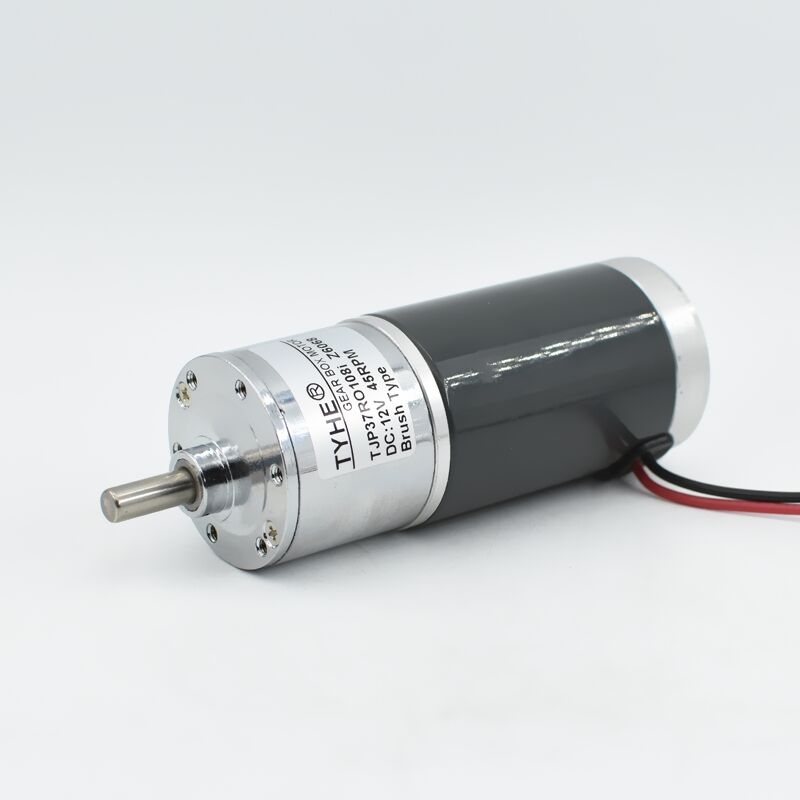
Wybór odpowiedniego silnika prądu stałego z przekładnią do konkretnych wymagań projektu wymaga starannego przeanalizowania wielu czynników technicznych i eksploatacyjnych. Nieodpowiedni wybór silnika może prowadzić do niskiej wydajności, przedwczesnego uszkodzenia lub niemożności spełnienia założeń projektowych, podczas gdy właściwy wybór zapewnia optymalne funkcjonowanie, długotrwałość oraz opłacalność w różnorodnych zastosowaniach przemysłowych.
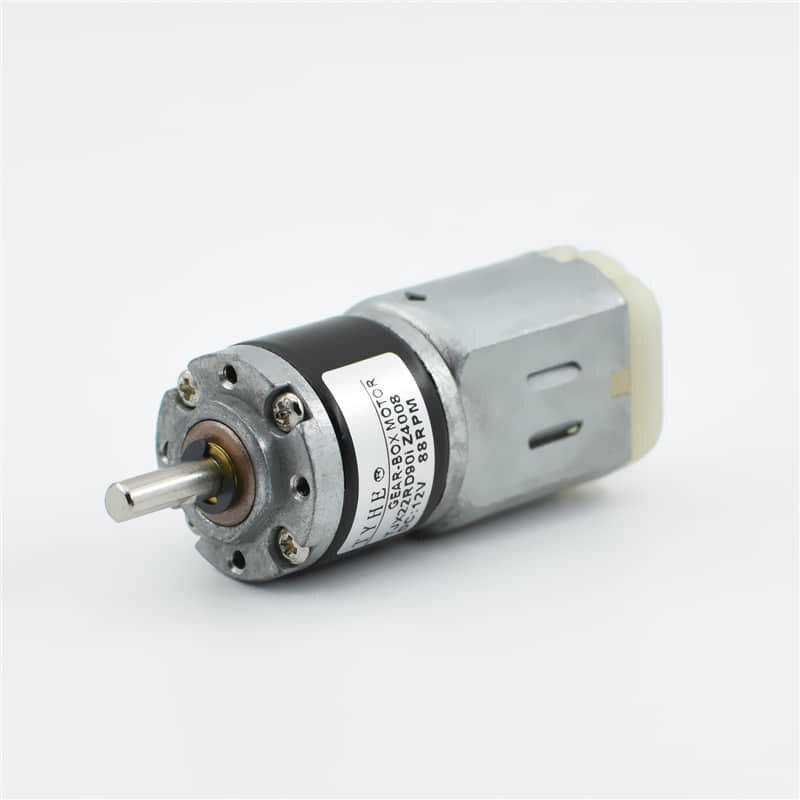
Zrozumienie podstawowych cech i kryteriów doboru silnika prądu stałego z przekładnią staje się kluczowe, gdy zespoły inżynierskie stają przed terminami realizacji projektów oraz celami wydajnościowymi. Ten obszerny przewodnik zawiera systematyczne podejścia do oceny specyfikacji silników, dopasowania ich możliwości do wymagań aplikacji oraz podejmowania uzasadnionych decyzji zgodnych zarówno z wymaganiami technicznymi, jak i ograniczeniami budżetowymi.
Zrozumienie Silnik biegów prądu stałego Podstawy prawidłowego doboru
Podstawowe komponenty i zasady działania
Silnik prądu stałego z przekładnią składa się z silnika elektrycznego prądu stałego połączonego z wbudowanym układem redukcyjnym, który zapewnia kontrolowane wyjściowe moment obrotowy i prędkość obrotową. Część silnikowa przekształca energię elektryczną w ruch obrotowy, podczas gdy układ przekładniowy zmniejsza prędkość obrotową i zwiększa moment obrotowy zgodnie ze wskazanym przełożeniem przekładni. To połączenie umożliwia precyzyjną kontrolę charakterystyk mechanicznego wyjścia, co jest niezbędne w wielu zastosowaniach przemysłowych i komercyjnych.
Podstawowa konstrukcja obejmuje magnesy stałe lub elektromagnesy generujące pole magnetyczne, uzwojenia wirnika przewodzące prąd, komutatory odwracające kierunek przepływu prądu oraz szczęki węglowe zapewniające stały kontakt elektryczny. Sekcja przekładni zwykle wykorzystuje konfiguracje przekładni planetarnych, zębatych lub śrubowych, w zależności od wymaganego przełożenia, wymagań dotyczących sprawności oraz ograniczeń przestrzennych danej aplikacji.
Podstawowe parametry wydajności
Przy ocenie opcji silników prądu stałego z przekładnią kilka kluczowych parametrów wydajnościowych decyduje o ich przydatności do konkretnych projektów. Moment obrotowy określa zdolność do generowania siły obrotowej, mierzonej w niutonometrach lub stopa-funtach, i ma bezpośredni wpływ na zdolność silnika do napędzania obciążeń oraz pokonywania oporów. Parametry prędkości określają prędkość obrotową wału wyjściowego przy różnych warunkach obciążenia, zwykle wyrażaną w obrotach na minutę.
Charakterystyka zużycia mocy wpływa na koszty eksploatacji oraz wymagania stawiane systemowi elektrycznemu, podczas gdy wskaźniki sprawności określają, jak skutecznie silnik silnik biegów prądu stałego przekształca energię elektryczną wejściową w energię mechaniczną wyjściową. Parametry napięcia i prądu muszą być zgodne z dostępnymi źródłami zasilania, a wskaźniki cyklu pracy wskazują zdolność silnika do pracy ciągłej lub przerywanej przy określonych warunkach obciążenia.
Analiza wymagań projektowych i charakterystyki obciążenia
Analiza obciążenia i obliczenia momentu obrotowego
Dokładna analiza obciążenia stanowi podstawę prawidłowego doboru silnika prądu stałego z przekładnią i wymaga szczegółowej oceny wszystkich sił oraz oporów, które silnik musi pokonać w trakcie pracy. Obciążenia statyczne obejmują siły grawitacyjne, współczynniki tarcia oraz opór mechaniczny występujący, gdy układ znajduje się w spoczynku. Obciążenia dynamiczne obejmują siły przyspieszenia, efekty pędu oraz zmienne opory występujące w cyklach pracy.
Inżynierowie muszą obliczyć wymagania dotyczące maksymalnego momentu obrotowego podczas rozruchu, ciągłego momentu obrotowego w warunkach normalnej pracy oraz ewentualnych chwilowych, wysokich wymagań dotyczących momentu obrotowego w trakcie specjalnych faz eksploatacji. Współczynniki bezpieczeństwa zwykle zawierają się w zakresie od 1,5 do 3,0 razy wyższe niż obliczone wymagania, w zależności od krytyczności zastosowania, warunków środowiskowych oraz przewidywanej długości życia urządzenia. Takie obliczenia zapewniają, że wybrany silnik prądu stałego z przekładnią zapewnia wystarczający zapas wydajności bez nadmiernego zwiększenia jego wymiarów, co prowadziłoby do wzrostu kosztów i zużycia energii.
Wymagania dotyczące prędkości i czasu
Specyfikacje prędkości mają bezpośredni wpływ na dobór silnika prądu stałego z przekładnią, w szczególności na stosunek przełożenia przekładni niezbędnego do osiągnięcia pożądanych charakterystyk wyjściowych. W aplikacjach wymagających precyzyjnego pozycjonowania konieczne są silniki zdolne do płynnego, kontrolowanego ruchu przy minimalnym luzie przekładni oraz spójnych profilach prędkości. W przypadku zastosowań wysokoprędkościowych priorytetem jest niski stosunek przełożenia przekładni oraz wydajna konstrukcja silnika minimalizująca generowanie ciepła i zużycie mechaniczne.
Wymagania dotyczące czasu działania wpływają na reaktywność silnika i jego zdolności przyspieszania; niektóre projekty wymagają szybkich cykli startu i zatrzymania, podczas gdy inne działają ciągle przy stałych prędkościach. W zastosowaniach o zmiennej prędkości potrzebne są silniki charakteryzujące się dobrą kontrolą prędkości w całym zakresie pracy, natomiast w zastosowaniach o stałej prędkości priorytetem jest wydajność i niezawodność przy określonych punktach pracy. Zrozumienie tych wymagań pozwala znacznie zawęzić wybór odpowiednich silników prądu stałego z przekładnią.
Ocenianie specyfikacji technicznych i charakterystyk eksploatacyjnych
Specyfikacje napięcia i prądu
Specyfikacje elektryczne stanowią kluczowe kryteria wyboru, które muszą być zgodne z dostępnymi źródłami zasilania oraz ograniczeniami systemu. Typowe napięcia znamionowe silników prądu stałego z przekładnią to m.in. 12 V, 24 V, 48 V oraz różne przemysłowe standardy; każdy z tych poziomów napięcia oferuje inne zalety pod względem sprawności, precyzji sterowania oraz rozważań związanych z bezpieczeństwem. Silniki o niższym napięciu zapewniają zazwyczaj lepszą kontrolę prędkości oraz bezpieczniejszą pracę w niektórych środowiskach, podczas gdy opcje o wyższym napięciu często charakteryzują się wyższą sprawnością i mniejszymi wymaganiami co do wartości prądu.
Obecne specyfikacje obejmują zarówno wartości ciągłe, jak i szczytowe; prąd ciągły określa pobór mocy w stanie ustalonym, natomiast prąd szczytowy wskazuje na zdolności rozruchowe lub przeładowaniowe. Zrozumienie tych cech pozwala inżynierom odpowiednio dobrać zasilacze, obwody ochronne oraz systemy sterowania. Związek między napięciem, prądem a wyjściem mechanicznym decyduje o ogólnej sprawności systemu oraz kosztach jego eksploatacji przez cały okres użytkowania silnika.
Stosunek przełożenia przekładni i cechy mechaniczne
Wybór przełożenia przekładni bezpośrednio wpływa na relację prędkość-moment obrotowy silnika przekładniowego prądu stałego, przy czym wyższe przełożenia zapewniają większe wzmocnienie momentu obrotowego przy niższych prędkościach wyjściowych. Typowe przełożenia wahają się od prostych redukcji 3:1 do złożonych konfiguracji 1000:1 lub wyższych, w przypadku zastosowań wymagających precyzyjnego pozycjonowania lub pracy z wysokim momentem obrotowym i niską prędkością obrotową. Proces doboru obejmuje zrównoważenie wymagań dotyczących momentu obrotowego, prędkości obrotowej i efektywności, specyficznych dla danego zastosowania.
Właściwości mechaniczne obejmują specyfikację luzów przekładni, które wpływają na dokładność pozycjonowania w zastosowaniach serwonapędowych, oraz wskaźniki sprawności wpływające na zużycie mocy i generowanie ciepła. Przekładnie planetarne oferują zazwyczaj kompaktowe konstrukcje o dobrej sprawności, podczas gdy przekładnie ślimakowe zapewniają wysokie przełożenia oraz możliwość samohamowania. Zrozumienie tych właściwości mechanicznych pomaga zagwarantować, że wybrany silnik prądu stałego z przekładnią spełnia zarówno wymagania dotyczące wydajności, jak i niezawodności.
Rozważania środowiskowe i operacyjne
Wymagania dotyczące ochrony środowiska i obudowy
Warunki środowiskowe mają istotny wpływ na dobór silników prądu stałego z przekładnią, szczególnie w zakresie wymaganych stopni ochrony zapewniających niezawodne działanie. Klasyfikacja IP (Ingress Protection) określa odporność silnika na pył, wilgoć oraz inne zanieczyszczenia występujące typowo w środowiskach przemysłowych. Stopień ochrony IP54 zapewnia ochronę przed nagromadzaniem się pyłu oraz bryzgami wody, podczas gdy stopień IP65 zapewnia pełną ochronę przed pyłem oraz odporność na strumienie wody napierające z dowolnego kierunku.
Specyfikacje temperaturowe obejmują zarówno zakresy temperatur otoczenia, w których urządzenie może pracować, jak i wewnętrzne limity temperatury podczas eksploatacji. Standardowe konstrukcje silników prądu stałego z przekładnią zwykle działają w zakresie temperatur otoczenia od −10°C do +40°C, podczas gdy wersje specjalne są przystosowane do warunków skrajnych temperatur. Uwzględnienie wilgotności wpływa na integralność izolacji oraz odporność na korozję, szczególnie w środowiskach przybrzeżnych lub w zakładach przetwórstwa chemicznego, gdzie zwiększone zabezpieczenie staje się niezbędne dla niezawodnej długotrwałej pracy.
Specyfikacje odporności na wibracje i wstrząsy określają przydatność silników w zastosowaniach mobilnych lub w środowiskach charakteryzujących się znacznymi zakłóceniami mechanicznymi. Silniki montowane w pojazdach, maszynach budowlanych lub w pobliżu ciężkiego sprzętu wymagają wzmocnionej konstrukcji mechanicznej oraz systemów mocowania, aby zapewnić niezawodną pracę w warunkach obciążeń dynamicznych.
Wymagania dotyczące montażu i integracji
Wymagania dotyczące montażu fizycznego wpływają na dobór silników prądu stałego z przekładnią w zależności od dostępnej przestrzeni, ograniczeń związanych z orientacją oraz specyfikacji mechanicznego interfejsu. Typowymi konfiguracjami montażowymi są konstrukcje z podstawą do montażu poziomego, wersje z kołnierzem przeznaczone do montażu pionowego lub na ścianie oraz konstrukcje z walcowym wałem zintegrowanym bezpośrednio z napędzanym urządzeniem. Ograniczenia wymiarowe często zawężają dostępne opcje, szczególnie w przypadku kompaktowych maszyn lub aplikacji modernizacyjnych.
Specyfikacje wału wyjściowego muszą być zgodne z wymaganiami napędzanego urządzenia, w tym średnica, długość, wymiary wpustu oraz tolerancje współśrodkowości. W niektórych zastosowaniach wymagane są wały wyjściowe o konstrukcji tubularnej („hollow shaft”) umożliwiające prowadzenie kabli lub przewodów pneumatycznych, podczas gdy inne wymagają dwóch wałów wyjściowych do jednoczesnego napędzania wielu mechanizmów. Wymagania dotyczące połączeń elektrycznych obejmują typ zacisków, sposób wprowadzania przewodów oraz łatwość dostępu w celu wykonywania czynności konserwacyjnych.
Analiza kosztów i rozważania dotyczące długoterminowej wartości
Koszt początkowy vs koszty eksploatacji
Kompleksowa analiza kosztów wykracza poza początkową cenę zakupu i obejmuje koszty instalacji, eksploatacji oraz konserwacji w całym okresie użytkowania silnika. Modele prądu stałego z przekładnią o wyższej sprawności zwykle mają wyższą cenę, ale zapewniają niższe zużycie energii, co w dłuższym okresie może zrekompensować dodatkowe nakłady inwestycyjne. W analizie należy uwzględnić stawki za energię elektryczną, liczbę godzin pracy rocznie oraz przewidywany okres użytkowania, aby dokładnie obliczyć całkowity koszt posiadania.
Koszty instalacji różnią się znacznie w zależności od złożoności silnika, wymagań dotyczących jego montażu oraz potrzeb integracji elektrycznej. Proste instalacje zastępcze wiążą się z minimalnymi dodatkowymi kosztami, podczas gdy integracja nowego systemu może wymagać niestandardowych uchwytów montażowych, szaf elektrycznych oraz modyfikacji systemu sterowania. Zrozumienie tych kosztów wdrożenia pozwala na ustalenie realistycznych budżetów projektowych oraz zapobiega nieprzewidzianym wydatkom w fazie instalacji.
Czynniki niezawodności i konserwacji
Charakterystyki niezawodności bezpośrednio wpływają na długoterminowe koszty eksploatacji poprzez zmniejszenie czasu przestoju, zapotrzebowania na konserwację oraz częstotliwości wymiany. Wysokiej jakości konstrukcje silników prądu stałego z przekładnią obejmują wytrzymałe łożyska, skuteczne systemy uszczelnienia oraz trwałe materiały zębników, które wydłużają okres użytkowania w określonych warunkach eksploatacyjnych. Specyfikacje średniego czasu między awariami (MTBF) umożliwiają ilościowe porównanie niezawodności różnych wariantów silników.
Wymagania serwisowe obejmują interwały smarowania, harmonogramy wymiany szczotek w przypadku silników ze szczotkami oraz okresowe procedury inspekcyjne. Konstrukcje bezszczotkowych silników prądu stałego z przekładnią eliminują potrzebę konserwacji szczotek, ale mogą wymagać bardziej zaawansowanej elektroniki sterującej. Zrozumienie tych aspektów serwisowych pozwala ustalić odpowiednie harmonogramy konserwacji oraz zaplanować budżet na bieżącą obsługę techniczną przez cały okres eksploatacji silnika.
Często zadawane pytania
Jaki jest najważniejszy czynnik przy wyborze silnika prądu stałego z przekładnią do mojego projektu?
Najważniejszym czynnikiem jest dokładne dopasowanie charakterystyk momentu obrotowego i prędkości silnika do konkretnych wymagań obciążenia. Oblicz rzeczywisty moment obrotowy potrzebny do napędu danego zastosowania, uwzględniając współczynniki bezpieczeństwa dla rozruchu oraz zmiennych warunków obciążenia, a następnie dobierz silnik prądu stałego z przekładnią o odpowiednich przełożeniach, aby uzyskać wymaganą prędkość obrotową na wyjściu. Pominięcie właściwej analizy obciążenia często prowadzi do błędów w doborze silnika, co wpływa negatywnie na wydajność i niezawodność całego projektu.
Jak określić prawidłowe przełożenie przekładni dla mojego zastosowania silnika prądu stałego z przekładnią?
Wybór przełożenia przekładni polega na podzieleniu prędkości podstawowej silnika przez wymaganą prędkość wyjściową, aby określić minimalne potrzebne redukcję, a następnie uwzględnieniu wymagań dotyczących zwiększenia momentu obrotowego. Wyższe przełożenia przekładni zapewniają większy moment obrotowy na wyjściu, ale zmniejszają maksymalną prędkość, podczas gdy niższe przełożenia sprzyjają prędkości kosztem momentu obrotowego. Należy zrównoważyć te czynniki w zależności od priorytetów danej aplikacji: precyzyjnego pozycjonowania, wysokiej zdolności momentu obrotowego lub szybkich ruchów.
Czy mogę używać tego samego silnika prądu stałego z przekładnią zarówno w zastosowaniach ciągłych, jak i okresowych?
Chociaż wiele silników prądu stałego z przekładnią może pracować zarówno w trybie ciągłym, jak i okresowym, to konkretna klasa cyklu pracy określa bezpieczne parametry eksploatacji dla każdego typu zastosowania. Silniki przeznaczone do pracy ciągłej są zaprojektowane do długotrwałej pracy przy obciążeniu znamionowym, podczas gdy klasy cyklu pracy okresowej określają maksymalny czas pracy przed koniecznością ochłodzenia. Należy zawsze sprawdzić, czy specyfikacja cyklu pracy wybranego silnika odpowiada lub przekracza rzeczywiste wymagania eksploatacyjne danego zastosowania.
Jakie czynniki środowiskowe należy wziąć pod uwagę przy doborze silnika prądu stałego z przekładnią do zastosowań zewnętrznych?
Zastosowania zewnętrzne wymagają starannego uwzględnienia skrajnych temperatur, ochrony przed wilgocią, ekspozycji na promieniowanie UV oraz potencjalnego oddziaływania zanieczyszczeń. Należy wybrać silniki z odpowiednimi stopniami ochrony IP zapewniającymi odporność na warunki atmosferyczne, specyfikacjami temperaturowymi obejmującymi zakres klimatyczny występujący w danym regionie oraz materiałami obudowy odpornymi na degradację pod wpływem promieniowania UV. W przypadku ekstremalnych środowisk lub zastosowań wymagających zwiększonej niezawodności w trudnych warunkach zewnętrznych należy rozważyć zastosowanie dodatkowych obudów ochronnych lub środków zabezpieczających przed wpływem czynników atmosferycznych.
Spis treści
- Zrozumienie Silnik biegów prądu stałego Podstawy prawidłowego doboru
- Analiza wymagań projektowych i charakterystyki obciążenia
- Ocenianie specyfikacji technicznych i charakterystyk eksploatacyjnych
- Rozważania środowiskowe i operacyjne
- Analiza kosztów i rozważania dotyczące długoterminowej wartości
-
Często zadawane pytania
- Jaki jest najważniejszy czynnik przy wyborze silnika prądu stałego z przekładnią do mojego projektu?
- Jak określić prawidłowe przełożenie przekładni dla mojego zastosowania silnika prądu stałego z przekładnią?
- Czy mogę używać tego samego silnika prądu stałego z przekładnią zarówno w zastosowaniach ciągłych, jak i okresowych?
- Jakie czynniki środowiskowe należy wziąć pod uwagę przy doborze silnika prądu stałego z przekładnią do zastosowań zewnętrznych?
