
 EN
EN
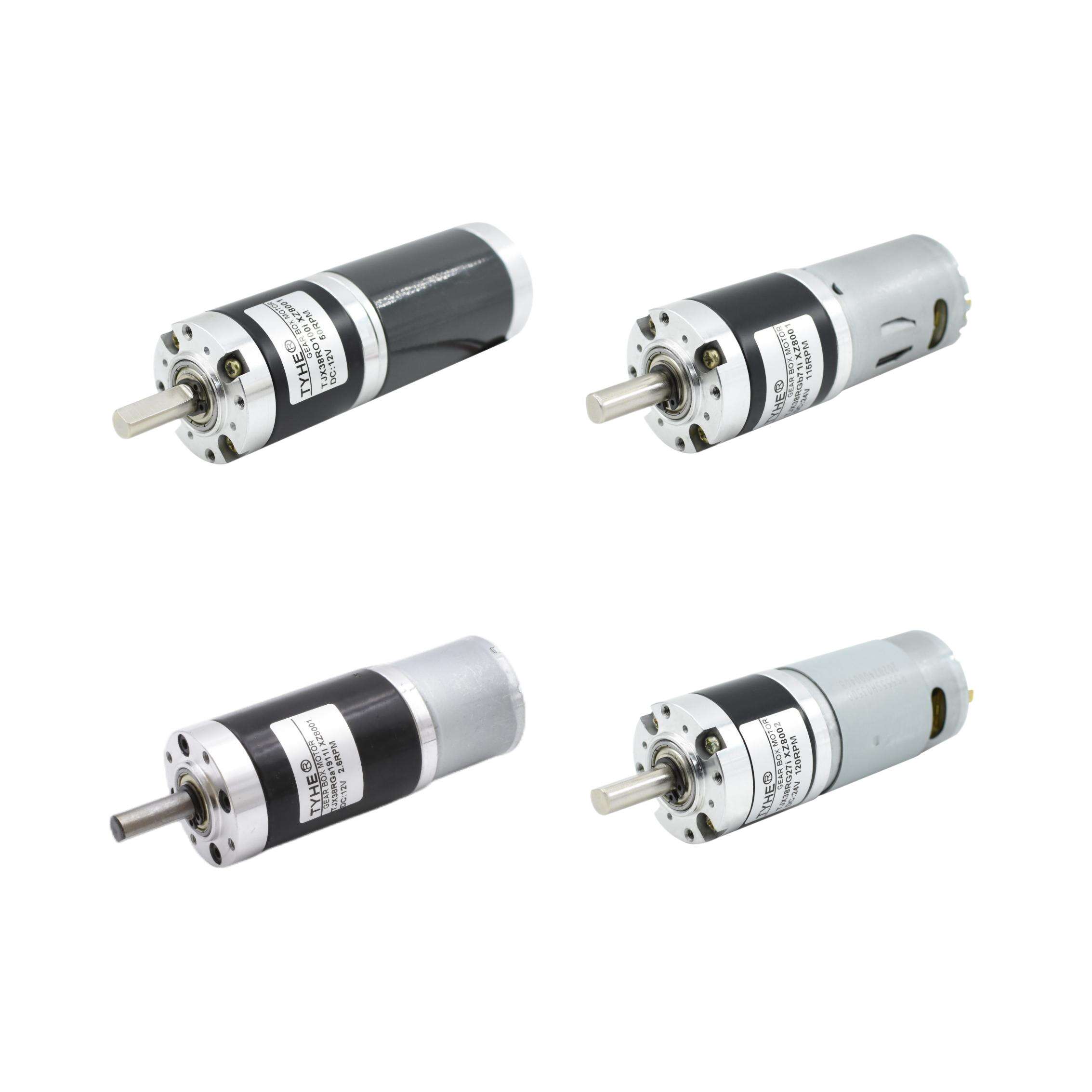
מנועי ה-DC עם פחמים נשארו טכנולוגיה בסיסית ביישומים תעשייתיים ומסחריים מודרניים, ומציעים ביצועים אמינות ופתרונות ידידותיים לתקציב בתחומים מגוונים. כשנתקדם לשנת 2026, הבנת העקרונות היסודיים, סוגי המנועים והיישומים של טכנולוגיית מנועי ה-DC עם פחמים הופכת חשובה יותר מתמיד למפתחים, יצרנים ומ diseñני מערכות. מנועים אלו ממשיכים לספק מאפייני מומנט מצוינים, מנגנוני בקרה פשוטים ואמינות מוכחת ביישומים רבים ברחבי העולם.
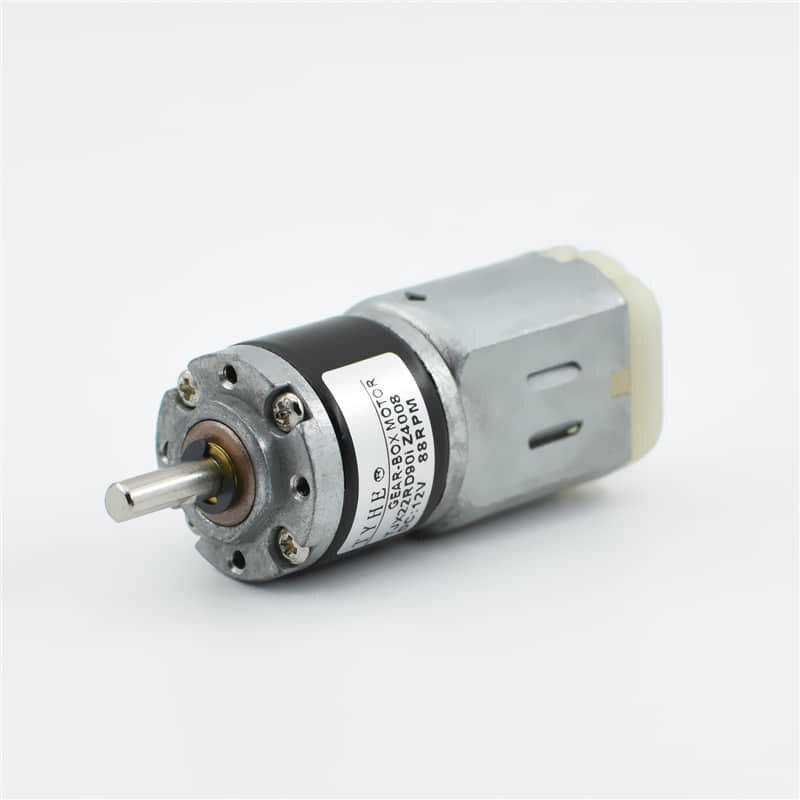
ההתפתחות בטכנולוגיית מנועי ה-DC עם מחברות הייתה מרשים, עם שיפורים מתמידים בחומרים, בשיטות העיצוב ובתהליכי הייצור. מערכות מנועי ה-DC עם מחברות המודרניות כוללות תכונות מתקדמות תוך שמירה על הפשטות המובנית שהפכה את המנועים הללו לפופולריים לפני עשורים. מהתקנות ייצור מדויקות ליישומים אוטומוטיביים, הגמישות של פתרונות מנועי ה-DC עם מחברות ממשיכה לנהל חדשנות בתחומים רבים.
הבנת עקרונות היסוד של מנועי ה-DC עם מחברות
עקרונות בסיסיים של פעולת
מנוע ה-DC עם מחברות פועל על עיקרון בסיסי של אינטראקציה אלקטרומגנטית בין מוליכים נושאי זרם לבין שדות מגנטיים. המנוע מורכב משדה מגנטי סטטי שנוצר על ידי מגנטים קבע או על ידי אלקטרומגנטים, ומסלע מסתובב (ארמטורה) שכולל מוליכים נושאי זרם. כאשר זרם זורם דרך כריכות הארמטורה, נוצר שדה מגנטי שמתנגש עם השדה הסטטי, ויוצר כוח סיבובי.
מערכת הקומוטטור והפּרְקִים במנוע ישר זרם עם פרקים ממלאת תפקיד קריטי על ידי הפיכת כיוון הזרם בכריכות האורמות ברגע המתאים. הפיכה רציפה זו מבטיחה שכוחות המגנט תמיד פועלים באותו כיוון סיבובי, ומכאן נוצר מומנט סיבוב עקבי. תכנון המנוע הישר זרם עם פרקים מאפשר שליטה מדויקת במהירות באמצעות שינוי המתח, מה שהופך אותו למתאים במיוחד ליישומים הדורשים פעילות במהירויות משתנות.
רכיבים מרכזיים ובנייה
הרכיבים העיקריים של מנוע ישר זרם עם פרקים כוללים את הסטатор, הרוטור (האורמה), הקומוטטור, הפרקים ומכלול הגוף. הסטатор מספק את השדה המגנטי הלא נע באמצעות מגנטים קבועים או אלקטרומגנטים. חומרים איכותיים גבוהים למגנטים קבועים, כגון ניאודימיום או פריט, משמשים בדרך כלל בעיצובים מודרניים של מנועי ישר זרם עם פרקים כדי למקסם את היעילות ולמזער את הגודל.
המונטаж של הרוטור כולל את ליפופי הארמטורה שמלופפים סביב ליבות פלדה מדורגות כדי למזער את אובדי הזרמים העגולים. הקומוטטור מורכב מקטעי נחושת המחוברים חשמלית לליפופי הארמטורה הספציפיים, בעוד שתפרות הפחמן שומרות על ההתחברות החשמלית עם הקומוטטור הסיבובי. בניית מנוע זרם ישר עם תפרות תקינה דורשת יישור מדויק וחומרים באיכות גבוהה כדי להבטיח חיים ארוכים ותפקוד מהימן.
סוגים וסיווגים של מנועי זרם ישר עם תפרות
מנועי זרם ישר עם תפרות ומגנט קבוע
עיצובי מנועי זרם ישר עם תפרות ומגנט קבוע משתמשים במגנטים קבועים בעלי אנרגיה גבוהה כדי ליצור שדה מגנטי סטטי. מנועים אלו מציעים יחס מצוין של עוצמה למשקל, יעילות גבוהה ובנייה קומפקטית. תצורת המנוע עם מגנט קבוע ותפרות מבטלת את הצורך בליפופי השדה, מפחיתה את צריכת החשמל ופושטת את העיצוב הכללי. מנועים אלו מצויינים ביישומים הדורשים מאפייני מומנט עקביים וביצועים מהימנים.
טכנולוגיית מנועי זרם ישר עם מגנטים קבועים מודרנית משתמשת בחומרים מגנטיים מתקדמים שמספקים ביצועים מעולים בהשוואה למגנטים פריטיים מסורתיים. מגנטים של יסודות נדירים מאפשרים צפיפות הספק גבוהה יותר ויעילות משופרת ביישומים של מנועי זרם ישר עם מגנטים קבועים. היציבות של השדות המגנטיים הקבועים מבטיחה מאפיינים עקביים של המנוע לאורך תקופות פעילות ארוכות, מה שהופך מנועים אלו למתאימים במיוחד ליישומים הדורשים דיוק.
מנועי זרם ישר עם שדה כרוכה
עיצובי מנועי זרם ישר עם שדה כרוכה משתמשים באלקטרומגנטים כדי ליצור את השדה המגנטי הסטטי. תצורה זו מציעה גמישות רבה יותר במאפייני המנוע באמצעות בקרת השדה. הגרסאות של שדה כרוכה בטור, שדה כרוכה במקביל ושדה כרוכה מחובר מספקות מאפייני מומנט ומהירות שונים כדי להתאים דרישות יישום ספציפיות. עיצוב מנועי זרם ישר עם שדה כרוכה מאפשר חלשה של השדה כדי להשיג מהירויות גבוהות יותר כאשר יש צורך בכך.
תצורות מנועי זרם ישר עם חוט כריכה סדרתי מספקות מומנט התחלה גבוה, מה שהופך אותן מתאימות ליישומים הדורשים מומנט התנעה משמעותי. תצורות מנועי זרם ישר עם חוט כריכה מקבילי מציעות מאפייני מהירות קבועה יותר תחת עומסים משתנים. מנועים עם כריכה משולבת משלבות את היתרונות של שתי התצורות – סדרתית ומקבילית – ומספקות מאפייני ביצוע רב-תכליתיים ליישומים דרמטיים.
יישומים ותפקודים בתעשייה
אוטומציה תעשייתית וייצור
תהליכי ייצור תעשייתיים מסתמכים במידה רבה על טכנולוגיית מנועי זרם ישר עם פחמן למערכות רצועות הובלה, ציוד אריזה ויישומי טיפול בחומרים. יכולות הבקרה המדויקת על המהירות של מערכות מנועי זרם ישר עם פחמן הופכות אותן אידיאליות ליישומים הדורשים מיקום מדויק והפעלה במהירויות משתנות. ציוד ייצור כולל לרוב מנוע DC עם שערות פתרונות בשל אמינותם וקלות התיקון שלהם.
קווי ייצור אוטומטיים משתמשים במנועי זרם ישר עם מברשות לפעולות הרכבה, מערכות בקרת איכות ומכניזמים לעיבוד מוצרים. היכולת לספק מומנט גבוה במהירויות נמוכות הופכת את טכנולוגיית המנועים האלה לערך מיוחד ביישומים תעשייתיים. מתקני ייצור מודרניים מסתמכים על האמינות המוכחת של מערכות מנועי זרם ישר עם מברשות כדי לשמור על סדרי ייצור רציפים ולמזער עצירות.
רכב ותחבורה
התעשייה האוטומובילית משתמשת במידה רבה בטכנולוגיית מנועי זרם ישר עם מברשות בתת-מערכות שונות, כולל חלונות חשמליים, מנגנוני התאמת ישיבה, מנקזות זכוכית קדמית ומאווררים לקירור. ליישומים אוטומוביליים של מנועי זרם ישר עם מברשות נדרשת בנייה עמידה כדי לסבול מה Daoות, מגוון טמפרטורות קיצוני, ושינויים במערכת החשמל. הגודל הקטן והיעילות הכלכלית של פתרונות מנועי זרם ישר עם מברשות הופכים אותם לאידיאליים ליישומים אוטומובילים.
רכבים חשמליים והיברידיים משתמשים בטכנולוגיית מנועי זרם ישר עם מחברות במערכות עזר ובחלק מהיישומים להנעה. הפשטות של מערכות הבקרה של מנועי זרם ישר עם מחברות מפחיתה את המורכבות באדריכלות החשמלית של הרכב. יצרני רכב מעריכים את האמינות המוכחת ואת היעילות הכלכלית של פתרונות מנועי זרם ישר עם מחברות למספר רב של תת-מערכות ותכונות נוחות ברכב.
מאפייני ביצועים ומפרט
מאפייני מומנט ומהירות
היחס בין המומנט למהירות במנוע זרם ישר עם מחברות עוקב דפוסים צפויים שמקלים על תכנון המערכת ובקרתה. המומנט של מנוע זרם ישר עם מחברות יורד באופן ליניארי עם העלייה במהירות, מה שנותן מאפיינים מצוינים של ביצועים עבור יישומים רבים. המומנט ההתחלתי של מנוע זרם ישר עם מחברות הוא בדרך כלל גבוה, מה שהופך מנועים אלו למתאימים ליישומים הדורשים מומנט התחלתי משמעותי.
במערכות מנועי זרם ישר עם מחברות (brush DC) ניתן להשיג בקרת מהירות באמצעות שיטת התאמת המתח או שיטת מודולציה של רוחב הגלים (PWM). הקשר הליניארי בין המתח המופעל למהירות המנוע מפשט את תכנון מערכת הבקרה. מערכות מנועי זרם ישר עם מחברות יכולות לספק בקרת מהירות מדויקת באמצעות מערכות בקרה עם משוב, מה שהופך אותן לערכיות ביישומים הדורשים בקרת מהירות מדויקת.
יעילות ונושאי הספק
עיצובים מודרניים של מנועי זרם ישר עם מחברות מצליחים להשיג רמות יעילות של 75–90%, בהתאם לגודלם, לבנייתם ולתנאי הפעולה. שיפורים ביעילות טכנולוגיית המנועים האלה נבעו מחומרים מגנטיים משופרים, תכנון עילוי מוטבע (winding) אופטימלי ותהליכי ייצור משופרים. יעילות מנועי הזרם הישר עם המחברים נשארת יחסית קבועה על פני טווח רחב של מהירויות, מה שמביא לאפיונים יציבים של ביצועים.
שיפורים בצפיפות ההספק בטכנולוגיית מנועי הזרם הישר עם חשלות מאפשרים עיצובים קומפקטיים יותר ללא פגיעה בביצועים. טכניקות קירור מתקדמות וחומרים חדשים מאפשרים למערכות מנועי הזרם הישר עם חשלות לפעול ברמות הספק גבוהות יותר תוך שמירה על ביצועים אמינות. שיקולי ניהול החום הם קריטיים למקסימיזציה של הביצועים ותקופת השירות של מנועי הזרם הישר עם חשלות ביישומים דרמטיים.
קריטריוני בחירה ונושאי עיצוב
שימוש ניתוח הדרישות
בחירת מנוע הזרם הישר עם חשלות המתאים ליישום מסוים דורשת ניתוח זהיר של דרישות המומנט, טווחי המהירות, מחזורי העבודה והתנאים הסביבתיים. תהליך בחירת מנוע הזרם הישר עם חשלות חייב לקחת בחשבון הן תנאים של פעולה במצב יציב והן תנאים של פעולה מעברית כדי להבטיח ביצועים אופטימליים. מאפייני העומס משפיעים באופן משמעותי על בחירת מנוע הזרם הישר עם חשלות, מכיוון שסוגי עומס שונים דורשים מאפיינים שונים של המנוע.
גורמים סביבתיים כגון טמפרטורה, רמת לחות ורמת זיהום משפיעים על בחירת מנוע ישר עם פחמים (Brush DC) ועל העיצוב שלו. ייתכן שיהיה צורך בתצורות מיוחדות של מנוע ישר עם פחמים לסביבות קשות או ליישומים עם דרישות בטיחות ספציפיות. תוחלת החיים הצפויה ודרישות התיקון והתחזוקה גם הן משפיעות על החלטות הבחירה במנוע ישר עם פחמים.
שילוב מערכת בקרה
אינטגרציה של מערכות מנוע ישר עם פחמים (Brush DC) עם ארכיטקטורות בקרה מודרניות דורשת שיקול של אלקטרוניקה לנהיגה, מערכות משוב וממשקים תקשורת. בקרים מתקדמים למדרג ישר עם פחמים מספקים תכונות כגון הגבלת זרם, הגנה תרמית ויכולות אבחון. הפשטות של הבקרה במנוע ישר עם פחמים מקלה על האינטגרציה עם מערכות בקרה אנלוגיות וдיגיטליות כאחד.
מערכות הפעלה מודרניות של מנועי זרם ישר עם מברשות כוללות תכונות הגנה למניעת נזק עקב חוסר התאמה בזרם, חוסר התאמה במתח ותנאי חום קיצוניים. בקרות מתוכנתות למדחסי זרם ישר עם מברשות מאפשרות התאמה אישית של פרמטרי הפעולה כדי להתאים את המערכת לדרישות היישום הספציפיות. ממשקים לקommunikציה מאפשרים לאינטגרציה של מערכות מנועי זרם ישר עם מברשות לרשתות תעשייתיות ולמערכות אוטומציה.
תפעול ותפעול אופטימלי של תקופת השירות
אסטרטגיות תחזוקה מונעת
תוכניות תחזוקה יעילות למערכות מנועי זרם ישר עם מברשות מתמקדות בבדיקה של המברשות, במצב הקומוטטור והשימון של השעונים. תחזוקה רגילה של מנועי זרם ישר עם מברשות כוללת מעקב אחר כושר הה Hao של המברשות, ניקוי משטחי הקומוטטור ובידוק החיבורים החשמליים. תחזוקה נכונה מאריכה באופן משמעותי את תקופת השימוש של מנועי זרם ישר עם מברשות ומשמרת את מאפייני הביצועים האופטימליים שלהם.
טכניקות תחזוקה חיזויית למערכות מנועי זרם ישר עם מחבטים כוללות ניתוח רטט, ניטור חום וניתוח חתימת הזרם. גישות אלו מאפשרות גילוי מוקדם של בעיות פוטנציאליות לפני שהן גורמות לתקלה במנוע. יישום תוכניות תחזוקה מקיפות מפחית את עלויות הפעלת המנועים הבודדים (DC) עם מחבטים ומשפר את אמינות המערכת.
פתרון בעיות נפוצות
בעיות נפוצות במנועי זרם ישר עם מחבטים כוללות התפרצויות מיותרות, סחיפה של המחבטים, נזק לקומוטטור וכשלים בדליות. הבנת הסיבות העמוקות לבעיות אלו מאפשרת אבחון יעיל ופעולות תיקון מתאימות. התקנה ויישור תקין של מנועי זרם ישר עם מחבטים מונעים מגוון רחב של בעיות נפוצות ומבטיחים ביצועים אופטימליים.
בעיות חשמליות במערכות מנועי זרם ישר עם מברשות נובעות לעיתים קרובות משבירת בידוד, קצר מעגל או כריכות פתוחות. הליכי אבחון שיטתיים עוזרים לזהות ולתקן בעיות אלו באופן יעיל. ביצוע בדיקות ומעקב רגילים של הפרמטרים החשמליים של מנועי זרם ישר עם מברשות יכול למנוע רבות מהכשלים ולהאריך את תקופת השירות.
מגמות עתידיות ופיתוחי טכנולוגיה
חומרים מתקדמים ובנייה
פיתוחים מתמשכים בטכנולוגיית מנועי זרם ישר עם מברשות כוללים חומרים מתקדמים למברשות, חומרים מגנטיים משופרים ומערכות בידוד משופרות. תערובות חדשות למברשות מספקות תקופת שירות ארוכה יותר מאפיינים משופרים של הקמה. חומרים מагנטיים קבועים מתקדמים מאפשרים צפיפות הספק גבוהה יותר בעיצובי מנועי זרם ישר עם מברשות, תוך שמירה על יעילות עלות.
השדרוגים בתהליכי היצור ממשיכים לשפר את האיכות של מנועי ה-DC עםแปכות ולצמצם את עלויות הייצור. האוטומציה בתהליכי ייצור מנועי ה-DC עםแปכות מאפשרת איכות עקביות יותר וסיבובים צרים יותר. שדרוגים אלו מביאים ליצירת מנועי ה-DC עםแปכות אמינות יותר, עם מאפייני ביצוע משופרים.
אינטגרציה עם מערכות חכמות
השילוב של מערכות מנועי ה-DC עםแปכות בטכנולוגיות של אינטרנט הדברים (IoT) מאפשר ניטור מרחוק ויכולות תחזוקה חיזויית. מערכות מנועי ה-DC עםแปכות חכמות יכולות לספק לצוותי התחזוקה נתונים בזמן אמת על הביצועים ועל מידע אבחוני. יכולות אלו משפרות את האמינות של המערכת ומצמצמות את עלויות התחזוקה ביישומים של מנועי ה-DC עםแปכות.
אלגוריתמים מתקדמים לשליטה וטכניקות למידת מכונה משפרים את אופטימיזציית ביצועי מנועי זרם ישר עם מחברות (Brush DC) ואת היעילות האנרגטית שלהם. מערכות שליטה מותאמות יכולות להתאים באופן רגעי את פרמטרי הפעולה של מנועי זרם ישר עם מחברות כדי להתאים אותם לתנאי עומס משתנים. התפתחויות אלו מרחיבות את היתרונות התחרותיים של טכנולוגיית מנועי זרם ישר עם מחברות ביישומים מודרניים.
שאלות נפוצות
מהם היתרונות העיקריים בשימוש במנועי זרם ישר עם מחברות (Brush DC) לעומת סוגי מנועים אחרים?
מנועי זרם ישר עם מחברות מציגים מספר יתרונות מרכזיים, ביניהם שליטה פשוטה במהירות באמצעות שינוי המתח, מומנט הפעלה גבוה, יעילות עלות, וקלות בתחזוקה. הקשר הליניארי בין המתח למהירות מקל על תכנון ותפעול של מערכות שליטה. בנוסף, מנועי זרם ישר עם מחברות מספקים מאפייני מומנט ausgezeichnet בسرعות נמוכות ויוכלו לפעול ביעילות על פני טווח רחב של תנאי הפעלה.
לאיזו תקופה ממוצעת אורך חיי המחברות במנועי זרם ישר עם מחברות (Brush DC) לפני שהן דורשות החלפה?
אורך חיים של מברשות במנועים נושאי זרם ישר משתנה באופן משמעותי בהתאם לתנאי הפעלה, לגורמים של עומס ולעיצוב המנוע. בדרך כלל, אורך החיים של המברשות הוא בין 1,000 ל־10,000 שעות פעילות בתנאים נורמליים. גורמים המשפיעים על אורך חיים של המברשות כוללים מהירות הפעלה, רמות הזרם, תנאי הסביבה ואיכות שטח הקומוטטור. בדיקות תקופתיות ותחזוקה מתאימה יכולות לסייע בהגבהת אורך חיים של המברשות וביצירת ביצועי מנוע מיטביים.
האם מנועים נושאי זרם ישר עם מברשות יכולים לפעול בתנאי סביבה קשים?
כן, מנועים נושאי זרם ישר עם מברשות יכולים להיות מעוצבים ומבוססים כך שיפעלו בתנאי סביבה קשים שונים, כגון טמפרטורות גבוהות, לחות, אבק ואטמוספרות קורוזיביות. מעטפות מיוחדות, מערכות איטום ובחר בחלקים מתאימים מאפשרות למנועים נושאי זרם ישר עם מברשות לפעול באופן אמין בסביבות מאתגרות. קביעת דרישות הגנה סביבתית והתאמת התכונות המתאימות הן חיוניות להצלחת הפעולה בתנאים קשים.
אילו גורמים יש לקחת בחשבון בבחירת מנוע ישר עם מברשות ליישום מסוים
גורמי הבחירה העיקריים כוללים את מאפייני המומנט והמהירות הנדרשים, מחזור העבודה, תנאי הסביבה, אילוצי אספקת החשמל ותקופת השירות הצפויה. מאפייני העומס, כגון מומנט קבוע, מומנט משתנה או פעילות בדרכים, משפיעים במידה רבה על בחירת המנוע. בנוסף, יש להעריך אילוצים פיזיים, דרישות הרכבה והתאמה למערכות הבקרה כדי להבטיח בחירת מנוע אופטימלית ליישום הספציפי.
תוכן העניינים
- הבנת עקרונות היסוד של מנועי ה-DC עם מחברות
- סוגים וסיווגים של מנועי זרם ישר עם תפרות
- יישומים ותפקודים בתעשייה
- מאפייני ביצועים ומפרט
- קריטריוני בחירה ונושאי עיצוב
- תפעול ותפעול אופטימלי של תקופת השירות
- מגמות עתידיות ופיתוחי טכנולוגיה
-
שאלות נפוצות
- מהם היתרונות העיקריים בשימוש במנועי זרם ישר עם מחברות (Brush DC) לעומת סוגי מנועים אחרים?
- לאיזו תקופה ממוצעת אורך חיי המחברות במנועי זרם ישר עם מחברות (Brush DC) לפני שהן דורשות החלפה?
- האם מנועים נושאי זרם ישר עם מברשות יכולים לפעול בתנאי סביבה קשים?
- אילו גורמים יש לקחת בחשבון בבחירת מנוע ישר עם מברשות ליישום מסוים
