
 EN
EN
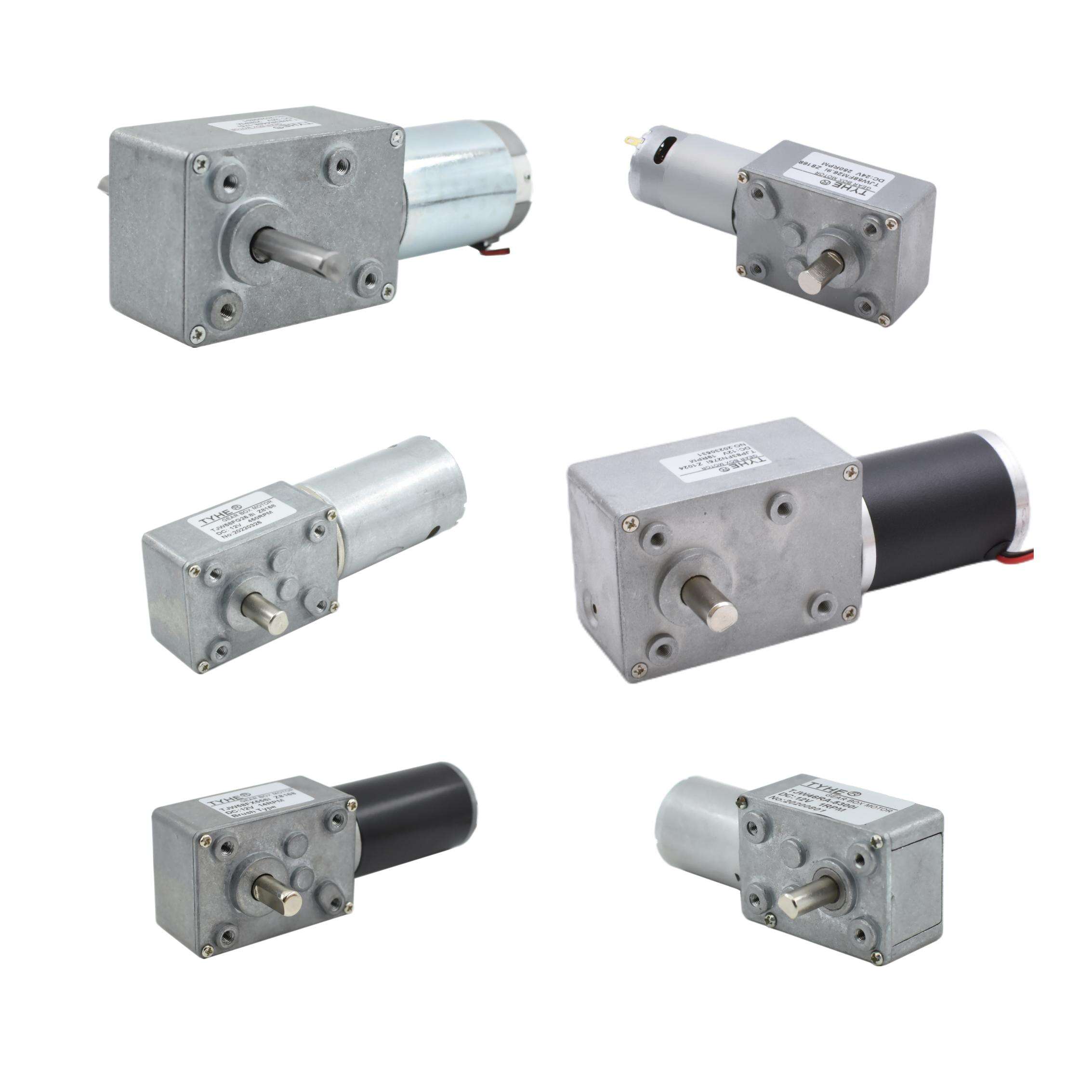
Selecting the right motor for your application represents a critical decision that impacts performance, efficiency, maintenance costs, and overall system reliability. When comparing AC motors against DC motors, engineers and procurement managers face a nuanced choice that extends beyond simple specifications. Both motor types offer distinct advantages rooted in their fundamental operating principles, and understanding these differences allows you to align motor characteristics with your specific operational requirements, budget constraints, and long-term strategic goals.
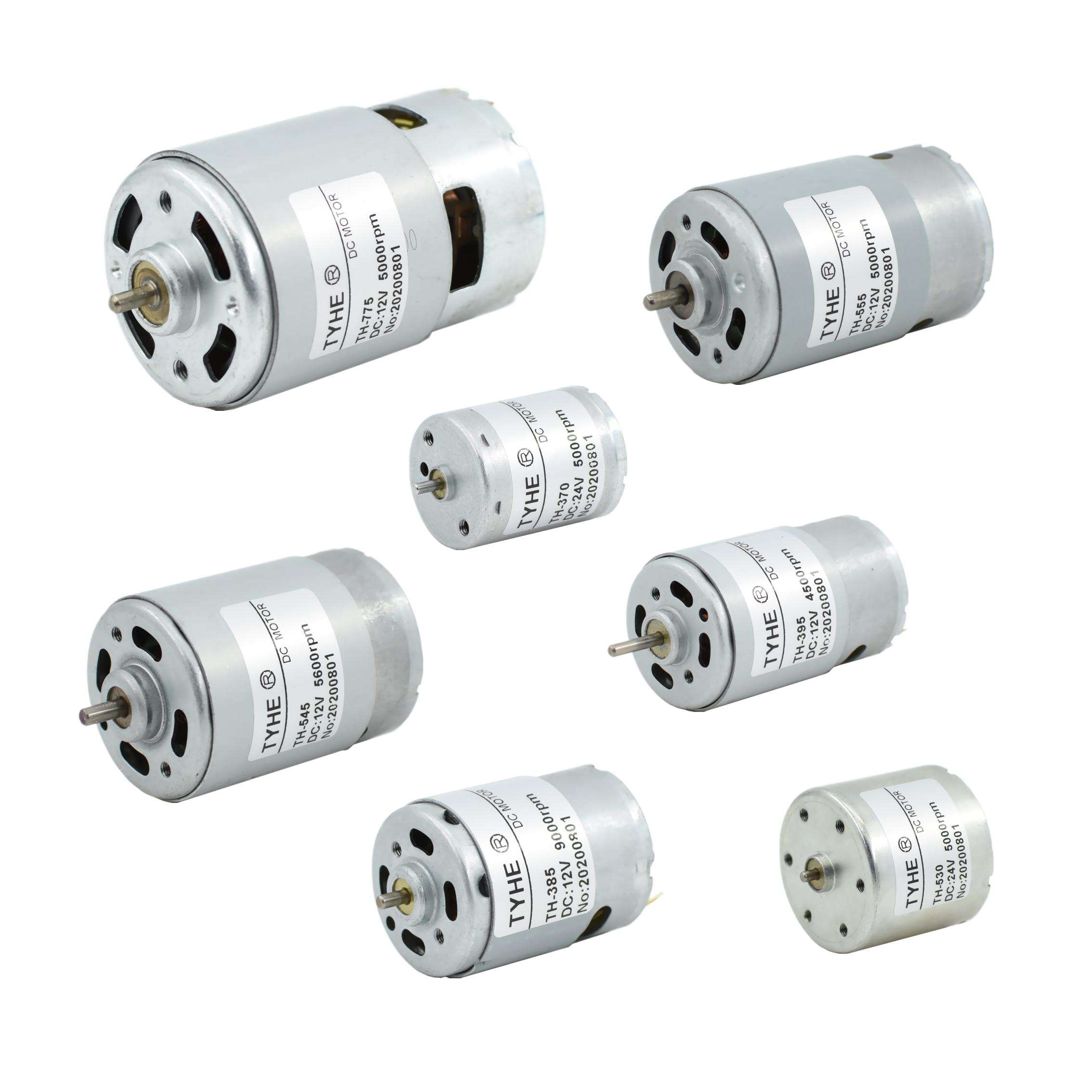
The decision between AC and DC motor technologies depends on multiple factors including speed control requirements, torque characteristics, power supply infrastructure, initial investment capacity, and maintenance resources. While AC motors dominate industrial applications due to their robustness and simplicity, DC motors continue to excel in scenarios demanding precise speed regulation and high starting torque. This comprehensive comparison examines the technical, economic, and operational dimensions of both motor types to help you determine which solution best serves your specific application context and delivers optimal value over the equipment lifecycle.
Fundamental Operating Principles and Design Architecture
How AC Motors Generate Rotational Motion
AC motors convert alternating current into mechanical rotation through electromagnetic induction principles that rely on a rotating magnetic field. In induction motors, the most common AC motor type, the stator windings create this rotating field when energized by alternating current. This rotating magnetic field induces currents in the rotor, which in turn generates its own magnetic field that interacts with the stator field to produce torque. The elegance of this design lies in its simplicity: no electrical connection to the rotor is required, eliminating the need for brushes and commutators that wear over time.
Synchronous AC motors operate differently, with the rotor locked in step with the rotating magnetic field produced by the stator. These motors require either permanent magnets or DC excitation on the rotor, and they maintain constant speed regardless of load variations within their operating range. The absence of sliding electrical contacts in most AC motor designs contributes significantly to their reputation for reliability and low maintenance requirements, making them particularly attractive for continuous-duty industrial applications where downtime carries substantial cost implications.
The power factor and efficiency characteristics of AC motors vary with load conditions, and modern designs incorporate features to optimize performance across typical operating ranges. Three-phase AC motors offer superior power density and smoother torque delivery compared to single-phase variants, making them the standard choice for industrial applications above fractional horsepower ratings. The standardization of AC power distribution infrastructure worldwide has reinforced the dominance of AC motors in stationary applications where connection to utility power is practical and economical.
How DC Motors Produce Controlled Rotation
A dc motor generates rotational motion through the interaction between a stationary magnetic field and current-carrying conductors on the rotor. In brushed DC motor designs, the commutator and brush assembly mechanically switches the direction of current flow in the rotor windings as the motor rotates, ensuring that torque production remains unidirectional. This elegant mechanical switching mechanism allows DC motors to operate from direct current power sources without requiring complex electronic control systems, though it introduces components that wear and require periodic replacement.
Brushless DC motors eliminate the mechanical commutation system by using electronic controllers to sequence current through stator windings, with permanent magnets mounted on the rotor. This configuration reverses the traditional DC motor architecture but retains the fundamental principle of controlled electromagnetic interaction. Brushless dc motor designs offer significant advantages in terms of efficiency, power density, and maintenance requirements, though they require more sophisticated control electronics and represent higher initial investment compared to brushed alternatives.
The direct relationship between applied voltage and motor speed in DC motors simplifies speed control implementation. By varying the voltage supplied to the motor, operators can achieve proportional speed adjustment without complex control algorithms. Similarly, the torque produced by a dc motor relates directly to armature current, providing intuitive control characteristics that many engineers find advantageous for applications requiring dynamic speed and torque response. These linear control relationships have sustained DC motor relevance despite the growing sophistication of AC motor drive technology.
Speed Control Capabilities and Dynamic Performance
AC Motor Speed Regulation Methods
Traditional AC motor speed control presented significant challenges before the development of variable frequency drives. Induction motors operate at speeds slightly below synchronous speed, with this slip varying based on load torque. Changing the operating speed of an AC motor requires altering the frequency of the applied AC power, which was impractical before solid-state electronics matured. Older speed control methods including pole-changing windings, voltage variation, and mechanical transmission systems offered limited flexibility and often sacrificed efficiency significantly.
Modern variable frequency drives have transformed AC motor speed control capabilities by converting fixed-frequency AC power into variable-frequency output that precisely controls motor speed. These drives employ sophisticated power electronics and control algorithms to maintain motor efficiency across a wide speed range while providing precise speed regulation. Advanced VFD features including sensorless vector control and direct torque control enable AC motors to match or exceed dc motor performance in many applications, narrowing what was once a decisive advantage for DC technology.
The cost and complexity of variable frequency drives must be factored into any AC motor system evaluation. While VFD technology has become more affordable and reliable, it still represents a substantial additional investment beyond the motor itself. For applications requiring only fixed-speed operation, AC motors without drives offer exceptional simplicity and value. However, when variable speed operation is essential, the combined cost of an AC motor with VFD must be compared against dc motor alternatives to determine the most economical solution.
DC Motor Speed Control Simplicity
The inherent speed control advantages of DC motors stem from the direct relationship between applied armature voltage and rotational speed. Simple DC voltage controllers using solid-state devices can provide smooth, efficient speed variation without the complex power conversion required for AC motor drives. This control simplicity translates to lower system cost in applications where variable speed operation is required but the sophistication of modern VFD features is unnecessary.
For battery-powered mobile applications, the dc motor offers particular advantages because it operates directly from DC power sources without requiring inverters to generate AC power. Electric vehicles, material handling equipment, and portable tools benefit from the efficiency of direct DC operation, avoiding the losses associated with power conversion. The dc motor controller can be optimized specifically for the available battery voltage and chemistry, maximizing runtime and performance from limited energy storage capacity.
Dynamic response characteristics favor DC motors in applications requiring rapid acceleration, deceleration, or precise positioning. The low electrical time constant of the dc motor armature circuit enables quick current changes that translate to rapid torque adjustments. This responsiveness proves valuable in servo applications, machine tools, and robotics where precise motion control determines system performance. While modern AC servo motors with advanced drives can achieve comparable dynamic performance, they do so at increased system complexity and cost.
Torque Characteristics and Load Handling
Starting Torque and Acceleration Performance
Starting torque represents a critical specification for applications involving high-inertia loads or significant breakaway resistance. Standard induction AC motors typically develop starting torque ranging from 150% to 300% of full-load torque, with specific values depending on motor design classification. This starting torque proves adequate for many applications but may be insufficient for high-inertia loads or applications requiring rapid acceleration. Special high-torque AC motor designs can improve starting performance but often sacrifice running efficiency.
DC motors excel in starting torque production, with brushed dc motor designs routinely developing starting torque exceeding 400% of rated continuous torque. This high starting torque capability results from the series or compound winding configurations commonly used in DC motors, where field and armature currents interact to maximize torque at low speeds. Applications including hoists, cranes, traction drives, and other heavy-duty machinery have historically favored dc motor technology precisely because of this superior starting torque characteristic.
The acceleration profile achievable with each motor type depends on both torque characteristics and control system capabilities. While a dc motor inherently provides high torque at low speeds, modern variable frequency drives can program AC motor acceleration profiles to optimize performance for specific applications. Controlled ramp rates protect mechanical systems from shock loads while minimizing electrical demand during starting, though the AC motor plus VFD combination requires more sophisticated engineering than a simple dc motor installation.
Torque Stability Under Varying Load Conditions
Torque stability across the operating speed range influences system performance in applications with varying load demands. Induction AC motors exhibit relatively flat torque curves across their typical operating range, maintaining consistent torque capability from approximately 90% to 100% of synchronous speed. Below this range, torque drops precipitously, limiting the practical operating range without sophisticated control systems. This characteristic makes standard AC motors less suitable for applications requiring sustained operation at very low speeds under load.
DC motors provide more flexible torque characteristics that can be tailored through winding design and control strategies. Shunt-wound DC motors maintain relatively constant speed under varying loads, while series-wound designs provide increasing torque at lower speeds. This design flexibility allows the dc motor to be optimized for specific application requirements, though it also requires more careful motor selection to ensure proper matching between motor characteristics and load demands.
Regenerative braking capability represents another torque-related consideration, particularly for applications involving frequent deceleration or downhill operation. Both AC and DC motors can function as generators to convert kinetic energy back into electrical energy during braking, but implementation complexity differs significantly. DC motors naturally support regeneration with relatively simple control systems, while AC motors require bidirectional VFD capability and appropriate power handling infrastructure, adding cost and complexity to the system design.
Maintenance Requirements and Operational Reliability
AC Motor Maintenance and Longevity
The maintenance advantages of AC motors stem primarily from their brushless construction in standard induction and synchronous designs. Without brushes, commutators, or other sliding electrical contacts, properly installed AC motors can operate for decades with minimal maintenance beyond periodic bearing lubrication and general cleanliness. This longevity makes AC motors particularly attractive for applications where maintenance access is difficult or where continuous operation is critical to production processes.
Bearing maintenance represents the primary service requirement for AC motors in typical industrial environments. Modern sealed bearings have extended lubrication intervals significantly, with many motors designed for several years of operation between bearing service. Environmental factors including temperature, contamination, and vibration influence bearing life substantially, making proper installation and environmental protection essential to achieving maximum motor life. Bearing failure modes are well understood, and condition monitoring techniques including vibration analysis and thermal monitoring enable predictive maintenance strategies.
Winding insulation degradation represents the other primary failure mechanism for AC motors, typically resulting from thermal stress, voltage stress, or environmental contamination. Modern insulation systems using Class F or Class H materials provide excellent thermal capability, and proper motor sizing to avoid sustained overload operation ensures that winding temperatures remain within design limits. Environmental protection through appropriate enclosure ratings prevents moisture and contamination from compromising insulation integrity, extending motor life in challenging operating environments.
DC Motor Maintenance and Service Intervals
Brushed dc motor designs require periodic brush replacement as their primary maintenance activity, with service intervals depending on operating duty cycle, load characteristics, and environmental conditions. Brush life typically ranges from several hundred to several thousand operating hours, requiring planned maintenance intervals that may be disruptive to continuous production operations. The brush-commutator interface also generates carbon dust that can accumulate within the motor enclosure, potentially requiring periodic cleaning to prevent insulation contamination.
Commutator maintenance extends beyond brush replacement in demanding applications. The commutator surface may develop irregular wear patterns, grooving, or copper buildup that degrades brush contact and increases electrical noise. Periodic commutator resurfacing restores optimal surface condition, though this service requires specialized equipment and skills. The complexity and frequency of these maintenance requirements make brushed dc motor technology less attractive for applications where maintenance access is limited or where uninterrupted operation is essential.
Brushless dc motor technology addresses the primary maintenance limitation of conventional DC motors by eliminating brushes and commutators entirely. These motors achieve reliability approaching that of AC motors while retaining the control simplicity and performance advantages associated with dc motor operation. However, brushless dc motor systems require electronic controllers that introduce their own reliability considerations and potential failure modes. Controller electronics may be more vulnerable to environmental factors including temperature extremes, voltage transients, and electromagnetic interference compared to the robust simplicity of AC motor construction.
Application Suitability and Decision Criteria
Industrial and Commercial Fixed-Speed Applications
Applications requiring continuous operation at constant speed favor AC motor technology due to its simplicity, reliability, and direct operation from utility power. Pumps, fans, compressors, and conveyor systems operating at fixed speed represent ideal AC motor applications where the motor can be directly connected to three-phase power without additional control equipment. The efficiency, low maintenance requirements, and proven reliability of AC motors in these applications have established them as the default choice across industrial facilities worldwide.
The economic advantages of AC motors for fixed-speed applications include lower initial cost compared to equivalent dc motor systems, simpler installation without specialized control equipment, and reduced spare parts inventory requirements. Standardization around NEMA and IEC motor frame sizes ensures ready availability of replacement motors from multiple manufacturers, minimizing downtime when replacement becomes necessary. These practical advantages reinforce the technical merits of AC motor technology for straightforward industrial applications.
Energy efficiency regulations and utility incentive programs increasingly favor premium efficiency AC motors that incorporate design improvements including optimized magnetic circuits, reduced-loss steel laminations, and improved cooling systems. These efficiency improvements translate directly to reduced operating costs in applications with substantial annual operating hours, often justifying premium motor investment through energy savings alone. The efficiency advantages of modern AC motors further strengthen their position in industrial fixed-speed applications.
Variable Speed and Precision Control Applications
Applications demanding variable speed operation or precise motion control require careful evaluation of AC motor plus VFD systems against dc motor alternatives. Modern variable frequency drives have largely closed the performance gap that once decisively favored DC motors for variable speed applications. Advanced VFD control algorithms including sensorless vector control provide precise speed regulation and excellent dynamic response, enabling AC motors to serve applications once exclusive to dc motor technology.
The decision between AC and dc motor systems for variable speed applications increasingly depends on specific performance requirements, cost constraints, and engineering expertise. For applications requiring modest speed variation and where dynamic performance demands are moderate, AC motors with VFDs offer an attractive combination of performance and reliability. When exceptional low-speed torque, rapid dynamic response, or simplified control system architecture is essential, dc motor solutions may still provide advantages despite their higher maintenance requirements.
Battery-powered and mobile applications represent scenarios where DC motors retain clear advantages due to their direct operation from DC power sources. Electric vehicles, material handling equipment, and portable tools benefit from avoiding the weight, cost, and losses associated with DC-to-AC inverters. The dc motor operating directly from battery voltage maximizes system efficiency and minimizes complexity, making it the logical choice for these applications despite the maintenance considerations associated with brushed designs.
FAQ
Which motor type offers better energy efficiency in typical industrial applications?
Modern premium efficiency AC motors generally provide superior energy efficiency compared to dc motor alternatives in typical industrial applications, particularly for fixed-speed or limited variable-speed operation. Three-phase AC induction motors routinely achieve efficiency ratings exceeding 95% in larger frame sizes, with efficiency remaining high across a broad load range. When variable speed operation is required, the combined efficiency of an AC motor plus variable frequency drive typically matches or exceeds dc motor system efficiency while eliminating the brush friction losses inherent in brushed dc motor designs. However, for battery-powered applications, DC motors operating directly from DC sources avoid inverter losses and may provide better overall system efficiency.
How do initial costs compare between AC and DC motor systems?
For fixed-speed applications, AC motors represent the most economical choice with lower initial purchase costs and no requirement for additional control equipment beyond basic starters. When variable speed operation is necessary, the comparison becomes more complex because AC motors require variable frequency drives while DC motors need voltage controllers. In general, a brushed dc motor with controller costs less than an equivalent AC motor with VFD for smaller horsepower ratings, but this cost advantage diminishes or reverses as power levels increase. Brushless dc motor systems typically cost more than AC motor plus VFD combinations of equivalent capability. Long-term ownership costs including maintenance and energy consumption must be considered alongside initial investment to determine true economic advantage.
Can DC motors operate effectively in harsh industrial environments?
DC motors can operate in harsh industrial environments when properly specified and protected, though they face greater challenges than AC motors due to their brush-commutator system. The brush interface generates carbon dust that can be problematic in clean environments or when combined with moisture or chemical contamination. Explosive atmospheres require special attention because brush arcing presents potential ignition sources. Enclosed and protected dc motor designs with appropriate ingress protection ratings can serve many challenging environments successfully, but maintenance requirements increase compared to operation in clean, controlled conditions. For the most demanding environments, brushless dc motor designs or AC motors typically provide superior reliability and reduced maintenance burden.
What factors should determine my choice between AC and DC motors?
Your motor selection should be based on a comprehensive evaluation of application requirements, operating conditions, and total lifecycle costs. Consider whether fixed-speed or variable-speed operation is required, the importance of starting torque and dynamic response, available power infrastructure, maintenance capabilities and access, environmental conditions, and budget constraints for both initial investment and ongoing operation. AC motors excel in fixed-speed industrial applications with access to three-phase power, offering reliability and low maintenance. DC motors remain advantageous for battery-powered applications, scenarios requiring simple variable speed control with modest power requirements, and applications demanding exceptional starting torque or dynamic response. Consulting with experienced application engineers can help identify the optimal solution for your specific requirements.
