
 EN
EN
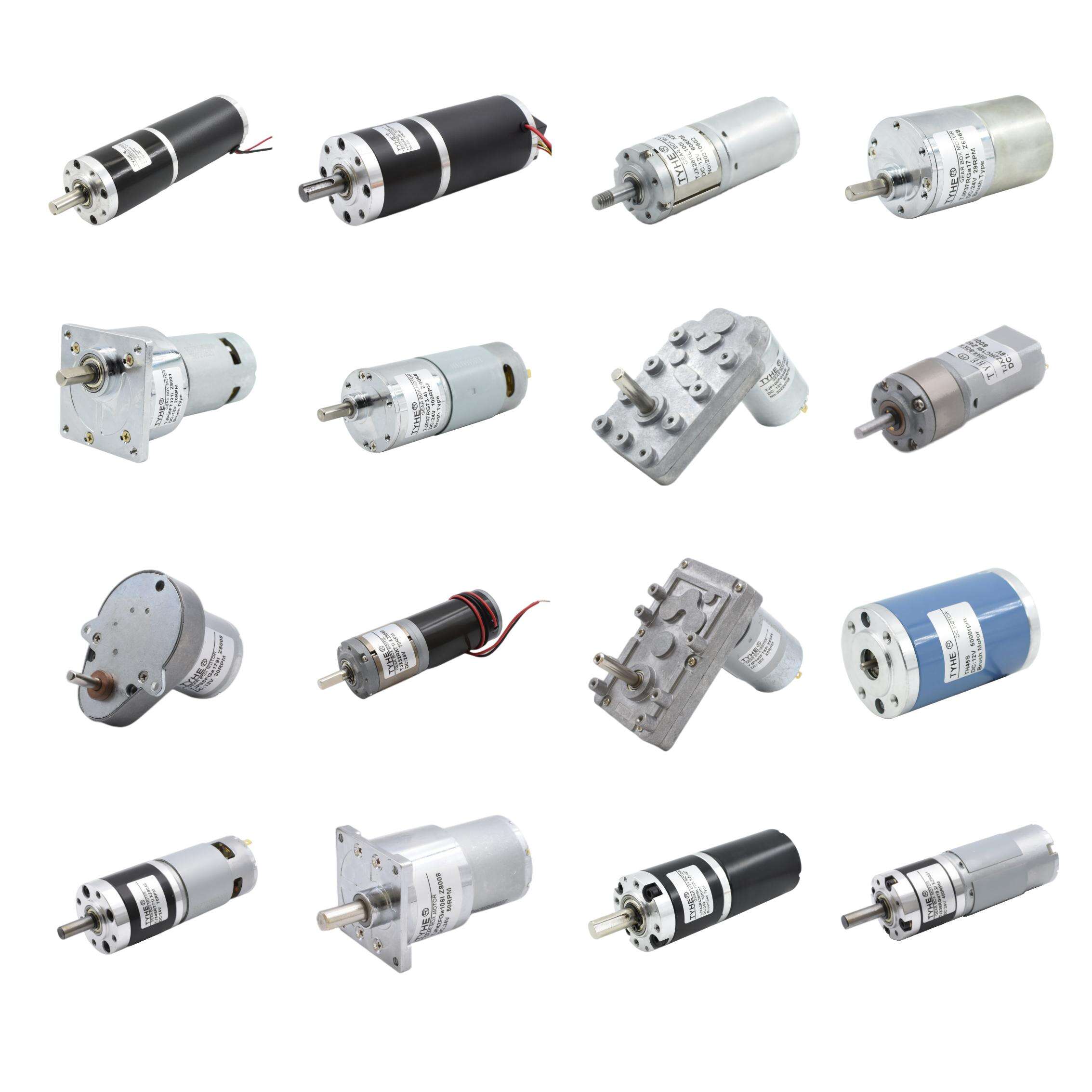
Energy efficiency has become a critical priority for industrial operations seeking to reduce operational costs and meet sustainability targets. DC motors, widely used in manufacturing, robotics, automotive systems, and material handling applications, consume significant electrical energy during continuous operation. Understanding how to optimize the energy consumption of a dc motor is essential for engineers and facility managers aiming to lower electricity bills while maintaining reliable performance. This comprehensive guide explores the technical mechanisms that affect dc motor efficiency and provides actionable strategies to achieve optimal energy consumption across diverse industrial environments.
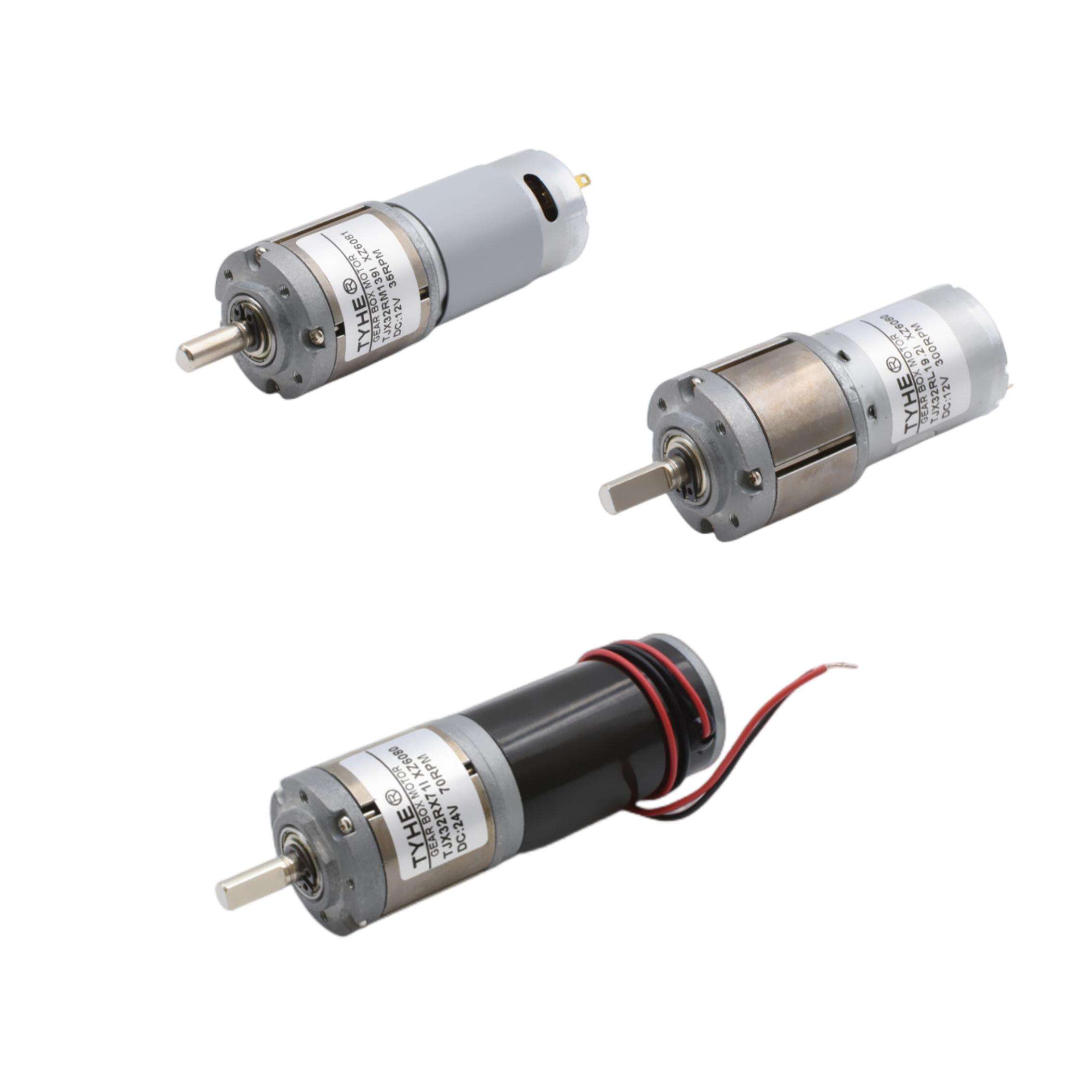
The efficiency of a dc motor is determined by how effectively it converts electrical input power into mechanical output power, with losses occurring through heat dissipation, friction, and magnetic inefficiencies. While modern dc motors typically operate at efficiency levels between seventy and ninety percent, substantial improvements can be achieved through proper selection, installation practices, and ongoing maintenance protocols. Optimizing energy consumption requires a systematic approach that addresses motor design characteristics, load matching, control strategies, and environmental factors. By implementing targeted efficiency measures, organizations can achieve energy savings ranging from ten to thirty percent while extending equipment lifespan and reducing unplanned downtime.
Understanding DC Motor Energy Conversion Mechanisms
Fundamental Principles of Electrical to Mechanical Energy Transformation
The energy conversion process in a dc motor begins when electrical current flows through the armature windings, creating a magnetic field that interacts with the stationary field produced by permanent magnets or field windings. This electromagnetic interaction generates torque, causing the rotor to rotate and deliver mechanical power to the connected load. The efficiency of this conversion depends on minimizing resistive losses in conductors, magnetic losses in iron cores, and mechanical losses from bearing friction and air resistance. Understanding these fundamental principles allows engineers to identify specific loss mechanisms and implement targeted optimization strategies that improve overall dc motor performance.
Primary Loss Categories Affecting Motor Efficiency
Energy losses in a dc motor occur through four primary mechanisms: copper losses, iron losses, mechanical losses, and stray load losses. Copper losses result from electrical resistance in the armature and field windings, increasing proportionally with the square of the current. Iron losses stem from hysteresis and eddy currents in the magnetic core materials, varying with rotational speed and magnetic flux density. Mechanical losses arise from bearing friction, brush contact resistance, and windage created by rotor movement through air. Stray load losses encompass additional inefficiencies from magnetic flux leakage, harmonic currents, and manufacturing imperfections. Quantifying each loss category enables prioritization of efficiency improvement efforts based on their relative contribution to total energy consumption.
Efficiency Rating Standards and Measurement Methods
Industry standards define dc motor efficiency as the ratio of mechanical output power to electrical input power, expressed as a percentage. Accurate efficiency measurement requires specialized instrumentation to monitor voltage, current, power factor, torque, and rotational speed under actual operating conditions. Testing protocols established by international standards organizations ensure consistent performance evaluation across different motor types and manufacturers. Efficiency ratings typically reflect performance at rated load conditions, but actual operating efficiency varies significantly with load percentage. A dc motor operating at fifty percent load may experience efficiency degradation of five to fifteen percentage points compared to full load performance, making proper load matching essential for optimal energy consumption.
Motor Selection Strategies for Maximum Efficiency
Matching Motor Capacity to Application Load Requirements
Selecting a dc motor with appropriate power rating for the intended application represents the most fundamental efficiency optimization decision. Oversized motors operate at reduced load percentages where efficiency drops significantly, while undersized motors experience excessive heating and premature failure. Load analysis should account for starting torque requirements, continuous operating torque, peak demand periods, and duty cycle characteristics. For variable load applications, selecting a motor sized for typical rather than maximum load conditions often yields better overall efficiency. Advanced selection methodologies incorporate thermal modeling to ensure adequate cooling capacity while avoiding unnecessary oversizing that compromises energy efficiency.
Evaluating Brushed Versus Brushless DC Motor Architectures
The choice between brushed and brushless dc motor designs significantly impacts long-term energy consumption and maintenance costs. Brushed motors utilize mechanical commutation through carbon brushes contacting a segmented commutator, creating friction losses and requiring periodic brush replacement. Brushless dc motors employ electronic commutation through solid-state switching, eliminating brush friction and improving efficiency by three to ten percentage points. However, brushless designs require more sophisticated control electronics and higher initial investment. Applications with continuous high-speed operation, frequent starts and stops, or stringent maintenance limitations typically justify the efficiency gains and reduced upkeep of brushless dc motor technology despite higher purchase costs.
Permanent Magnet Versus Wound Field Configuration Selection
Permanent magnet dc motors generate the required magnetic field using rare-earth magnets rather than electromagnets, eliminating field winding copper losses that can account for ten to twenty percent of total motor losses. This design provides superior efficiency, particularly at partial loads, and delivers more compact packaging for equivalent power output. Wound field motors offer advantages in applications requiring field weakening for extended speed range or precise speed control through field current adjustment. For fixed-speed applications with relatively constant loads, permanent magnet dc motors typically provide better energy efficiency. Applications requiring wide speed ranges or frequent torque adjustments may benefit from the flexibility of wound field designs despite slightly higher energy consumption.
Control System Optimization Techniques
Implementing Pulse Width Modulation for Efficient Speed Control
Pulse width modulation represents the most energy-efficient method for controlling dc motor speed and torque output. This technique rapidly switches supply voltage on and off at frequencies typically ranging from one to twenty kilohertz, with the ratio of on-time to off-time determining average voltage delivered to the motor. Unlike resistive voltage reduction methods that dissipate excess energy as heat, PWM controllers maintain high efficiency across the entire speed range by minimizing power losses in the switching electronics. Proper PWM implementation includes selecting appropriate switching frequencies to balance efficiency, electromagnetic interference, and acoustic noise considerations. Modern PWM controllers incorporate adaptive algorithms that optimize switching patterns based on real-time load conditions, further improving dc motor energy consumption.
Regenerative Braking for Energy Recovery Applications
Applications involving frequent deceleration cycles, such as material handling equipment and electric vehicles, can recover substantial energy through regenerative braking systems. When a dc motor operates in generator mode during deceleration, kinetic energy converts back to electrical energy that can be returned to the power supply or stored in capacitors or batteries. Regenerative braking systems can recover twenty to forty percent of braking energy that would otherwise dissipate as heat in mechanical brakes or dynamic braking resistors. Implementation requires bidirectional power electronics and appropriate energy storage or grid connection capability. Cost-benefit analysis should consider duty cycle characteristics, energy costs, and equipment utilization patterns to determine if regenerative braking investment delivers acceptable payback periods for specific dc motor applications.
Advanced Control Algorithms for Load-Adaptive Efficiency Optimization
Sophisticated motor controllers employ real-time algorithms that continuously adjust operating parameters to maximize efficiency under varying load conditions. These systems monitor armature current, supply voltage, rotational speed, and thermal conditions to calculate instantaneous efficiency and identify optimal control settings. Load-adaptive algorithms can adjust field current in wound field motors, modify PWM switching patterns, or implement predictive control strategies that anticipate load changes based on operational patterns. Some advanced controllers incorporate machine learning capabilities that progressively refine efficiency optimization strategies through continuous operation. While adding controller complexity and cost, these technologies can improve dc motor efficiency by five to fifteen percent across variable load applications, delivering rapid return on investment in energy-intensive operations.
Installation and Environmental Optimization Factors
Proper Alignment and Mounting for Mechanical Efficiency
Mechanical installation quality directly impacts dc motor efficiency through its effect on bearing loads, vibration levels, and coupling losses. Misalignment between motor and driven equipment shafts creates radial and axial forces that increase bearing friction and accelerate wear, reducing efficiency and shortening service life. Precision alignment procedures using laser or dial indicator methods ensure shaft centerlines remain concentric within specified tolerances, typically less than two-thousandths of an inch for general industrial applications. Rigid mounting foundations prevent vibration that increases mechanical losses and accelerates bearing degradation. Flexible couplings accommodate minor misalignment while transmitting torque efficiently, but proper selection and installation remain critical. Investment in precision alignment equipment and trained installation personnel pays dividends through improved dc motor efficiency and reduced maintenance costs over equipment lifespan.
Thermal Management and Cooling System Design
Operating temperature significantly affects dc motor efficiency through its impact on electrical resistance, magnetic properties, and bearing lubrication characteristics. Armature winding resistance increases approximately zero-point-four percent per degree Celsius, directly increasing copper losses as motor temperature rises. Adequate cooling maintains optimal operating temperatures, preserving efficiency while preventing insulation degradation and premature failure. Enclosed motors rely on frame-mounted cooling fans or external forced-air systems, while open motors utilize self-ventilation through internal fan blades. Ambient temperature, altitude, and enclosure conditions all influence cooling requirements. Applications in high-temperature environments or enclosed spaces may require supplemental cooling systems to maintain rated efficiency. Regular cleaning of cooling passages and ventilation openings prevents dust accumulation that impedes heat dissipation and degrades dc motor performance.
Power Supply Quality and Voltage Regulation Impact
Electrical supply characteristics including voltage stability, harmonic distortion, and power factor significantly influence dc motor operating efficiency. Voltage variations beyond plus-or-minus five percent of rated voltage cause proportional changes in magnetic flux density, affecting torque production and efficiency. Low voltage conditions force motors to draw higher currents to maintain required torque, increasing resistive losses. Excessive voltage increases iron losses and may cause magnetic saturation. Harmonic distortion from non-linear loads creates additional heating in motor windings without contributing useful work. Power factor correction capacitors reduce reactive current flow, lowering distribution system losses. Installing voltage regulators, harmonic filters, and power factor correction equipment improves dc motor efficiency while reducing stress on electrical infrastructure. Monitoring supply voltage quality helps identify problems before they cause efficiency degradation or equipment damage.
Maintenance Practices for Sustained Efficiency Performance
Bearing Maintenance and Lubrication Optimization
Bearing condition represents a critical factor in maintaining dc motor mechanical efficiency throughout operational life. Properly lubricated bearings minimize friction losses while supporting shaft loads and maintaining precise rotor positioning. Over-lubrication increases churning losses and operating temperature, while insufficient lubrication accelerates wear and friction. Manufacturers specify lubrication types, quantities, and regreasing intervals based on bearing size, speed, and loading conditions. Condition monitoring technologies including vibration analysis, ultrasonic detection, and thermal imaging identify developing bearing problems before they cause catastrophic failure or significant efficiency loss. Timely bearing replacement using properly specified components maintains original equipment efficiency levels. Some advanced installations employ automatic lubrication systems that deliver precise lubricant quantities at programmed intervals, optimizing friction reduction while preventing over-lubrication waste.
Brush and Commutator Care for Brushed Motor Efficiency
In brushed dc motor designs, the brush-commutator interface represents a significant source of both electrical and mechanical losses. Carbon brushes must maintain proper contact pressure, typically one-point-five to three pounds per square inch, to minimize contact resistance while avoiding excessive friction. Worn brushes increase resistance and arcing, reducing efficiency and damaging commutator surfaces. Regular inspection allows replacement before brush length falls below minimum specifications, typically when remaining length reaches one-quarter inch. Commutator surface condition directly affects brush performance and efficiency. Periodic cleaning removes carbon dust and contaminants, while resurfacing corrects wear patterns and restores proper geometry. Some applications benefit from specialized brush grades formulated for low friction or extended life in specific operating conditions. Maintaining optimal brush and commutator condition preserves dc motor efficiency and prevents costly armature damage from neglected maintenance.
Winding Insulation Testing and Predictive Maintenance
Electrical insulation degradation in dc motor windings gradually increases leakage current and reduces efficiency long before causing complete failure. Periodic insulation resistance testing using megohmmeter instruments detects deterioration trends that indicate developing problems. Polarization index testing provides additional insight into moisture contamination and insulation condition. Thermographic imaging identifies localized heating from shorted turns, poor connections, or unbalanced currents. Vibration analysis detects mechanical issues including rotor imbalance, bearing wear, and coupling problems that increase losses. Implementing predictive maintenance programs based on condition monitoring data enables proactive intervention before minor problems cause significant efficiency degradation or catastrophic failure. The investment in testing equipment and trained personnel delivers substantial returns through improved reliability, sustained efficiency, and optimized maintenance scheduling that minimizes unplanned downtime in critical dc motor applications.
FAQ
What is the typical efficiency range for industrial DC motors?
Industrial dc motors typically operate at efficiency levels between seventy and ninety percent depending on size, design, and load conditions. Small fractional horsepower motors generally achieve efficiencies in the seventy to eighty percent range, while larger integral horsepower motors reach eighty-five to ninety percent efficiency at rated load. Brushless dc motor designs typically exceed brushed motor efficiency by three to ten percentage points. Efficiency decreases significantly at partial loads, with motors operating at fifty percent of rated load experiencing five to fifteen percentage point efficiency reductions. Permanent magnet motors maintain better partial-load efficiency compared to wound field designs. High-performance specialty motors using advanced materials and precision manufacturing can achieve efficiencies exceeding ninety-two percent under optimal conditions.
How does operating a DC motor at partial load affect energy consumption?
Operating a dc motor below its rated load capacity significantly reduces efficiency and increases energy consumption per unit of useful work output. At fifty percent load, efficiency typically drops by five to fifteen percentage points compared to full load performance. This efficiency penalty results from fixed losses including bearing friction, windage, and core losses remaining constant while useful output decreases. Resistive losses in windings, which vary with the square of current, decrease less proportionally than output power. Consequently, motors operating continuously at light loads waste substantial energy. Proper motor sizing for typical operating conditions rather than maximum possible load improves average efficiency. Variable speed drives and load-adaptive control systems help maintain better efficiency across varying load conditions in applications with fluctuating power requirements.
Can upgrading to a brushless DC motor design reduce operational costs?
Upgrading from brushed to brushless dc motor technology typically reduces operational costs through improved efficiency, lower maintenance requirements, and extended service life. Brushless motors eliminate friction and electrical losses from brush-commutator contact, improving efficiency by three to ten percentage points. This efficiency gain translates directly to reduced electricity costs in continuous or high-duty-cycle applications. Elimination of brush wear removes periodic replacement costs and associated downtime. Brushless motors also generate less electromagnetic interference and operate more quietly. However, brushless designs require more sophisticated electronic controllers and involve higher initial purchase costs. Cost-benefit analysis should consider energy costs, duty cycle, maintenance labor rates, and downtime impacts. Applications with annual operating hours exceeding two thousand typically achieve payback periods under three years, making brushless dc motor upgrades financially attractive for most industrial installations.
What role does power quality play in DC motor efficiency optimization?
Power quality significantly impacts dc motor efficiency through voltage regulation, harmonic content, and supply stability. Voltage deviations beyond plus-or-minus five percent from rated voltage cause efficiency losses through altered magnetic flux levels and increased current draw. Harmonic distortion from variable frequency drives and other non-linear loads creates additional heating in motor windings without producing useful torque. Poor power factor increases reactive current flow through distribution systems, raising losses in cables and transformers. Installing voltage regulators maintains stable supply voltage within optimal ranges. Harmonic filters reduce distortion to acceptable levels, typically below five percent total harmonic distortion. Power factor correction capacitors minimize reactive current. Monitoring power quality helps identify problems affecting dc motor performance. Investing in power conditioning equipment improves motor efficiency while extending equipment life and reducing electrical infrastructure stress throughout industrial facilities.
