Exceptional Versatility and Adaptability
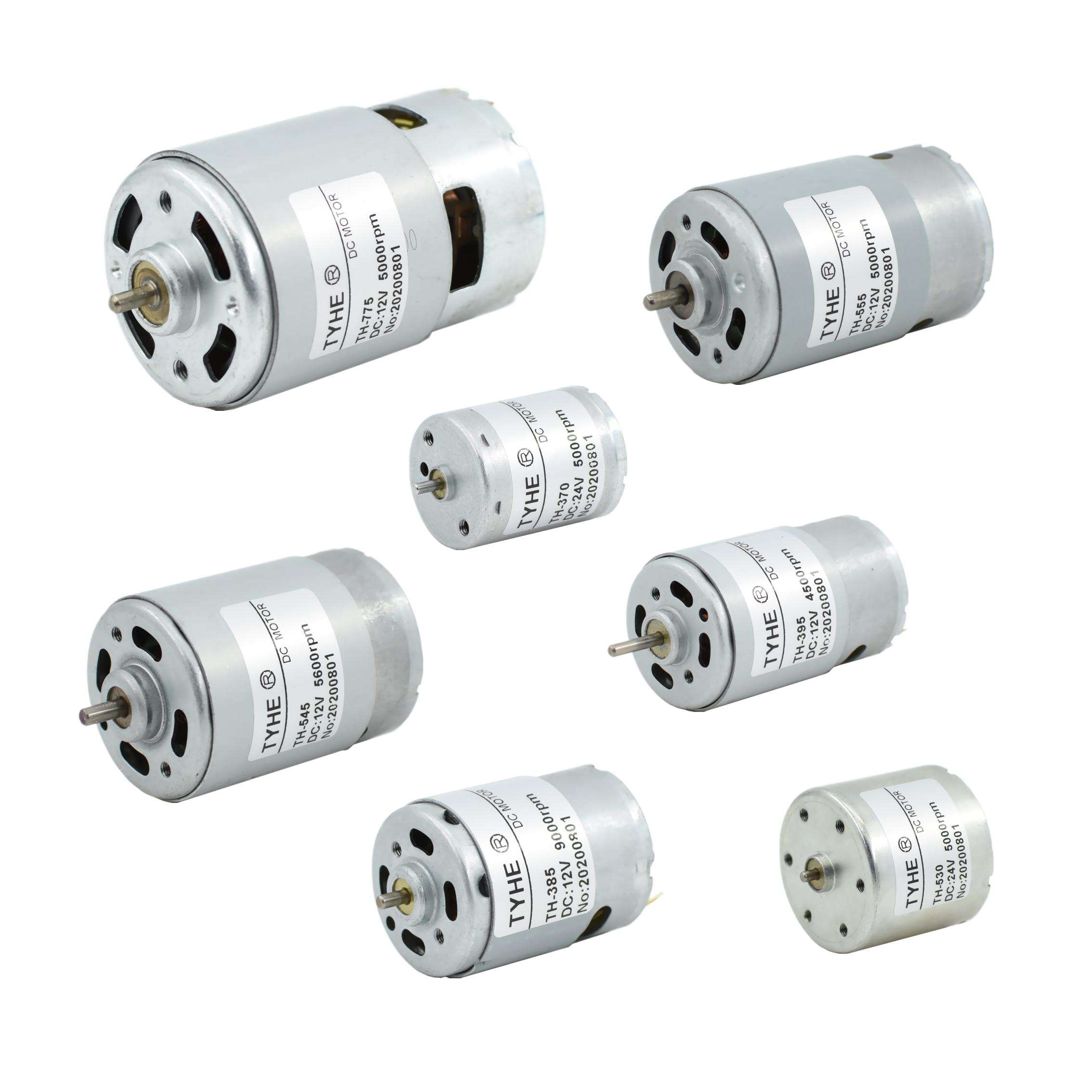
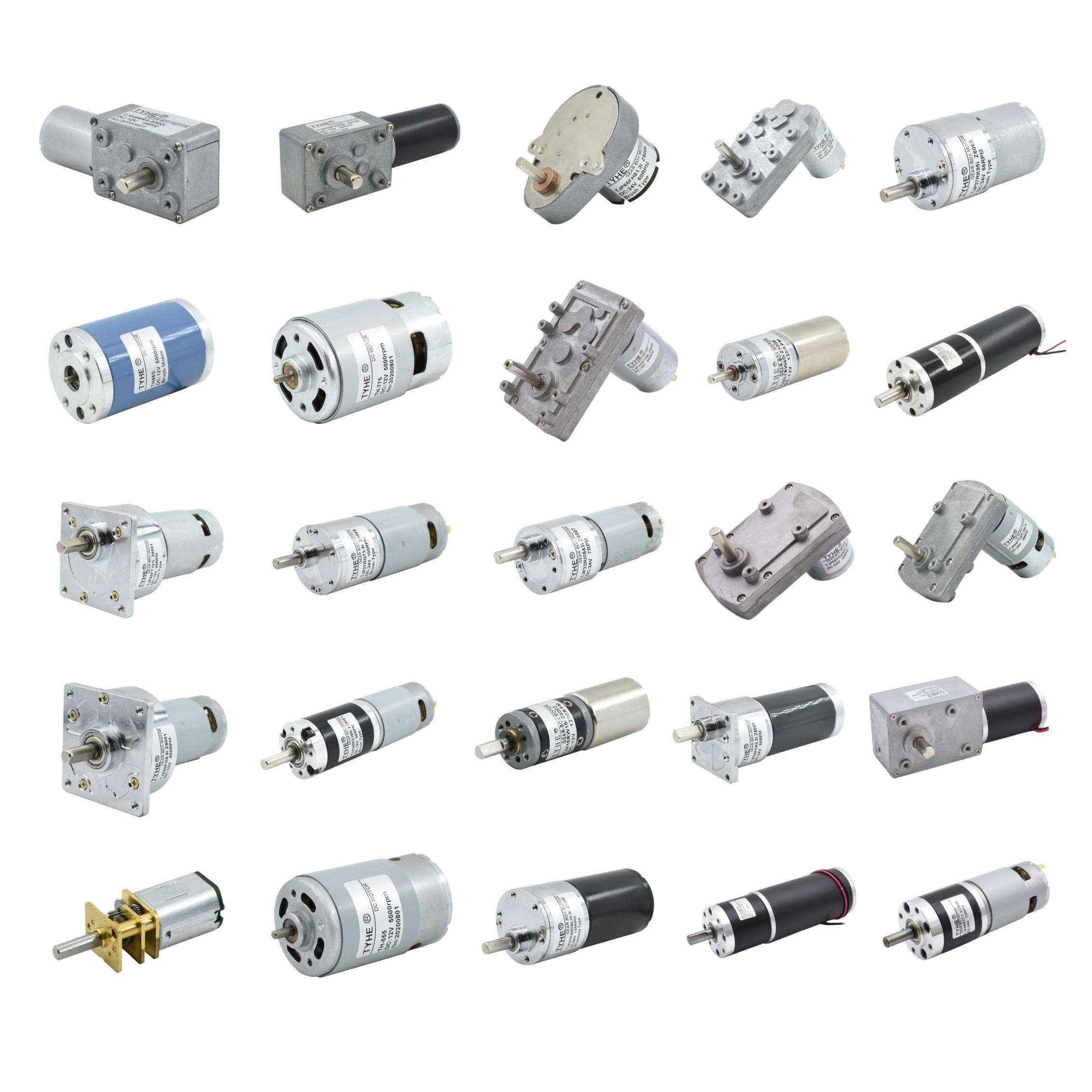
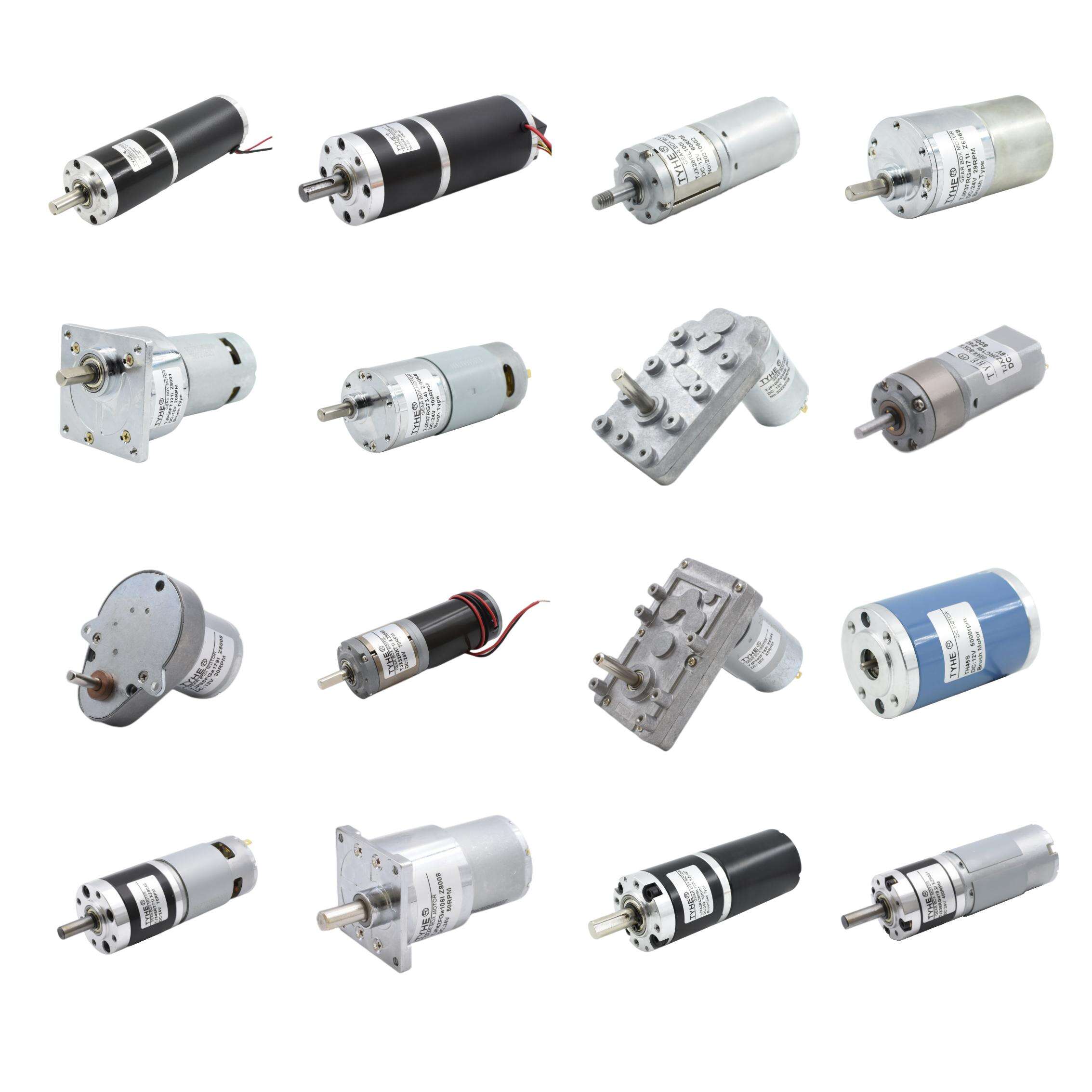
Exceptional versatility and adaptability make the flat dc motor an invaluable solution for diverse applications across multiple industries, demonstrating remarkable flexibility that addresses varied operational requirements and environmental challenges. This versatility stems from the motor's inherent design characteristics that accommodate different mounting orientations, speed ranges, and control methodologies without compromising performance or reliability. The flat dc motor operates effectively in horizontal, vertical, or inverted positions, providing engineers with unprecedented installation flexibility that simplifies system design and reduces mechanical complexity. This orientation independence eliminates the need for complex mounting systems or gravity-compensation mechanisms often required with traditional motors. Environmental adaptability allows flat dc motors to function reliably across extreme temperature ranges, humidity conditions, and vibration environments. Specialized sealing options protect internal components from dust, moisture, and chemical exposure, enabling operation in harsh industrial settings, outdoor applications, and medical environments where sterility requirements demand sealed motor housings. Customization options further enhance versatility, as manufacturers can modify electromagnetic characteristics, shaft configurations, and feedback systems to meet specific application requirements. Variable speed control capabilities span from precise low-speed positioning to high-speed continuous operation, making the flat dc motor suitable for both precision instrumentation and high-performance applications. The motor accommodates various control interfaces including analog voltage control, digital pulse-width modulation, and advanced communication protocols for integration with modern automation systems. Power scaling options range from miniature versions for micro-robotics to higher-power variants for industrial applications, ensuring appropriate solutions across different performance requirements. Integration flexibility extends to mechanical interfaces, with options for direct drive coupling, gear reduction systems, or belt drive configurations. Feedback integration possibilities include encoders, resolvers, and hall sensors for closed-loop control applications. The flat dc motor's modular design philosophy enables component standardization while maintaining application-specific optimization, reducing inventory requirements and simplifying maintenance procedures across diverse installations.

 EN
EN