brushless dc gear motor
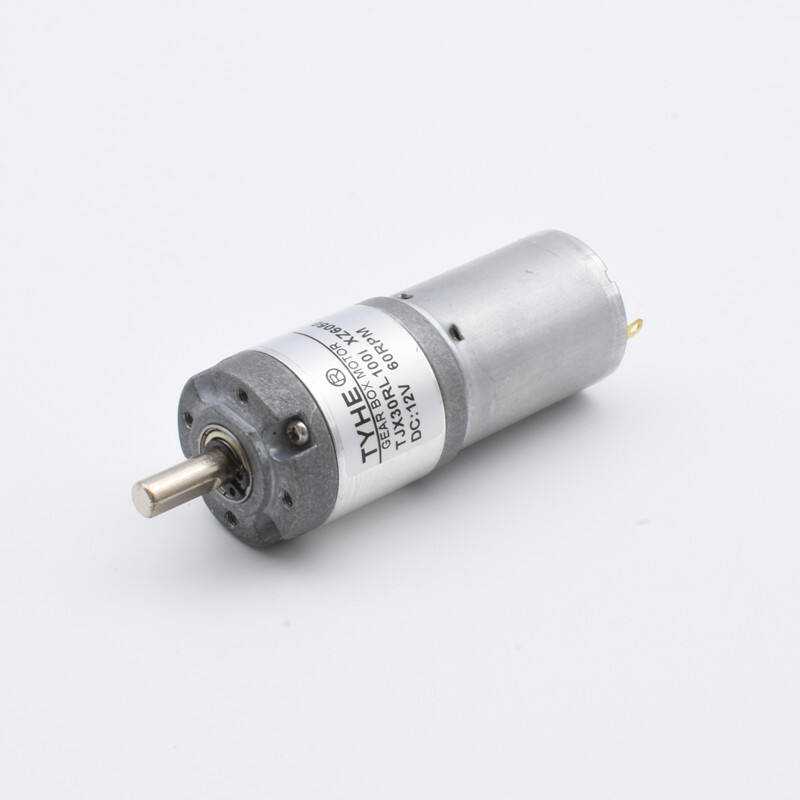
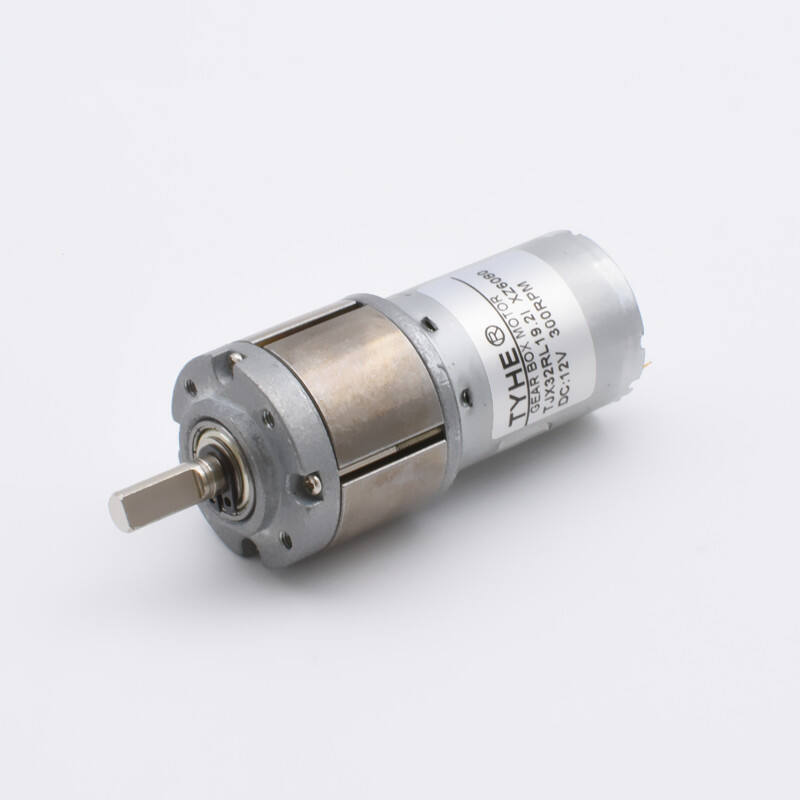
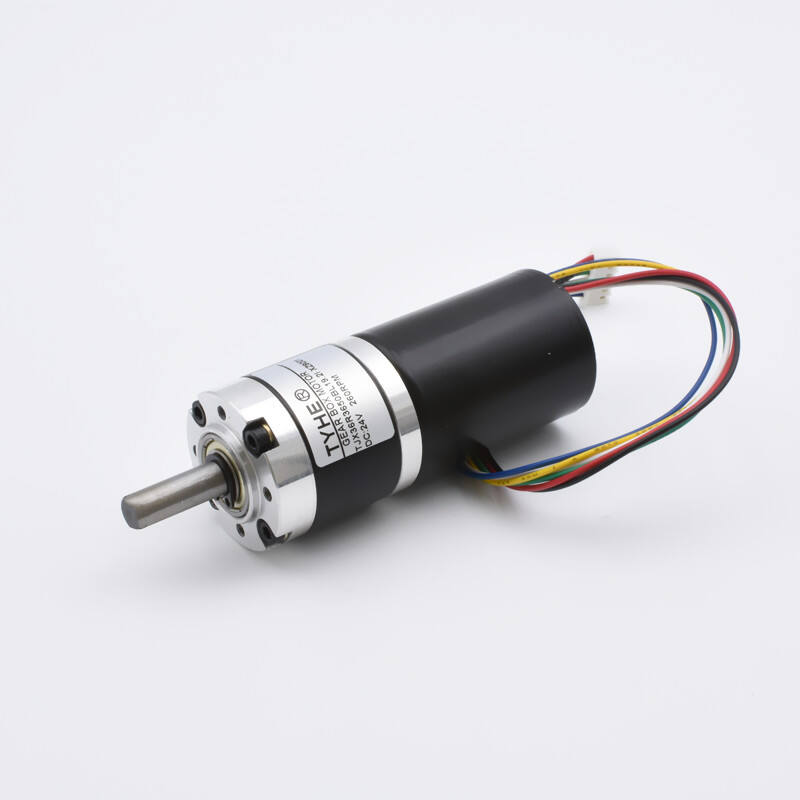
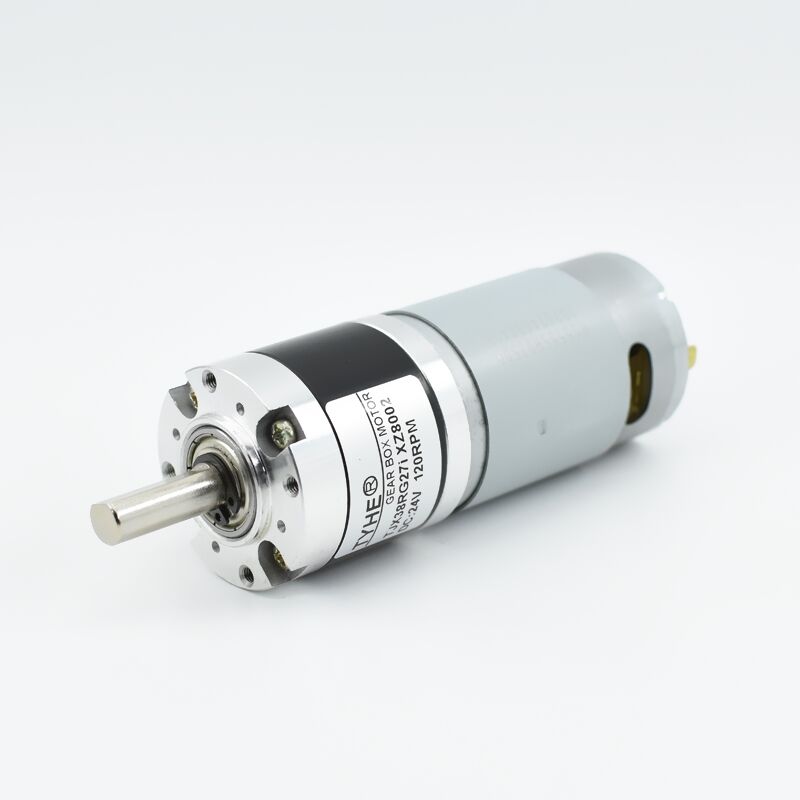
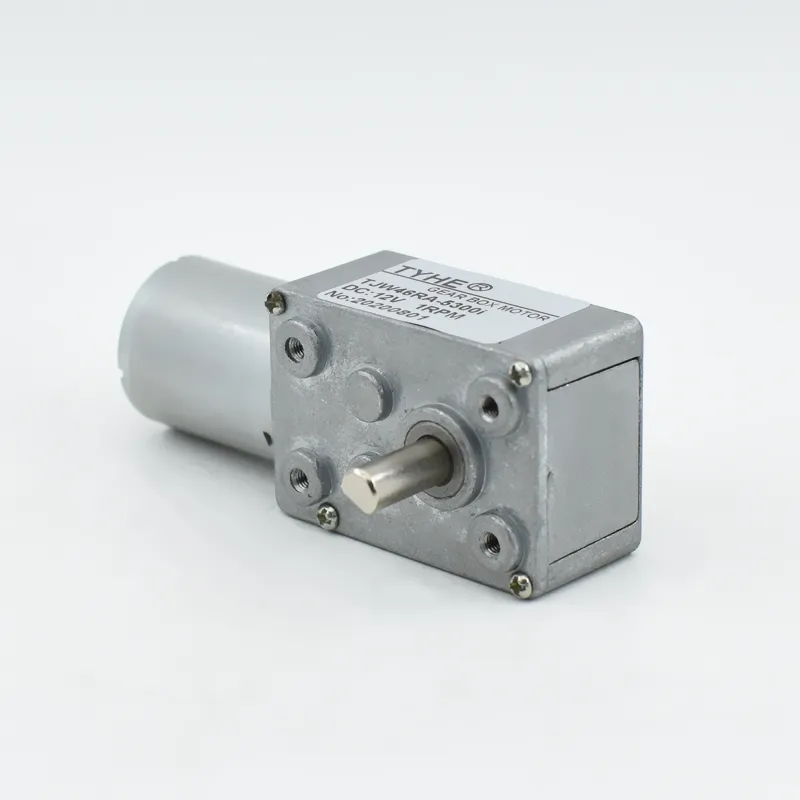
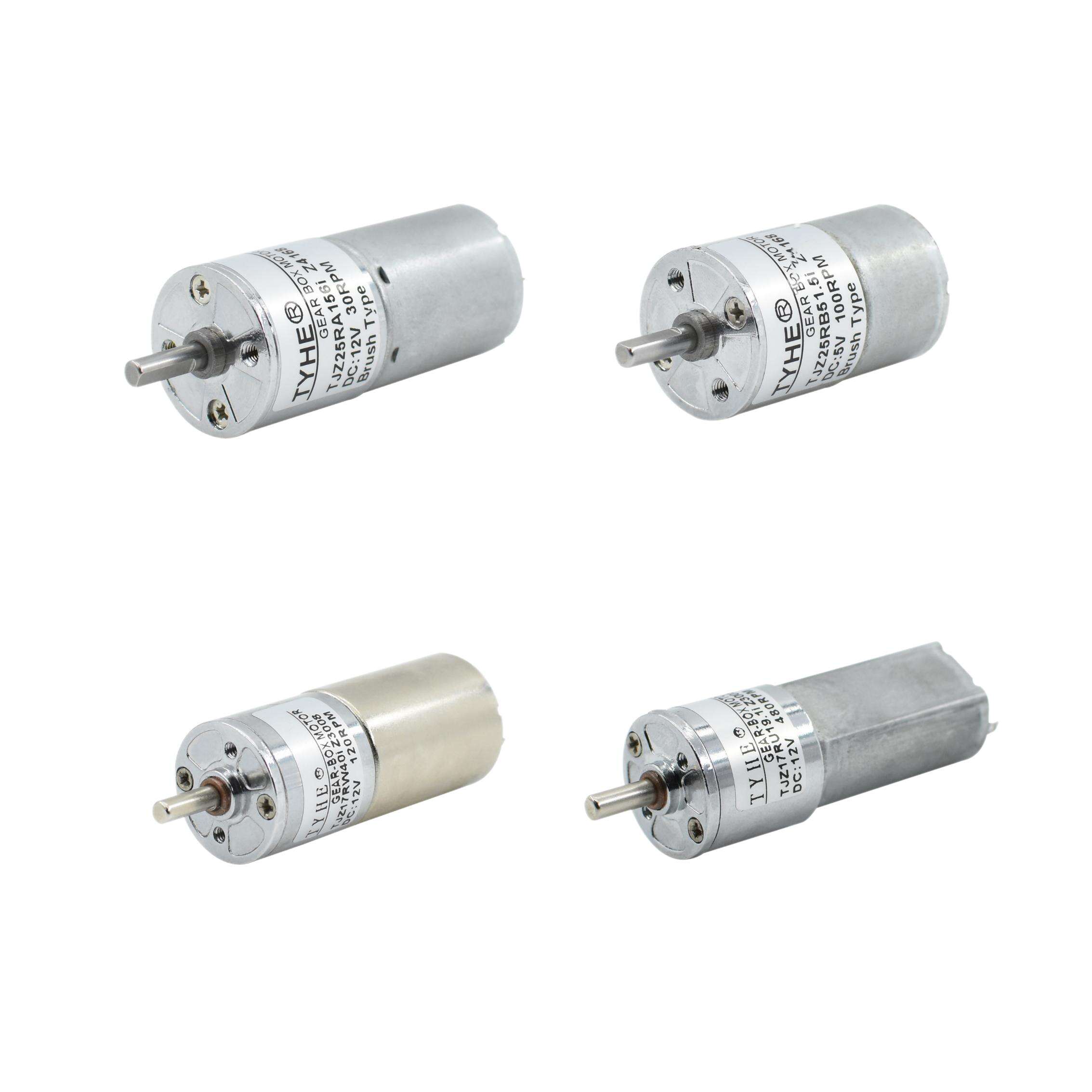
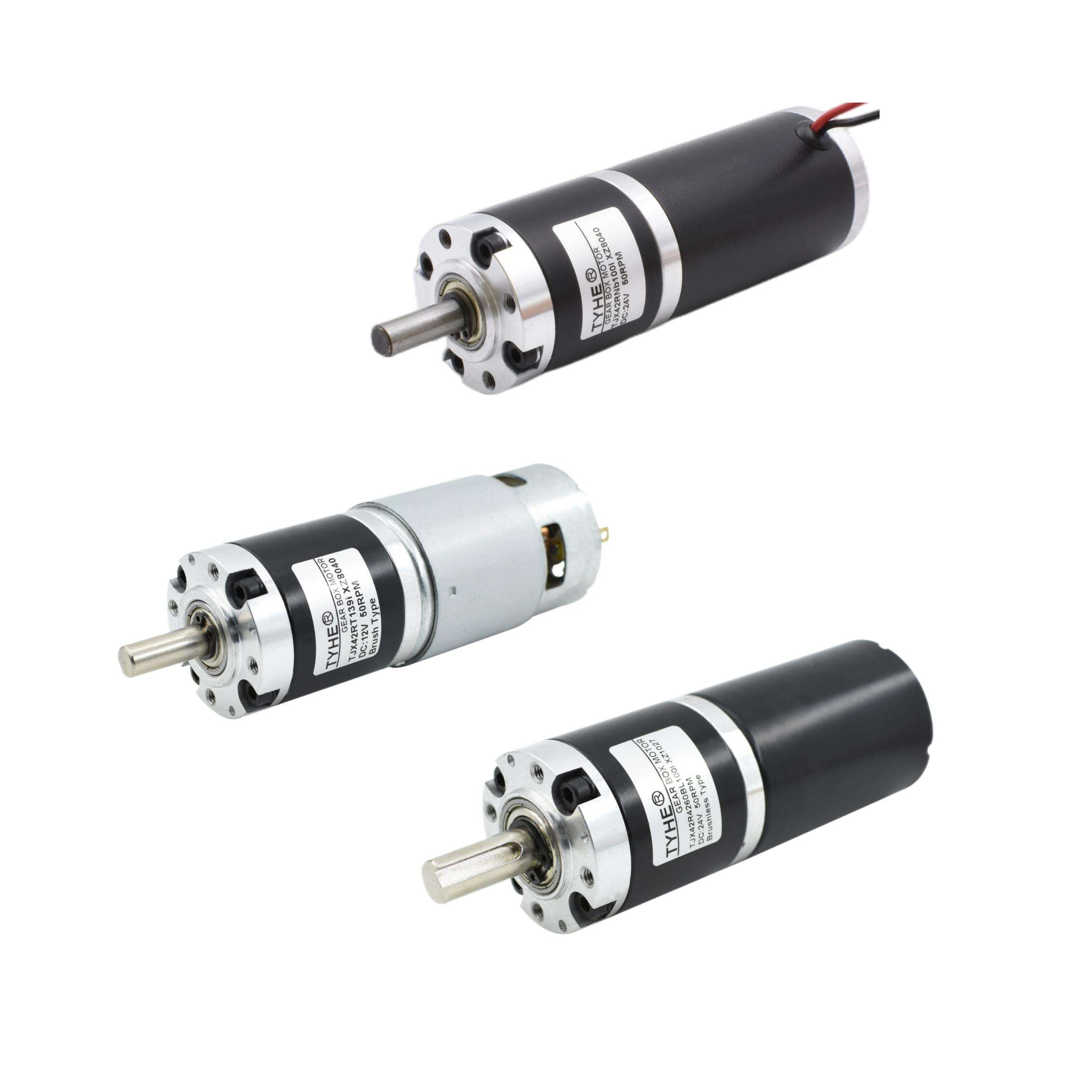
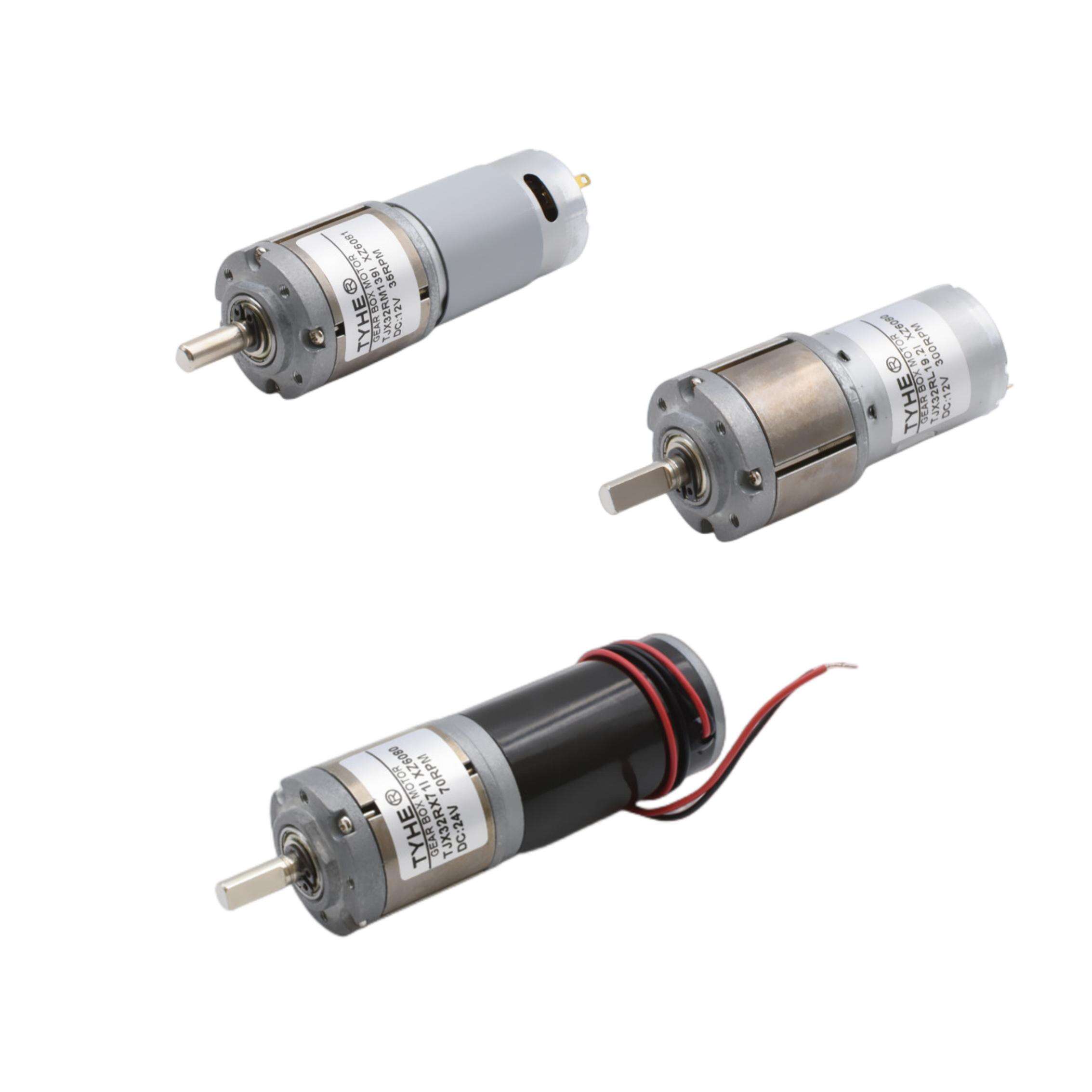
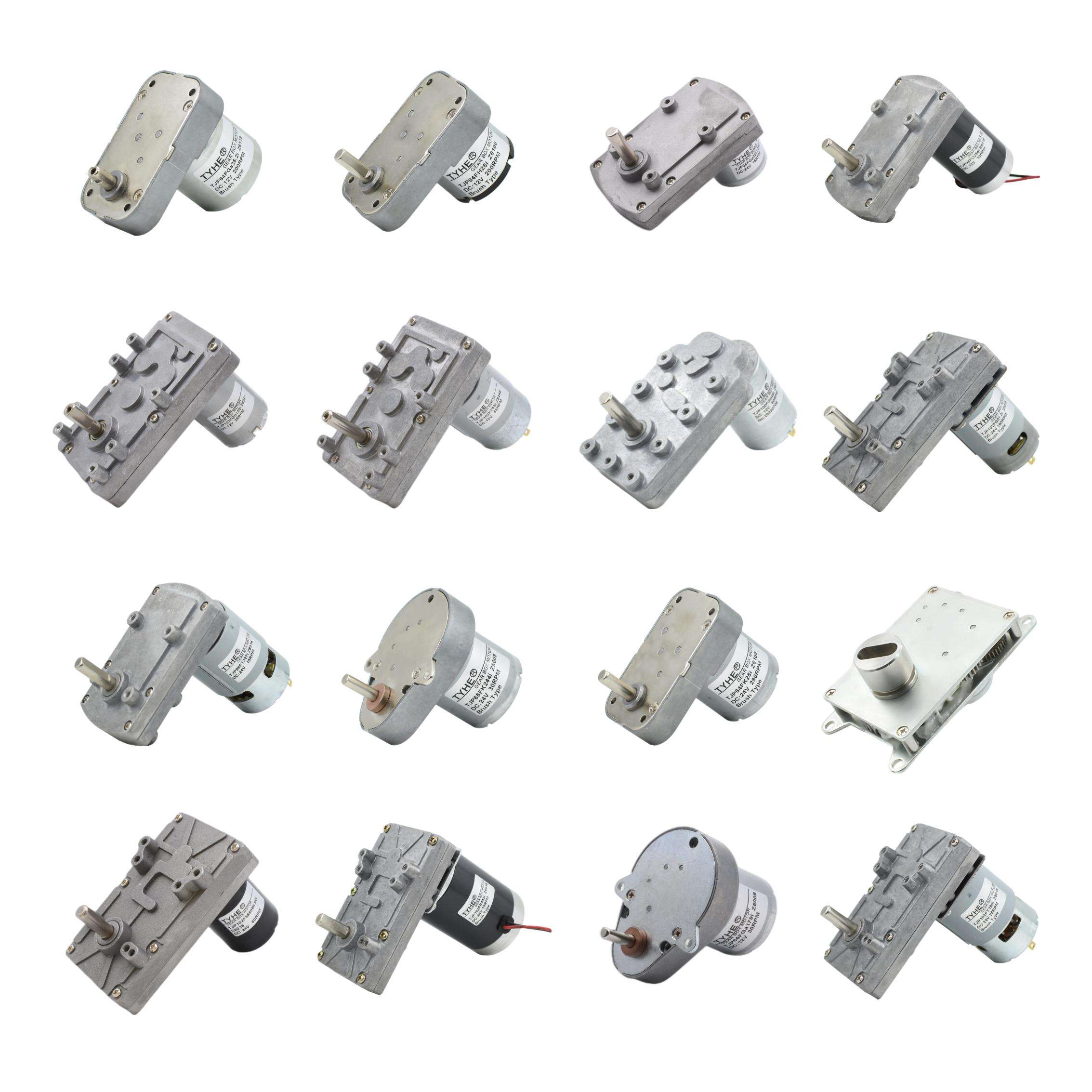
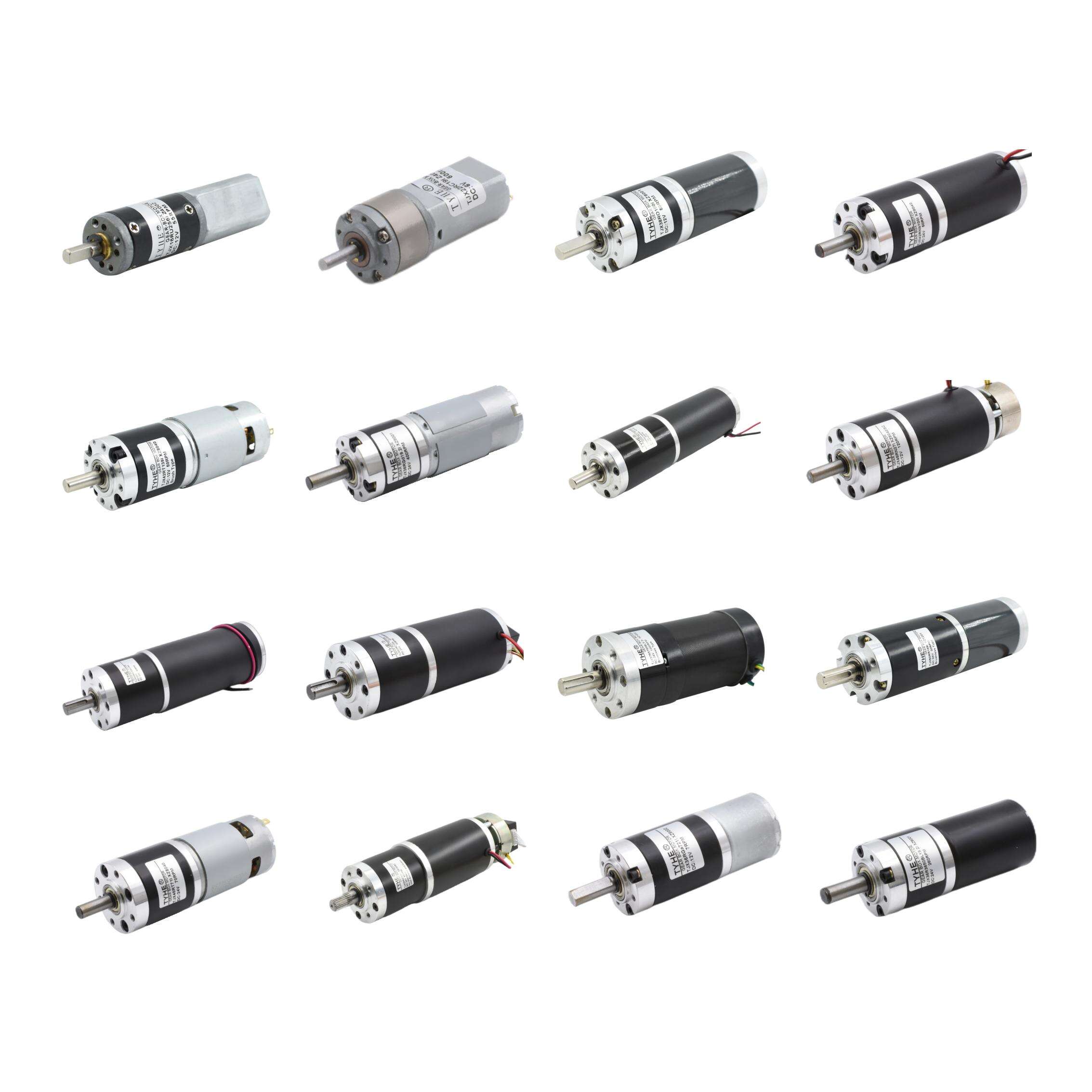
A brushless dc gear motor represents an advanced fusion of brushless DC motor technology with precision gearing systems, creating a powerful and efficient solution for countless industrial and commercial applications. This sophisticated motor system eliminates the traditional carbon brushes found in conventional DC motors, replacing them with electronic switching mechanisms that control the motor's operation through precise timing and positioning. The integration of a gear reduction system amplifies the motor's torque output while simultaneously reducing rotational speed, making the brushless dc gear motor ideal for applications requiring high torque at lower speeds. The primary function of this motor system centers on converting electrical energy into precise mechanical motion with exceptional control and reliability. The brushless dc gear motor operates through a series of electromagnetic fields generated by permanent magnets and wound stators, with electronic controllers managing the switching sequence to ensure smooth rotation. The gear reduction mechanism typically consists of planetary, spur, or helical gears that multiply the motor's torque output by ratios ranging from 3:1 to several hundred to one. Key technological features include variable speed control, reversible operation, and exceptional starting torque characteristics. The brushless dc gear motor finds extensive applications across robotics, automation equipment, medical devices, aerospace systems, electric vehicles, and industrial machinery. Manufacturing sectors utilize these motors in conveyor systems, packaging equipment, and assembly line automation. The medical industry relies on brushless dc gear motors for surgical instruments, patient positioning systems, and diagnostic equipment where precision and reliability are paramount. Automotive applications include power steering systems, seat adjustments, and electric window mechanisms. The motor's compact design, combined with its high power-to-weight ratio, makes it particularly valuable in space-constrained applications where traditional motor systems would prove impractical or inefficient.

 EN
EN