motor bánh răng 5v
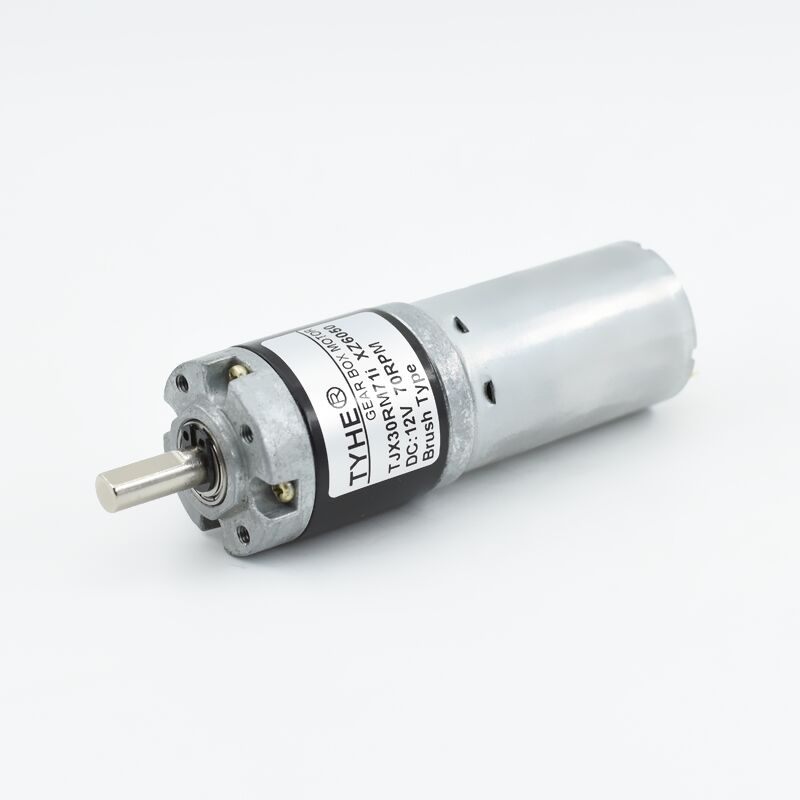
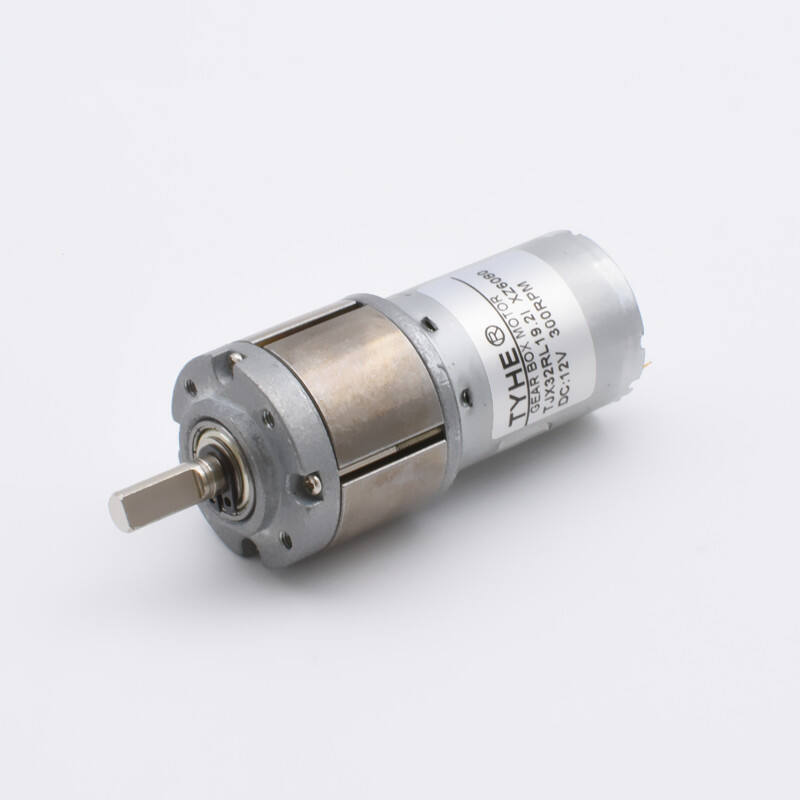
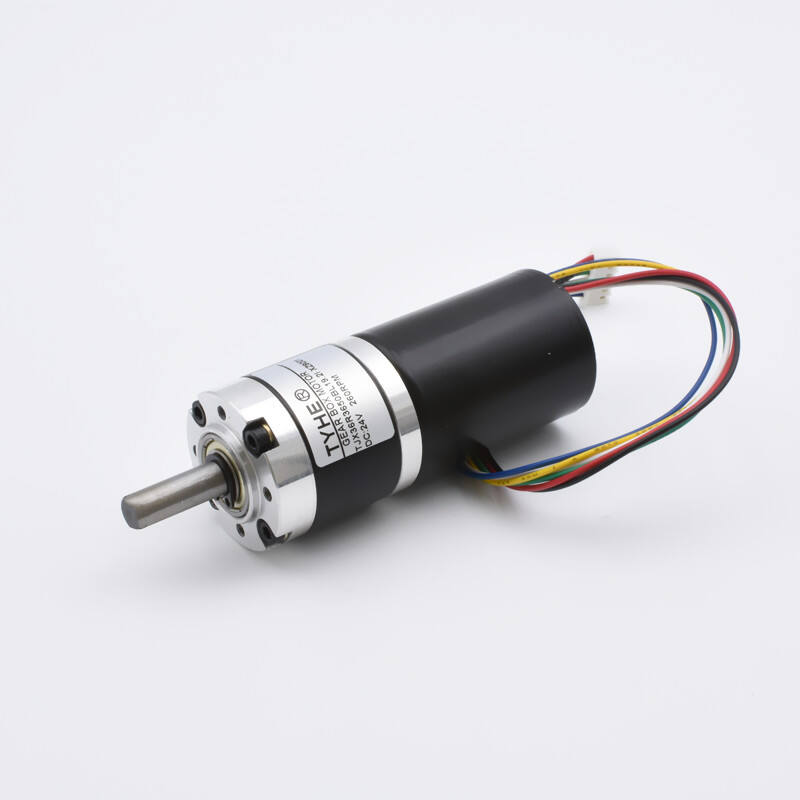
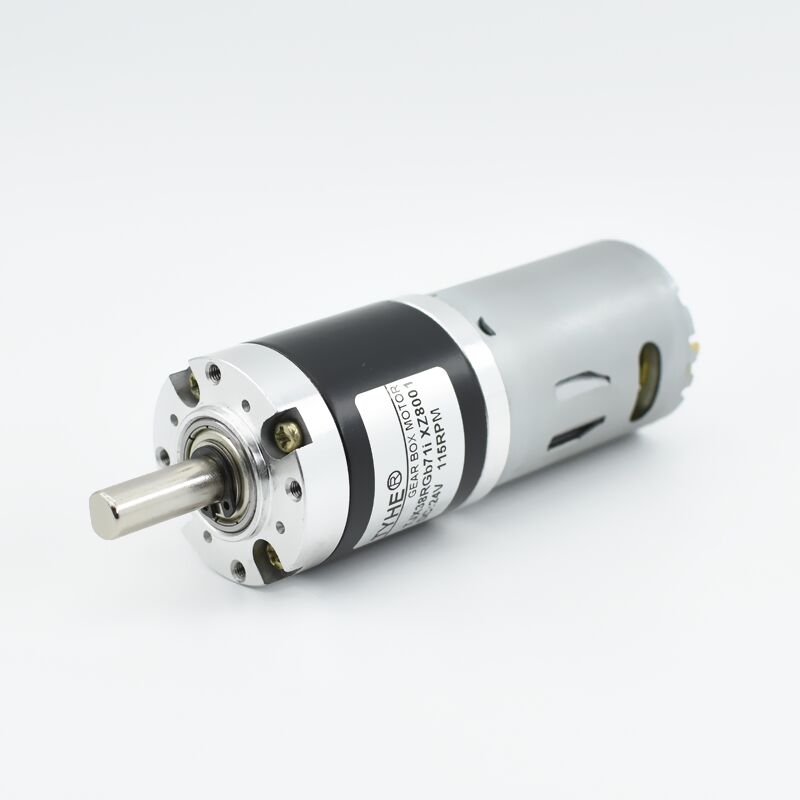
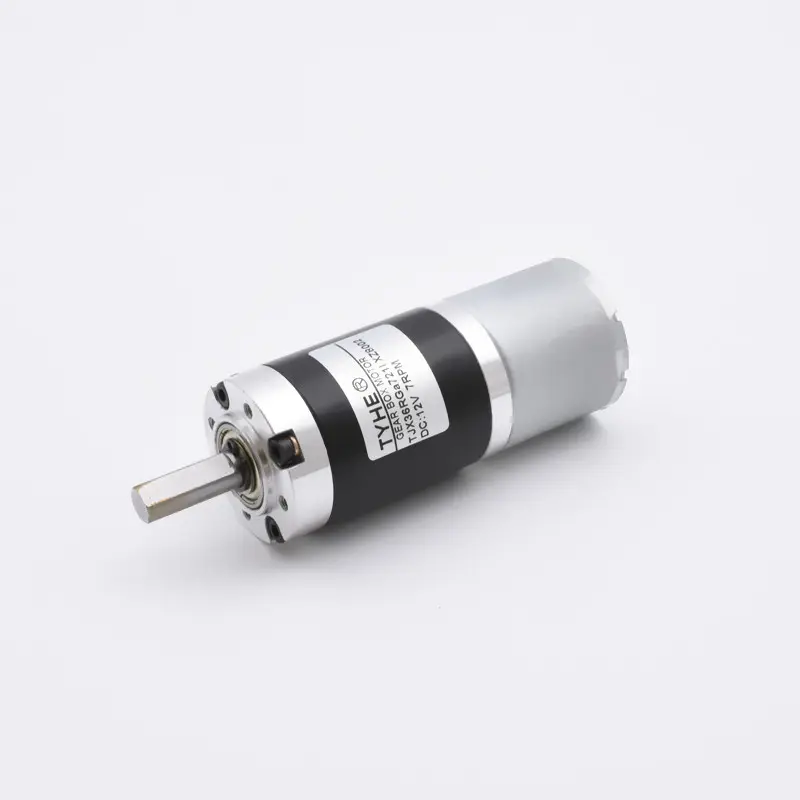
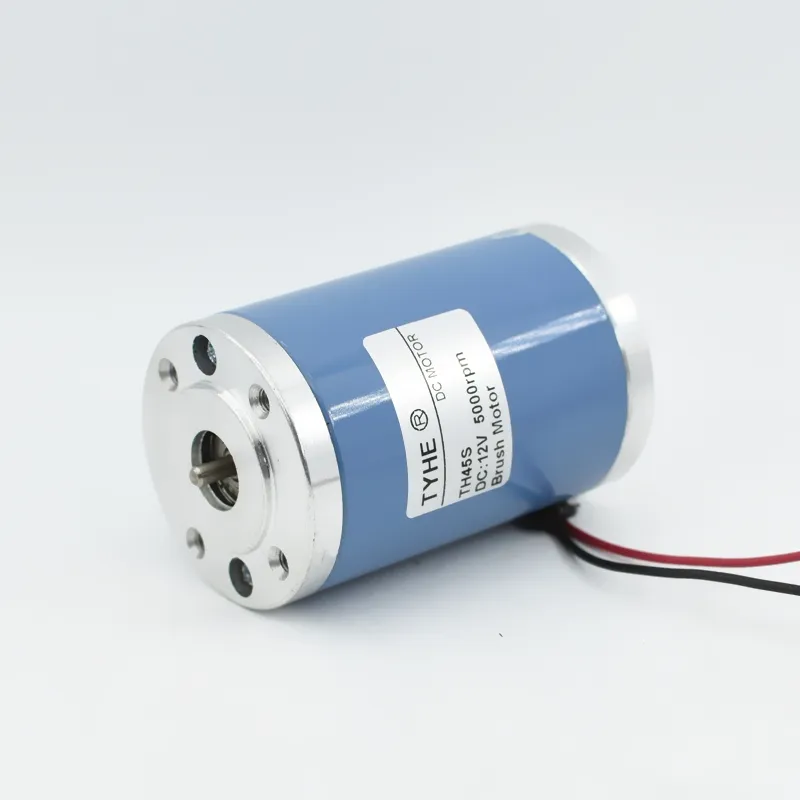
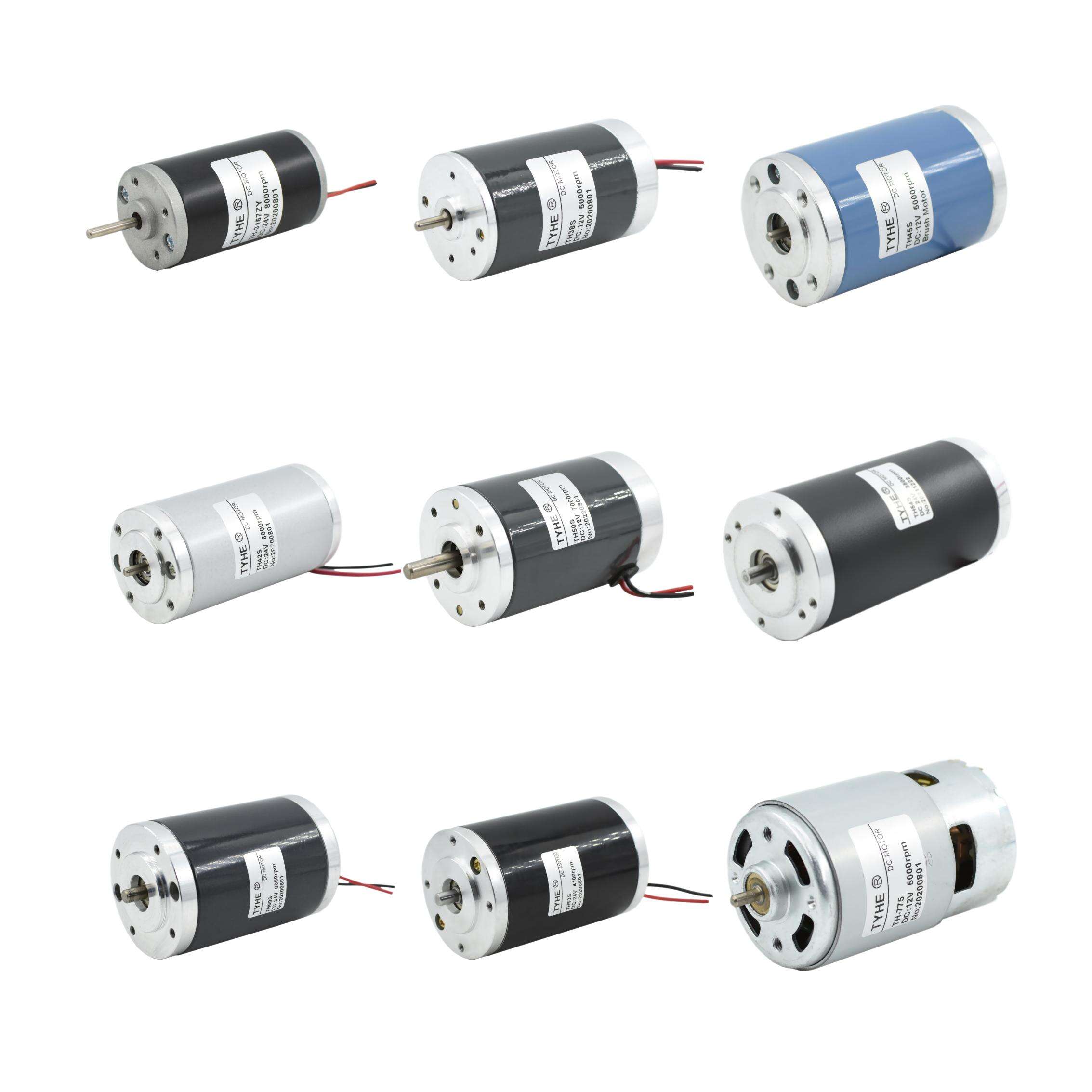
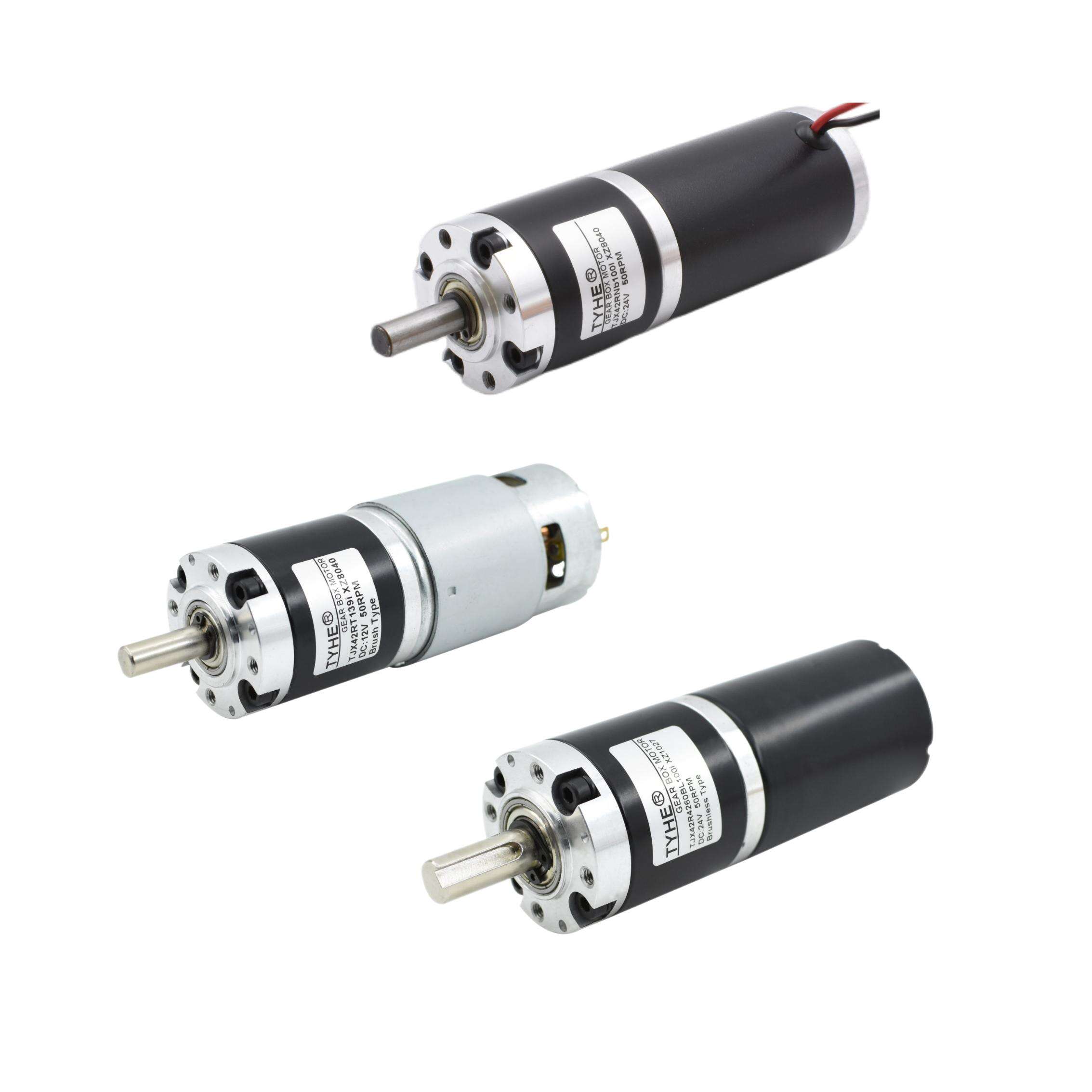
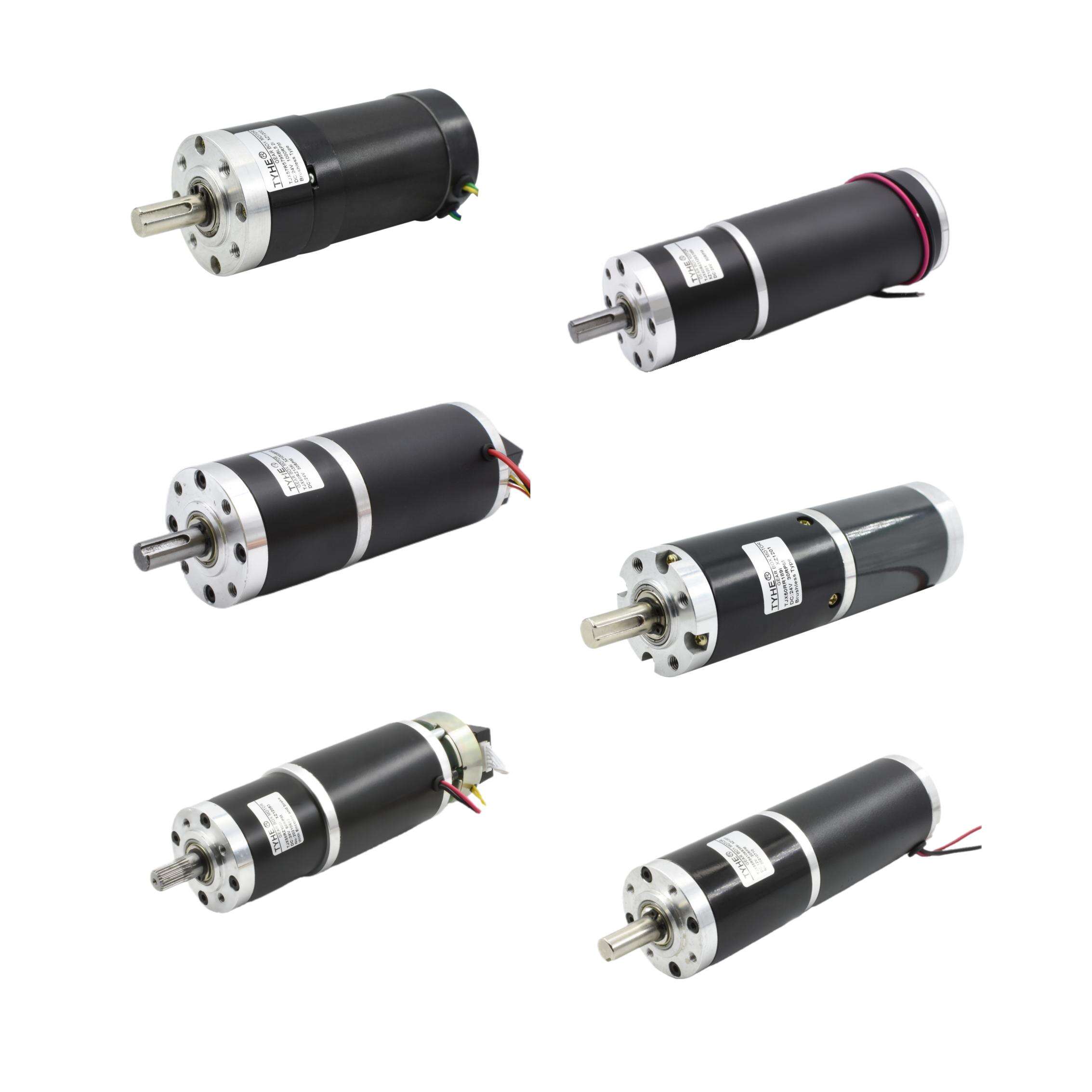
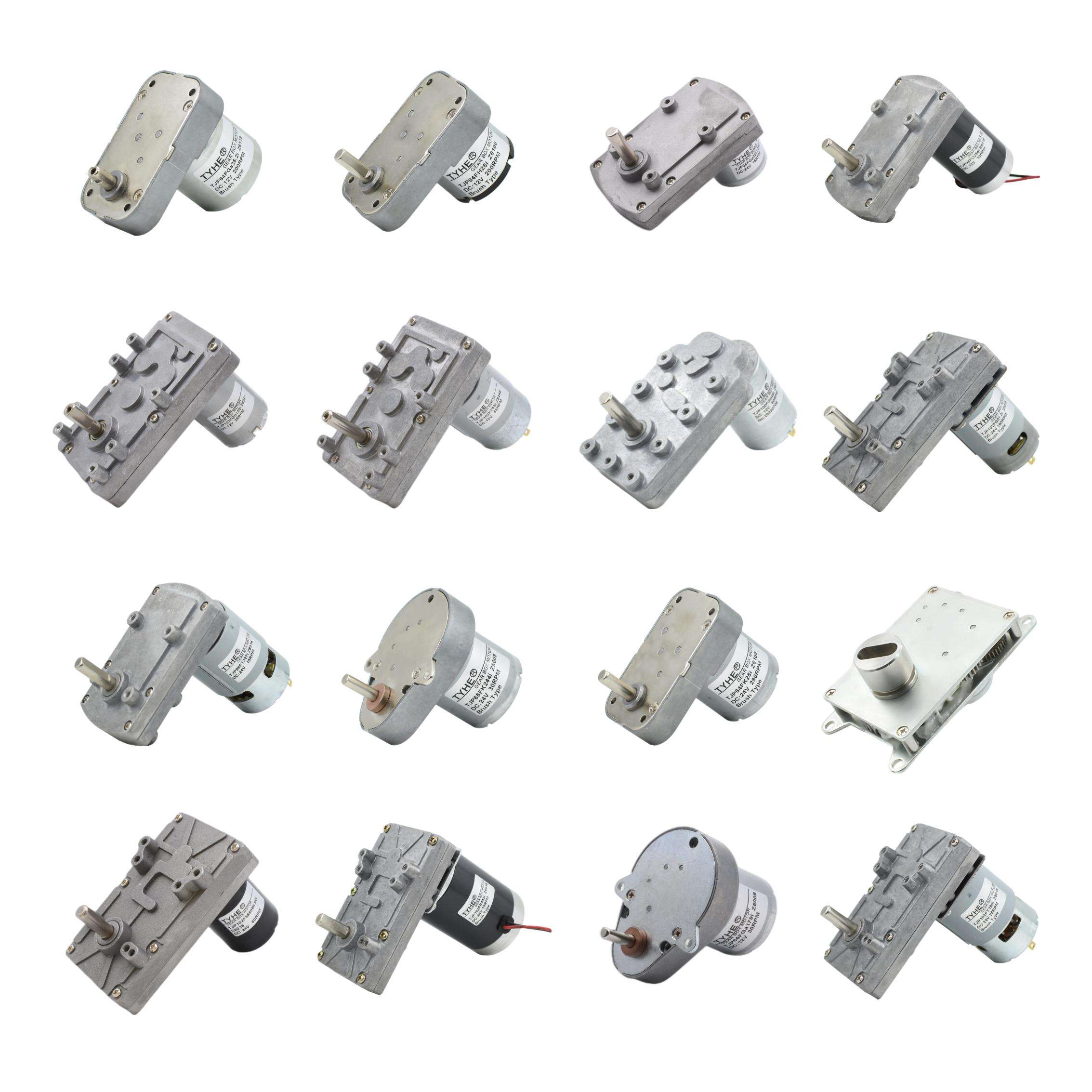
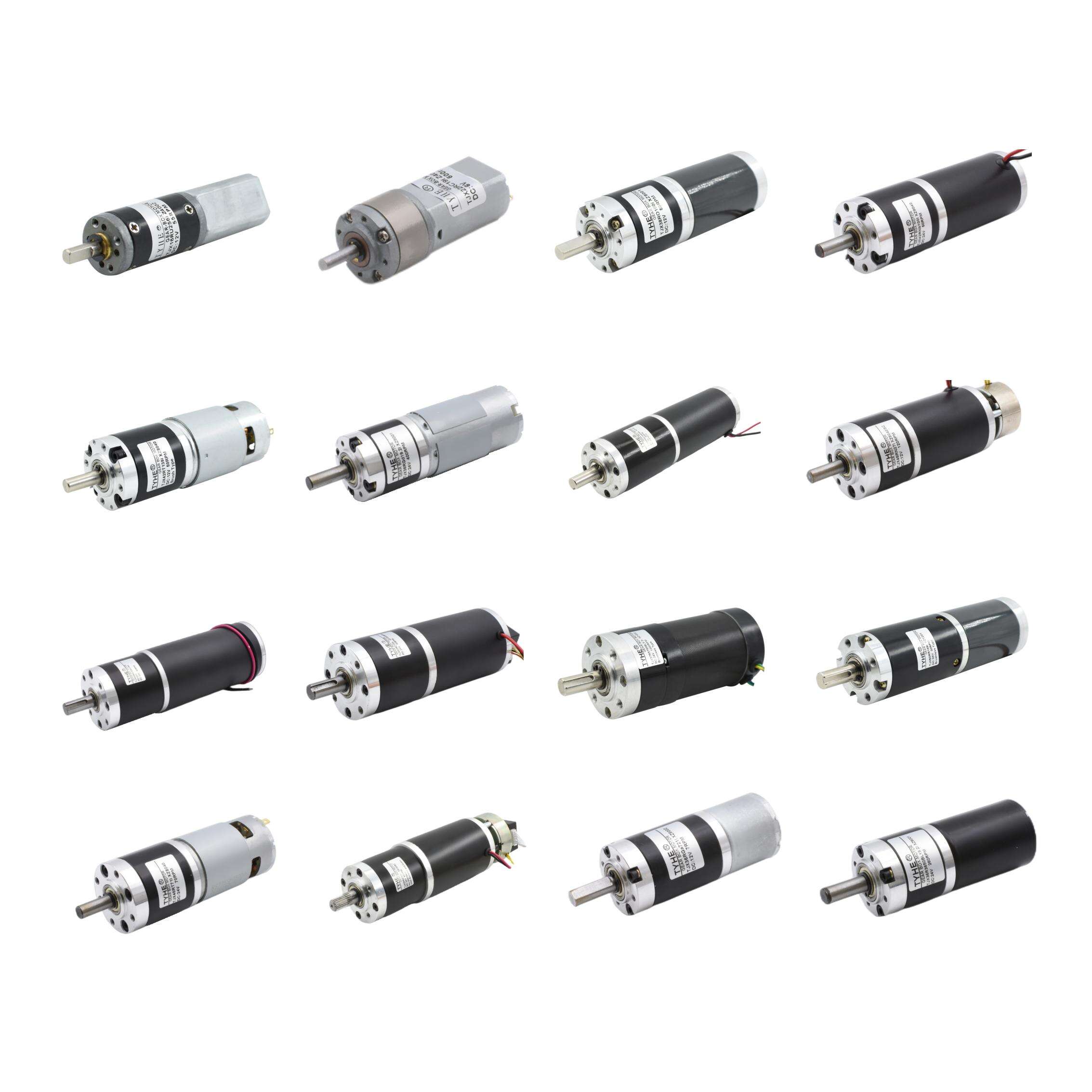
Động cơ giảm tốc 5V đại diện cho một thành phần quan trọng trong các hệ thống điện tử và tự động hóa hiện đại, kết hợp độ tin cậy của công nghệ động cơ truyền thống với khả năng điều khiển chính xác mà các ứng dụng hiện đại đòi hỏi. Thiết bị nhỏ gọn nhưng mạnh mẽ này hoạt động với nguồn điện chuẩn 5 volt, giúp nó tương thích với hầu hết các hệ thống vi điều khiển, bo mạch Arduino và các thiết bị dùng pin. Thiết kế cơ bản bao gồm một động cơ một chiều (DC) ghép nối với hộp giảm tốc, tạo thành hệ thống cung cấp mô-men xoắn cao ở tốc độ quay thấp. Động cơ giảm tốc 5V hoạt động bằng cách chuyển đổi năng lượng điện thành chuyển động cơ học thông qua nguyên lý điện từ, trong khi hệ thống bánh răng tích hợp sẽ khuếch đại mô-men xoắn và giảm tốc độ theo tỉ số truyền. Sự kết hợp này cho phép động cơ xử lý các tải trọng lớn dù có kích thước nhỏ gọn và yêu cầu điện áp thấp. Các tính năng công nghệ của động cơ giảm tốc 5V bao gồm các bộ truyền động bánh răng được thiết kế chính xác nhằm giảm thiểu độ rơ và đảm bảo hoạt động trơn tru trong nhiều điều kiện tải khác nhau. Vỏ động cơ thường được làm từ các vật liệu chất lượng cao, đảm bảo độ bền trong khi vẫn giữ được đặc tính nhẹ, rất cần thiết cho các ứng dụng di động. Các kỹ thuật sản xuất tiên tiến đảm bảo các thông số hiệu suất ổn định, bao gồm điều chỉnh tốc độ, đầu ra mô-men xoắn và hiệu suất tiêu thụ điện năng. Nhiều mẫu động cơ có cấu tạo kín, bảo vệ các bộ phận bên trong khỏi bụi và độ ẩm, từ đó kéo dài đáng kể tuổi thọ hoạt động. Các ứng dụng của động cơ giảm tốc 5V trải rộng trên nhiều ngành công nghiệp và loại dự án, từ các nền tảng robot giáo dục đến các thiết bị tự động hóa thương mại. Các hobbyist thường sử dụng động cơ này trong các dự án tự làm, phương tiện mô hình và phát triển nguyên mẫu nhờ khả năng tích hợp dễ dàng và đặc tính hoạt động đáng tin cậy. Các ứng dụng công nghiệp bao gồm hệ thống băng tải, bộ truyền động van và thiết bị định vị chính xác nơi cần chuyển động được kiểm soát. Trong ngành ô tô, động cơ giảm tốc 5V được sử dụng trong nhiều hệ thống con như điều chỉnh gương, chỉnh vị trí ghế và điều khiển thông gió. Các thiết bị điện tử tiêu dùng cũng tận dụng động cơ này trong các ứng dụng như cơ chế lấy nét ống kính máy ảnh, hệ thống cấp giấy máy in và máy cho thú cưng ăn tự động.

 EN
EN