
 EN
EN
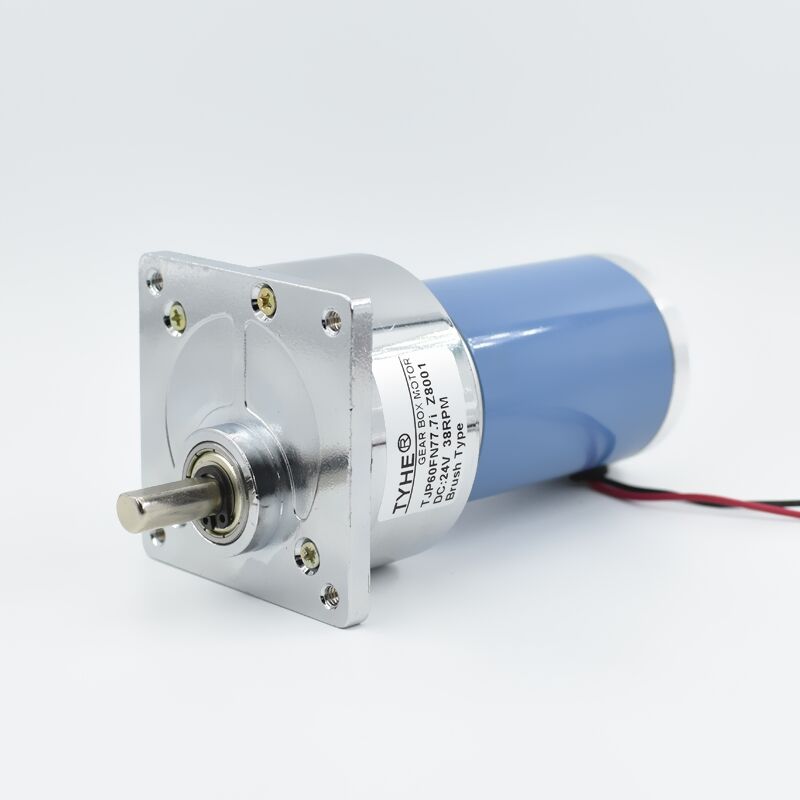
When your dc gear motor begins exhibiting performance problems, identifying the root cause quickly becomes critical for maintaining operational efficiency and preventing costly downtime. Performance issues in dc gear motor systems can manifest in various ways, from unusual noise and vibration to reduced torque output and erratic speed control, each requiring specific diagnostic approaches and targeted solutions.
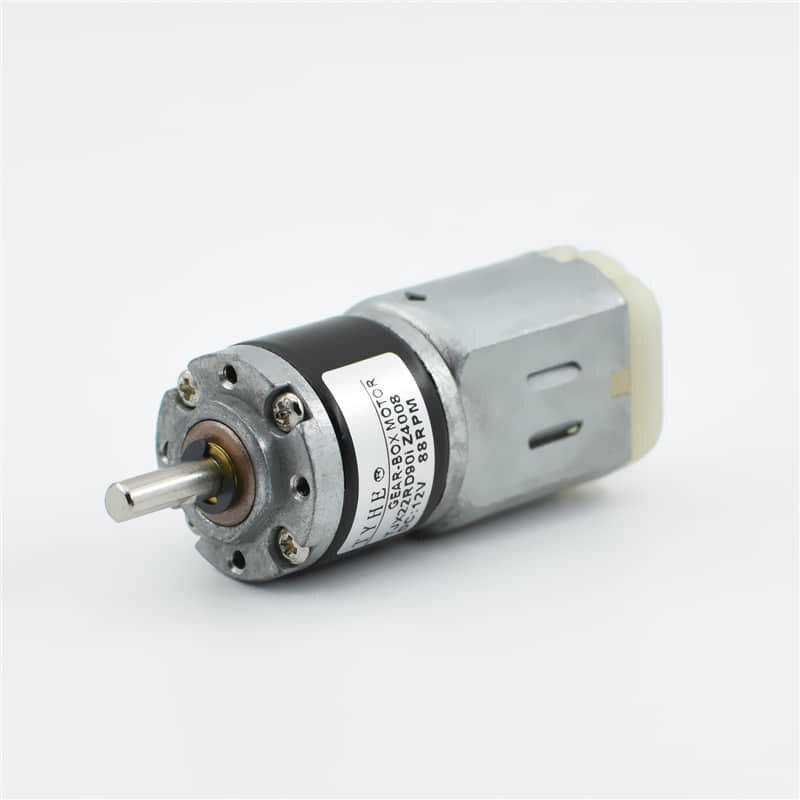
Understanding the common failure modes of dc gear motor assemblies enables maintenance teams to implement systematic troubleshooting procedures that minimize investigation time and maximize repair effectiveness. The complexity of modern dc gear motor systems, with their integrated electronic controls and precision mechanical components, demands a methodical approach to problem diagnosis that addresses both electrical and mechanical aspects of motor operation.
Electrical System Diagnostics for DC Gear Motors
Power Supply and Voltage Irregularities
Voltage-related issues represent one of the most common causes of dc gear motor performance degradation. Insufficient supply voltage typically results in reduced torque output and slower acceleration, while excessive voltage can lead to overheating and premature component failure. When troubleshooting voltage problems, technicians should measure both the input voltage at the motor terminals and verify that the supply voltage remains stable under load conditions.
Voltage drop across supply cables becomes particularly problematic in applications where the dc gear motor operates at significant distances from the power source. This condition often manifests as intermittent performance issues that worsen as cable temperature increases during operation. Proper cable sizing and regular inspection of connection points help prevent voltage-related performance problems in dc gear motor installations.
Power quality issues, including voltage spikes and electrical noise, can also affect dc gear motor performance by interfering with control circuits and causing erratic operation. Installing appropriate filtering and surge protection devices protects the motor's electronic components and ensures consistent performance across varying load conditions.
Brush and Commutator Problems
The brush and commutator assembly in a dc gear motor requires regular inspection and maintenance to ensure optimal electrical contact and prevent performance degradation. Worn brushes create poor electrical contact, resulting in reduced motor efficiency, increased electrical noise, and potential damage to the commutator surface. Visual inspection of brush wear patterns often reveals important information about motor operating conditions and mechanical alignment issues.
Commutator surface irregularities, including scoring, pitting, or uneven wear, directly impact dc gear motor performance by creating electrical arcing and reducing current transfer efficiency. These conditions typically develop gradually but can accelerate rapidly if left unaddressed, potentially leading to catastrophic motor failure. Regular commutator inspection and resurfacing when necessary maintains optimal electrical contact and extends motor service life.
Carbon buildup on commutator surfaces represents another common issue that affects dc gear motor performance. This condition often results from inadequate ventilation or operation in contaminated environments, creating insulation between brush and commutator that reduces motor efficiency and increases operating temperature. Proper cleaning procedures and improved environmental controls help prevent carbon buildup and maintain optimal motor performance.
Mechanical Component Assessment and Repair
Gearbox Lubrication and Wear Analysis
The gearbox assembly in a dc gear motor system requires proper lubrication to minimize friction, reduce wear, and maintain smooth operation. Insufficient or contaminated lubricant often causes increased operating noise, elevated temperature, and accelerated gear wear that ultimately leads to performance degradation. Regular lubricant analysis provides valuable information about gearbox condition and helps predict potential failure modes before they affect system operation.
Gear tooth wear patterns reveal important information about load distribution, alignment, and operating conditions within the dc gear motor assembly. Uniform wear across the tooth surface indicates normal operation, while localized wear patterns suggest misalignment, overloading, or lubrication problems. Early detection of abnormal wear patterns enables corrective action that prevents catastrophic gear failure and extends equipment service life.
Seal integrity plays a critical role in maintaining proper lubrication and preventing contamination in dc gear motor gearboxes. Failed seals allow lubricant leakage and permit the entry of moisture and contaminants that accelerate wear and cause performance problems. Regular inspection of seal condition and prompt replacement when necessary maintains optimal gearbox environment and prevents premature component failure.
Bearing Condition and Replacement Criteria
Bearing condition significantly impacts dc gear motor performance, affecting both mechanical operation and electrical efficiency. Worn or damaged bearings create excessive friction, increase operating temperature, and cause mechanical vibration that can damage other motor components. Vibration analysis and temperature monitoring provide early warning of bearing problems before they cause catastrophic failure.
Proper bearing installation and maintenance procedures ensure optimal dc gear motor performance and maximum service life. Incorrect installation techniques, including excessive force or improper alignment, can damage bearings and create performance problems that may not become apparent until after extended operation. Following manufacturer specifications for installation procedures and using appropriate tools prevents bearing damage and ensures reliable operation.
Lubrication requirements for dc gear motor bearings vary depending on bearing type, operating conditions, and environmental factors. Over-lubrication can cause churning and overheating, while insufficient lubrication leads to increased friction and accelerated wear. Establishing proper lubrication schedules and monitoring procedures maintains optimal bearing condition and prevents performance degradation.
Control System and Speed Regulation Issues
Electronic Speed Control Troubleshooting
Modern dc gear motor applications often incorporate electronic speed control systems that can develop performance issues requiring systematic troubleshooting approaches. Speed control problems typically manifest as inability to maintain set speed, erratic speed variation, or complete loss of speed control capability. These issues may originate from control circuit failures, sensor problems, or feedback system malfunctions that require careful diagnosis to identify the root cause.
Feedback sensor accuracy directly affects dc gear motor speed control performance. Encoder problems, including mechanical damage, electrical connection issues, or signal interference, create inaccurate speed feedback that causes control system instability. Regular inspection of feedback sensors and their mounting hardware prevents many speed control problems and ensures consistent motor performance across varying load conditions.
Control circuit calibration and parameter settings significantly impact dc gear motor performance and must be verified during troubleshooting procedures. Incorrect gain settings, improper acceleration/deceleration rates, or faulty current limiting can create performance problems that appear to be motor-related but actually originate from control system configuration issues. Systematic verification of control parameters often resolves apparent motor problems without requiring mechanical repairs.
Load Matching and Torque Requirements
Load characteristics play a crucial role in dc gear motor performance, and changes in load requirements can create apparent motor problems that require careful analysis. Increased load demands may exceed the motor's torque capability, resulting in reduced speed, overheating, or stalling conditions. Understanding the relationship between load requirements and motor capabilities helps differentiate between motor problems and application-related issues.
Gear ratio selection affects how well a dc gear motor matches its load requirements. Incorrect gear ratios can cause motors to operate outside their optimal efficiency range, leading to reduced performance, increased power consumption, and accelerated wear. Evaluating gear ratio appropriateness during troubleshooting helps identify configuration issues that may be causing apparent motor problems.
Dynamic load conditions, including shock loading and varying torque demands, can stress dc gear motor components and create performance issues that may not be immediately apparent. Monitoring load conditions during troubleshooting provides valuable information about operating environment factors that may contribute to motor problems. Understanding these conditions helps develop solutions that address root causes rather than just symptoms.
Environmental Factors and Preventive Maintenance
Temperature Management and Thermal Protection
Operating temperature significantly affects dc gear motor performance and service life. Excessive heat accelerates component wear, reduces electrical efficiency, and can cause catastrophic failure if left uncontrolled. Temperature monitoring and thermal protection systems provide early warning of developing problems and help prevent motor damage from overheating conditions.
Ventilation and cooling system effectiveness directly impacts dc gear motor thermal performance. Blocked air passages, failed cooling fans, or inadequate ambient airflow can cause temperature-related performance problems that may be mistaken for motor component failures. Regular inspection and maintenance of cooling systems ensures optimal thermal management and prevents heat-related performance degradation.
Environmental factors, including ambient temperature, humidity, and contamination levels, affect dc gear motor operating conditions and performance. High humidity can cause electrical insulation problems, while contamination can interfere with ventilation and create abrasive conditions that accelerate wear. Implementing appropriate environmental controls and protection measures helps maintain optimal motor operating conditions and prevents environment-related performance issues.
Preventive Maintenance Scheduling and Procedures
Systematic preventive maintenance programs significantly reduce the frequency and severity of dc gear motor performance problems. Regular inspection schedules that include electrical measurements, mechanical checks, and lubrication maintenance help identify developing problems before they cause performance degradation or equipment failure. Well-designed maintenance programs balance inspection frequency with operational requirements to minimize downtime while maximizing equipment reliability.
Documentation and trending of maintenance data provides valuable information for predicting dc gear motor performance issues and optimizing maintenance schedules. Recording measurements such as vibration levels, operating temperatures, and electrical parameters over time reveals developing trends that indicate potential problems. This data-driven approach enables proactive maintenance decisions that prevent unexpected failures and optimize equipment availability.
Training and skill development for maintenance personnel ensures effective troubleshooting and repair of dc gear motor systems. Proper training covers both theoretical understanding of motor operation principles and practical skills for diagnosis and repair procedures. Well-trained maintenance teams can quickly identify and resolve performance issues, minimizing downtime and reducing repair costs while maintaining optimal system performance.
FAQ
What are the most common signs that indicate a dc gear motor needs troubleshooting?
The most common signs include unusual noise or vibration, reduced speed or torque output, excessive heat generation, erratic operation, increased power consumption, and visible wear or damage to external components. These symptoms often appear gradually and may worsen under load conditions, making early detection crucial for preventing major failures.
How can I determine if a performance issue is electrical or mechanical in origin?
Start by checking electrical parameters including voltage, current, and resistance measurements while the motor is both stationary and running. If electrical values are within specification, focus on mechanical aspects such as bearing condition, lubrication, and gear wear. Systematic elimination of potential causes helps isolate the problem source and determine appropriate repair strategies.
What tools and equipment are essential for effective dc gear motor troubleshooting?
Essential tools include a digital multimeter for electrical measurements, vibration analyzer for mechanical assessment, infrared thermometer for temperature monitoring, oscilloscope for advanced electrical diagnosis, and basic mechanical tools for disassembly and inspection. Proper test equipment enables accurate diagnosis and prevents misidentification of problem causes.
How often should preventive maintenance be performed on dc gear motor systems?
Maintenance frequency depends on operating conditions, duty cycle, and environmental factors, but typical schedules include monthly visual inspections, quarterly electrical measurements and lubrication checks, and annual comprehensive inspections with detailed component assessment. High-duty or critical applications may require more frequent maintenance to ensure reliable operation and prevent unexpected failures.
Table of Contents
- Electrical System Diagnostics for DC Gear Motors
- Mechanical Component Assessment and Repair
- Control System and Speed Regulation Issues
- Environmental Factors and Preventive Maintenance
-
FAQ
- What are the most common signs that indicate a dc gear motor needs troubleshooting?
- How can I determine if a performance issue is electrical or mechanical in origin?
- What tools and equipment are essential for effective dc gear motor troubleshooting?
- How often should preventive maintenance be performed on dc gear motor systems?
