
 EN
EN
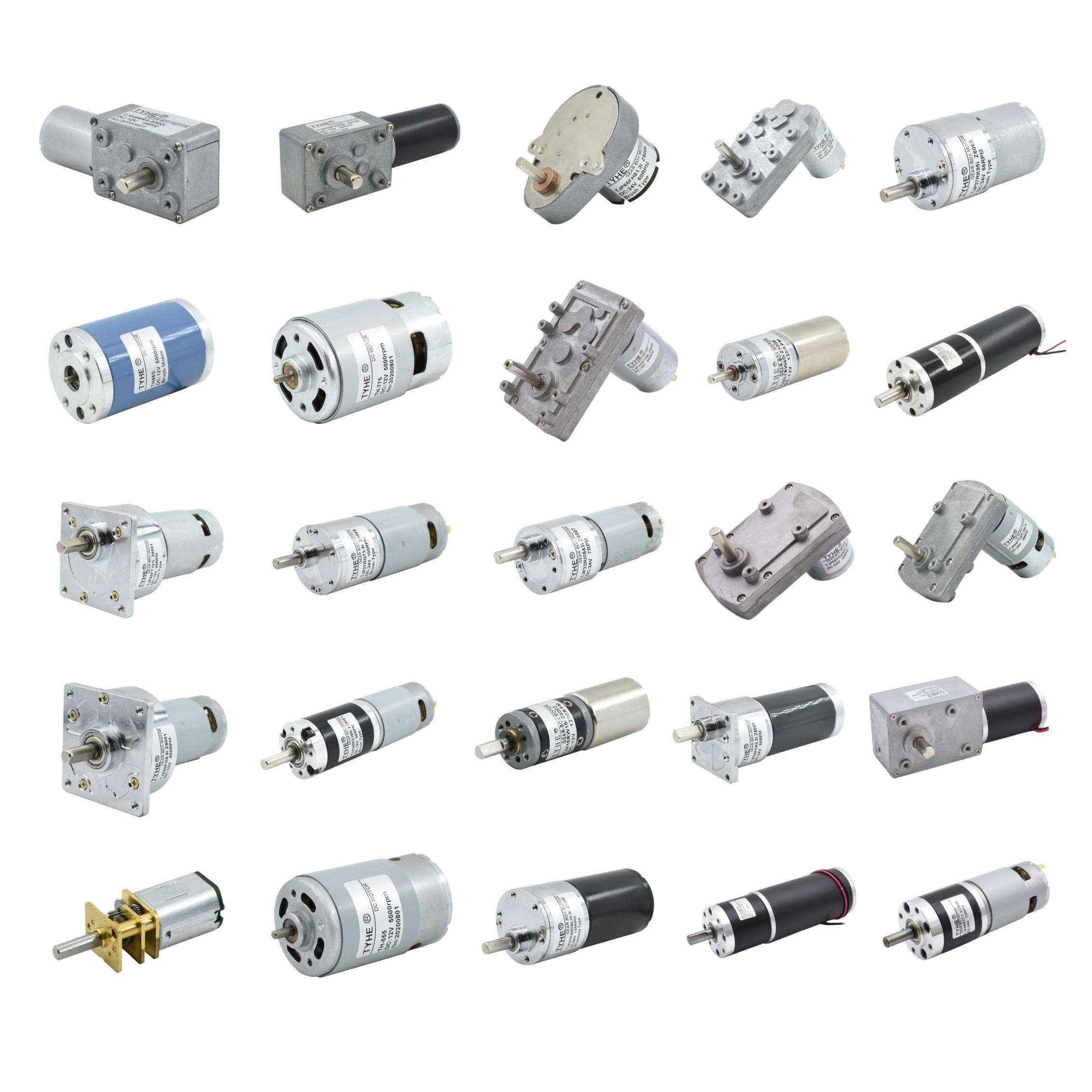
The dc motor has been a cornerstone of electromechanical engineering for well over a century, yet the pace of innovation entering 2026 is arguably the most dramatic the industry has ever seen. Driven by the electrification of transportation, the rise of autonomous systems, and increasingly demanding industrial automation requirements, engineers and procurement professionals alike are watching the dc motor landscape transform in real time. Understanding where this technology is heading is no longer a matter of academic curiosity — it is a practical business imperative for anyone specifying, purchasing, or designing with these components.
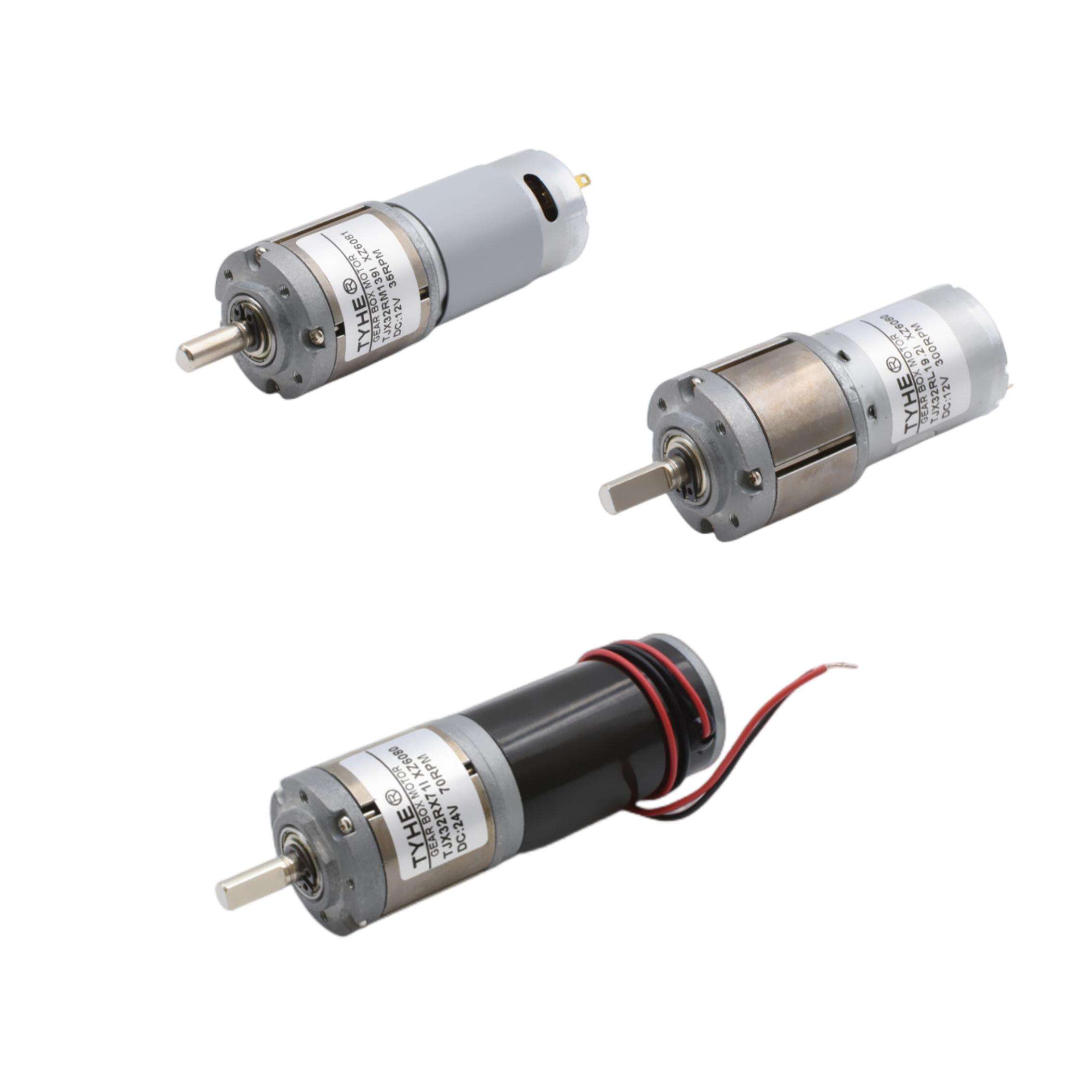
From advanced magnetic materials and intelligent control electronics to miniaturization breakthroughs and sustainability-focused manufacturing, the dc motor is being reimagined from the inside out. This article explores the most significant innovation trends shaping dc motor design heading into 2026, offering decision-useful insight for engineers, product developers, and industrial buyers who need to stay ahead of the curve.
Advanced Materials Reshaping DC Motor Performance
High-Energy Permanent Magnets and Their Impact
One of the most consequential material innovations influencing dc motor design is the ongoing refinement of high-energy permanent magnets. Neodymium-iron-boron (NdFeB) magnets have long been the gold standard in brushless dc motor construction, but engineers are now pushing the boundaries of coercivity and remanence to extract more torque from smaller form factors. In 2026, we are seeing the commercialization of grain-boundary-diffusion-treated magnets that deliver higher thermal stability without increasing the overall magnet mass, a critical advantage in thermally constrained applications.
This matters enormously for compact dc motor designs used in robotics, electric two-wheelers, and medical devices, where heat management and spatial economy are both non-negotiable. The ability to sustain strong magnetic flux at elevated operating temperatures allows the dc motor to maintain consistent performance across demanding duty cycles. Designers can now specify smaller motors without sacrificing the torque density their systems require, enabling lighter and more energy-efficient end products.
Beyond NdFeB refinements, there is also growing interest in ferrite-composite hybrid arrangements that reduce dependence on rare-earth supply chains. While these hybrids do not fully match the energy density of pure rare-earth solutions, they offer a compelling cost-resilience tradeoff that procurement teams in 2026 are beginning to factor into sourcing strategies more seriously than ever before.
Soft Magnetic Composites and Core Efficiency
The stator core of a dc motor is another area undergoing significant material evolution. Soft magnetic composites (SMCs) are increasingly replacing traditional laminated silicon steel in high-frequency dc motor designs. SMCs allow for three-dimensional flux conduction, which opens up entirely new possibilities for winding geometry and core shaping that were previously impossible with conventional lamination stacks.
The practical benefit is a measurable reduction in core losses at higher switching frequencies, which directly translates to improved efficiency across the dc motor's operating range. For applications where variable-speed operation is the norm — such as industrial conveyors, HVAC fans, or electric vehicle auxiliary systems — this reduction in iron losses can represent a meaningful improvement in total energy consumption over the product lifecycle.
SMC-based dc motor stators are also more amenable to near-net-shape manufacturing processes, reducing material waste and enabling more complex geometries without the multi-step stamping and stacking processes associated with conventional cores. This manufacturing simplification is expected to accelerate SMC adoption considerably as we move deeper into 2026.
Intelligent Control Integration in Modern DC Motor Design
Embedded Sensing and Closed-Loop Precision
The integration of sensing technology directly within the dc motor housing is one of the defining trends of 2026. Rather than relying on external encoders or tachometers mounted separately in a drivetrain, next-generation dc motor designs are incorporating Hall-effect sensors, temperature monitors, and current-sense resistors as standard features within the motor assembly itself. This embedded sensing approach dramatically reduces system complexity and wiring overhead while providing richer, real-time feedback to the controller.
Closed-loop control enabled by embedded sensors allows a dc motor to self-correct for load variations, temperature drift, and supply voltage fluctuations without human intervention. In precision applications such as collaborative robotics, automated laboratory equipment, and semiconductor handling systems, this level of response is not merely desirable — it is a fundamental requirement. The dc motor effectively becomes an intelligent actuator rather than a passive mechanical component.
Looking ahead, the trend is moving toward multi-sensor fusion within a single dc motor unit, combining position, velocity, torque, and thermal data streams that are processed onboard and communicated to system controllers via digital interfaces. This shift is narrowing the functional gap between discrete motor-and-driver combinations and fully integrated smart actuators.
Digital Communication Protocols and Industry 4.0 Readiness
A key enabling factor for intelligent dc motor systems is the adoption of standardized digital communication protocols. In 2026, CAN bus, EtherCAT, and IO-Link interfaces are appearing more frequently in dc motor drive packages, allowing seamless integration into broader automation architectures. This connectivity ensures that each dc motor in a multi-axis system can be monitored, configured, and diagnosed remotely without physical access to the motor itself.
For plant managers and system integrators, this connectivity translates into predictive maintenance capability. Historical torque profiles, vibration signatures, and thermal trends logged from a dc motor can be analyzed against baseline models to identify wear patterns before they result in unplanned downtime. This shift from reactive to predictive maintenance represents a compelling total-cost-of-ownership advantage that is accelerating the adoption of digitally enabled dc motor platforms.
The emergence of edge-computing modules co-packaged with dc motor drives is also gaining traction. Rather than sending raw sensor data to a central server, these edge nodes perform local inference — identifying anomalies and triggering responses in milliseconds. For time-sensitive applications, this architecture provides the responsiveness of local control while maintaining the visibility benefits of connected systems.
Miniaturization and High Power Density Design
Thermal Management Innovations Enabling Smaller Form Factors
Miniaturization continues to be a dominant design objective for the dc motor market heading into 2026. As end products across industries — from wearable medical devices to compact drones — demand ever-smaller motor packages without sacrificing output, thermal management has emerged as the critical engineering bottleneck. A dc motor generates heat proportional to its losses, and as form factors shrink, removing that heat becomes increasingly challenging.
Innovations in thermal interface materials, copper-filled epoxy potting compounds, and advanced winding impregnation techniques are enabling dc motor designers to operate at higher current densities than previously feasible. Some leading designs are now using thermally conductive slot liners that channel heat from the windings directly into the stator housing and then into a thermal mass or heat sink, shortcutting the traditional heat path through the airgap and rotor structure.
Phase-change materials are also being evaluated for integration into dc motor housings in applications with intermittent duty cycles. During peak load events, these materials absorb thermal energy as latent heat, preventing temperature spikes that would otherwise limit the motor's continuous current rating. This passive thermal buffering can effectively increase the short-term power density of a dc motor without any additional active cooling infrastructure.
Coreless and Ironless DC Motor Architectures
Coreless dc motor designs, which eliminate the iron stator core entirely by winding conductors in a self-supporting cylinder or disk arrangement, are gaining significant commercial traction in 2026. By removing the core, these designs eliminate iron losses completely and achieve extremely low inertia, making them ideal for applications requiring very fast dynamic response, such as haptic actuators, surgical tools, and high-speed inspection equipment.
The absence of cogging torque — a phenomenon caused by the interaction between rotor magnets and stator teeth in conventional dc motor designs — means coreless motors provide exceptionally smooth rotation even at very low speeds. This characteristic is particularly valued in precision positioning systems where torque ripple would introduce unacceptable positioning errors.
Disk-type (axial flux) coreless dc motor configurations are also attracting engineering interest for their exceptional power-to-weight ratios and the ability to stack multiple rotor-stator assemblies on a common shaft to scale torque without proportionally increasing motor length. These stackable architectures offer a degree of modularity that is well aligned with the flexible manufacturing requirements of 2026's product development cycles.
Sustainability and Efficiency as Design Mandates
IE Efficiency Class Compliance and Energy Regulations
Regulatory pressure on motor efficiency is intensifying globally, and the dc motor sector is not exempt from this trend. While traditional IE (International Efficiency) classification frameworks were originally developed with AC induction motors in mind, analogous efficiency benchmarking methodologies are being applied to brushless dc motor drives in an increasing number of jurisdictions and industry standards bodies.
For manufacturers and system designers specifying a dc motor in 2026, efficiency documentation is no longer optional for many procurement processes. End customers in the industrial, HVAC, and mobility sectors are requiring verifiable efficiency data across the full speed-torque operating map, not just at nominal conditions. This is driving dc motor designers to optimize winding configurations, magnet arrangements, and bearing choices to achieve flat efficiency curves that remain high across a broad operating range.
The business implication is clear: a dc motor that delivers 92% efficiency at full load but drops to 75% efficiency at partial load — which may represent the majority of actual operating hours — will be increasingly disadvantaged in competitive evaluations against designs optimized for the real-world duty cycle. Engineering teams must now treat efficiency-map optimization as a primary design objective rather than a secondary consideration.
Sustainable Manufacturing and End-of-Life Considerations
Sustainability is reshaping the upstream and downstream aspects of dc motor manufacturing. On the materials side, efforts to reduce or eliminate hazardous substances from insulation systems, adhesives, and coatings are advancing in parallel with broader RoHS and REACH compliance requirements. Water-based varnishes and bio-derived insulation films are entering commercial dc motor production lines, reducing solvent emissions during manufacturing without compromising electrical performance.
End-of-life disassembly and material recovery are also receiving more engineering attention. A dc motor designed with separable magnet assemblies and recyclable housing materials can recover significantly more material value at end of life compared to a conventionally potted assembly where rare-earth magnets are bonded irreversibly into the structure. As extended producer responsibility regulations expand, this design-for-disassembly mindset is transitioning from a nice-to-have to a competitive differentiator.
Supply chain transparency regarding conflict minerals and rare-earth provenance is also increasingly demanded by large industrial and automotive customers. Dc motor suppliers who can provide credible traceability documentation are gaining procurement preference, and this is influencing sourcing decisions all the way back to magnet and copper wire procurement at the sub-component level.
FAQ
What makes a brushless dc motor different from a brushed dc motor in terms of 2026 design trends?
A brushless dc motor eliminates physical commutation brushes by using electronic switching, which reduces mechanical wear and allows for higher speeds and longer service life. In 2026, brushless designs are the primary recipients of advances in embedded sensing, high-energy magnets, and digital communication integration, as their electronic drive systems provide a natural platform for intelligent control features. Brushed dc motor designs still serve cost-sensitive and mechanically simpler applications, but the dominant innovation activity is concentrated in the brushless segment.
How does embedded thermal sensing improve the real-world performance of a dc motor?
Embedded thermal sensors allow a dc motor controller to monitor winding and magnet temperatures continuously during operation. When temperatures approach critical limits, the controller can reduce current proactively rather than waiting for a thermal protection trip event. This active thermal management extends insulation life, prevents demagnetization of permanent magnets, and allows the motor to operate closer to its true thermal limits on a sustained basis, improving both reliability and effective power density compared to designs relying only on external thermal protection.
Are coreless dc motor designs suitable for high-torque industrial applications?
Coreless dc motor designs excel in low-to-medium torque applications where dynamic response, smooth rotation, and low inertia are the primary requirements. For very high continuous torque demands, conventional iron-core designs typically remain more suitable due to their ability to concentrate flux and support higher slot fill. However, stackable axial-flux coreless configurations are narrowing this gap, and for applications where a combination of low inertia and moderate torque is needed, coreless designs in 2026 are a genuinely competitive choice.
How should procurement teams evaluate dc motor efficiency claims from suppliers?
Procurement teams should request full efficiency maps showing motor performance across the relevant speed and torque operating range, rather than accepting single-point efficiency figures at nominal conditions. It is important to compare efficiency at the actual duty point where the dc motor will spend most of its operating hours, as this most accurately reflects real-world energy consumption. Verifiable test data produced according to recognized standards provides a more reliable basis for comparison than marketing specifications alone.
Table of Contents
- Advanced Materials Reshaping DC Motor Performance
- Intelligent Control Integration in Modern DC Motor Design
- Miniaturization and High Power Density Design
- Sustainability and Efficiency as Design Mandates
-
FAQ
- What makes a brushless dc motor different from a brushed dc motor in terms of 2026 design trends?
- How does embedded thermal sensing improve the real-world performance of a dc motor?
- Are coreless dc motor designs suitable for high-torque industrial applications?
- How should procurement teams evaluate dc motor efficiency claims from suppliers?
