
 EN
EN
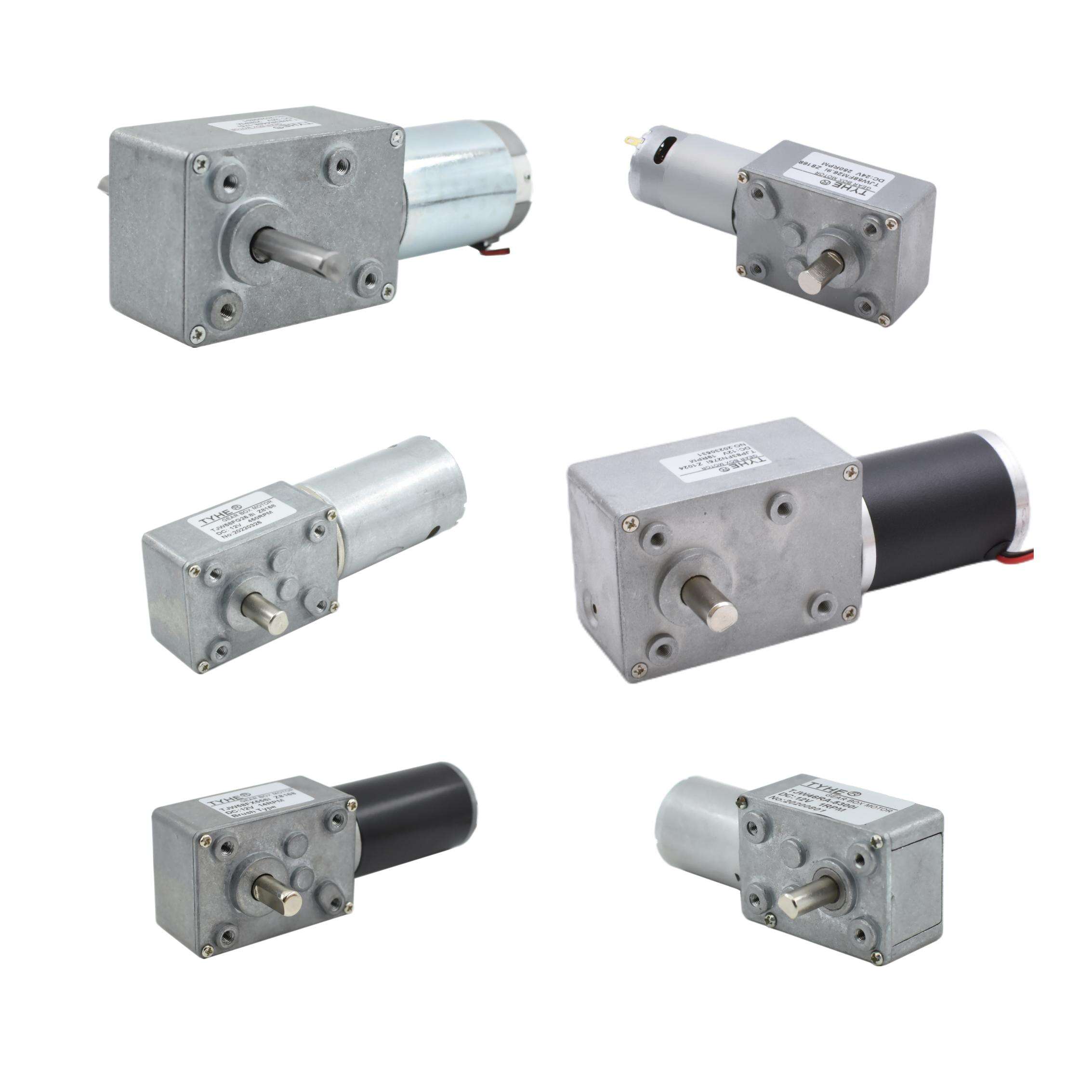
In the world of industrial automation and precision motion control, the DC Motor remains a fundamental component due to its excellent torque characteristics and ease of speed regulation. However, the very electrical and mechanical processes that make these motors efficient also generate a significant byproduct: heat. Thermal management is not merely a maintenance consideration; it is a critical design requirement. Excess heat is the leading cause of premature motor failure, as it degrades insulation, weakens magnetic fields, and increases the internal resistance of the windings.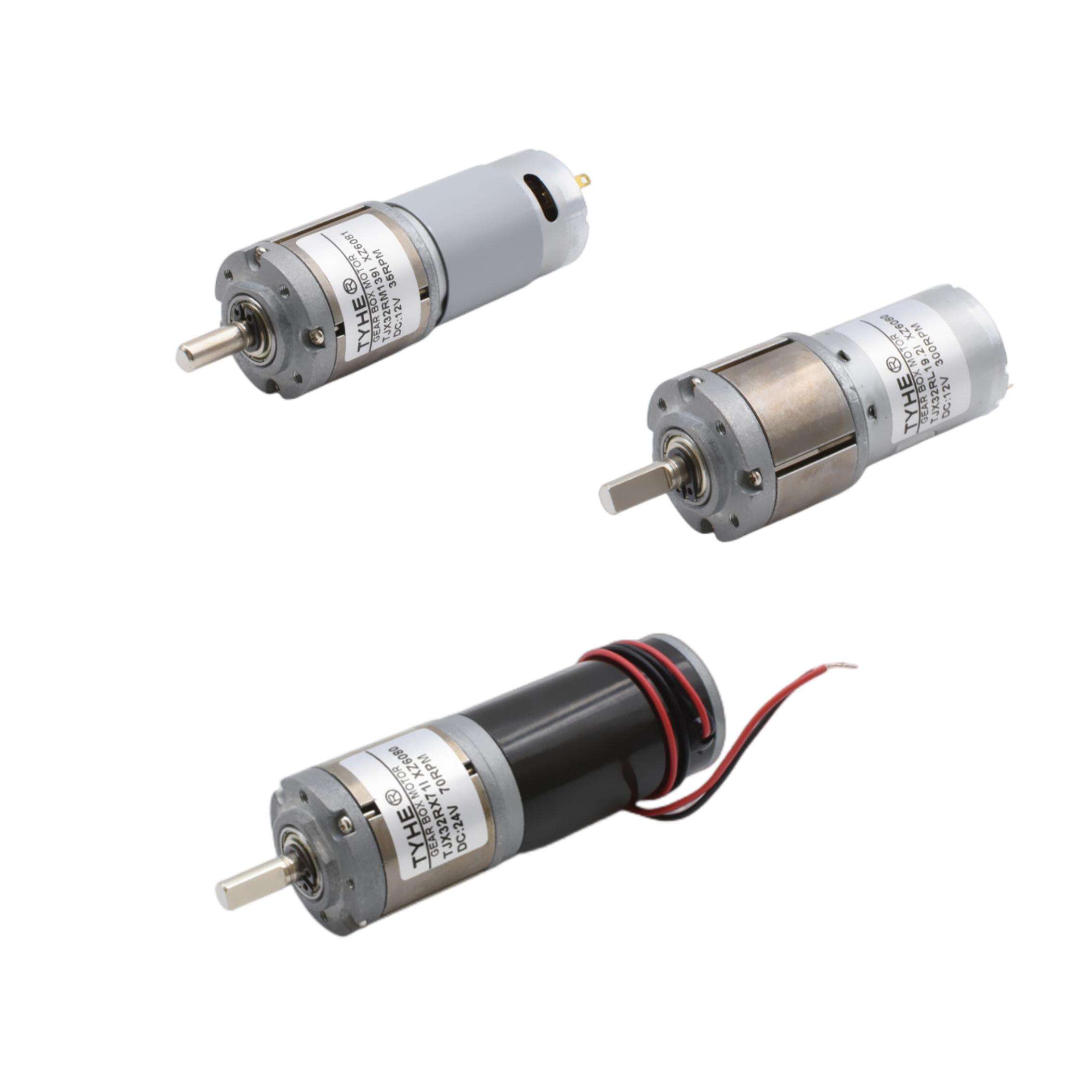
Implementing effective cooling techniques is essential for any application where a DC Motor operates under high load or in restricted environments. Whether you are dealing with small brushed motors in consumer electronics or large brushless systems in electric vehicles and industrial robotics, understanding the thermal limits of your hardware is the first step toward ensuring operational longevity. A well-cooled motor can run closer to its peak performance specifications for longer periods without the risk of catastrophic "burnout."
Passive vs. Active Cooling Strategies
The selection of a cooling method depends largely on the power density of the DC Motor and the space available in the system housing. Passive cooling is the most common starting point, relying on the natural dissipation of heat through radiation and convection. Manufacturers often design motor housings with integrated fins or heat sinks made of aluminum or other high-conductivity metals. These fins increase the surface area exposed to the air, allowing heat to escape more efficiently without the need for additional power-consuming components.
However, in high-duty cycle applications, passive methods often fall short. This is where active cooling techniques become necessary. Forced air cooling, utilizing integrated or external fans, is the industry standard for most medium-power motors. By moving a constant stream of air over the motor's internal components or exterior casing, the rate of heat transfer is significantly increased. For the most demanding environments, such as high-performance racing or heavy industrial machinery, liquid cooling systems are employed. These systems circulate a coolant—usually water or a specialized oil—through a jacket surrounding the motor, providing the highest possible thermal dissipation.
Technical Performance and Cooling Efficiency
When designing a thermal management system, it is vital to understand how different cooling methods impact the operating temperature and power output of the motor. The following table provides a comparison of typical cooling techniques used in industrial DC Motor applications.
| Cooling Method | Primary Mechanism | Thermal Efficiency | Typical Application |
| Natural Convection | Heat sinks & fins | Low | Small electronics, low-load toys |
| Forced Air (Internal Fan) | Shaft-mounted fan | Medium | Power tools, domestic appliances |
| Forced Air (External Blower) | Independent electric fan | High | Industrial conveyor systems, CNC |
| Liquid Cooling | Coolant jacket / Radiator | Ultra-High | EV drivetrains, high-torque robotics |
| Phase Change (Heat Pipes) | Evaporative cooling | High | Compact aerospace components |
The Impact of Heat on Motor Components
Overheating affects every internal part of a DC Motor, but the impact on the armature and the magnets is perhaps the most critical. When the temperature of the copper windings exceeds the thermal rating of the varnish insulation—typically Class F (155°C ) or Class H (180°C )—the insulation becomes brittle and eventually fails. This leads to short circuits, which can destroy the motor and potentially damage the connected motor controller or power supply.
Magnets are also highly sensitive to temperature. Every permanent magnet has a "Curie temperature," beyond which it loses its magnetic properties entirely. Even well before reaching that point, high temperatures can cause "reversible demagnetization," where the motor's torque constant (Kt) drops, requiring more current to produce the same amount of work. This creates a dangerous feedback loop: more current generates more heat, which further weakens the magnets, eventually leading to a complete stall or thermal runaway. Proper cooling breaks this cycle, ensuring the motor operates within its "safe operating area" (SOA).
Environmental Factors and Ventilation Design
The physical environment in which the motor resides plays a massive role in cooling effectiveness. A motor placed in a sealed enclosure with no airflow will inevitably overheat, regardless of its internal efficiency. Ventilation design must account for both "inlet" and "exhaust" paths. If you are using forced air cooling, the intake should be positioned to draw in the coolest ambient air available, while the exhaust should be directed away from other heat-sensitive electronics to prevent "heat soaking" the entire system.
In dusty or oily environments, such as woodworking shops or metal machining centers, cooling becomes even more complex. Dust buildup acts as an insulator, trapping heat inside the motor casing and clogging ventilation ports. In these scenarios, manufacturers often opt for Totally Enclosed Fan Cooled (TEFC) designs. These motors are sealed to prevent contaminants from entering the internal windings, but they feature an external fan that blows air over a ribbed frame to dissipate heat. This design balances the need for protection with the requirement for active thermal management.
Frequently Asked Questions (FAQ)
How do I know if my DC Motor is overheating?
The most reliable way to monitor temperature is through integrated sensors like NTC thermistors or PT100 probes embedded in the windings. Without sensors, a common sign of overheating is a distinct "electrical" smell (the smell of hot varnish) or a sudden drop in performance. You can also use an infrared thermometer to check the external casing; if the surface exceeds 80°C to 90°C in a standard industrial motor, it is likely running too hot.
Does a brushless DC motor run cooler than a brushed motor?
Generally, yes. In a brushless motor, the windings are located on the outer stator, which is in direct contact with the motor's housing. This makes it much easier for heat to dissipate into the environment. In a brushed motor, the heat is generated on the internal rotor (armature), making it harder for the heat to escape through the air gap and the permanent magnets to the outside world.
Can I over-cool a motor?
While it is difficult to "over-cool" a motor in a way that damages it, excessive cooling can lead to condensation in humid environments. If the motor's temperature drops below the dew point of the surrounding air, moisture can form on the internal electronics, leading to corrosion or short circuits. Thermal management should aim for a stable, optimal operating temperature rather than the lowest possible temperature.
What is the role of "duty cycle" in overheating?
Duty cycle refers to the ratio of time a motor is on versus the time it is off. A motor with a "Continuous Duty" rating is designed to run indefinitely at its rated load without overheating. A motor with a "Periodic Duty" rating must have "off periods" to allow accumulated heat to dissipate. If you run a periodic-duty motor continuously, it will overheat even if you are not exceeding its peak torque rating.
Strategic Conclusion for Thermal Management
Selecting and maintaining a DC Motor requires a proactive approach to heat. By matching the cooling technique to the specific load requirements and environmental constraints of your application, you can significantly extend the MTBF (Mean Time Between Failures). From simple heat sinks to advanced liquid jackets, the goal remains the same: protecting the integrity of the windings and the strength of the magnets. As industrial demands push motors to be smaller and more powerful, the science of preventing overheating will continue to be the cornerstone of reliable mechanical engineering.
