
 EN
EN
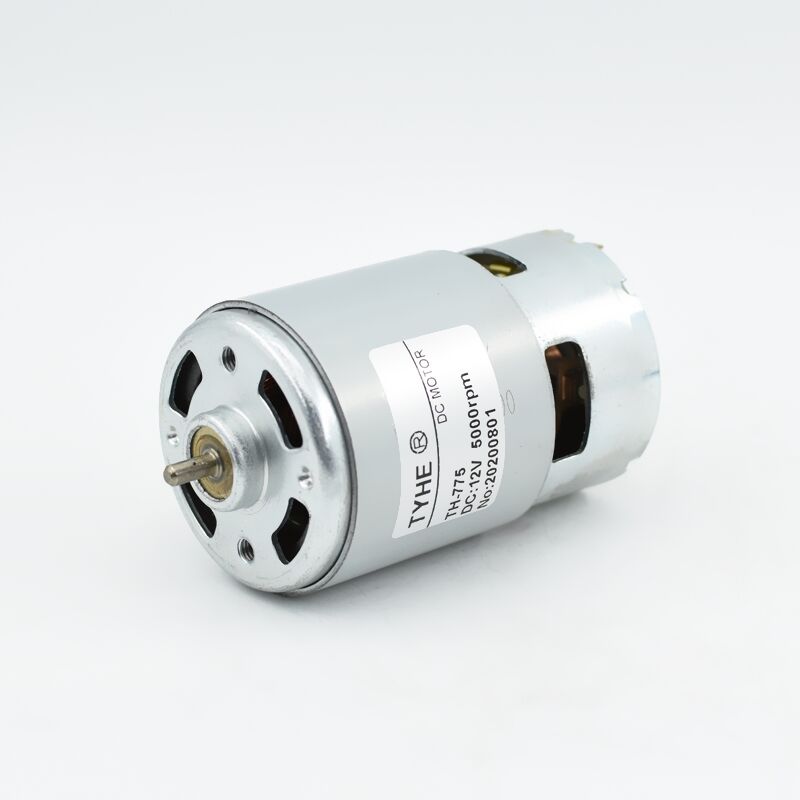
Understanding how a dc gear motor increases torque efficiency requires examining the fundamental mechanical principles that drive this powerful combination of technologies. A dc gear motor achieves superior torque multiplication through the integration of a direct current motor with a precision gear reduction system, creating a synergistic effect that dramatically enhances output torque while maintaining energy efficiency. This mechanical advantage transforms the high-speed, low-torque characteristics of a standard DC motor into a high-torque, controlled-speed output that serves countless industrial applications.
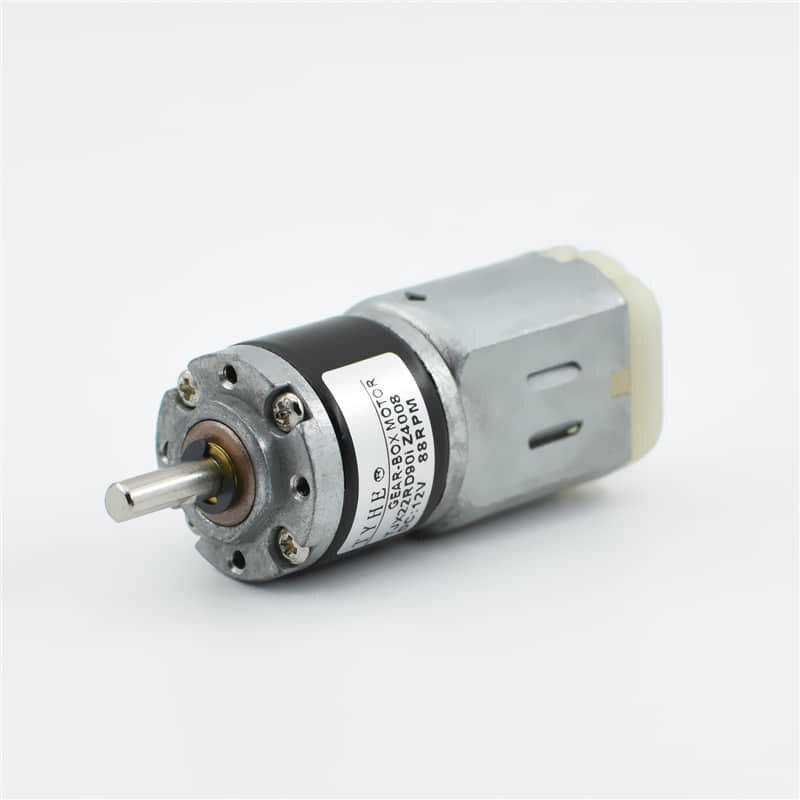
The torque efficiency enhancement in a dc gear motor stems from the mathematical relationship between speed reduction and torque multiplication, where the gear train acts as a mechanical lever system that amplifies the motor's rotational force. This process converts the motor's natural high-speed rotation into lower-speed, higher-torque output while maintaining overall power efficiency through carefully engineered gear ratios. The result is a drive system that can deliver substantially more usable torque at the output shaft compared to the original motor torque, making it ideal for applications requiring precise control and substantial rotational force.
Fundamental Torque Multiplication Mechanics
Gear Ratio Physics and Torque Amplification
The core principle behind how a dc gear motor increases torque efficiency lies in the mechanical advantage created by the gear reduction system. When a dc gear motor operates, the gear train multiplies the input torque by the same factor that it reduces the output speed, following the fundamental conservation of energy principle. For example, a 10:1 gear ratio in a dc gear motor theoretically multiplies the input torque by ten while reducing the output speed to one-tenth of the motor's original RPM.
This torque multiplication occurs because the smaller input gear drives larger output gears, creating a mechanical leverage effect similar to using a wrench with a longer handle. The dc gear motor's efficiency in this process depends on the quality of gear manufacturing, lubrication systems, and the precision of gear mesh interfaces. High-quality gear trains in a dc gear motor can achieve efficiency rates exceeding 90%, meaning that most of the input power is successfully converted to useful output torque rather than being lost to friction or heat.
The mathematical relationship governing torque multiplication in a dc gear motor follows the equation: Output Torque = Input Torque × Gear Ratio × Efficiency Factor. This formula demonstrates why a dc gear motor can produce dramatically higher torque outputs than the base motor alone, making it possible to drive heavy loads, overcome high starting inertia, and maintain precise positioning control under varying load conditions.
Energy Conservation and Power Transfer Efficiency
A dc gear motor maintains high efficiency during torque multiplication because the gear system conserves mechanical energy while transforming its characteristics. The power equation (Power = Torque × Angular Velocity) remains balanced, meaning that when torque increases through gear reduction, the angular velocity decreases proportionally. This energy conservation principle ensures that a dc gear motor doesn't create energy from nothing but rather redistributes the motor's power output in a more useful form for specific applications.
The efficiency of power transfer in a dc gear motor depends significantly on the type and quality of gears used in the reduction system. Helical gears, commonly found in high-performance dc gear motor designs, offer superior efficiency compared to spur gears due to their smoother engagement and reduced backlash. The gradual engagement of helical gear teeth distributes load more evenly, reducing stress concentrations and minimizing energy losses during power transmission.
Heat generation represents the primary source of energy loss in a dc gear motor system, occurring primarily at gear mesh interfaces and motor windings. Modern dc gear motor designs incorporate advanced lubrication systems, precision manufacturing tolerances, and optimized gear tooth profiles to minimize these losses and maintain high overall efficiency throughout the torque multiplication process.
Motor-Gear Integration Optimization
Electrical Input Characteristics and Motor Performance
The electrical characteristics of the DC motor component within a dc gear motor directly influence the system's overall torque efficiency. DC motors naturally produce maximum torque at zero speed and maintain relatively constant torque across their operating speed range, making them ideal candidates for gear reduction applications. When integrated into a dc gear motor configuration, this torque characteristic curve becomes even more pronounced at the output shaft, providing exceptional starting torque and load-handling capability.
The current-to-torque relationship in a dc gear motor remains linear and predictable, allowing for precise torque control through electrical input modulation. This characteristic enables a dc gear motor to respond quickly to load changes while maintaining consistent output torque, making it particularly valuable in applications requiring dynamic load handling or precise positioning. The motor's electrical efficiency directly translates to the overall system efficiency, emphasizing the importance of motor selection and drive electronics in maximizing the dc gear motor's torque efficiency.
Voltage regulation and current control in a dc gear motor system significantly impact torque delivery efficiency. Proper electrical management ensures that the motor operates within its optimal efficiency zone while providing the necessary torque multiplication through the gear system. Advanced dc gear motor controllers can optimize electrical input parameters in real-time, adjusting for load variations and maintaining peak efficiency across different operating conditions.
Mechanical Integration and System Harmony
The mechanical integration between the motor and gear components in a dc gear motor requires precise engineering to achieve optimal torque efficiency. The shaft coupling between motor and gearbox must accommodate thermal expansion, vibration, and minor misalignments while maintaining rigid torque transfer. High-quality dc gear motor designs often incorporate flexible couplings or direct mounting systems that eliminate potential efficiency losses at this critical interface.
Bearing selection and placement within a dc gear motor significantly affect both efficiency and longevity. The gear reduction system introduces additional radial and axial loads that must be properly supported to prevent energy losses through friction and maintain precise gear mesh geometry. Premium dc gear motor designs utilize sealed bearings with appropriate load ratings and lubrication systems to minimize friction losses while ensuring long-term reliability under high-torque conditions.
The housing design of a dc gear motor plays a crucial role in maintaining efficiency by providing proper heat dissipation and environmental protection. Efficient heat removal prevents thermal expansion that could affect gear clearances and increase friction losses. Additionally, effective sealing systems in a dc gear motor protect internal components from contamination that could reduce efficiency and increase wear rates over time.
Load Matching and Application Optimization
Torque Curve Optimization for Specific Applications
Optimizing a dc gear motor for maximum torque efficiency requires careful matching of the motor characteristics, gear ratio, and load requirements. The ideal dc gear motor selection involves analyzing the application's torque-speed requirements and selecting a gear ratio that places the motor in its most efficient operating range while providing the necessary output torque. This optimization process ensures that the dc gear motor operates at peak efficiency rather than being oversized or operating in inefficient speed ranges.
Load inertia matching represents a critical factor in dc gear motor efficiency optimization. When the reflected load inertia closely matches the motor's rotor inertia through the gear reduction, the system achieves optimal dynamic response and energy efficiency. This matching principle helps minimize energy waste during acceleration and deceleration cycles, particularly important in applications with frequent start-stop operations or rapid positioning requirements.
The duty cycle characteristics of an application significantly influence dc gear motor efficiency optimization. Continuous-duty applications benefit from different optimization strategies compared to intermittent or positioning applications. A properly optimized dc gear motor system considers thermal management, electrical efficiency curves, and mechanical stress patterns to maintain high torque efficiency throughout the intended operating cycle.
Dynamic Response and Control Integration
The dynamic response characteristics of a dc gear motor system directly impact its practical torque efficiency in real-world applications. The gear reduction inherently increases the system's reflected inertia, which affects acceleration capabilities and settling time. However, this increased inertia also provides natural damping that can improve system stability and reduce the need for active damping controls, potentially increasing overall system efficiency.
Control system integration with a dc gear motor can significantly enhance torque efficiency through advanced algorithms that optimize motor current, voltage, and timing based on real-time load conditions. Modern dc gear motor controllers can implement efficiency optimization routines that automatically adjust operating parameters to maintain peak efficiency while meeting torque and speed requirements. These systems can also provide predictive maintenance capabilities by monitoring efficiency trends and identifying potential problems before they impact performance.
Feedback integration in dc gear motor systems enables precise torque control and efficiency monitoring. Encoder feedback allows for accurate speed and position control, while current sensors provide real-time torque feedback. This information enables the control system to optimize the dc gear motor operation for maximum efficiency while maintaining precise output characteristics required by the application.
Efficiency Enhancement Technologies
Advanced Gear Technologies and Manufacturing
Modern manufacturing techniques have significantly improved the torque efficiency capabilities of dc gear motor systems through precision gear cutting and surface treatments. Advanced hobbing and grinding processes create gear teeth with superior surface finishes and dimensional accuracy, reducing friction losses and improving power transmission efficiency. These manufacturing improvements enable a dc gear motor to maintain high efficiency even under heavy load conditions where traditional gear systems might experience significant losses.
Specialized gear materials and heat treatments in contemporary dc gear motor designs contribute to enhanced torque efficiency through reduced friction and improved wear resistance. Case-hardened gears provide extremely hard wearing surfaces while maintaining tough, ductile cores that resist shock loads. These materials improvements allow a dc gear motor to maintain consistent efficiency throughout its operational life, even in demanding industrial environments.
Lubrication technology advances have substantially improved dc gear motor efficiency through synthetic lubricants and precision application systems. Modern synthetic gear oils provide superior film strength, reduced friction coefficients, and extended temperature ranges compared to conventional lubricants. These improvements directly translate to higher torque efficiency in dc gear motor applications, particularly in environments with varying temperature conditions or high-duty cycle operations.
Electronic Control and Monitoring Systems
Electronic control advances have revolutionized dc gear motor efficiency through sophisticated drive algorithms and real-time optimization systems. Variable frequency drives specifically designed for dc gear motor applications can optimize electrical input parameters to maintain peak motor efficiency while providing the necessary torque multiplication. These systems continuously monitor operating conditions and adjust control parameters to maximize overall system efficiency.
Predictive maintenance capabilities in modern dc gear motor systems help maintain optimal torque efficiency throughout the equipment lifecycle. Advanced monitoring systems track efficiency trends, vibration patterns, and thermal characteristics to identify potential problems before they impact performance. This proactive approach ensures that a dc gear motor maintains its designed efficiency levels and prevents gradual degradation that could reduce torque output or increase energy consumption.
Integration capabilities with industrial automation systems allow dc gear motor efficiency to be optimized as part of larger process control strategies. These systems can coordinate multiple dc gear motor units to minimize overall energy consumption while maintaining required process outputs. Advanced control algorithms can also implement energy recovery systems in applications with regenerative braking opportunities, further enhancing overall system efficiency.
FAQ
What is the typical efficiency range for a modern dc gear motor system?
Modern dc gear motor systems typically achieve overall efficiencies ranging from 75% to 95%, depending on the gear type, quality, and operating conditions. High-end planetary gear systems can reach efficiencies above 90%, while worm gear configurations may operate in the 60-80% range. The motor efficiency, typically 80-90% for quality DC motors, combines with gear efficiency to determine overall system performance.
How does gear ratio selection affect the torque efficiency of a dc gear motor?
Gear ratio selection directly impacts dc gear motor efficiency by determining the operating point of both the motor and gear system. Higher gear ratios provide greater torque multiplication but may reduce overall efficiency due to increased gear stages and friction losses. Optimal efficiency occurs when the gear ratio allows the motor to operate in its peak efficiency zone while providing the required output torque for the application.
Can a dc gear motor maintain consistent torque efficiency under varying load conditions?
A well-designed dc gear motor can maintain relatively consistent torque efficiency across a range of load conditions, particularly when equipped with appropriate control systems. The DC motor's flat torque curve characteristics help maintain stable efficiency, while modern electronic controls can optimize operating parameters in real-time to compensate for load variations and maintain peak efficiency throughout the operating range.
What maintenance practices are essential for maintaining dc gear motor torque efficiency?
Essential maintenance practices for maintaining dc gear motor efficiency include regular lubrication monitoring and replacement, bearing inspection and replacement, electrical connection maintenance, and periodic efficiency testing. Proper lubrication is critical for minimizing gear friction losses, while clean electrical connections ensure optimal motor efficiency. Regular monitoring of operating temperatures and vibration levels helps identify potential problems before they impact efficiency.
Table of Contents
- Fundamental Torque Multiplication Mechanics
- Motor-Gear Integration Optimization
- Load Matching and Application Optimization
- Efficiency Enhancement Technologies
-
FAQ
- What is the typical efficiency range for a modern dc gear motor system?
- How does gear ratio selection affect the torque efficiency of a dc gear motor?
- Can a dc gear motor maintain consistent torque efficiency under varying load conditions?
- What maintenance practices are essential for maintaining dc gear motor torque efficiency?
