All Categories

2026 Guide: Choosing the Best 24V DC Motor for Your Project

2026-03-11 09:30:00
2026 Guide: Choosing the Best 24V DC Motor for Your Project

The selection of the right 24v dc motor can make or break your engineering project, whether you're developing automated machinery, robotics systems, or precision equipment. With advances in motor technology continuing through 2026, understanding the key specifications, performance characteristics, and application requirements becomes increasingly critical for project success. This comprehensive guide examines the essential factors that determine optimal 24v dc motor selection, helping engineers and designers navigate the complex landscape of modern motor technologies.

24v dc motor

Modern 24v dc motor systems offer exceptional versatility across industrial, commercial, and consumer applications. The 24-volt operating voltage provides an ideal balance between power output and safety considerations, making these motors particularly suitable for battery-powered systems and applications requiring moderate to high torque output. Understanding the fundamental principles governing 24v dc motor operation enables better decision-making throughout the design and implementation phases of any project.

Understanding DC Motor Fundamentals and 24V Applications

Basic Operating Principles of DC Motors

Direct current motors operate on the fundamental principle of electromagnetic induction, where current-carrying conductors in a magnetic field experience mechanical force. The 24v dc motor configuration utilizes this principle to convert electrical energy into rotational mechanical energy with high efficiency and precise control characteristics. The interaction between the rotor windings and permanent magnets or electromagnets creates the torque necessary for various mechanical applications.

The commutation system in traditional brushed 24v dc motor designs ensures proper current direction through the rotor windings, maintaining consistent torque production throughout the rotation cycle. Brushless variants eliminate physical commutation components, utilizing electronic switching circuits to achieve the same result with improved efficiency and reduced maintenance requirements. Both configurations offer distinct advantages depending on the specific application requirements and operational environment.

Advantages of 24-Volt Systems

The 24-volt operating level represents a sweet spot in motor design, offering sufficient power for demanding applications while remaining within safe low-voltage classifications. This voltage level enables 24v dc motor systems to deliver substantial torque output while maintaining compatibility with standard industrial control systems and battery configurations commonly used in mobile and portable applications.

Battery compatibility represents another significant advantage of 24v dc motor systems, as this voltage level aligns perfectly with common battery pack configurations using lead-acid, lithium-ion, or other rechargeable technologies. The ability to operate efficiently from battery power makes these motors ideal for autonomous vehicles, portable equipment, and backup power systems where grid independence is essential.

Motor Types and Configuration Options

Brushed vs Brushless Motor Technologies

Traditional brushed 24v dc motor designs utilize physical carbon brushes to maintain electrical contact with the rotating commutator, providing a simple and cost-effective solution for many applications. These motors offer excellent speed and torque control characteristics, with straightforward implementation requirements that make them popular for applications where simplicity and initial cost considerations are primary concerns.

Brushless 24v dc motor systems eliminate physical brush contact through electronic commutation, resulting in higher efficiency, reduced maintenance requirements, and extended operational life. While initially more expensive, brushless motors provide superior performance in applications requiring high reliability, minimal maintenance access, or operation in challenging environmental conditions where brush wear could compromise system reliability.

Geared Motor Solutions

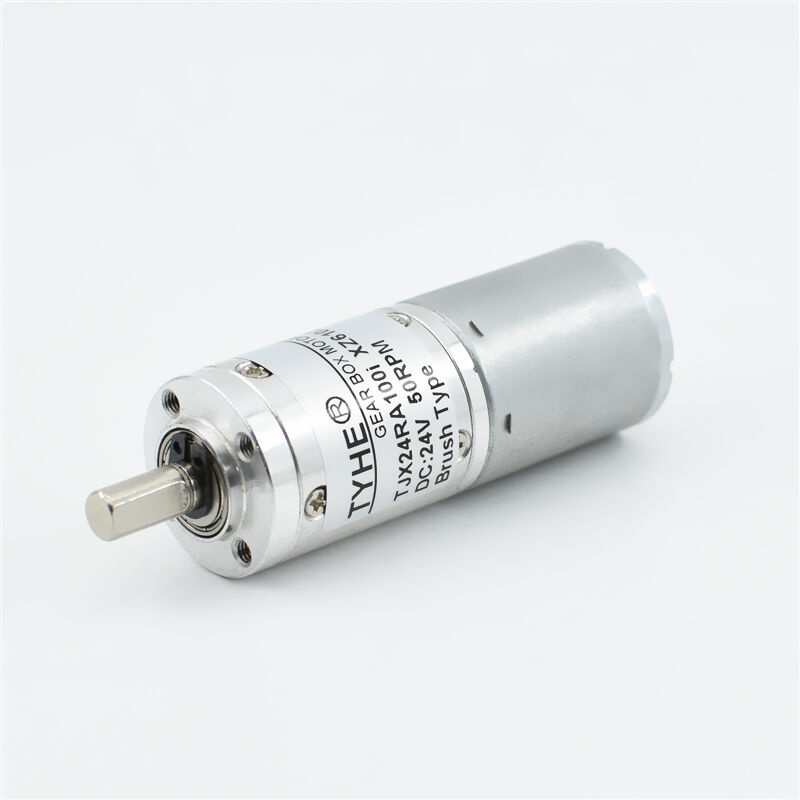
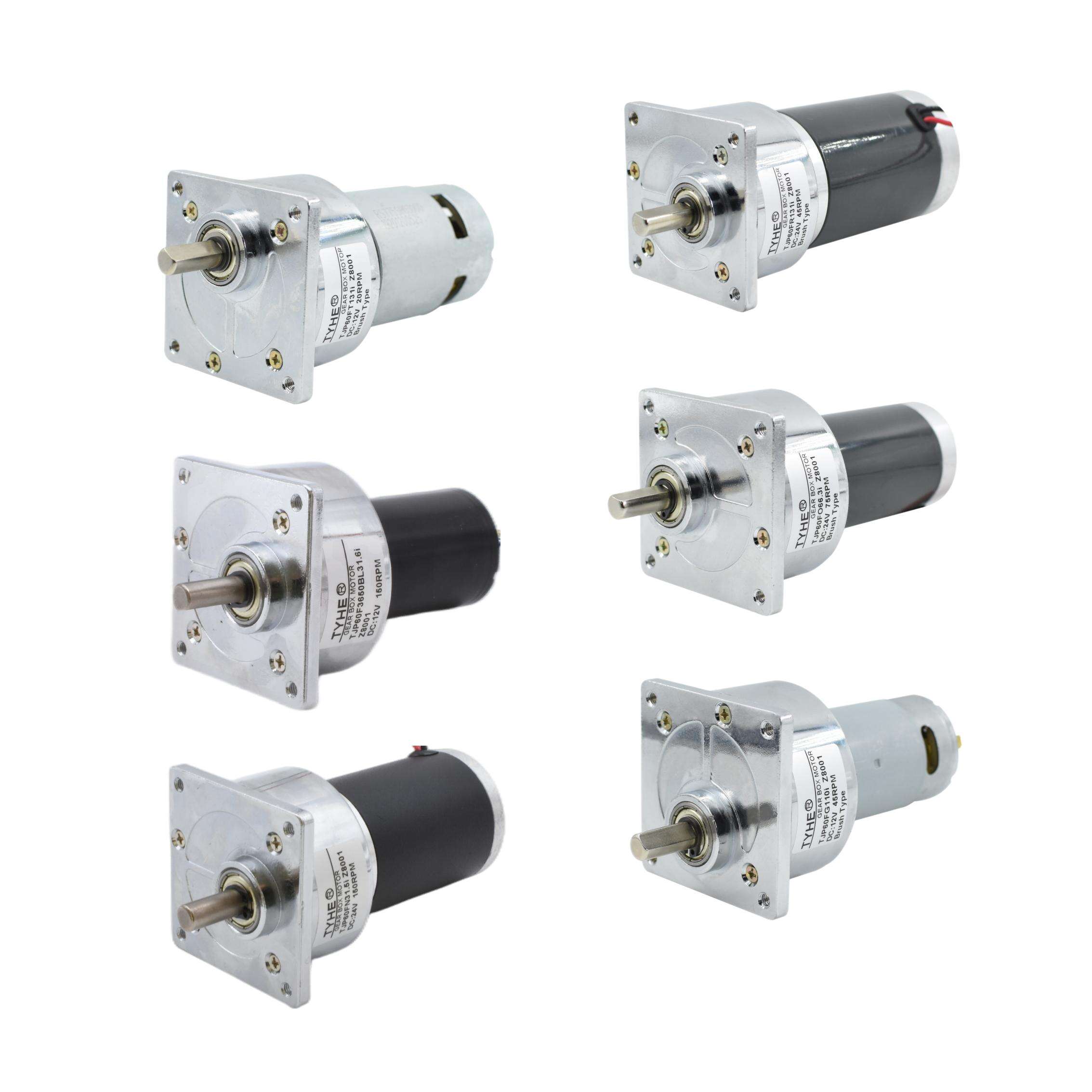
Planetary gearbox integration with 24v dc motor systems enables precise speed reduction while maintaining compact form factors essential for space-constrained applications. These geared motor combinations multiply torque output while reducing rotational speed, making them ideal for applications requiring high torque at relatively low speeds, such as conveyor systems, automated doors, and precision positioning equipment.

The gear reduction ratio directly affects both torque multiplication and speed characteristics of the complete 24v dc motor assembly. Higher reduction ratios provide greater torque output but correspondingly lower maximum speeds, while lower ratios maintain higher speeds with reduced torque multiplication. Selecting the appropriate gear ratio requires careful consideration of application requirements, including load characteristics, speed requirements, and duty cycle considerations.

Technical Specifications and Performance Parameters

Power Ratings and Torque Characteristics

Power output specifications for 24v dc motor systems typically range from fractional horsepower units for light-duty applications to several horsepower for industrial applications requiring substantial mechanical output. Understanding the relationship between voltage, current, and mechanical power output helps determine whether a specific motor configuration will meet application requirements while operating within acceptable efficiency parameters.

Torque characteristics vary significantly across different 24v dc motor designs, with peak torque values occurring at startup conditions and continuous torque ratings representing sustained operation capabilities. The torque-speed curve provides critical information for application matching, showing how available torque decreases as motor speed increases throughout the operational range.

Speed Control and Regulation

Speed control capabilities of 24v dc motor systems enable precise regulation of rotational velocity through various control methods, including pulse width modulation, linear voltage control, and sophisticated electronic speed controllers. The inherent speed-torque characteristics of DC motors provide excellent controllability, making them particularly suitable for applications requiring variable speed operation or precise speed regulation.

Feedback systems integrated with 24v dc motor installations can provide closed-loop speed control with exceptional accuracy and stability. Encoder feedback enables precise speed regulation even under varying load conditions, while also providing position feedback for applications requiring precise positioning capabilities. The combination of inherent DC motor controllability and electronic feedback systems creates highly responsive and accurate motion control solutions.

Application-Specific Selection Criteria

Industrial Automation Applications

Manufacturing automation systems frequently utilize 24v dc motor solutions for conveyor drives, material handling equipment, and assembly line machinery where reliable and controllable motion is essential. The ability to integrate seamlessly with programmable logic controllers and industrial communication networks makes these motors particularly valuable in modern automated manufacturing environments.

Precision positioning applications in industrial settings benefit from the excellent speed control characteristics and high torque output capabilities of properly selected 24v dc motor systems. CNC machinery, automated packaging equipment, and robotic systems rely on the precise control and reliable operation that these motors provide, often in combination with sophisticated feedback and control systems.

Mobile and Portable Equipment

Battery-powered applications represent a significant market segment for 24v dc motor technology, with electric vehicles, portable tools, and mobile equipment benefiting from the efficiency and power characteristics of modern motor designs. The ability to operate efficiently from battery power while providing substantial mechanical output makes these motors essential components in portable and mobile applications.

Marine and recreational vehicle applications frequently specify 24v dc motor systems for winches, pumps, and auxiliary equipment where reliable operation and compatibility with standard battery systems are important considerations. The robust construction and weather resistance capabilities of marine-rated motors ensure reliable operation in challenging environmental conditions commonly encountered in these applications.

Environmental Considerations and Protection Standards

Ingress Protection and Environmental Ratings

Environmental protection standards play a crucial role in 24v dc motor selection for applications exposed to dust, moisture, or harsh operating conditions. IP ratings indicate the level of protection against solid particles and liquid ingress, with higher ratings providing greater protection but often at increased cost and size penalties.

Temperature ratings and thermal management considerations affect both motor performance and operational life in demanding applications. The 24v dc motor operating temperature range must accommodate both ambient conditions and internal heating due to electrical losses, with proper thermal design ensuring reliable operation throughout the intended service life.

Vibration and Shock Resistance

Mechanical robustness requirements vary significantly across different applications, with mobile equipment and transportation systems requiring 24v dc motor designs capable of withstanding substantial vibration and shock loads. Bearing selection, housing construction, and internal component securing all contribute to the overall mechanical durability of the motor system.

Mounting and installation considerations must account for mechanical loads transmitted through the motor housing, ensuring that both the motor and its mounting system can handle operational and shock loads without compromising performance or reliability. Proper mechanical design of the complete installation prevents premature wear and ensures long-term operational success.

Control Systems and Integration

Motor Controllers and Drive Electronics

Electronic motor controllers designed specifically for 24v dc motor applications provide sophisticated control capabilities including speed regulation, current limiting, and protection functions. These controllers integrate seamlessly with modern automation systems, offering communication interfaces and programmable operating parameters that simplify system integration and optimization.

Regenerative braking capabilities in advanced 24v dc motor controllers can recover energy during deceleration phases, improving overall system efficiency and reducing heat generation in the control electronics. This feature proves particularly valuable in applications with frequent start-stop cycles or those requiring precise positioning with controlled deceleration.

Feedback Systems and Sensors

Position and speed feedback sensors integrated with 24v dc motor systems enable closed-loop control with exceptional accuracy and repeatability. Optical encoders, magnetic sensors, and resolver technologies each offer distinct advantages depending on application requirements, environmental conditions, and accuracy specifications.

Current sensing and monitoring capabilities provide valuable diagnostic information about motor performance and system health, enabling predictive maintenance strategies and early detection of potential issues before they result in system failures. These monitoring capabilities prove particularly valuable in critical applications where unexpected downtime could have significant consequences.

Maintenance and Service Considerations

Preventive Maintenance Requirements

Regular maintenance schedules for 24v dc motor systems should address bearing lubrication, brush inspection and replacement where applicable, and electrical connection integrity. Brushed motors require more frequent maintenance attention due to brush wear, while brushless designs typically require only bearing service and electrical connection inspection.

Environmental factors significantly influence maintenance requirements, with motors operating in dusty, humid, or corrosive environments requiring more frequent inspection and service intervals. Establishing appropriate maintenance schedules based on operating conditions and manufacturer recommendations helps ensure reliable long-term operation and prevents premature failures.

Troubleshooting and Diagnostic Techniques

Common 24v dc motor problems include reduced efficiency, unusual noise, excessive heating, and speed regulation issues, each requiring specific diagnostic approaches to identify root causes and appropriate corrective actions. Understanding typical failure modes and their symptoms enables faster problem resolution and reduced downtime.

Advanced diagnostic techniques utilizing vibration analysis, thermal imaging, and electrical signature analysis can detect developing problems before they result in motor failure, enabling proactive maintenance strategies that minimize unexpected downtime and repair costs.

Future Trends and Technology Developments

Advanced Materials and Design Innovations

Emerging magnet materials and improved manufacturing techniques continue to enhance 24v dc motor performance while reducing size and weight penalties. Rare earth magnets and advanced magnetic circuit designs enable higher power density and improved efficiency characteristics compared to traditional motor designs.

Smart motor technologies incorporating embedded sensors and communication capabilities are transforming how 24v dc motor systems integrate with modern automation and control systems. These intelligent motors provide real-time performance data and diagnostic information, enabling more sophisticated control strategies and predictive maintenance approaches.

Efficiency and Environmental Impact

Energy efficiency regulations and environmental consciousness drive continued development of higher-efficiency 24v dc motor designs that reduce power consumption and environmental impact throughout their operational life. Improved manufacturing processes and recyclable materials contribute to reduced environmental impact across the complete product lifecycle.

Integration with renewable energy systems and energy storage technologies positions 24v dc motor systems as key components in sustainable technology solutions, supporting the transition toward more environmentally responsible industrial and consumer applications.

FAQ

What factors determine the appropriate power rating for a 24v dc motor in my application?

Power rating selection depends on the mechanical load requirements, duty cycle, and efficiency considerations of your specific application. Calculate the mechanical power needed based on torque and speed requirements, then factor in motor efficiency to determine electrical power consumption. Consider peak load conditions and safety margins when selecting the final power rating to ensure reliable operation throughout the intended service life.

How do I choose between brushed and brushless 24v dc motor options?

Brushed motors offer lower initial cost and simpler control requirements, making them suitable for cost-sensitive applications with regular maintenance access. Brushless motors provide higher efficiency, longer life, and reduced maintenance but require more sophisticated control electronics. Consider your maintenance capabilities, efficiency requirements, and total lifecycle costs when making this decision.

What environmental protection level do I need for outdoor applications?

Outdoor applications typically require IP65 or higher protection ratings to prevent moisture and dust ingress that could compromise motor performance. Consider additional factors such as temperature extremes, UV exposure, and corrosive environments when selecting appropriate protection levels. Marine applications may require specialized coatings and sealing materials beyond standard IP ratings.

How do I calculate the required gear ratio for my 24v dc motor application?

Determine the gear ratio by dividing the motor's base speed by your required output speed, then verify that the resulting torque multiplication provides adequate output torque for your load requirements. Consider efficiency losses in the gearing system and ensure the motor can provide sufficient input torque throughout the required speed range. Factor in acceleration requirements and duty cycle characteristics when finalizing gear ratio selection.

2026 guide choosing the best 24v dc motor for your project-0