 EN

Electric Hospital and Care Bed Motors: Lifting, Reclining and Infusion Pump Drive
"Holds Under Power Loss · Silent at the Bedside · Sealed Against Disinfectant" — Self-locking worm gear actuation for patient positioning and care equipment
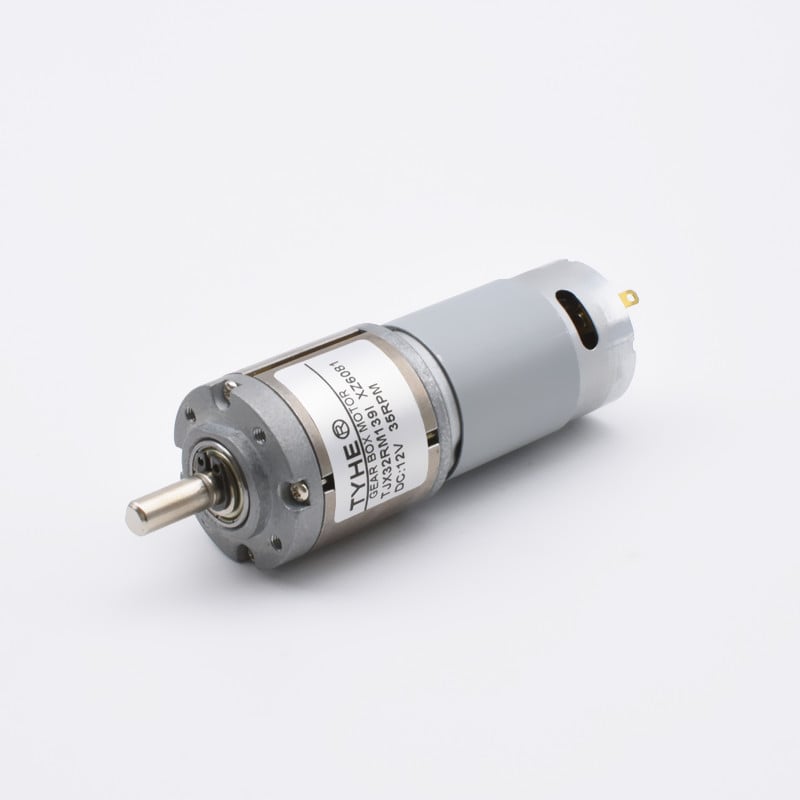
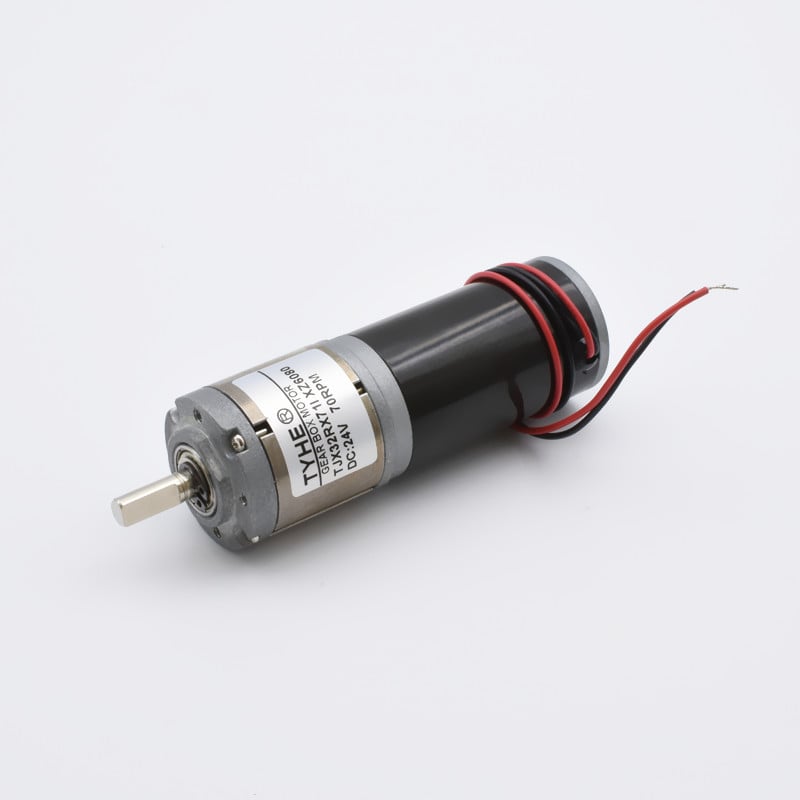
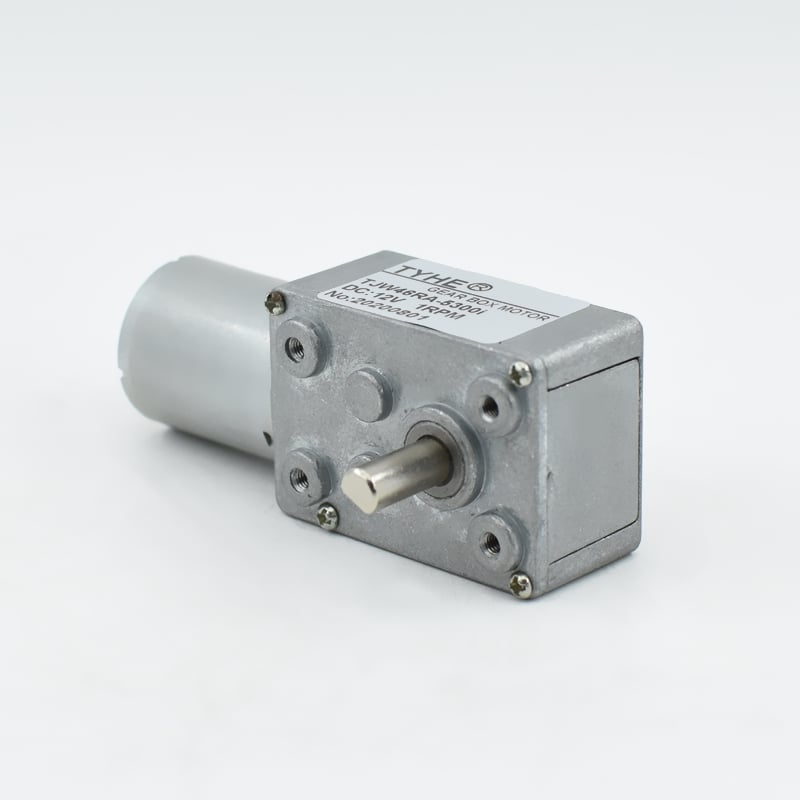
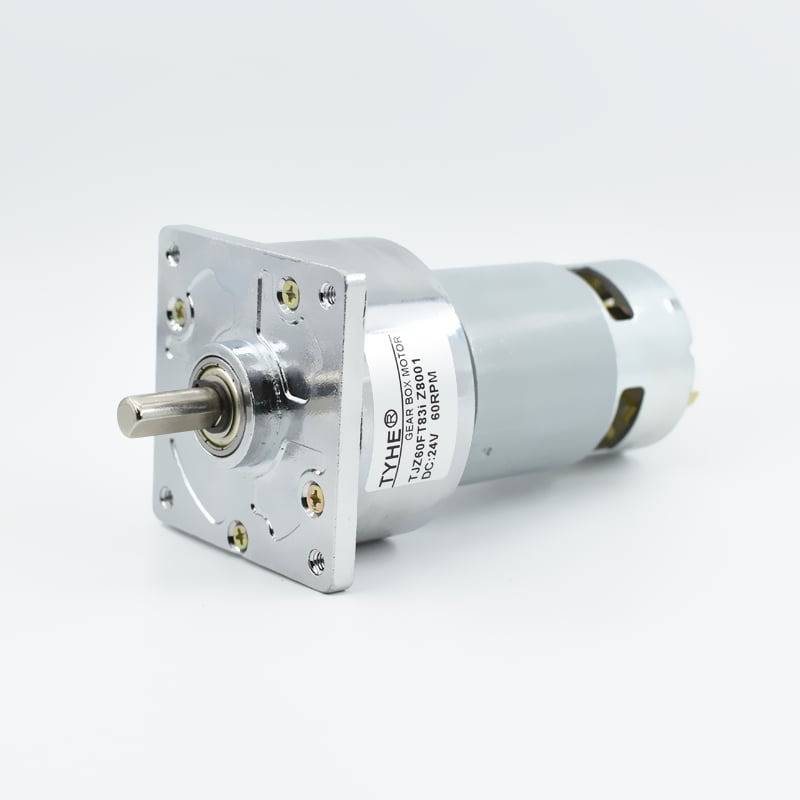
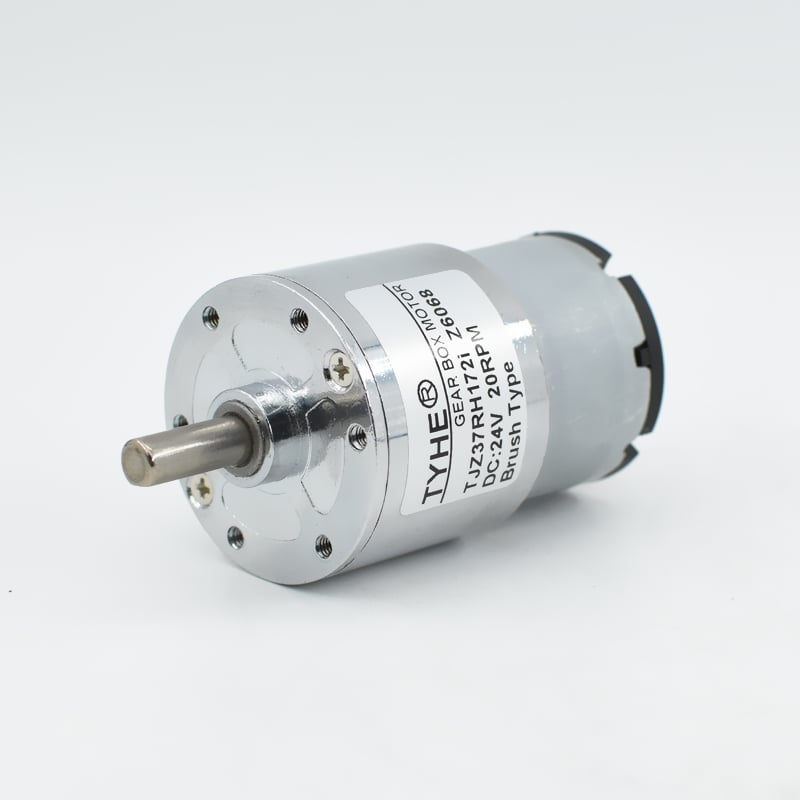
Motor types: DC brushed motor + worm gear actuator (self-locking) / DC planetary gear motor / micro DC gear motor for infusion and dosing pumps
Application case
An electric care bed is a safety-critical positioning system. A typical multi-function bed uses four to six motorized axes:
Function |
Drive configuration |
Critical requirement |
Height adjustment (bed frame lift) |
Twin worm gear linear actuators |
Synchronized lift, self-locking under patient load |
Backrest reclining |
Worm gear actuator |
Holds angle without holding current |
Knee / leg section tilt |
Worm gear or planetary actuator |
Smooth low-speed motion, quiet |
Trendelenburg tilt |
High-thrust worm gear actuator |
Overload capacity, mechanical end-stop |
Side rail / accessory drive |
Micro DC gear motor |
Compact, low standby current |
Infusion or enteral dosing pump |
Micro gear motor / stepper motor |
Precise, repeatable low-speed delivery |
Demand is growing with ageing populations and the shift of long-term care into homes. The global hospital beds market was valued at USD 5.20 billion in 2025 and is projected to reach USD 10.74 billion over the forecast horizon (Fortune Business Insights); the electrical hospital bed segment is estimated to grow from USD 3,885 million in 2025 to USD 6,569 million by 2035 (Market Research Future).
Industry pain points
1. The bed must not move when power is lost. A backrest or height axis that back-drives under a 150 kg patient load is a patient-safety incident. Self-locking worm gear stages hold position mechanically with zero holding current — this is why worm actuators, not efficient planetary stages, dominate care bed designs.
2. Noise at 2 a.m. Hospitals and home-care rooms measure noise at the pillow, not at the machine. Gear mesh and start-up shock are the dominant sources; soft-start drive and gear-stage selection matter more than motor size.
3. Cleaning and disinfection. Beds are wiped with aggressive agents several times a day. Motors need defined ingress protection under IEC 60529 and corrosion-resistant housings and shafts.
4. Duty cycle and life. Care beds run many short cycles per day for a decade. Brush wear, grease degradation and gear tooth fatigue — not winding failure — set the service life.
5. Synchronization. Twin lift actuators must stay level. Mismatched speed between two motors tilts the platform; matched performance bands or a control-level synchronization strategy is required.
6. Component-level documentation. Device-level standards such as the IEC 60601 series apply to the finished medical electrical equipment, and that certification is the device manufacturer's responsibility. What the manufacturer needs from the motor supplier is complete, traceable component documentation: RoHS declarations, quality-system evidence, and test reports with stated conditions.
TYHE solution
TYHE Motor manufactures micro motors, planetary gear motors, worm gear motors and stepper motors — around 200 motor types and 2,000+ SKUs, diameters from roughly 16 mm to 106 mm, CE and RoHS certified, produced under an ISO 9001-based quality management system and exported to 35+ countries across 50 industries.
For care-equipment programs:
Self-locking worm gear actuators
- for height, backrest and tilt axes, specified for the actual patient load with a defined safety factor rather than a nominal rating.
Acoustic targets agreed at drawing stage
- — gear stage type, grease grade, bearing selection and mounting interface, with noise measured in dB(A) at a stated distance. Measurement discipline is essential; methods such as
ISO 10302
exist because unqualified dB figures are not comparable.
Micro gear motors and stepper motors
- for infusion and dosing pumps where repeatable low-speed delivery matters more than torque density.
Sealing and material options
- for washdown environments, with the IP code written into the drawing.
Program speed and documentation:
- design-to-mass-production in under 40 days, a dedicated sample line, 1-to-1 after-sales with response within 24 hours, and new-product R&D cost refunded after mass production.
Patent-backed gear design:
- 20+ micro motor patents, including a vertical planetary gear motor patent (CN 222127790 U) addressing noise reduction and output-shaft breakage under additional load.
Specification data to prepare before the RFQ
1. Static and dynamic load per axis, with the required safety factor
2. Stroke, speed and positioning tolerance for each axis
3. Number of cycles per day and target service life in years
4. Noise target in dB(A), with measurement distance and background stated
5. Cleaning agents used and required IP code
6. Supply voltage, control interface, and emergency/manual override requirement
7. Regulatory documentation the device manufacturer must receive with each lot
FAQ
Why are worm gear motors preferred for hospital beds?Worm stages are self-locking: the axis holds position mechanically when power is removed, so a backrest or bed height cannot collapse under patient load. The trade-off is lower efficiency.
How many motors does an electric care bed use?Typically four to six — twin height actuators plus backrest and knee sections, with additional motors for tilt, side rails or accessories.
Can the same supplier provide the infusion pump motor?Yes. Infusion and dosing pumps need precise low-speed delivery, which maps to micro gear motors or stepper motors from the same product family.
What noise level is realistic for a bedside device?Specify the target at the pillow position with the measurement distance and background level stated. Night-time care environments are the most noise-sensitive category in medical equipment.
Is the motor supplier responsible for medical device certification?No. Certification of the finished device sits with the device manufacturer. The motor supplier provides component-level documentation: RoHS declarations, quality-system certificates and test reports with defined conditions.
What IP rating should bedside motors have?Define it from the cleaning regime. Splash and wipe-down exposure typically calls for a sealed construction with a documented IP code per IEC 60529 rather than a generic "waterproof" claim.
Bottom line
Care bed and infusion pump programs are won on three specifications: self-locking behaviour under load, measured noise at the bedside, and documented life under real duty cycles. Write all three into the drawing, and the motor becomes a solved problem rather than a recurring warranty item.
Contact TYHE Motor for care-equipment drive solutions: https://www.tyhemotors.com/contact-us