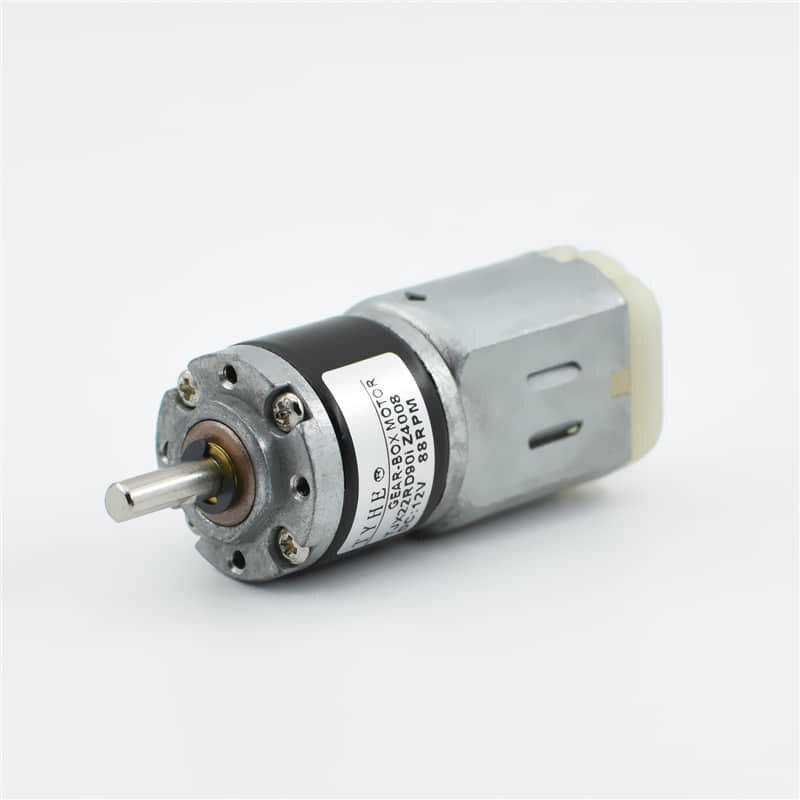
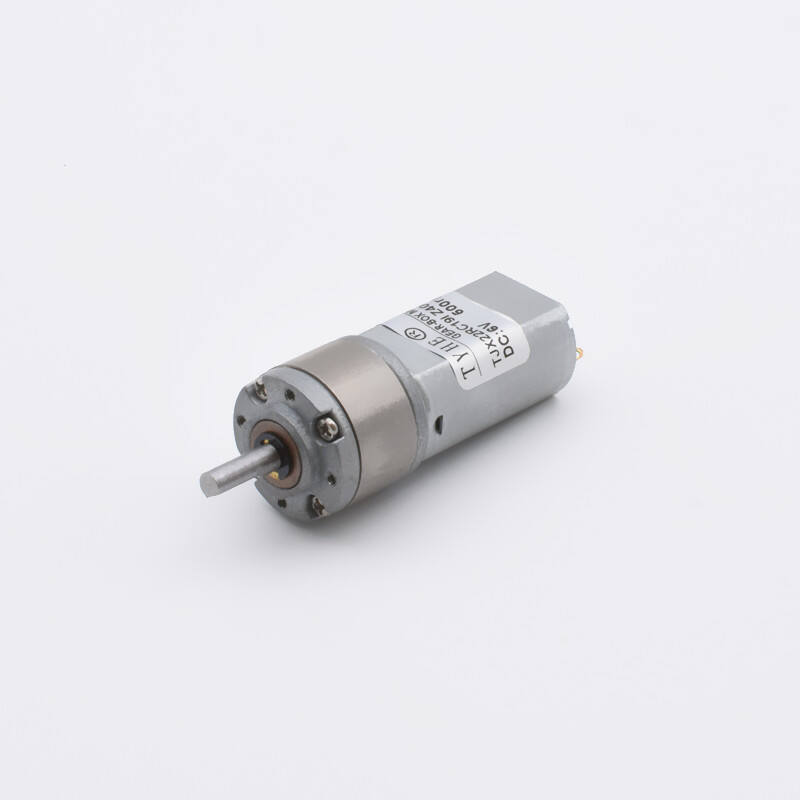
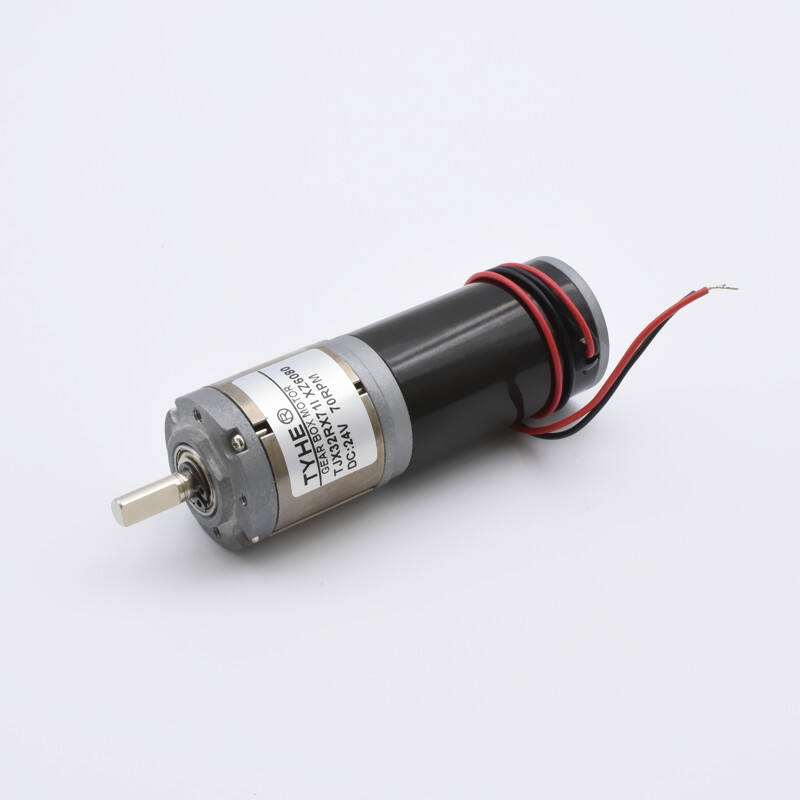
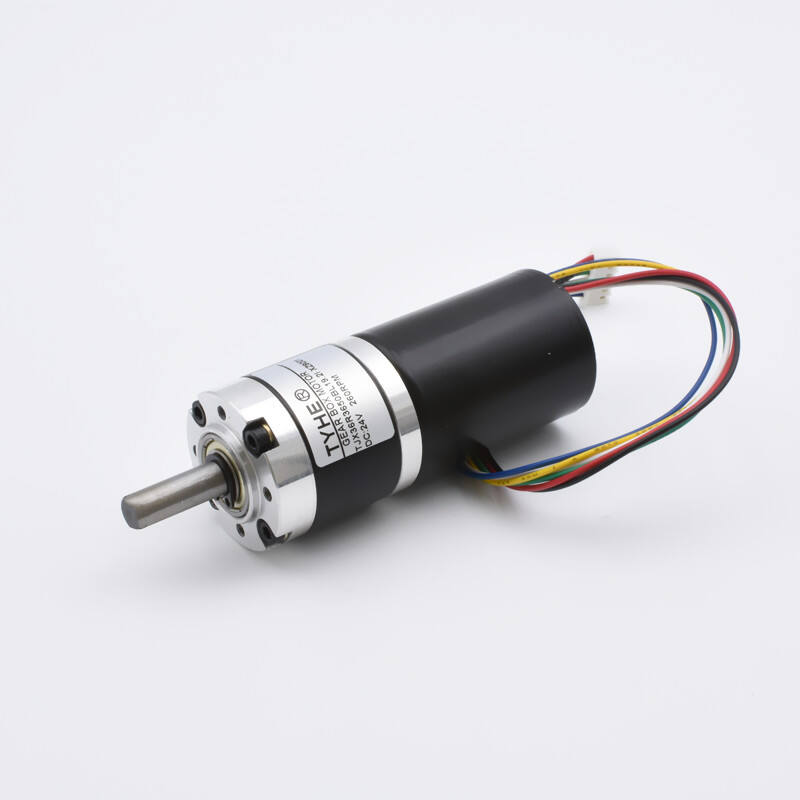
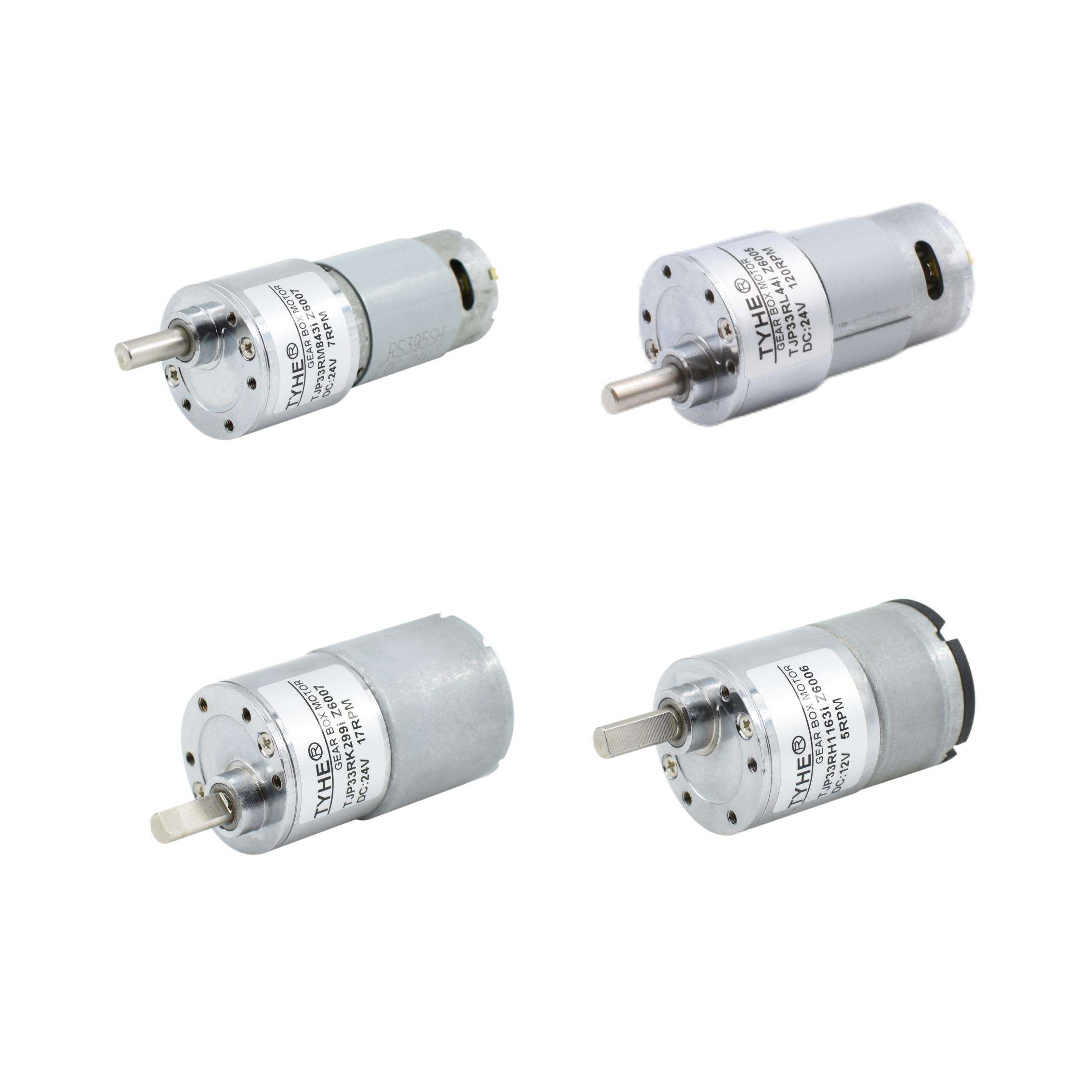
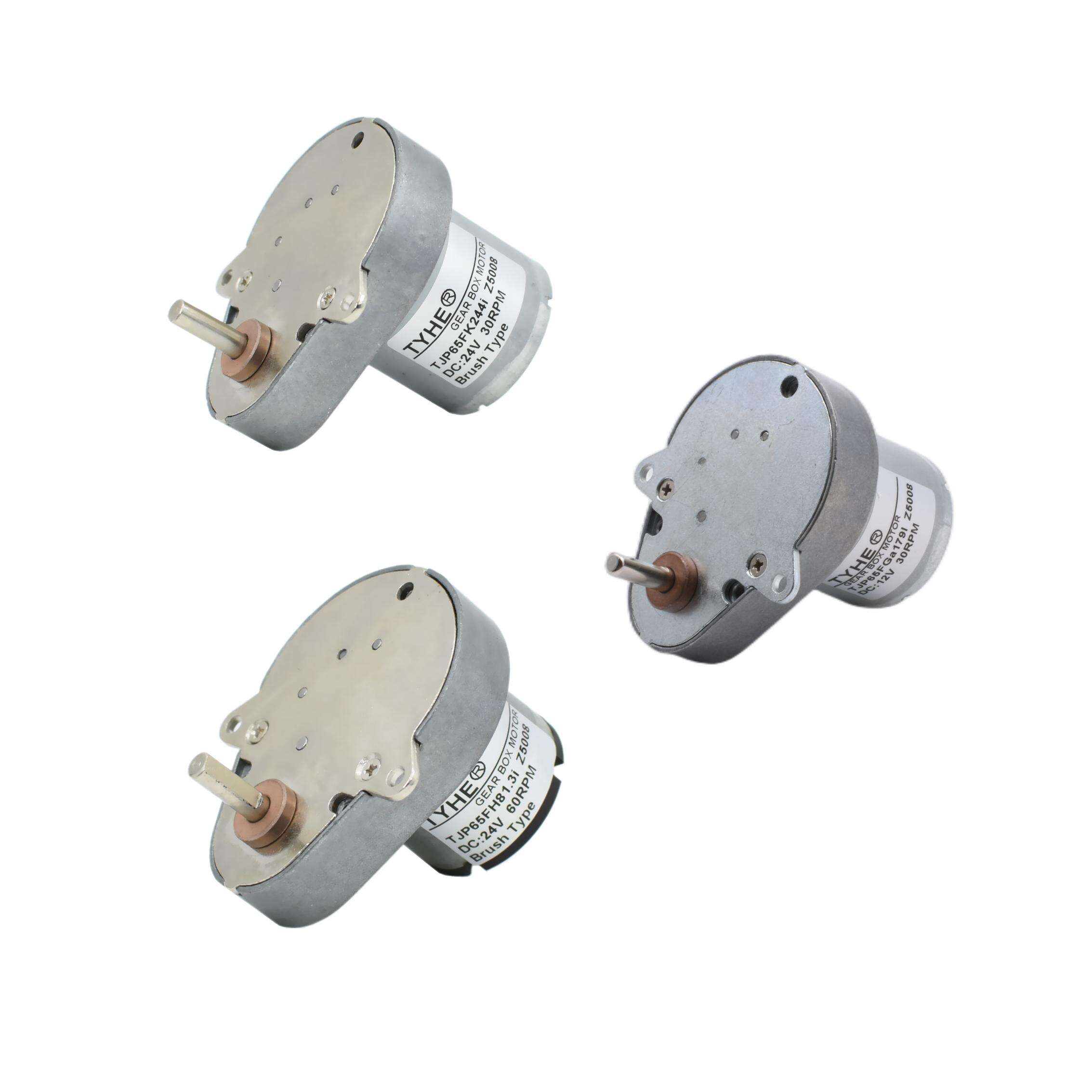
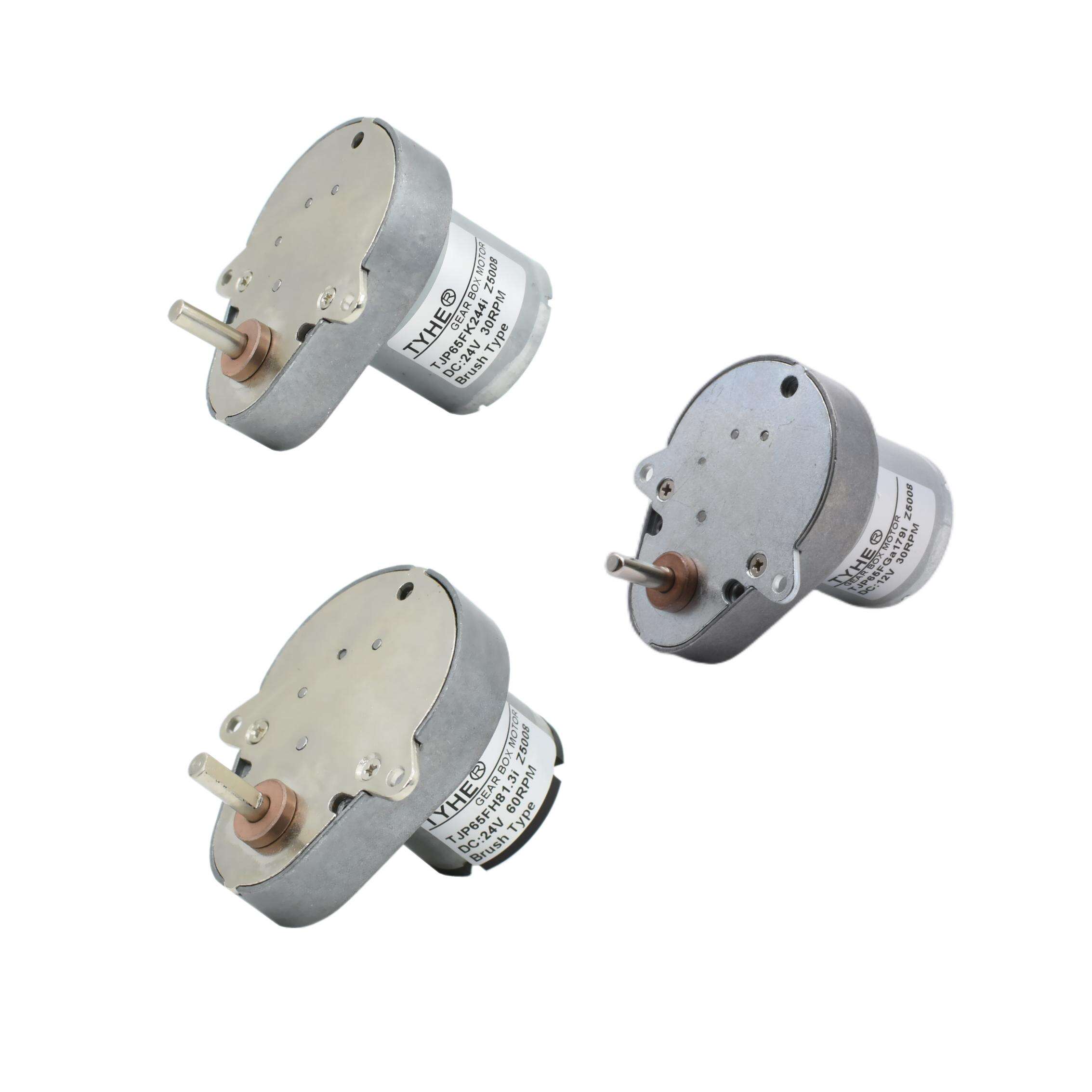
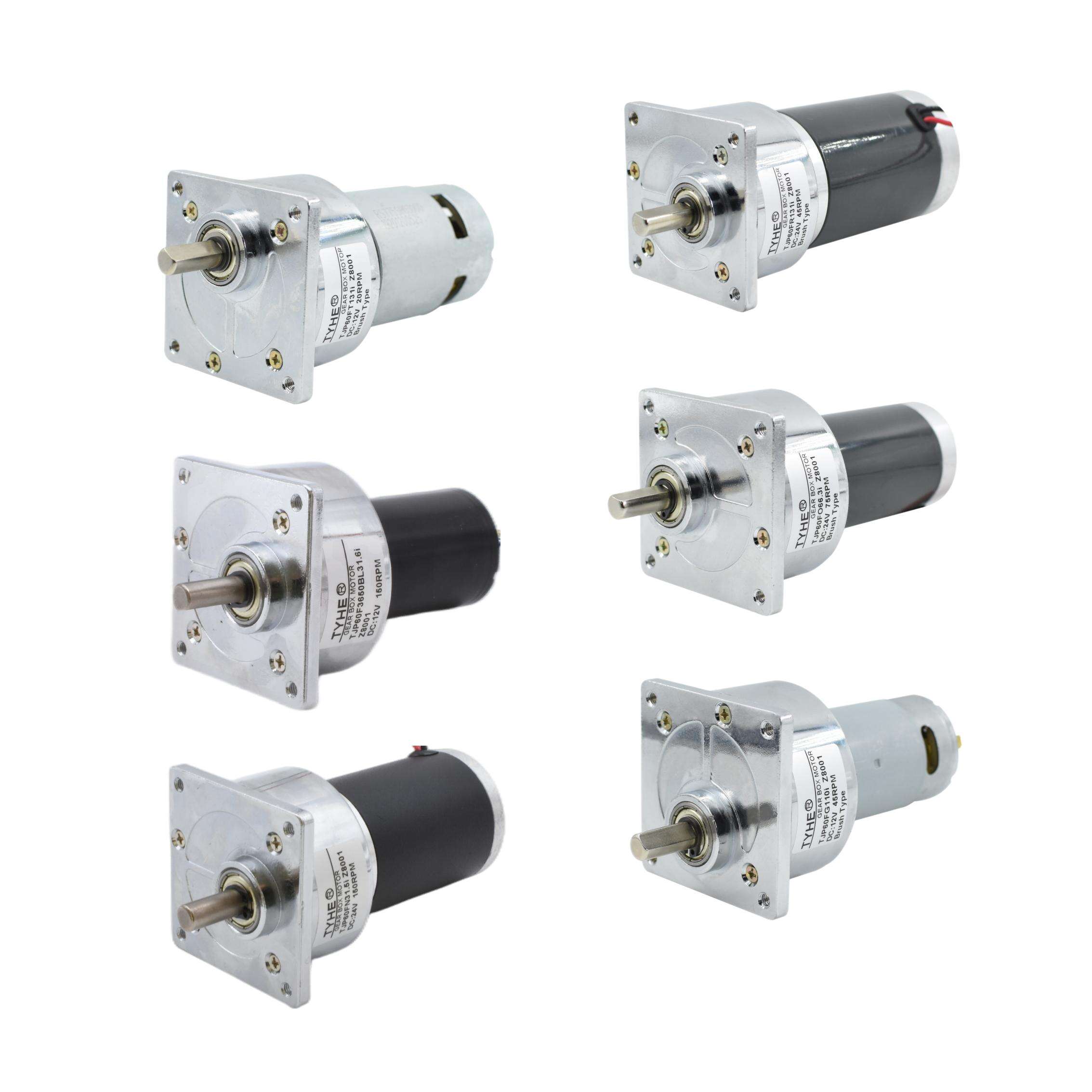
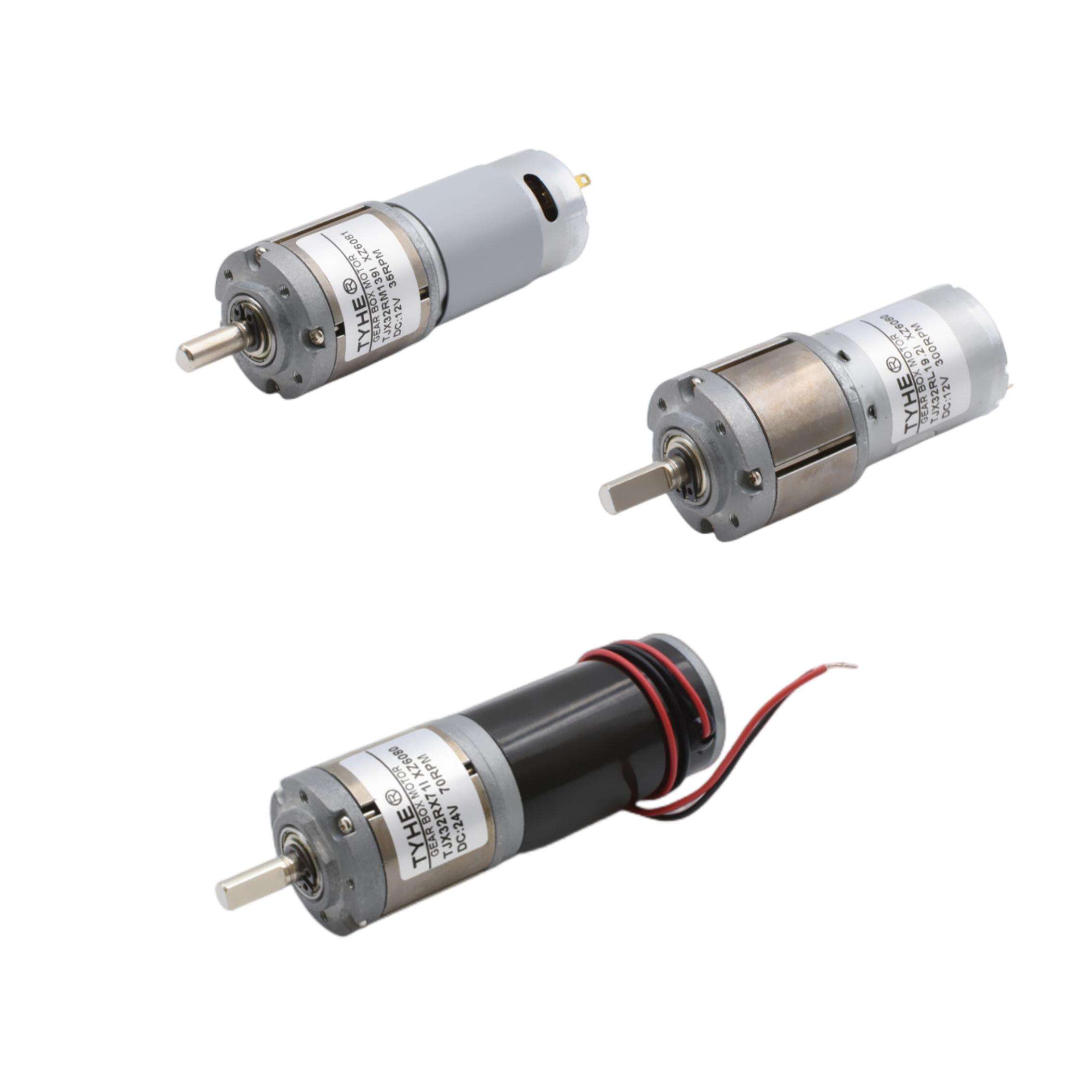
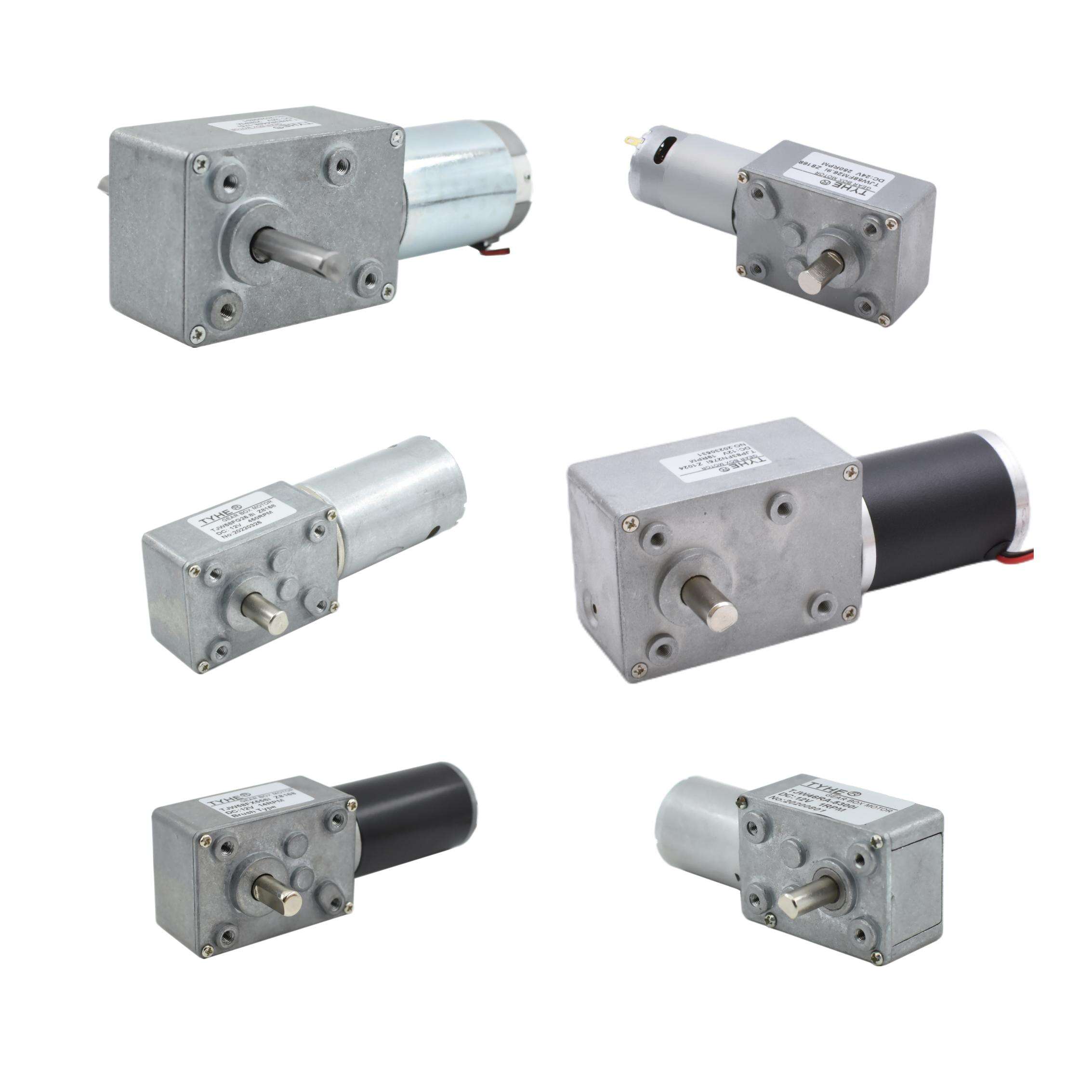
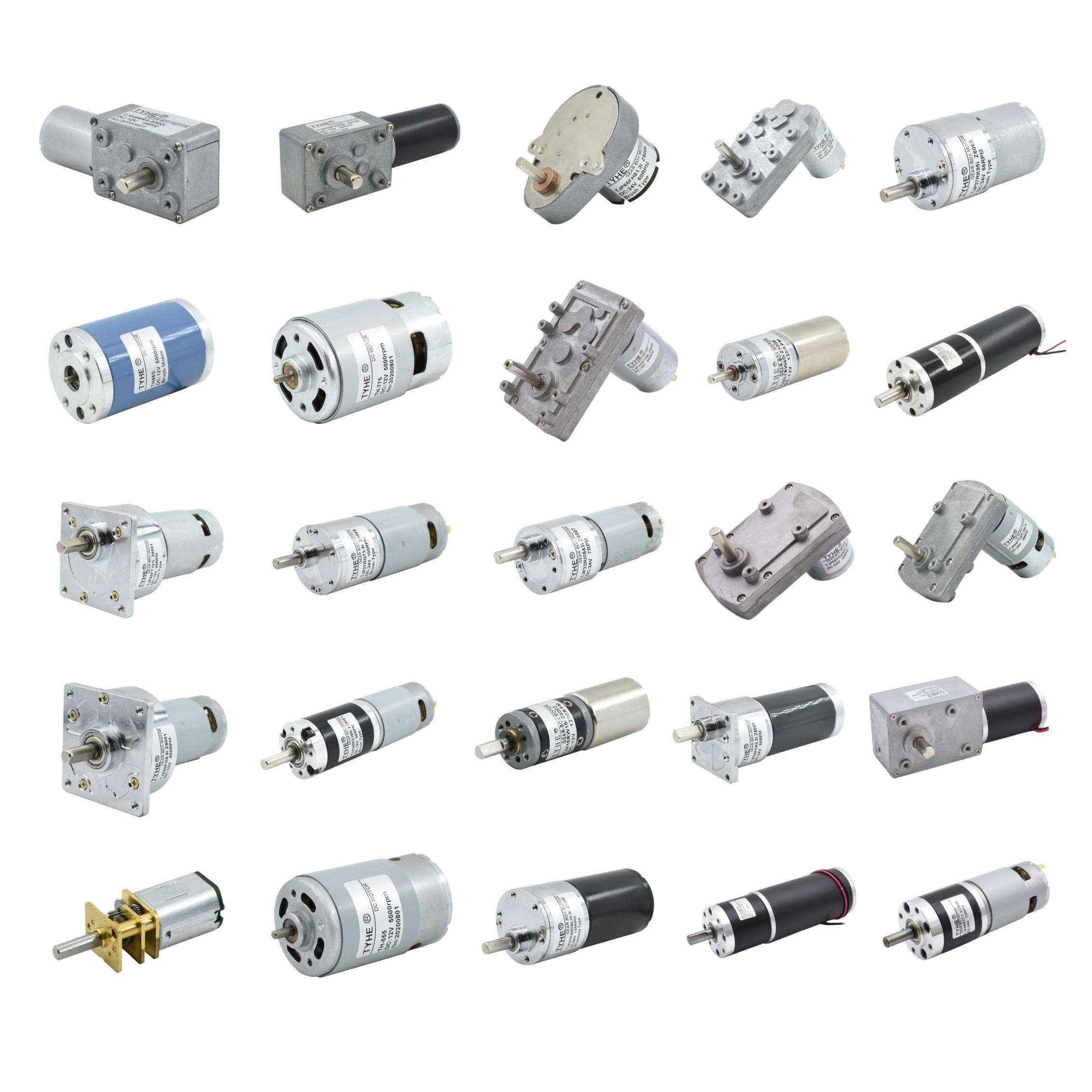
động cơ bảng đạp điều khiển bằng điện
Động cơ bậc thang điều khiển bằng điện đại diện cho một bước tiến đột phá trong các giải pháp di chuyển ô tô và công nghiệp, được thiết kế nhằm cách mạng hóa tính dễ tiếp cận và sự tiện lợi của hệ thống lên xe. Động cơ bậc thang điều khiển bằng điện tiên tiến này tích hợp liền mạch với các phương tiện hiện đại, cung cấp chức năng triển khai và thu hồi tự động bậc thang nhằm nâng cao trải nghiệm người dùng và đảm bảo an toàn. Chức năng chính của động cơ bậc thang điều khiển bằng điện tập trung vào việc mang lại hoạt động êm ái, đáng tin cậy, loại bỏ hoàn toàn thao tác thủ công đồng thời đảm bảo vị trí tối ưu cho hành khách có chiều cao và nhu cầu di chuyển khác nhau. Nền tảng công nghệ của động cơ bậc thang điều khiển bằng điện bao gồm kỹ thuật chế tạo chính xác kết hợp các thành phần động cơ điện bền bỉ, hệ thống điều khiển tiên tiến và vật liệu vỏ bọc chống chịu thời tiết. Các hệ thống này sử dụng cảm biến thông minh để phát hiện chuỗi mở/đóng cửa xe, từ đó kích hoạt tự động động cơ bậc thang điều khiển bằng điện để mở rộng hoặc thu lại tương ứng. Bộ phận động cơ được trang bị khả năng mô-men xoắn cao, cho phép vận hành ổn định dưới nhiều điều kiện tải khác nhau trong khi vẫn duy trì độ ồn cực thấp. Độ bền là một đặc điểm nền tảng, bởi động cơ bậc thang điều khiển bằng điện được thiết kế để chịu được điều kiện thời tiết khắc nghiệt, mảnh vỡ trên đường và chu kỳ sử dụng liên tục. Các ứng dụng của động cơ bậc thang điều khiển bằng điện bao quát nhiều phân khúc như SUV cao cấp, xe thương mại, xe du lịch (RV), cũng như các giải pháp vận tải chuyên biệt phục vụ nhu cầu di chuyển. Trên thị trường ô tô cao cấp, động cơ bậc thang điều khiển bằng điện nâng tầm trải nghiệm sang trọng nhờ cung cấp khả năng lên xe không cần nỗ lực đối với các phương tiện có gầm cao. Trong ứng dụng thương mại, giải pháp này góp phần cải thiện an toàn lao động và giảm căng thẳng thể chất cho người vận hành trong các tình huống lên/xuống xe thường xuyên. Động cơ bậc thang điều khiển bằng điện còn được sử dụng rộng rãi trong các phương tiện hướng đến tính khả dụng, nơi trợ giúp tự động trở nên thiết yếu đối với những cá nhân gặp khó khăn về khả năng di chuyển. Tính linh hoạt khi lắp đặt cho phép động cơ bậc thang điều khiển bằng điện tích hợp dễ dàng với kiến trúc xe hiện hữu thông qua các hệ thống gắn kết toàn diện và giao thức tích hợp điện. Hệ thống phản hồi với nhiều cơ chế kích hoạt khác nhau, bao gồm cảm biến cửa, điều khiển từ xa và công tắc thủ công, cung cấp các chế độ vận hành linh hoạt, được tùy chỉnh phù hợp với sở thích cụ thể của người dùng và cấu hình xe.

 EN
EN