Variable Speed DC Motor: Advanced Control Technology for Energy-Efficient Industrial Applications

All Categories

variable speed dc motor

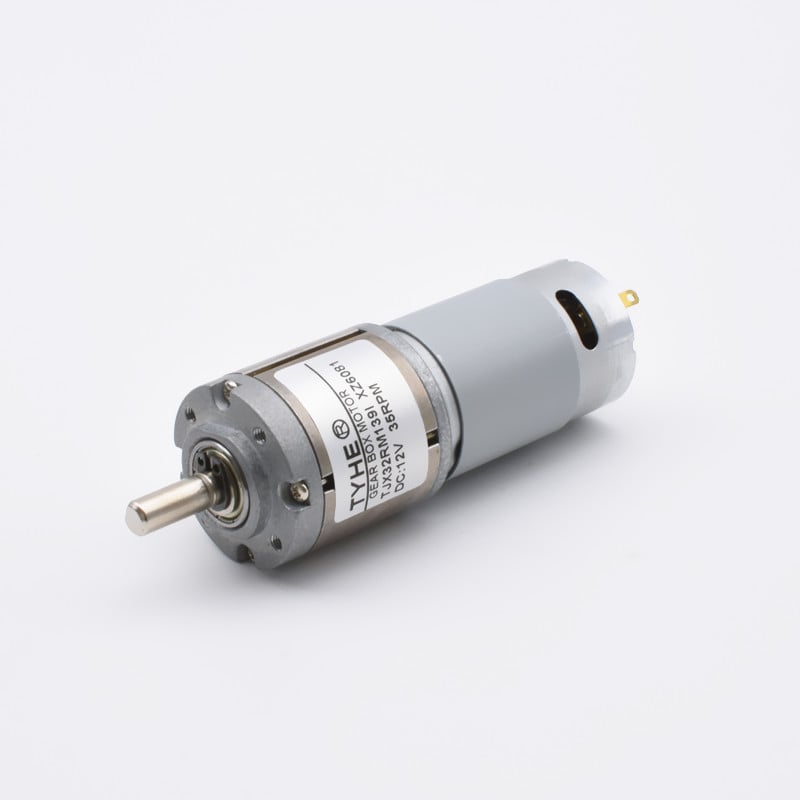
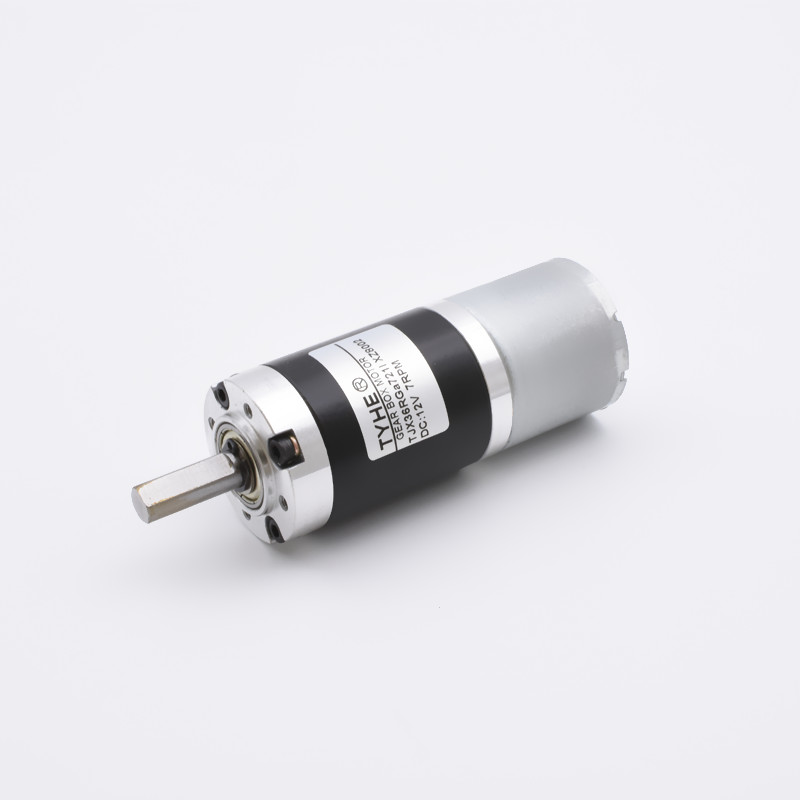
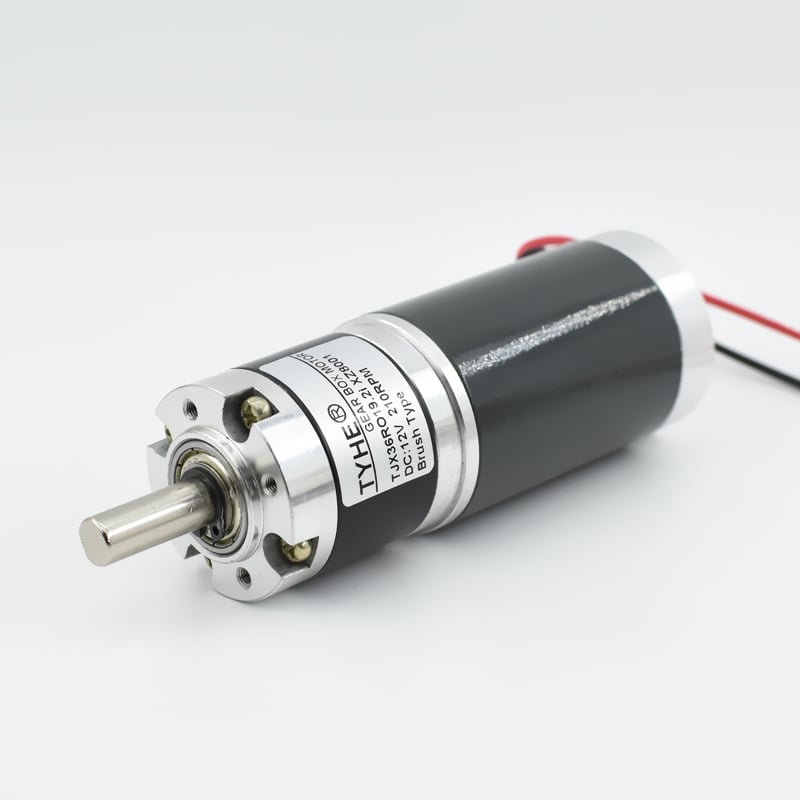
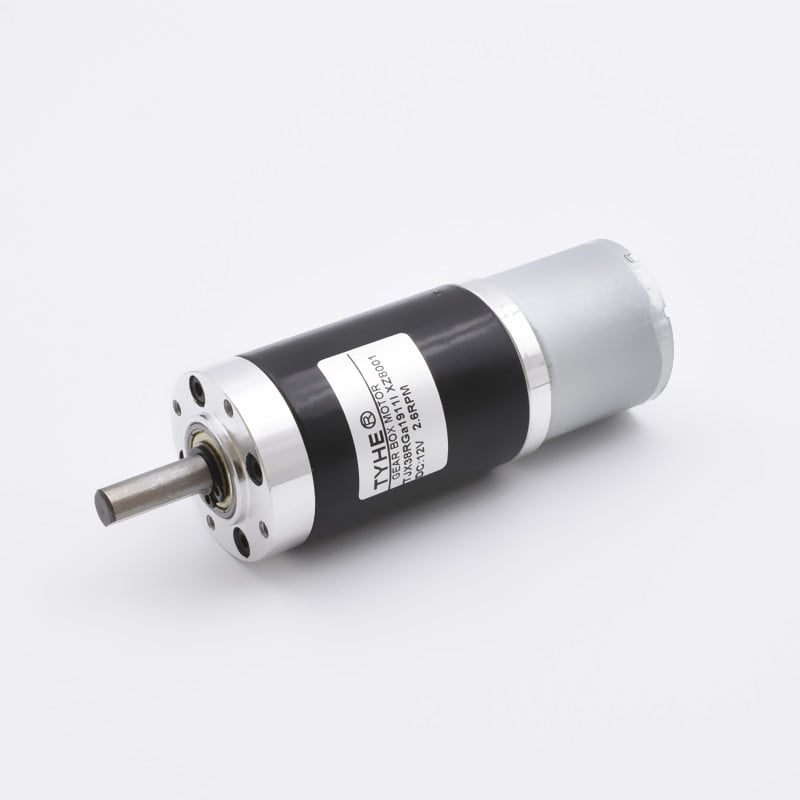
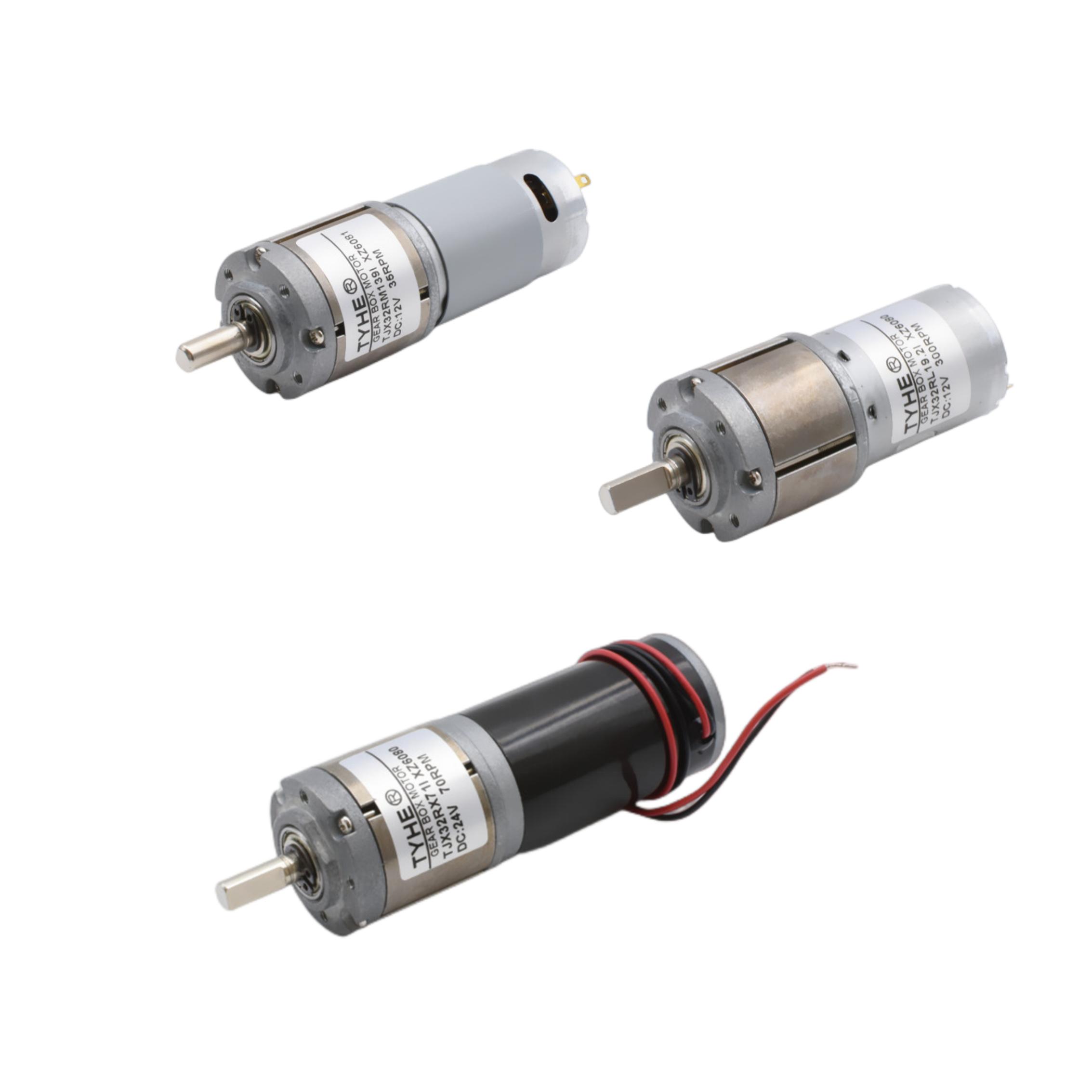
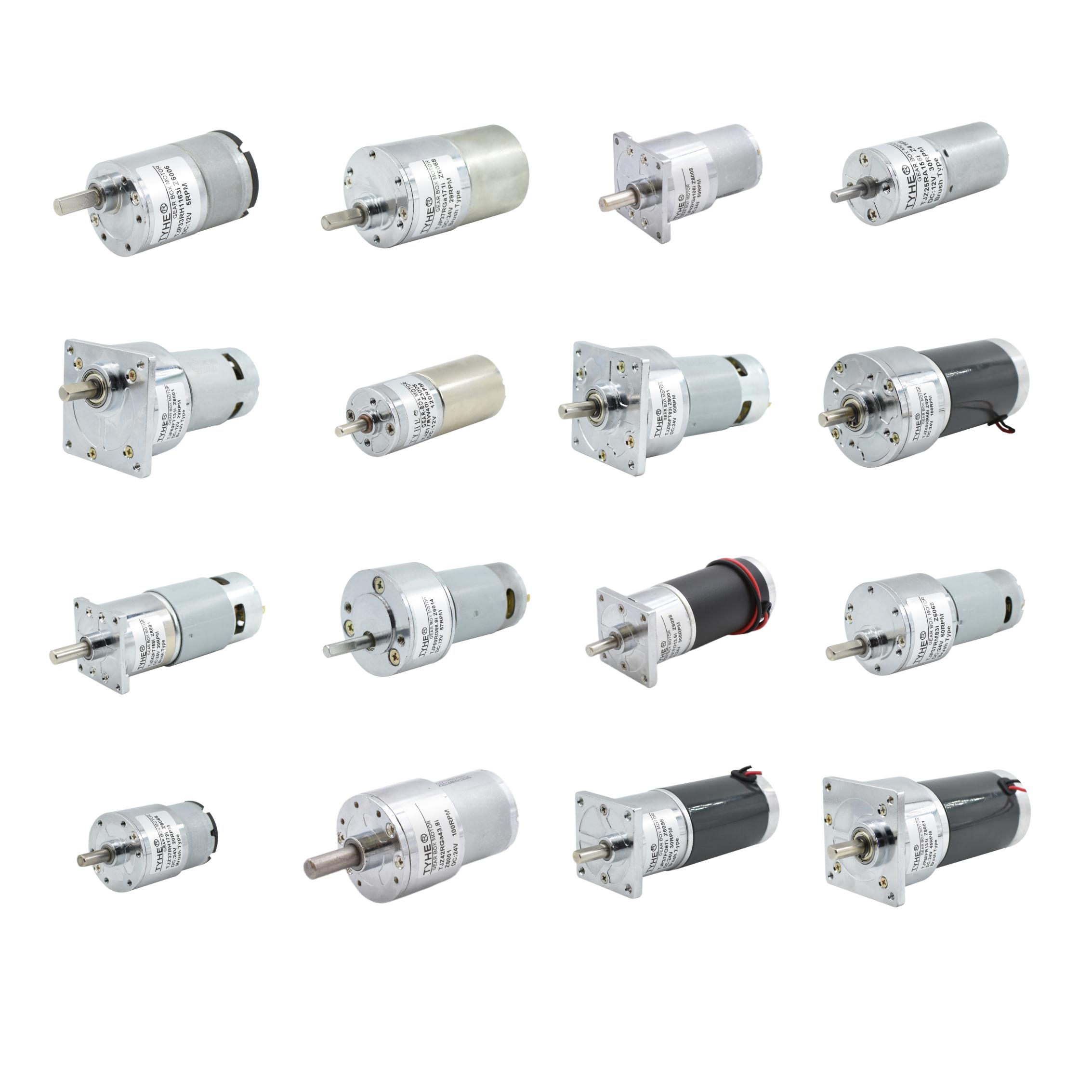
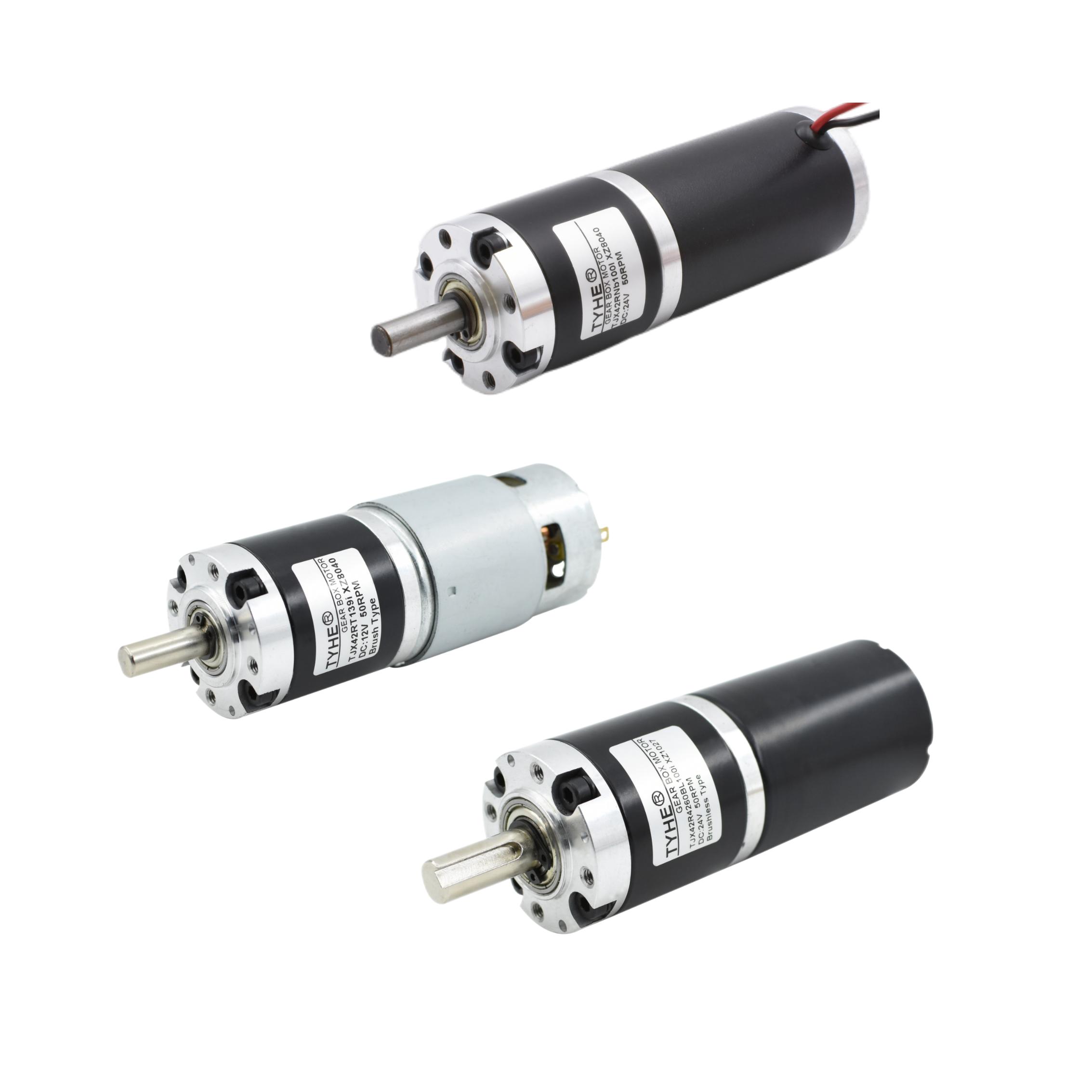
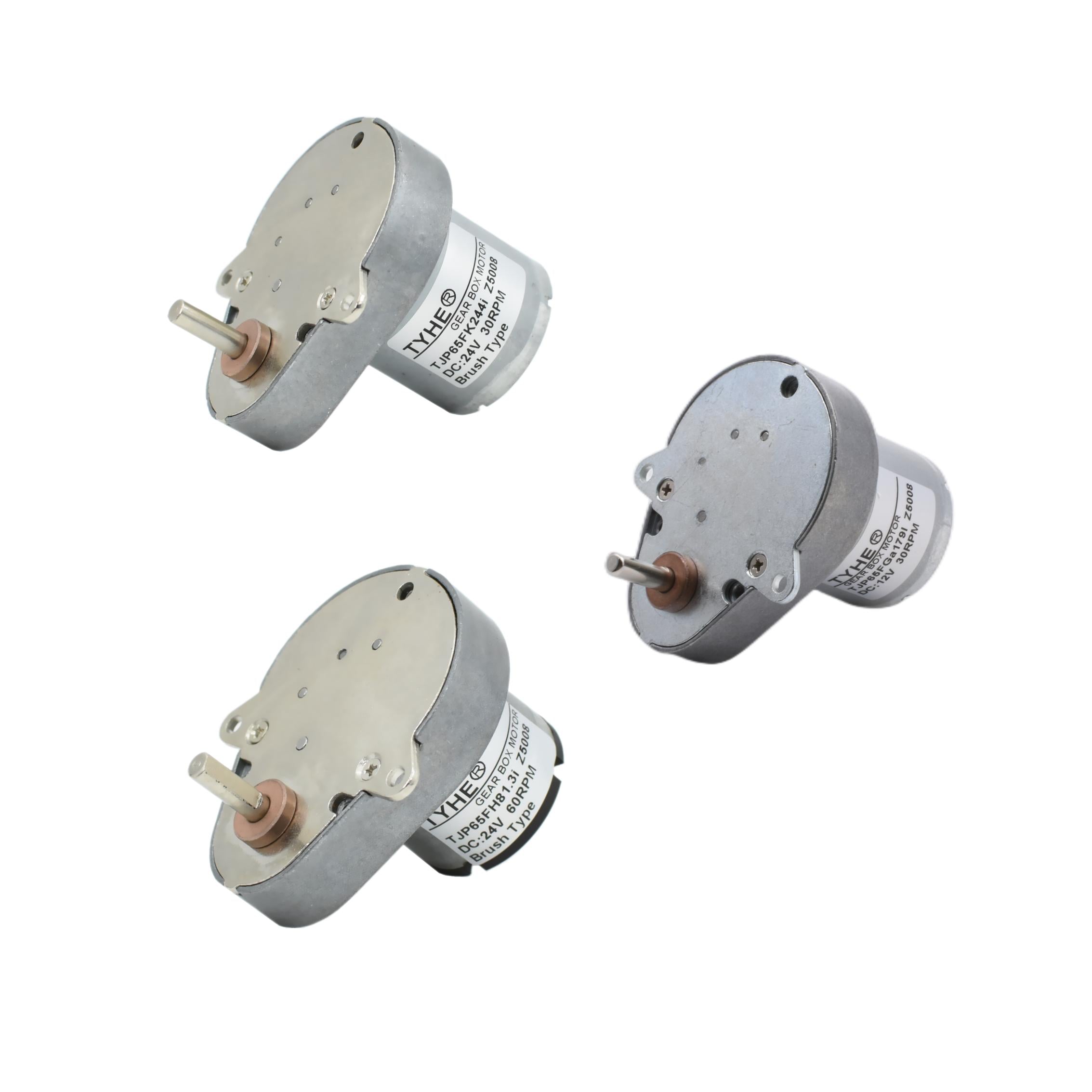
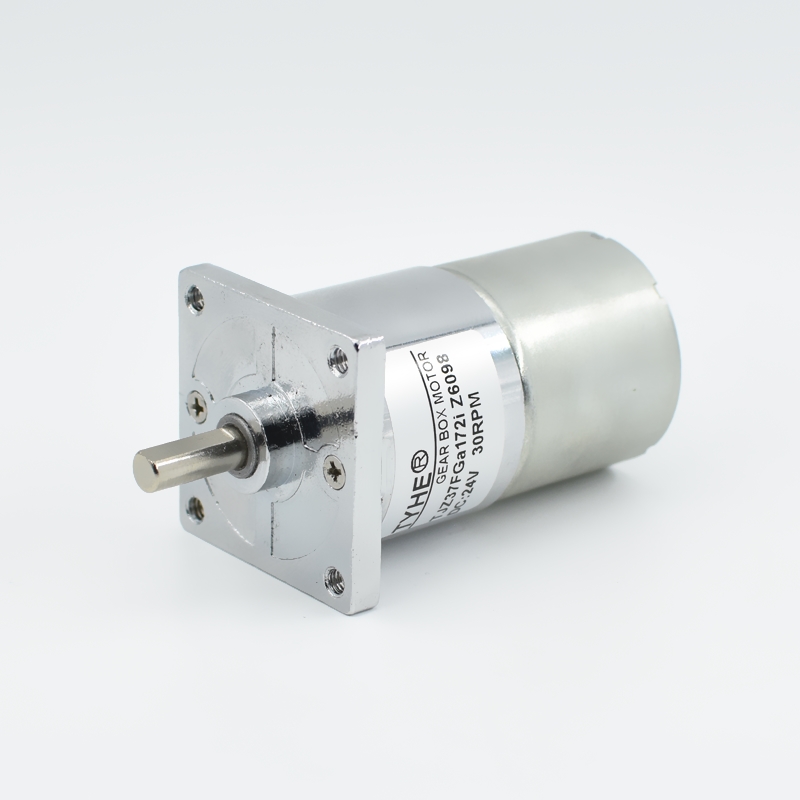
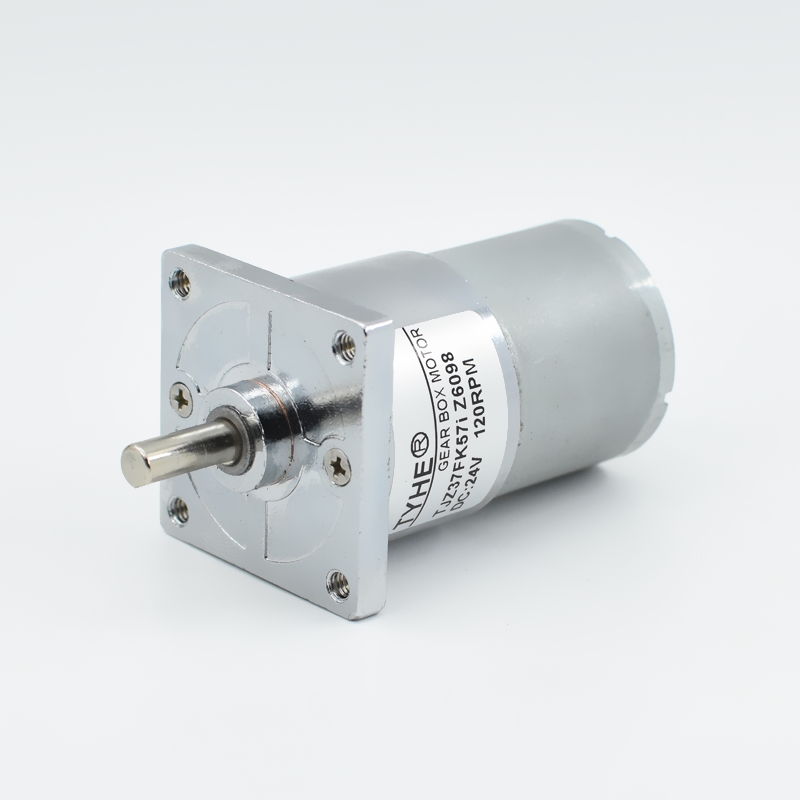
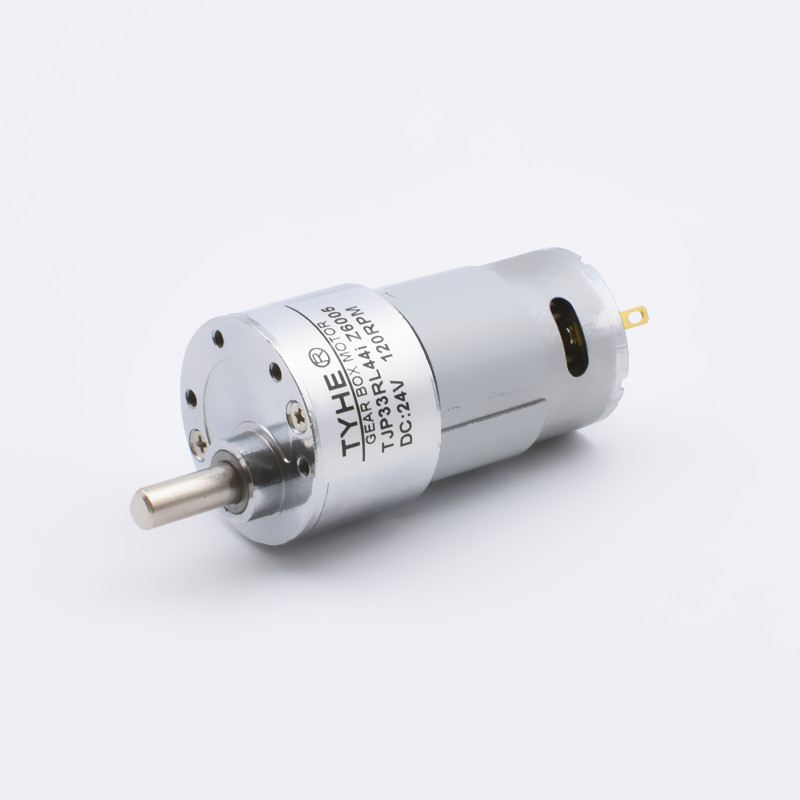
A variable speed dc motor represents a sophisticated electrical device that enables precise control over rotational speed and torque output through advanced electronic speed control systems. These motors incorporate direct current power sources with specialized controllers that can adjust voltage, current, and pulse width modulation to achieve optimal performance across diverse operating conditions. The primary function of a variable speed dc motor centers on delivering adjustable rotational speeds while maintaining consistent torque characteristics, making these motors ideal for applications requiring precise motion control and energy efficiency. The technological foundation of variable speed dc motors relies on permanent magnet construction or wound field designs, combined with electronic speed controllers that utilize feedback systems such as encoders or tachometers to monitor and adjust performance parameters in real-time. These motors feature brushed or brushless configurations, with brushless variants offering superior longevity and reduced maintenance requirements. The speed control mechanism operates through sophisticated algorithms that interpret input commands and translate them into appropriate electrical signals, ensuring smooth acceleration, deceleration, and steady-state operation. Modern variable speed dc motors incorporate advanced features including regenerative braking capabilities, thermal protection systems, and communication interfaces that enable integration with automation systems and programmable logic controllers. Applications for variable speed dc motors span numerous industries, including manufacturing automation, robotics, conveyor systems, pump controls, fan speed regulation, electric vehicles, medical equipment, and precision machinery. In industrial settings, these motors excel in applications requiring frequent speed changes, precise positioning, and energy conservation. The automotive industry extensively utilizes variable speed dc motors for electric power steering, window mechanisms, and hybrid vehicle systems. Additionally, renewable energy systems employ these motors in wind turbine pitch control and solar tracking mechanisms, where variable speed operation maximizes energy capture efficiency and system reliability.

New Product Releases

Variable speed dc motors deliver exceptional performance benefits that translate into tangible cost savings and operational improvements for businesses across multiple sectors. These motors provide precise speed control capabilities that allow operators to match motor performance exactly to application requirements, eliminating energy waste associated with fixed-speed systems running at unnecessary speeds. The ability to adjust speed dynamically results in significant energy savings, particularly in applications involving pumps, fans, and conveyor systems where load requirements vary throughout operating cycles. Users experience reduced electricity costs as variable speed dc motors consume only the power necessary for current demand, unlike constant-speed alternatives that maintain full power consumption regardless of actual load requirements. The smooth acceleration and deceleration characteristics of variable speed dc motors minimize mechanical stress on connected equipment, extending component life and reducing maintenance expenses. This gentle startup capability prevents sudden torque spikes that can damage gears, belts, and coupling systems, while eliminating water hammer effects in pumping applications. Variable speed dc motors offer superior process control through their ability to maintain consistent output despite fluctuations in supply voltage or load conditions. The integrated feedback systems continuously monitor performance parameters and make real-time adjustments to ensure optimal operation, improving product quality and reducing waste in manufacturing processes. Installation flexibility represents another significant advantage, as variable speed dc motors can replace existing fixed-speed motors without extensive modifications to mechanical systems or control infrastructure. The compact design of modern variable speed dc motors, combined with their high power-to-weight ratios, enables installation in space-constrained environments while delivering powerful performance. These motors generate less heat than traditional alternatives, reducing cooling requirements and improving overall system efficiency. The quiet operation characteristics of variable speed dc motors make them suitable for noise-sensitive environments such as hospitals, schools, and residential areas. Additionally, the programmable nature of variable speed dc motors allows for customization of acceleration curves, speed profiles, and protection settings to match specific application requirements, providing users with unprecedented control over their equipment performance and the flexibility to optimize operations for maximum productivity and efficiency.

Practical Tips

DC Planetary Gear Motor vs Regular Motors: Key Differences

15

Dec

DC Planetary Gear Motor vs Regular Motors: Key Differences

When selecting motors for industrial applications, engineers face a critical decision between standard DC motors and specialized gear motor configurations. The dc planetary gear motor represents a sophisticated solution that combines the advantages o...
View More
24V DC Motor Troubleshooting: Common Issues & Solutions

04

Feb

24V DC Motor Troubleshooting: Common Issues & Solutions

When your 24v dc motor begins experiencing operational issues, identifying the root cause quickly can save valuable time and prevent costly equipment downtime. These versatile power units are essential components in countless industrial applications,...
View More
DC Gear Motor vs Stepper Motor: Which to Choose?

04

Feb

DC Gear Motor vs Stepper Motor: Which to Choose?

When selecting a motor for industrial applications, engineers often face the critical decision between a dc gear motor and a stepper motor. Both motor types offer distinct advantages and serve different purposes in automation systems, robotics, and p...
View More
12V DC Motor Troubleshooting: Common Issues Solved

04

Mar

12V DC Motor Troubleshooting: Common Issues Solved

When your 12v dc motor begins experiencing performance issues, identifying the root cause becomes essential for maintaining operational efficiency. These compact yet powerful devices are integral components in countless applications, from automotive ...
View More

Get a Free Quote

Our representative will contact you soon.
Email
Name
Company Name
Message
0/1000

variable speed dc motor

Advanced Electronic Speed Control Technology

Advanced Electronic Speed Control Technology

Variable speed dc motors incorporate cutting-edge electronic speed control technology that revolutionizes motor performance and operational efficiency across diverse industrial applications. This sophisticated control system utilizes pulse width modulation techniques combined with advanced microprocessor-based controllers to deliver precise speed regulation with exceptional accuracy and responsiveness. The electronic speed control technology enables users to achieve speed control resolution as fine as 0.1 percent of rated speed, providing the precision necessary for critical applications such as medical equipment, laboratory instruments, and high-precision manufacturing processes. The control system continuously monitors motor parameters including speed, torque, temperature, and current consumption, making real-time adjustments to maintain optimal performance under varying load conditions. This intelligent monitoring capability prevents motor damage from overload conditions while maximizing efficiency and extending equipment lifespan. The electronic speed control technology features programmable acceleration and deceleration profiles that can be customized to match specific application requirements, eliminating mechanical shock and reducing wear on connected equipment. Users can program multiple speed presets, allowing for quick transitions between different operating modes without manual adjustments. The control system also incorporates advanced protection features including overcurrent protection, overvoltage protection, undervoltage lockout, and thermal shutdown capabilities that safeguard both the motor and connected equipment from damage. Communication capabilities built into the electronic speed control technology enable seamless integration with building management systems, programmable logic controllers, and industrial networks, facilitating remote monitoring and control capabilities. The user-friendly interface allows operators to easily configure parameters, monitor performance metrics, and troubleshoot issues through intuitive displays and diagnostic functions. This advanced technology eliminates the need for complex mechanical speed control methods such as gear reducers or variable pulleys, reducing system complexity and maintenance requirements while improving overall reliability and performance consistency throughout the operational life of the variable speed dc motor system.
Energy Efficiency and Cost Reduction Benefits

Energy Efficiency and Cost Reduction Benefits

Variable speed dc motors deliver substantial energy efficiency improvements and cost reduction benefits that provide immediate and long-term financial advantages for organizations seeking to optimize their operational expenses and environmental footprint. These motors achieve energy savings of up to 50 percent compared to traditional fixed-speed motor systems by precisely matching power consumption to actual load requirements rather than operating at constant full power regardless of demand. The variable speed capability allows the motor to reduce speed during periods of lower demand, resulting in exponential energy savings due to the cube law relationship between speed and power consumption in centrifugal load applications. This intelligent power management translates into dramatically reduced electricity bills, particularly in applications involving fans, pumps, and blowers where load requirements fluctuate throughout daily operational cycles. The high-efficiency design of variable speed dc motors incorporates premium materials and advanced manufacturing techniques that minimize energy losses through reduced friction, improved magnetic circuit design, and optimized winding configurations. The electronic speed control system eliminates energy waste associated with mechanical throttling or bypass methods used in fixed-speed systems, ensuring that energy consumption directly correlates with useful work output. Variable speed dc motors also reduce peak demand charges by eliminating high inrush currents during startup, as the soft-start capability gradually increases motor speed and power consumption rather than drawing maximum current instantaneously. The regenerative capabilities of many variable speed dc motor systems can actually return energy to the electrical supply during deceleration phases, further enhancing overall system efficiency and reducing operational costs. Maintenance cost reductions represent another significant financial benefit, as the smooth operation characteristics and reduced mechanical stress extend equipment life and decrease the frequency of repairs and component replacements. The improved power factor characteristics of variable speed dc motors reduce reactive power consumption and associated utility charges while improving overall electrical system efficiency. Organizations implementing variable speed dc motor technology typically experience return on investment periods of 12 to 24 months through combined energy savings and reduced maintenance expenses, making these motors an economically attractive solution for sustainable operations.
Versatile Application Compatibility and Integration Flexibility

Versatile Application Compatibility and Integration Flexibility

Variable speed dc motors demonstrate exceptional versatility and integration flexibility that enables seamless implementation across an extensive range of applications and existing system configurations. This adaptability stems from the modular design philosophy and standardized mounting configurations that allow variable speed dc motors to replace conventional motors without requiring significant modifications to mechanical systems, electrical infrastructure, or control panels. The wide range of available sizes, power ratings, and mounting options ensures compatibility with virtually any application requirement, from fractional horsepower precision instruments to industrial-grade systems requiring hundreds of horsepower. Variable speed dc motors support multiple input voltage ranges and can accommodate various power supply configurations, including single-phase and three-phase systems, making them suitable for installation in diverse electrical environments worldwide. The flexible control interface options include analog voltage inputs, current loops, digital communication protocols, and pulse train commands, enabling integration with existing control systems regardless of their age or manufacturer. This compatibility extends to building automation systems, programmable logic controllers, distributed control systems, and modern IoT platforms through standard communication protocols such as Modbus, BACnet, and Ethernet-based networks. Variable speed dc motors can be configured for numerous operational modes including speed control, torque control, position control, and synchronized operation with other motors or equipment, providing the flexibility to adapt to changing operational requirements without hardware modifications. The plug-and-play installation capability minimizes downtime during implementation, as variable speed dc motors can often be installed and commissioned within hours rather than requiring extended shutdown periods. Environmental adaptability represents another crucial aspect of their versatility, with available enclosure ratings ranging from standard indoor applications to harsh industrial environments requiring protection against moisture, dust, chemicals, and extreme temperatures. The scalable nature of variable speed dc motor technology allows for future expansion and modification of systems without complete replacement, as control parameters can be reprogrammed to accommodate changed load requirements or operational profiles. This flexibility extends to maintenance and service procedures, as diagnostic capabilities and modular component design enable rapid troubleshooting and repair without specialized tools or extensive technical training, reducing maintenance complexity and associated costs while maximizing system availability and operational reliability.
Variable Speed DC Motor: Advanced Control Technology for Energy-Efficient Industrial Applications

Get a Free Quote

Our representative will contact you soon.
Email
Name
Company Name
Message
0/1000
Variable Speed DC Motor: Advanced Control Technology for Energy-Efficient Industrial Applications