Độ Bền Cao Hơn và Yêu Cầu Bảo Trì Tối Thiểu
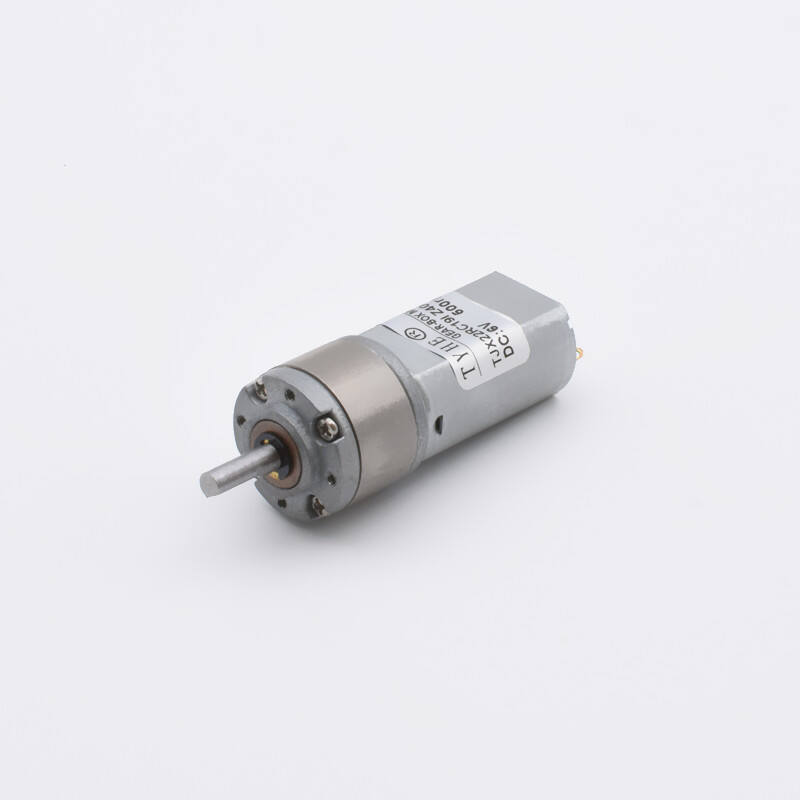
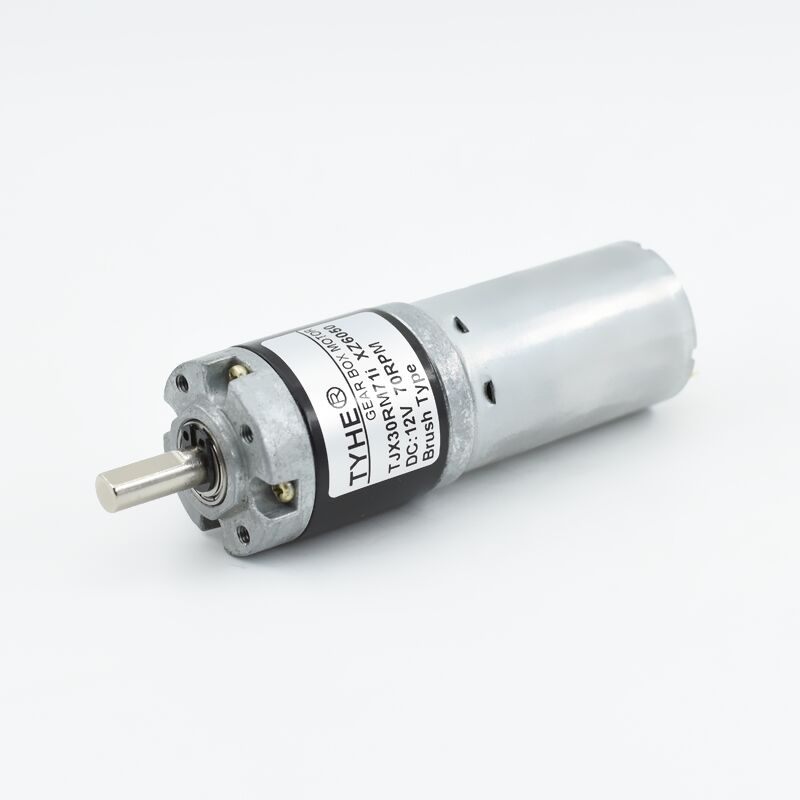
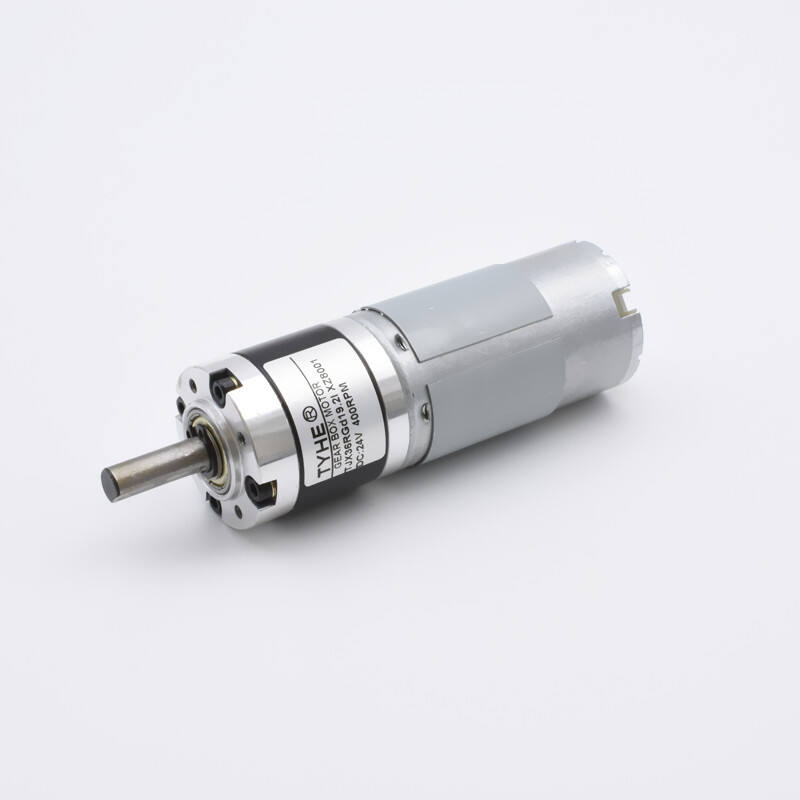
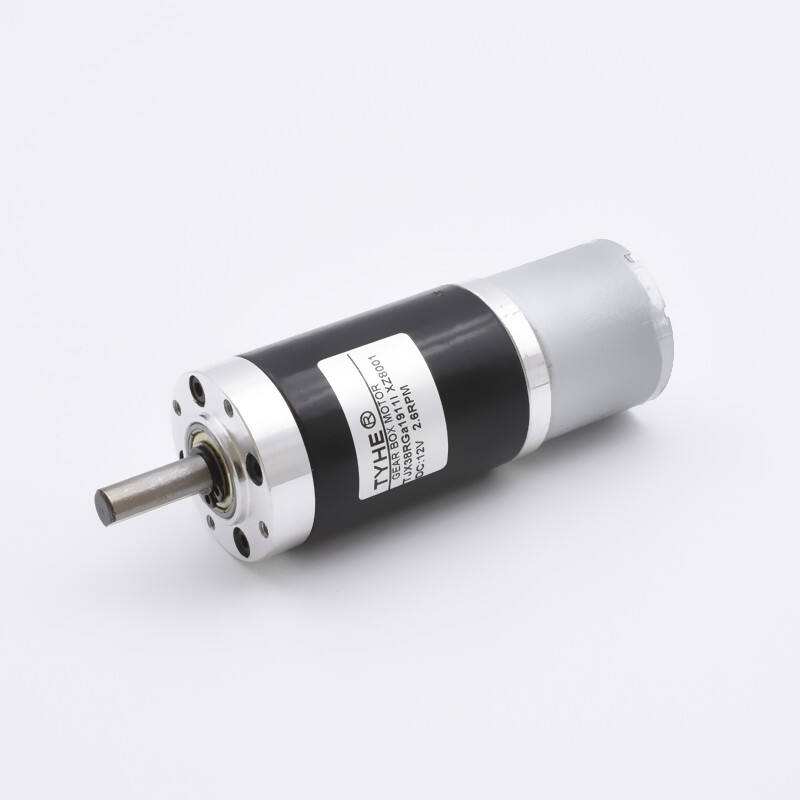
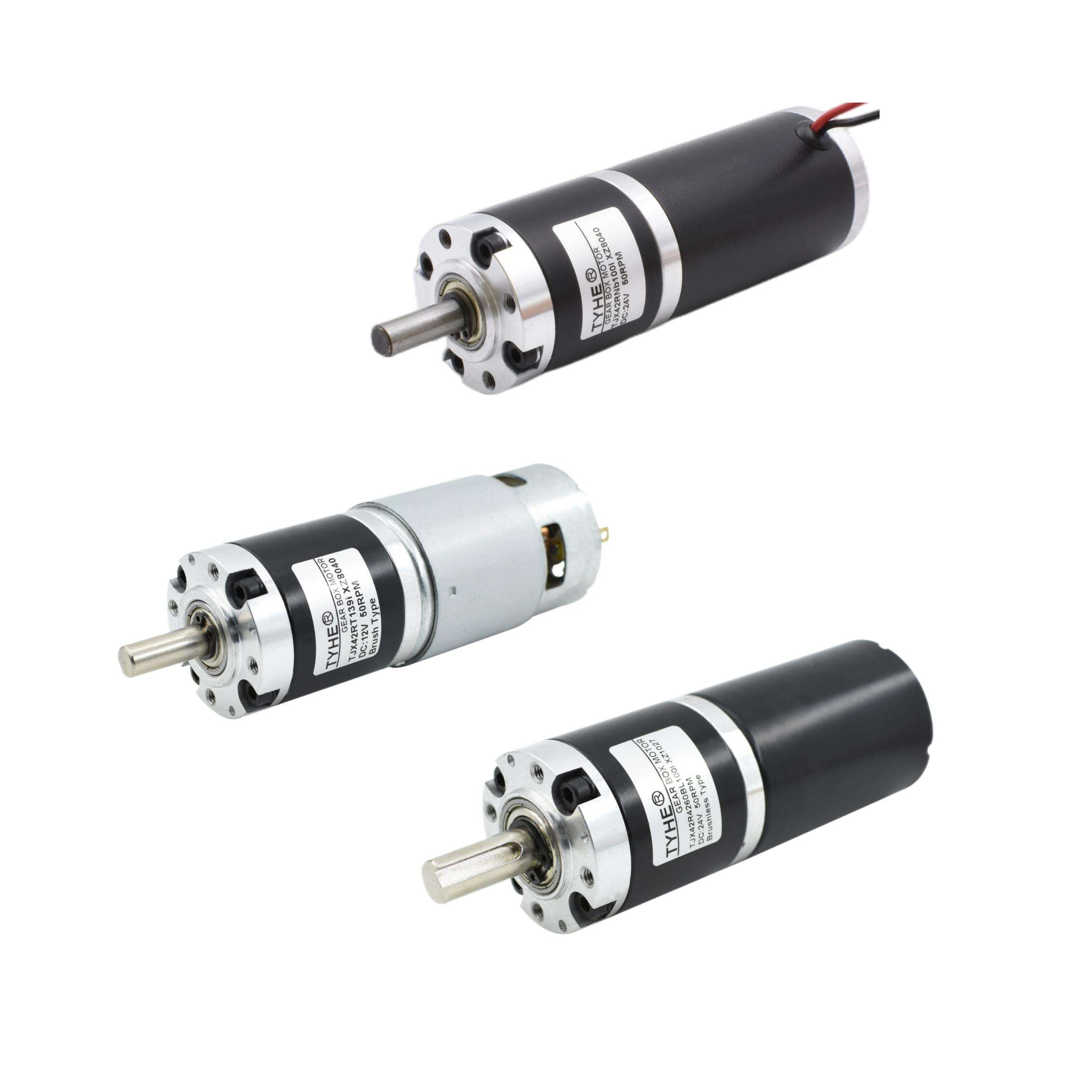
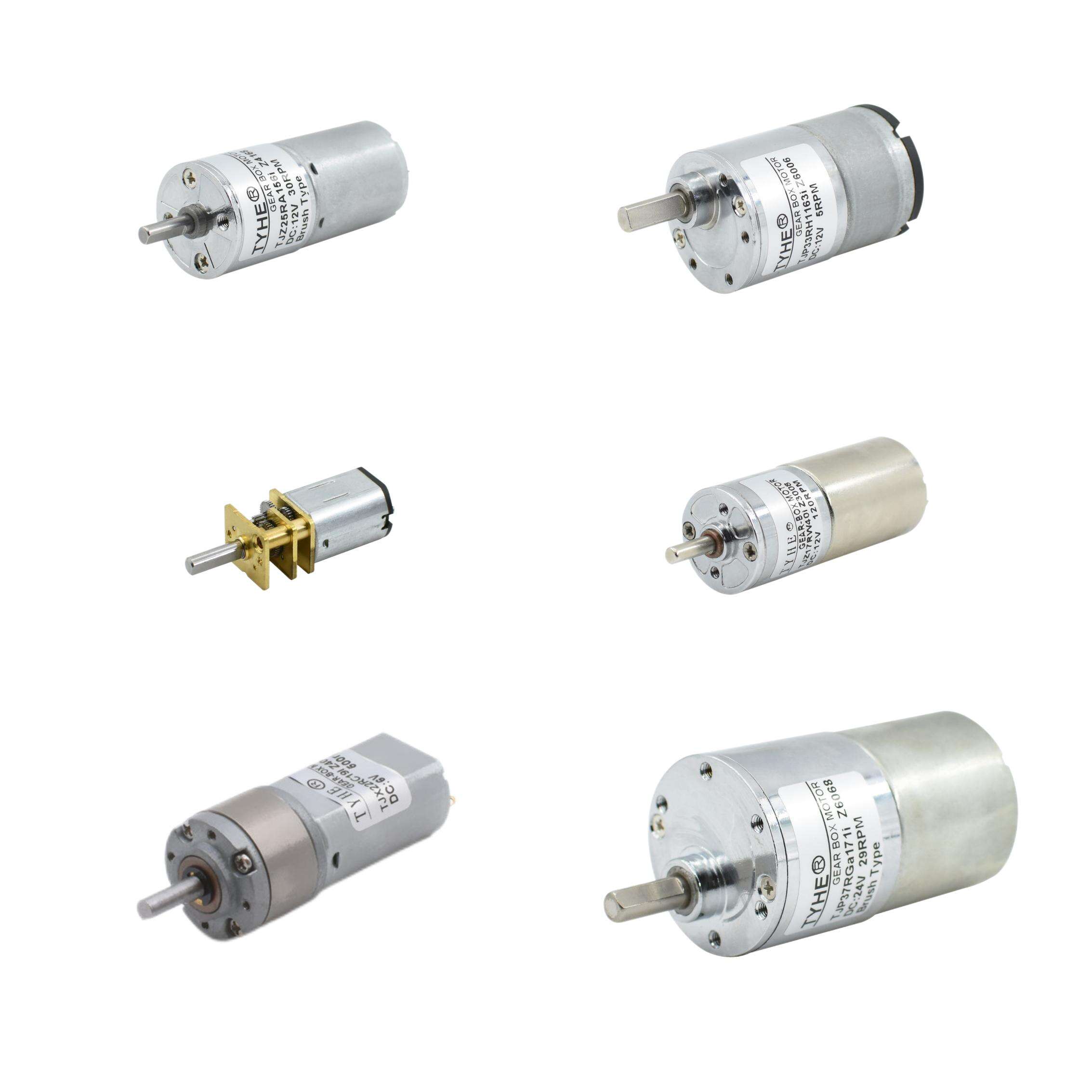
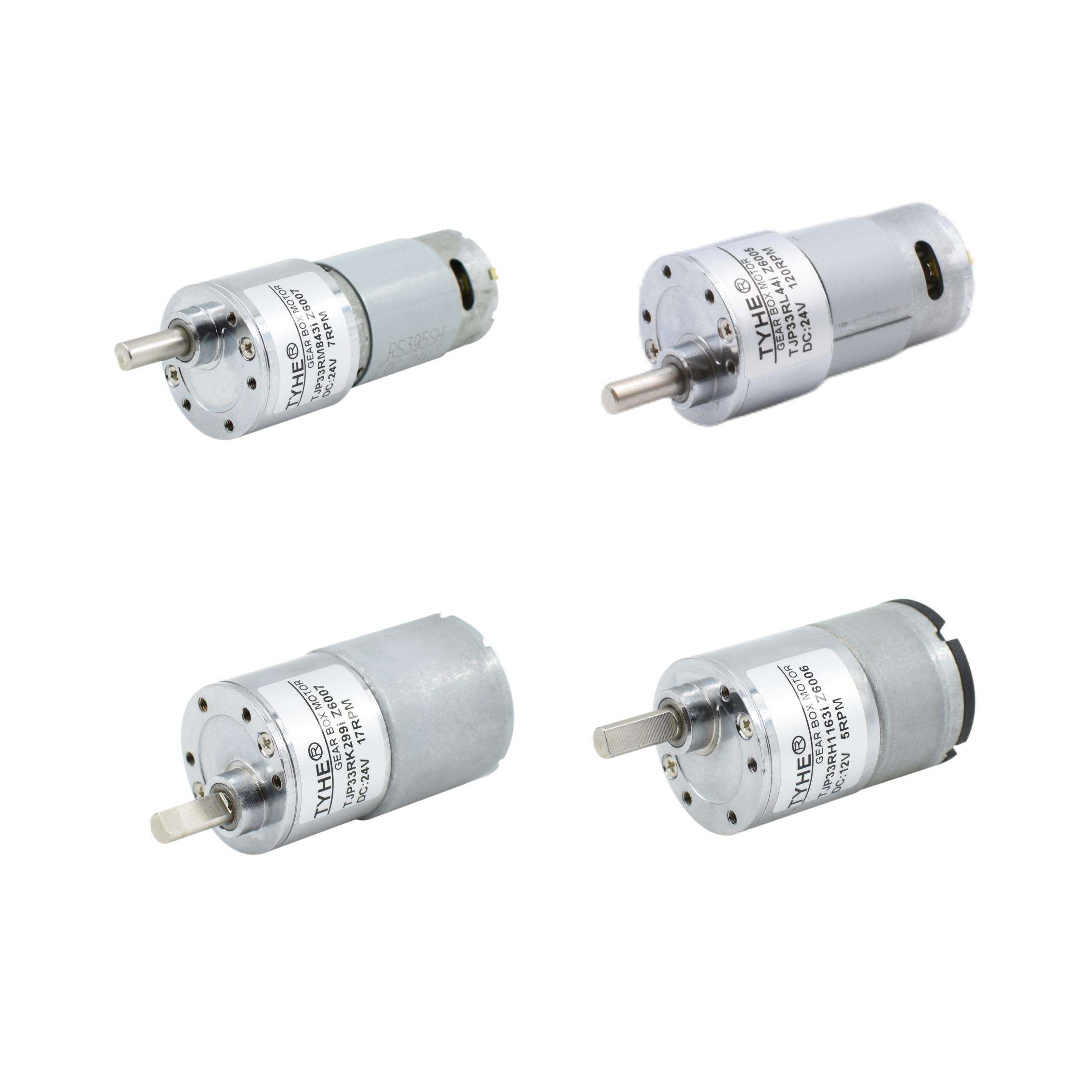
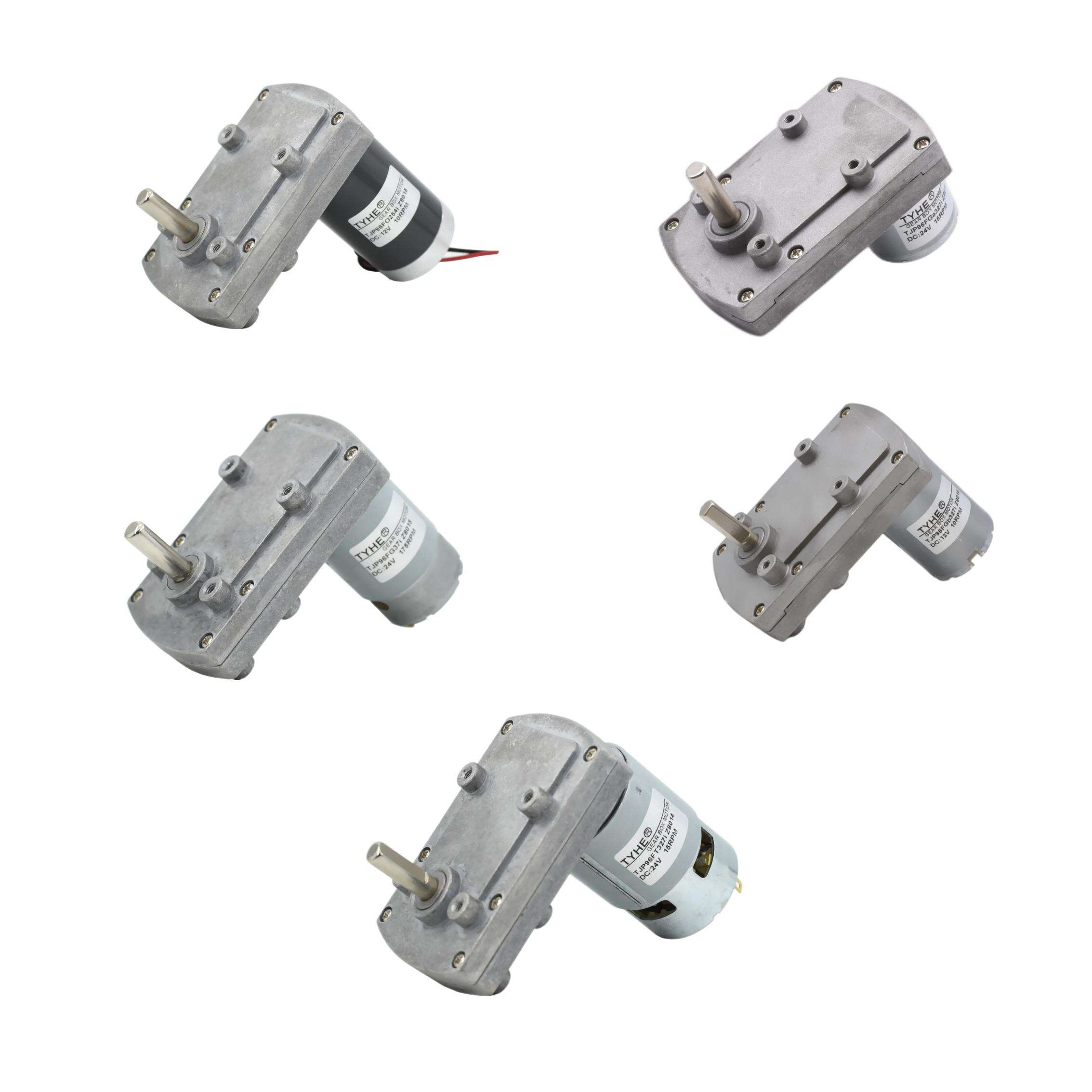
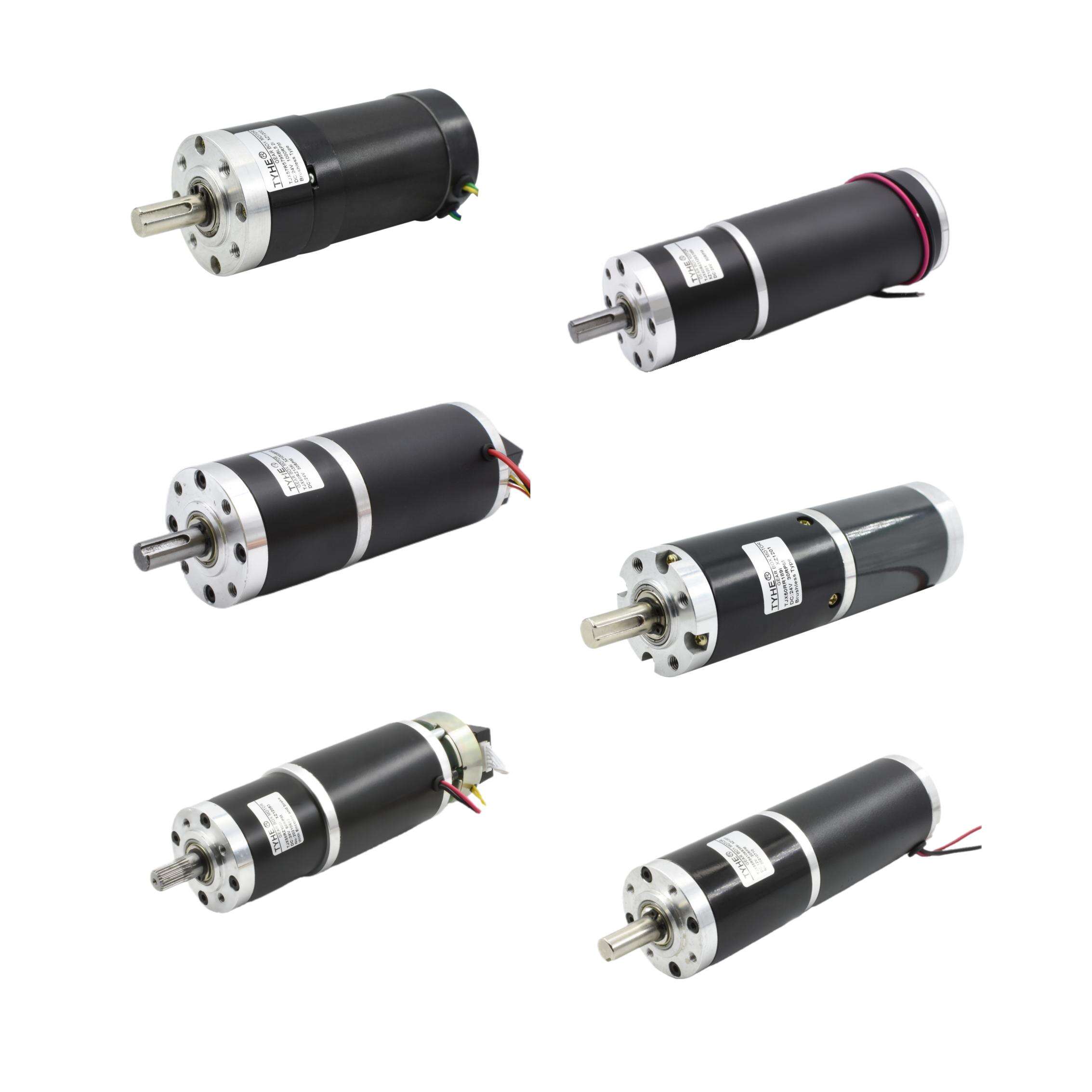
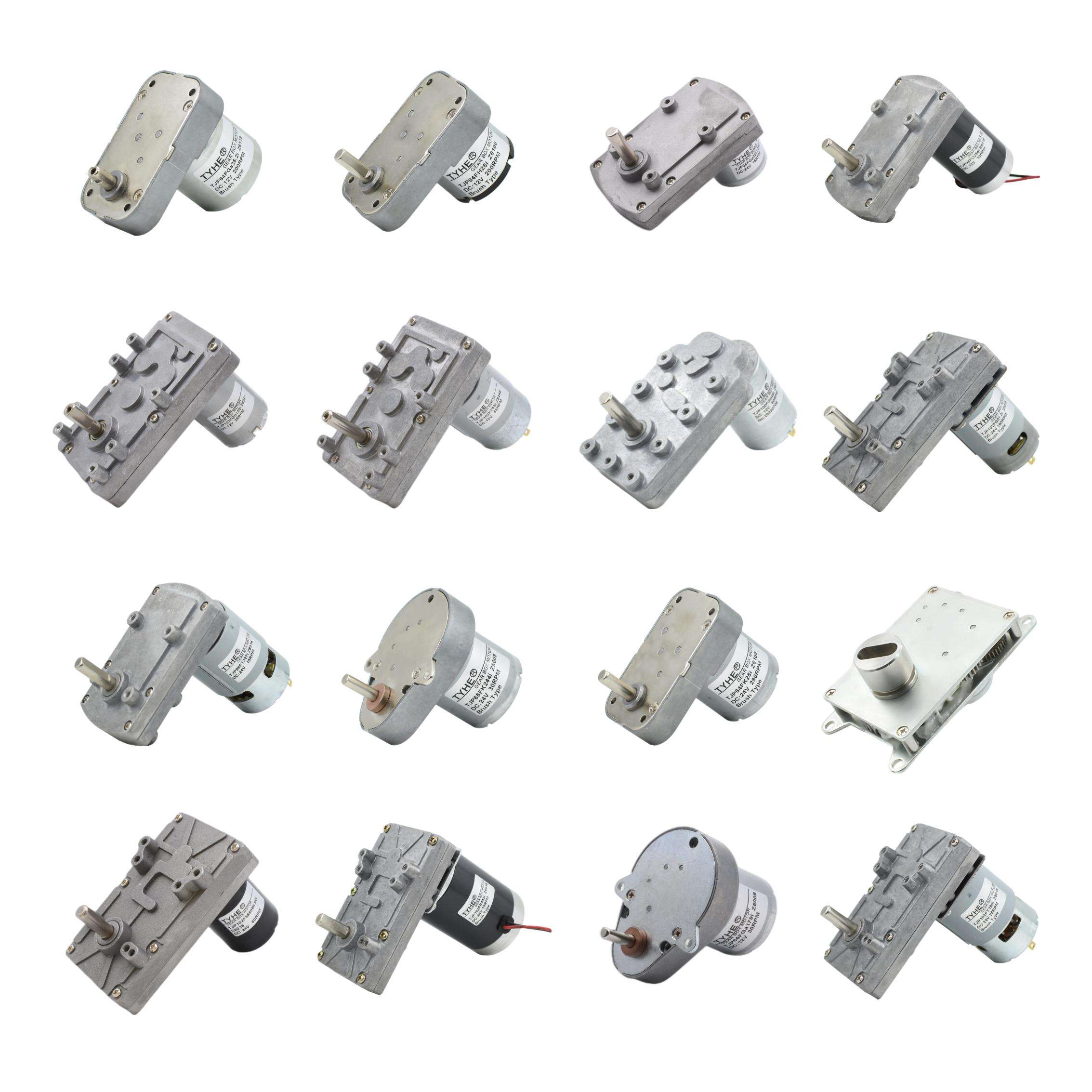
Động cơ giảm tốc vòng tua thấp thể hiện độ bền vượt trội nhờ phương pháp chế tạo chắc chắn và các đặc tính vận hành giúp giảm đáng kể tỷ lệ mài mòn so với các loại động cơ tốc độ cao. Ưu điểm về độ bền này bắt nguồn từ nguyên lý vật lý cơ bản của tốc độ quay chậm hơn, khi đó tạo ra ít lực ly tâm hơn lên các bộ phận quay và giảm tần suất chu kỳ tiếp xúc giữa các thành phần cơ khí. Hệ thống giảm tốc phân bổ tải trọng vận hành lên nhiều bề mặt tiếp xúc, ngăn ngừa hiện tượng tập trung ứng suất quá mức có thể dẫn đến hư hỏng sớm các bộ phận. Các vật liệu tiên tiến và kỹ thuật sản xuất chính xác càng nâng cao độ bền, với nhiều hệ thống động cơ giảm tốc vòng tua thấp được trang bị răng bánh răng được tôi cứng, ổ bi chất lượng cao và vỏ bọc chống ăn mòn, được thiết kế để chịu được hàng thập kỷ hoạt động liên tục. Mức độ ứng suất vận hành thấp hơn được chuyển trực tiếp thành yêu cầu bảo trì ít hơn, vì các bộ phận chịu ít mài mòn hơn và cần kiểm tra, bôi trơn, thay thế ít thường xuyên hơn so với các động cơ tốc độ cao. Lịch bảo trì thường có thể được kéo dài đáng kể, một số động cơ giảm tốc vòng tua thấp có thể vận hành nhiều năm giữa các lần bảo dưỡng lớn mà không bị suy giảm hiệu suất. Lợi ích kinh tế từ độ bền được cải thiện này trở nên đáng kể trong suốt vòng đời hoạt động của động cơ, khi chi phí bảo trì thấp hơn, ít cần thay thế linh kiện hơn và thời gian ngừng hoạt động giảm góp phần cải thiện tổng chi phí sở hữu. Bảo trì dự đoán trở nên hiệu quả hơn với động cơ giảm tốc vòng tua thấp, vì các mẫu mài mòn dần dần của chúng cung cấp các dấu hiệu cảnh báo rõ ràng trước khi xảy ra sự cố, cho phép đội bảo trì lên kế hoạch các hoạt động bảo trì trong thời gian ngừng hoạt động đã định trước thay vì ứng phó với sự cố khẩn cấp. Khả năng chống chịu môi trường là một lợi thế bền bỉ khác, vì cấu tạo chắc chắn thường bao gồm các hệ thống làm kín nâng cao nhằm bảo vệ các bộ phận bên trong khỏi bụi, độ ẩm và tiếp xúc hóa chất phổ biến trong môi trường công nghiệp. Khả năng duy trì các thông số hiệu suất trong suốt thời gian phục vụ của động cơ giảm tốc vòng tua thấp đảm bảo chất lượng sản phẩm và độ tin cậy vận hành ổn định mà doanh nghiệp có thể tin cậy cho các ứng dụng quan trọng. Quy trình kiểm soát chất lượng được hưởng lợi từ độ bền này, vì hiệu suất ổn định của động cơ loại bỏ các yếu tố biến đổi có thể ảnh hưởng đến kết quả sản xuất. Độ tin cậy lâu dài làm giảm nhu cầu về hệ thống dự phòng và hàng tồn kho thiết bị thay thế, đơn giản hóa quản lý cơ sở vật chất và giảm yêu cầu đầu tư ban đầu. Các đặc tính bền bỉ của động cơ giảm tốc vòng tua thấp cuối cùng cung cấp cho doanh nghiệp các giải pháp đáng tin cậy, tiết kiệm chi phí, mang lại hiệu suất ổn định trong khi giảm thiểu gián đoạn vận hành và chi phí bảo trì trong suốt thời gian phục vụ kéo dài của chúng.

 EN
EN