
 EN
EN
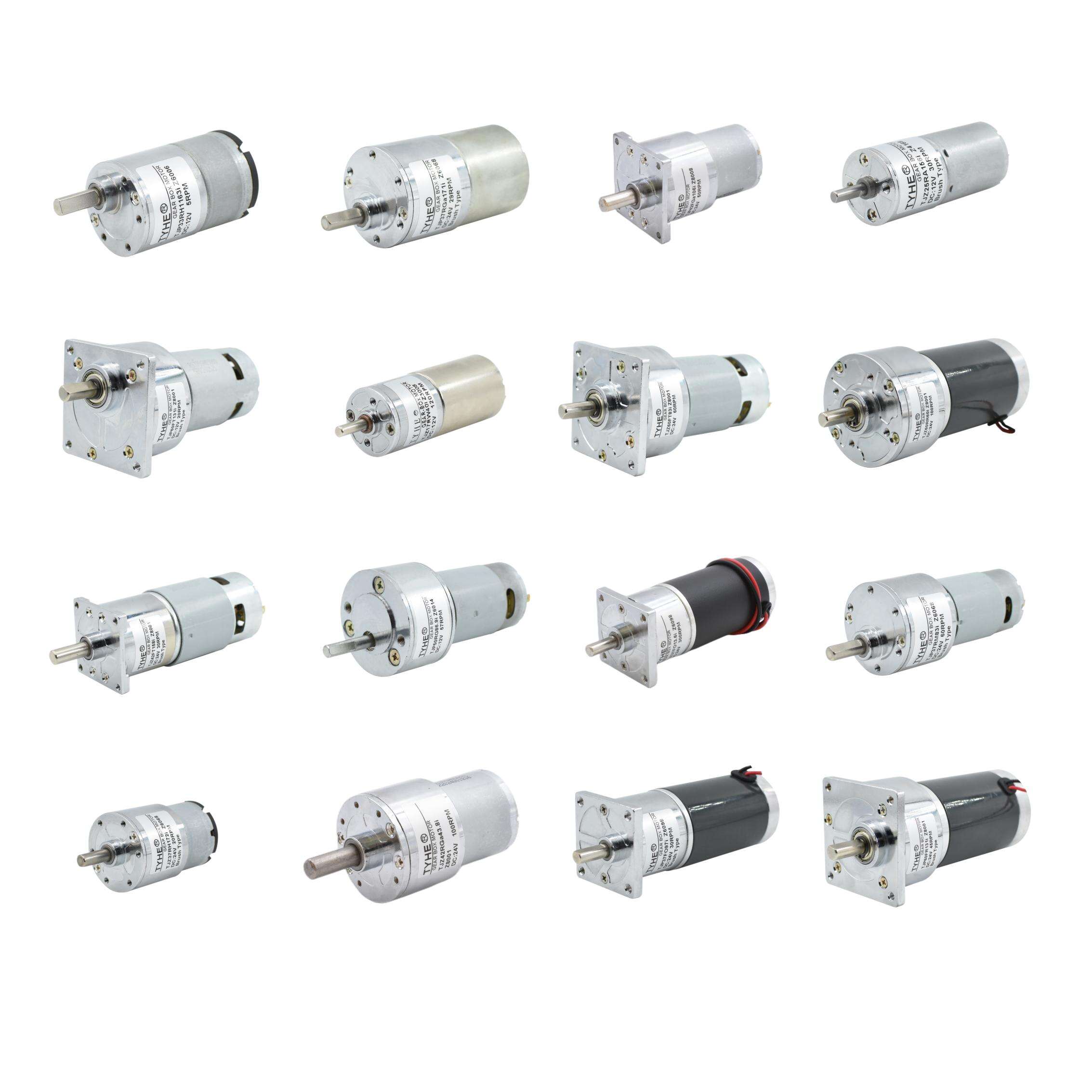
Ang tamang pagpapanatili ng iyong 24V DC motor ay mahalaga upang matiyak ang pinakamahusay na pagganap, mapahabain ang buhay ng operasyon, at maiwasan ang mga mahal na pagkabigo sa mga industriyal na aplikasyon. Kung gagamit ka man ng awtomatikong makinarya, mga sistemang robotiko, o mga kagamitang may mataas na presisyon, ang pag-unawa sa mga pangunahing prinsipyo ng pag-aalaga sa motor ay maaaring makatipid ng libo-libong piso sa mga gastos sa kapalit habang pinapanatili ang pinakamataas na kahusayan. Ang isang maayos na pinananatiling 24V DC motor ay nagbibigay ng pare-parehong torque, maaasahang kontrol sa bilis, at napakadurable sa iba’t ibang kondisyon ng operasyon. Ang komprehensibong gabay na ito ay nagbibigay ng ekspertong pananaw tungkol sa pagpapanatili ng iyong mga sistemang motor gamit ang mga na-probekang pamamaraan na ginagamit ng mga propesyonal sa industriya sa buong mundo.
Pag-unawa sa mga Bahagi ng Motor at Kanilang mga Tungkulin
Mahahalagang Panloob na Bahagi
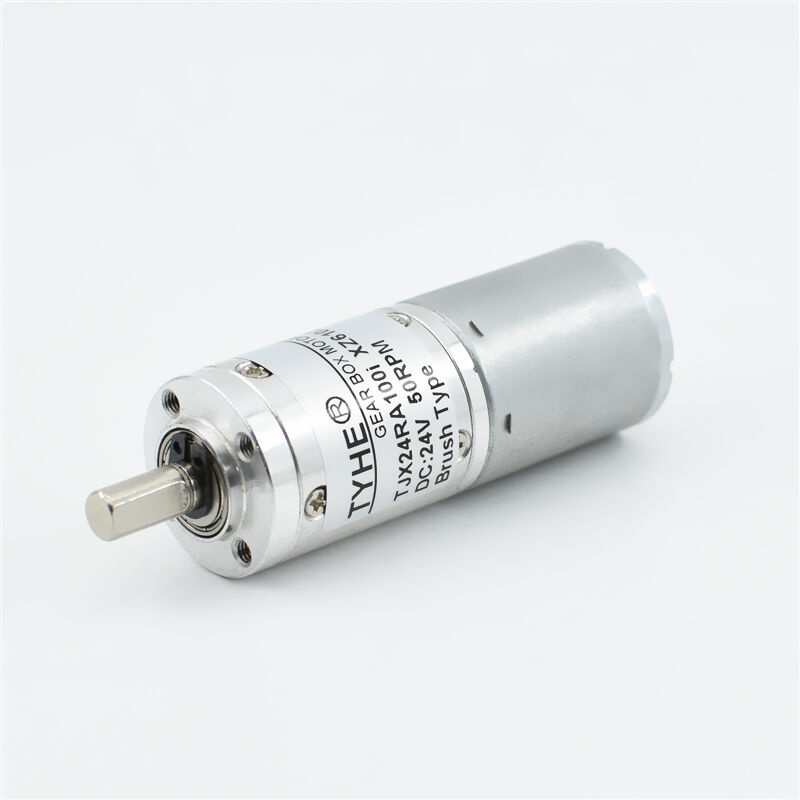
Ang panloob na arkitektura ng isang 24V DC motor ay binubuo ng ilang mahahalagang bahagi na nagtatrabaho nang sabay-sabay upang i-convert ang enerhiyang elektrikal sa mekanikal na galaw. Ang armature, na binubuo ng mga kobreng balot na nakabalot sa isang laminated na bakal na core, ay nagsisilbing pangunahing umiikot na elemento na responsable sa pagbuo ng mga electromagnetic na pwersa. Ang mga carbon brush ay nagpapanatili ng elektrikal na koneksyon sa pagitan ng mga stationary at umiikot na bahagi, na nagsisiguro ng tuloy-tuloy na daloy ng kasalukuyan sa loob ng mga armature winding. Ang mga segment ng commutator ay tumutulong sa direksyonal na pagbabago ng kasalukuyan, na nagpapahintulot sa makinis na rotational na galaw sa iyong 24V DC motor system.
Ang mga permanenteng magneto o mga gulungan ng electromagnet na field ay lumilikha ng kinakailangang magnetic field na kumikilos kasama ang mga armature currents upang makabuo ng rotational torque. Ang mga bearing assembly ay sumusuporta sa umiikot na shaft habang binabawasan ang friction at pinapanatili ang tumpak na alignment habang gumagana. Ang pag-unawa sa mga pangunahing bahaging ito ay tumutulong sa pagkilala sa mga posibleng pangangailangan sa pagpapanatili at sa pagtukoy ng mga isyu sa pagganap bago pa man ito lumala at maging malalang pagkabigo. Ang regular na inspeksyon sa bawat bahagi ay nagsisiguro na ang iyong motor ay nananatiling may optimal na kahusayan sa buong kanyang operational lifecycle.
Mga Konsiderasyon sa Pag-integrate ng Gearbox
Maraming aplikasyon ng 24V DC motor ang gumagamit ng planetary o worm gearboxes upang makamit ang ninanais na pagbawas ng bilis at pagpaparami ng torque. Ang mga integrated na sistema na ito ay nangangailangan ng espesyal na pamamaraan sa pagpapanatili na sumasaklaw sa parehong mga bahagi ng motor at gearbox nang sabay-sabay. Ang tamang paglalagay ng lubricant sa mga gear mesh ay nagpipigil sa labis na pagsuot habang pinapanatili ang makinis na pagpapasa ng kapangyarihan mula sa motor patungo sa output shaft. Ang pagsubaybay sa temperatura ay naging lalo pang mahalaga sa mga geared na aplikasyon kung saan ang friction losses ay maaaring magdulot ng malaking pagtaas ng init.
Ang mga teknik sa vibration analysis ay tumutulong sa pagtukoy ng maagang mga palatandaan ng pagsuot ng gear, misalignment, o pagkabulok ng bearing sa loob ng gearbox assembly. Ang sealed na kalikasan ng karamihan sa integrated na gearbox ay nangangailangan ng maingat na pansin sa mga schedule ng lubrication at sa pagpapanatili ng integridad ng mga seal. Ang pag-unawa sa interaksyon sa pagitan ng performance ng motor at kahusayan ng gearbox ay nagpapahintulot ng mas epektibong pagpaplano ng pagpapanatili at optimisasyon ng kabuuang reliability ng sistema.
Pagsasaya ng Preventive Maintenance
Mga Pang-araw-araw na Pagsusuri sa Operasyon
Ang pagpapatupad ng isang istrukturadong pang-araw-araw na inspeksyon ay nagsisilbing pundasyon ng epektibong mga programa sa pagpapanatili ng 24V DC motor. Ang visual na inspeksyon ay dapat kasama ang pagsusuri para sa anumang hindi karaniwang antas ng ingay, labis na pagvivibrate, o abnormal na pag-init habang nasa normal na siklo ng operasyon. Ang pagmomonitor sa mga pattern ng kuryenteng kinokonsumo ay tumutulong upang matukoy ang mga umuunlad na problema tulad ng dagdag na friction, pagsusuot ng brushes, o pagkabulok ng mga winding bago pa man ito magdulot ng kumpletong kabiguan ng motor. Ang pagre-record ng mga parameter ng operasyon sa mga log ng pagpapanatili ay nagbibigay ng mahalagang datos para sa trend analysis na ginagamit sa mga desisyon ukol sa predictive maintenance.
Ang mga pagsukat ng temperatura gamit ang infrared thermography o mga contact thermometer ay dapat gawin sa pare-parehong mga agwat upang matatag ang mga batayang temperatura ng operasyon. Ang anumang pagkakaiba na lumalampas sa normal na saklaw ng operasyon ay nagpapahiwatig ng potensyal na problema na nangangailangan ng agarang pagsusuri. Ang pagsusuri sa mga hardware na ginagamit sa pag-mount para sa kahinaan o pagkasira ay nakakaiwas sa mga isyu sa alignment na maaaring magdulot ng maagang pagkabigo ng bearing o labis na vibration sa iyong motor system.
Mga pamamaraan ng lingguhang pagpapanatili
Ang mga lingguhang pamantayan sa pagpapanatili ay dapat kasama ang mas detalyadong inspeksyon sa kalagayan ng brush, kalidad ng ibabaw ng commutator, at integridad ng mga electrical connection. Ang paglilinis ng nakapiling alikabok, basura, o mga kontaminante mula sa mga motor housing at ventilation channels ay nagpapanatili ng tamang airflow para sa paglamig at nakakaiwas sa mga kondisyon ng overheating. Ang pagsusuri sa mga punto ng lubrication ay nagpapatitiyak na sapat ang antas ng grease sa mga bearing assembly habang sinusuri rin ang mga palatandaan ng kontaminasyon o degradasyon.
Ang mga prosedura sa pagsusuri ng kuryente, kabilang ang mga pagsukat sa resistensya ng pagkakahiwalay at mga pagsuri sa pagkakakonekta, ay tumutulong na matukoy ang mga umuunlad na problema sa mga balot o mga isyu sa koneksyon. Ang dokumentasyon ng lahat ng mga pagsukat at obserbasyon sa komprehensibong mga rekord ng pagpapanatili ay nagpapahintulot sa pagsusuri ng mga trend at sa pagpaplano ng predictive maintenance. Ang mga sistematikong prosedurang lingguhan na ito ay lubos na nagpapahaba sa operasyonal na buhay ng iyong 24v dc motoryo habang pinabababa ang mga hindi inaasahang pangyayari ng paghinto sa operasyon.
Pagsasawi ng Elektrikal na Sistema
Mga Pag-iisip Tungkol sa Power Supply
Mahalaga ang pagpapanatili ng malinis at matatag na kondisyon ng suplay ng kuryente para sa optimal na pagganap at habambuhay ng 24V DC motor. Ang mga pagbabago sa boltahe, harmonic distortion, o electrical noise ay maaaring magdulot ng labis na init, nababawasan ang kahusayan, at paikliin ang buhay ng mga bahagi. Ang pag-install ng angkop na mga filtering capacitor at surge protection device ay tumutulong na mapanatili ang pare-parehong kalidad ng kuryente habang ipinoprotektahan ang mga sensitibong bahagi ng motor mula sa mga electrical transients.
Ang regular na pagkakalibrado ng mga sistema ng suplay ng kuryente ay nagsisiguro ng tumpak na regulasyon ng boltahe sa loob ng mga teknikal na tukoy ng tagagawa. Ang pagsubaybay sa mga parameter ng kalidad ng kuryente gamit ang mga espesyalisadong instrumento ay tumutulong na matukoy ang mga potensyal na isyu sa mga transformer ng suplay, mga rectifier, o mga kable ng distribusyon na maaaring makaapekto sa pagganap ng motor. Ang tamang mga pamamaraan sa pag-ground at pag-shield ay nagpapababa ng electromagnetic interference na maaaring makagambala sa mga sistema ng kontrol ng motor o magdulot ng hindi regular na mga pattern ng operasyon.
Pangangalaga sa Brush at Commutator
Ang pagsusuri at pagpapalit ng carbon brush ay isa sa pinakamahalagang gawain sa pangangalaga para sa mga sistema ng 24V DC motor. Ang mga naka-worn na brush ay lumilikha ng mahinang electrical contact, nadagdag na resistance, at labis na sparking na maaaring sirain ang mga ibabaw ng commutator. Ang pagtatatag ng tamang mga panahon para sa pagpapalit ng brush batay sa oras ng operasyon at mga kondisyon sa kapaligiran ay nakakaiwas sa mga di-inaasahang kabiguan at nananatiling optimal ang mga katangian ng pagganap.
Ang pagkondisyon ng ibabaw ng commutator sa pamamagitan ng tamang paglilinis at paminsan-minsang pagreresurface ay nagpapagaranтиya ng makinis na kontak ng brush at epektibong paglipat ng kasalukuyan. Ang paggamit ng angkop na mga solvent sa paglilinis at mga abrasive na pamamaraan ay nag-aalis ng carbon buildup at oxidation nang hindi nasasaktan ang mga segment ng commutator. Ang tamang pag-aadjust ng tensyon ng brush spring ay nagpapanatili ng pare-parehong presyon ng kontak sa buong siklo ng operasyon, kaya nababawasan ang rate ng pagsuot at nadadagdagan ang kabuuang katiyakan ng motor.
Pangangalaga sa Mga Mekanikal na Bahagi
Mga Protokol sa Pagpapanatili ng Bearing
Ang pangangalaga sa bearing ay isang mahalagang aspeto ng pangangalaga sa 24V DC motor na direktang nakaaapekto sa katiyakan ng operasyon at pagkakapare-pareho ng pagganap. Ang tamang lubrication gamit ang mga uri at dami ng grease na inirerekomenda ng tagagawa ay nagpipigil sa labis na friction habang pinoprotektahan ang mga ibabaw ng bearing mula sa kontaminasyon at corrosion. Ang pagtatatag ng angkop na mga interval para sa relubrication batay sa mga kondisyon ng operasyon, bilis, at mga kadahilanan sa kapaligiran ay nagpapagarantiya ng optimal na pagganap ng bearing sa buong service life ng motor.
Ang mga teknik sa pagsubaybay sa pagvivibrate ay tumutulong na matukoy ang mga unang palatandaan ng pagsuot ng bilihin, kontaminasyon, o mga isyu sa pag-aayos bago sila magdulot ng malalang kabiguan. Ang paggamit ng mga portable na vibration analyzer o ng mga permanenteng nakainstal na sistema ng pagsubaybay ay nagbibigay ng mahalagang impormasyon para sa diagnosis tungkol sa kalagayan ng bilihin at natitirang buhay ng serbisyo nito. Ang pagsubaybay sa temperatura ng mga housing ng bilihin ay sumusuplemento sa pagsusuri ng pagvivibrate sa pamamagitan ng pagkilala sa mga problema na may kinalaman sa friction o sa kakulangan ng lubrication.
Pag-aayos ng Shaft at Pananatili ng Coupling
Ang pagpapanatili ng tamang pag-aayos ng shaft sa pagitan ng iyong 24V DC motor at ng pinapagana nitong kagamitan ay mahalaga upang maiwasan ang maagang kabiguan ng bilihin, labis na pagvivibrate, at nababawasang kahusayan sa operasyon. Ang mga teknik sa eksaktong pag-aayos gamit ang mga kasangkapan sa laser alignment o dial indicators ay nagsisiguro ng tumpak na posisyon sa loob ng mga toleransya na itinakda ng tagagawa. Ang pangangalaga sa flexible coupling ay kasama ang regular na inspeksyon para sa pagsuot, pumutok, o pagbaba ng kalidad na maaaring makaapekto sa kahusayan ng pagpapasa ng kapangyarihan.
Ang mga kinakailangan sa paglilipid ng coupling ay nag-iiba depende sa uri ng disenyo, kung saan ang ilan ay nangangailangan ng paulit-ulit na paglalagay ng grease habang ang iba ay gumagana nang walang pangangailangan ng pagpapanatili sa buong kanilang buhay na operasyon. Ang pagsubaybay sa temperatura at antas ng vibration ng coupling ay tumutulong upang matukoy ang mga umuunlad na problema tulad ng maling alignment, pagsusuot, o kondisyon ng imbalance. Ang tamang pagpili at paraan ng pag-install ng coupling ay nababawasan ang mga pwersang ipinapasa na maaaring sirain ang mga motor bearing o makaapekto sa operasyonal na pagganap.
Mga Sukat sa Proteksyon ng Kapaligiran
Prevensyon ng Kontaminasyon
Ang pagprotekta sa iyong 24V DC motor mula sa mga kontaminante sa kapaligiran ay malaki ang nakakatulong upang mapahaba ang buhay na operasyon nito at panatilihin ang katiyakan ng pagganap. Ang alikabok, kahalumigmigan, mga kemikal, at mga korosibong substansiya ay maaaring magdulot ng maagang pagkabigo ng mga komponente at pagbaba ng kahusayan kung papayagan ang pagpasok nila sa mga housing ng motor. Ang pag-install ng angkop na mga enclosure, seals, at mga sistema ng filtration ay lumilikha ng mga protektibong hadlang laban sa mga panganib mula sa kapaligiran habang pinapanatili ang kinakailangang daloy ng hangin para sa paglamig.
Ang mga regular na proseso ng paglilinis ay nag-aalis ng mga nakakalapag na kontaminante bago pa man sila makasira sa mga panloob na bahagi. Ang paggamit ng compressed air, mga espesyal na solvent, o mga teknik ng ultrasonic cleaning ay epektibong nag-aalis ng alikabok, langis, at iba pang dumi mula sa mga ibabaw ng motor at mga kanal ng bentilasyon. Ang pagpapatupad ng mga programa sa pagsubaybay sa kontaminasyon ay tumutulong na kilalanin ang mga posibleng pinanggalingan nito at maisagawa ang mga pampreventibong hakbang bago pa man lumubha ang mga problema.
Pamamahala sa Temperatura at Kaguluhan
Ang pagpapanatili ng angkop na temperatura sa operasyon ay nagpipigil sa thermal stress at degradasyon ng mga bahagi sa mga aplikasyon ng 24V DC motor. Ang labis na init ay pabilisin ang pagtanda ng insulation, dagdagan ang mga pagkawala dahil sa resistance, at maaaring magdulot ng permanenteng pagkawala ng magnetism sa mga permanent magnet motor. Ang pag-install ng sapat na mga sistema ng bentilasyon, heat exchanger, o mga cooling fan ay nagtiyak ng tamang pamamahala ng init sa ilalim ng iba’t ibang kondisyon ng karga.
Ang pagkontrol sa kahalumigan ay nagpipigil sa pag-akumula ng kahalumigan na maaaring magdulot ng pagkabigo ng pampagkakakilanlan, pagkaubos, o mga problema sa elektrikal na pagsubaybay. Ang paggamit ng mga sistema ng desiccant, mga heater, o mga nakasara na kabanayan ay nagpapanatili ng optimal na antas ng kahalumigan sa loob ng mga kabanayan ng motor. Ang regular na pagsusuri sa resistensya ng pampagkakakilanlan ay sinusubaybayan ang epekto ng mga hakbang sa pagprotekta laban sa kahalumigan at natutukoy ang mga potensyal na problema bago pa ito makaapekto sa pagganap o katiyakan ng motor.
Paglutas ng mga karaniwang isyu
Mga Sintomas ng Pagbaba ng Pagganap
Ang pagkilala sa mga maagang palatandaan ng mga problema sa 24V DC motor ay nagbibigay-daan sa mga interbensyon sa pangangalaga na proaktibo upang maiwasan ang mahal na mga pagkabigo at matagal na panahon ng hindi paggamit. Ang paulang pagbaba ng bilis, pagtaas ng konsumo ng kasalukuyan, o pagbaba ng output ng torque ay karaniwang nagsasaad ng umuunlad na mga problema sa mekanikal o elektrikal na nangangailangan ng agarang pansin. Ang mga di-karaniwang tunog, kabilang ang mga tunog ng paggiling, paghiyos, o pagkiklik, ay madalas na nagsasaad ng pagsusuot ng mga bearing, mga problema sa brush, o mga isyu sa mekanikal na pagharang.
Ang pagtaas ng temperatura nang lampas sa normal na saklaw ng operasyon ay nagpapahiwatig ng mga problema sa mga sistema ng pagpapalamig, lubrikipasyon ng mga bilyon, o mga komponente ng kuryente. Ang labis na antas ng pagvivibrate ay nagpapahiwatig ng potensyal na mga problema sa pag-aayos, hindi balanseng mga umiikot na bahagi, o pagbubulok ng mga bilyon. Ang sistematikong dokumentasyon at pagsusuri sa mga sintomas na ito ay tumutulong upang matukoy ang pangunahing sanhi at maisagawa ang angkop na mga hakbang na pansugpo bago pa man mangyari ang malalang pagkabigo.
Panghihikayat sa Elektrikal
Ang mga problema sa kuryente sa mga sistemang motor na 24V DC ay kadalasang lumilitaw bilang di-regular na operasyon, nababawasan ang pagganap, o kumpletong kabiguan na magsimula. Ang sistematikong prosedurang pagsusuri sa kuryente gamit ang multimeter, megohmmeter, at oscilloscope ay tumutulong upang hiwalayin ang mga tiyak na kabiguan ng komponente at gabayan ang mga desisyon sa pagrepare. Ang pagsusuri sa resistensya ng insulation ay nakikilala ang pagbubulok ng mga winding o mga problema dulot ng pagsusulot ng kahalumigmigan na maaaring magdulot ng ground fault o short circuit.
Ang pagsubok sa pagkakaputol ay nagpapatunay ng tamang mga koneksyon sa kuryente at nakikilala ang mga bukas na circuit sa mga winding o mga sistema ng kontrol. Ang mga pagsukat ng boltahe at kasalukuyang daloy habang gumagana ay tumutulong sa pagdidiskubre ng mga problema sa suplay ng kuryente, labis na pagkarga, o pagkabigo ng mga bahagi. Ang pag-unawa sa normal na mga katangian ng kuryente ng iyong motor ay nagbibigay-daan sa tumpak na paghahambing sa mga sukat na halaga upang makilala ang mga pagkakaiba na nagsasaad ng mga umuunlad na problema.
Madalas Itanong
Gaano kadalas dapat kong palitan ang mga brush sa aking 24V DC motor?
Ang mga panahon para sa pagpapalit ng brush ay nakasalalay sa mga kondisyon ng operasyon, sa bilis ng operasyon (duty cycle), at sa mga kadahilanan sa kapaligiran, ngunit karaniwang nasa saklaw na 1000 hanggang 5000 oras ng operasyon. Ang regular na pagsusuri bawat 500 oras ay tumutulong upang matukoy ang aktuwal na rate ng pagkakaubos at itakda ang angkop na iskedyul para sa pagpapalit. Ang mga palatandaan na nangangailangan ng agarang pagpapalit ay kinabibilangan ng pagbaba ng haba ng brush sa minimum na mga espesipikasyon, pagkakahati o pagkakasira, o mahinang kontak sa commutator na nagdudulot ng labis na pagsisikat.
Anong saklaw ng temperatura ang itinuturing na normal para sa operasyon ng 24V DC motor?
Ang karamihan sa mga disenyo ng 24V DC motor ay gumagana nang ligtas sa loob ng mga temperatura sa kapaligiran na nasa pagitan ng -20°C hanggang +60°C, kung saan ang temperatura ng mga winding ay hindi dapat lumampas sa 130°C habang tumatakbo nang patuloy. Ang pagtaas ng temperatura mula sa temperatura sa kapaligiran ay karaniwang dapat manatiling sa ilalim ng 80°C para sa mga sistema ng insulation na klase B. Ang paglapag sa mga limitasyong ito ay nagpapahiwatig ng mga problema sa pagpapalamig, sobrang karga, o pagkabigo ng mga bahagi na nangangailangan ng agarang pagsusuri at pagwawasto.
Maaari ba akong gamitin ang iba't ibang mga lubricant kaysa sa mga tinukoy ng tagagawa?
Ang paggamit ng mga lubricant na tinukoy ng tagagawa ay nagti-tiyak ng pinakamahusay na pagganap at pananatili ng saklaw ng warranty para sa iyong 24V DC motor. Ang mga alternatibong lubricant ay maaaring may iba't ibang viscosity, katangian sa temperatura, o mga isyu sa pagkakasundo na maaaring makaapekto sa buhay ng bearing o sa kabuuang pagganap. Kung kinakailangan ang pagpapalit, kumonsulta sa mga eksperto sa lubrication upang matiyak ang katumbas o mas mahusay na mga katangian ng pagganap habang pinapanatili ang pagkakasundo sa mga bahagi.
Paano ko malalaman kung ang aking motor ay nangangailangan ng mga serbisyo ng propesyonal na pagre-repair?
Ang mga propesyonal na serbisyo sa pagkukumpuni ay naging kailangan kapag ang mga problema ay lumalampas sa mga kakayahan sa pangkaraniwang pagpapanatili, tulad ng pag-uulit ng pababa, pagpapalit ng ibabaw ng commutator, o pagpapalit ng mga bantalan na nangangailangan ng espesyalisadong mga kagamitan. Ang mga paunang palatandaan ay kinabibilangan ng paulit-ulit na mga kahinaan sa elektrikal, pinsalang mekanikal, o pagbaba ng pagganap na hindi tumutugon sa mga karaniwang pamamaraan ng pagpapanatili. Ang mga konsiderasyon sa kaligtasan ay nangangailangan din ng interbensyon ng propesyonal kapag nagtatrabaho sa mga sistema ng mataas na boltahe o kumplikadong elektronikong kontrol.
Talaan ng Nilalaman
- Pag-unawa sa mga Bahagi ng Motor at Kanilang mga Tungkulin
- Pagsasaya ng Preventive Maintenance
- Pagsasawi ng Elektrikal na Sistema
- Pangangalaga sa Mga Mekanikal na Bahagi
- Mga Sukat sa Proteksyon ng Kapaligiran
- Paglutas ng mga karaniwang isyu
-
Madalas Itanong
- Gaano kadalas dapat kong palitan ang mga brush sa aking 24V DC motor?
- Anong saklaw ng temperatura ang itinuturing na normal para sa operasyon ng 24V DC motor?
- Maaari ba akong gamitin ang iba't ibang mga lubricant kaysa sa mga tinukoy ng tagagawa?
- Paano ko malalaman kung ang aking motor ay nangangailangan ng mga serbisyo ng propesyonal na pagre-repair?
