Comprehensive Guide to Stepper Motors and DC Motors: Features, Benefits, and Applications

All Categories

stepper motor and dc motor

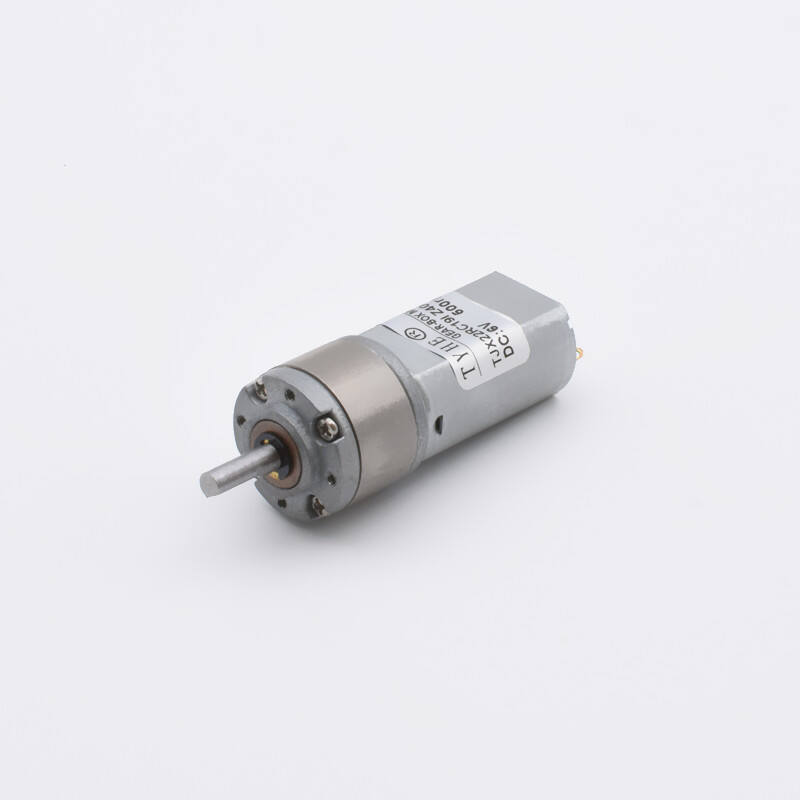
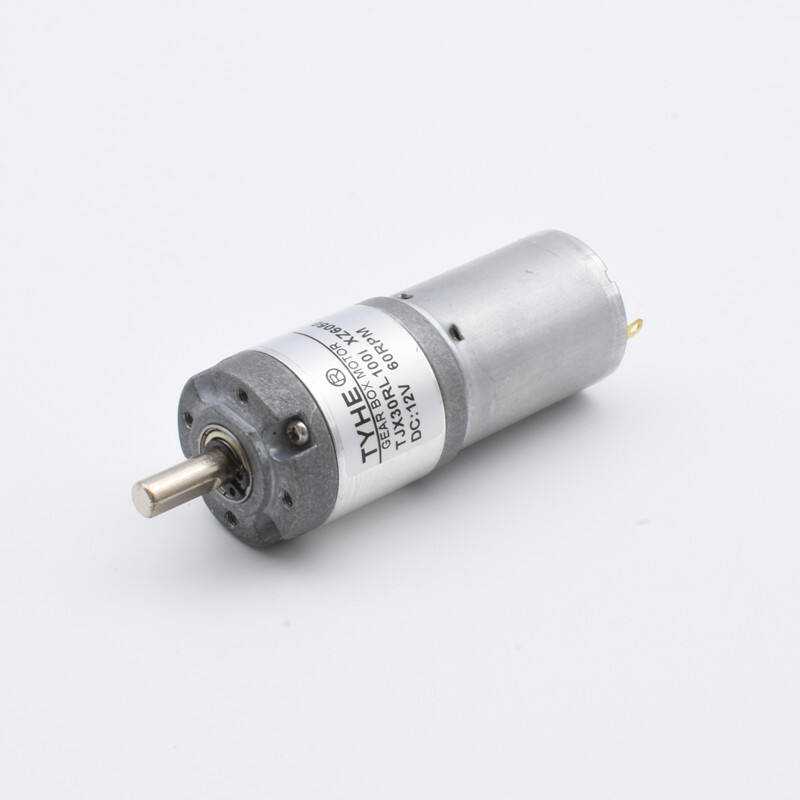
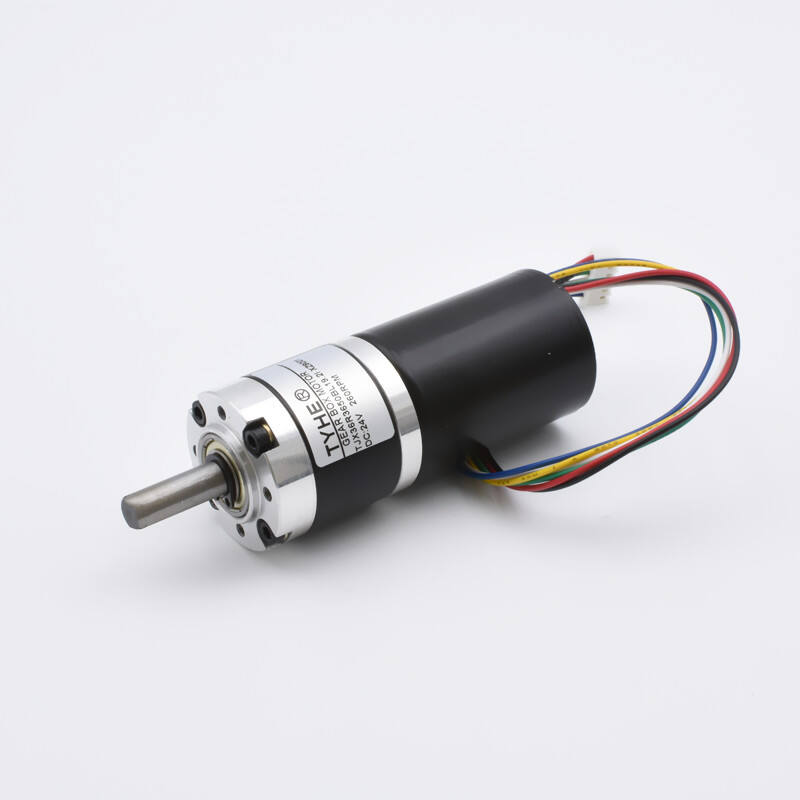
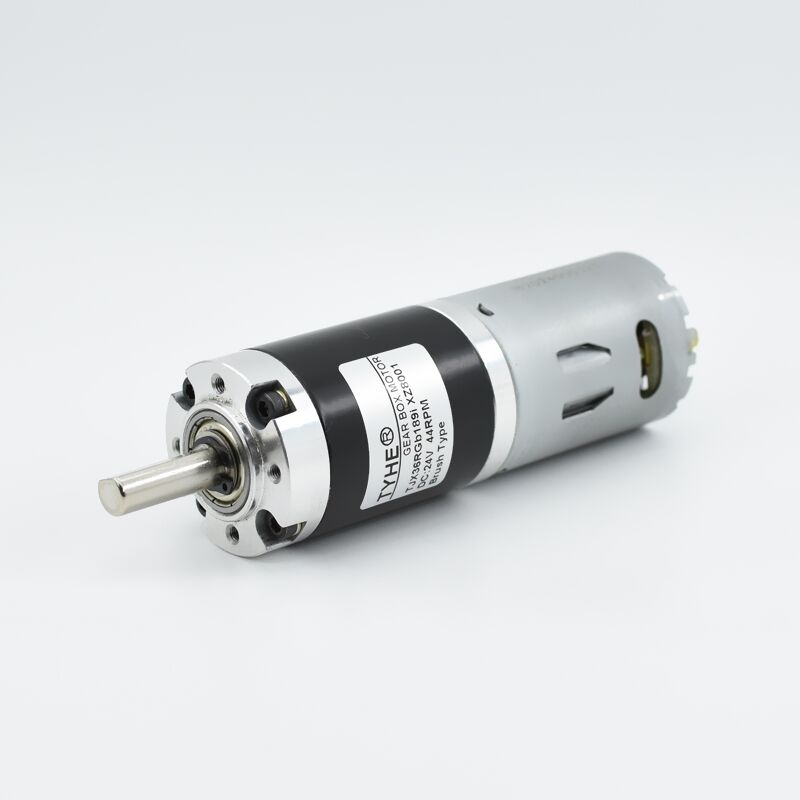
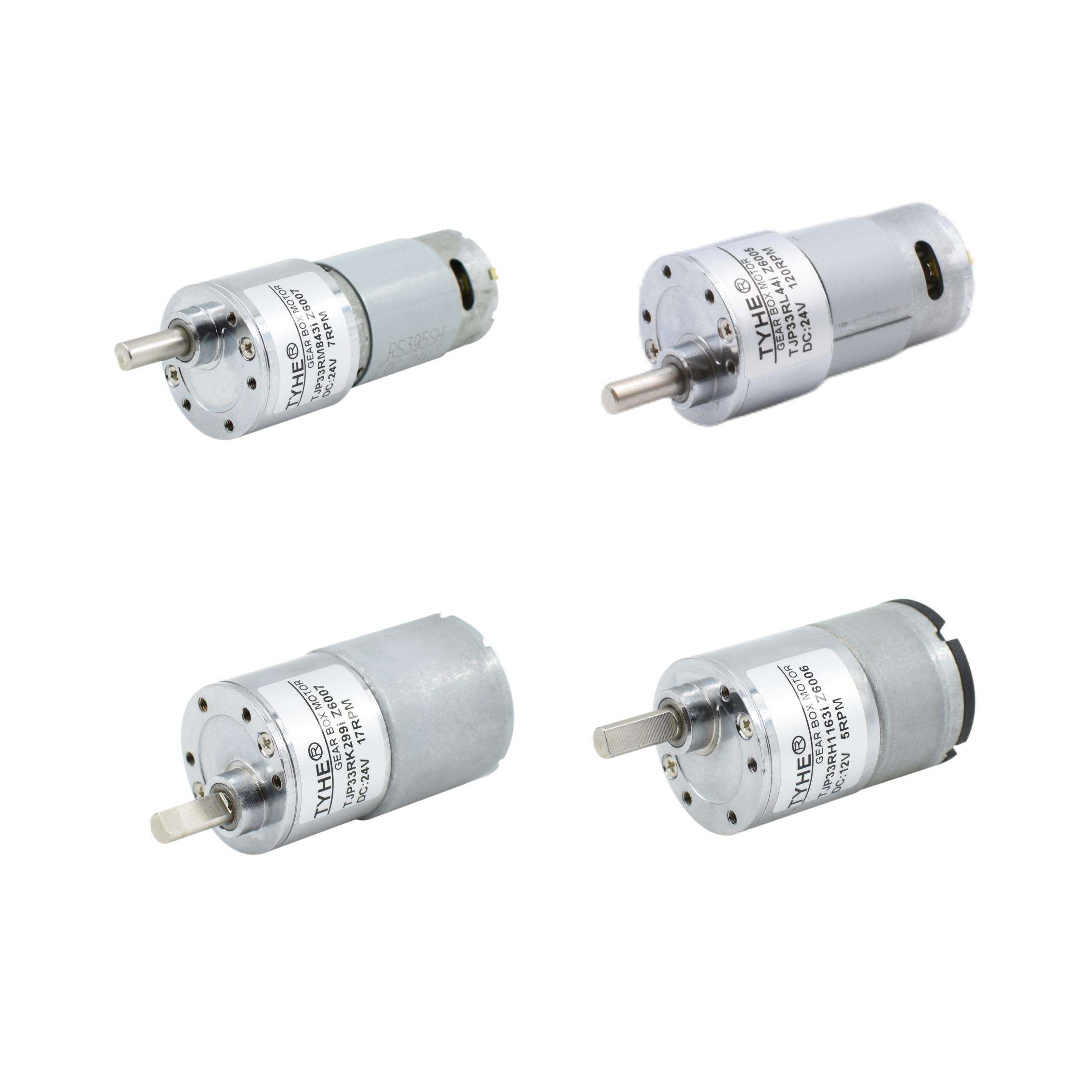
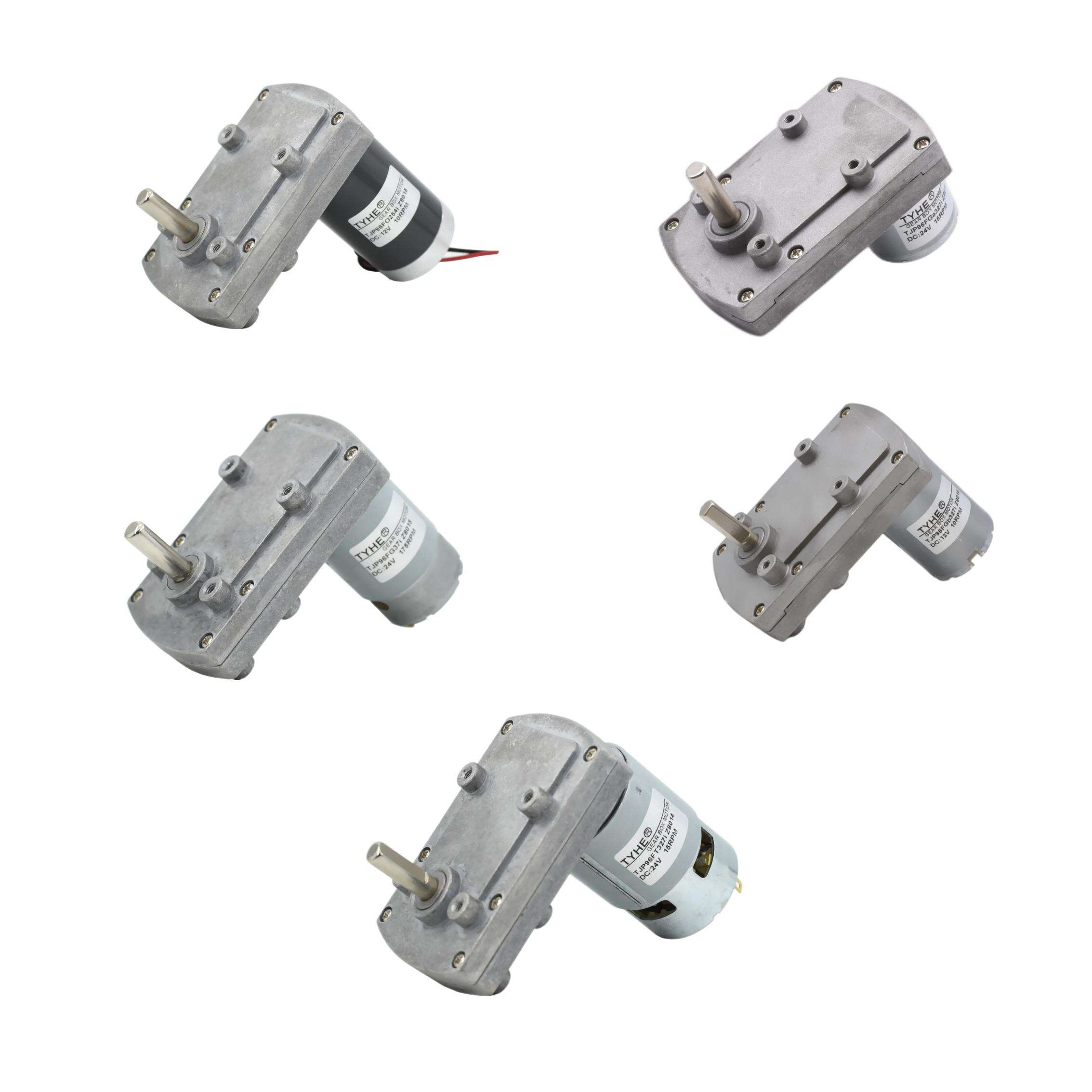
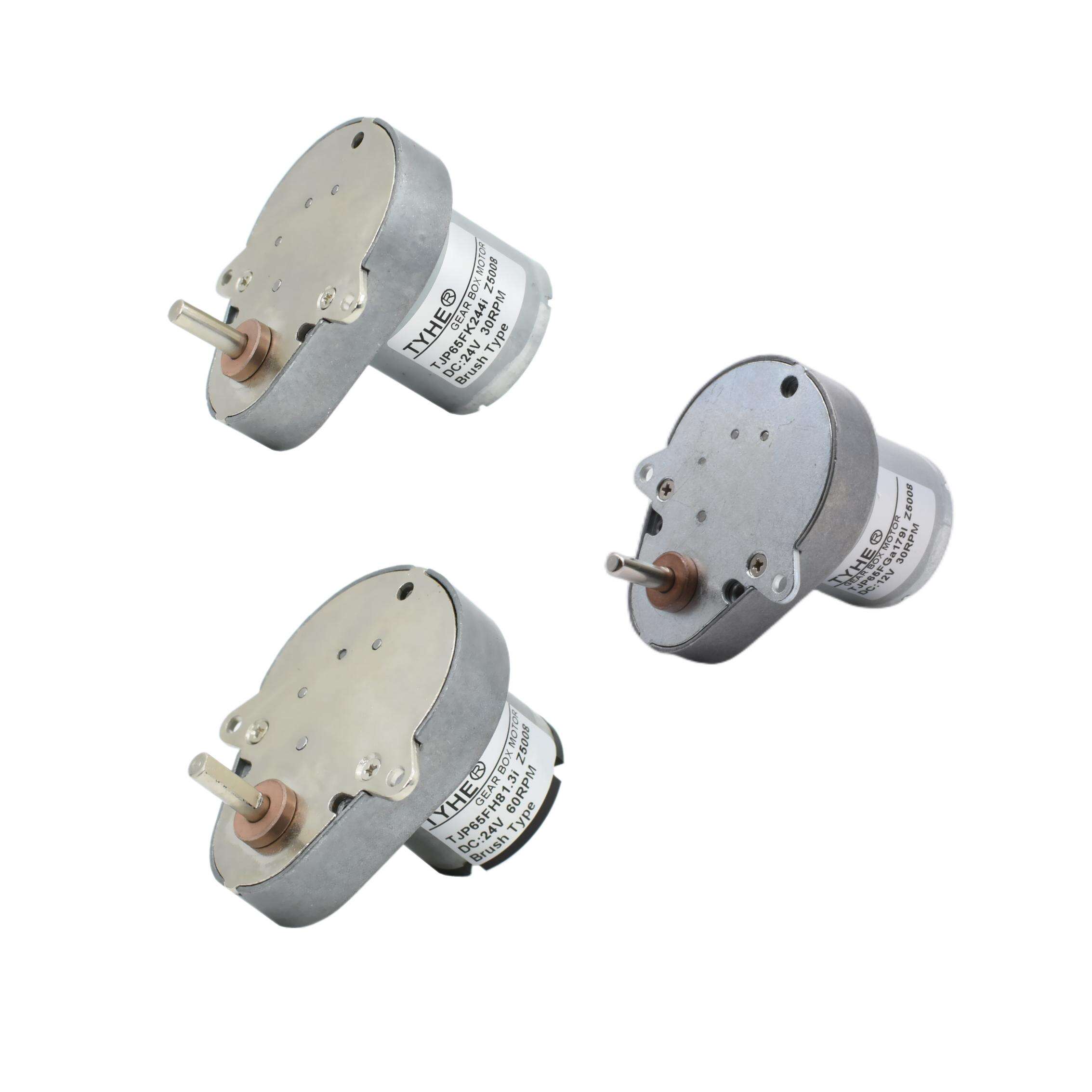
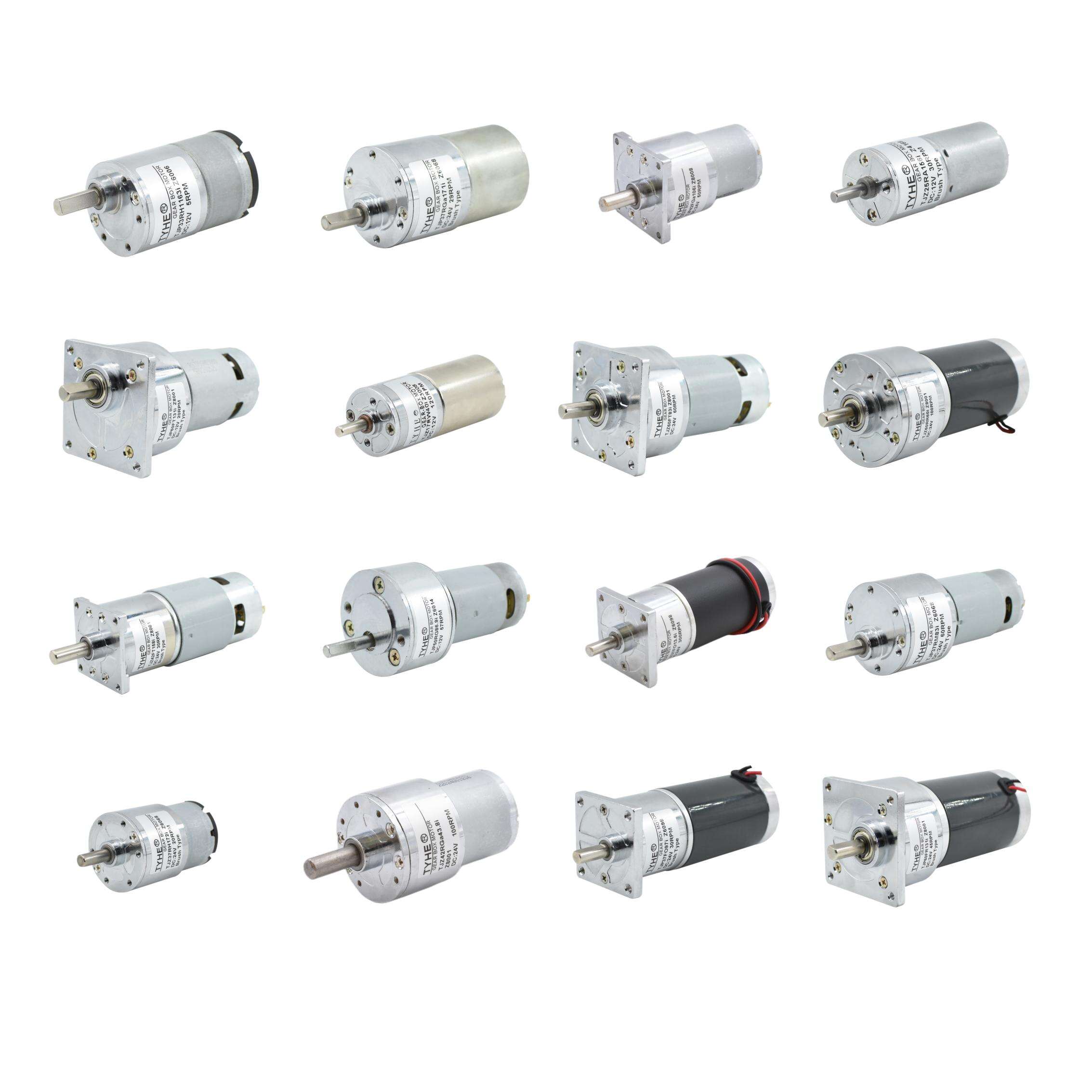
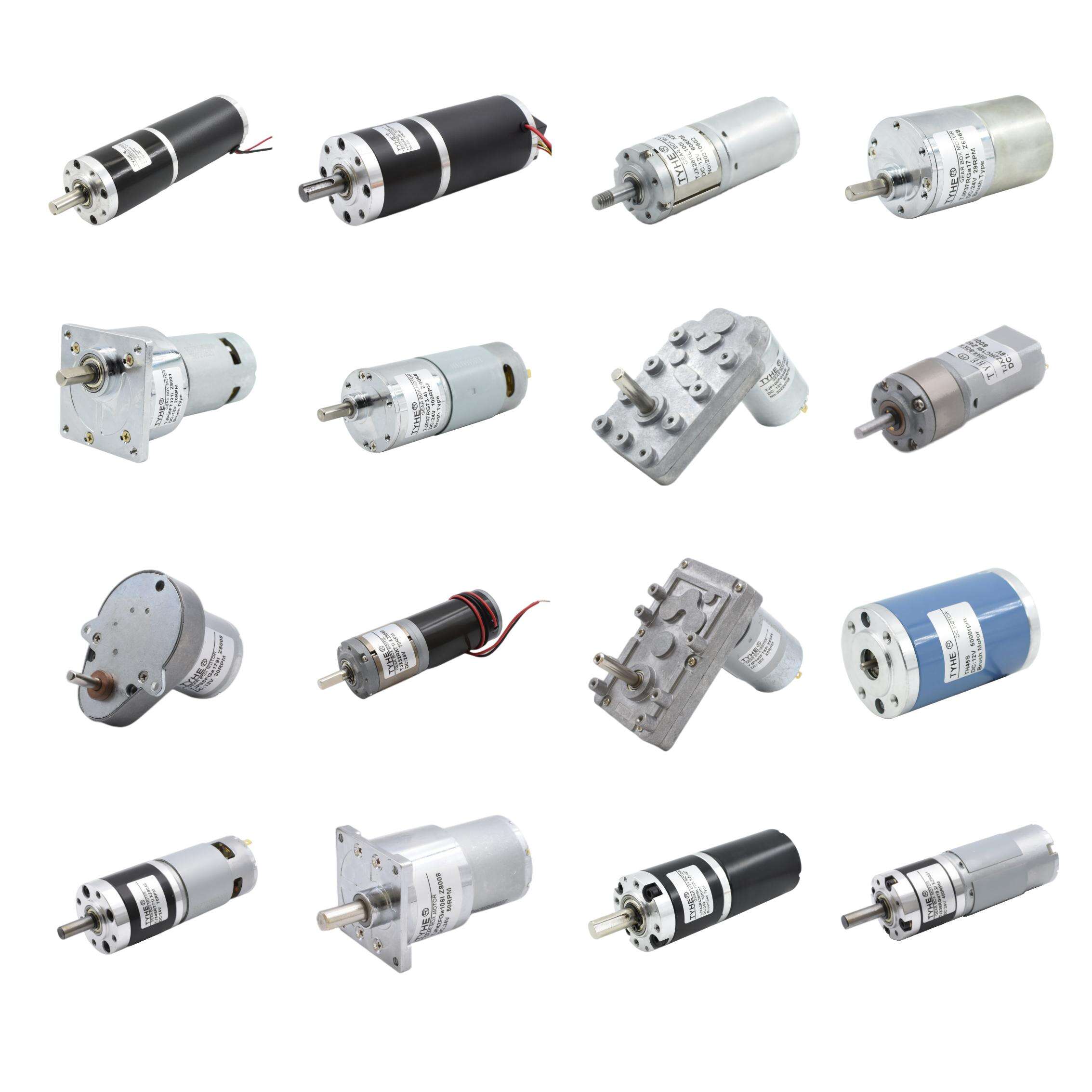
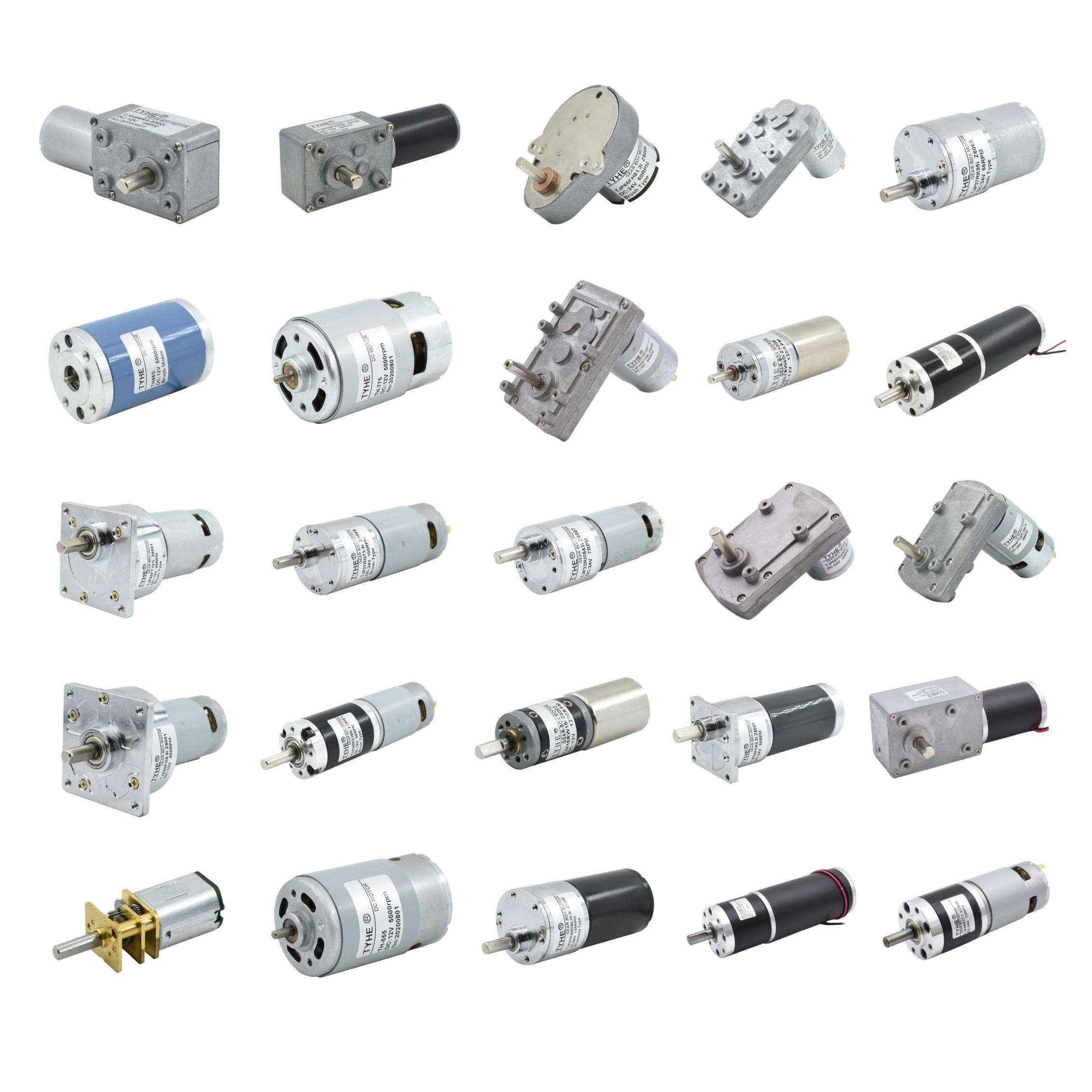
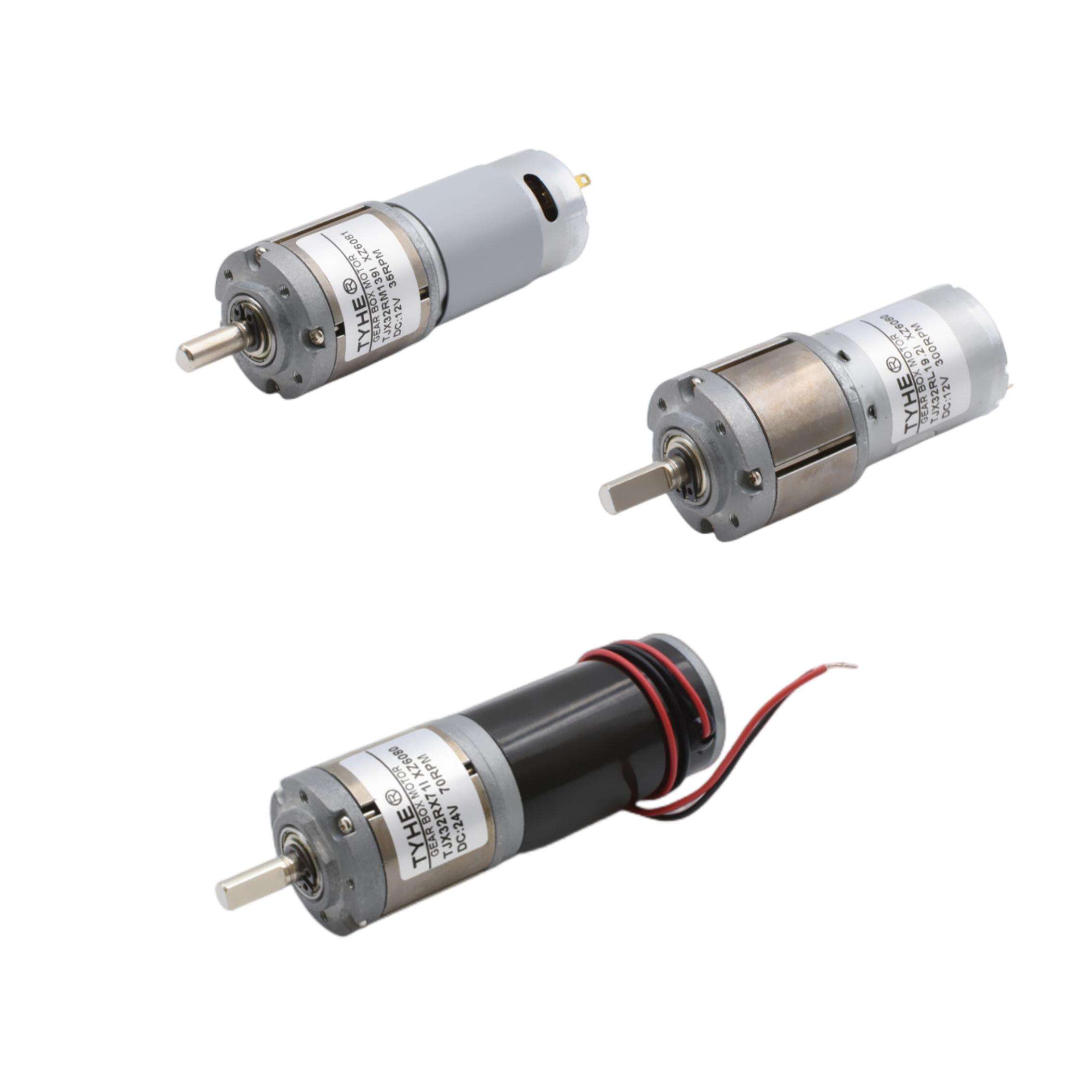
Stepper motors and DC motors represent two fundamental categories of electric motors that serve distinct purposes across various industrial and commercial applications. A stepper motor operates by converting electrical pulses into precise mechanical rotation, moving in discrete steps rather than continuous motion. This unique characteristic makes stepper motors ideal for applications requiring exact positioning control. The motor divides a full rotation into hundreds or thousands of steps, enabling precise angular positioning without feedback systems. Stepper motors typically feature permanent magnets or variable reluctance designs, with hybrid versions combining both technologies for enhanced performance. DC motors, conversely, provide smooth continuous rotation powered by direct current electricity. These motors operate through electromagnetic principles, where current flows through conductors within magnetic fields to generate rotational force. DC motors come in brushed and brushless variants, each offering specific advantages for different applications. Brushed DC motors utilize carbon brushes making physical contact with a rotating commutator, while brushless DC motors employ electronic switching for commutation. The technological features of stepper motors include high holding torque, excellent step resolution, and open-loop control capabilities. They maintain position without power consumption when stationary and offer predictable speed-torque characteristics. DC motors provide high power-to-weight ratios, variable speed control, and efficient energy conversion. Applications for stepper motors span 3D printing, CNC machinery, robotics, medical devices, and precision instrumentation. Their ability to maintain accurate positioning makes them essential in automated manufacturing processes. DC motors find widespread use in automotive systems, industrial machinery, consumer electronics, and power tools. The selection between stepper motors and DC motors depends on specific application requirements, including precision needs, speed requirements, torque characteristics, and control complexity considerations.

New Product Releases

Stepper motors and DC motors each deliver distinct advantages that make them suitable for different operational requirements and customer needs. Stepper motors excel in applications demanding precise positioning control without requiring expensive feedback systems. Users benefit from the inherent ability of stepper motors to maintain exact positioning through their step-by-step operation, eliminating the need for encoders or sensors in many applications. This characteristic reduces system complexity and overall costs while ensuring reliable positioning accuracy. The holding torque capability of stepper motors provides another significant advantage, as these motors can maintain their position even when power is removed, preventing unwanted movement in static applications. Stepper motors offer predictable performance characteristics, allowing engineers to calculate exact positioning based on input pulses, which simplifies system design and programming. The open-loop control nature of stepper motors reduces control system complexity compared to closed-loop alternatives, making them cost-effective solutions for positioning applications. DC motors provide exceptional speed control flexibility, allowing users to achieve variable speeds through voltage adjustment or pulse width modulation techniques. This versatility makes DC motors ideal for applications requiring dynamic speed changes during operation. The high power-to-weight ratio of DC motors delivers superior performance in compact designs, making them perfect for portable devices and space-constrained applications. DC motors demonstrate excellent starting torque characteristics, enabling them to overcome initial load resistance effectively. The efficiency of modern DC motors, particularly brushless variants, translates into reduced energy consumption and lower operating costs for end users. DC motors respond quickly to control inputs, providing rapid acceleration and deceleration capabilities essential for dynamic applications. The widespread availability and established technology base of DC motors ensure easy sourcing, maintenance, and replacement parts availability. Both motor types offer reliable long-term operation when properly selected and maintained, providing customers with dependable solutions for their specific motion control requirements while delivering cost-effective performance over their operational lifetime.

Tips And Tricks

Top 10 Micro DC Motor Applications in Robotics

15

Dec

Top 10 Micro DC Motor Applications in Robotics

The robotics industry has experienced unprecedented growth in recent years, driven by advances in miniaturization and precision engineering. At the heart of many robotic systems lies a crucial component that enables precise movement and control: the ...
View More
Micro DC Motor vs Stepper Motor: Which to Choose?

15

Dec

Micro DC Motor vs Stepper Motor: Which to Choose?

When selecting the right motor for precision applications, engineers frequently debate between micro DC motors and stepper motors. Both technologies offer distinct advantages for different use cases, but understanding their fundamental differences is...
View More
Top 10 Applications of 12V DC Motors in Industry

04

Mar

Top 10 Applications of 12V DC Motors in Industry

Industrial automation and manufacturing processes rely heavily on reliable motor solutions that deliver consistent performance across diverse applications. The 12v dc motor has emerged as a cornerstone technology in modern industrial operations, prov...
View More
How to Maintain Your 24V DC Motor: Expert Tips

04

Mar

How to Maintain Your 24V DC Motor: Expert Tips

Proper maintenance of your 24v dc motor is essential for ensuring optimal performance, extending operational lifespan, and preventing costly breakdowns in industrial applications. Whether you're operating automated machinery, robotic systems, or prec...
View More

Get a Free Quote

Our representative will contact you soon.
Email
Name
Company Name
Message
0/1000

stepper motor and dc motor

Precision Positioning Control with Stepper Motors

Precision Positioning Control with Stepper Motors

Stepper motors revolutionize precision positioning applications through their unique step-by-step operation mechanism, delivering unparalleled accuracy without requiring complex feedback systems. This fundamental advantage stems from the motor's ability to convert digital pulses directly into precise mechanical movements, with each pulse corresponding to a specific angular displacement. Modern stepper motors achieve resolutions ranging from 200 to 50,000 steps per revolution, enabling positioning accuracy within fractions of a degree. This precision capability proves invaluable in applications such as 3D printing, where layer-by-layer construction demands consistent positioning repeatability. Manufacturing industries rely on stepper motors for CNC machining operations, where precise tool positioning directly impacts product quality and dimensional accuracy. The inherent holding torque of stepper motors ensures maintained positioning even without continuous power consumption, providing static stability essential for applications like valve control or gate positioning. Unlike servo systems requiring expensive encoders and complex feedback loops, stepper motors operate reliably in open-loop configurations, significantly reducing system costs and complexity. Users benefit from predictable performance characteristics, as the relationship between input pulses and mechanical displacement remains constant throughout the motor's operational range. This predictability simplifies programming and control system design, enabling engineers to calculate exact movements based on pulse counts. Stepper motors eliminate the risk of cumulative positioning errors common in other motor types, as each step represents an absolute position reference. The technology proves particularly valuable in medical devices requiring precise medication dosing or surgical instrument positioning, where accuracy directly impacts patient safety. Laboratory automation systems utilize stepper motors for sample handling and analytical equipment positioning, leveraging their reliability and precision for consistent experimental results.
High Efficiency and Variable Speed Control with DC Motors

High Efficiency and Variable Speed Control with DC Motors

DC motors deliver exceptional efficiency and versatile speed control capabilities that make them indispensable for applications requiring dynamic performance characteristics and energy-conscious operation. Modern brushless DC motors achieve efficiency ratings exceeding 90 percent, significantly reducing energy consumption compared to alternative motor technologies. This efficiency translates into lower operating costs for businesses and reduced environmental impact through decreased power consumption. The variable speed control capability of DC motors provides users with unprecedented operational flexibility, enabling speed adjustments from zero to maximum rated speeds through simple voltage control or advanced pulse width modulation techniques. This characteristic proves essential in applications such as electric vehicles, where smooth acceleration and regenerative braking capabilities enhance both performance and energy recovery. Industrial conveyor systems benefit from DC motor speed control, allowing operators to match belt speeds to production requirements and optimize throughput. The rapid response characteristics of DC motors enable quick acceleration and deceleration, making them ideal for applications requiring frequent speed changes or precise velocity control. Brushless DC motors eliminate mechanical wear associated with carbon brushes, resulting in extended operational lifespans and reduced maintenance requirements. This longevity benefit provides customers with lower total cost of ownership and improved system reliability. The high power-to-weight ratio of DC motors enables compact designs without sacrificing performance, particularly valuable in portable applications and space-constrained installations. Advanced electronic speed controllers for brushless DC motors provide sophisticated features such as torque control, position feedback integration, and programmable acceleration profiles. These capabilities enable precise motion control for robotics applications, where complex movement patterns require coordinated speed and position control. The thermal characteristics of DC motors allow for effective heat dissipation, enabling sustained high-performance operation in demanding environments while maintaining consistent performance parameters throughout extended duty cycles.
Versatile Application Range and Reliability

Versatile Application Range and Reliability

Stepper motors and DC motors demonstrate remarkable versatility across diverse application ranges, providing reliable solutions for industries spanning from consumer electronics to heavy industrial machinery. This adaptability stems from the fundamental design characteristics of both motor types, which can be optimized for specific operational requirements through various configurations and control methods. Stepper motors excel in applications requiring precise positioning without feedback, making them ideal for automated manufacturing systems, packaging machinery, and textile equipment. Their ability to operate in harsh environments with minimal maintenance requirements ensures consistent performance in industrial settings where downtime costs are significant. The reliability of stepper motors extends from their simple construction and absence of brushes, which eliminates common wear points and reduces maintenance needs. DC motors showcase exceptional versatility in automotive applications, powering everything from window mechanisms to cooling fans and electric power steering systems. The automotive industry relies on DC motors for their ability to provide variable torque characteristics and efficient operation across wide temperature ranges. Consumer electronics applications leverage the compact size and quiet operation of DC motors in devices such as computer cooling fans, DVD players, and camera autofocus systems. The reliability of modern brushless DC motors makes them suitable for critical applications such as medical ventilators and life support equipment, where failure is not acceptable. Industrial automation systems integrate both stepper motors and DC motors based on specific requirements, with stepper motors handling positioning tasks and DC motors providing continuous rotation applications. The scalability of both motor technologies allows for customization ranging from miniature versions for precision instruments to large motors for heavy machinery applications. Quality manufacturing processes ensure consistent performance characteristics across production batches, enabling system designers to specify motors with confidence in their reliability. Environmental resistance capabilities of industrial-grade stepper motors and DC motors allow operation in challenging conditions including temperature extremes, humidity, and vibration, ensuring reliable performance throughout their designed service life while maintaining specified performance parameters.
Comprehensive Guide to Stepper Motors and DC Motors: Features, Benefits, and Applications

Get a Free Quote

Our representative will contact you soon.
Email
Name
Company Name
Message
0/1000
Comprehensive Guide to Stepper Motors and DC Motors: Features, Benefits, and Applications